Problem-Solving Skills Addition & Subtraction Worksheets for Ages 5-8 - Page 6
215 filtered results
-
From - To
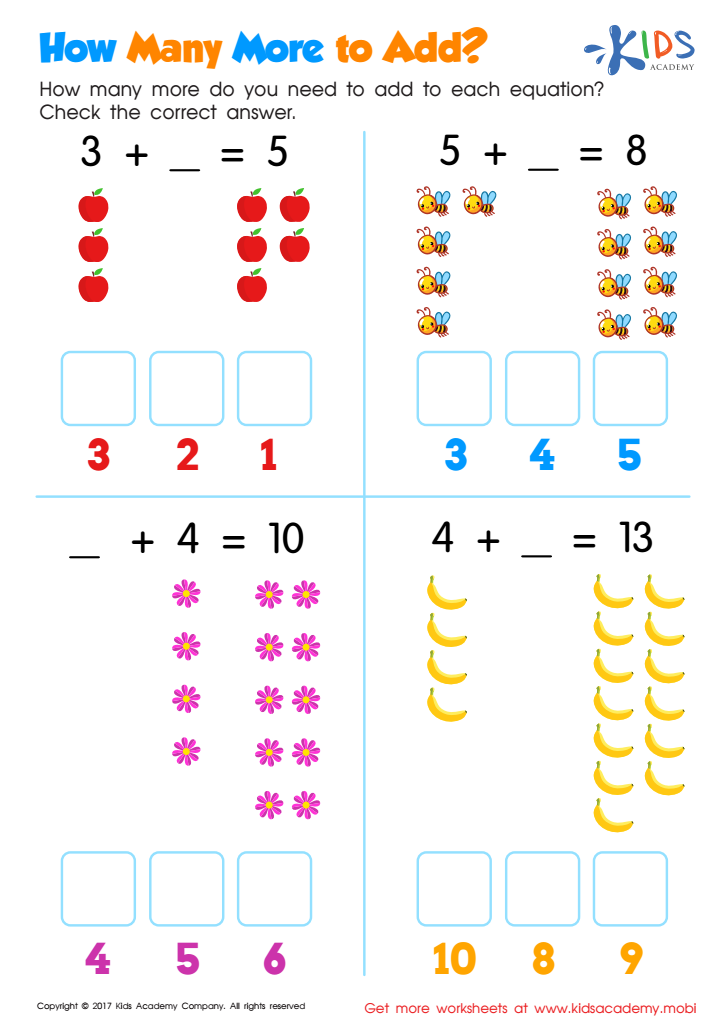
How Many More to Add Worksheet
 Assign to My Students
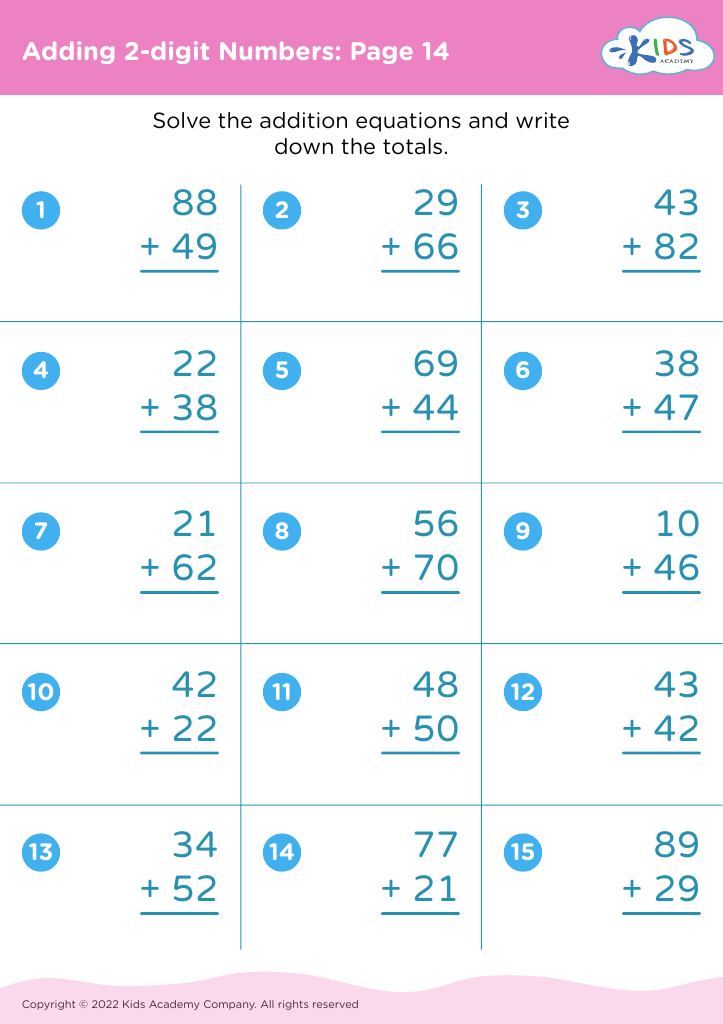
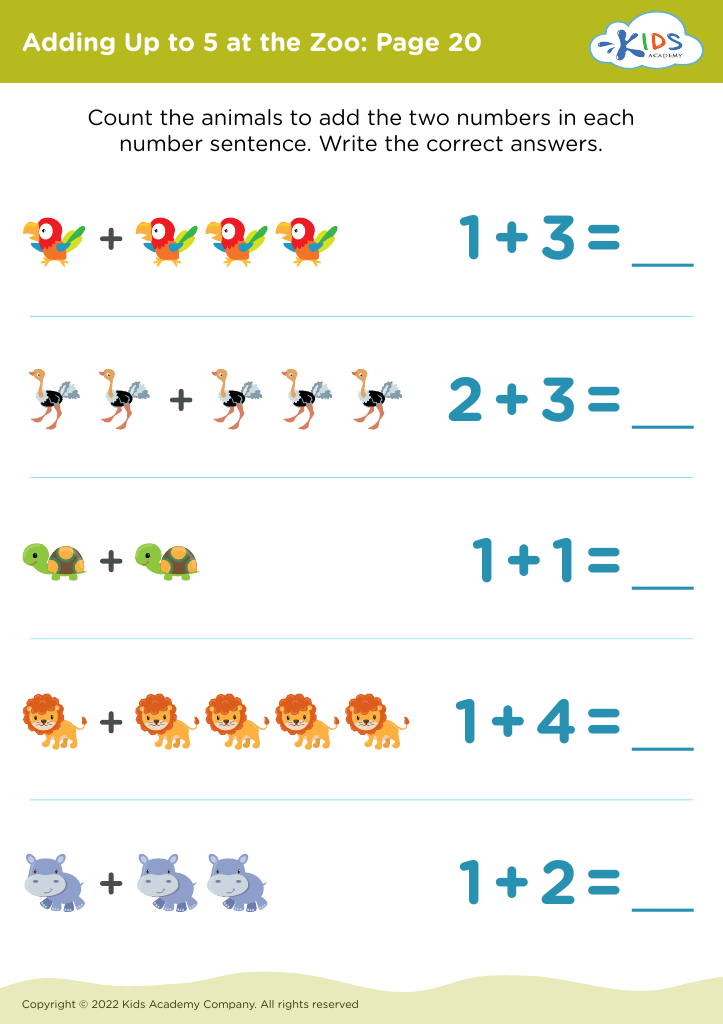
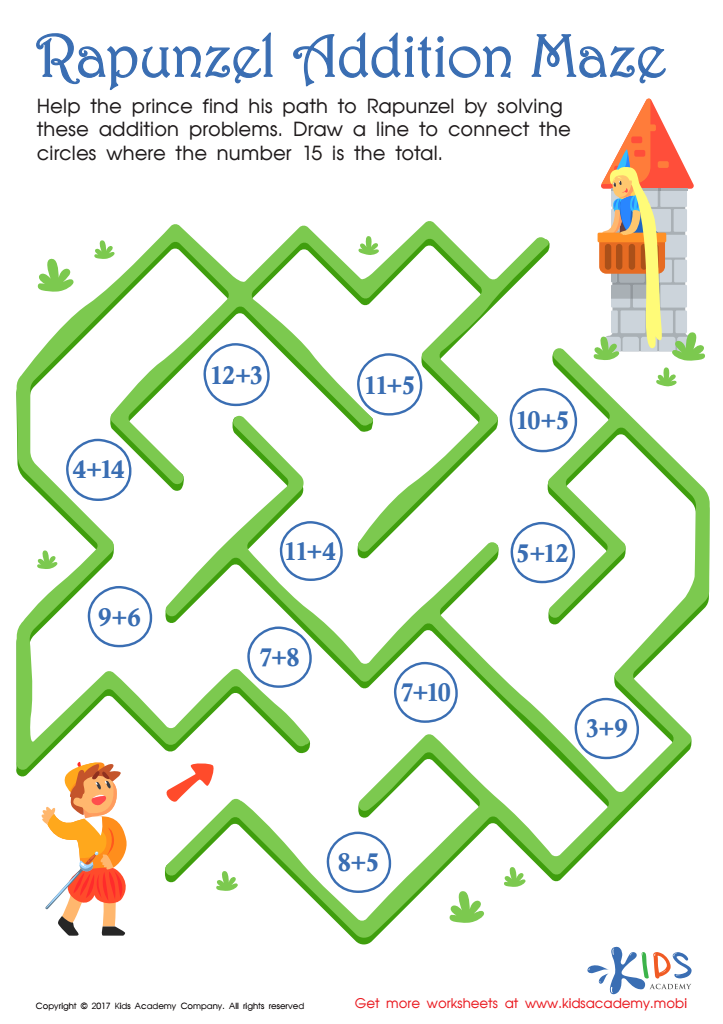
Rapunzel Addition Maze Worksheet
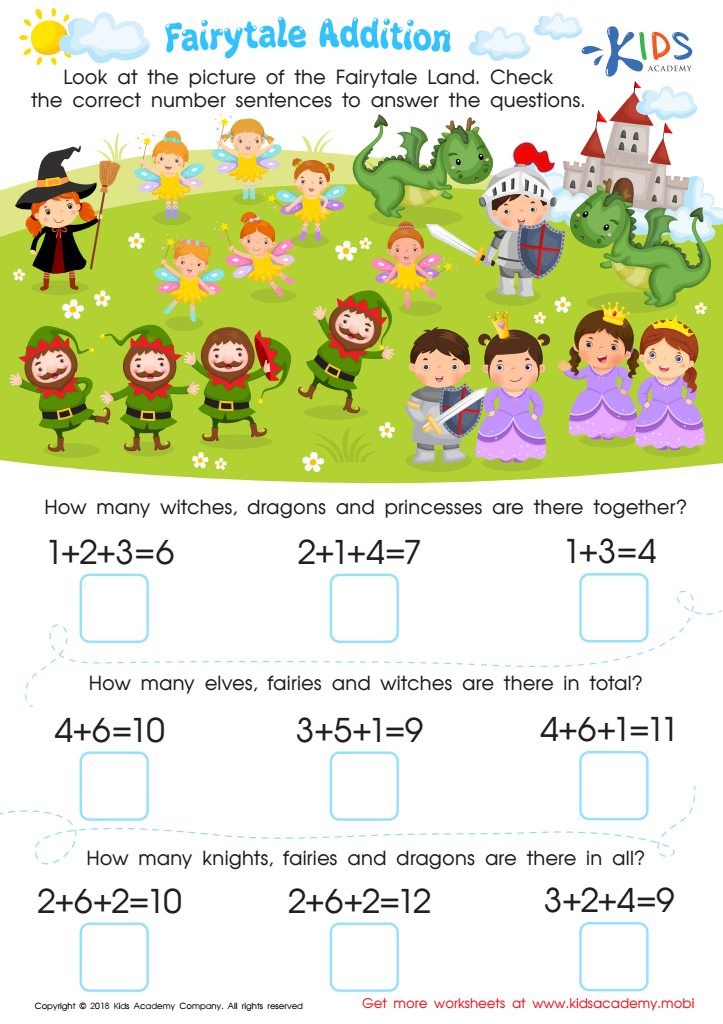
Fairytale Addition Worksheet
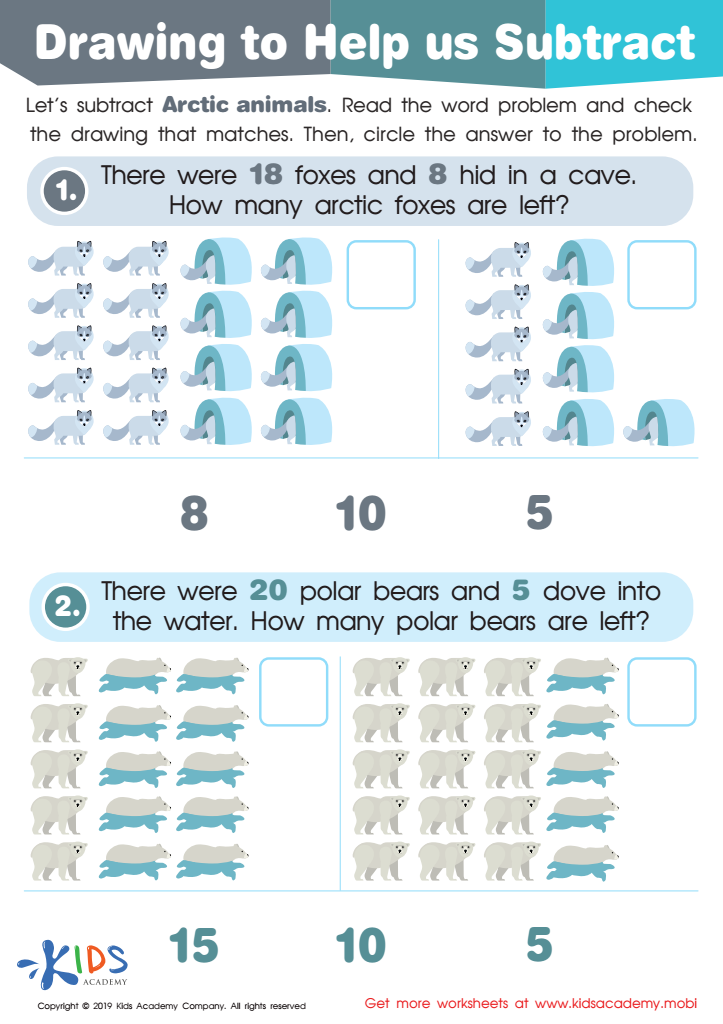
Drawing to Help Us Subtract Worksheet
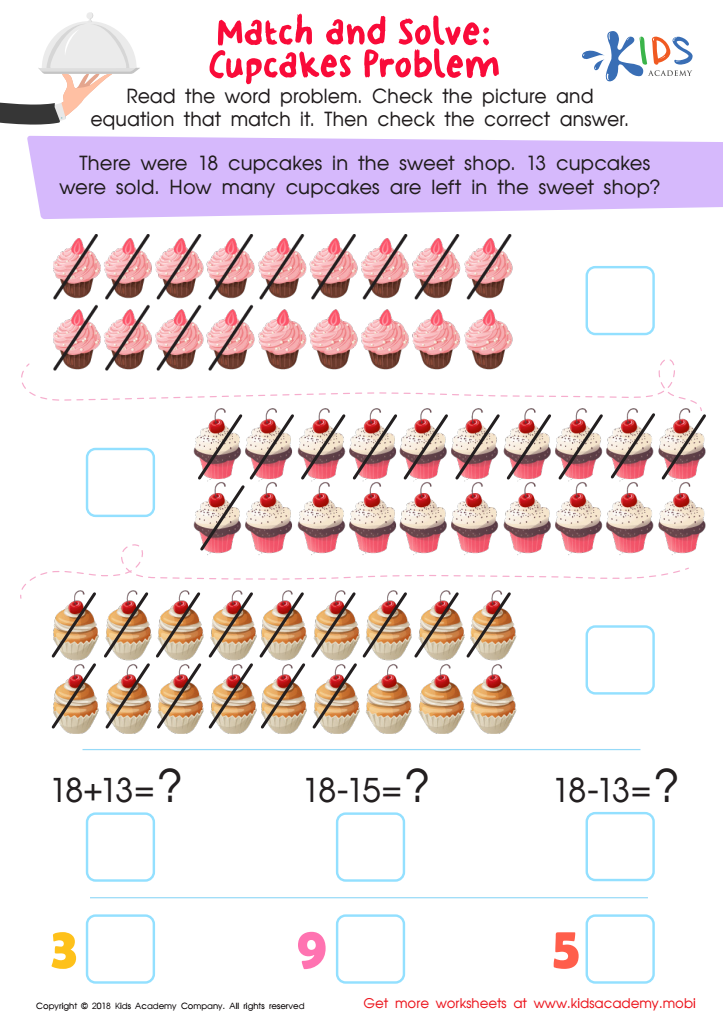
Match and Solve: Cupcakes Problem Worksheet
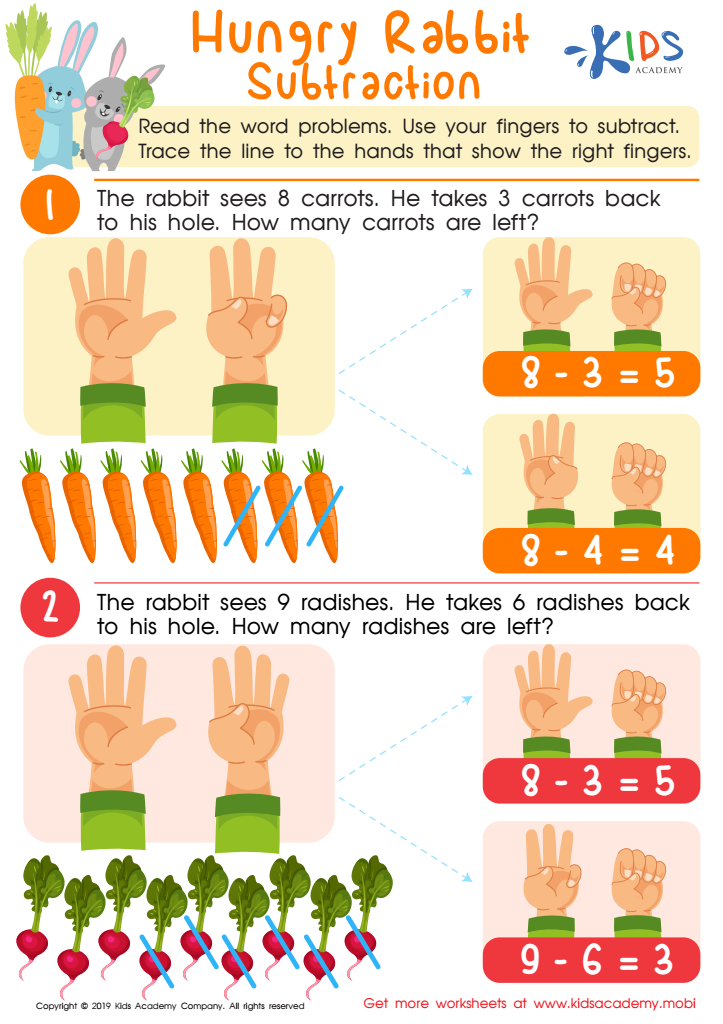
Hungry Rabbit Subtraction Worksheet
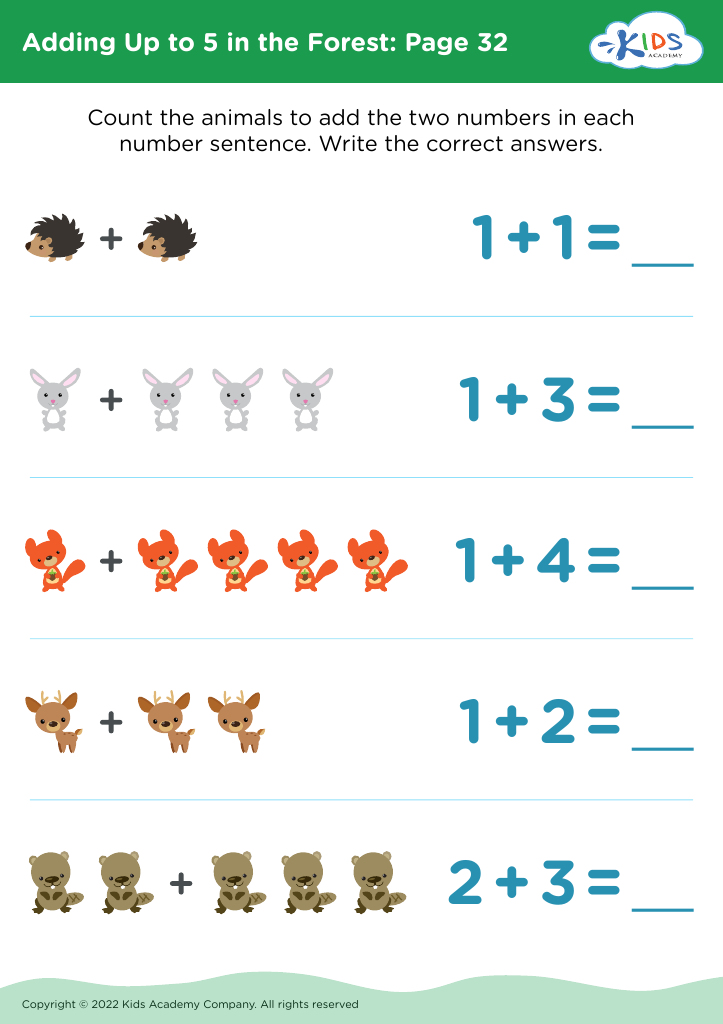
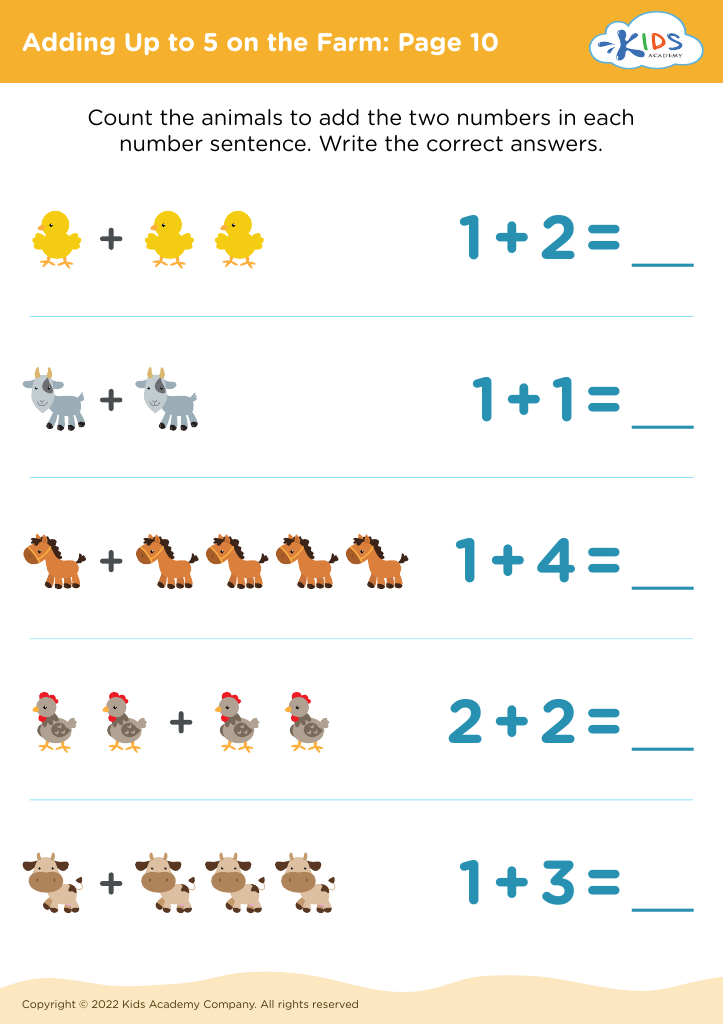
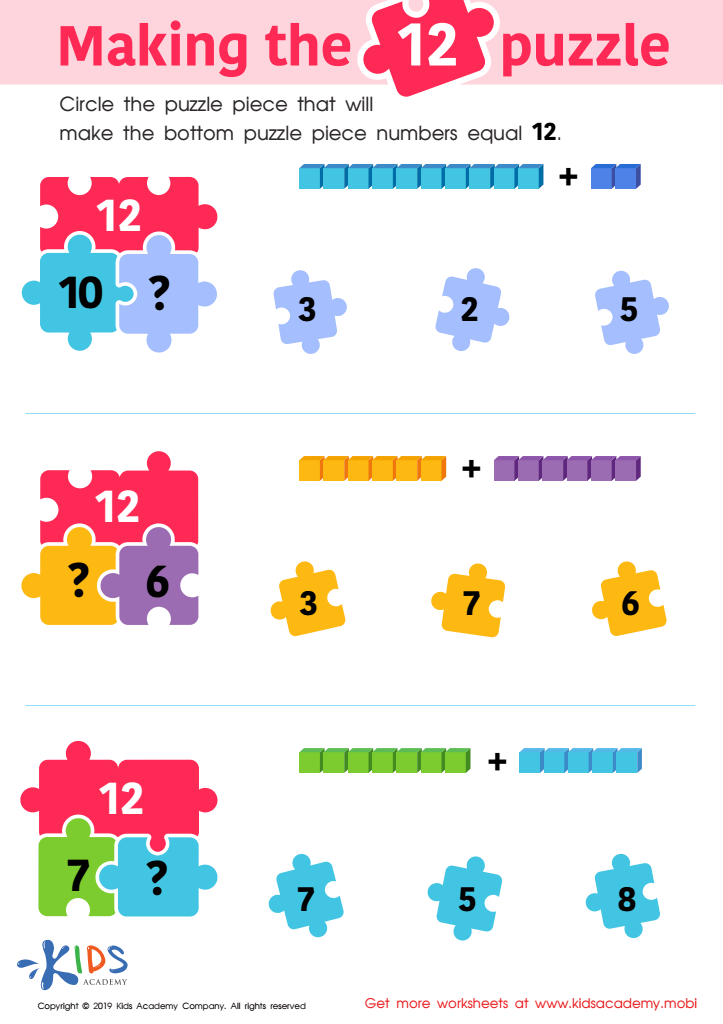
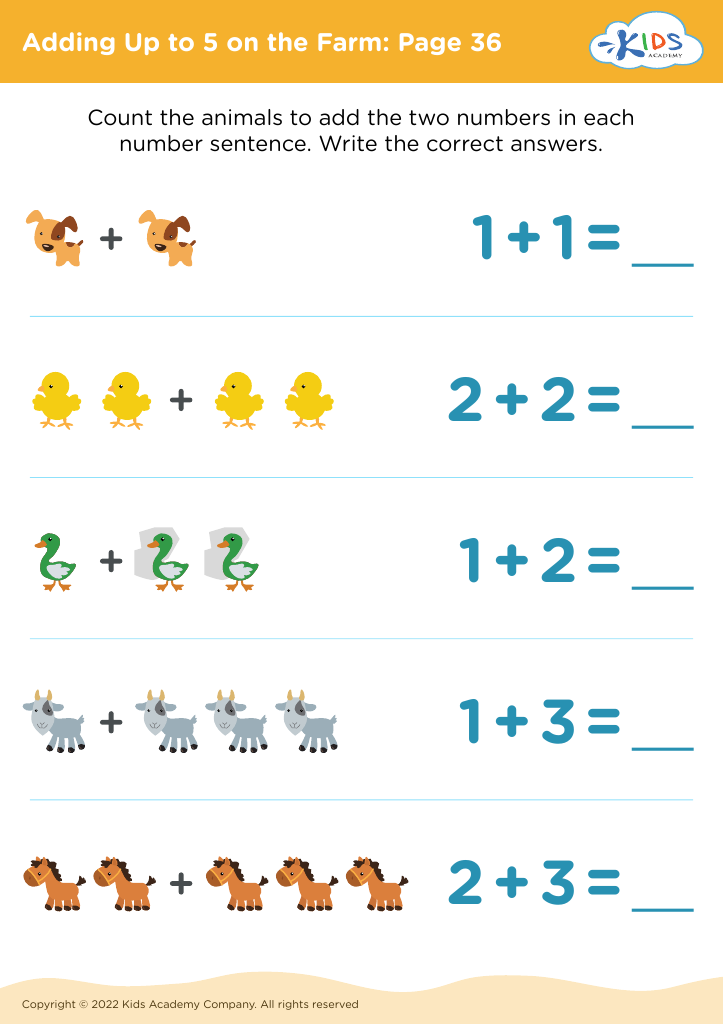
Making the 12 Puzzle Worksheet
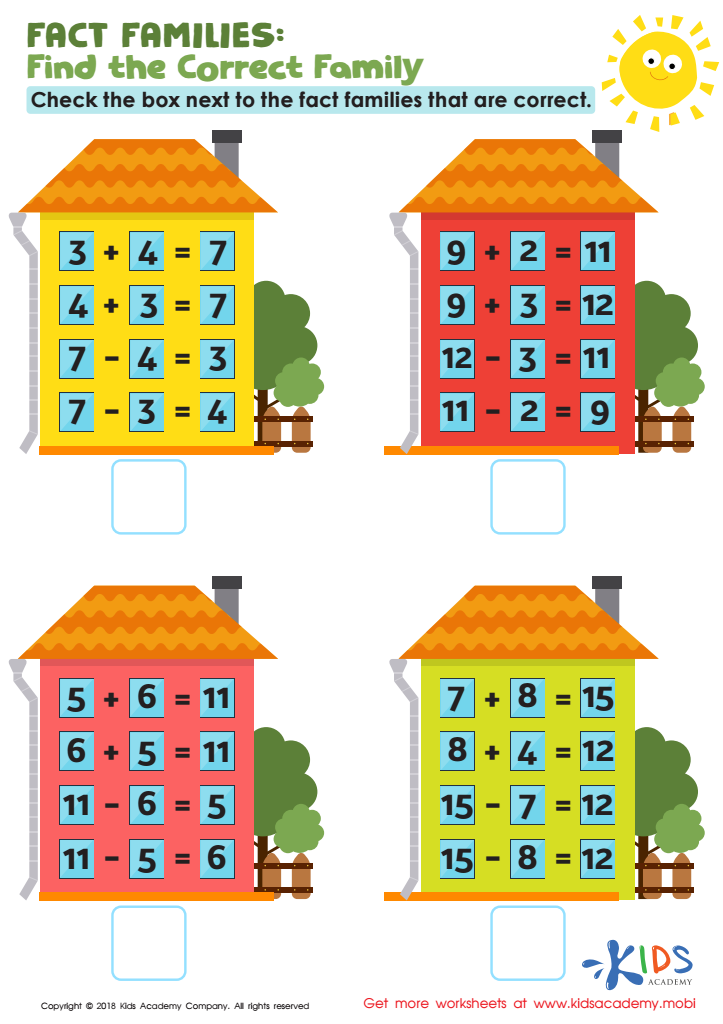
Fact Families: Find Correct Family Worksheet
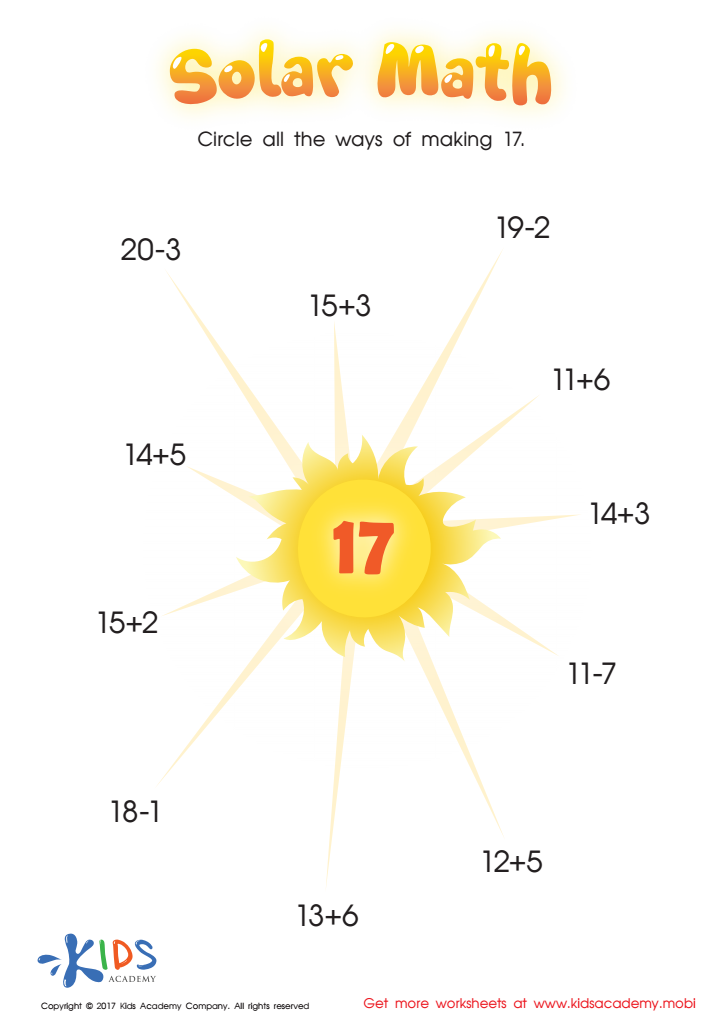
Solar Math Substraction Worksheet
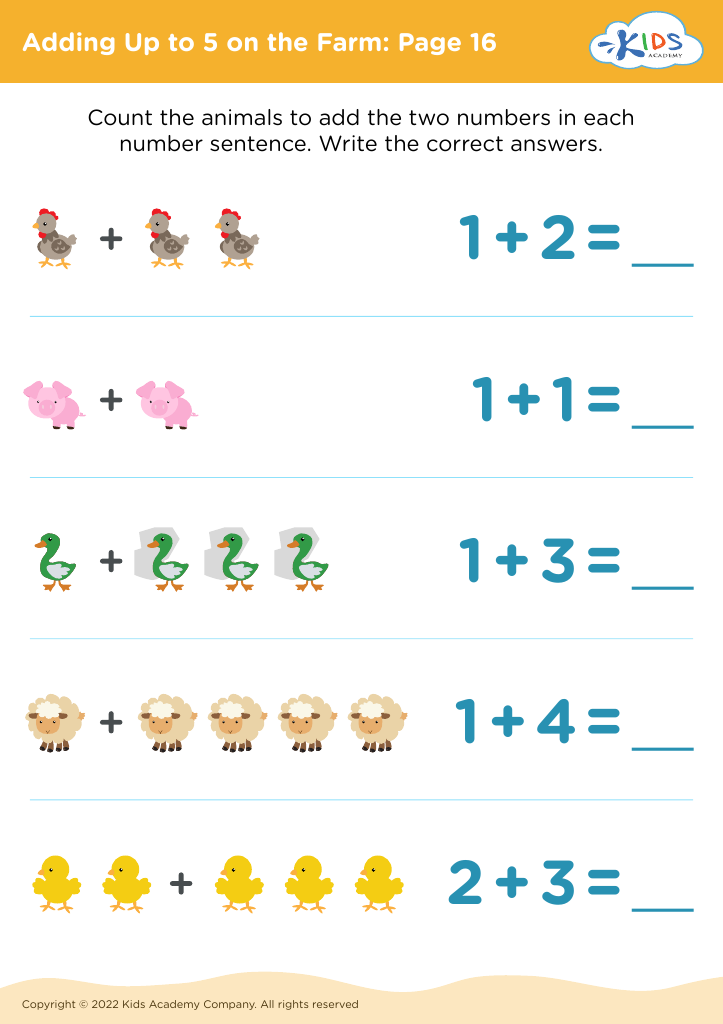
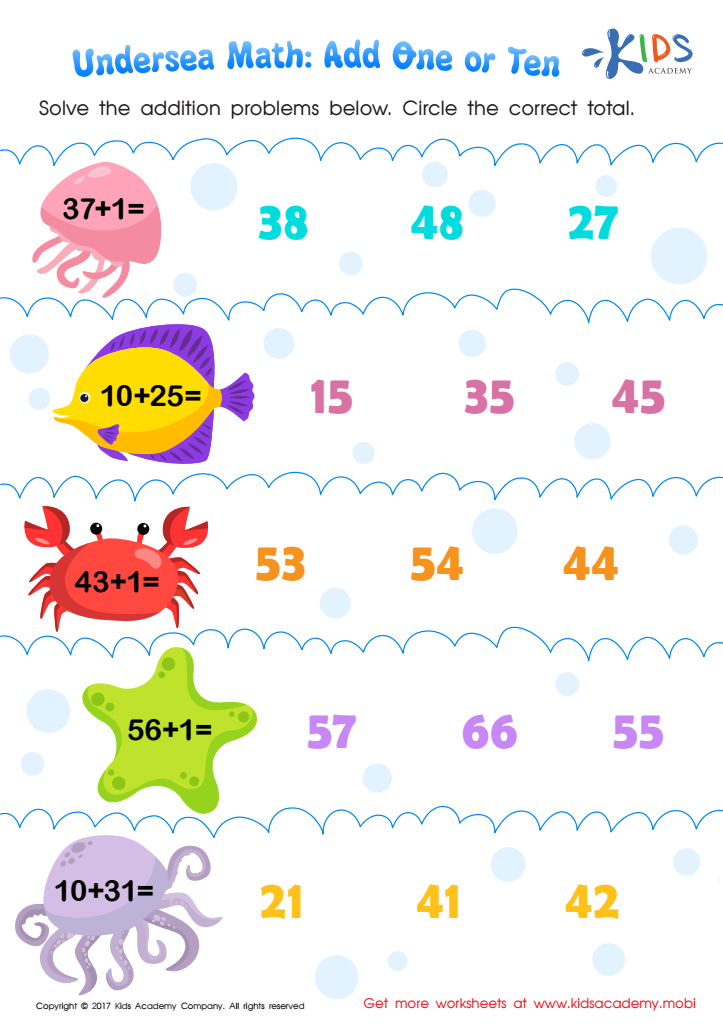
Undersea Math Worksheet
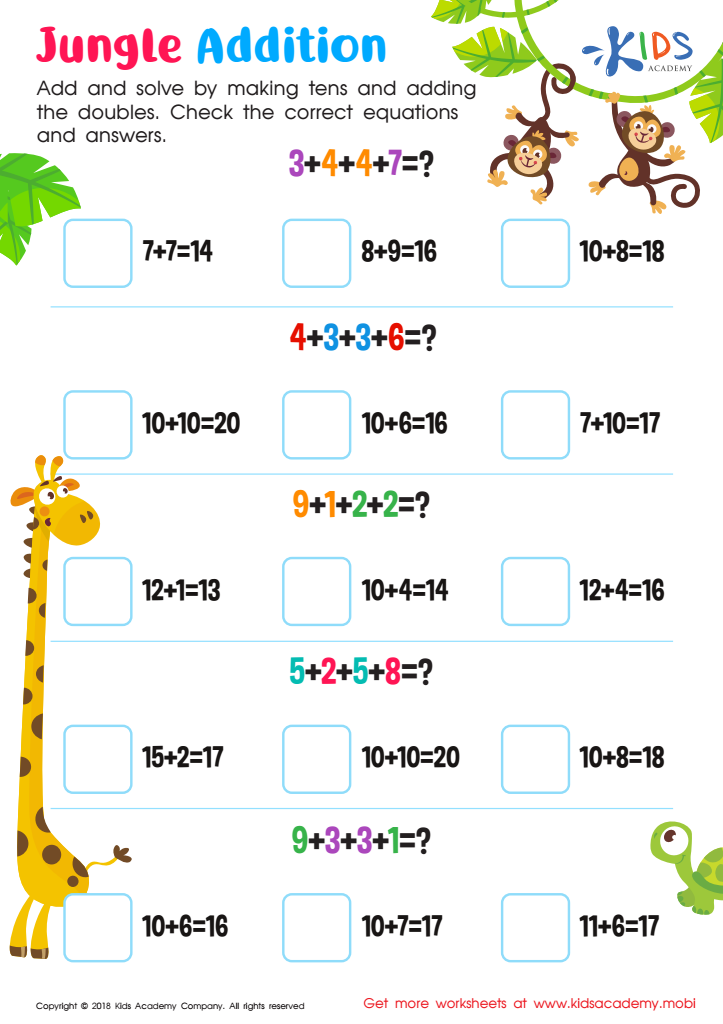
Jungle Addition Worksheet
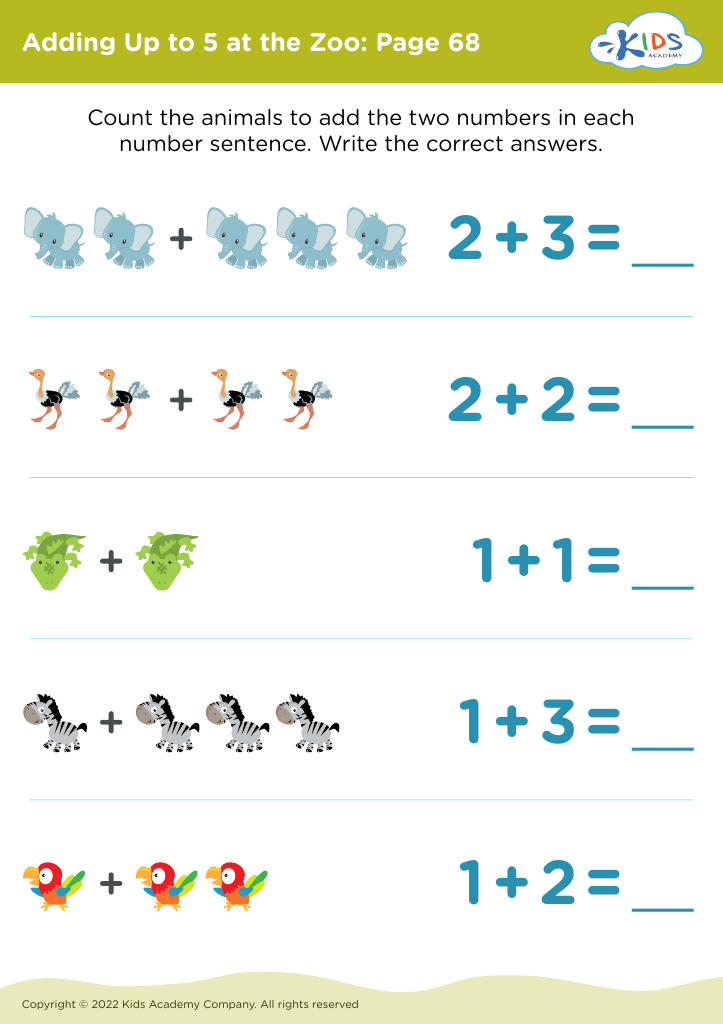
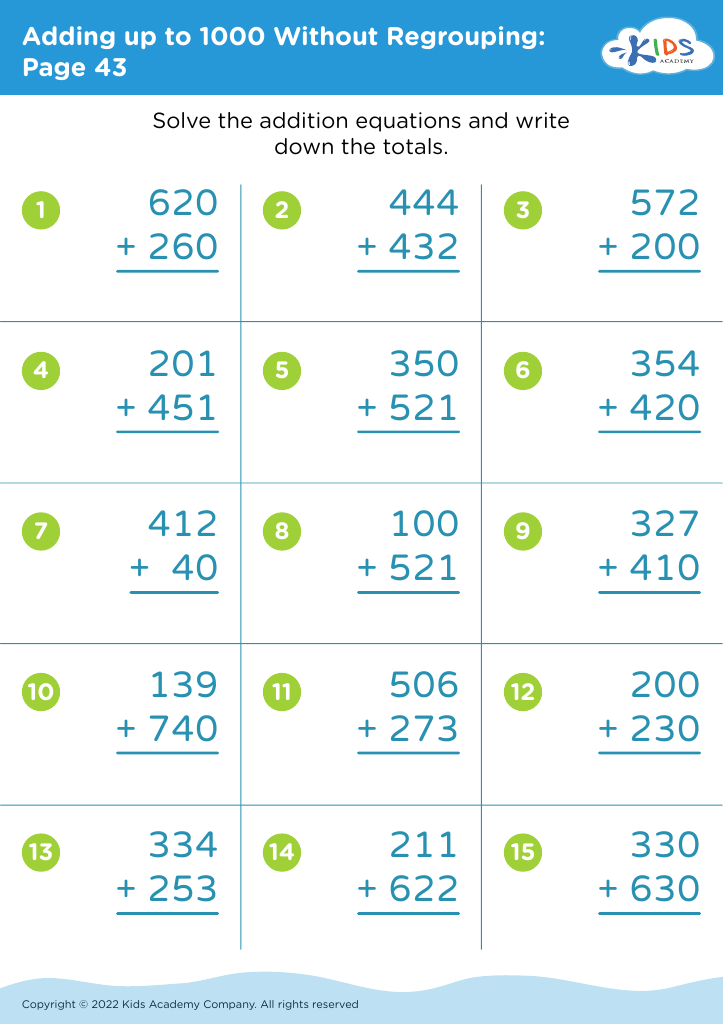
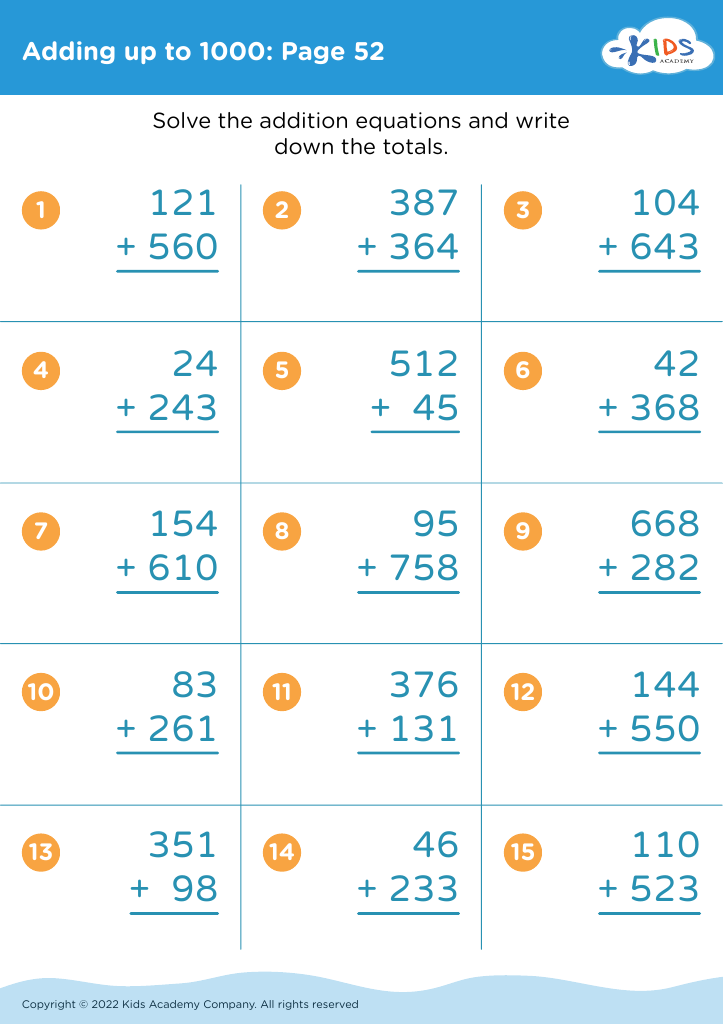








Problem-solving skills in addition and subtraction are crucial for children aged 5-8 as they lay the foundation for future mathematical understanding and critical thinking. Caring about this aspect of learning ensures that children develop not just basic math skills, but a robust problem-solving mindset which is vital across all subjects and life situations.
First, these skills foster analytical thinking. When children engage in problem-solving, they learn how to assess situations, identify relevant information, and choose appropriate strategies to arrive at solutions. This process promotes perseverance and resilience, teaching them that challenges can be overcome through effort and creativity.
Second, solid problem-solving abilities facilitate effective communication. As children explain their thought processes, they enhance their verbal and mathematical vocabulary, allowing them to articulate concepts clearly and effectively.
Moreover, encouraging problem-solving attitudes nurtures a positive relationship with math. If students perceive math as a series of challenges to embrace rather than obstacles, they are more likely to develop a lifelong love for learning and exploration.
Lastly, developing these crucial skills early promotes independence, enabling children to tackle not just academic problems, but everyday life challenges, ultimately equipping them with essential life skills for the future.








