Logical thinking Numbers Worksheets for Ages 5-8
5 filtered results
-
From - To
Introducing our engaging Logical Thinking Numbers Worksheets, specially designed for kids aged 5-8! These fun, educational printables focus on developing critical logical thinking and problem-solving skills through interesting numerical activities. Featuring vibrant illustrations and intuitive exercises, our worksheets help children build their math confidence while mastering number sequences, patterns, and relationships. Perfect for young learners, these activities make learning enjoyable and effective, whether at home or in the classroom. Empower your little mathematicians with essential skills for academic success and a lifelong love for numbers! Download now and start your child’s exciting journey in math today!
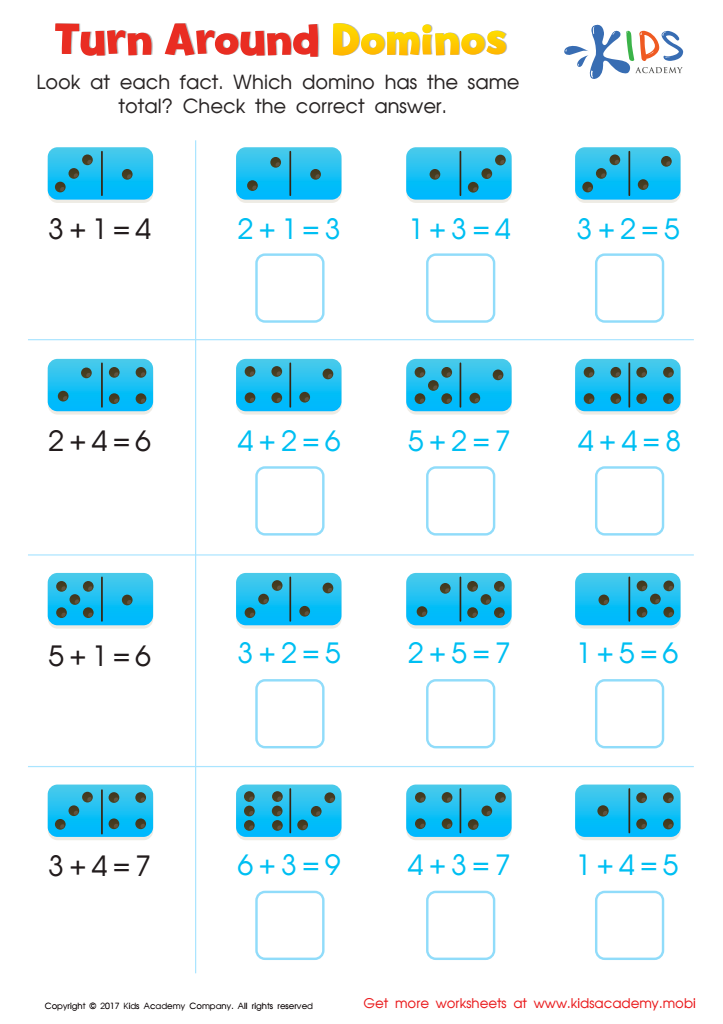
Turn Around Dominos Worksheet
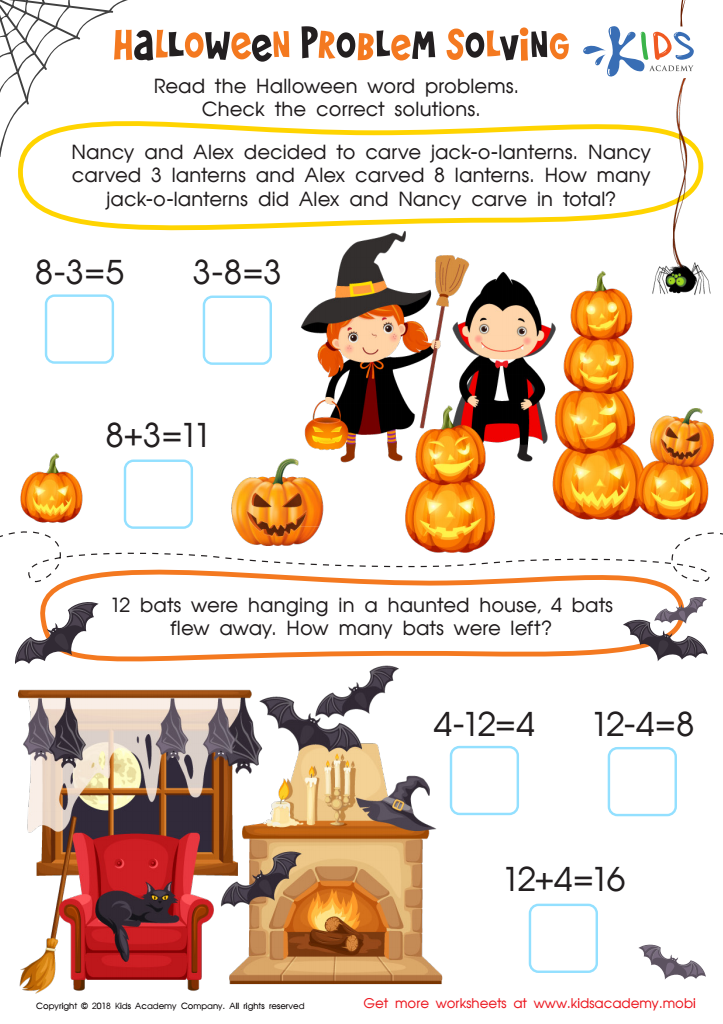
Halloween Problem Solving Worksheet
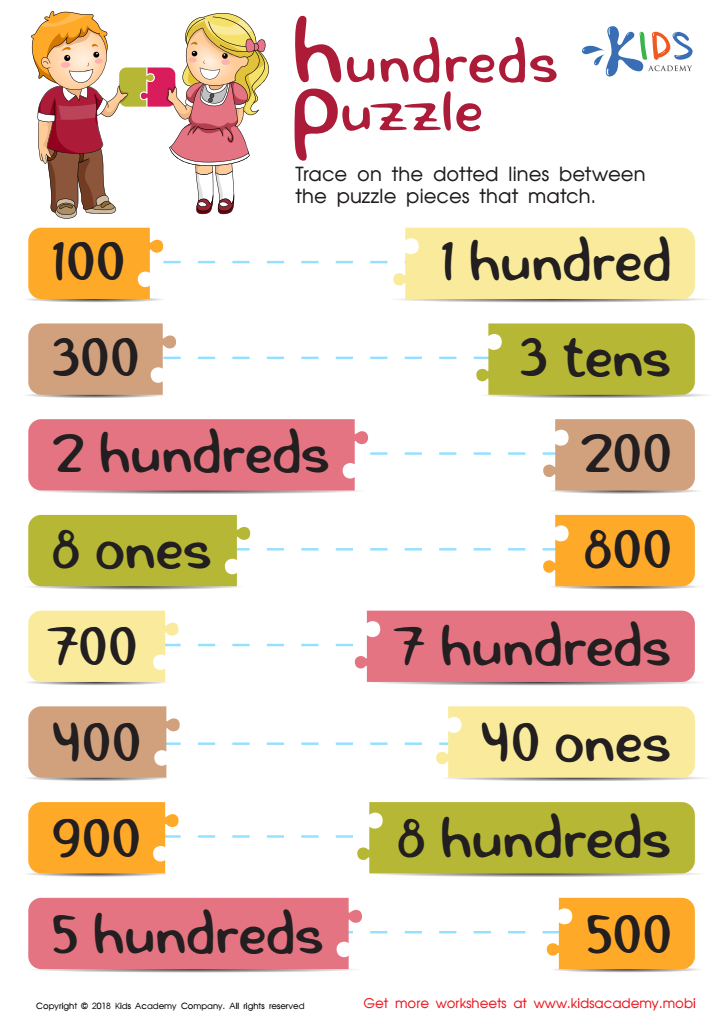
Hundreds Puzzle Worksheet
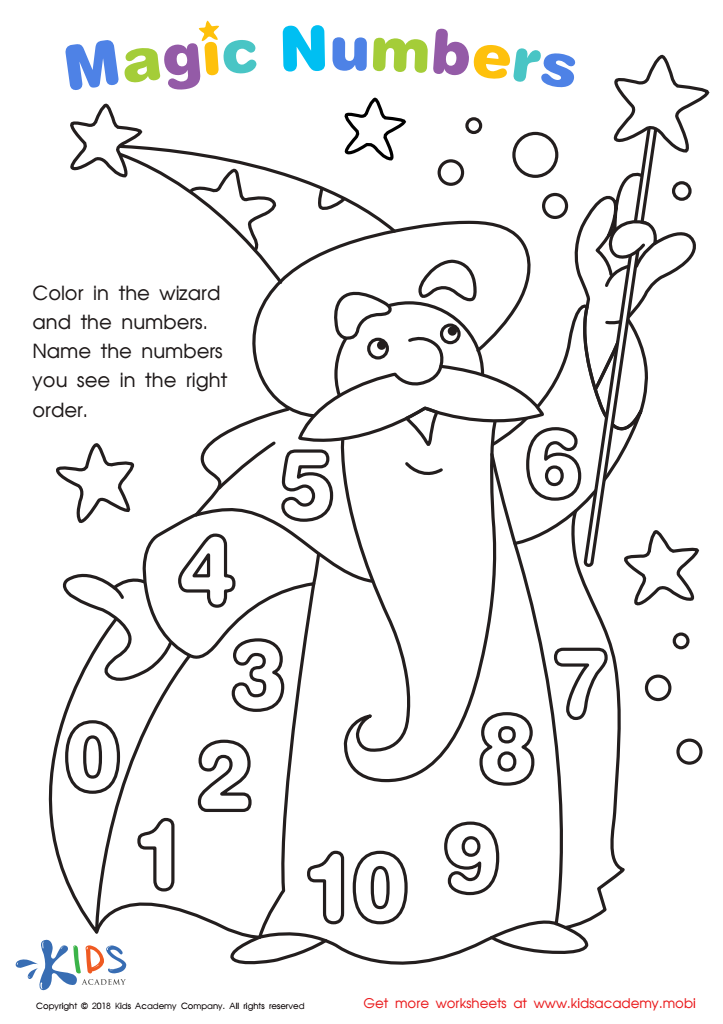
Magic Numbers Worksheet
 Assign to My Students

Transportation: Steps Worksheet








Parents and teachers should prioritize logical thinking and number skills for children ages 5-8 because these abilities lay the foundational bedrock for future academic success and everyday problem-solving. At this developmental stage, children's brains are remarkably receptive to learning patterns, sequences, and relationships, all critical aspects of logical thinking and numeracy. Cultivating these skills enhances cognitive abilities, enabling kids to approach both academic and real-world challenges systematically and confidently.
Logical thinking fosters critical thinking and creativity, helping children analyze situations, make reasoned decisions, and understand cause-and-effect relationships. Numeracy is more than just mathematical ability; it includes understanding quantities, shapes, and sizes, which are essential for activities like measuring ingredients, tracking time, and even sports. When parents and teachers focus on these skills, children develop a toolkit that serves them well in science, technology, engineering, and mathematics (STEM) fields, which are pivotal in modern education and careers.
Moreover, early success in logical thinking and numeracy can lead to higher self-esteem and motivation to learn, creating a positive feedback loop of educational achievement. Enhanced number skills can help mitigate difficulties encountered in future schooling, making complex subjects more accessible. Investing time in these areas today paves the way for children's lifelong learning and practical life skills, ensuring they are well-prepared for the demands of the future.








