Multiplication practice Numbers Worksheets for Ages 5-8
5 filtered results
-
From - To
Discover engaging multiplication practice worksheets designed specifically for children aged 5-8. Our resources offer a fun and interactive way to help young learners grasp the concept of multiplication through vibrant visuals and age-appropriate exercises. These worksheets promote skill retention and confidence as students work through various multiplication challenges tailored to their levels. Perfect for classroom use or homeschooling, our printable materials encourage independent learning and reinforce foundational math skills. Boost your child’s numerical understanding and make math enjoyable with our carefully curated multiplication practice worksheets. Support their educational journey today – explore our collection and watch your young mathematicians thrive!
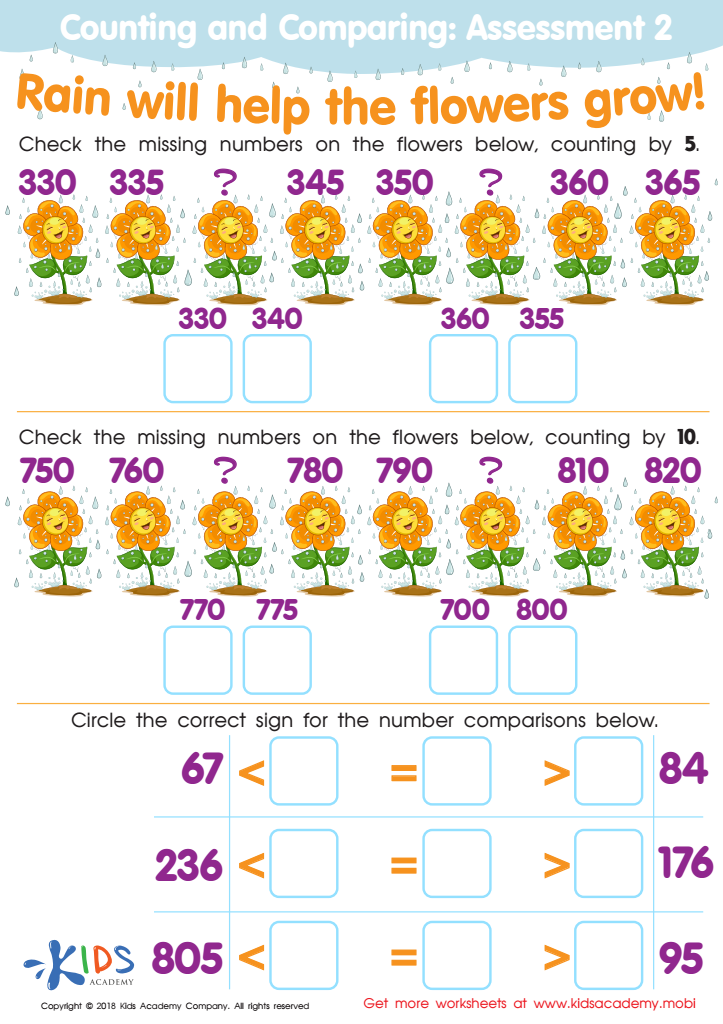
Counting and Comparing: Assessment 2 Worksheet
 Assign to My Students
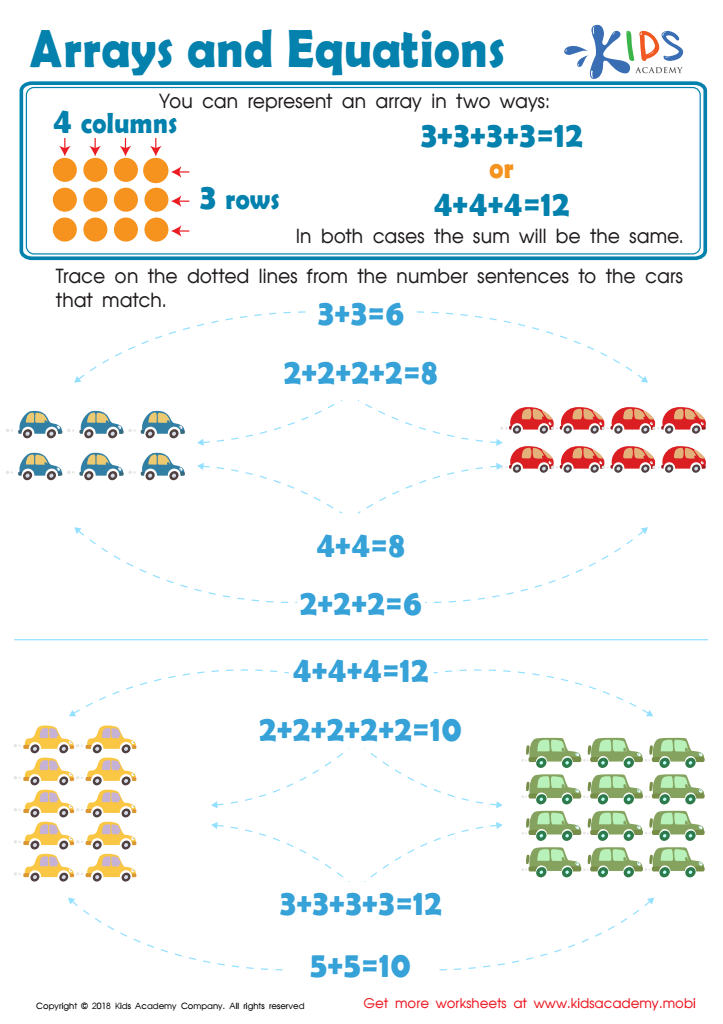
Arrays and Equations Worksheet
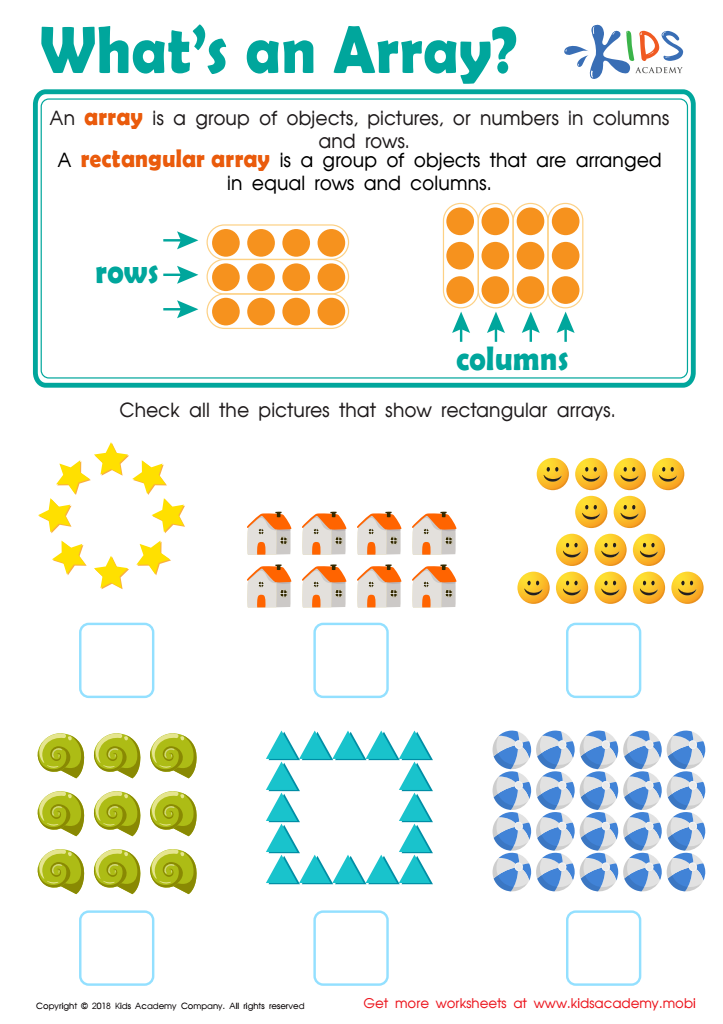
What's an Array? Worksheet
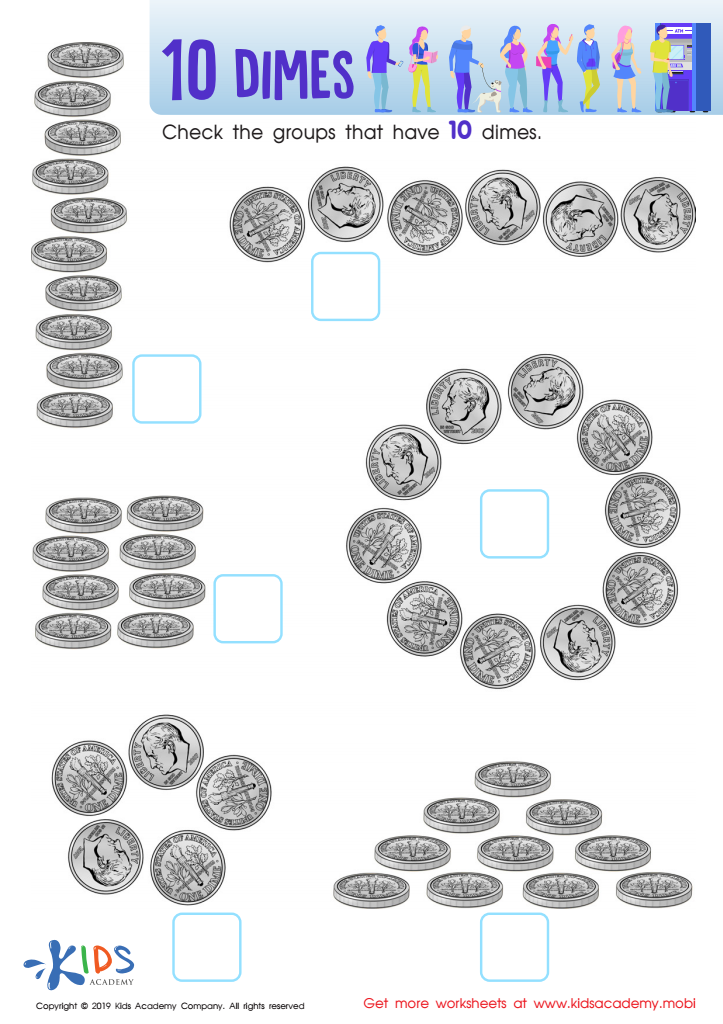
10 Dimes Worksheet
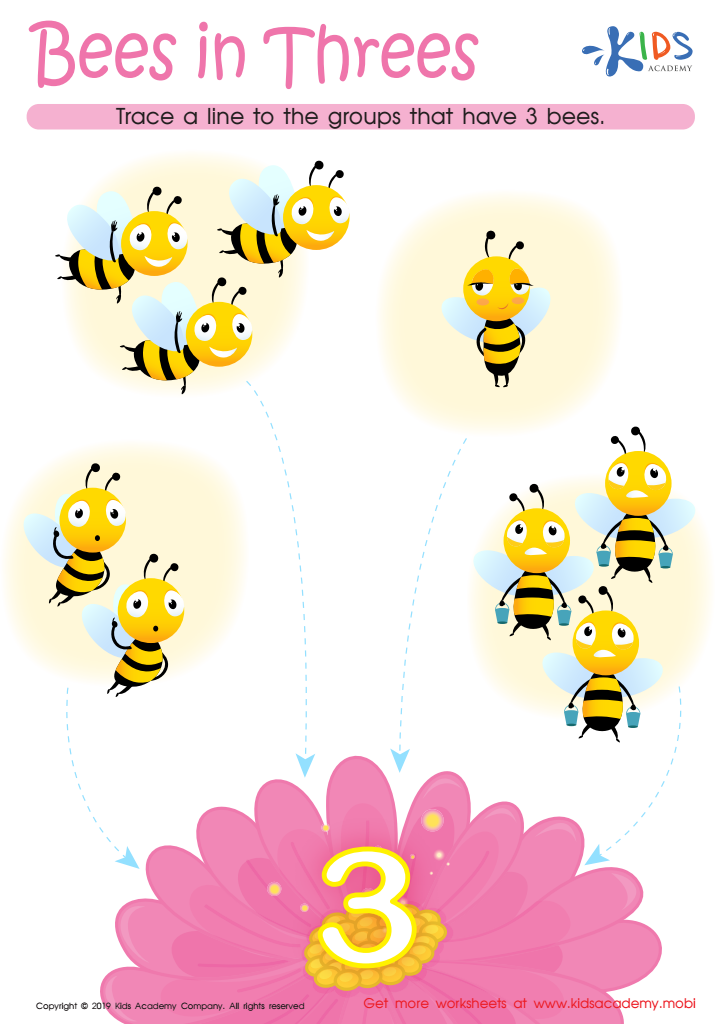
Bees in Threes Worksheet








Parents and teachers should care about multiplication practice for children aged 5-8 for several compelling reasons. At this age, children are laying the groundwork for their mathematical understanding, making it crucial to develop a strong foundation in multiplication. Mastering basic multiplication facts not only enhances fluency but also boosts overall confidence in math, which can contribute to a more positive attitude toward learning.
Multiplication is a fundamental skill that builds on addition and is essential for more advanced mathematical concepts that students will encounter in later grades, such as division, fractions, and problem-solving. Early multiplication practice helps children recognize patterns and develop cognitive skills necessary for logical reasoning.
Moreover, engaging in multiplication exercises can be fun and interactive, often supported by games, rhymes, and activities that keep children interested. Involving parents in this practice cultivates a supportive learning environment and encourages positive parent-child interactions.
In our increasingly numbers-driven world, early mastery of multiplication also prepares children for real-life situations where they will need to apply these skills, such as budgeting, shopping, and cooking. Ultimately, supporting multiplication practice in early education helps shape confident, competent, and mathematically literate individuals ready for future challenges.








