Object identification Numbers Worksheets for Ages 5-8
3 filtered results
-
From - To
Explore our engaging "Object Identification Numbers Worksheets" designed for children aged 5-8! These worksheets are perfect for enhancing your child's ability to recognize and associate numbers with various objects in their environment. Through fun and interactive exercises, kids will develop essential counting skills while identifying items like animals, toys, and everyday objects. Our worksheets promote early math learning through hands-on activities, making learning enjoyable and effective. Ideal for teachers and parents alike, these resources will help build a strong foundation in numeracy. Download the worksheets today and inspire your child's love for learning through playful identification and observation!
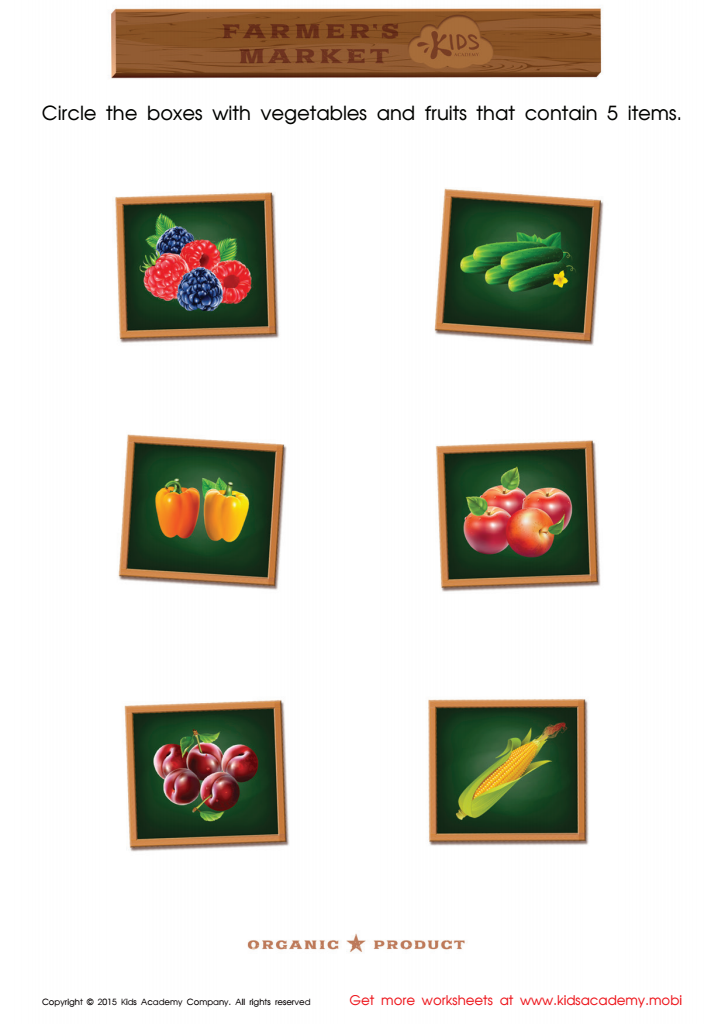
Count and Match Vegetables 1 – 7 Math Worksheet
 Assign to My Students
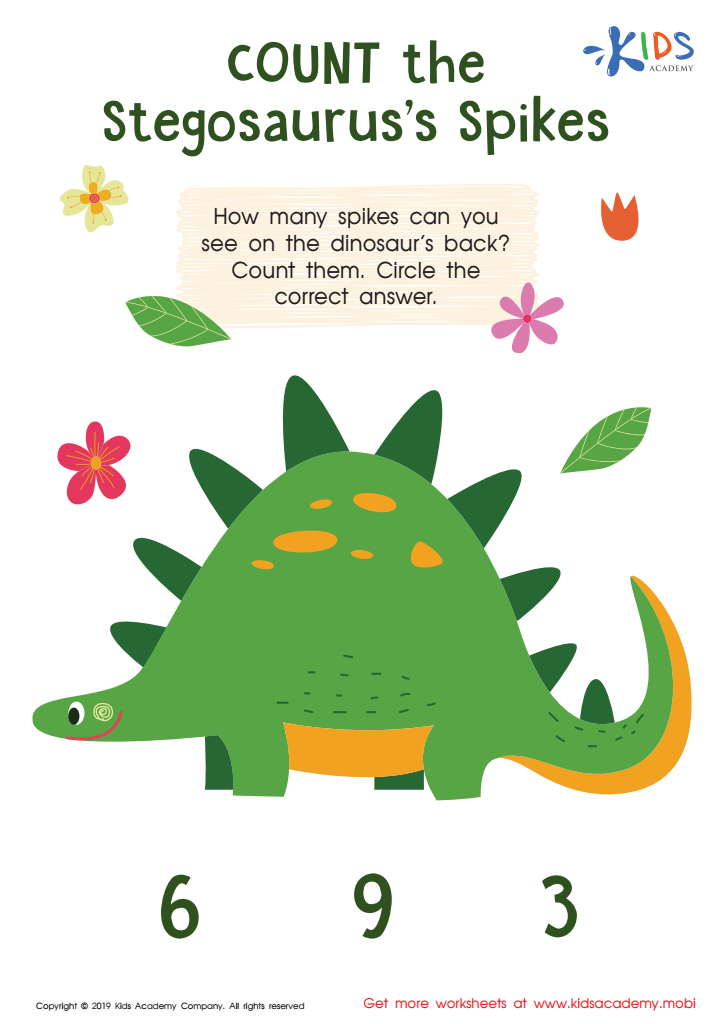
Count the Stegosaurus's Spikes Worksheet
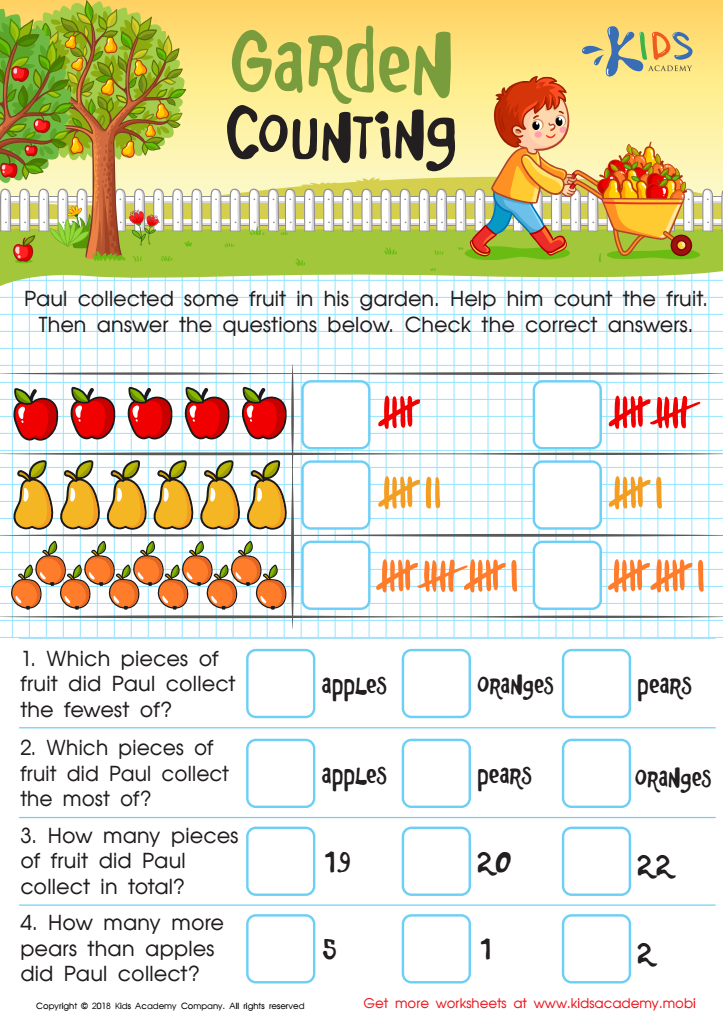
Garden Counting Worksheet







Object Identification Numbers (OINs) are crucial tools for organizing, categorizing, and understanding the world around children aged 5-8. For parents and teachers, OINs help enhance a child's cognitive and language development. At this age, kids are naturally curious, and utilizing OINs allows them to classify objects systematically, fostering analytical thinking.
Using OINs in educational activities can make learning more engaging. For example, when children identify everyday items with specific numbers, they begin to categorize their world effectively. This encourages not only recognition but also improves their problem-solving skills as they learn to associate these numbers with particular attributes and functions.
Additionally, OINs can be used to develop early mathematical skills. Associating numbers with objects can create an understanding of counting and quantitative relationships, essential concepts in early math education.
In social contexts, incorporating OINs during group activities encourages communication and collaboration, as children share and discuss their findings about various objects. Overall, Object Identification Numbers serve as a foundational tool for building essential skills and encouraging a love for learning in young children, making it important for parents and teachers to integrate them into educational practices.








