Problem Solving Numbers Worksheets for Ages 5-8
8 filtered results
-
From - To
Unlock your child's mathematical potential with our engaging Problem Solving Numbers Worksheets designed for ages 5-8! These carefully crafted resources help young learners develop critical thinking and analytical skills through fun and interactive activities. Each worksheet encourages exploration of numbers, enhances problem-solving techniques, and fosters a love for math. Children can enjoy colorful illustrations and scenarios that present real-world challenges, making learning both enjoyable and meaningful. Perfect for home or classroom use, our worksheets cater to different learning levels, ensuring that every child can thrive. Join us on this exciting math adventure and watch your child's confidence grow with each solved puzzle!
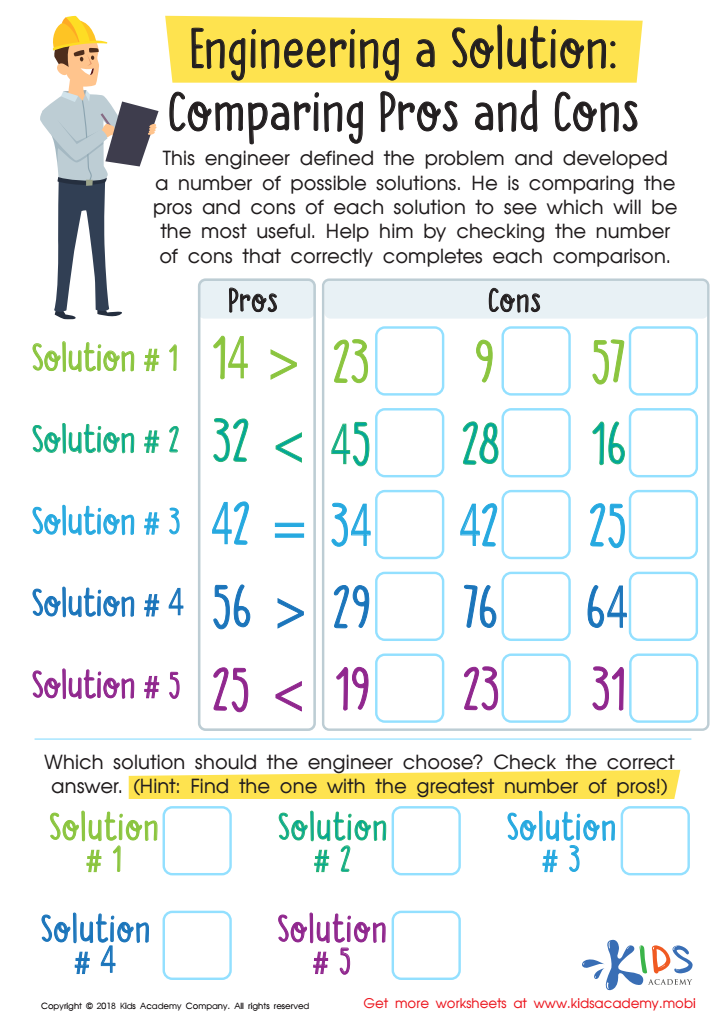
Engineering a Solution: Comparing Pros and Cons Worksheet
 Assign to My Students
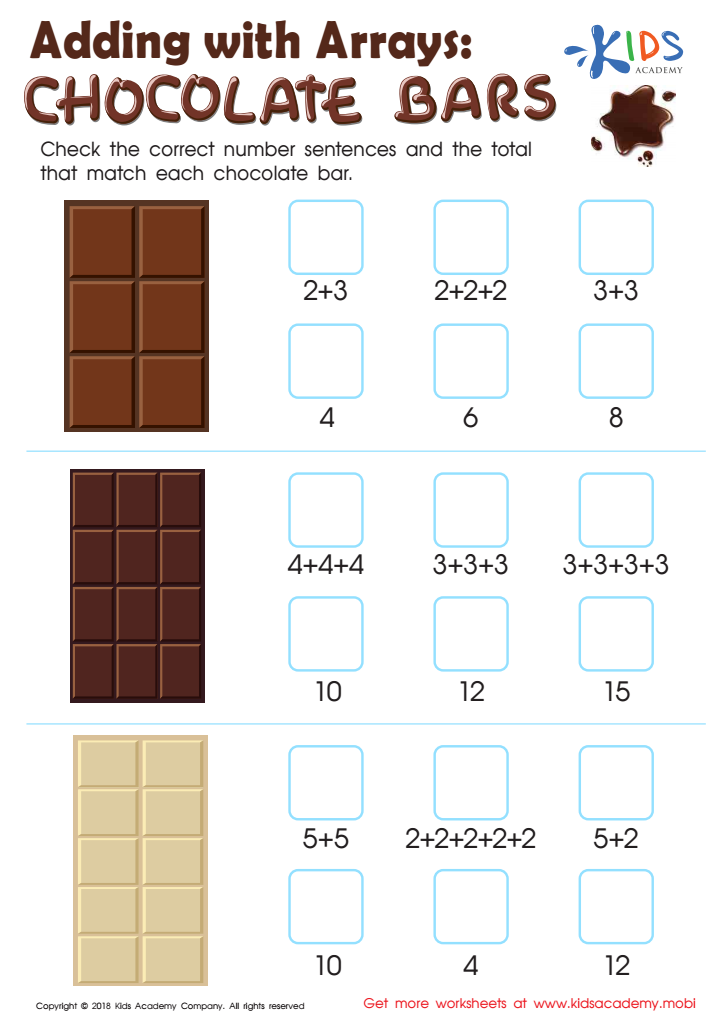
Adding with Arrays: Chocolate Bars Worksheet
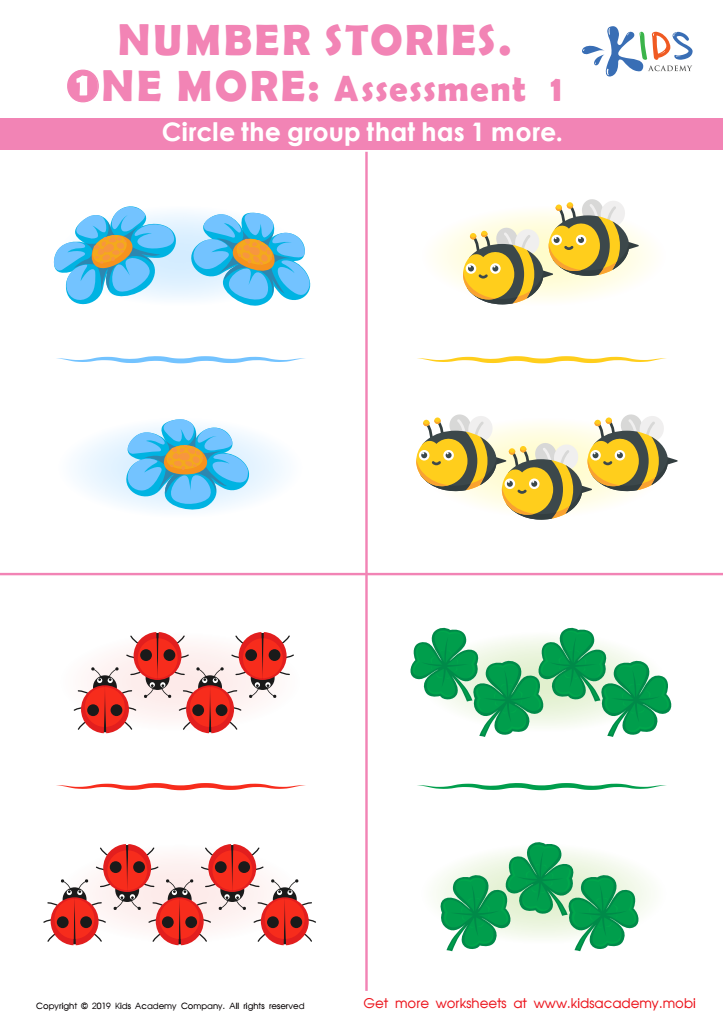
Number Stories One More – Assessment 1 Worksheet
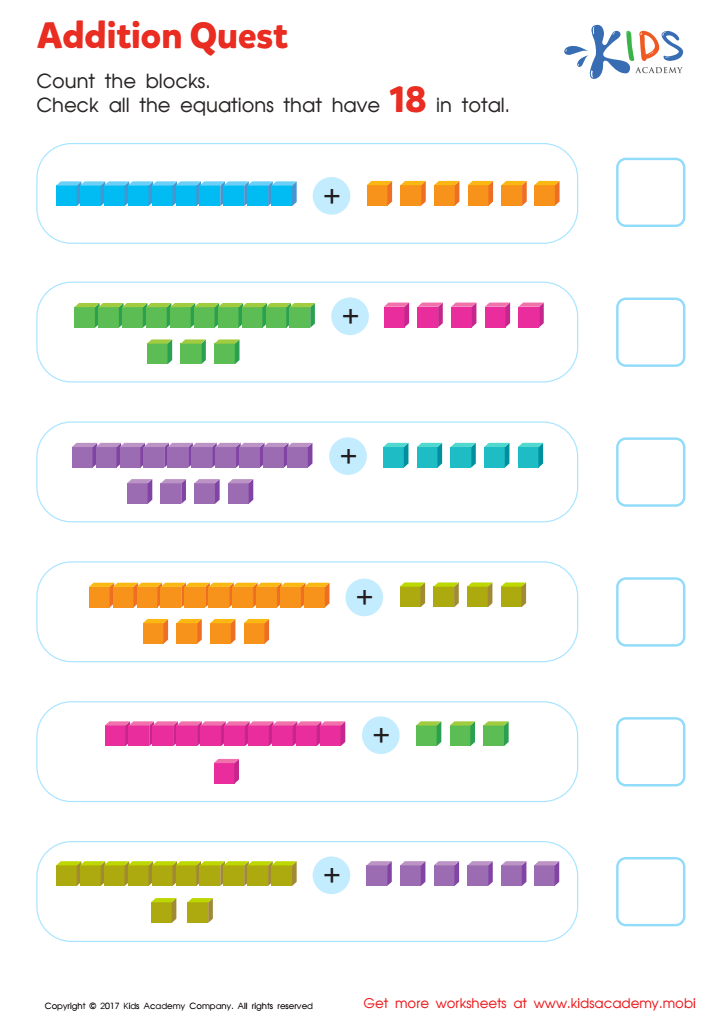
Addition Quest Worksheet: Part 2
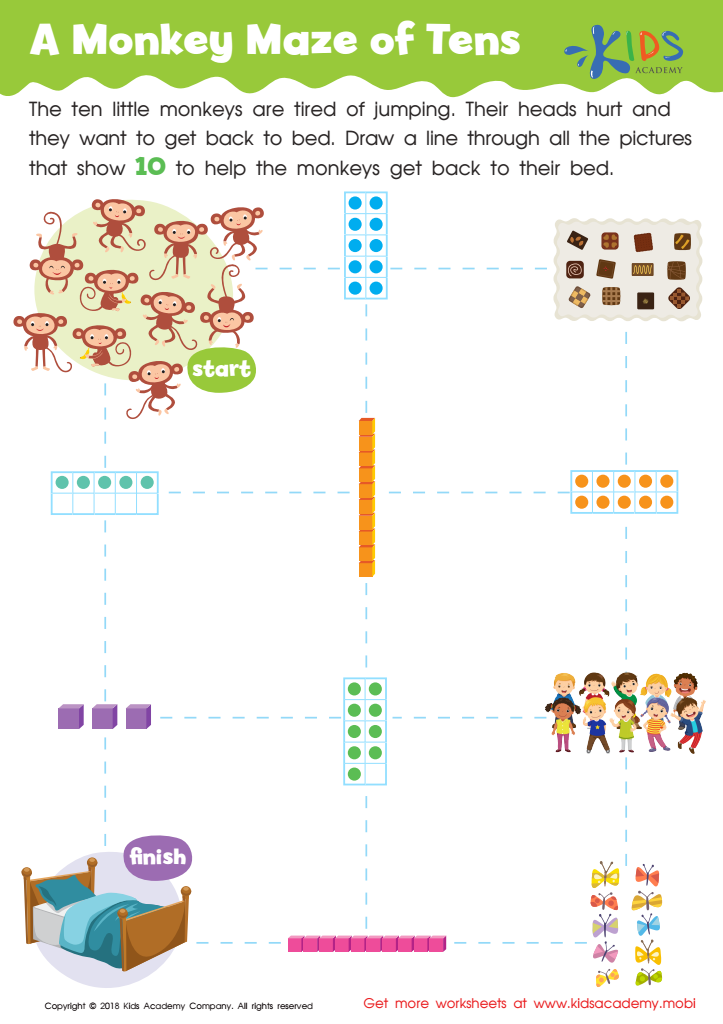
A Monkey Maze of Tens Worksheet
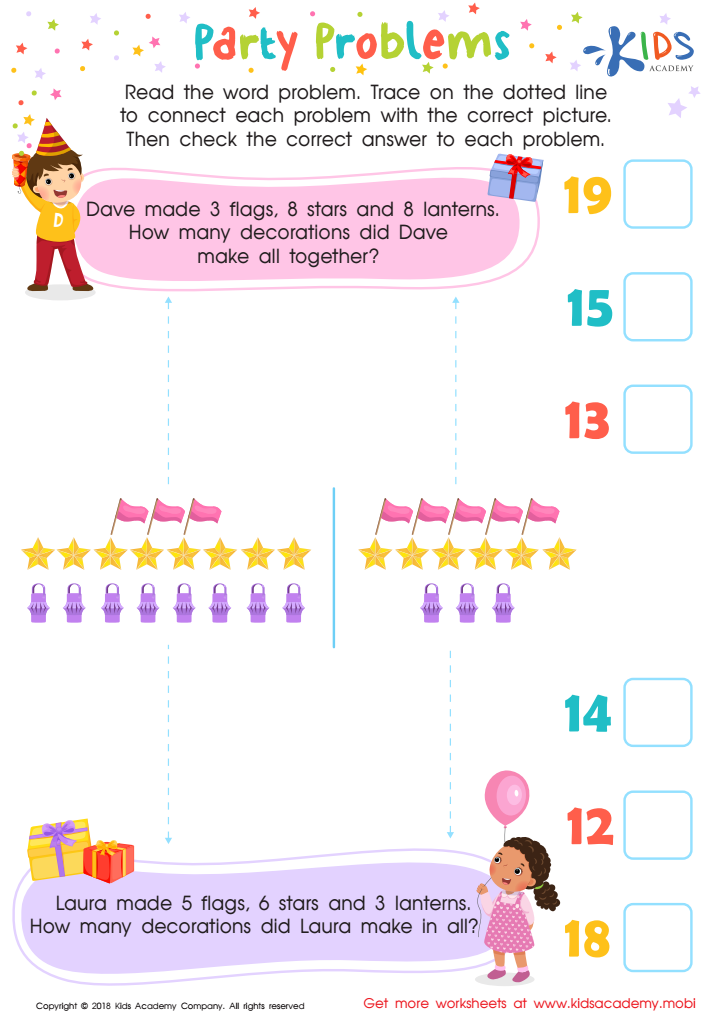
Party Problems Worksheet
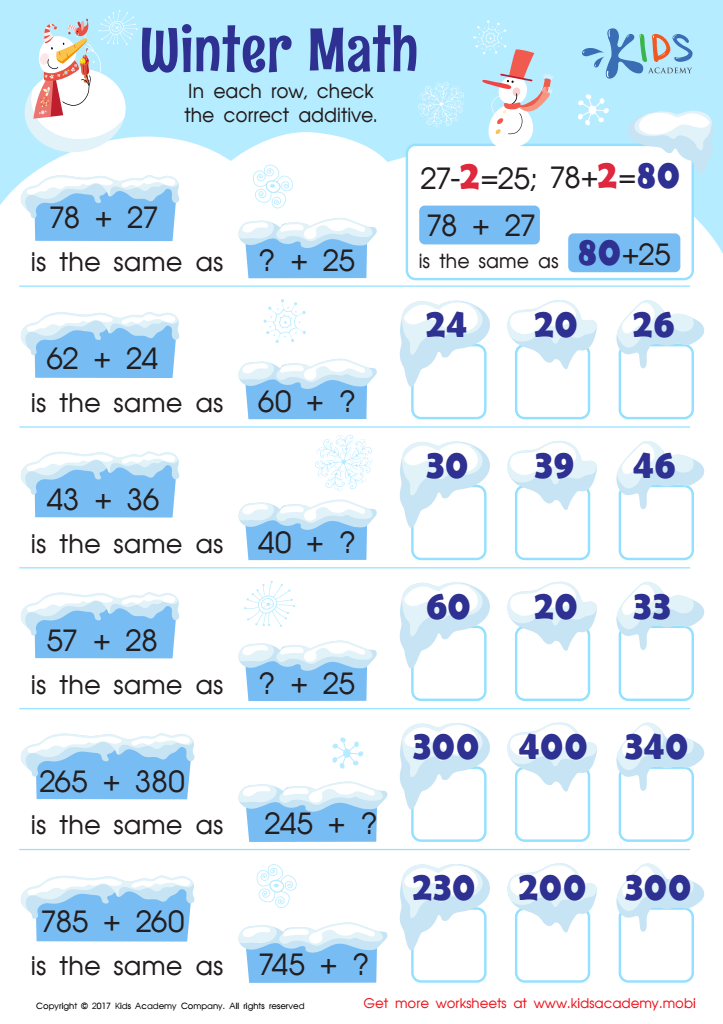
Free Addition Worksheet
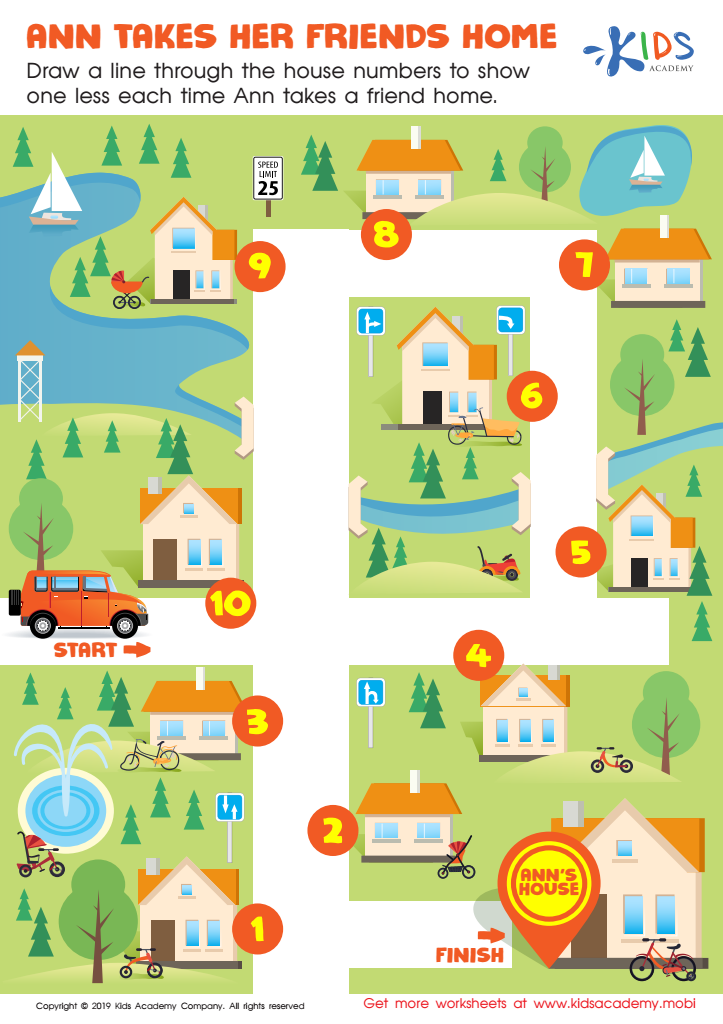
Ann Takes her Friends Home Worksheet








Parents and teachers should care about problem-solving numbers for children aged 5-8 because this foundational skill sets the stage for future academic success and critical thinking. At this age, children begin developing essential cognitive abilities, and engaging them in problem-solving activities enhances their analytical skills, creativity, and perseverance.
Problem-solving numbers, such as puzzles and mathematical challenges, help young learners make sense of the world around them. They foster a love for numbers and math early on, making complex concepts more approachable. Engaging in problem-solving encourages children to think independently and explore multiple ways to reach answers, promoting resilience in the face of challenges.
Additionally, these activities naturally integrate social skills when children work together, sharing strategies and ideas, which is vital for their overall development. Tools like games involving problem-solving numbers also promote engagement, making learning fun and interactive. Ultimately, nurturing problem-solving skills in early childhood helps cultivate adaptable, confident individuals who can tackle real-world challenges effectively. Empowering children with these skills creates a strong foundation for lifelong learning and success in various fields. Thus, it's essential for parents and teachers to prioritize and integrate problem-solving numbers into daily learning experiences.








