Understanding patterns Numbers Worksheets for Ages 5-8
7 filtered results
-
From - To
Unlock your child's mathematical potential with our "Understanding Patterns Numbers Worksheets," designed specifically for children ages 5-8. These engaging, interactive worksheets introduce young learners to the concept of patterns through fun exercises that promote critical thinking and problem-solving skills. From identifying repeating sequences to creating their own patterns, children will enhance their number recognition and counting abilities in a playful way. Perfect for both classroom settings and home learning, these resources encourage early numeracy and build a solid foundation for future math success. Dive into a world of colorful, stimulating activities that make learning patterns an exciting adventure!
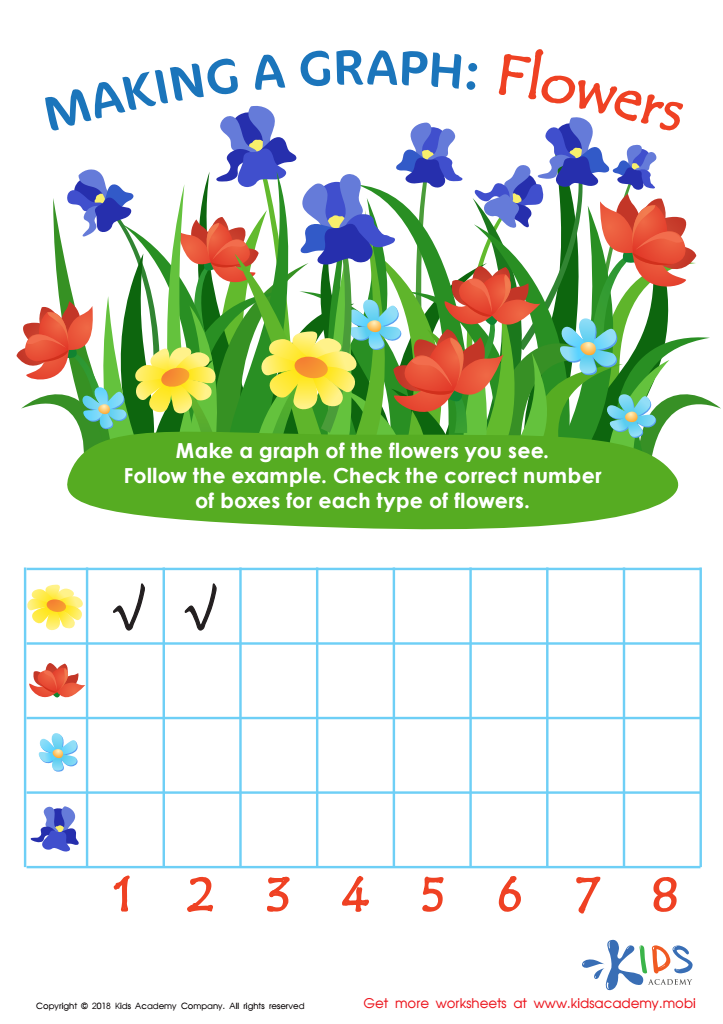
Making a Graph: Flowers Worksheet
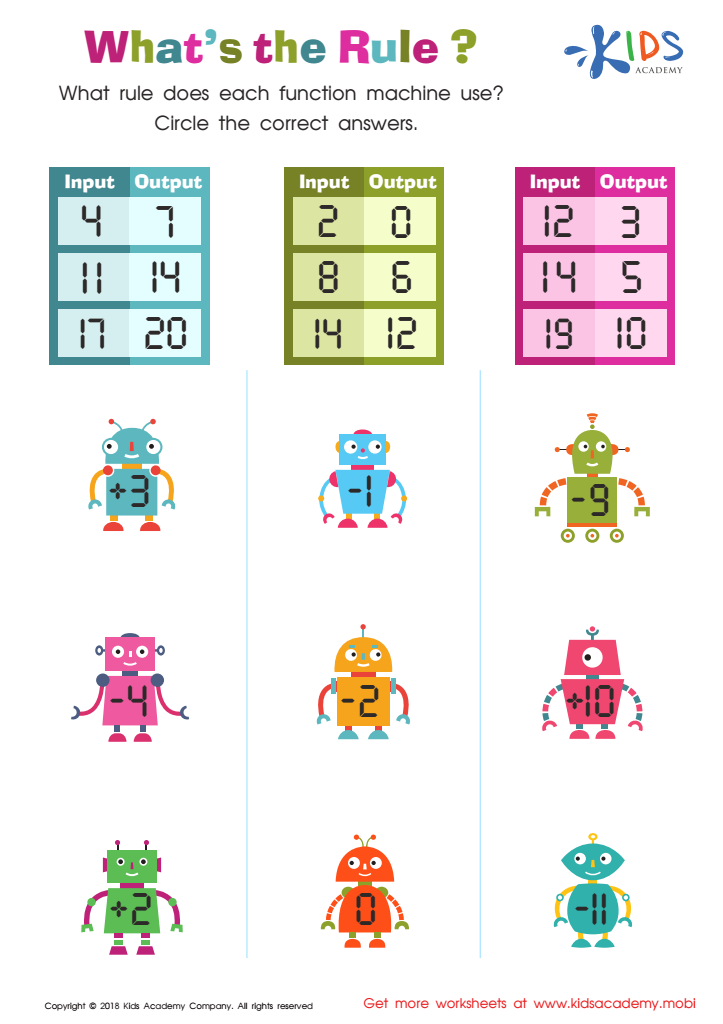
What's the Rule Worksheet
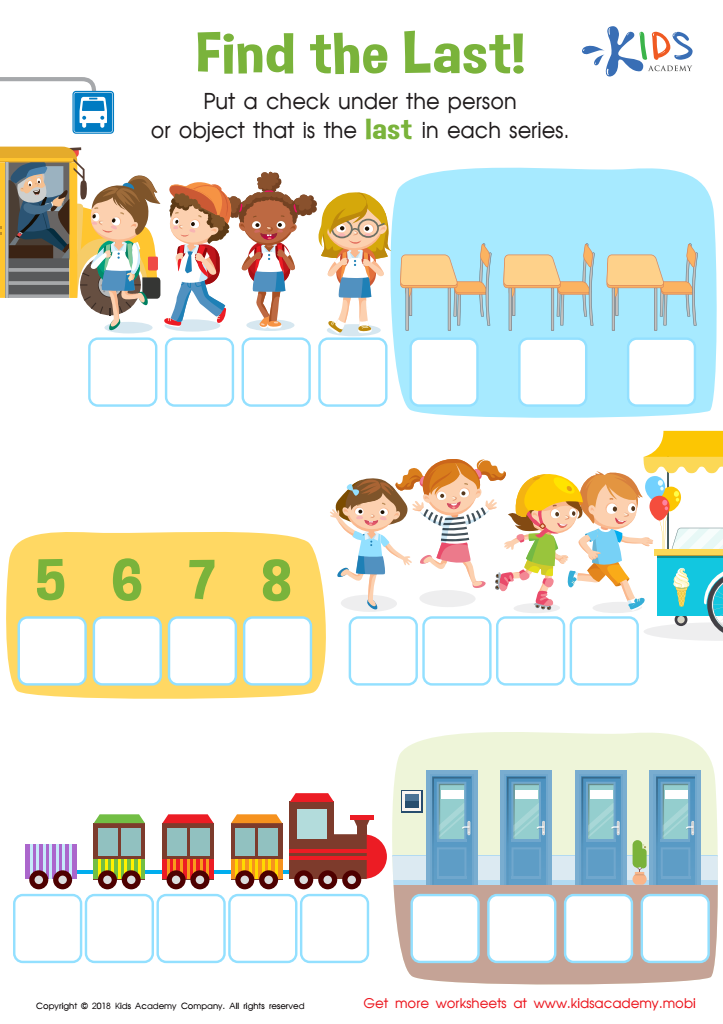
Find the Last! Worksheet
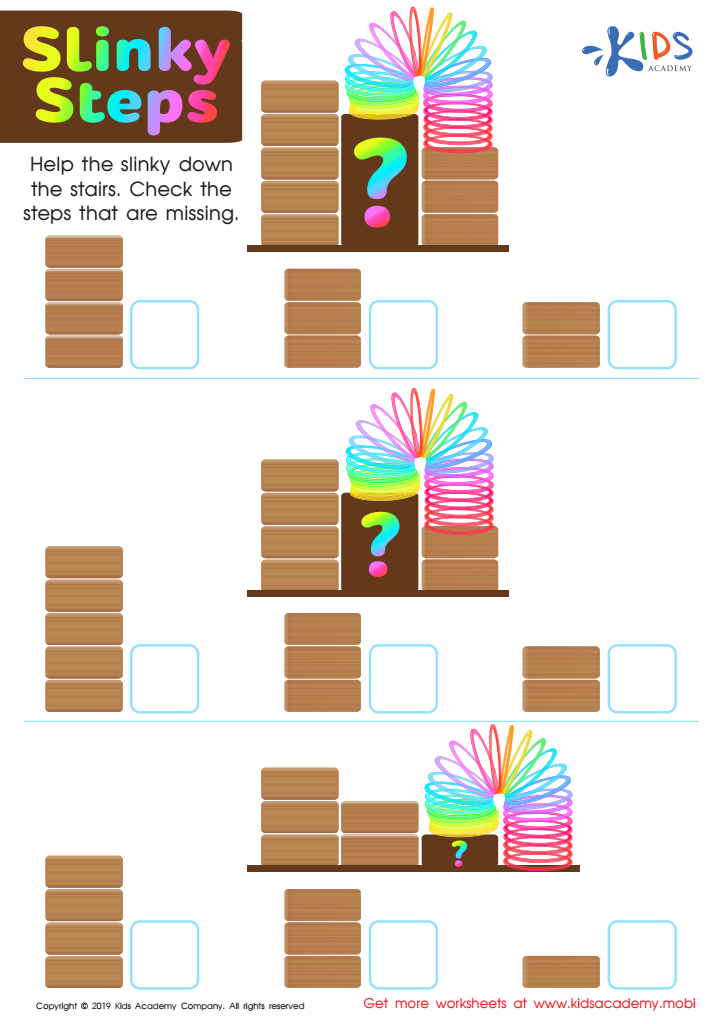
Slinky Steps Worksheet
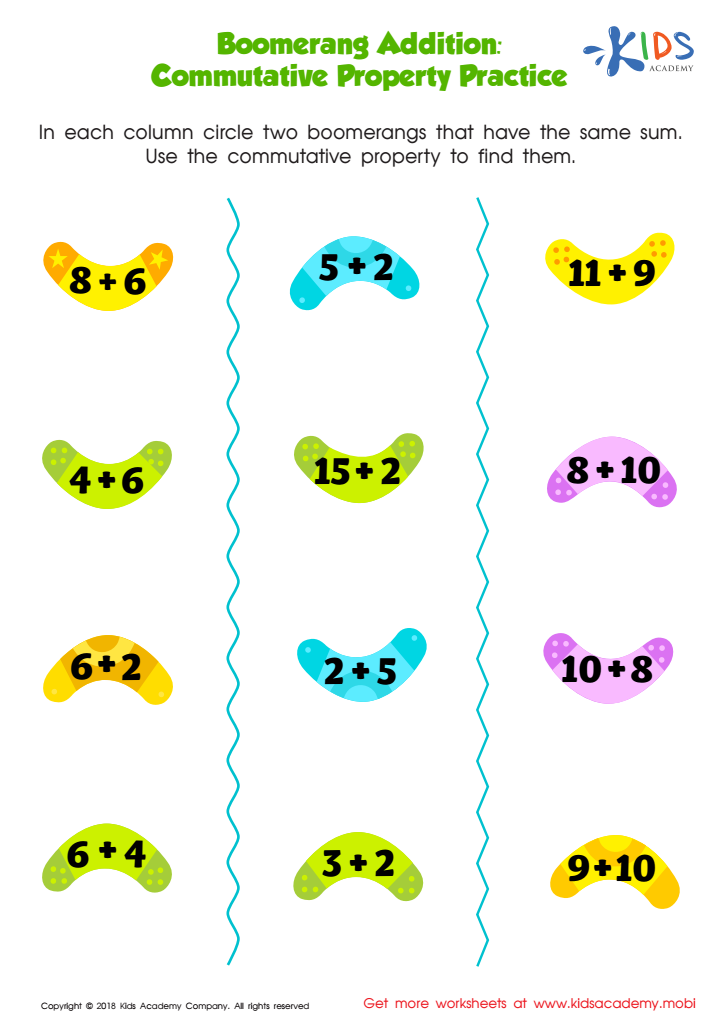
Boomerang Addition Worksheet
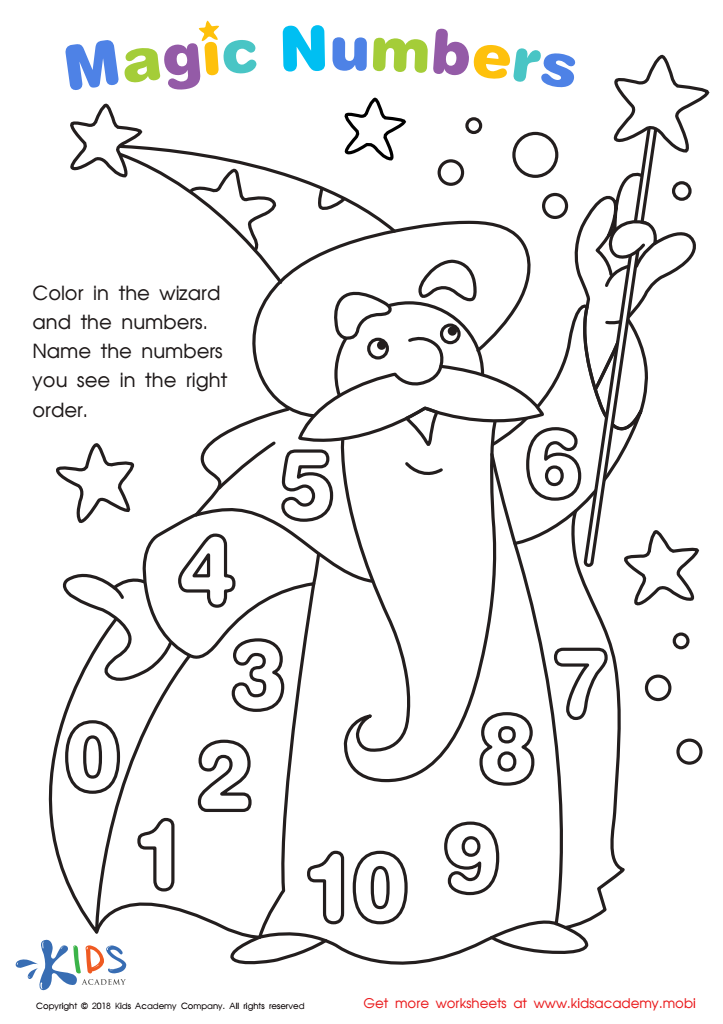
Magic Numbers Worksheet
 Assign to My Students
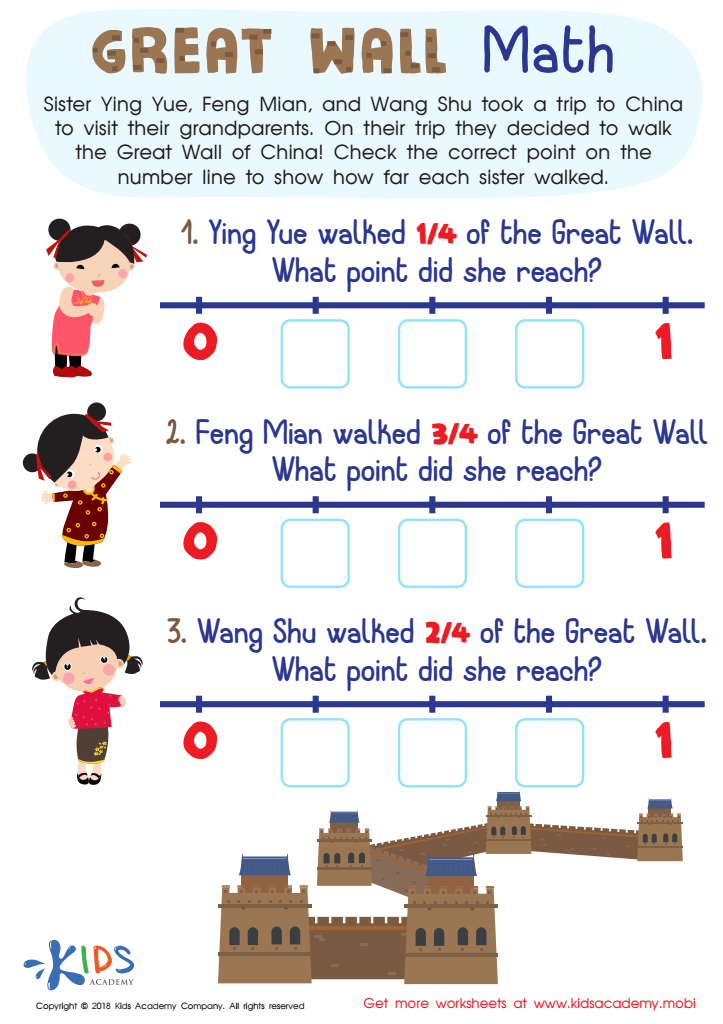
Great Wall Math Worksheet






Understanding patterns in numbers is crucial for children aged 5-8 as it lays the foundation for their mathematical learning and cognitive development. Recognizing and creating patterns helps young learners develop critical thinking skills, enhances their problem-solving abilities, and fosters logical reasoning. Through patterns, children begin to see relationships between numbers, which can simplify complex mathematical concepts later on.
Patterns also bridge connections between math and everyday life. For instance, recognizing daily routines in their environment helps reinforce consistency, which they can apply when learning sequence and order in mathematics. Additionally, engaging with patterns cultivates a sense of curiosity and encourages exploration, nurturing a positive attitude towards math.
For parents and teachers, fostering pattern recognition is an essential part of early education. It allows for collaborative activities that can be both educational and fun, making learning enjoyable. Whether through games, songs, or visual aids, introducing patterns sets the stage for advanced concepts like addition, subtraction, and even basic algebra. Ultimately, understanding number patterns equips children with the skills necessary to succeed in math and empowers them as confident learners in school and beyond.








