Understanding quantity Numbers Worksheets for Ages 5-8
4 filtered results
-
From - To
Understanding quantity numbers worksheets for ages 5-8 provide essential foundational skills in mathematics through engaging activities and exercises. Designed to enhance children's comprehension of numbers and their relationships to quantities, these worksheets help young learners grasp the concept of counting and comparing amounts. Activities include visual aids, interactive practices, and fun exercises tailored to keep children motivated. These resources not only support number recognition but also promote critical thinking and problem-solving skills. By using these understanding quantity worksheets, parents and educators can create a comprehensive learning experience that prepares children for more advanced mathematical concepts in a fun and enjoyable way.
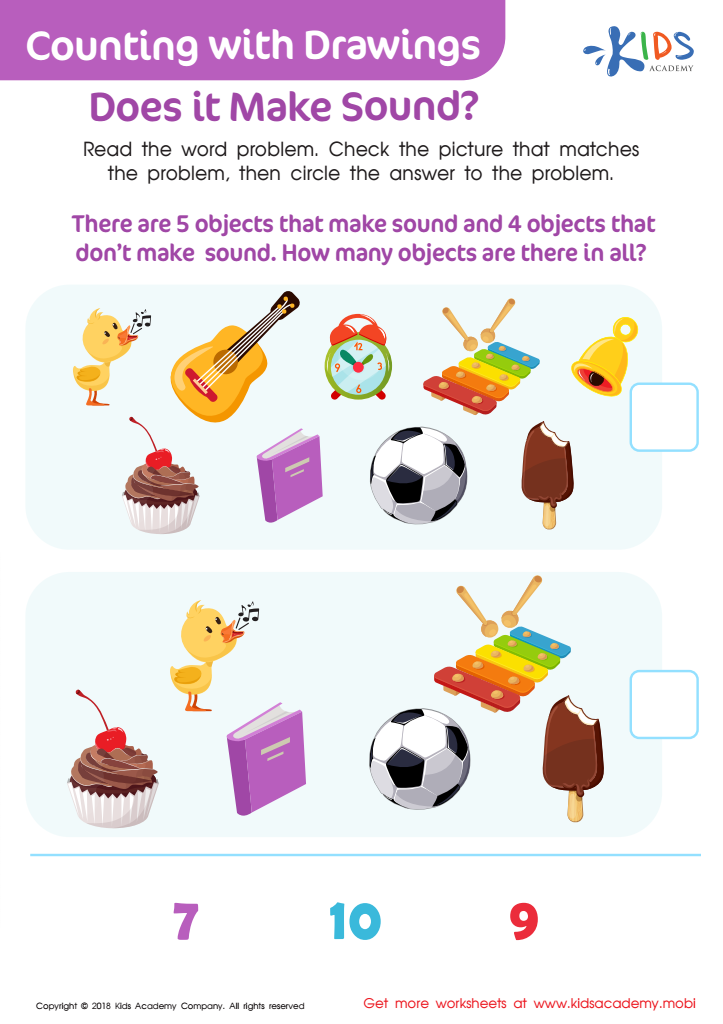
Counting With Drawings. Does It Make Sound? Worksheet
 Assign to My Students
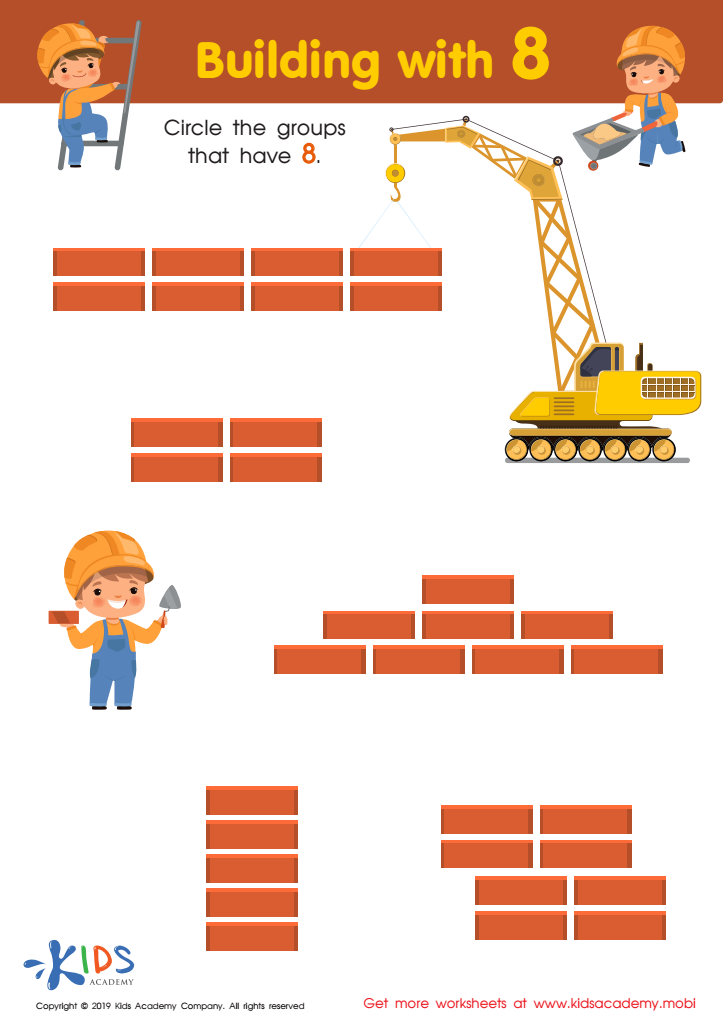
Building with 8 Worksheet
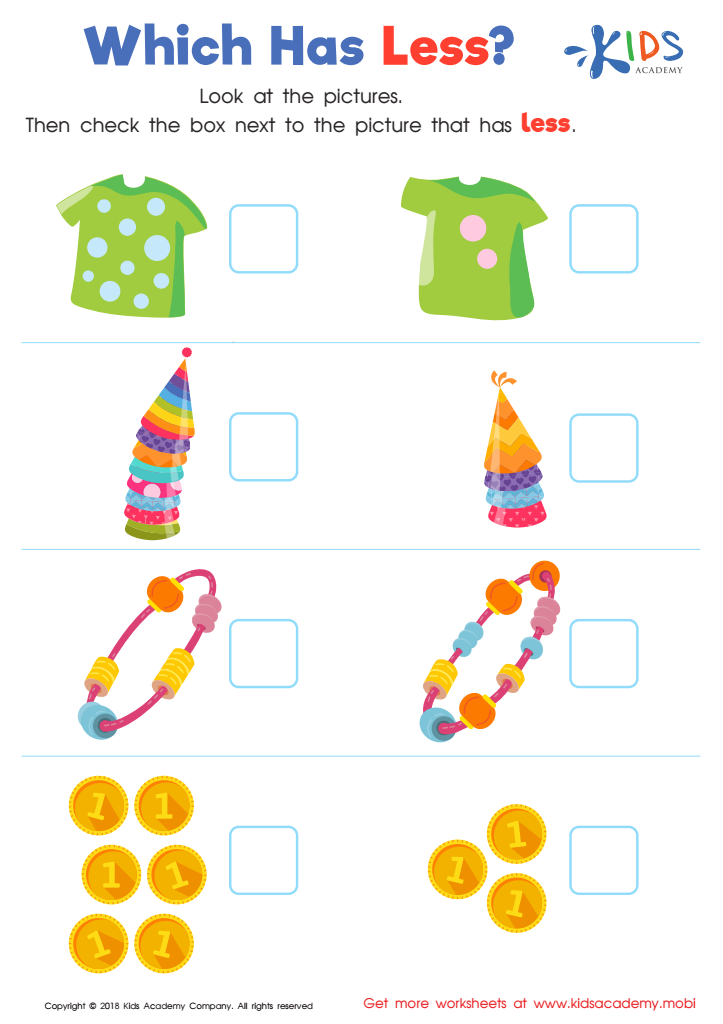
Which Has Less? Worksheet
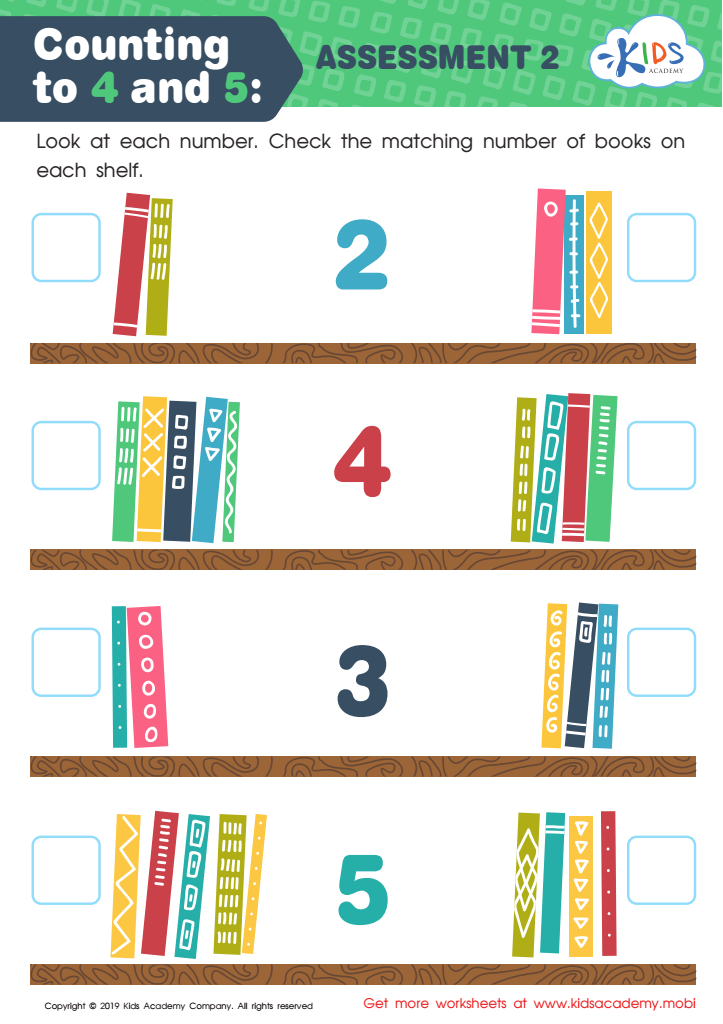
Counting to 4 and 5: Assessment 2 Worksheet







Understanding quantity numbers is fundamental for children aged 5-8, as it lays the groundwork for future math learning and critical thinking skills. At this developmental stage, children begin to grasp the concepts of counting, comparing quantities, and recognizing number patterns. Mastery of these concepts enhances their ability to solve problems and inspires confidence in their mathematical abilities.
Parents and teachers play a crucial role in fostering this understanding. Engaging activities, such as sorting objects, counting games, and incorporating numbers into everyday situations, reinforce learning and make it enjoyable. When children understand quantity, they develop essential cognitive skills related to logical reasoning and problem-solving, which are pertinent not just in math but across all subjects.
Moreover, mastering quantity numbers aids in developing perseverance and a growth mindset. Children who are comfortable with numbers can tackle challenges more readily and learn to appreciate the process of learning itself. In summary, by prioritizing the understanding of quantity numbers, parents and teachers help children build a solid foundation that supports their academic journey, boosts their self-esteem, and prepares them for a world that increasingly relies on quantitative reasoning. It's an investment in their future success.








