Visual perception Numbers Worksheets for Ages 5-8 - Page 2
29 filtered results
-
From - To
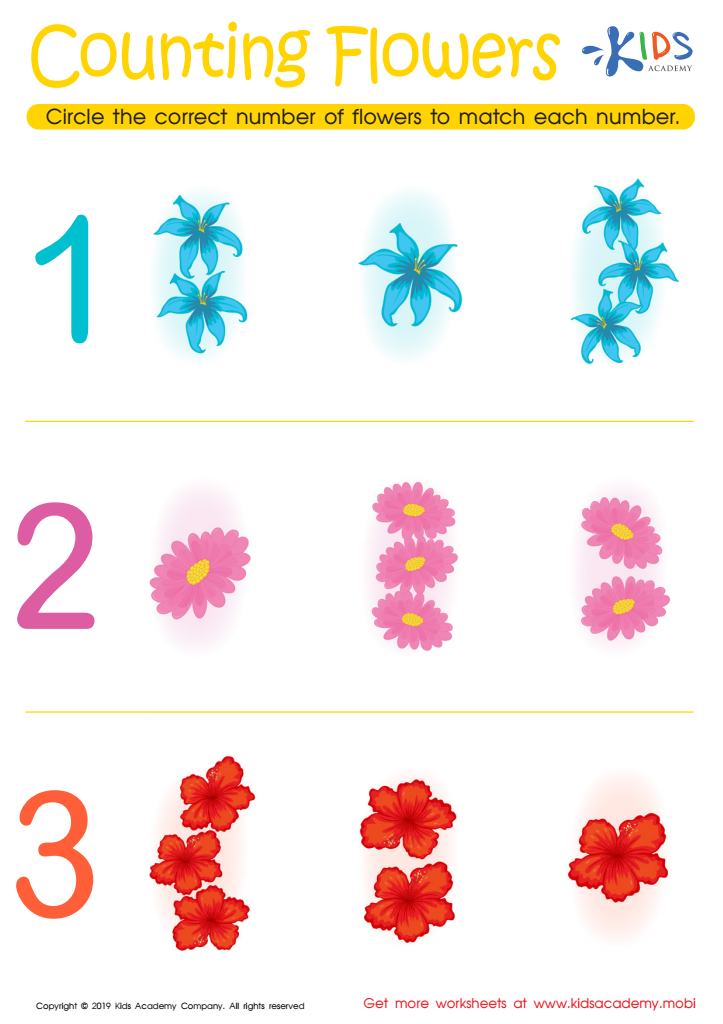
Counting Flowers Worksheet
 Assign to My Students
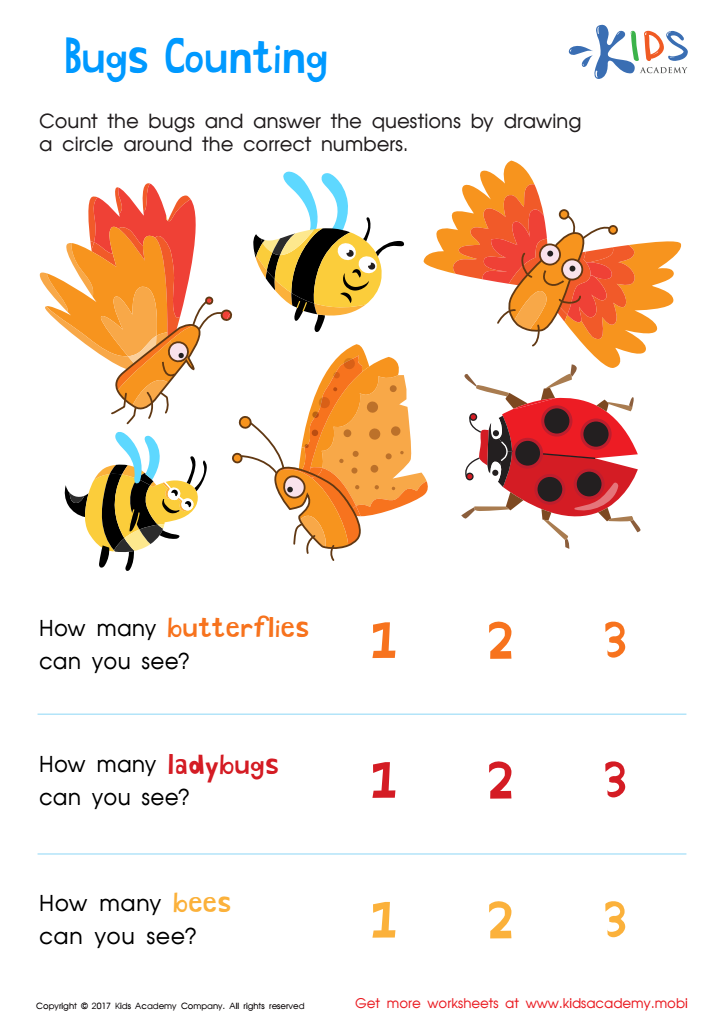
Bugs Counting Worksheet
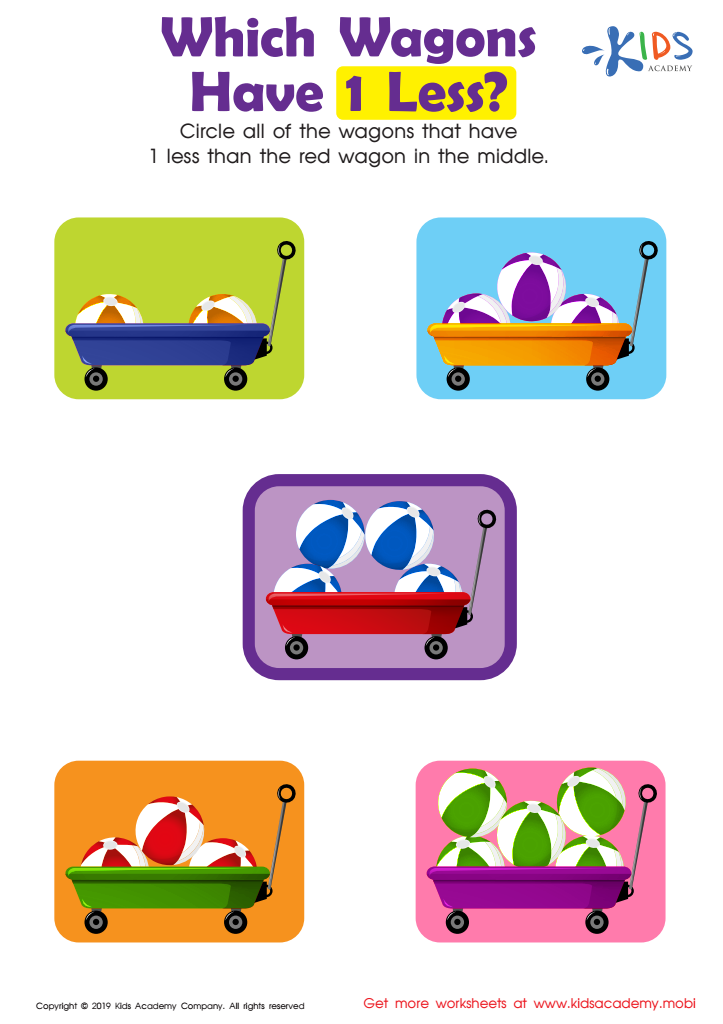
Which Wagons Have 1 Less? Worksheet
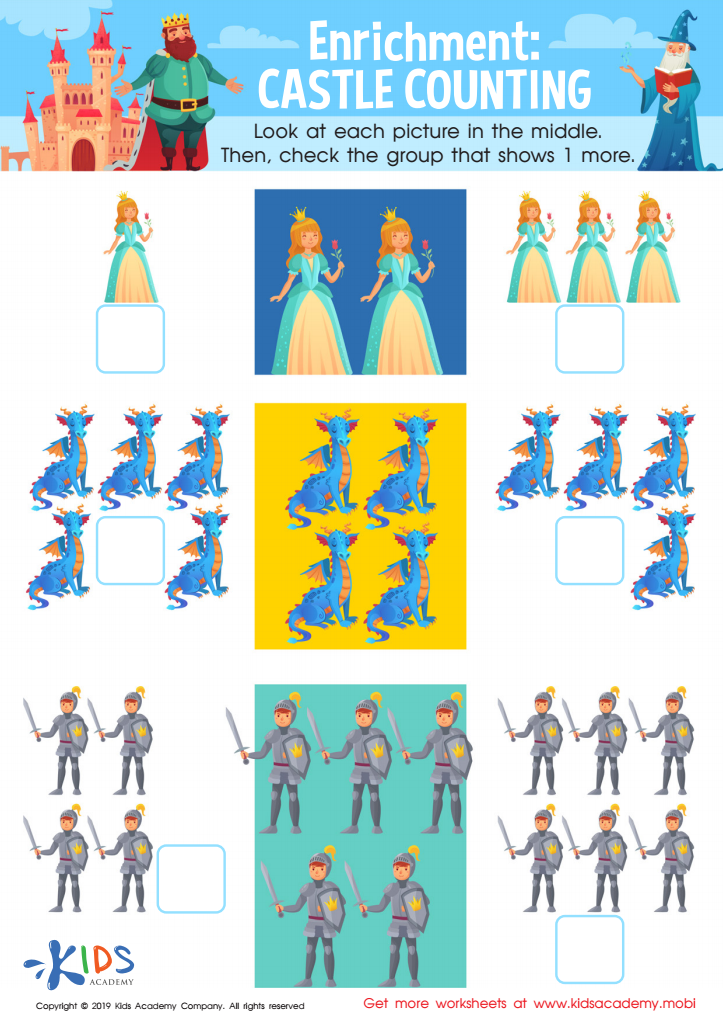
Enrichment: Castle Counting Worksheet
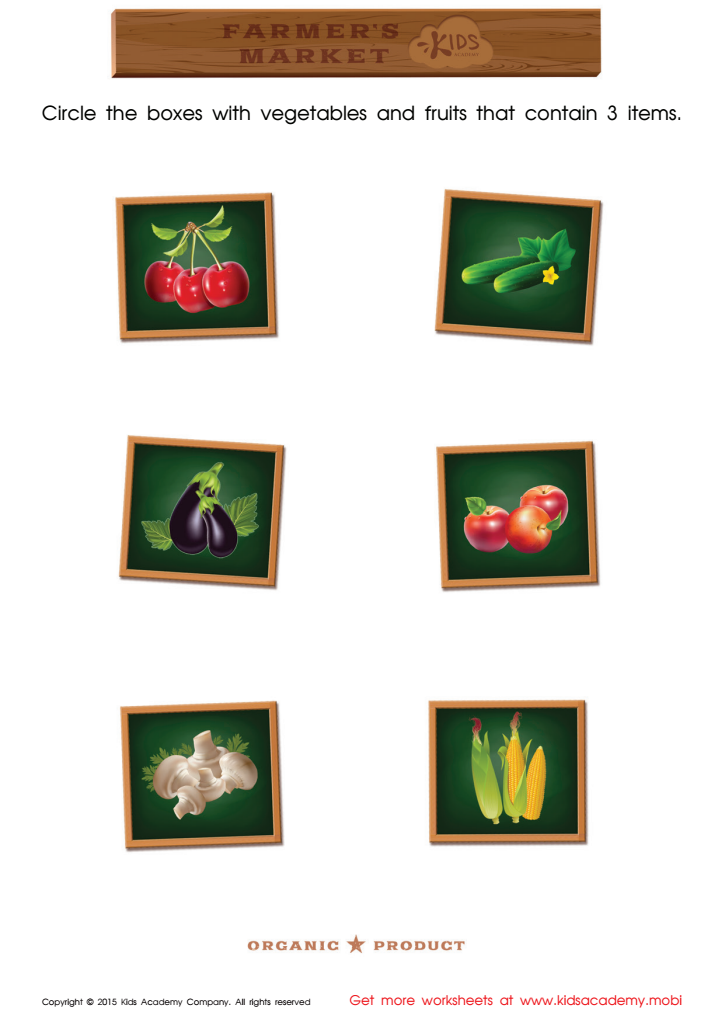
Count and Match Vegetables 1 – 5 Math Worksheet






%20(1).jpg)
Visual perception is crucial for children aged 5-8, particularly in understanding numbers and developing early math skills. During these formative years, children begin to recognize and interpret numerical symbols, which lays the foundation for more advanced mathematical concepts. Strong visual perception skills enable them to differentiate between similar shapes, sizes, and patterns, facilitating easier counting, addition, and subtraction.
Parents and teachers should be attentive to visual perception because it directly impacts a child's ability to learn effectively. Children with well-developed visual perception can often visualize numbers and manipulate them in their minds, making problem-solving more intuitive. This is essential for tasks such as reading graphs, understanding place value, and performing calculations.
Moreover, fostering good visual perception can lead to improved classroom confidence and performance. Students who struggle with these skills may feel frustrated or withdrawn, viewing math as a daunting subject. By incorporating engaging activities—like puzzles, drawing, and games that promote shape recognition—adults can help enhance these skills. Ultimately, prioritizing visual perception not only supports mathematical understanding but also prepares children for broader academic success and lifelong learning, making it a vital area of focus for educators and parents alike.








