Analytical thinking Math Worksheets for Ages 5-8
5 filtered results
-
From - To
Enhance your child's problem-solving abilities with our Analytical Thinking Math Worksheets designed for ages 5-8. These engaging worksheets foster critical thinking through fun exercises that challenge young minds to analyze, compare, and draw conclusions. Featuring colorful visuals and relatable scenarios, each worksheet encourages kids to apply logic in real-world situations, promoting a deep understanding of mathematical concepts. Ideal for both classroom and home learning, our resources align with early educational standards, ensuring your child develops essential skills for future academic success. Download now and watch your child's confidence and analytical skills flourish while enjoying math!
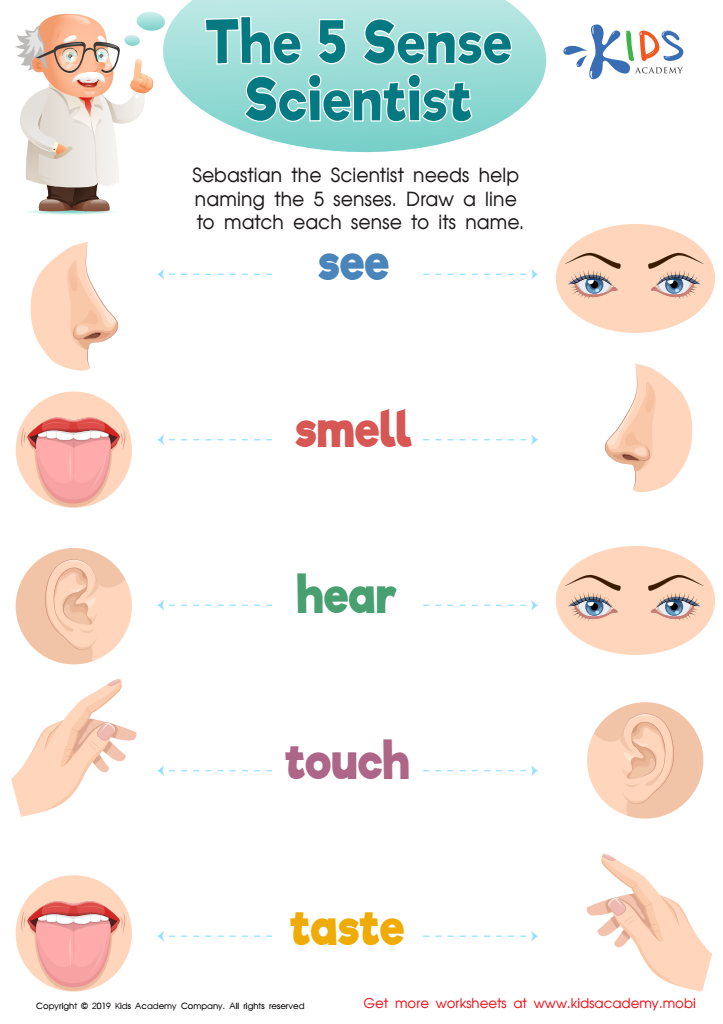
The 5 Sense Scientist Worksheet
 Assign to My Students
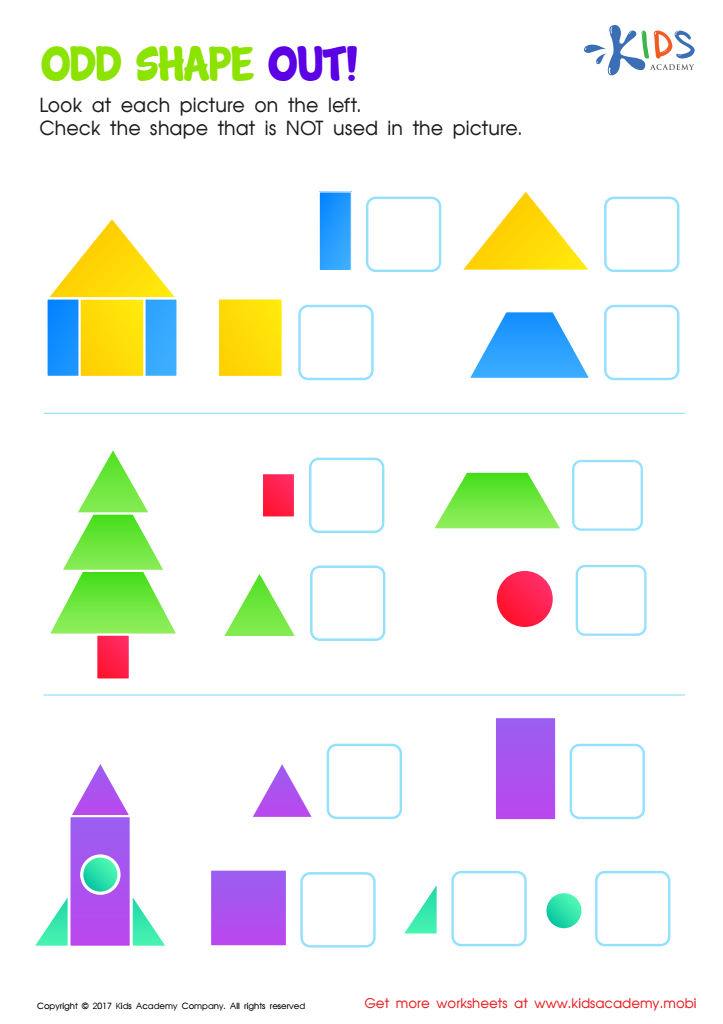
Odd Shape Out Worksheet for Grade 1
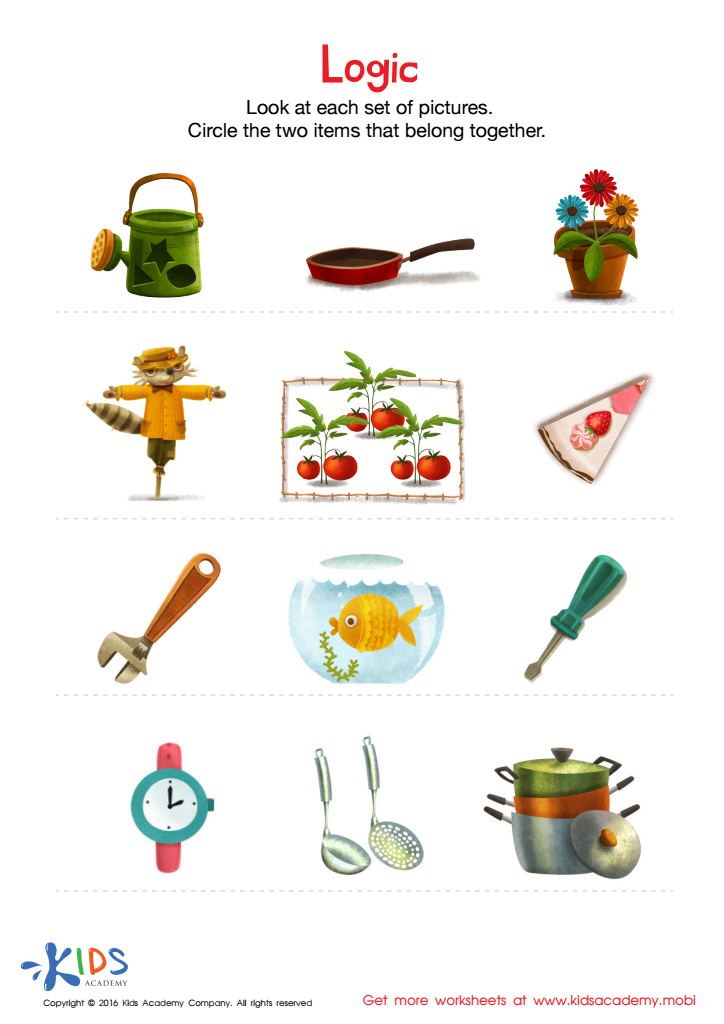
Logic Game Sorting Worksheet
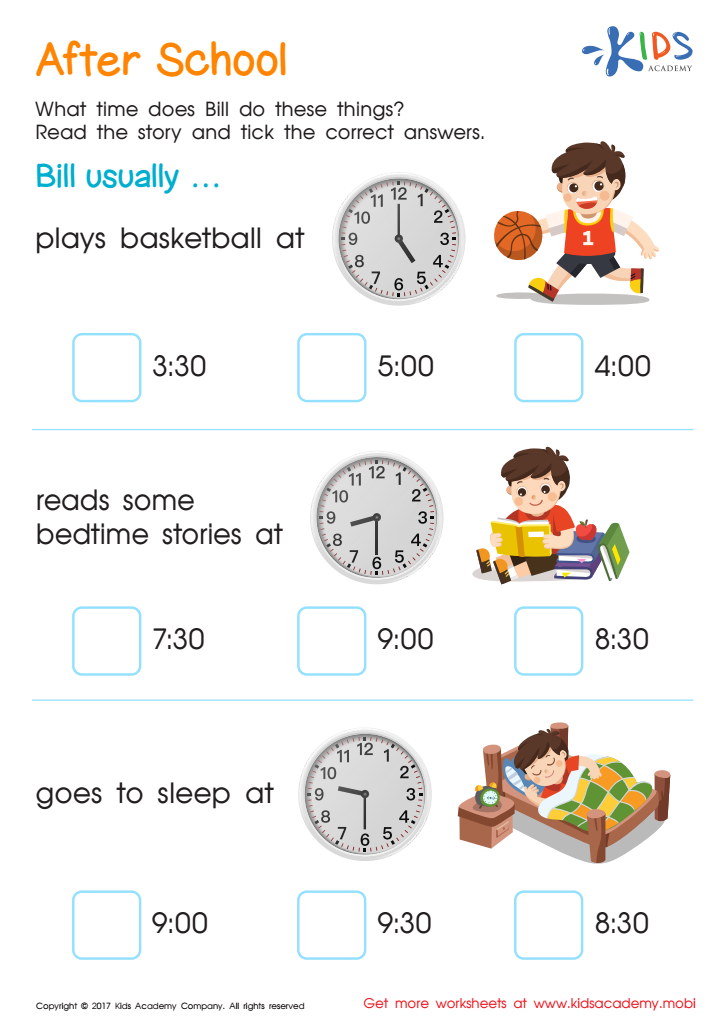
After School Time Printable
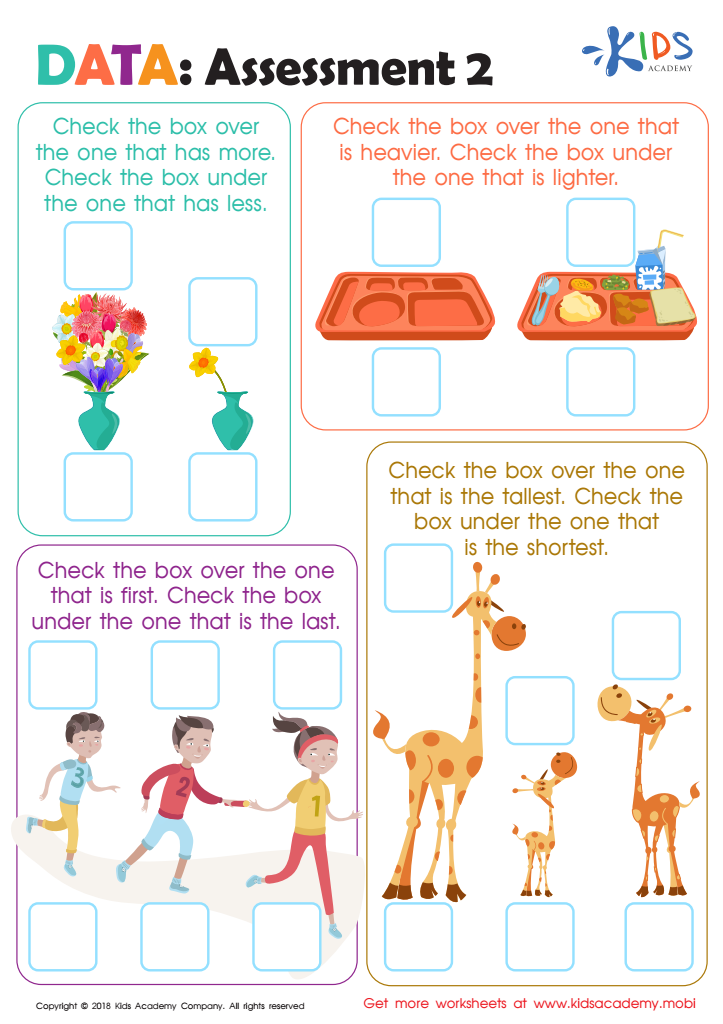
Data: Assessment 2 Worksheet








Parents and teachers should emphasize analytical thinking in math for children aged 5-8 because it lays the foundation for critical thinking, problem-solving, and independent reasoning skills. During these formative years, children are naturally curious and eager to explore their surroundings; encouraging analytical thinking helps them make sense of the world mathematically. By engaging in activities that promote analytical math skills, such as pattern recognition, spatial awareness, and logical reasoning, children develop the ability to approach complex problems with confidence.
Additionally, analytical thinking in math enhances cognitive development. Children learn to identify relationships, make predictions based on data, and articulate their thought processes, which are invaluable skills that extend beyond math. These skills support academic achievement across subjects and foster a lifelong love for learning.
Moreover, as our world increasingly relies on technology and data interpretation, establishing strong analytical skills early on prepares children for future educational and career opportunities.
By fostering analytical thinking in young learners, parents and teachers equip children with tools that not only enhance their math abilities but also empower them as thinkers and problem solvers in everyday life. Emphasizing these skills now ensures that children are well-prepared for the challenges of tomorrow.








