
Motor skills Math Worksheets for Ages 5-8
3 filtered results
Difficulty Level
Grade
Age
-
From - To
Subject
Activity
Standards
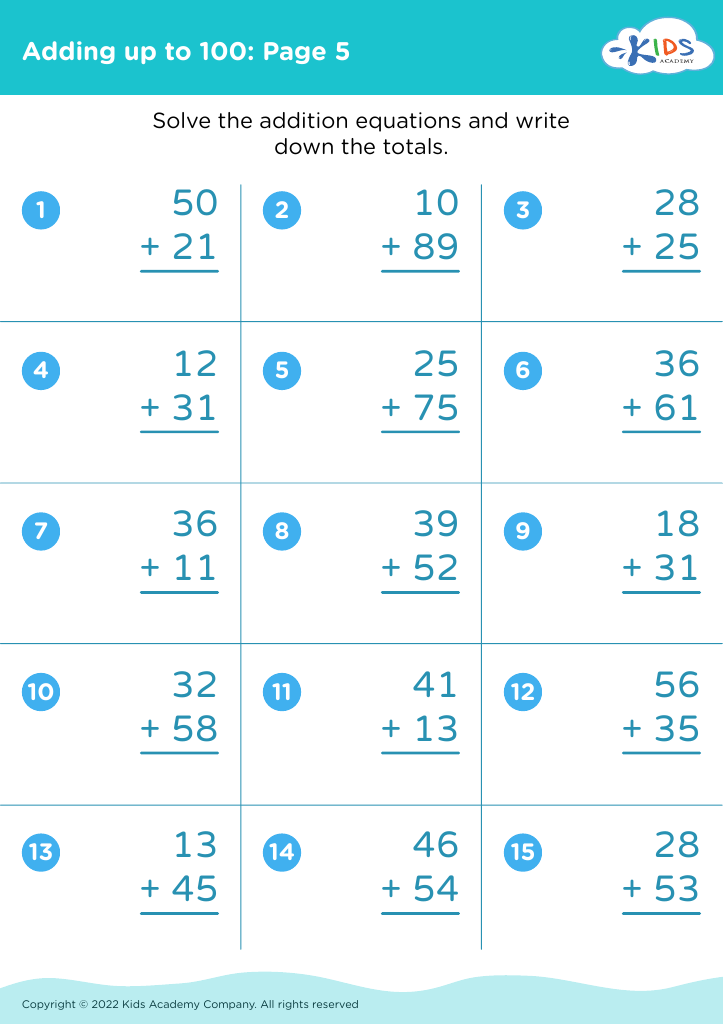
Develop fine motor skills while mastering math with our Motor Skills Math Worksheets for Ages 5-8. These engaging, printable worksheets are designed to combine fun activities like tracing, cutting, and drawing with essential math concepts, providing a dual benefit. Our expertly crafted resources emphasize counting, shapes, patterns, and basic arithmetic, tailored specifically for young learners. Perfect for classroom or home use, these worksheets are an easy and enjoyable way to bolster your child’s dexterity and Number Sense. At Kids Academy, we make learning inclusive and effective—ensure your child’s success and confidence in math with our innovative approach!
Favorites
With answer key
Interactive
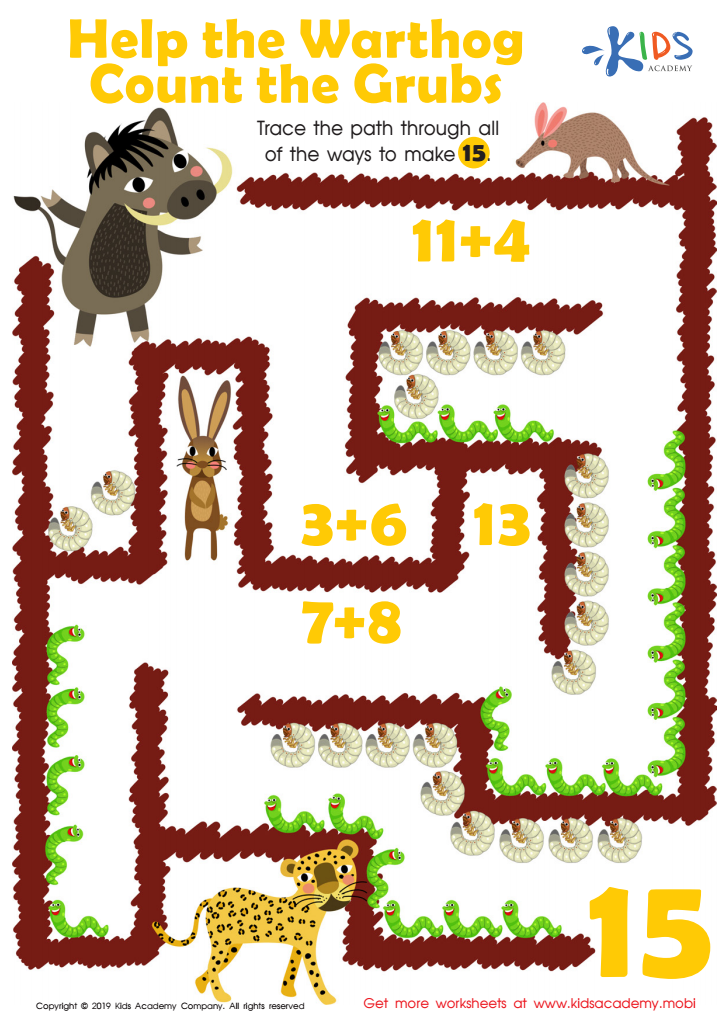
Help the Warthog Count the Grubs Worksheet
Test your kids' knowledge of wild animals. Ask them to name some they know, then have them identify the animals on this worksheet. If they can't, take the time to tell them the names. Finally, trace the warthog's path through the maze by solving the equations and going through paths that make 15.
 Assign to My Students
Help the Warthog Count the Grubs Worksheet
Worksheet
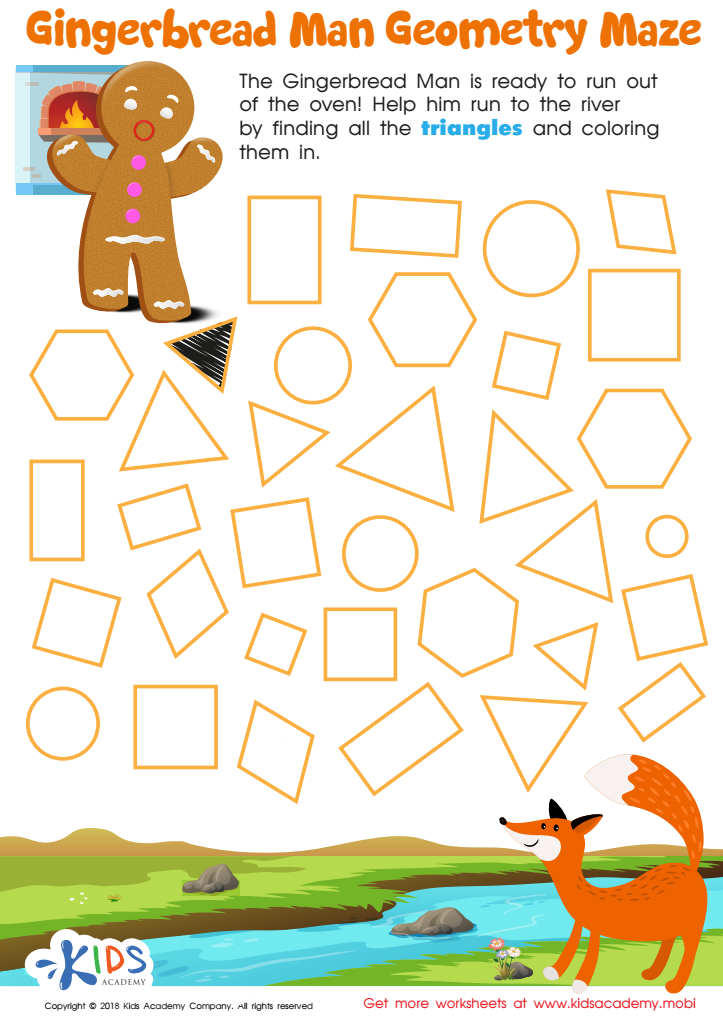
Gingerbread Man Geometry Maze Worksheet
Help a beloved character escape the oven! Kids race through a sea of geometrical shapes, searching for triangles of various sizes. With this free worksheet, they can have fun while learning about similarity of geometrical shapes concepts. Run, run, run as fast as they can!
Gingerbread Man Geometry Maze Worksheet
Worksheet
Join Kids Academy for Free
Who is primarily going to use this learning content?


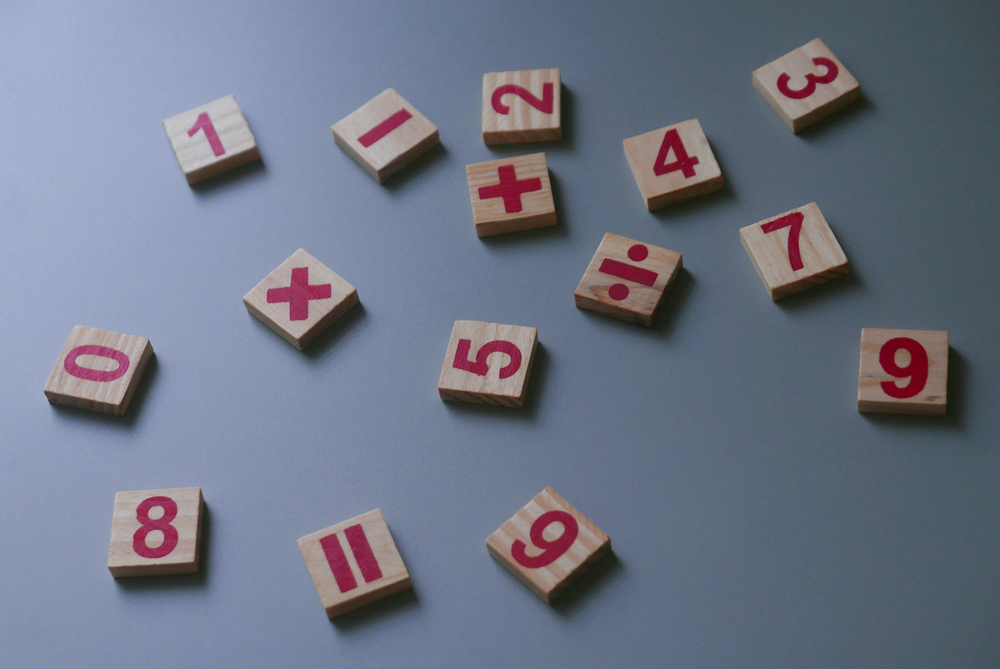



Motor skills math for ages 5-8 integrates physical movement with mathematical learning, offering numerous benefits for young children. At this developmental stage, kids are naturally active and often learn best through hands-on experiences. Engaging their motor skills—both fine (e.g., writing numbers, manipulating small objects) and gross (e.g., hopping while counting, lining up blocks)—helps enhance their cognitive functions. This kinesthetic approach can make abstract math concepts more concrete, thus aiding comprehension and retention.
Moreover, motor skills and math skills are interconnected. Activities like sorting shapes, patterning, or playing math-based physical games can improve both mathematical understanding and motor development. For example, using manipulatives like beads can simultaneously hone counting abilities and fine motor control. These dual-focus activities also cater to diverse learning styles, ensuring that more children grasp fundamental math concepts.
In addition to academic and physical benefits, motor skills math can foster a positive attitude toward learning and increase engagement. Activities are often enjoyable and can incorporate teamwork, thereby also enhancing social skills. By valuing motor skills math, parents and teachers cultivate a well-rounded, holistic educational experience that lays a strong foundation for future academic success and personal development.








