Practice inference skills Math Worksheets for Ages 5-8
3 filtered results
-
From - To
Enhance your child's math abilities with our "Practice Inference Skills Math Worksheets," specifically designed for ages 5-8. These engaging worksheets introduce young learners to the essential concept of inference, helping them make logical conclusions based on given information. Tailored to support early math education, the activities integrate fun visuals and interactive elements that promote critical thinking. Parents and educators will appreciate the clear instructions and variety of exercises that cater to different learning styles. Boost your child's confidence and proficiency in math by providing them with the tools they need to succeed. Explore our collection of worksheets today!
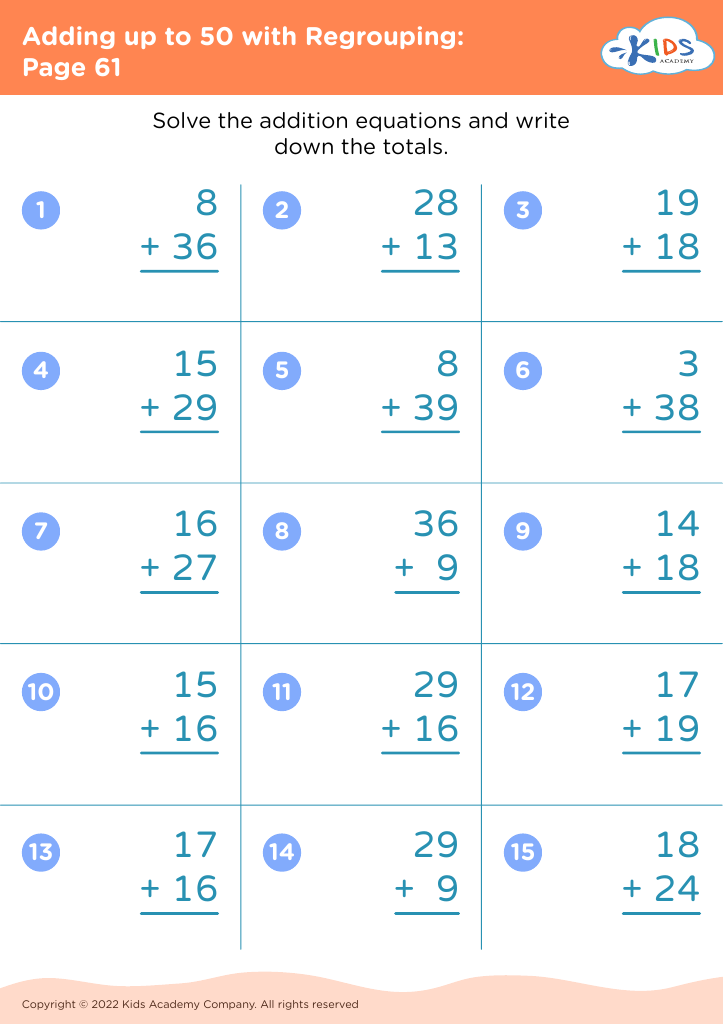
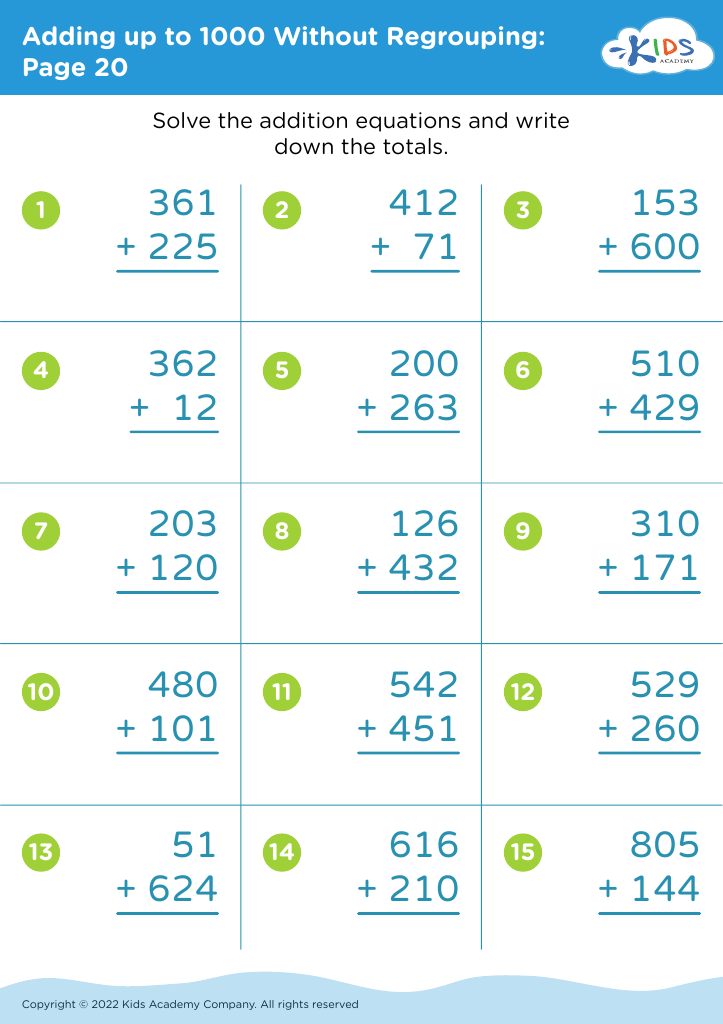
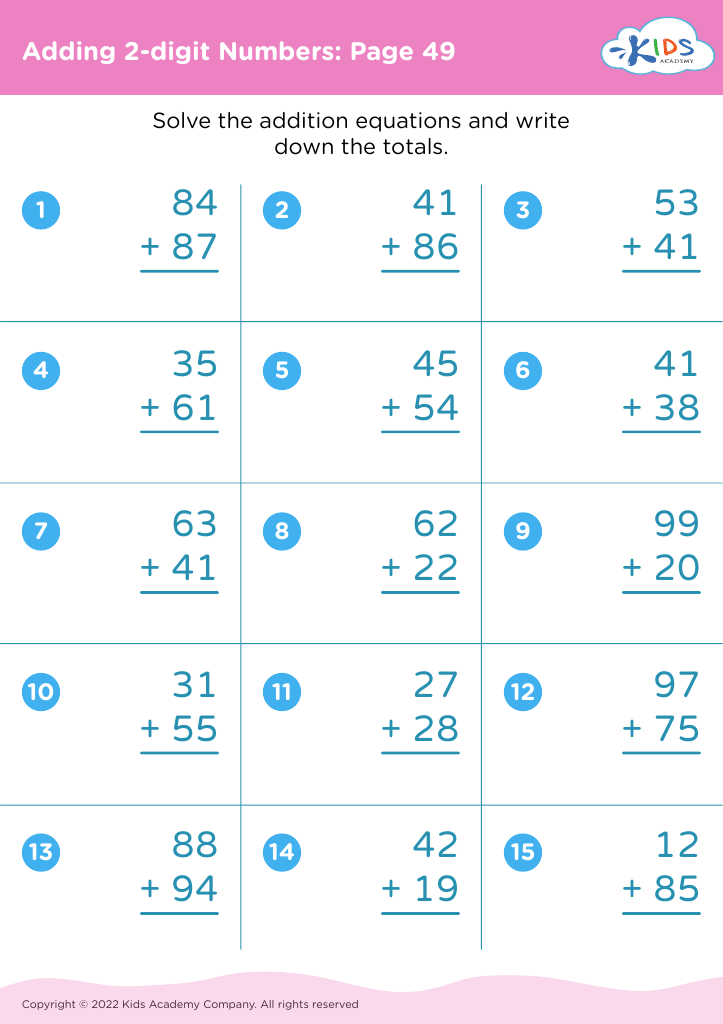








Practice inference skills in math for children ages 5-8 are essential developmentally and educationally. At this age, children begin to deepen their understanding of numerical concepts, logic, and reasoning. Inference skills involve making predictions or conclusions based on available information, a crucial cognitive process that supports problem-solving and critical thinking.
Parents and teachers should care about enhancing these skills because they lay the groundwork for later mathematical proficiency. Engaging children with inference activities, such as pattern recognition or simple word problems, cultivates a love for math and encourages them to think independently. These activities help children learn to analyze situations, draw conclusions, and synthesize information, which are skills not only important in math but across subjects and real-life scenarios.
Moreover, fostering inference skills can help boost children's confidence. When they successfully make predictions or solve problems, it reinforces their belief in their abilities, promoting a growth mindset. Parents and teachers play crucial roles in creating an enriching learning environment that supports the development of these essential skills, which ultimately contributes to a child's overall academic success and readiness for future learning challenges. By prioritizing practice in inference skills, adults can help children build a solid foundation for lifelong mathematical understanding.








