Recognizing numbers Math Worksheets for Ages 5-8
8 filtered results
-
From - To
Welcome to our "Recognizing Numbers Math Worksheets for Ages 5-8" collection! Designed to make learning fun, these worksheets help young learners develop essential number recognition skills through engaging activities. Each worksheet encourages hands-on practice with colorful illustrations and interactive exercises that capture children's attention. Perfect for at-home learning or classroom use, our resources promote growth in number identification, simple counting, and understanding basic mathematical concepts. Help your child build confidence and a solid foundation in mathematics with our thoughtfully crafted worksheets. Explore our variety of sheets tailored to support early learners on their educational journey and watch them thrive in their number skills!
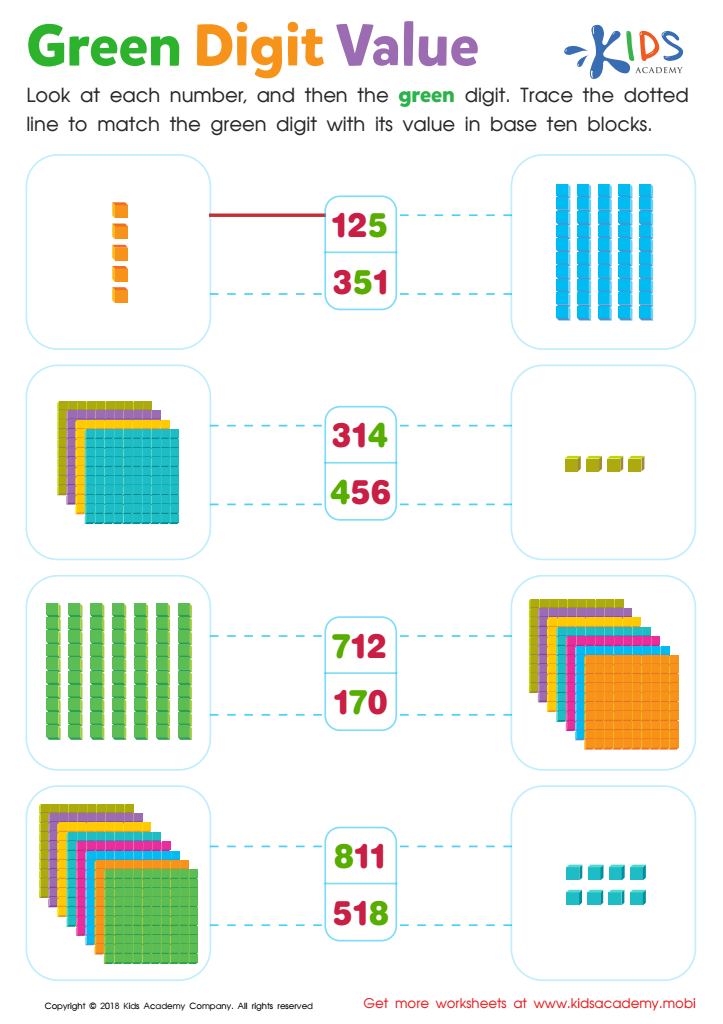
Green Digit Value Worksheet
 Assign to My Students
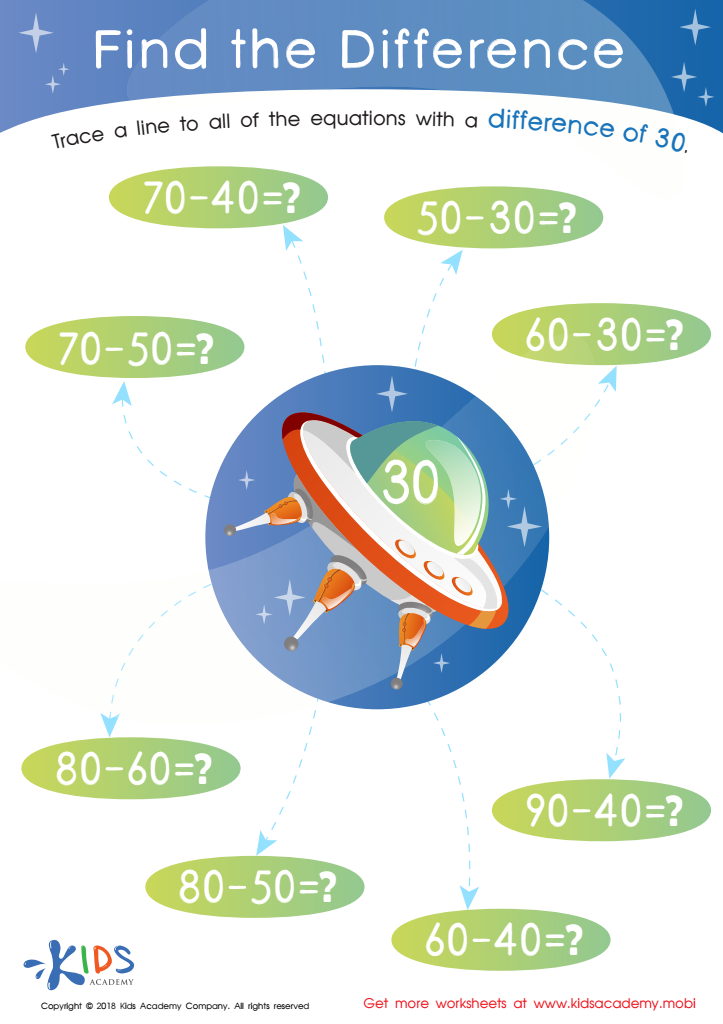
Find The Difference Worksheet
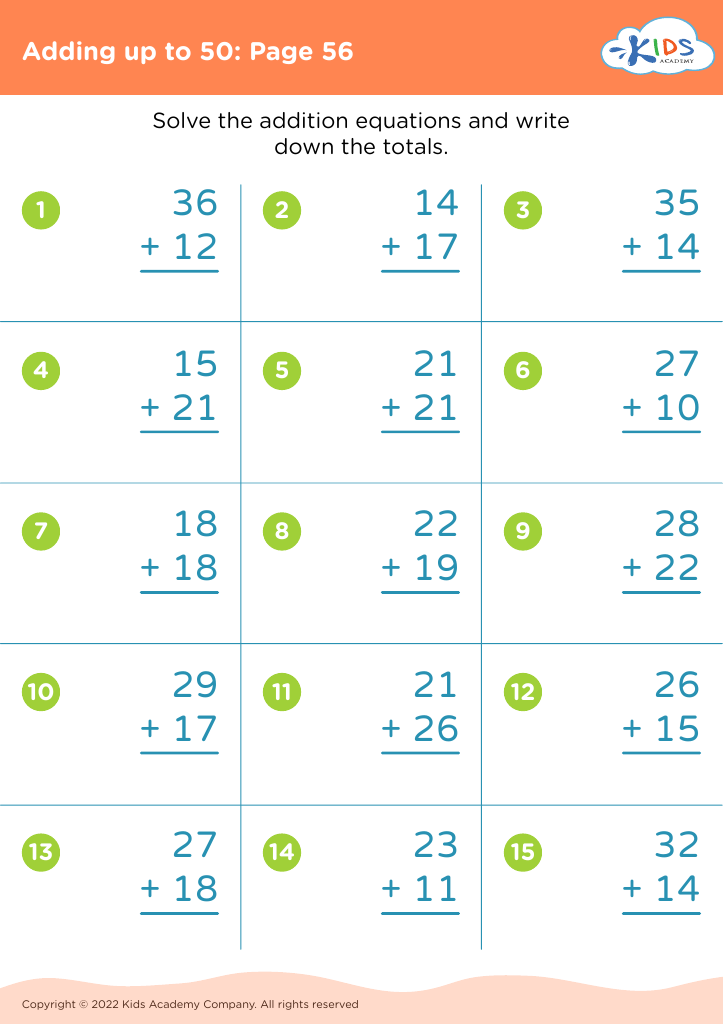
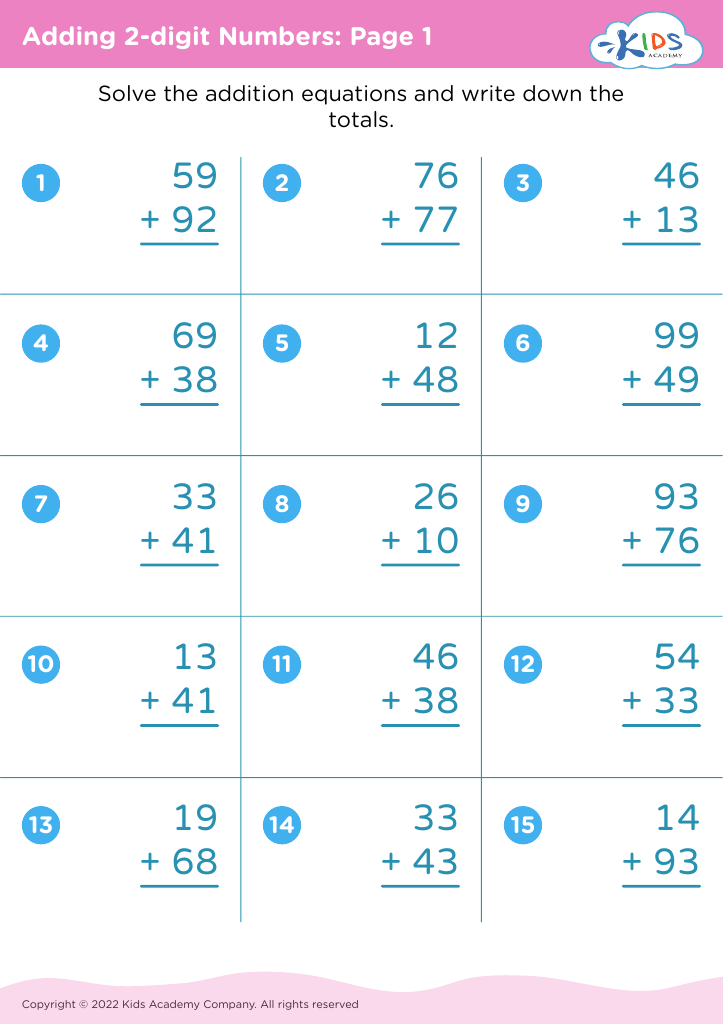
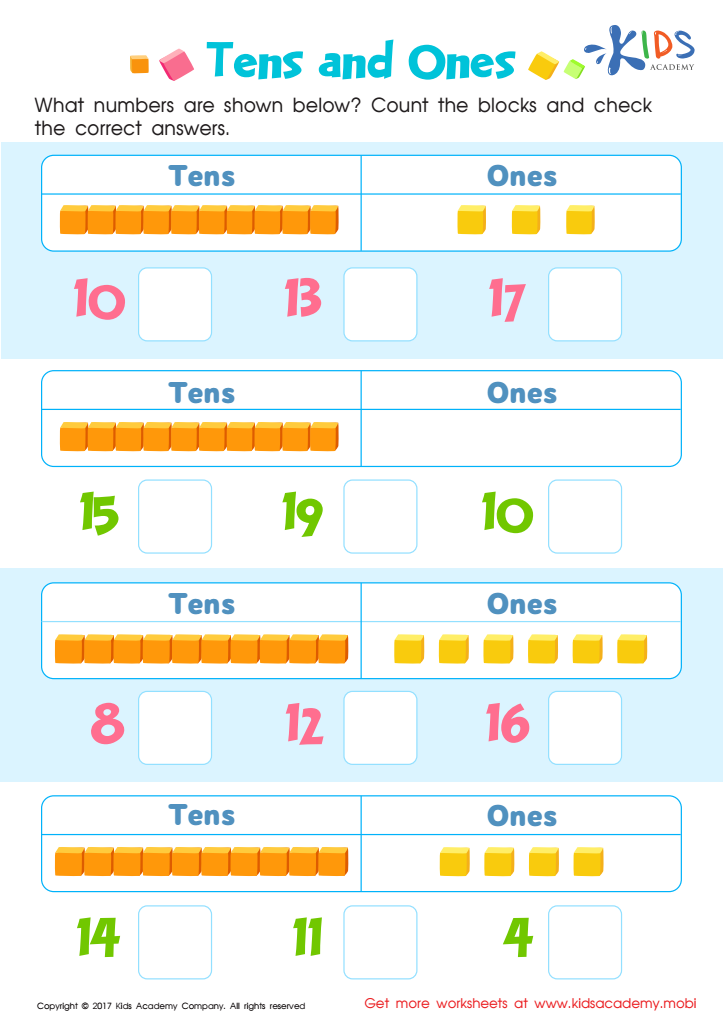
Tens and Ones Worksheet
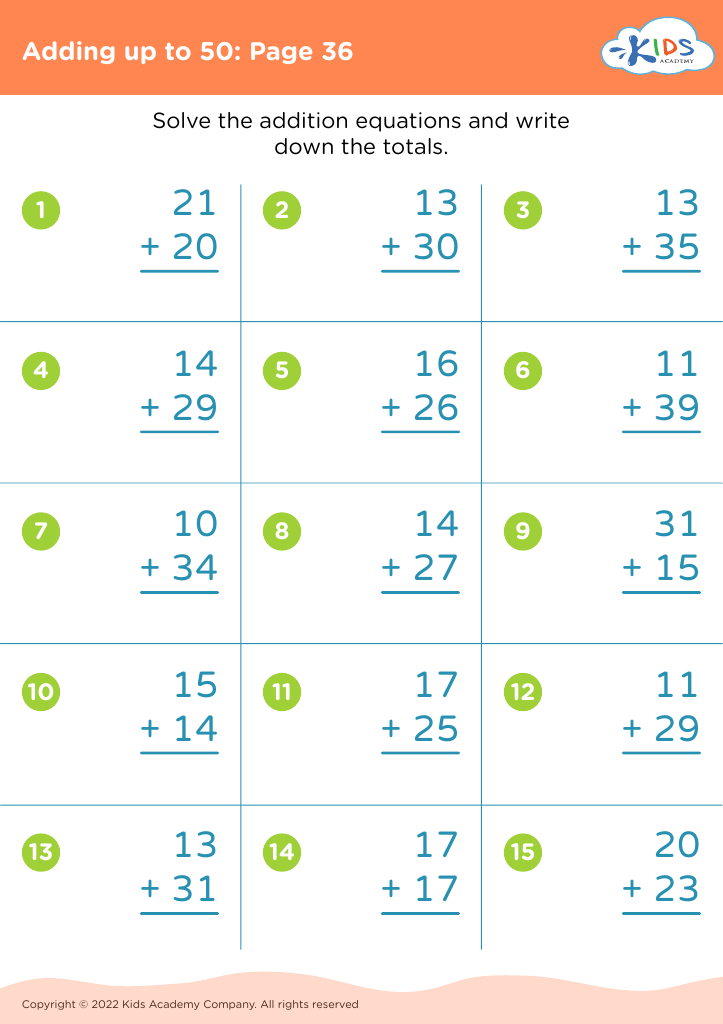
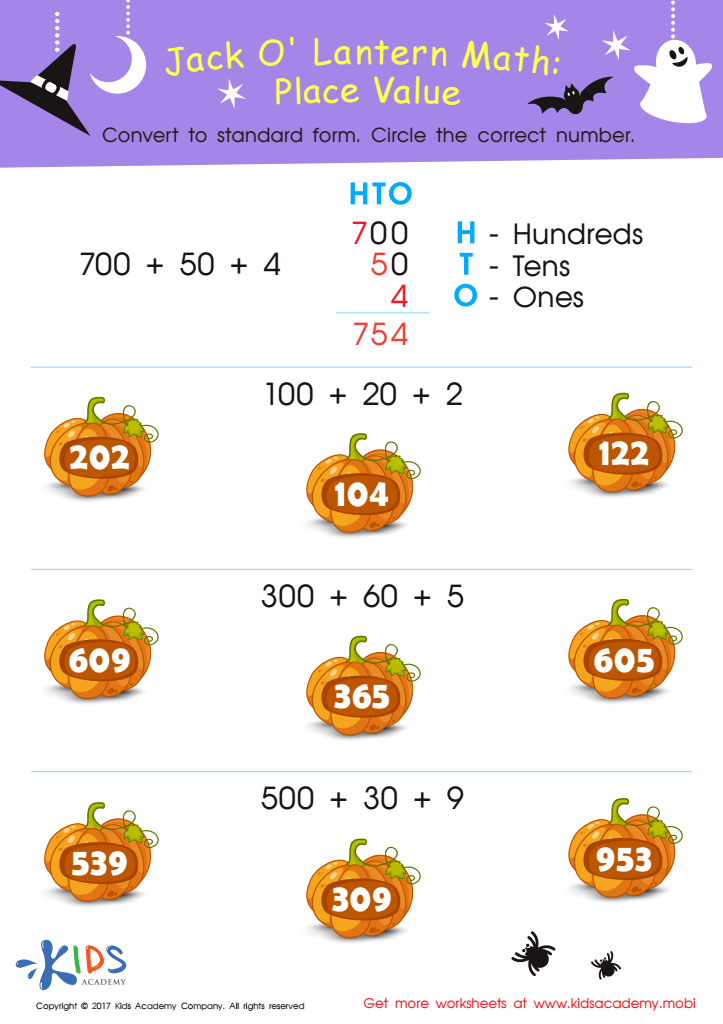
Free Place Value Worksheet
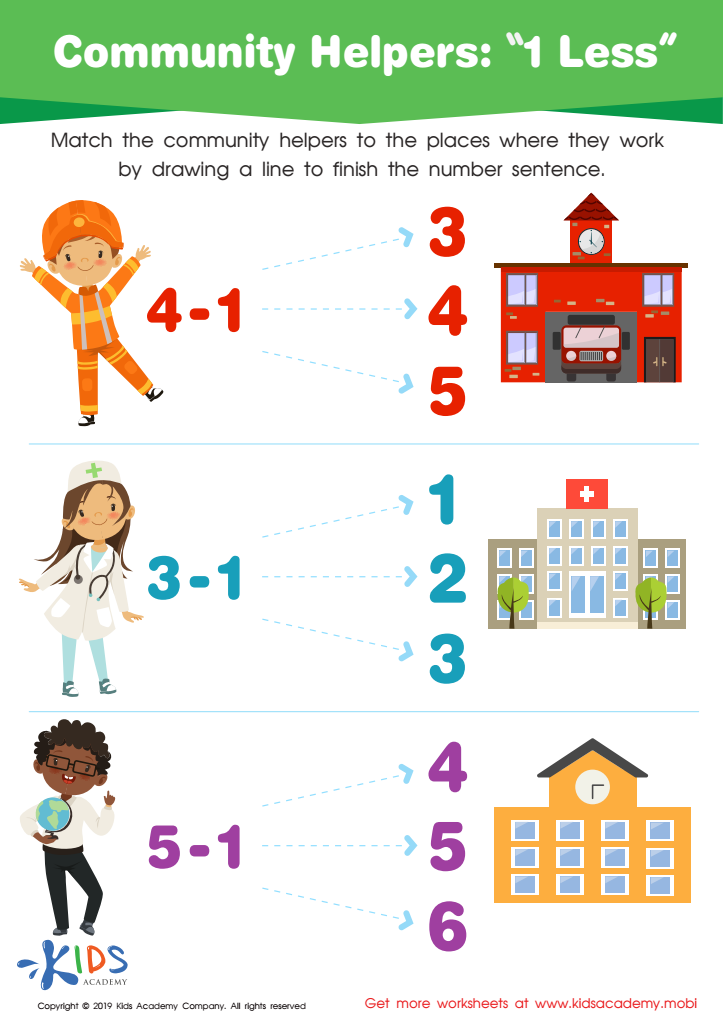
Community Helpers: 1 less Worksheet








Recognizing numbers is a foundational skill critical for young learners aged 5-8. At this developmental stage, children are naturally curious and adept at absorbing new information, making it an ideal time for them to explore numbers and their meanings. Parents and teachers should care about this skill because it sets the groundwork for all future mathematical learning. Understanding numbers fosters a sense of confidence and competence in students, as they begin to see patterns and relationships in mathematics.
Moreover, number recognition enhances cognitive development, as it engages children's reasoning and critical thinking skills. When children can recognize and understand numbers, they are better equipped to tackle more complex concepts, such as addition, subtraction, and problem-solving. By recognizing numbers in their everyday environments—like in books, street signs, or games—children also learn to connect math to real life, making it relevant and engaging.
Instilling a strong foundation in number recognition promotes a positive attitude toward mathematics, reducing anxiety and fostering a love for learning. As parents and teachers work collaboratively in this area, theysupport children’s overall academic success and lifelong mathematical skills, helping to transform them into confident, capable learners.








