
Understanding Quantities Math Worksheets for Ages 5-8
50 filtered results
Difficulty Level
Grade
Age
-
From - To
Subject
Activity
Standards
Discover our engaging "Understanding Quantities" math worksheets designed for children aged 5-8! These expertly crafted worksheets aim to enhance early math skills by introducing concepts like counting, comparison, and number sense in a fun and interactive way. Each worksheet includes vibrant illustrations and activities that encourage young learners to explore quantities through hands-on practice. Perfect for homeschooling or supplementary learning, our resources help children grasp the foundational principles of math while building their confidence. With varying difficulty levels, these worksheets cater to diverse learning styles, ensuring every child can thrive. Join us in making math enjoyable and accessible for your little ones today!
Favorites
With answer key
Interactive
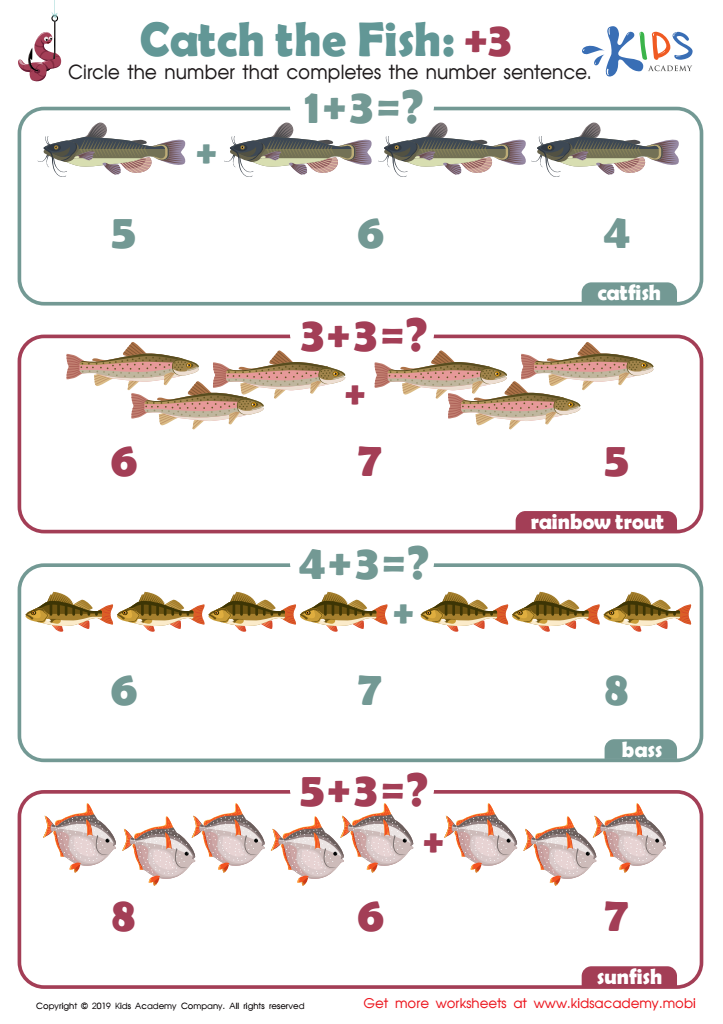
Catch the Fish: +3 Worksheet
Math may be tricky for your child, with all the numbers and calculations. This worksheet can help them brush up. Ask them to identify the objects in the picture, then count them and help them circle the right number to complete the sentence. It's a simple and effective way to improve math skills.
 Assign to My Students
Catch the Fish: +3 Worksheet
Worksheet
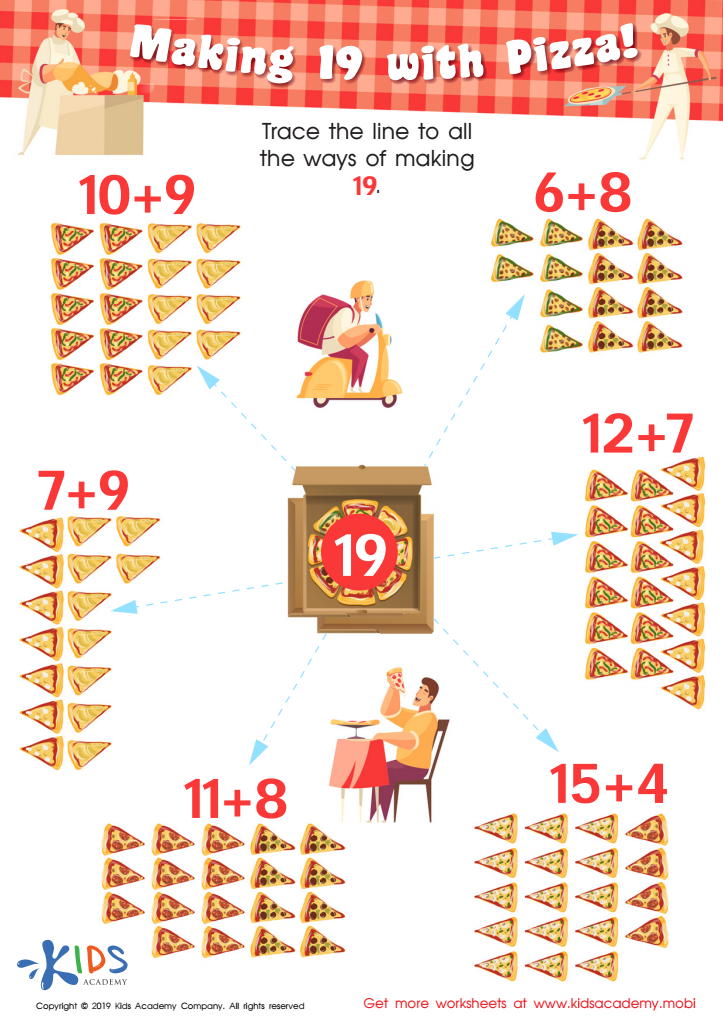
Making 19 with Pizza! Worksheet
Who loves pizza? Your kids do! Next time you need to teach them math, make it fun by combining it with something they enjoy. This worksheet uses a pizza-themed problem to help them practice solving equations. Have them trace the line to figure out how to make 19. It's a great way to make learning math fun!
Making 19 with Pizza! Worksheet
Worksheet
More or Less Size Worksheet
Worksheet
Place Value: Chapter 1 Worksheet
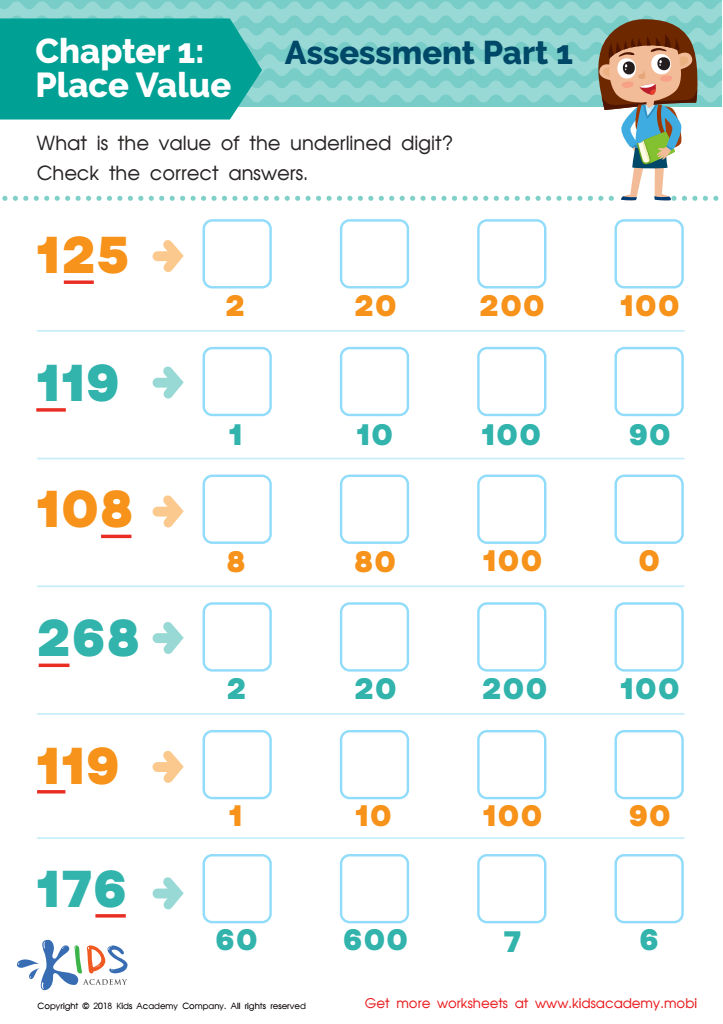
Check your kid's place value understanding with this assessment worksheet. It features 6 questions with one digit underlined for your child to determine the correct value of. Get the download and see if they can correctly choose the answer from the options given. It's a great way to test progress and keep their minds sharp!
Place Value: Chapter 1 Worksheet
Worksheet
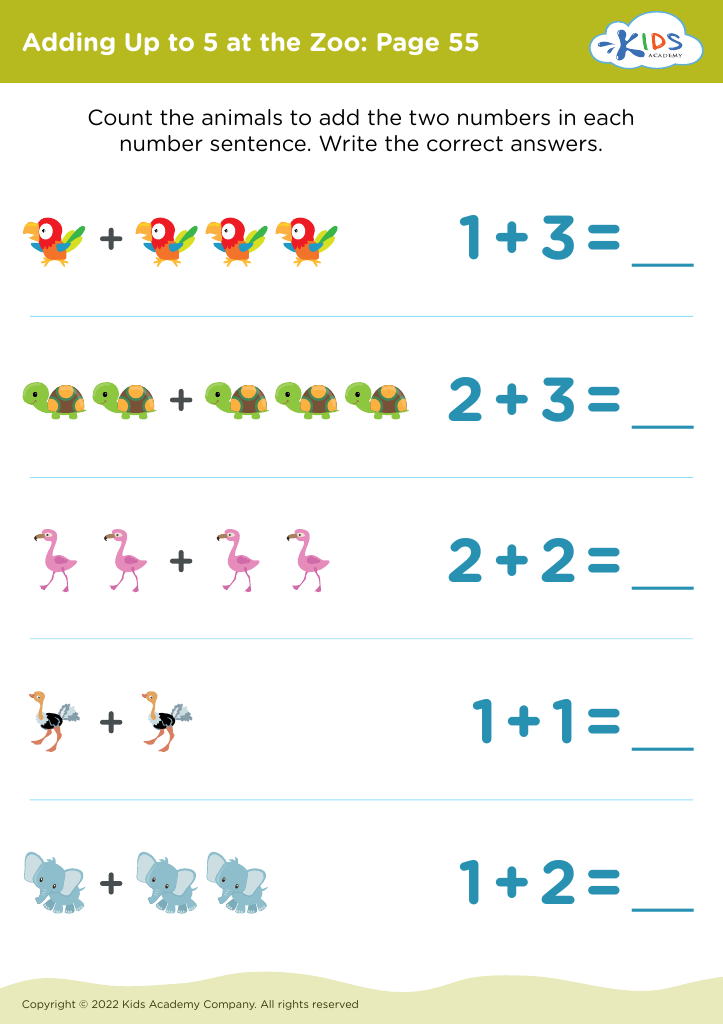
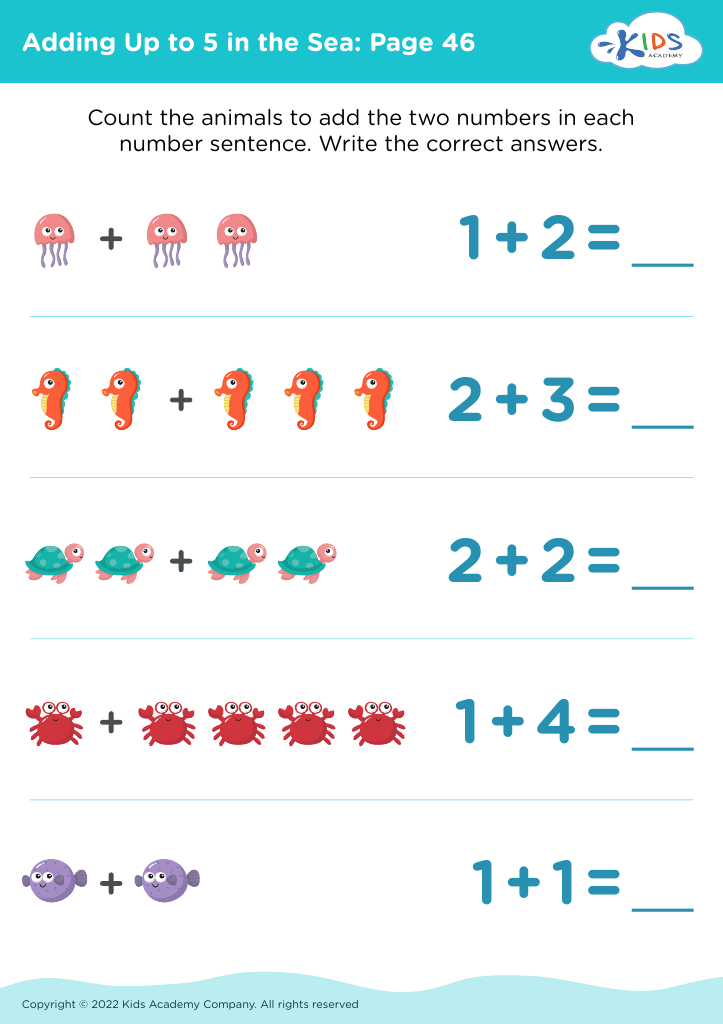
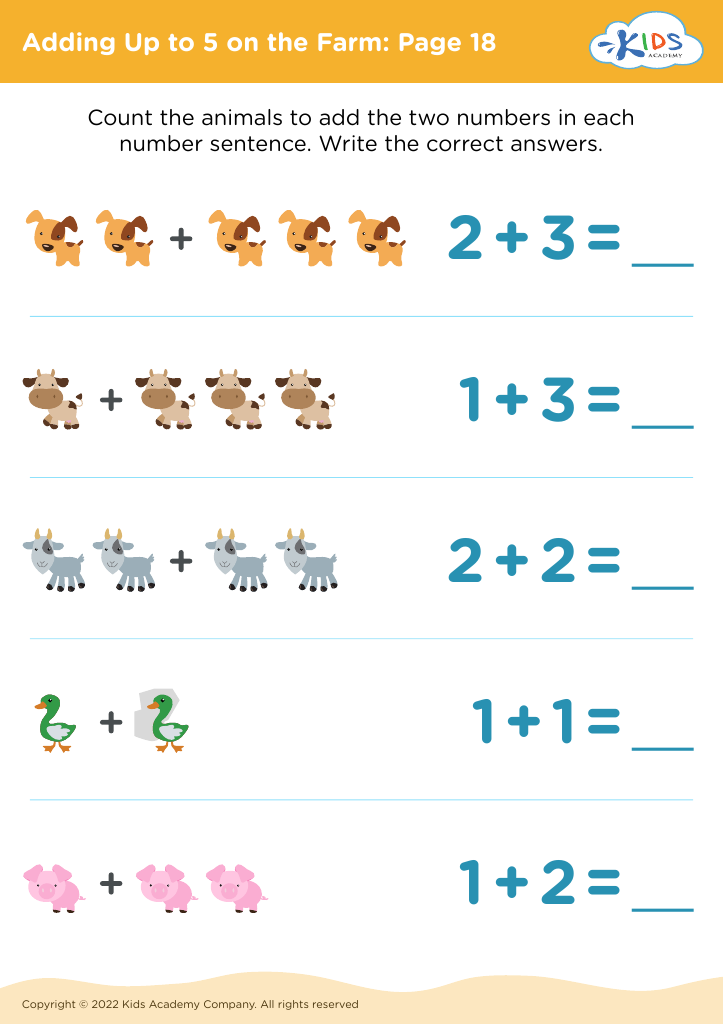
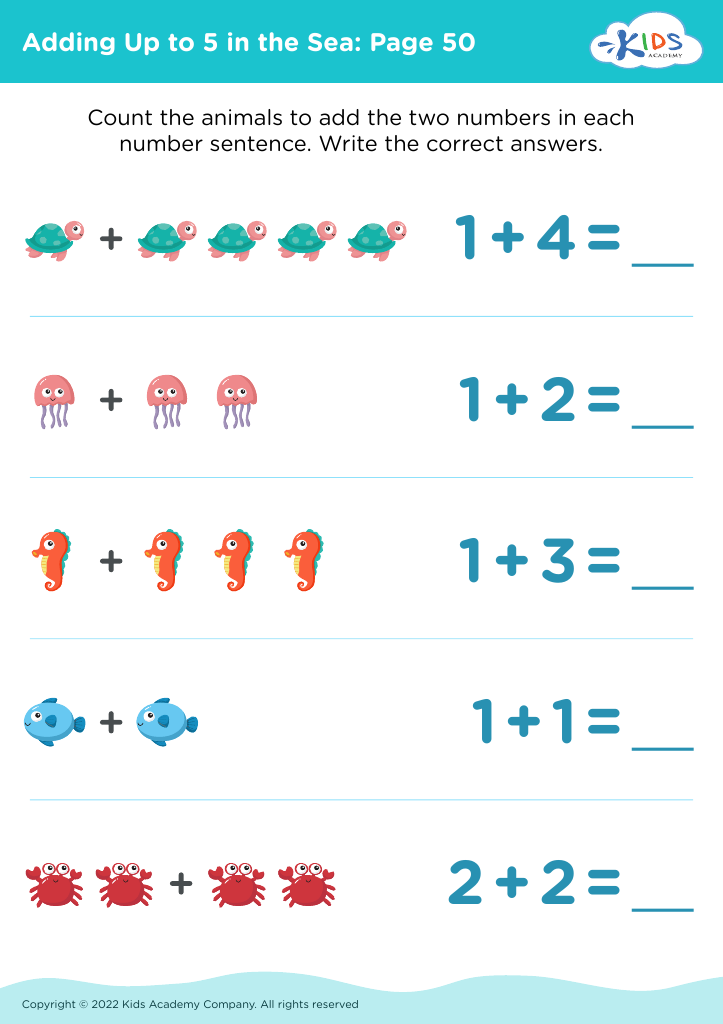
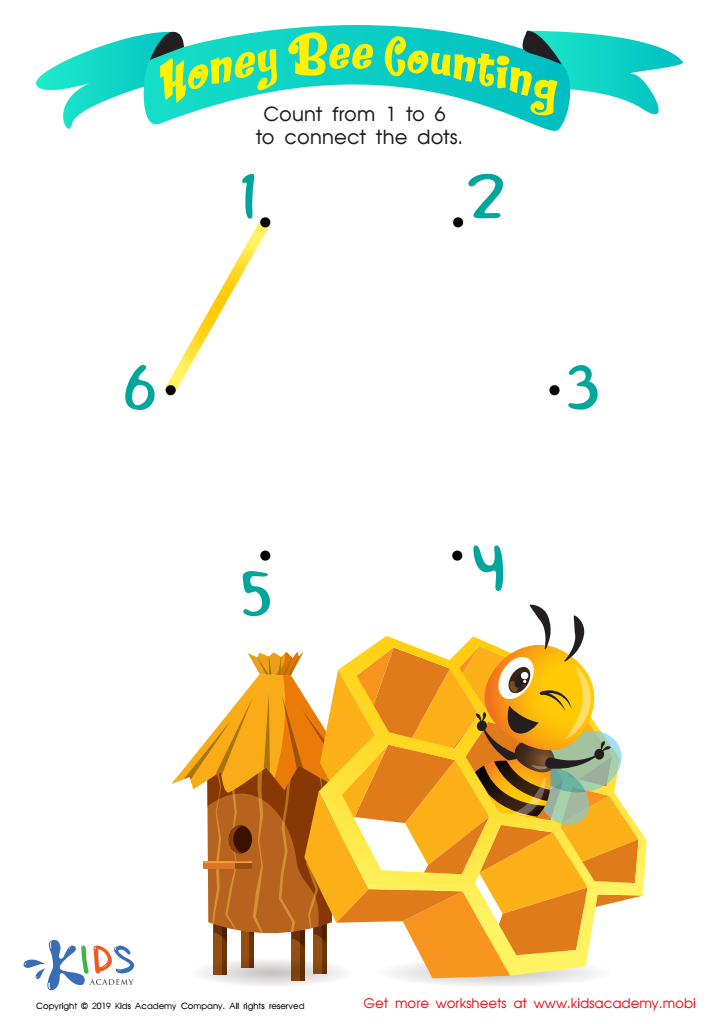
Honey Bee Counting Worksheet
Help your kids learn about honey bees while practising their counting skills! Show them the picture and ask them to point out the bee. Then, give them this worksheet and have them count up to 6, connecting the dots as they go. Numbers are provided for guidance - it's a great way to have fun and learn!
Honey Bee Counting Worksheet
Worksheet
Join Kids Academy for Free
Who is primarily going to use this learning content?





.jpg)
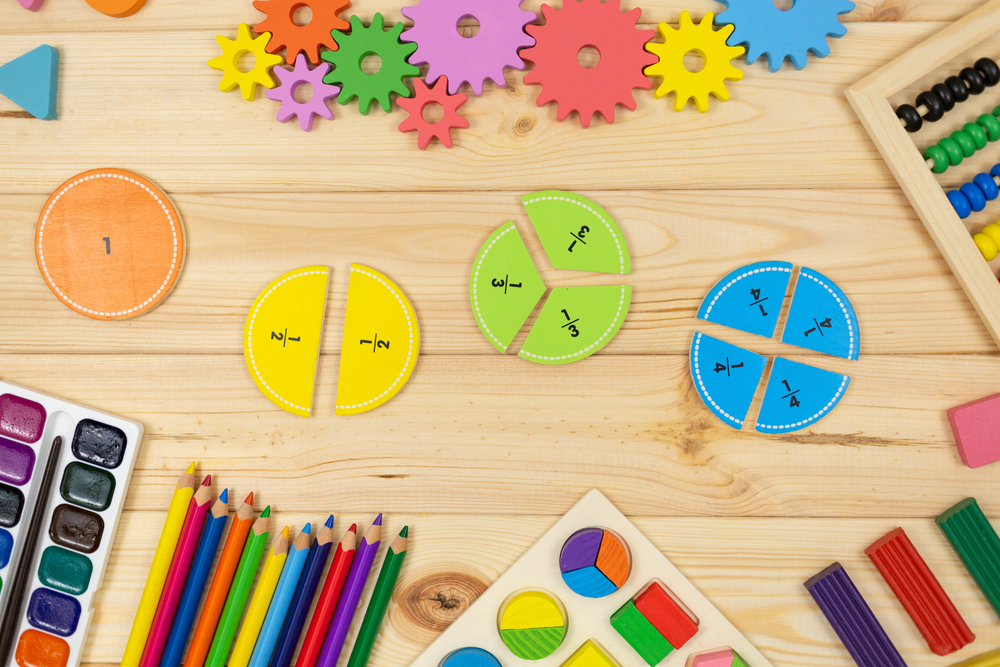

Understanding quantities is a fundamental concept in early mathematics that serves as the groundwork for children's future mathematical skills. For parents and teachers, fostering a robust understanding of quantities in children aged 5-8 is crucial for several reasons.
Firstly, this understanding enables children to make sense of numbers and their relationships, laying the foundation for more complex operations such as addition, subtraction, multiplication, and division. When children comprehend how to compare, combine, and manipulate quantities, they develop critical thinking and problem-solving skills essential for their academic journey.
Secondly, a solid grasp of quantities promotes confidence in mathematical abilities. Children who understand basic quantity concepts are more likely to engage positively with math activities, reducing math anxiety that can arise later. Creating a positive relationship with math at an early age encourages lifelong learning and an optimistic approach to challenges.
Moreover, understanding quantities supports key life skills, including budgeting, measuring, and planning, fostering independence and practical reasoning in real-world situations. By prioritizing this area of math education, parents and teachers can empower children with essential skills, preparing them for future academic understandings and everyday life success. Investing time in understanding quantities equates to investing in a child's holistic development.








