Understanding quantity Math Worksheets for Ages 5-8
30 filtered results
-
From - To
Discover our engaging "Understanding Quantity Math Worksheets" designed specifically for children aged 5-8. These interactive resources help young learners grasp fundamental math concepts like counting, comparing numbers, and recognizing quantities through fun visuals and activities. Our worksheets promote critical thinking and reinforce essential skills in a playful, age-appropriate manner. Parents and teachers can use these printable tools to encourage hands-on learning and enhance children's numerical confidence. Explore a variety of exercises that cater to different learning styles and keep students motivated. Support your child's mathematical journey with our comprehensive worksheets that make understanding quantity enjoyable and effective!
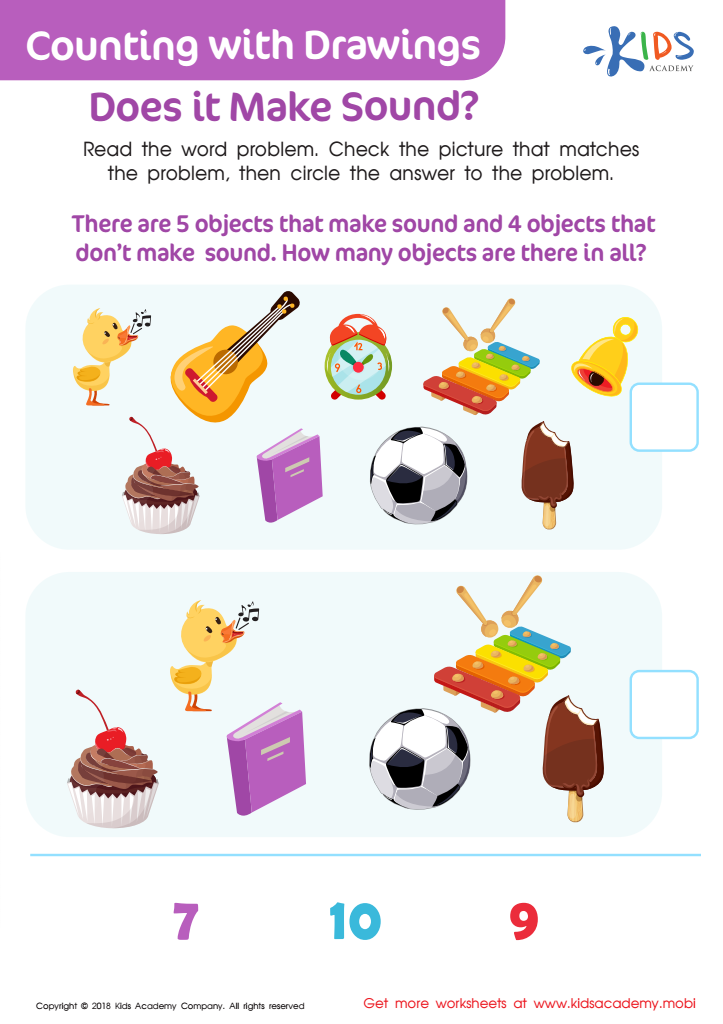
Counting With Drawings. Does It Make Sound? Worksheet
 Assign to My Students
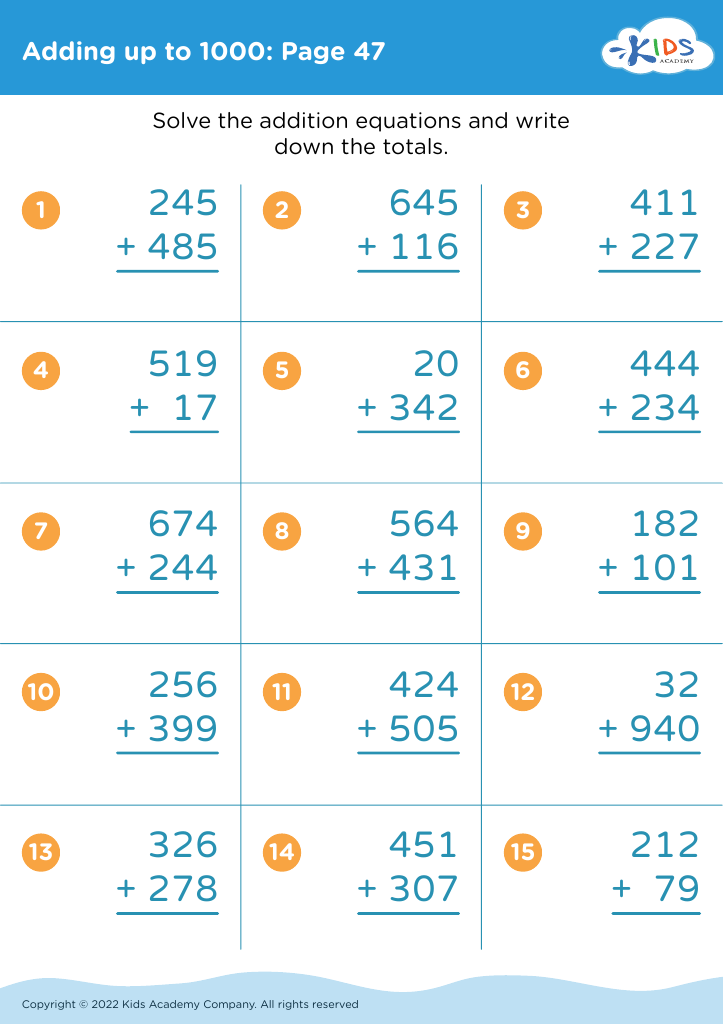
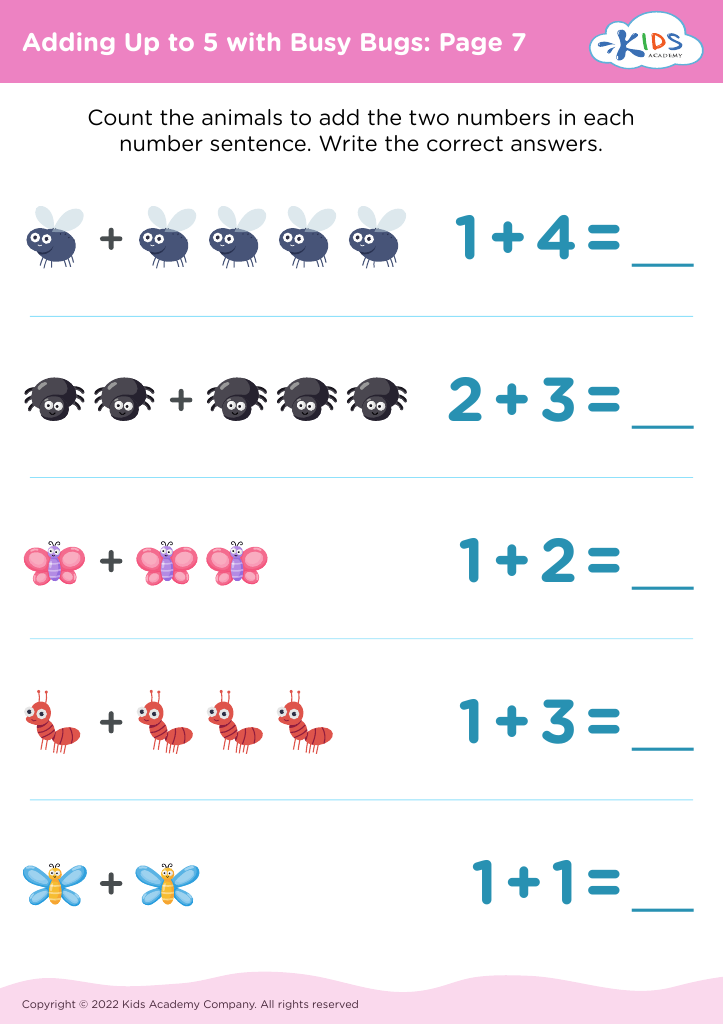
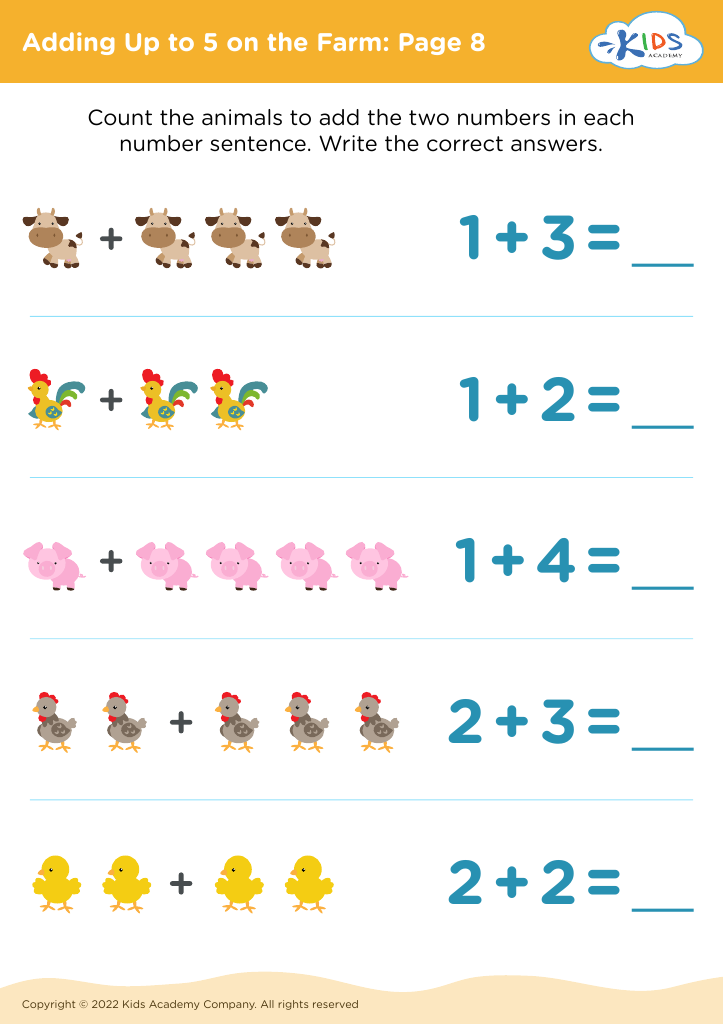
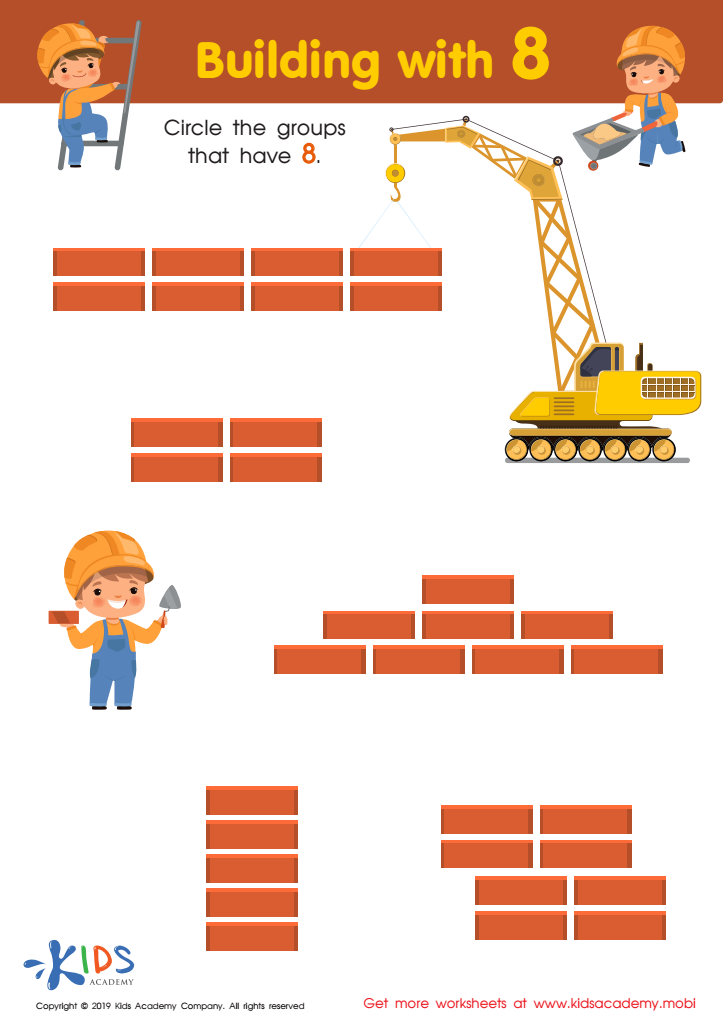
Building with 8 Worksheet
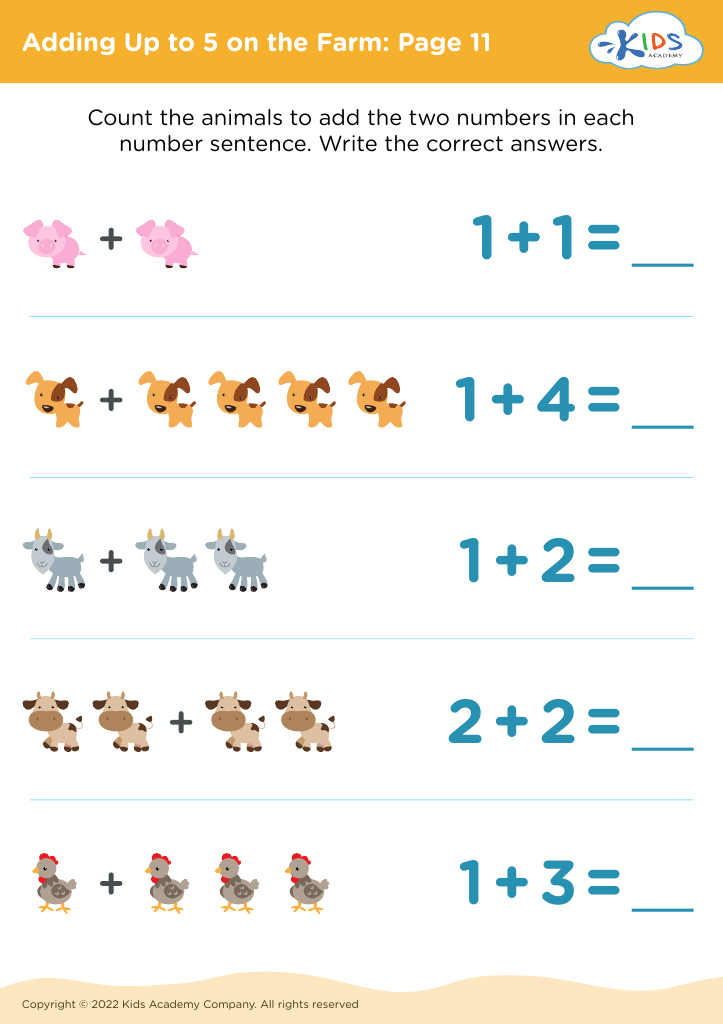
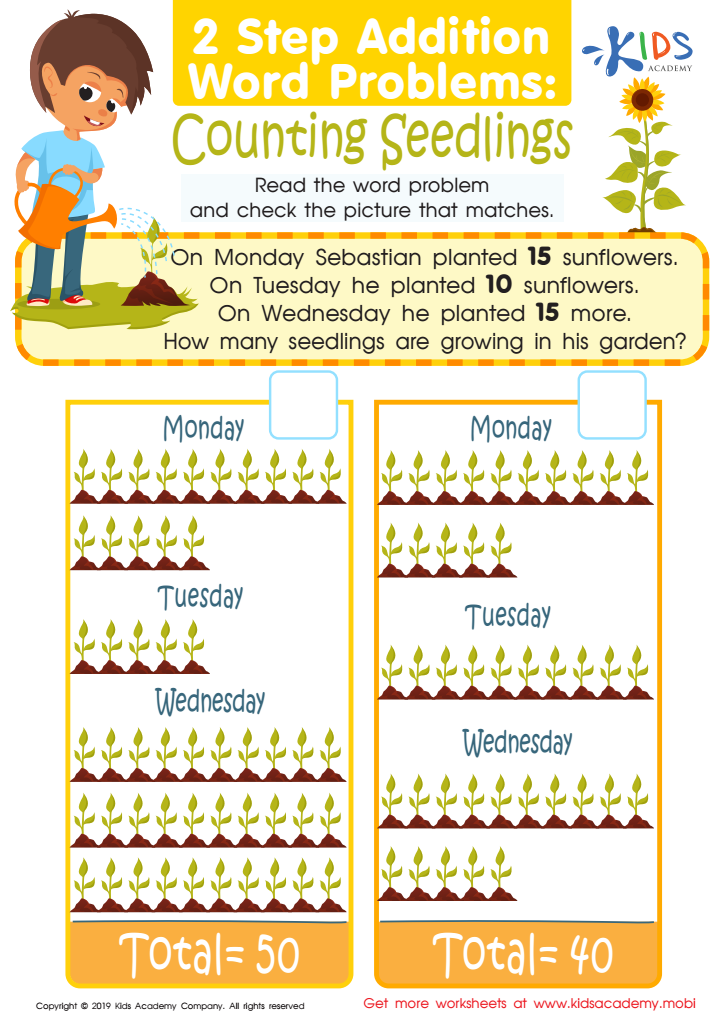
Counting Seedlings Worksheet
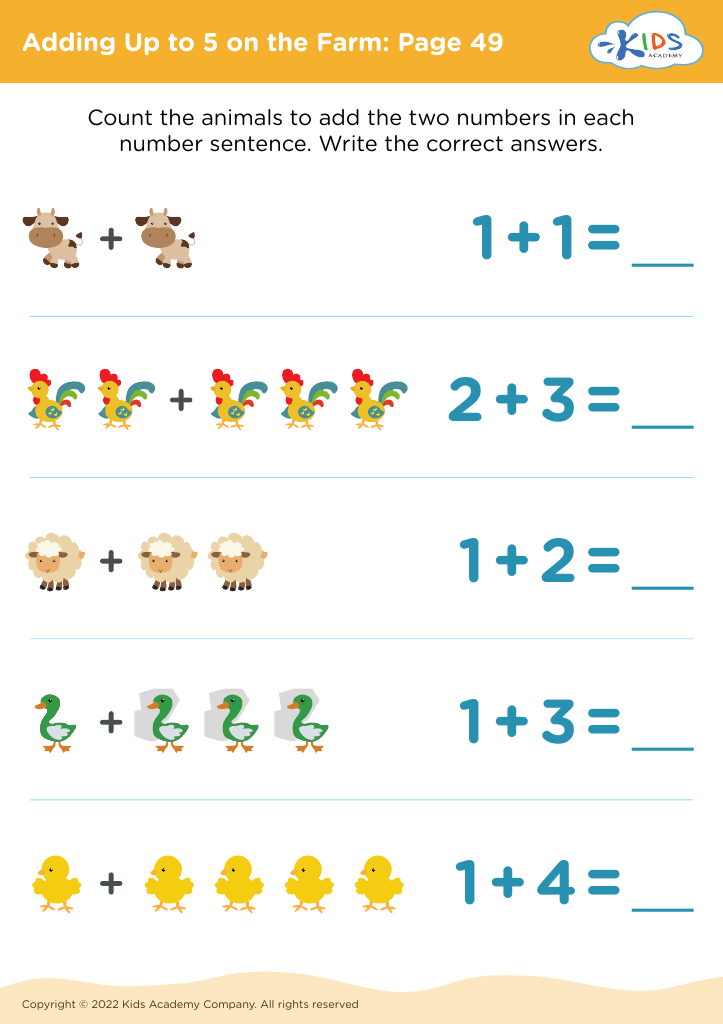
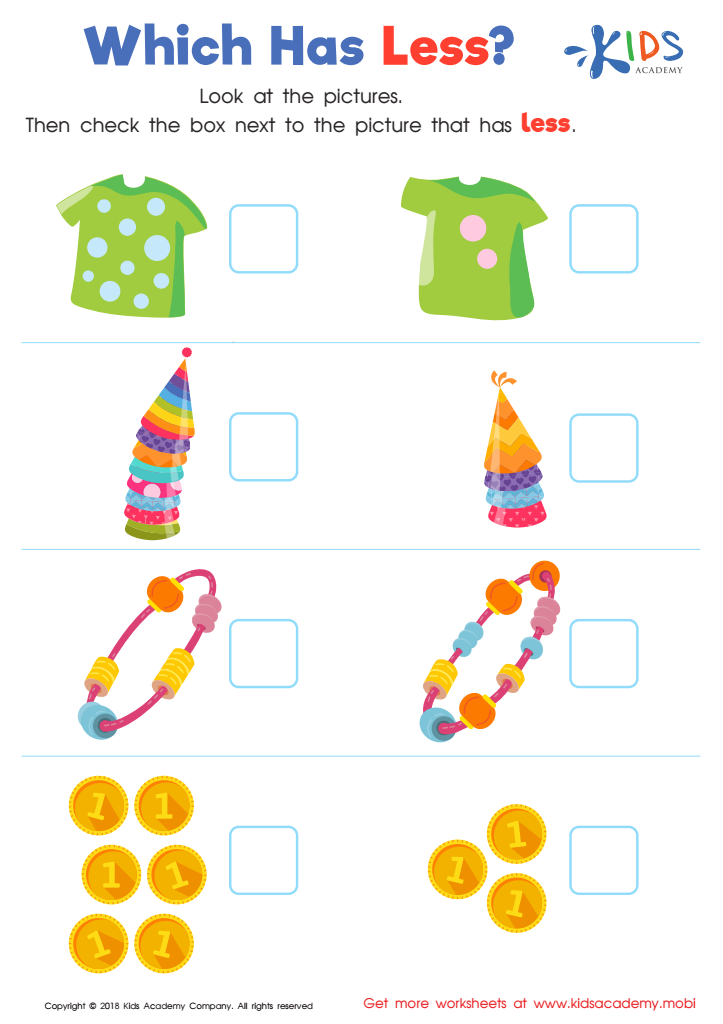
Which Has Less? Worksheet
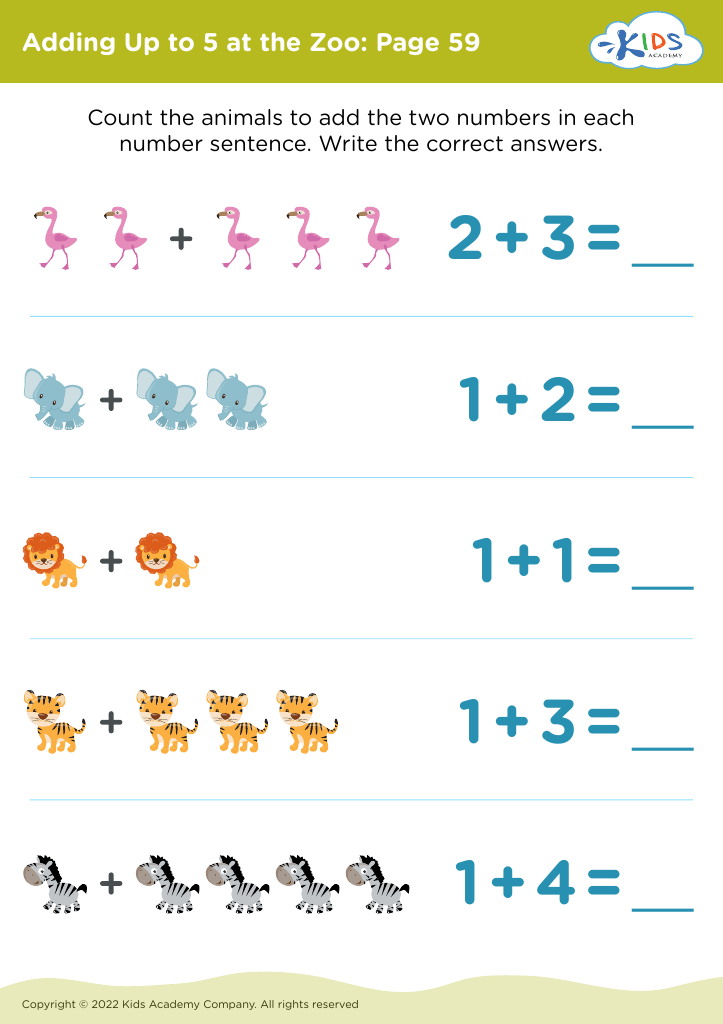
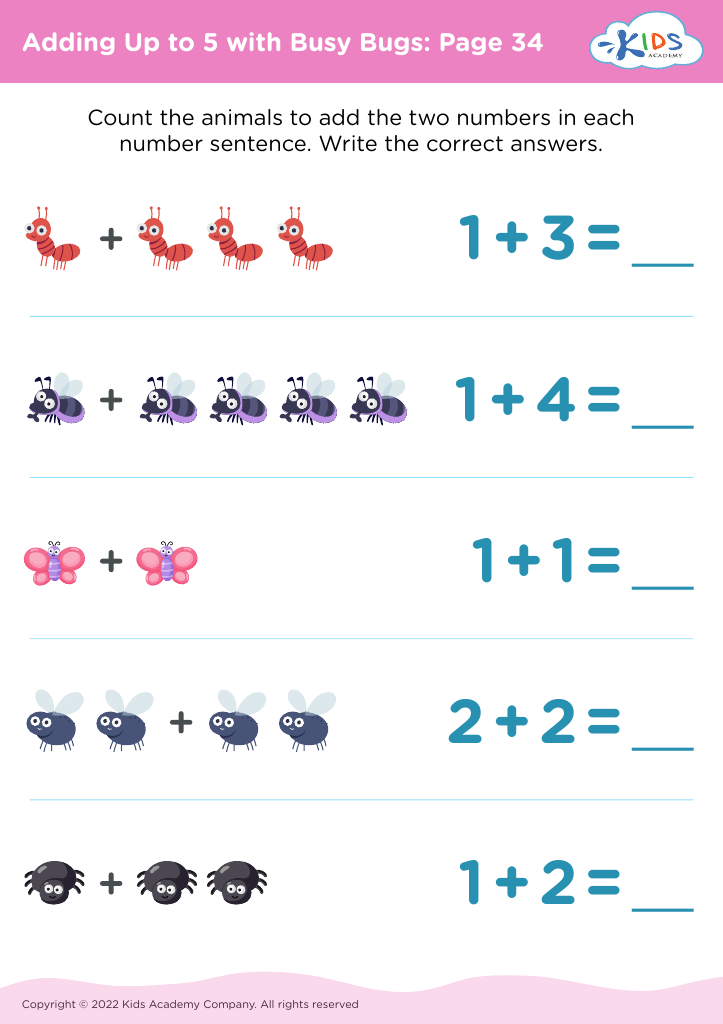
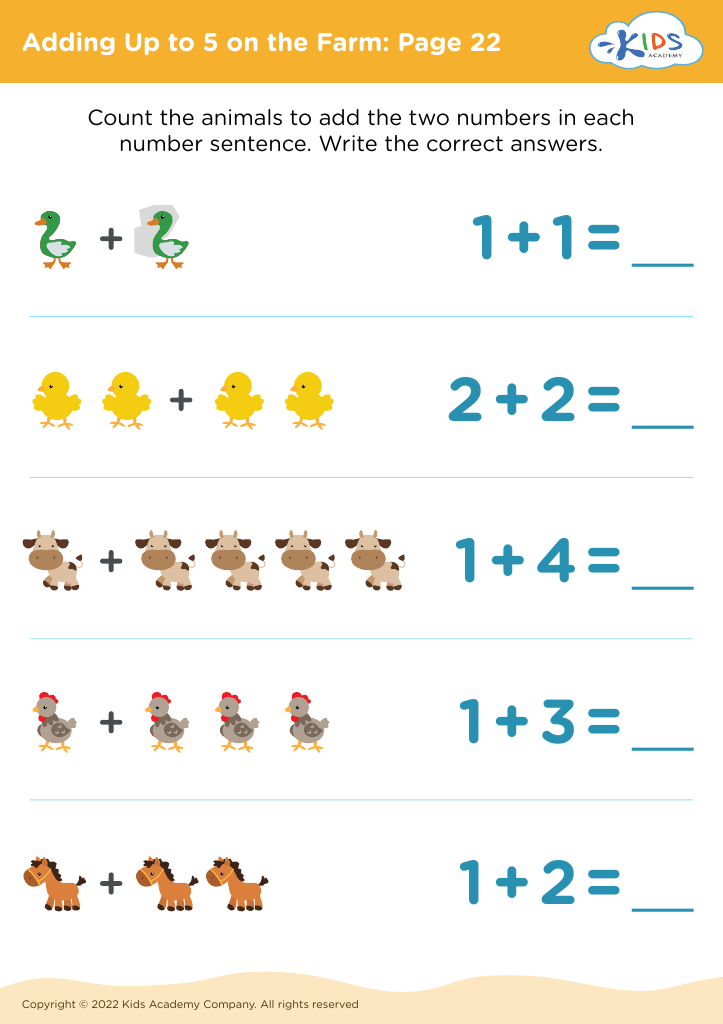
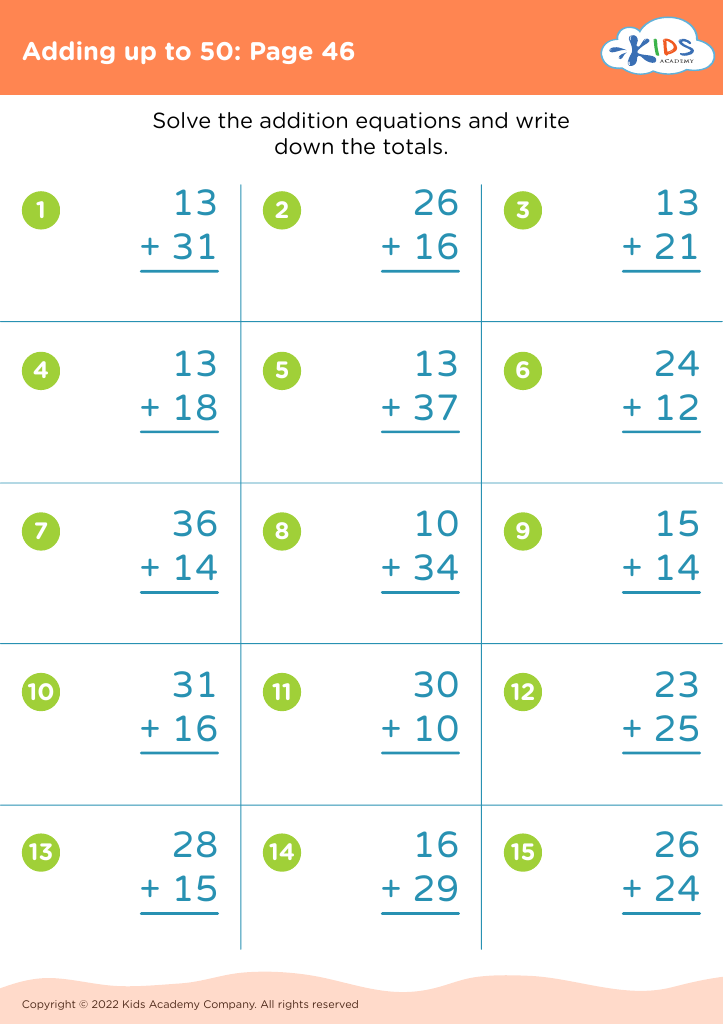
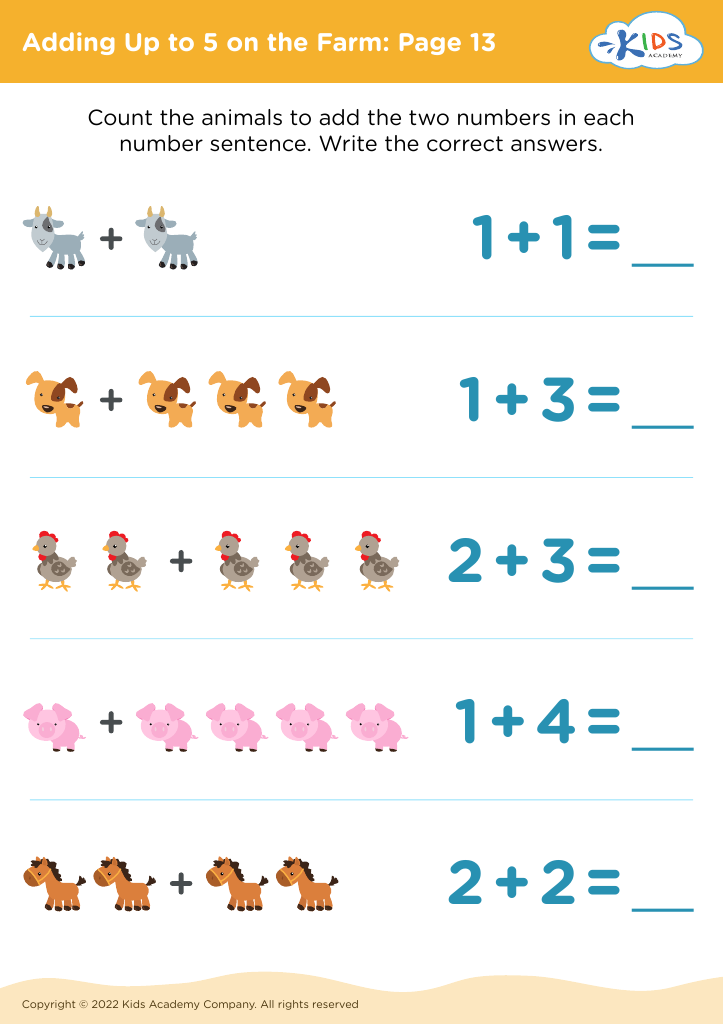
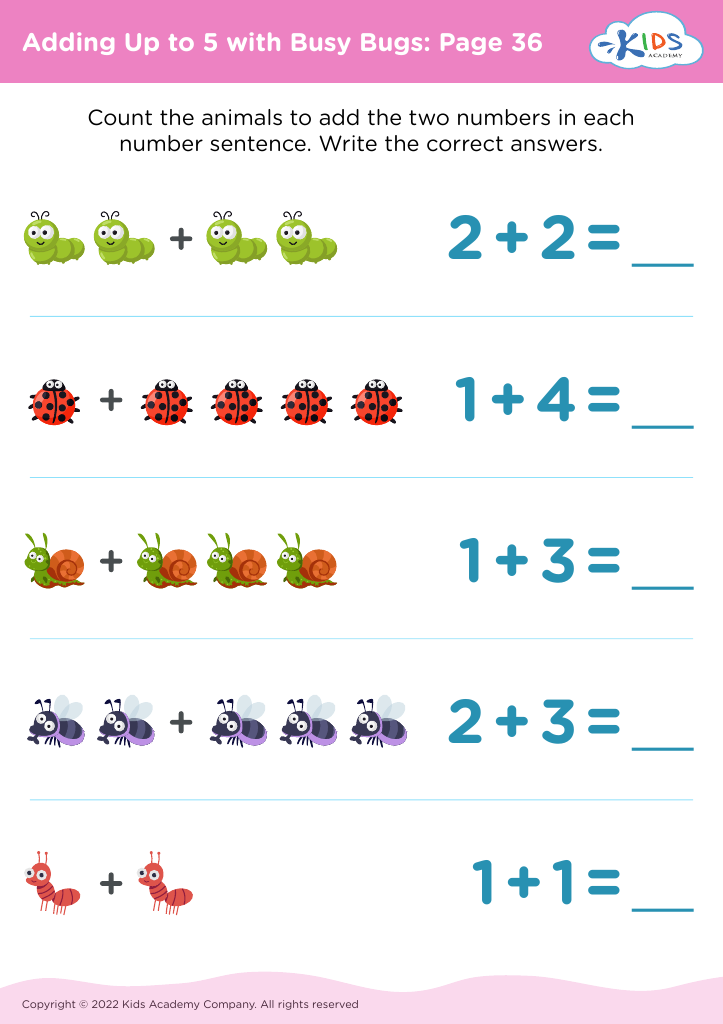
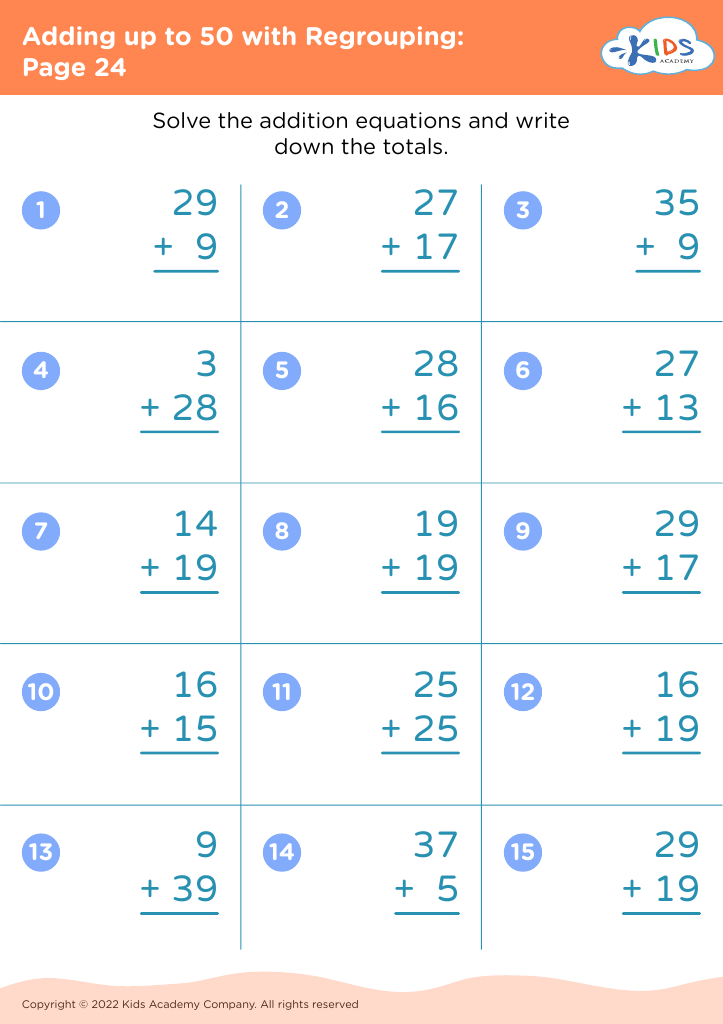
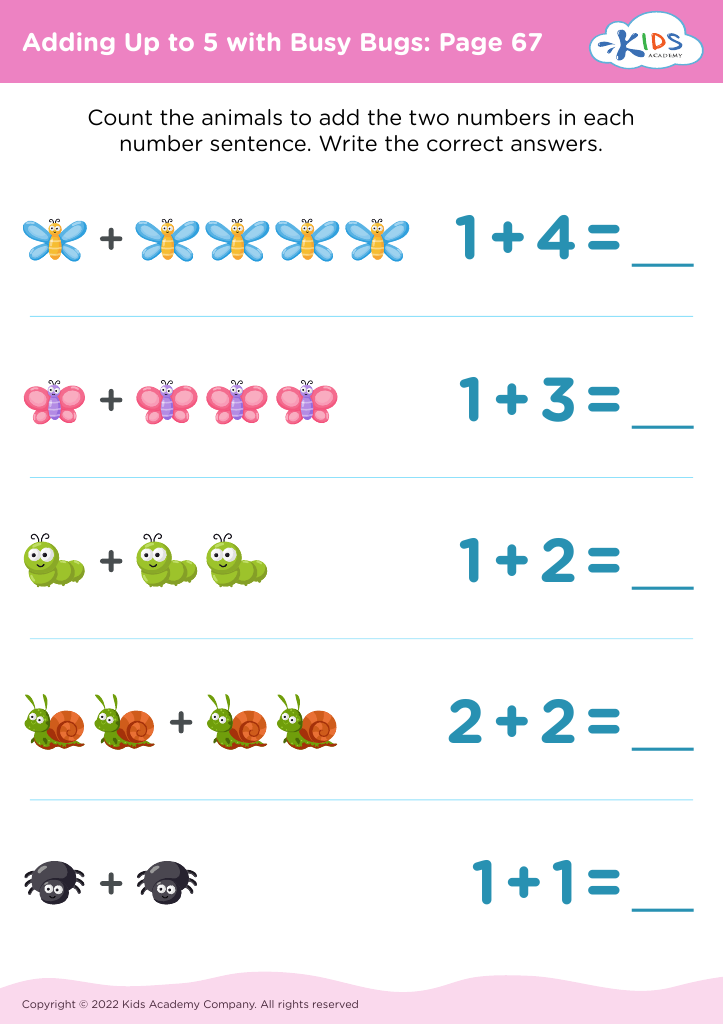
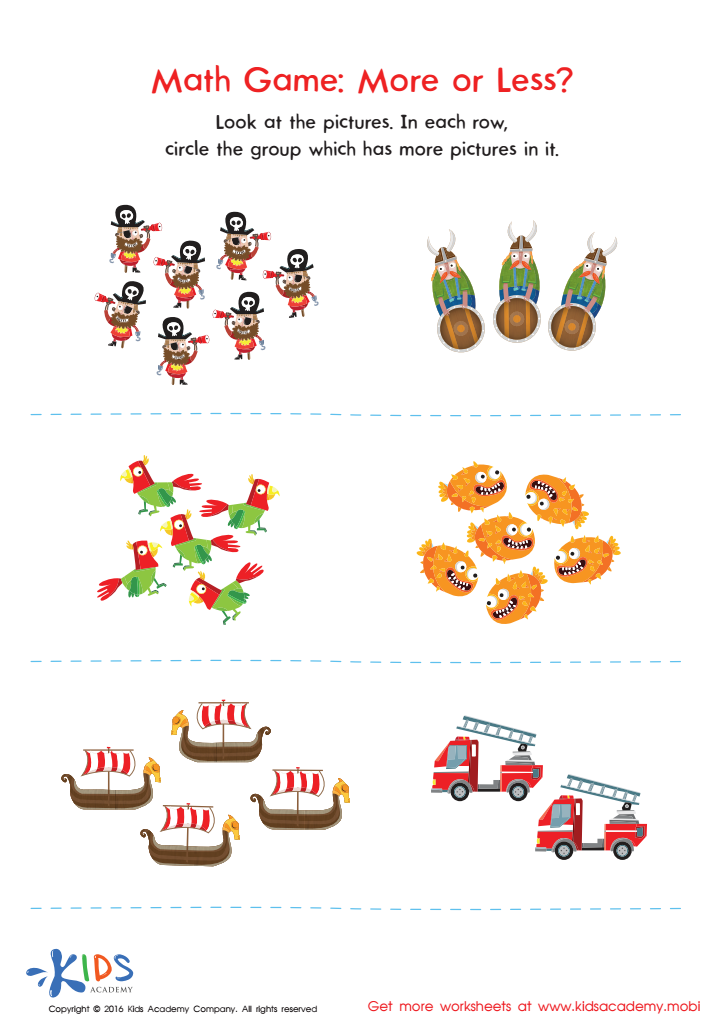
More or Less Worksheet
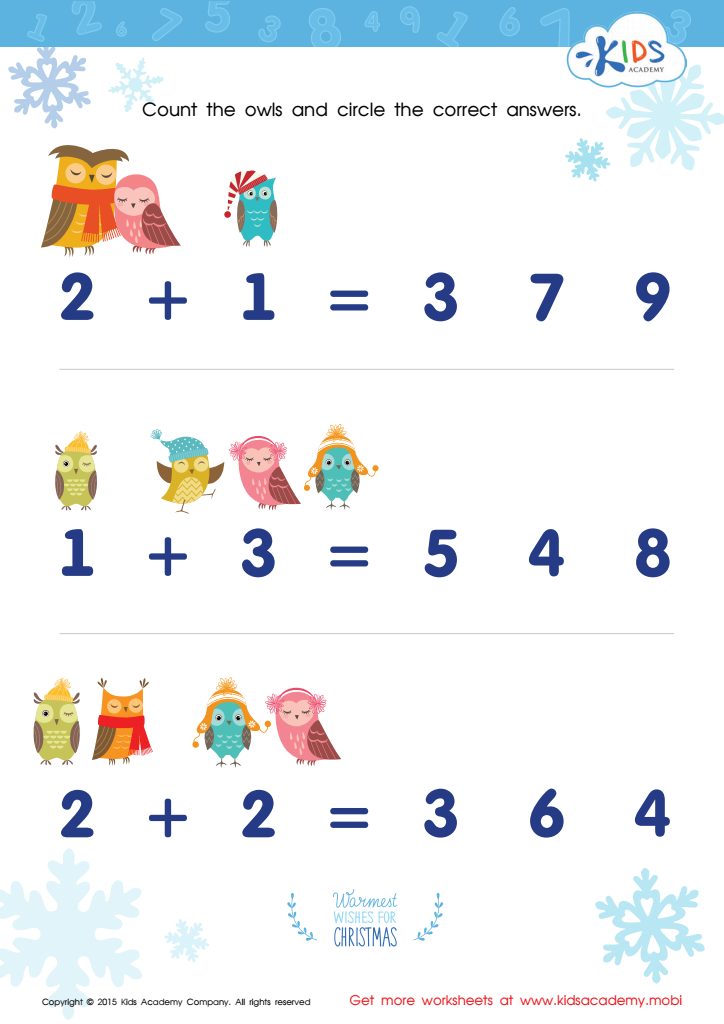
Count Little Owls Worksheet



.jpg)

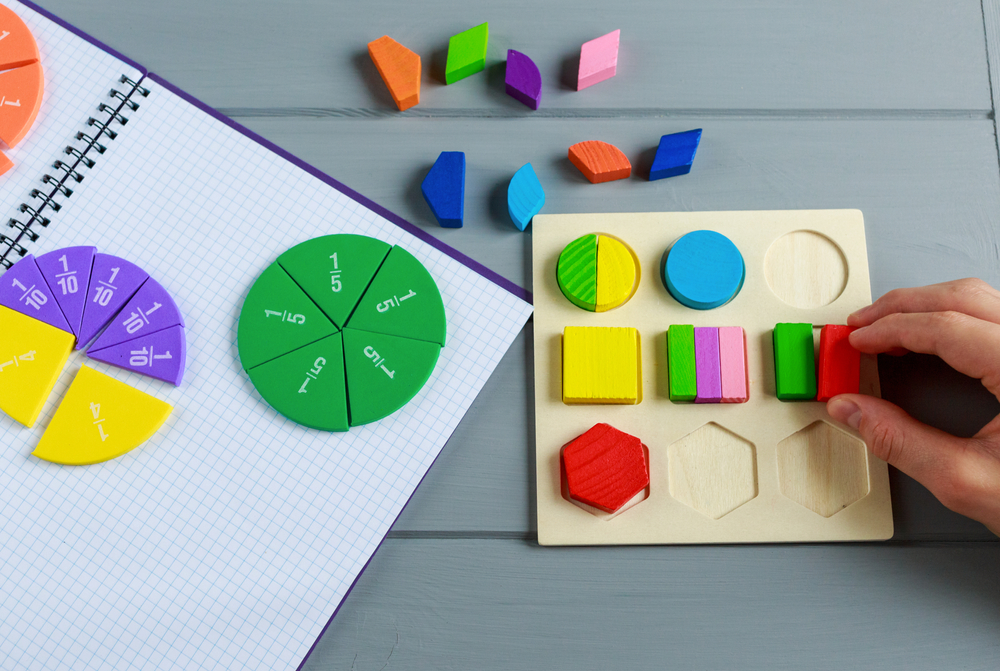
Understanding quantity, or the concept of number and its relevance in everyday situations, is essential for children aged 5-8. At this developmental stage, students build foundational skills that will shape their future learning in mathematics. When parents and teachers emphasize the importance of understanding quantity, they help children recognize numbers, grasp the idea of amounts, and develop their counting abilities—core components of early math education.
Moreover, cultivating a strong grasp of quantity encourages critical thinking and problem-solving skills. Children learn to compare and contrast quantities, which lays the groundwork for more complex mathematical concepts such as addition, subtraction, and even basic algebra later on. This encourages logical reasoning and instills confidence in their ability to tackle challenges.
In addition, an understanding of quantity supports children in real-life situations, such as applying math in shopping or sharing items among friends. By fostering a positive attitude toward math, parents and teachers can help children see math as an approachable and valuable tool, rather than a daunting subject. Ultimately, nurturing a solid understanding of quantity can lead to academic success, increased self-esteem, and a lifelong appreciation for the role mathematics plays in their everyday lives.








