Understanding time Math Worksheets for Ages 5-8
10 filtered results
-
From - To
Explore our "Understanding Time" math worksheets designed for children ages 5-8! These engaging and interactive resources help young learners grasp essential concepts of telling time, both digitally and analogly. With a variety of fun activities, including matching exercises and colorful illustrations, students will develop their time-telling skills while enhancing their overall math proficiency. Perfect for classroom or home use, these worksheets cater to various learning styles and help reinforce important skills such as number recognition and sequencing. Start your child's exciting journey into the world of time today, and watch as they gain confidence in this critical life skill!
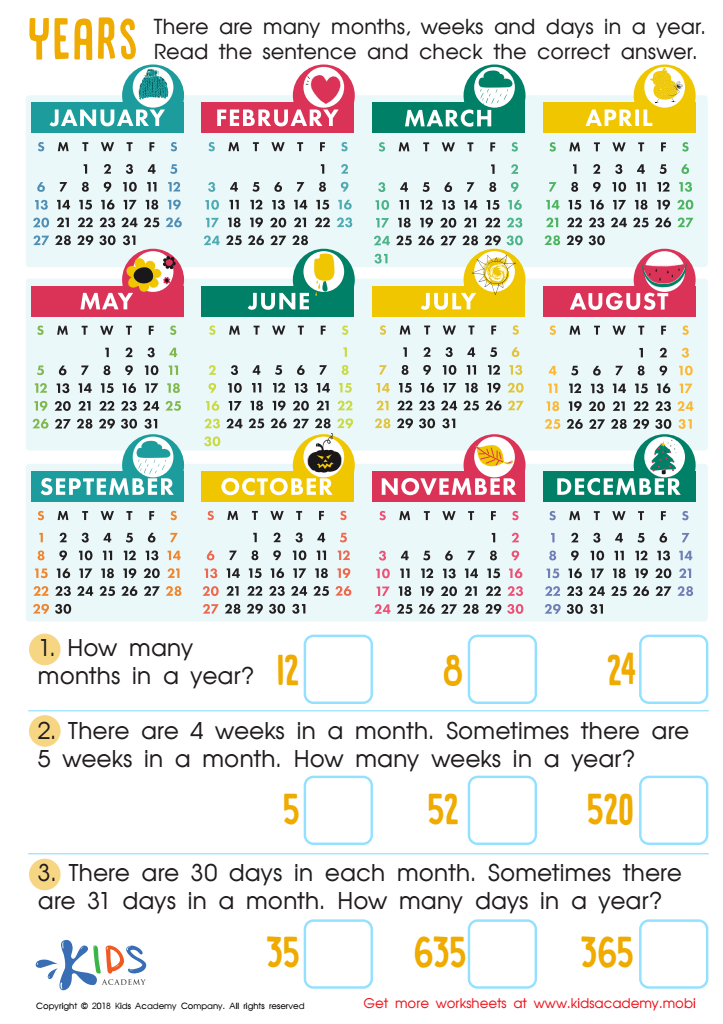
Years Worksheet
 Assign to My Students
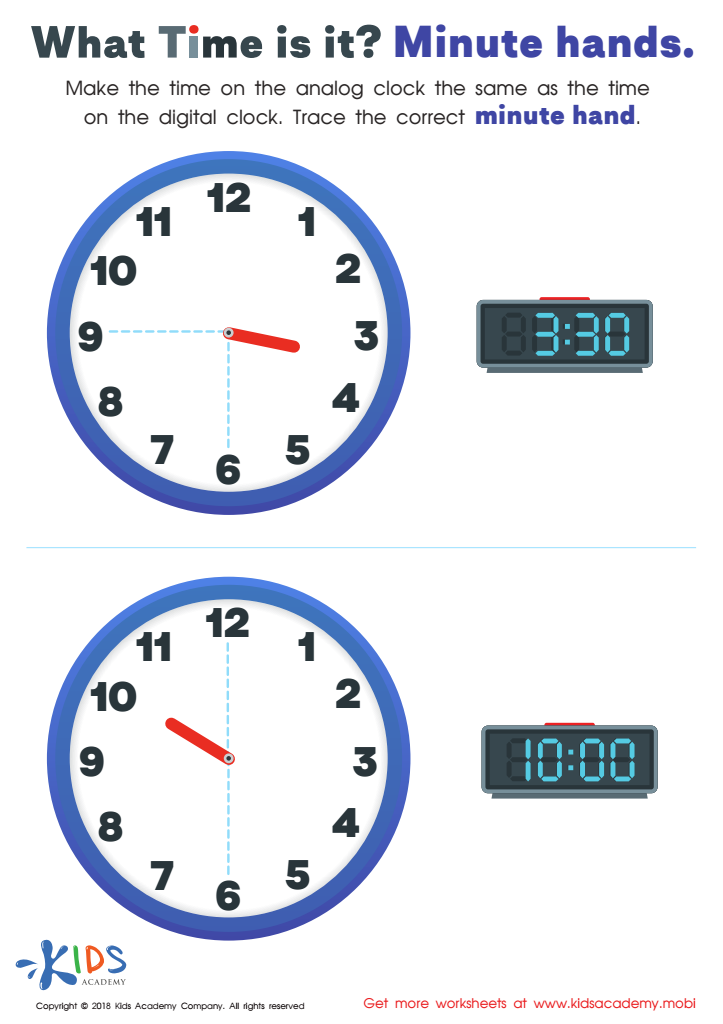
What Time Is it? Minute Hands Worksheet
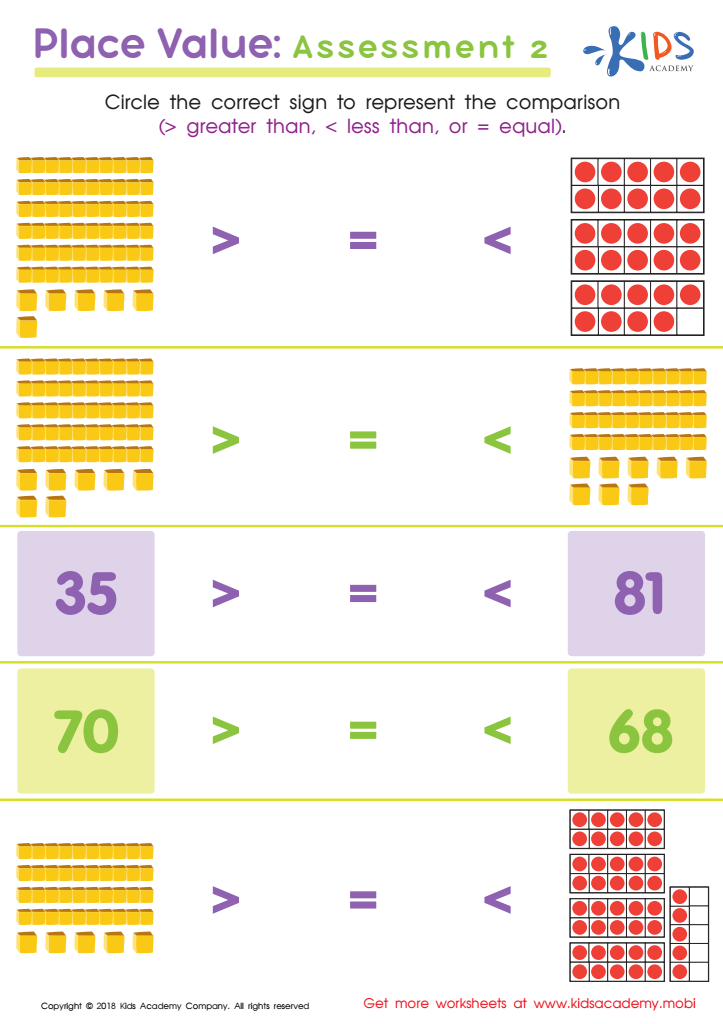
Place Value: Assessment 2 Worksheet
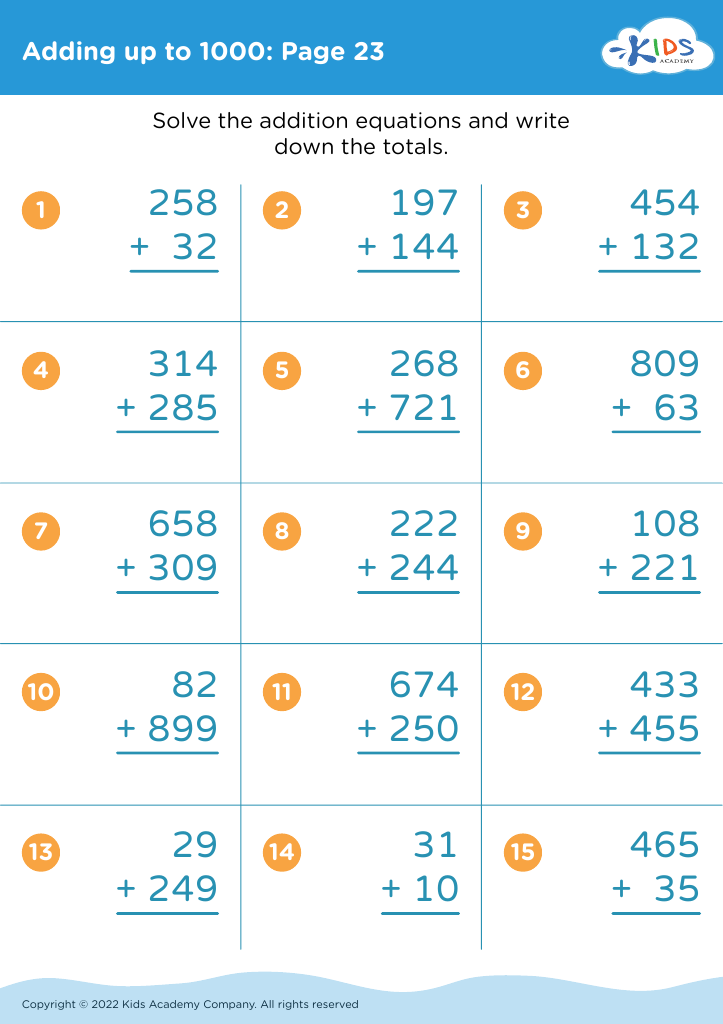
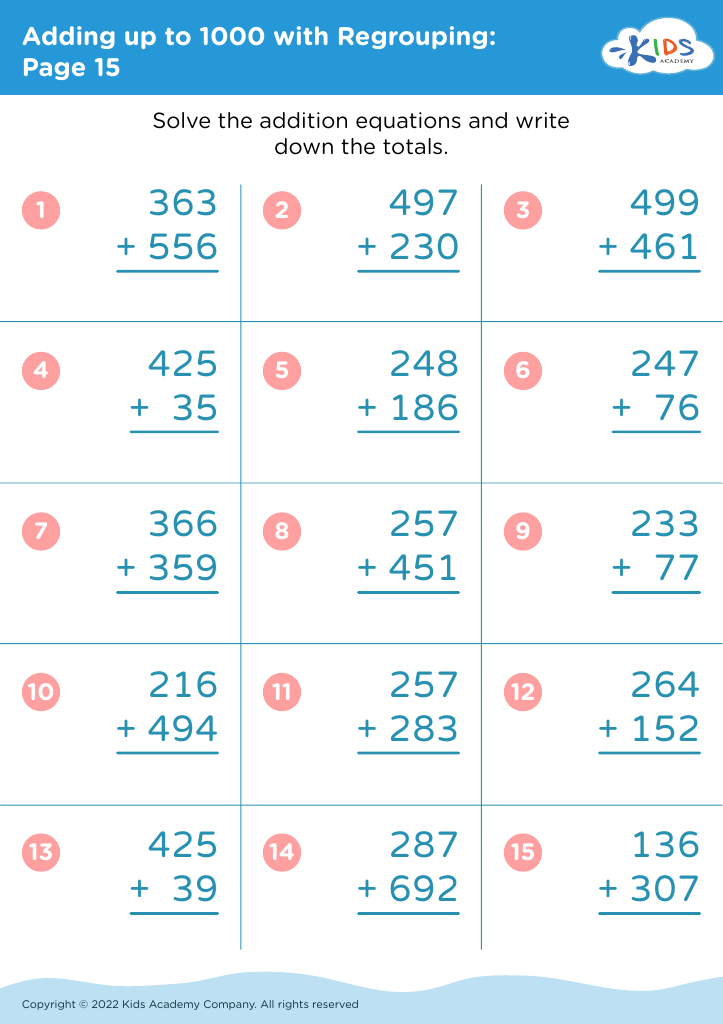
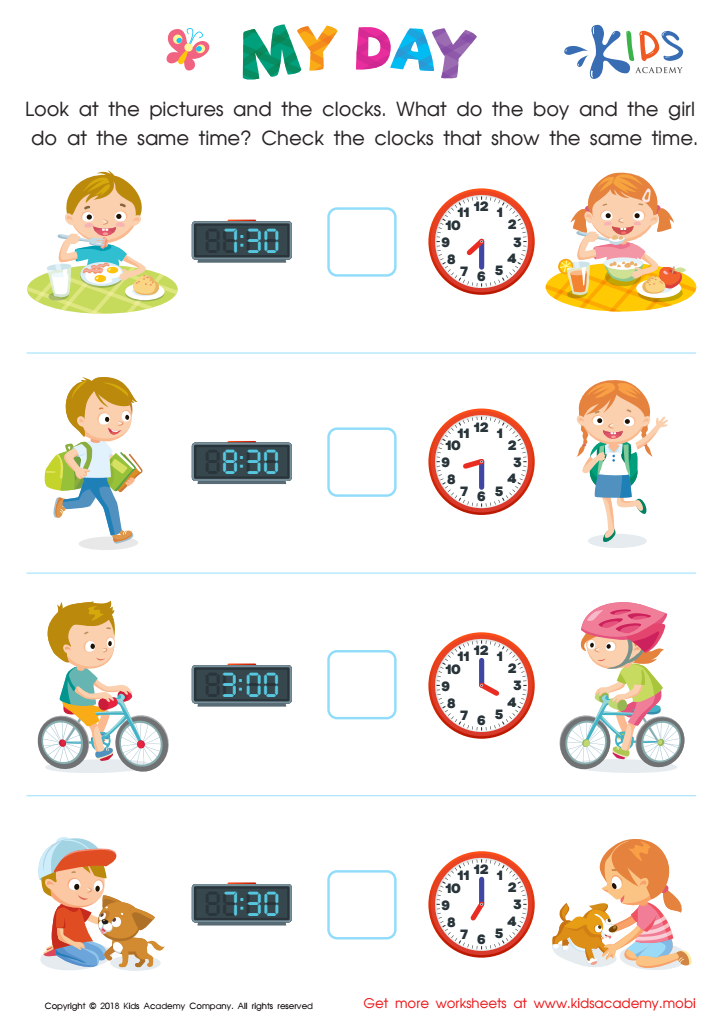
My Day Worksheet








Understanding time math is essential for children aged 5-8 because it lays the foundation for vital life skills. During these formative years, children are not only developing basic math skills but also learning about routines, schedules, and the concept of permanence in their day-to-day lives. Grasping how to tell time fosters independence, as students can manage their activities better, understand deadlines, and navigate their responsibilities.
Additionally, time math encompasses important cognitive abilities such as sequencing, spatial reasoning, and problem-solving. By learning how to read clocks, compute durations, and relate time to everyday activities, children enhance their critical thinking skills. For instance, counting minutes until an event occurs requires addition, while calculating how long an activity lasts involves subtraction.
Moreover, understanding time helps children make connections between math and real-world applications. This enriches their learning experience and showcases the practical relevance of math in daily life. As educators and parents engage young learners in time-related activities—whether through games, storytelling, or hands-on experiences—they not only support the mastery of this fundamental skill but also instill a sense of curiosity and discipline that will serve them well throughout their academic journey and beyond.








