Vocabulary enhancement Math Worksheets for Ages 5-8 - Page 2
46 filtered results
-
From - To
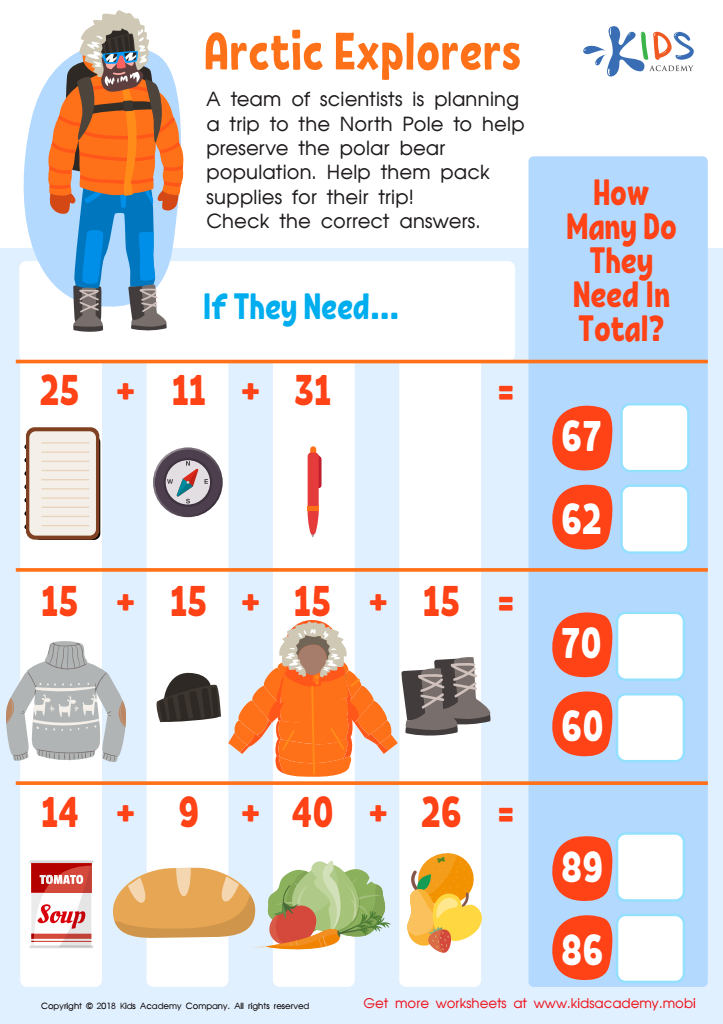
Arctic Explorers Worksheet
 Assign to My Students
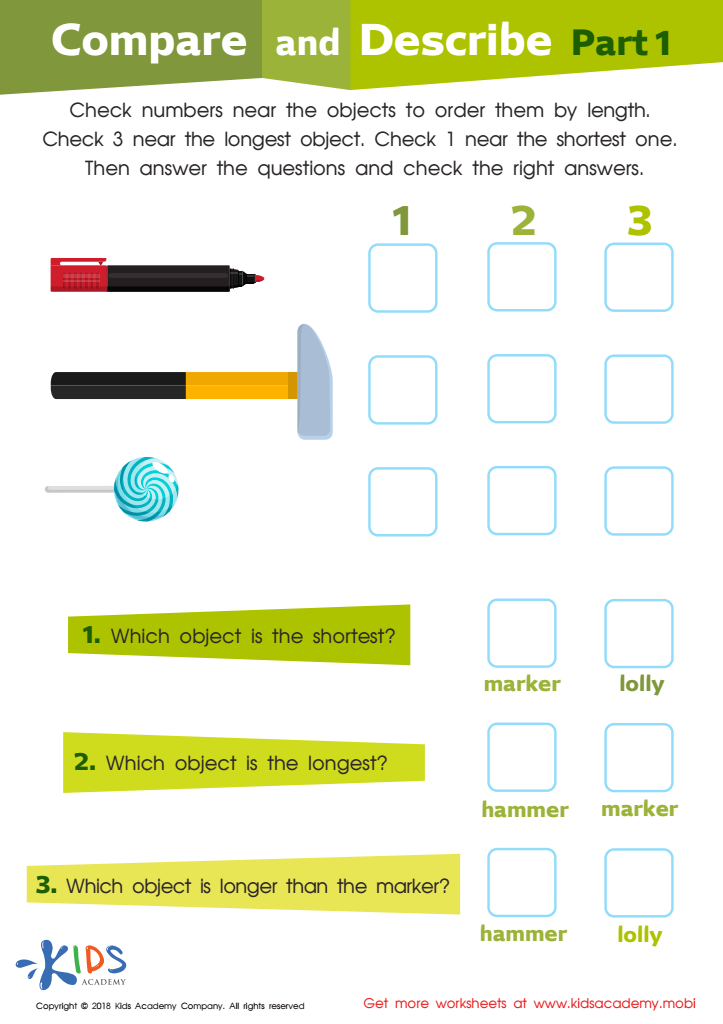
Compare and Describe: Part 1 Worksheet
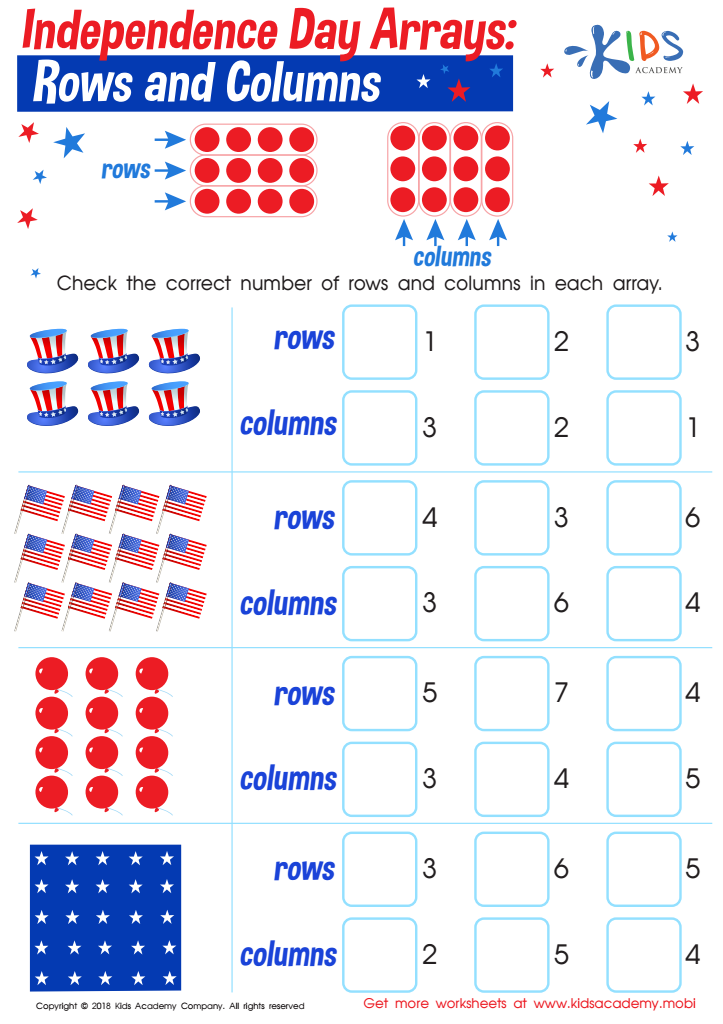
Independence Day Arrays: Rows and Columns Worksheet
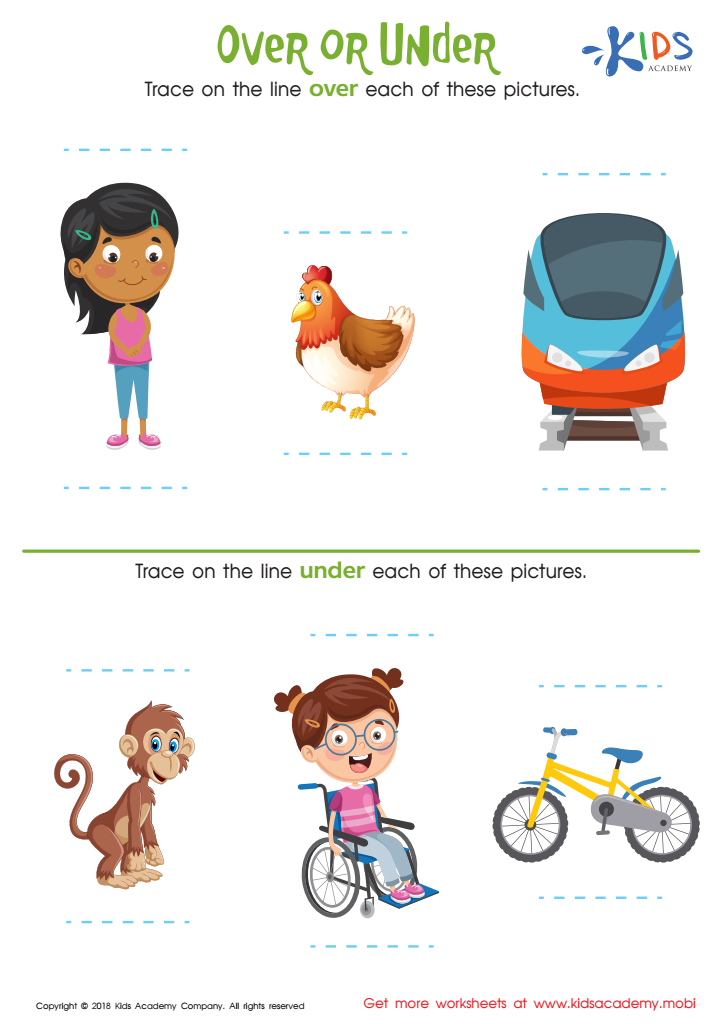
Over or Under Worksheet
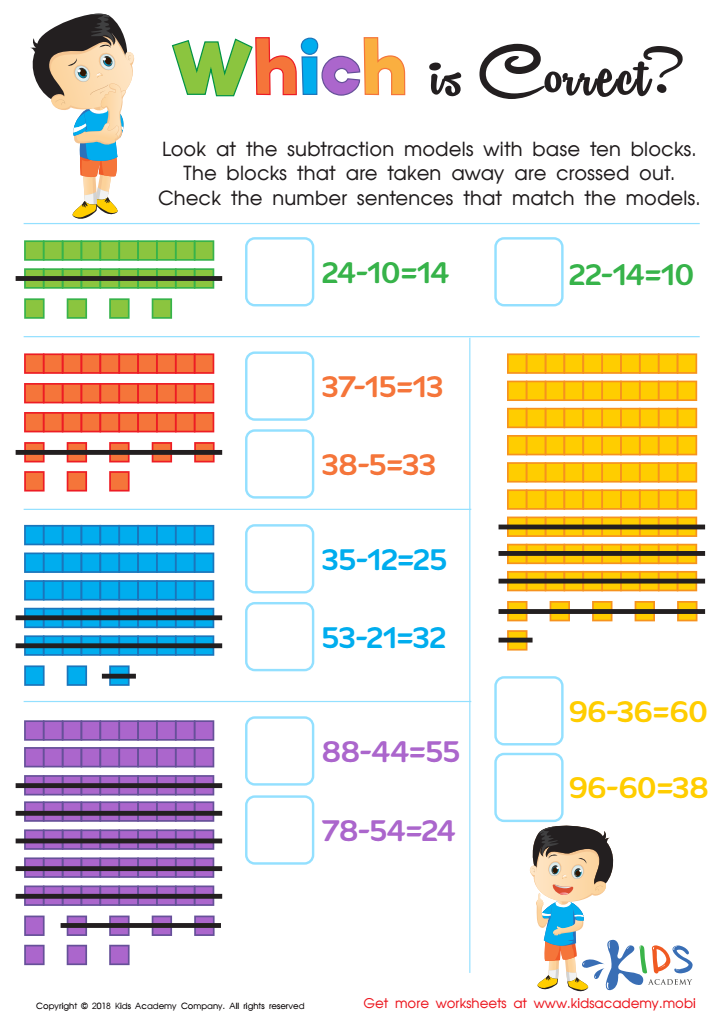
Which Is Correct? Math Worksheet
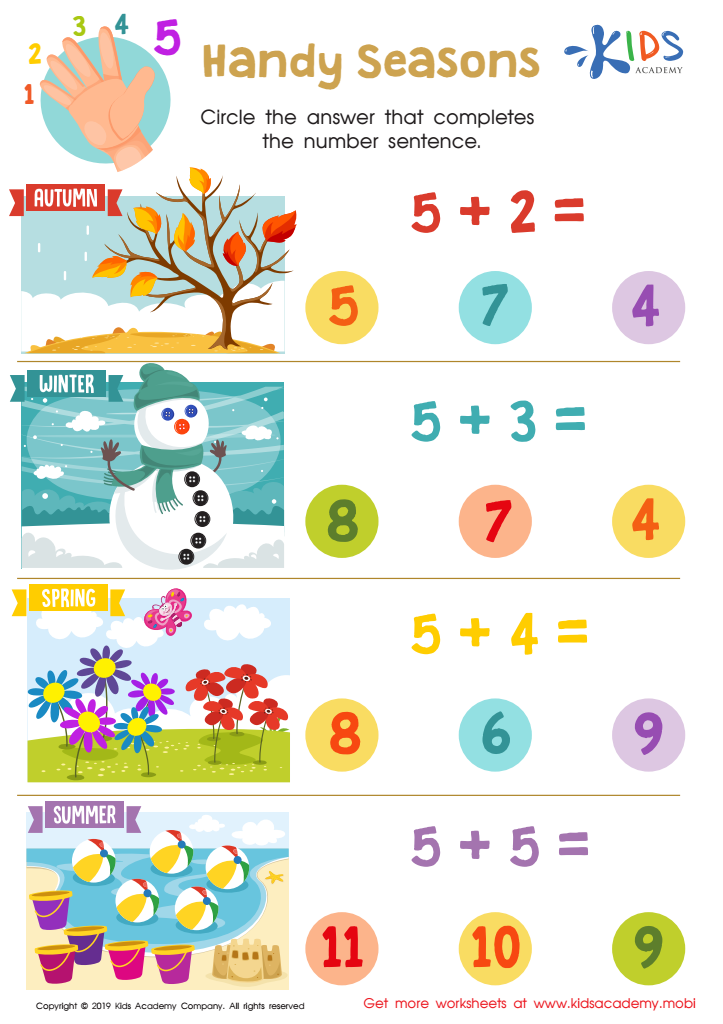
Handy Seasons Worksheet
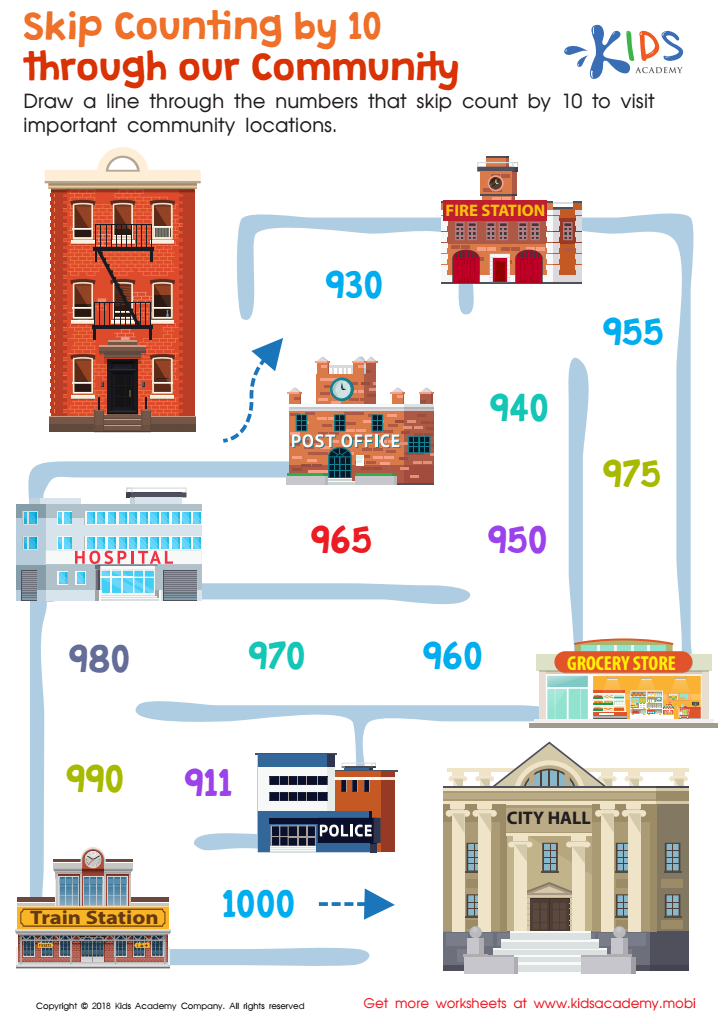
Skip Counting by 10 Through Our Community Worksheet
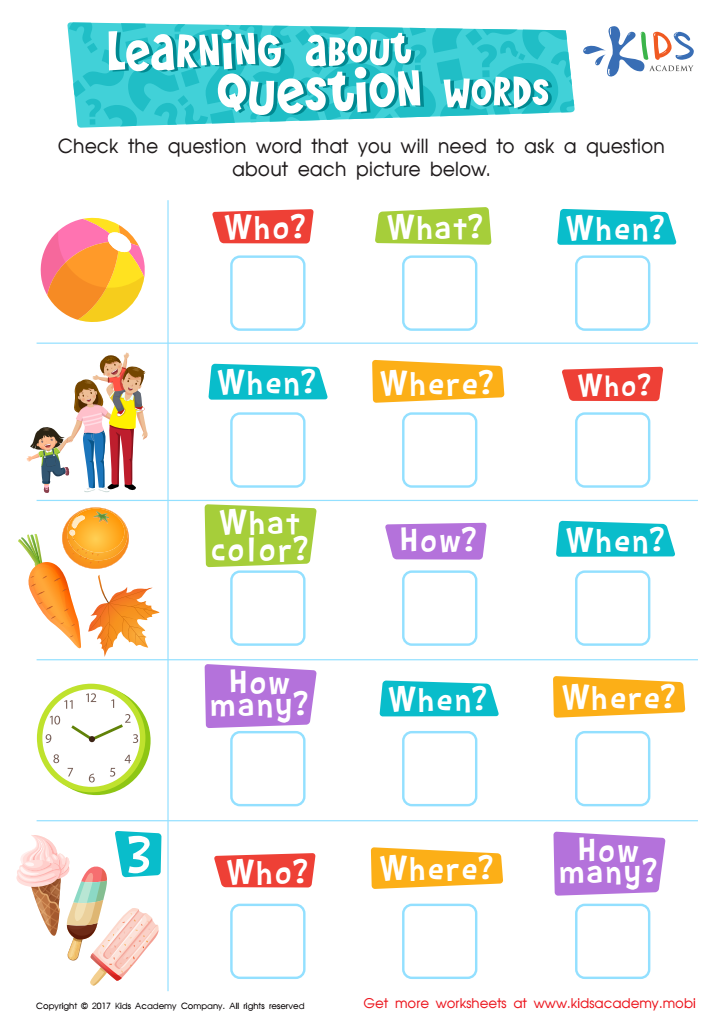
Learning about Question Words Worksheet
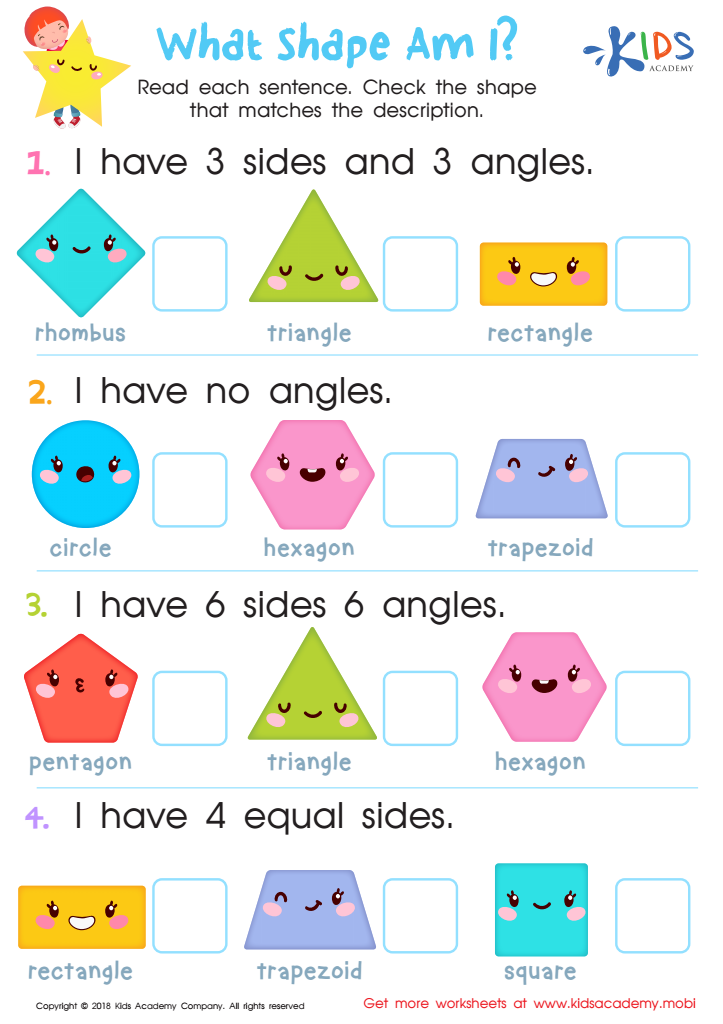
What Shape Am I? Worksheet
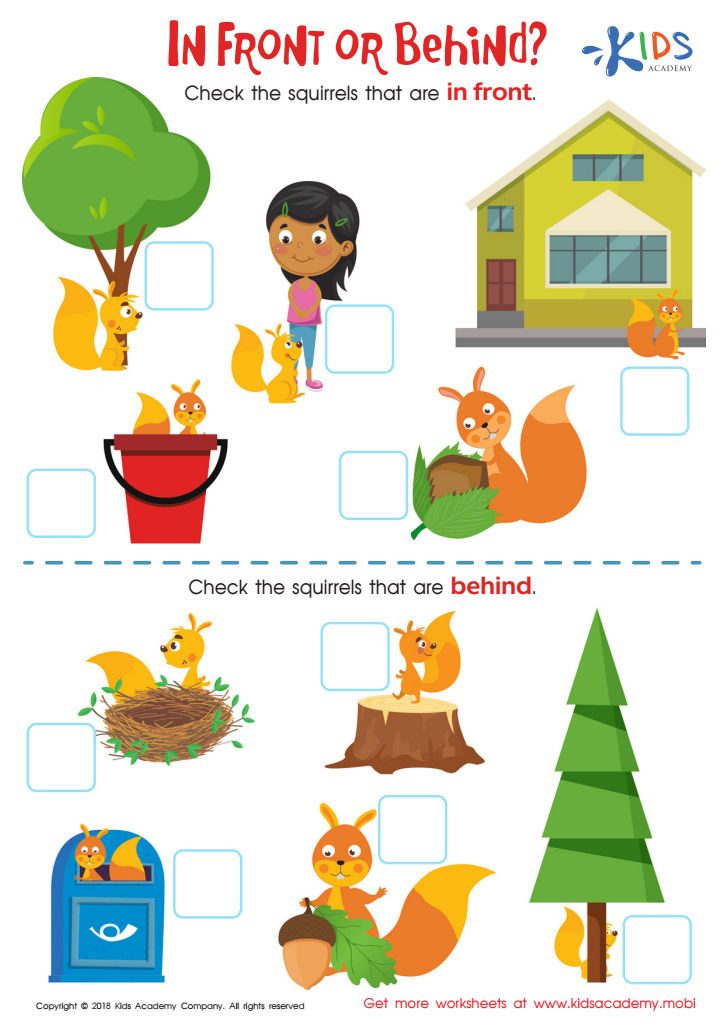
In Front or Behind: Part 2 Worksheet
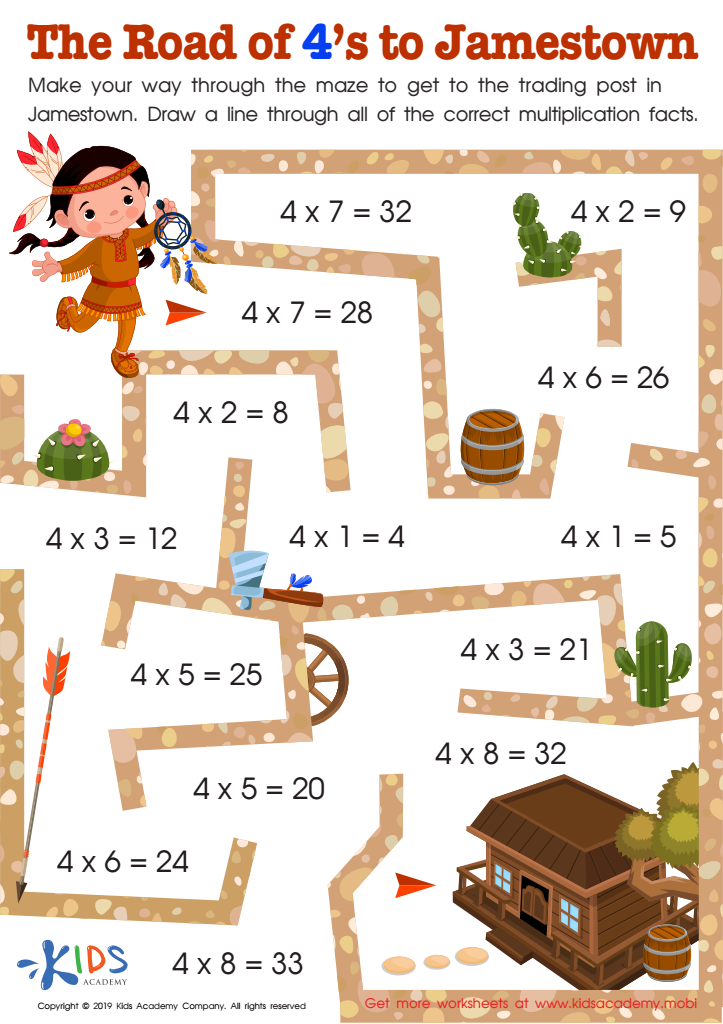
The Road of 4’s to Jamestown Worksheet
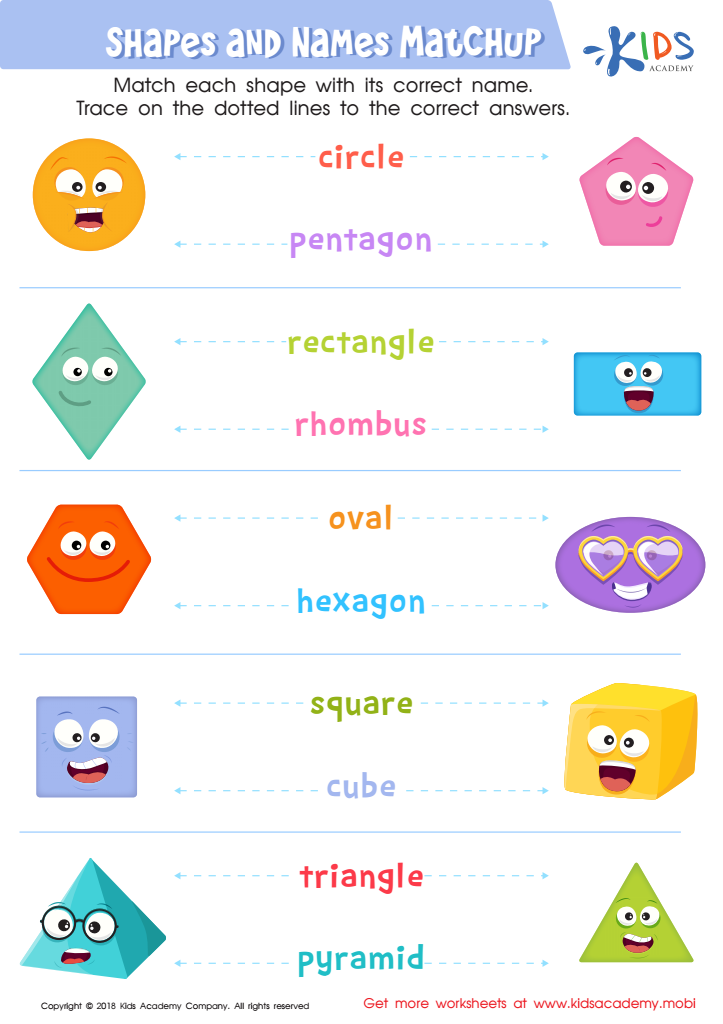
Shapes and Names Matchup Worksheet
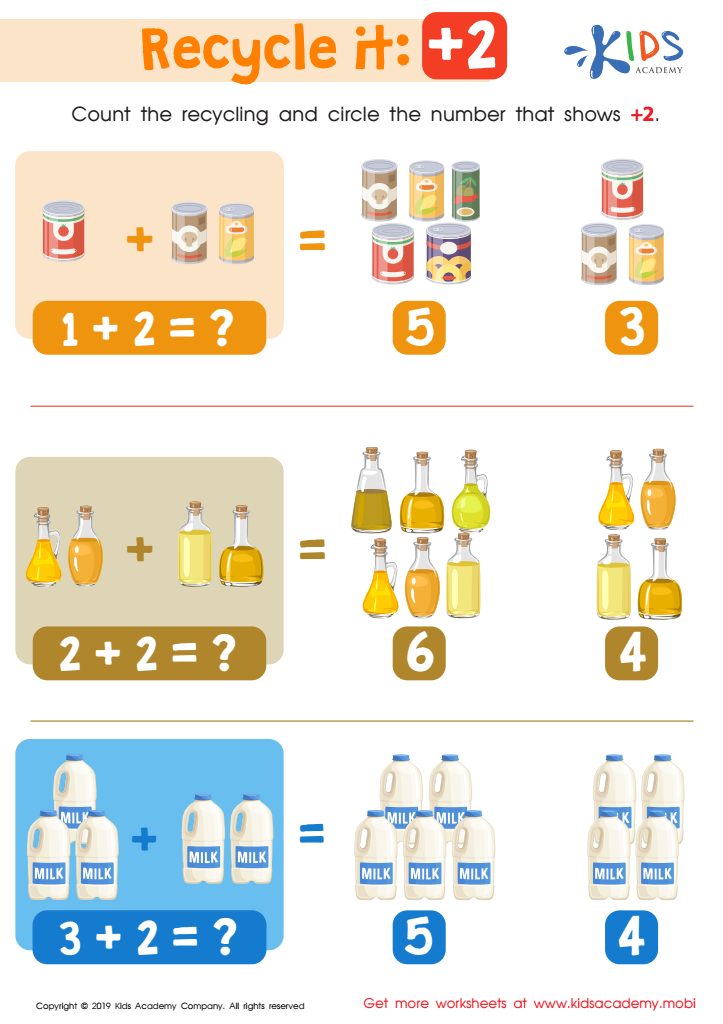
Recycle It: +2 Worksheet
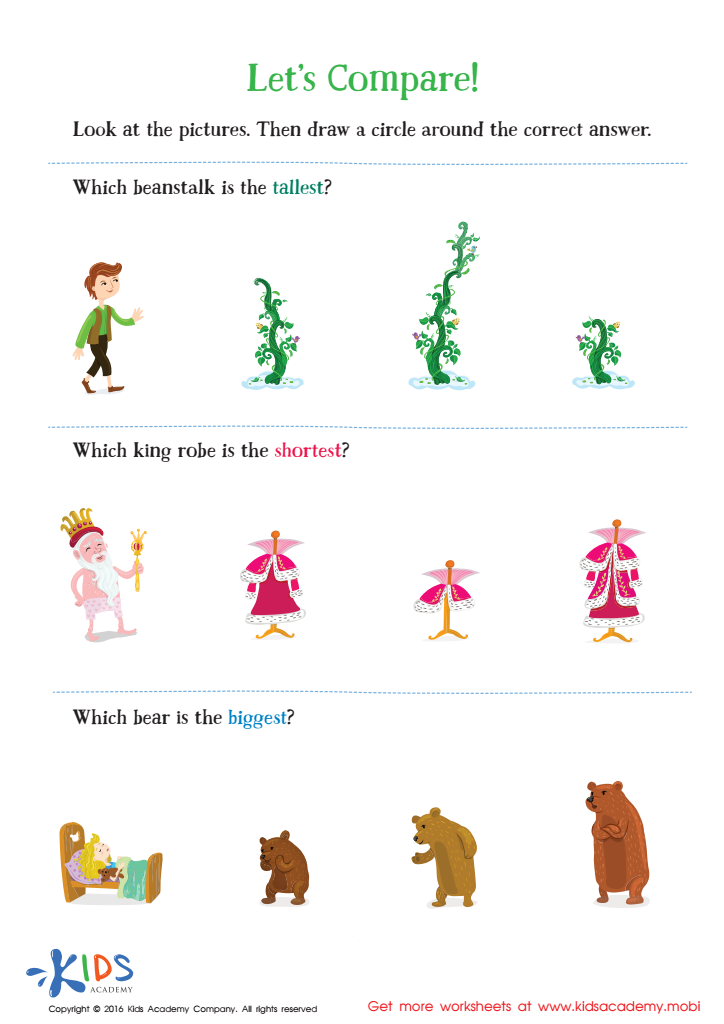
Fairy Tale Worksheet: Let's Compare
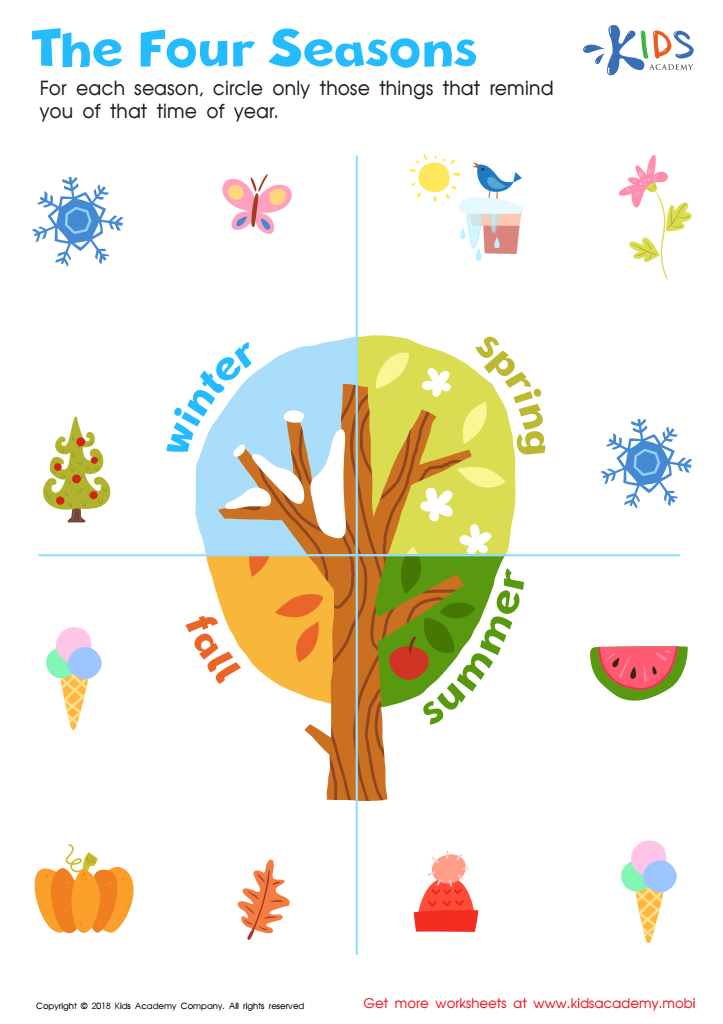
The Four Seasons Worksheet
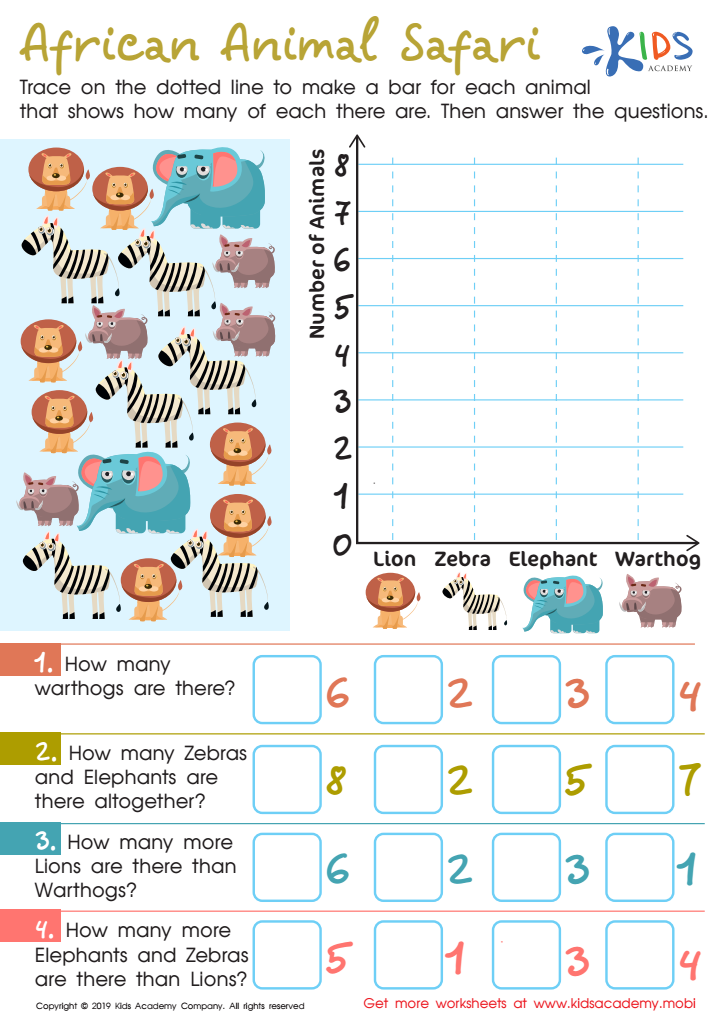
African Animal Safari Worksheet
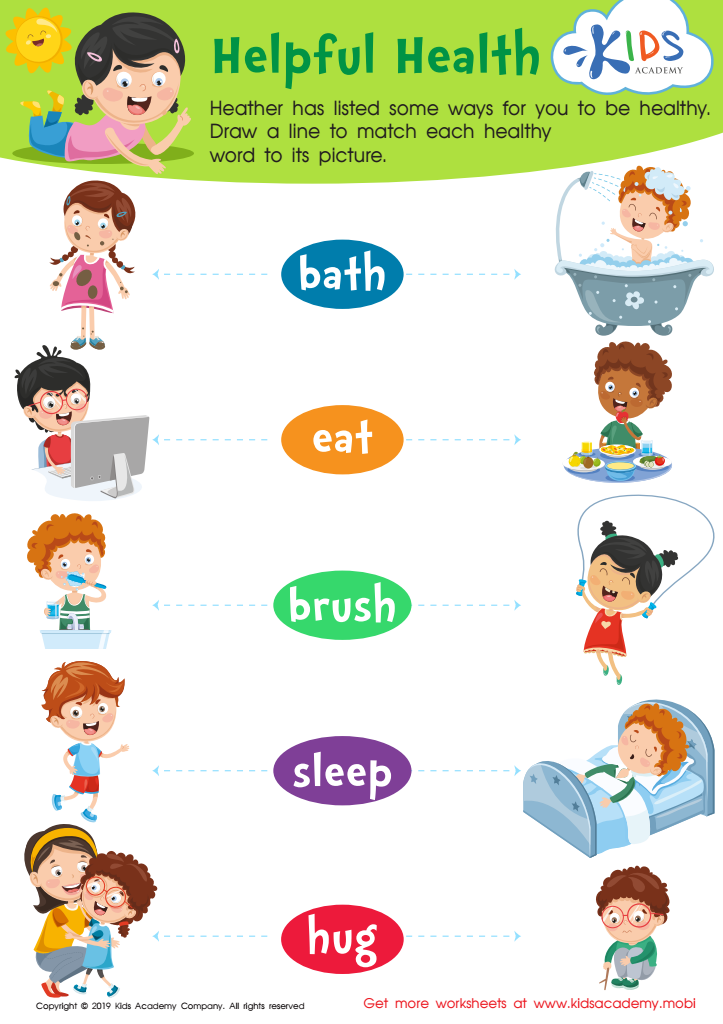
Helpful Health Worksheet
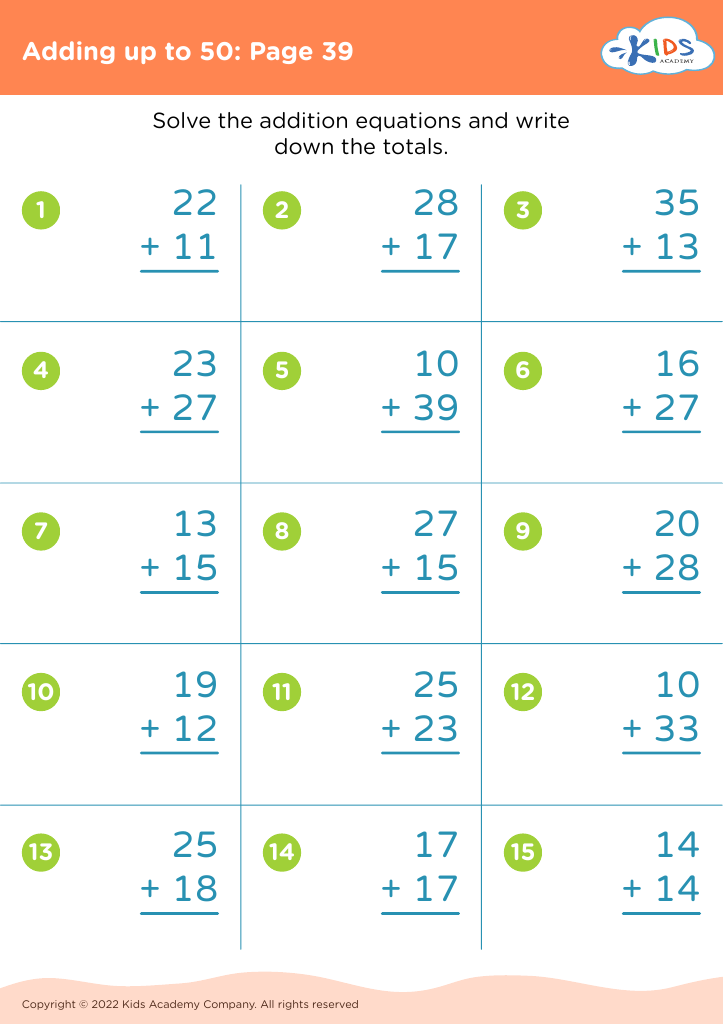







Parents and teachers should prioritize vocabulary enhancement in math for children aged 5-8, as a strong vocabulary significantly influences a child's overall academic success. Mathematical vocabulary—terms such as "sum," "difference," "greater than," and "measure"—is crucial for young learners to develop a solid foundation in math concepts. Understanding these terms allows children to articulate their thinking and engage more deeply with mathematical problems, ultimately fostering better problem-solving skills.
Additionally, enhancing vocabulary has a profound impact on reading comprehension, which is essential for understanding math stories or word problems. As students learn to decode the language used in math, they become more confident and independent thinkers, better prepared to tackle more complex concepts in the future.
Furthermore, early exposure to mathematical vocabulary can help mitigate future learning gaps. As children progress in their education, those with a robust mathematical vocabulary are more likely to grasp advanced concepts that rely on prior knowledge. Engaging parents and educators in this process cultivates a supportive environment conducive to mathematical exploration, making learning both enjoyable and effective. Ultimately, by prioritizing vocabulary enhancement in math, we not only enrich our children's intellectual toolkit but also foster a lifelong appreciation for mathematics.








