
Visual perception Matching Worksheets for Ages 5-8
5 filtered results
Difficulty Level
Grade
Age
-
From - To
Subject
Activity
Standards
Explore our engaging Visual Perception Matching Worksheets for kids ages 5-8, designed to enhance crucial cognitive skills through fun and interactive exercises. These worksheets help reinforce visual discrimination, an essential ability for early learning, by inviting children to identify and match similar shapes, objects, and patterns. Bright, colorful visuals keep young learners excited and motivated as they practice recognizing differences and similarities. Ideal for classrooms or home learning, these resources support the development of critical thinking and attention to detail. Give your child a head start in their educational journey by exploring our collection of worksheets today!
Favorites
With answer key
Interactive
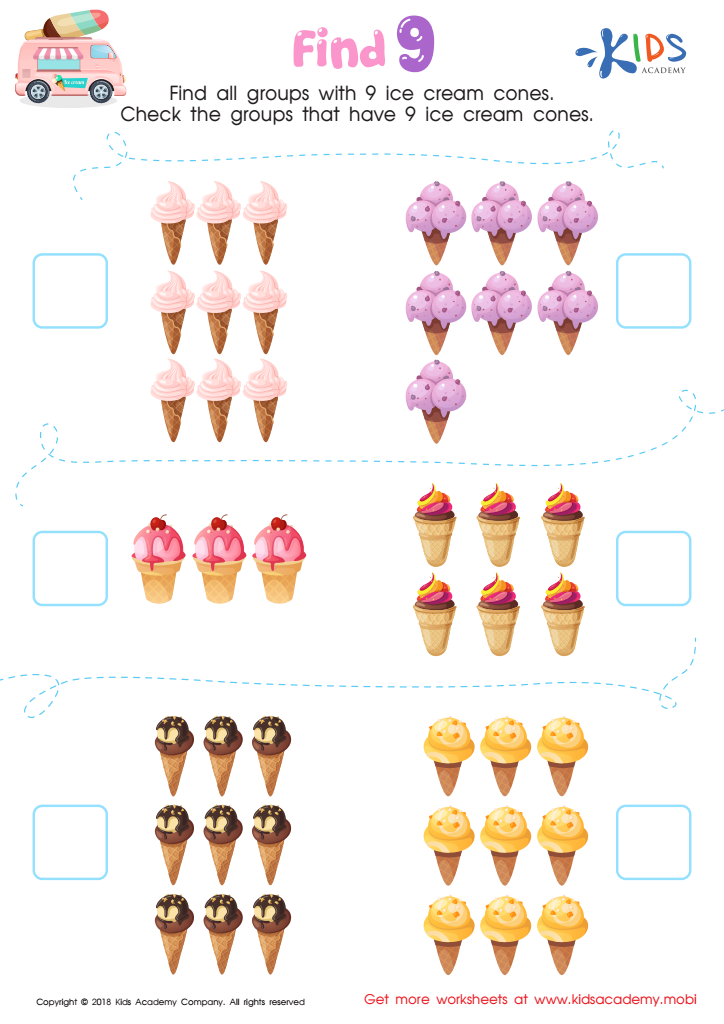
Find 9 Worksheet
Let your kids practice grouping numbers with this fun downloadable worksheet! It's full of ice cream colors and will help them improve their accuracy in addition and multiplication. Tracing the lines will also boost their fine motor skills.
 Assign to My Students
Find 9 Worksheet
Worksheet
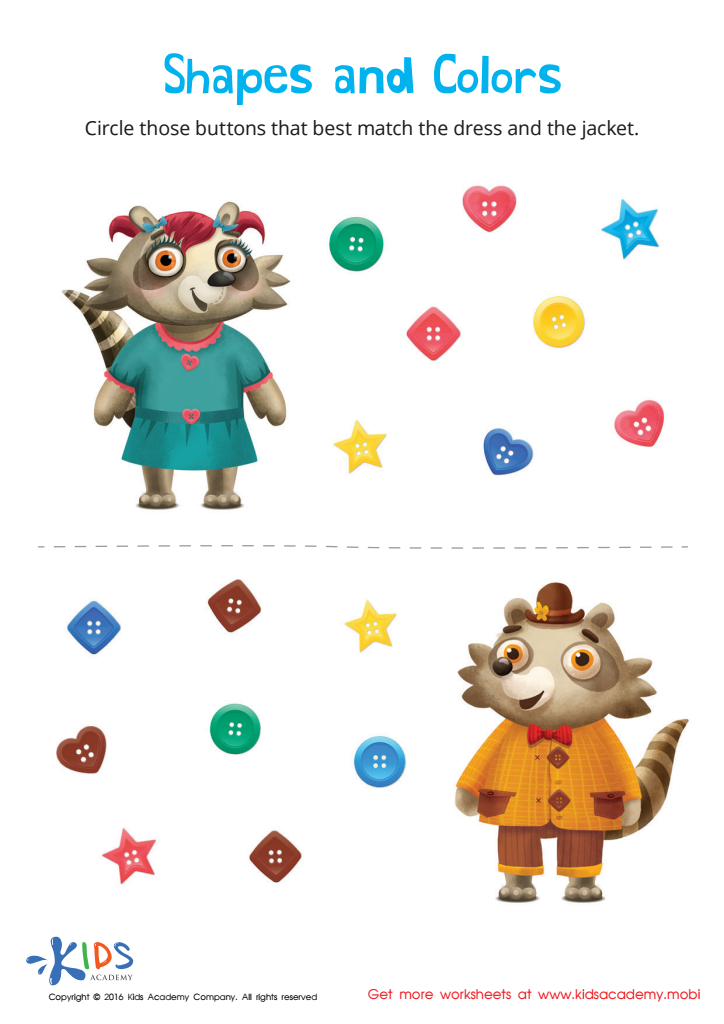
Matching: Shapes and Colors Worksheet
Help Mr. and Mrs. Raccoon find the right buttons to match their shirts! Kids will identify shapes and colors and learn to match them correctly.
Matching: Shapes and Colors Worksheet
Worksheet
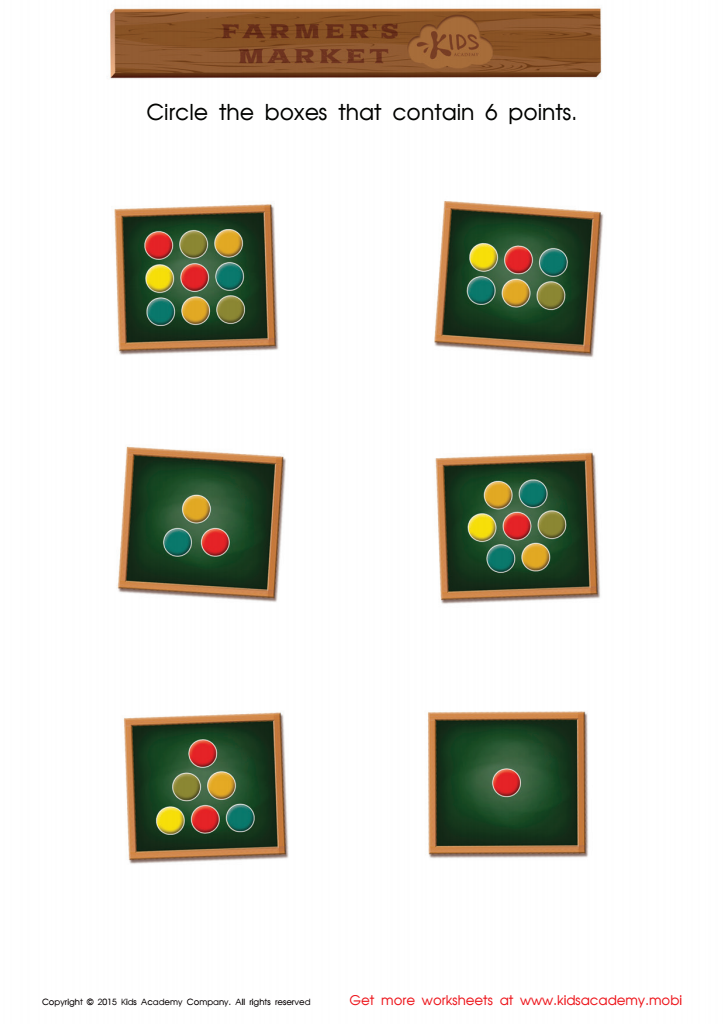
Count and Match Points 6 Math Worksheet
Help your child with mathematics by guiding them with this fun printable worksheet. They will practice counting numbers by looking at all the boxes and circling the ones containing 6 dots. Together you will gain a better understanding of mathematics.
Count and Match Points 6 Math Worksheet
Worksheet
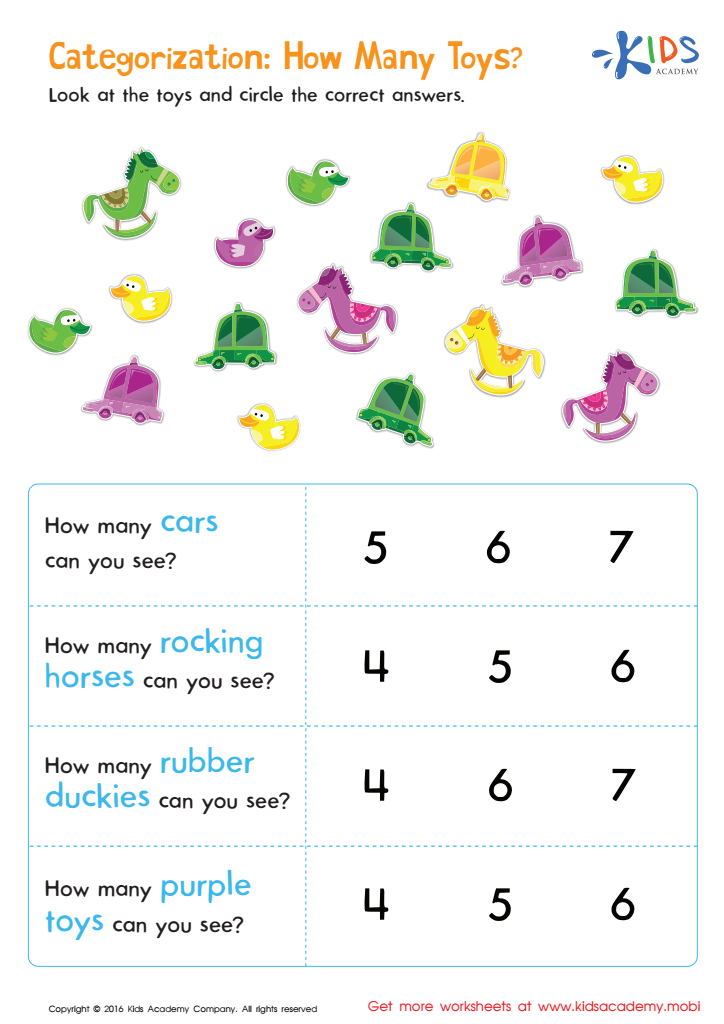
Classifying Toys by Type and Color Sorting Worksheet
Kids Academy offers free math worksheets to help practice counting, categorization & recognition skills. Kids will enjoy counting by color & type while strengthening problem-solving & literacy skills.
Classifying Toys by Type and Color Sorting Worksheet
Worksheet
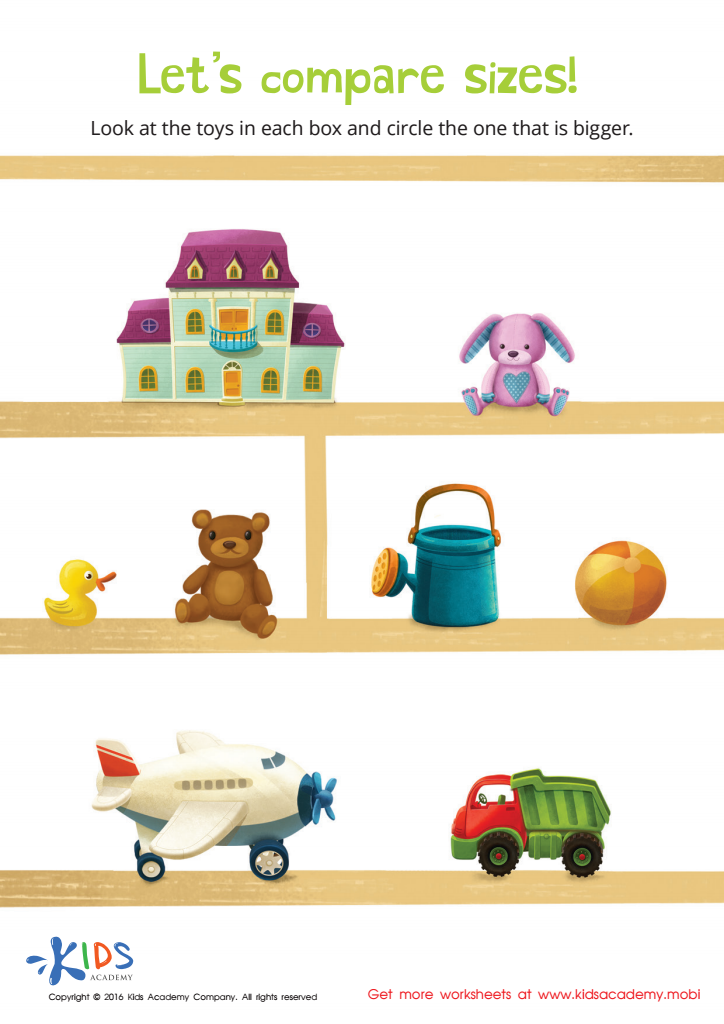
Classifying by Size Sorting Worksheet
Help your preschooler recognize differences in size using this fun worksheet! Your child will engage in important spatial recognition and problem-solving skills while talking with you about objects that can be small or large. Enjoy the vibrant pictures together!
Classifying by Size Sorting Worksheet
Worksheet
Join Kids Academy for Free
Who is primarily going to use this learning content?


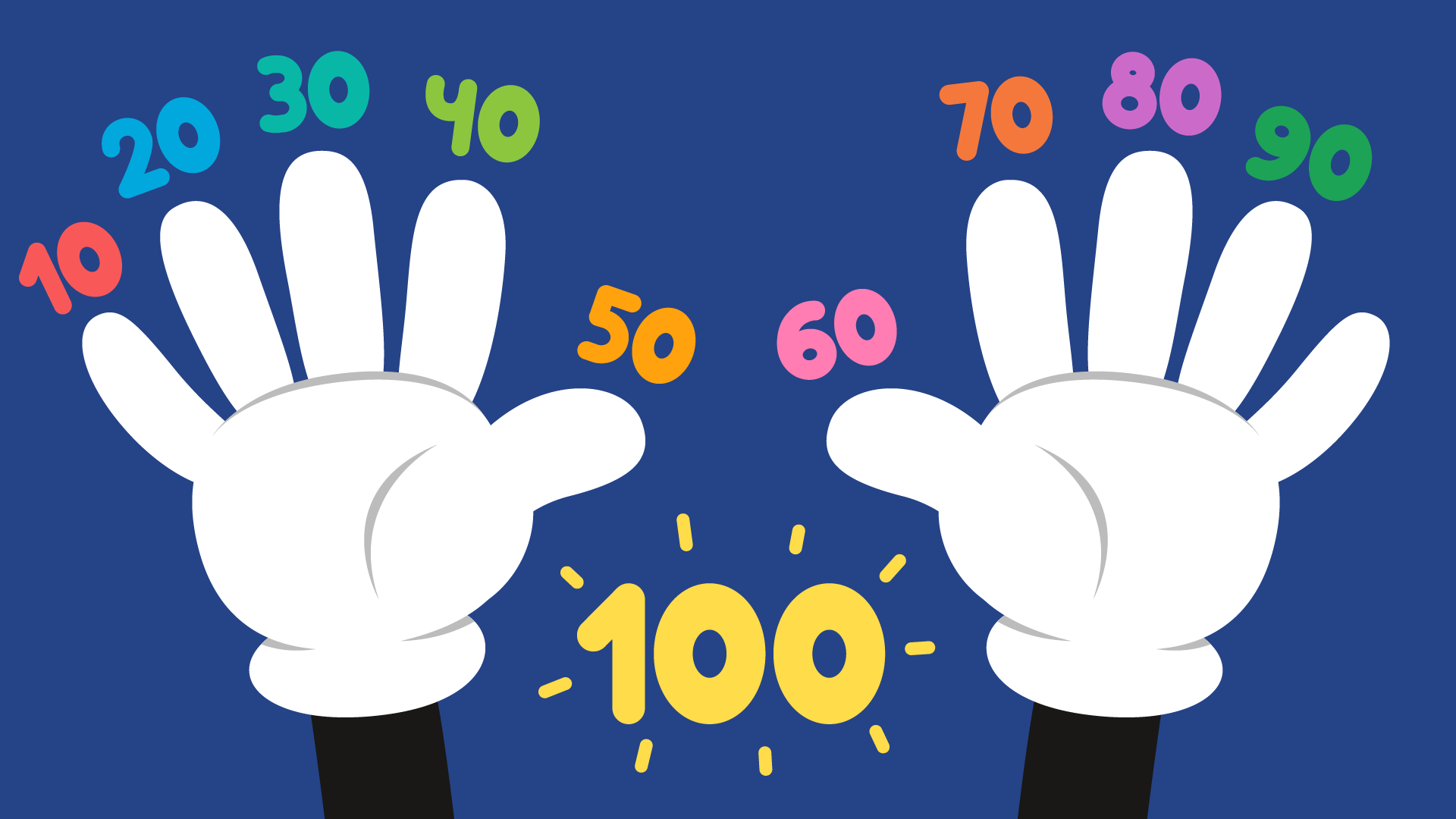

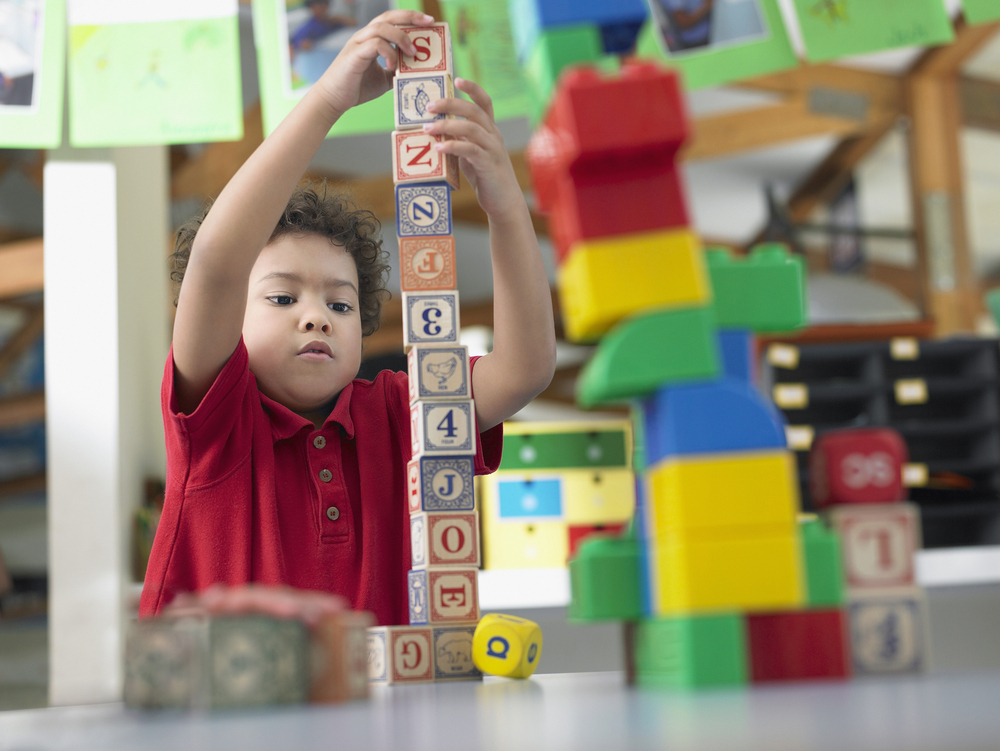



Visual perception matching is a crucial developmental skill that involves recognizing and interpreting visual information, enabling children to understand and interact with the world around them. For children aged 5 to 8, this ability is foundational in their academic journey and cognitive growth. Parents and teachers should care about fostering visual perception matching because it significantly impacts learning capabilities, particularly in subjects like reading, math, and science.
Children with strong visual perception skills can better identify shapes, colors, and patterns. This ability not only aids in reading by helping them distinguish letters and words but also enhances their mathematical skills by allowing them to compare and differentiate quantities and geometrical shapes. Additionally, visual perception contributes to problem-solving abilities and spatial awareness, skills essential for daily activities and future learning.
Encouraging activities that promote visual perception matching—such as puzzles, matching games, and engaging in hands-on crafts—can help children develop these skills in a fun and enjoyable manner. Investing time in these activities fosters not just academic success, but also builds confidence, independence, and critical thinking skills. Thus, prioritizing visual perception matching supports holistic development, preparing children for both present and future challenges.








