Number Recognition Subtraction Worksheets for Ages 5-8
12 filtered results
-
From - To
Discover our engaging Number Recognition Subtraction Worksheets, perfect for children ages 5-8! These carefully designed activities help young learners master the essential skill of identifying numbers while practicing subtraction. Each worksheet combines fun graphics and clear instructions to create a delightful learning experience, reinforcing numerical understanding and arithmetic confidence. Ideal for both classroom and home use, our resources support educators and parents in nurturing a child's mathematical development. Equip your little ones with the tools they need to excel in math through interactive and enjoyable number recognition subtraction exercises. Start building essential math skills today!
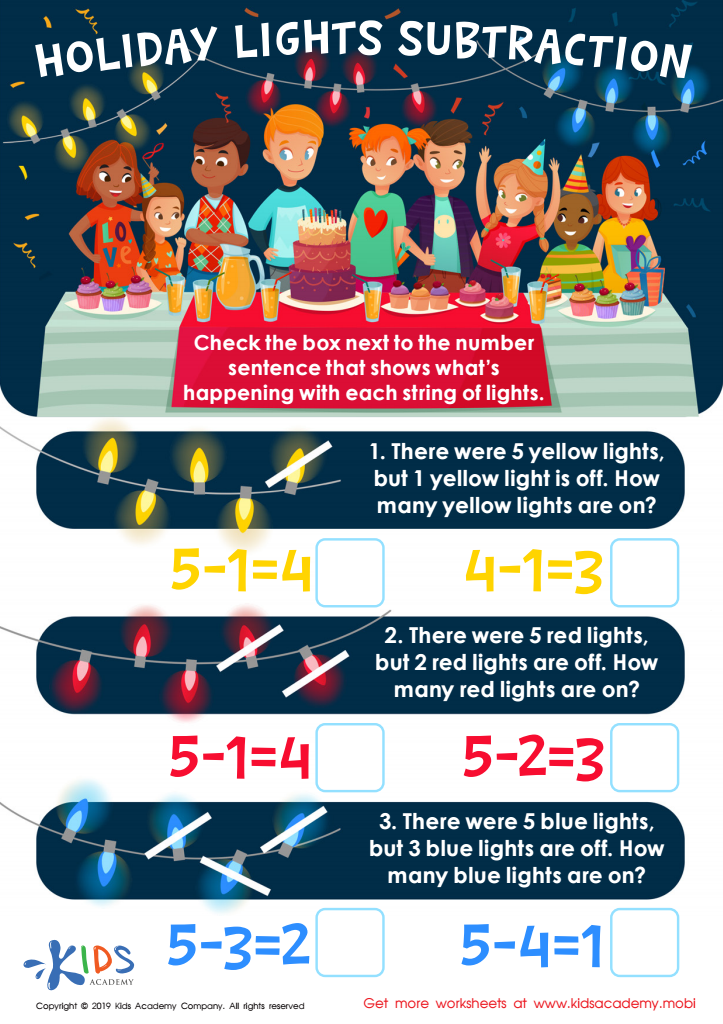
Holiday Lights Subtraction Worksheet
 Assign to My Students
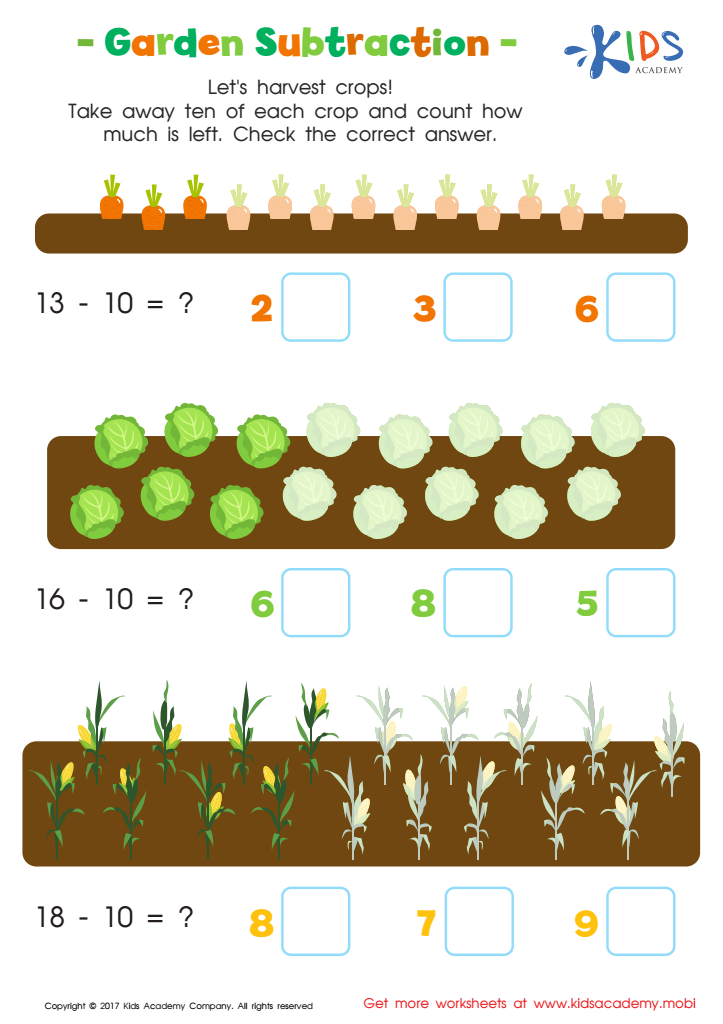
Garden Subtraction Worksheet
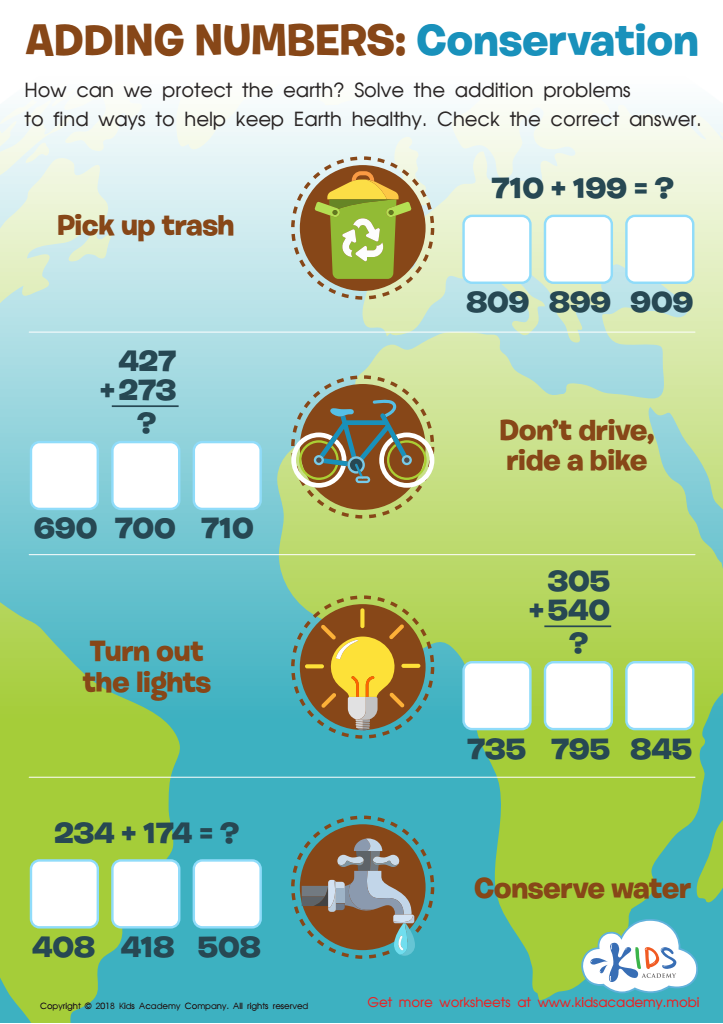
Adding Numbers: Conservation Worksheet
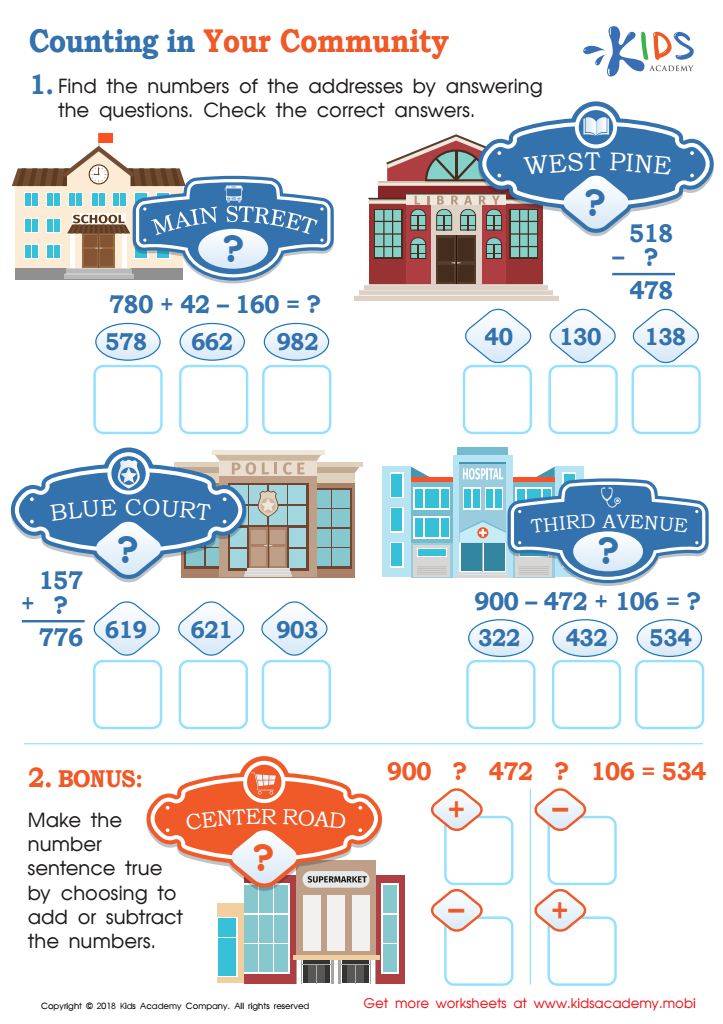
Counting in Your Community Worksheet
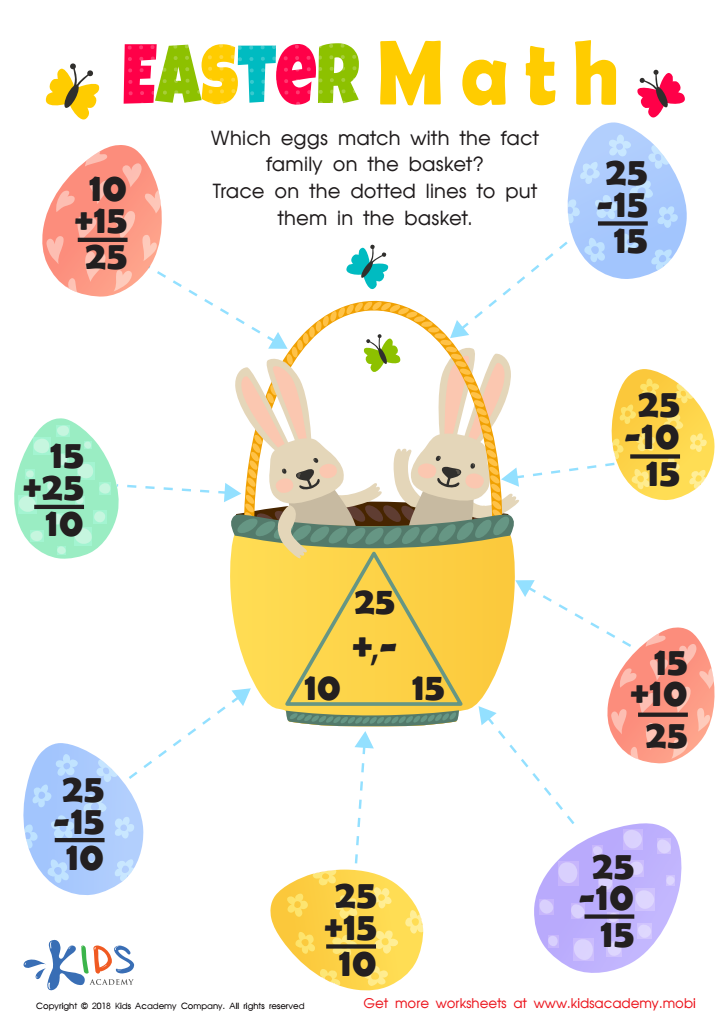
Fact Families: Easter Math Worksheet
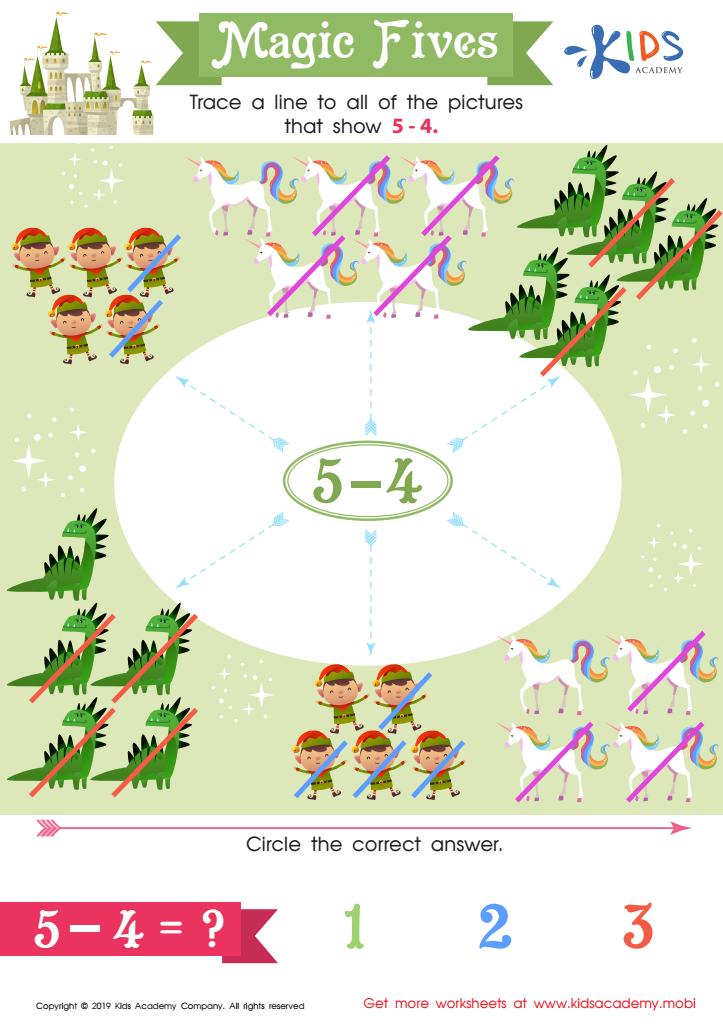
Magic Fives Worksheet
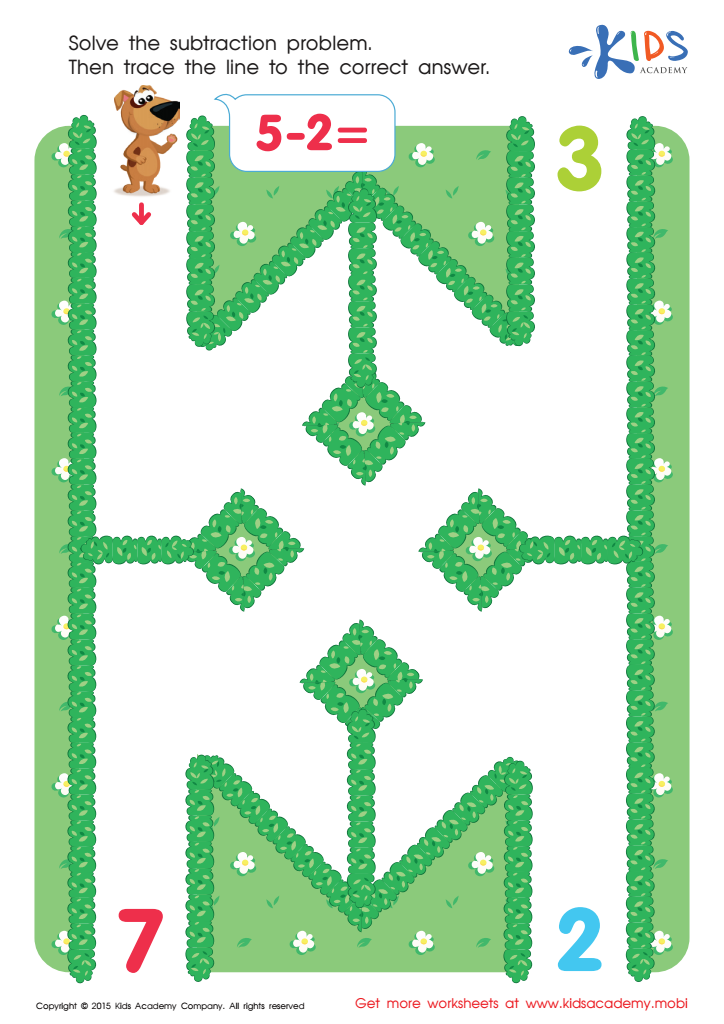
Five Minus Two Worksheet
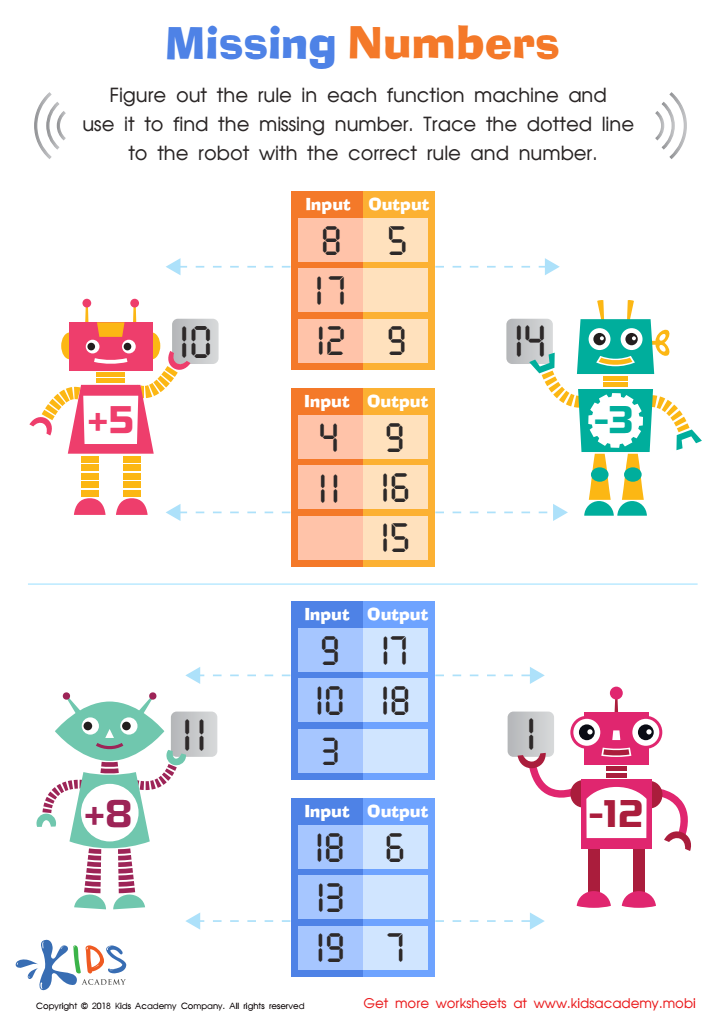
Missing Numbers Worksheet
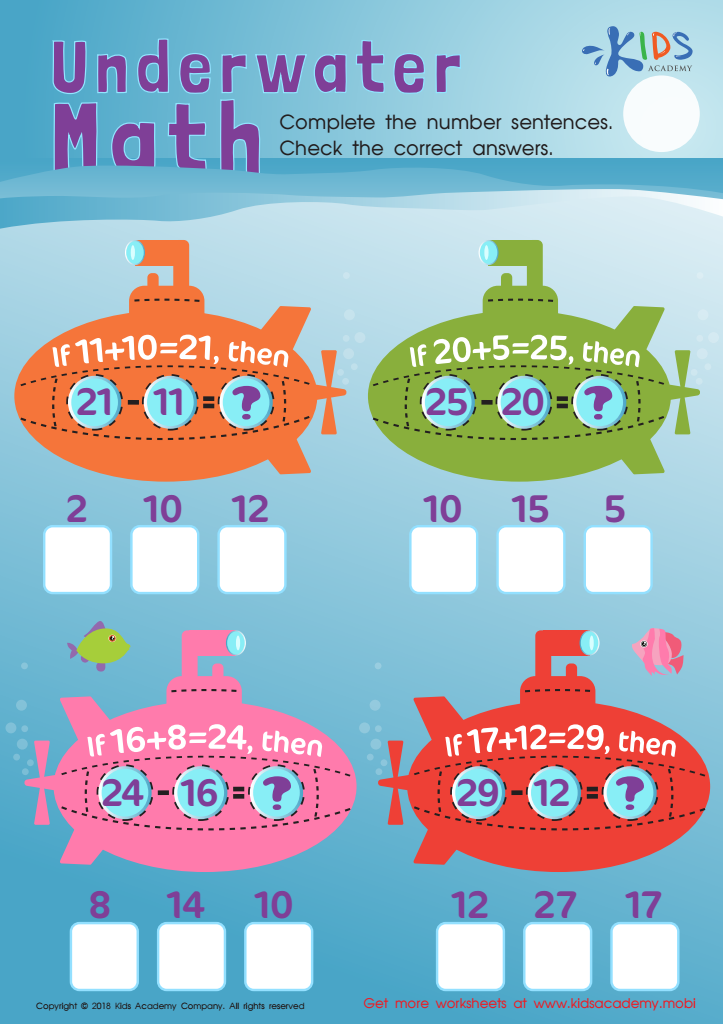
Addition and Subtraction: Underwater Math Worksheet
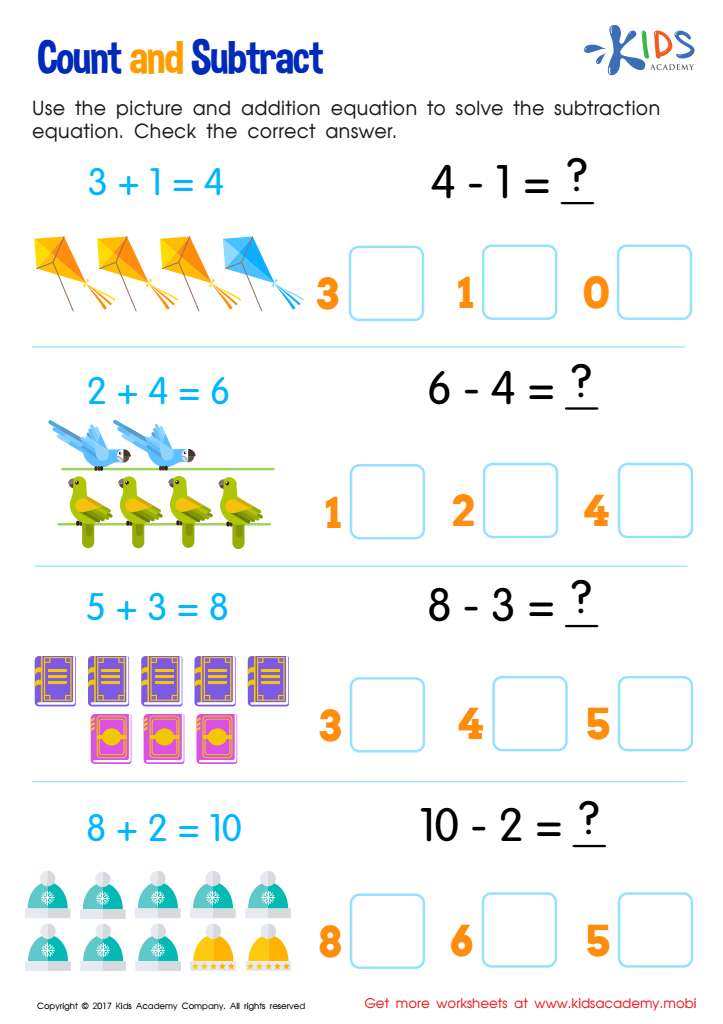
Count and Subtract Worksheet
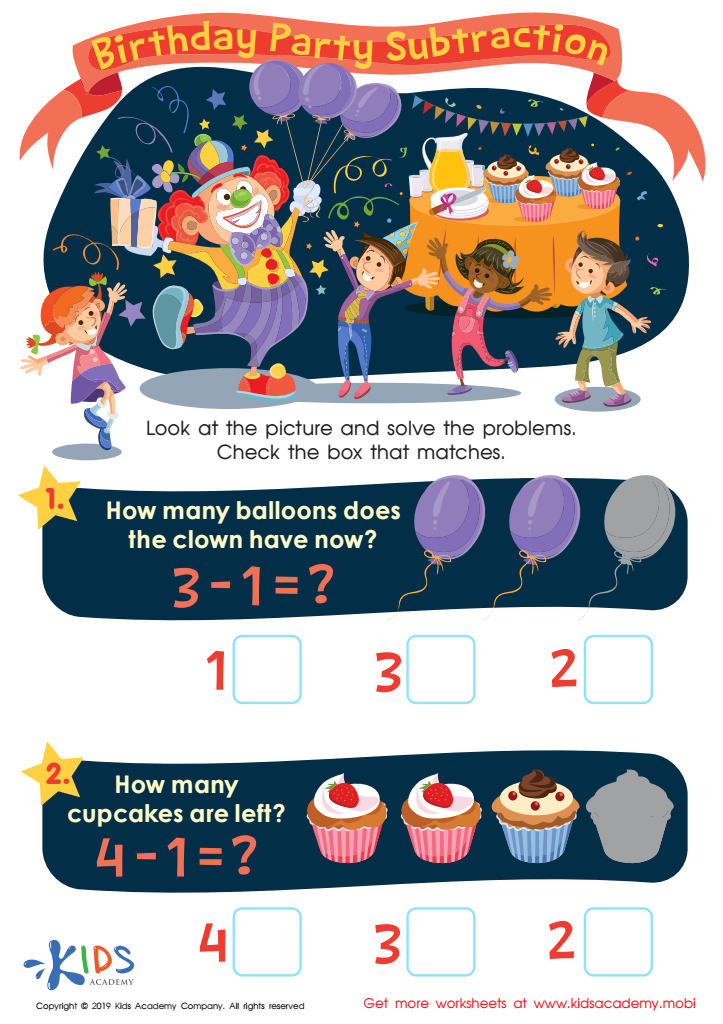
Birthday Party Subtraction Worksheet
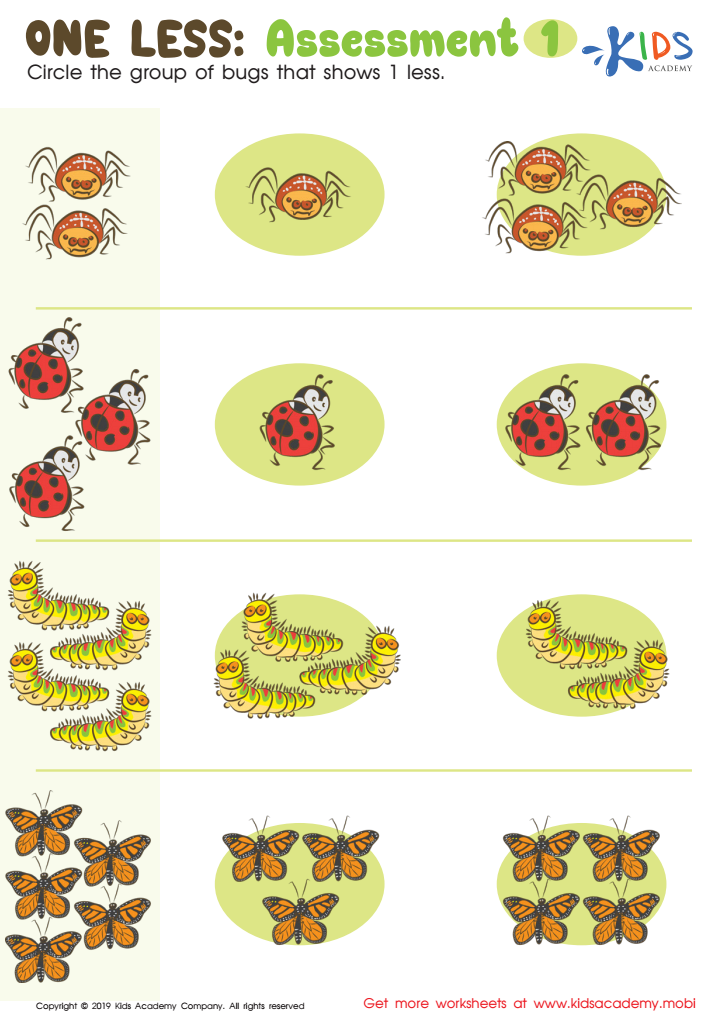
One Less: Assessment 1 Worksheet








Number recognition and subtraction are foundational math skills crucial for children aged 5-8. During these formative years, children’s brains are highly adaptable, making it an ideal period to introduce essential mathematical concepts that serve as building blocks for more complex problem-solving.
Firstly, number recognition is the ability to identify and understand numbers and their value. It is critical because it forms the basis for all subsequent arithmetic operations. Without a solid grasp of what numbers represent, children struggle to make sense of more advanced math facts and topics, impacting their overall academic success.
Subtraction, one of the four elementary arithmetic operations, helps children develop critical thinking and problem-solving skills. Comprehending how to ‘take away’ or find differences between numbers enhances logical thinking and improves cognitive abilities. When children learn subtraction early, they build a robust mental framework for handling balancing concepts like addition, which in turn underpins skills like saving and budgeting later in life.
Furthermore, proficiency in number recognition and basic subtraction aids in day-to-day activities like counting change, sharing toys, and understanding time. As children encounter math in their everyday lives, they gain confidence and a positive attitude toward learning. Parents and teachers should emphasize these skills to ensure a strong mathematical foundation, driving future academic and personal success.








