Recognizing Patterns Building Vocabulary Worksheets for Ages 5-8
5 filtered results
-
From - To
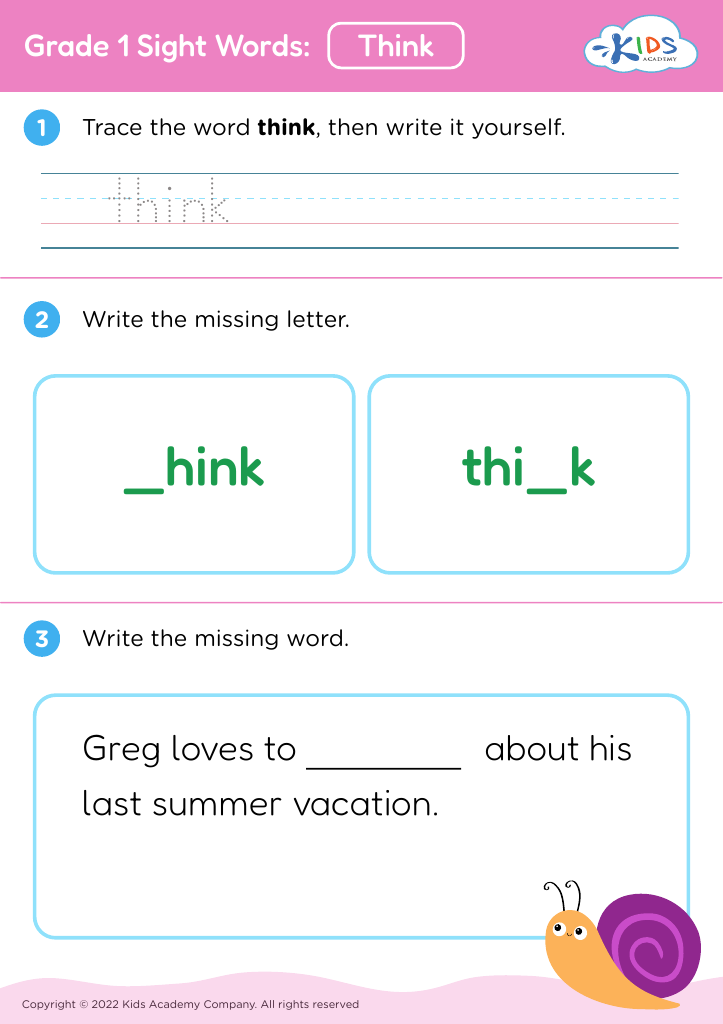
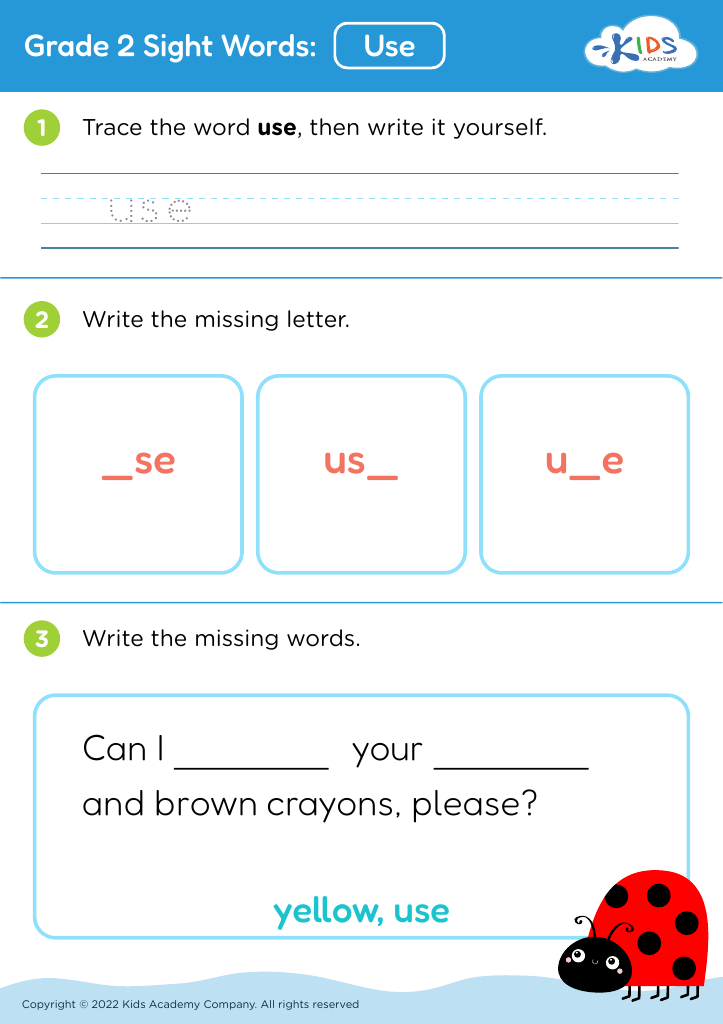
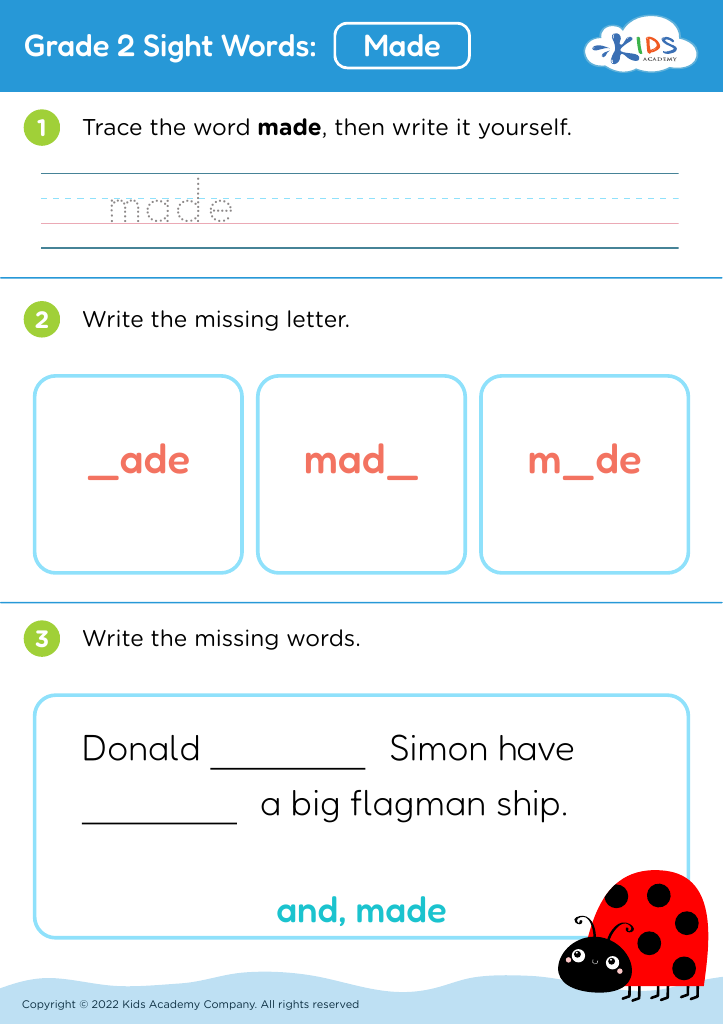
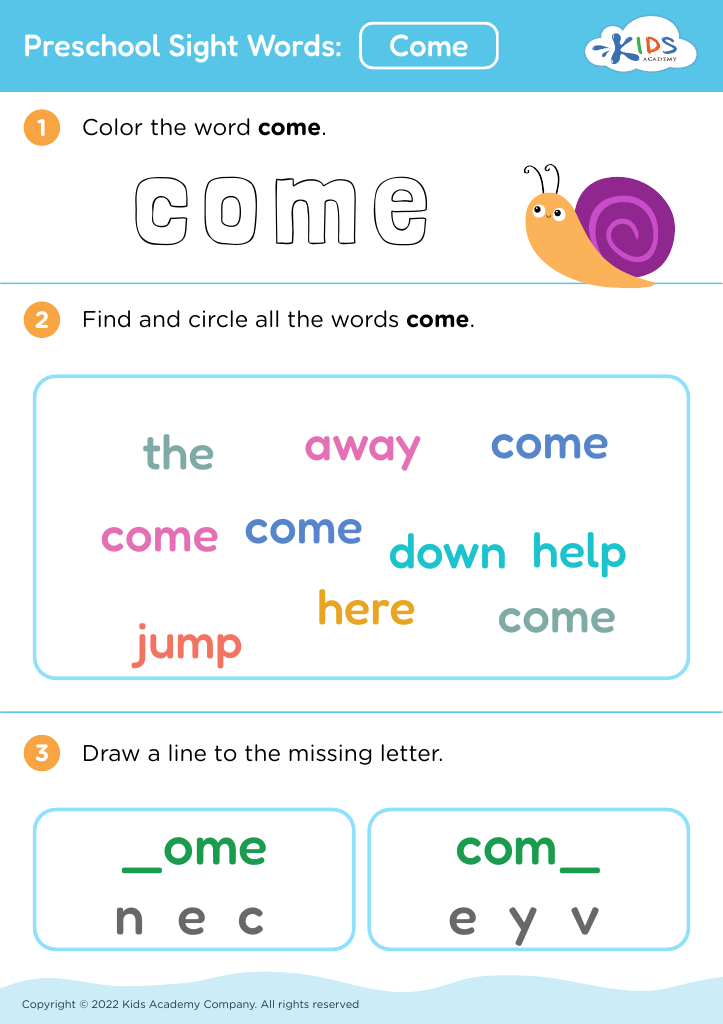
Introducing our "Recognizing Patterns: Building Vocabulary Worksheets" tailored for ages 5-8! These engaging worksheets are designed to improve young learners' vocabulary through fun pattern-recognition activities. By identifying sequences and repeating phonetic or visual elements, kids enhance their language skills, spelling, and comprehension while also boosting cognitive abilities. Perfect for early-grade students, our printables foster independent learning and confidence. With colorful illustrations and varied exercises, children stay motivated and enjoy their learning journey. Ideal for classroom settings or at-home practice, these worksheets support key foundational skills essential for future academic success. Download now to transform vocabulary building into an exciting adventure!











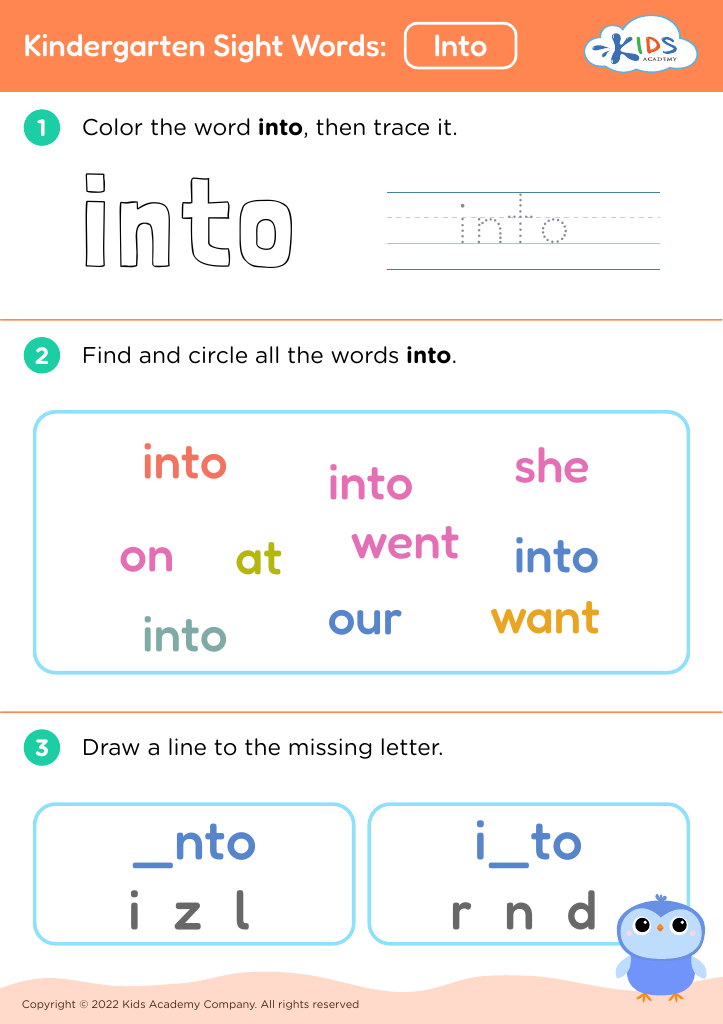








Recognizing patterns and building vocabulary are essential skills for children aged 5-8, as they form the cornerstone of early learning and cognitive development. During these formative years, children's brains are highly receptive to new information, making it an ideal time to foster critical thinking and language skills.
Recognizing patterns helps children develop problem-solving abilities, essential for math and science. It teaches them to predict and make sense of the world, boosting confidence in their learning journeys. Whether it's a sequence of shapes, a rhythm in music, or daily routines, understanding patterns enables kids to grasp more complex concepts, laying a foundation for future academic success.
Simultaneously, building vocabulary expands a child's ability to express thoughts and emotions effectively. A robust vocabulary aids in reading comprehension and communication skills, critical components of academic achievement and social interaction. When children understand and use a broader array of words, they can engage more meaningfully with peers and adults, fostering better relationships and a deeper grasp of various subjects.
Parents and teachers play a pivotal role in nurturing these skills. Encouraging pattern recognition through play and integrating new words into daily conversations can significantly impact a child’s development, setting the stage for a lifelong love of learning and academic excellence. Investing time and effort in these areas benefits children’s immediate educational experiences and equips them with tools for future success.








