Check out this FREE Trial Lesson on Reading for age 5-8!

X

Favorites
With answer key
Interactive
  • 5-8
  • Comparing Fractions
  • Reading
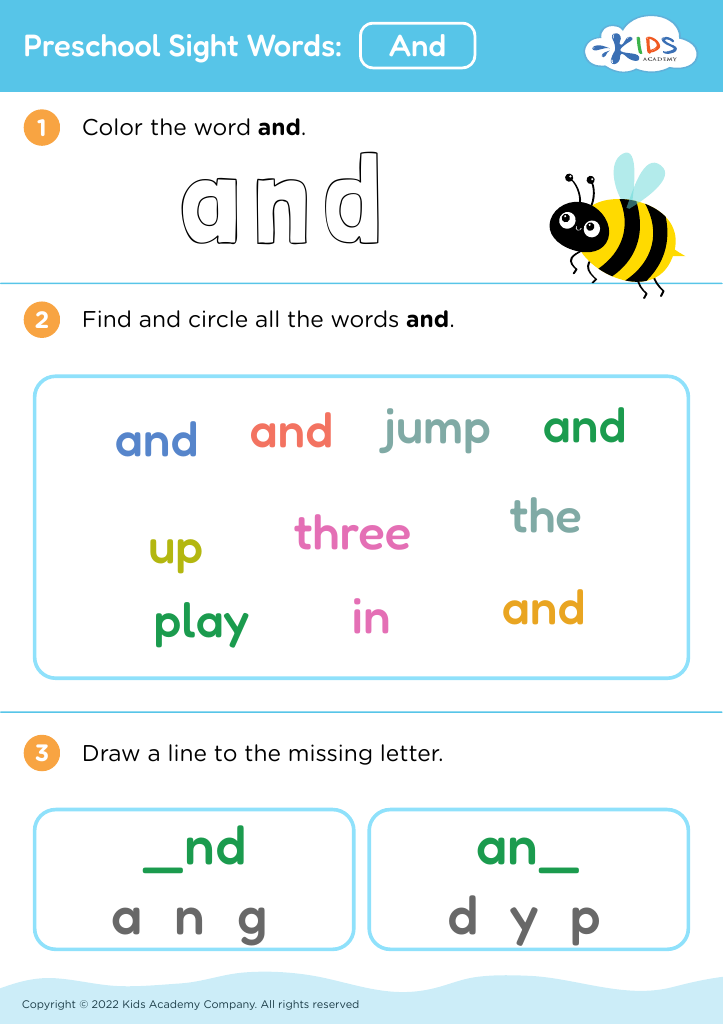
Preschool Sight Words: And

Preschool Sight Words: And

Preschool Sight Words: And
Worksheet
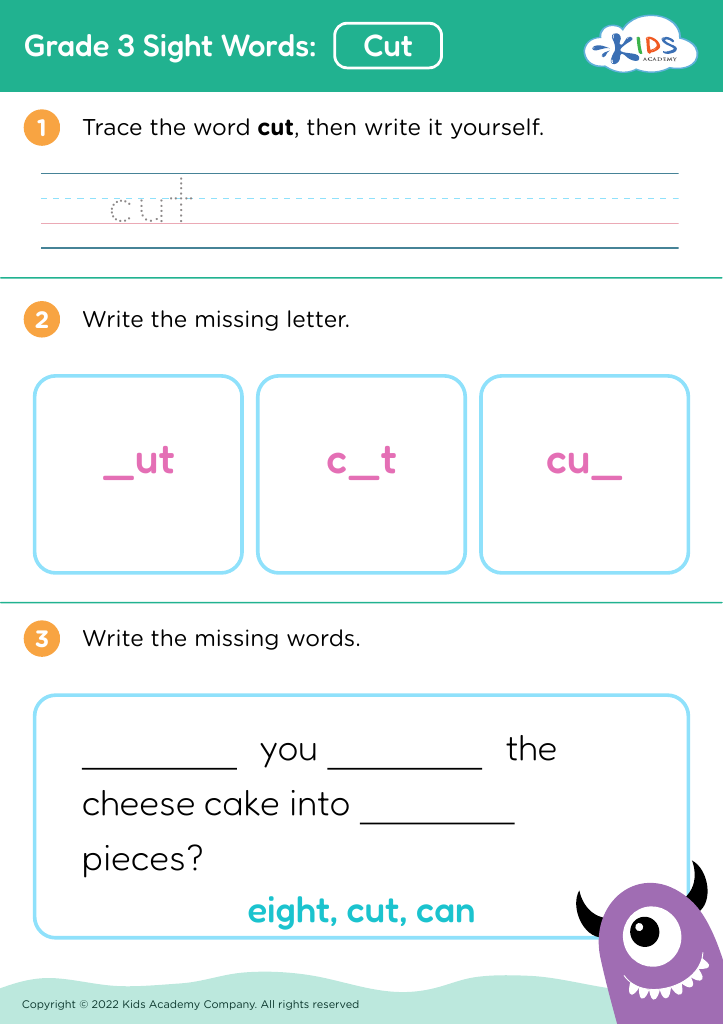
Grade 3 Sight Words: Cut

Grade 3 Sight Words: Cut

Grade 3 Sight Words: Cut
Worksheet
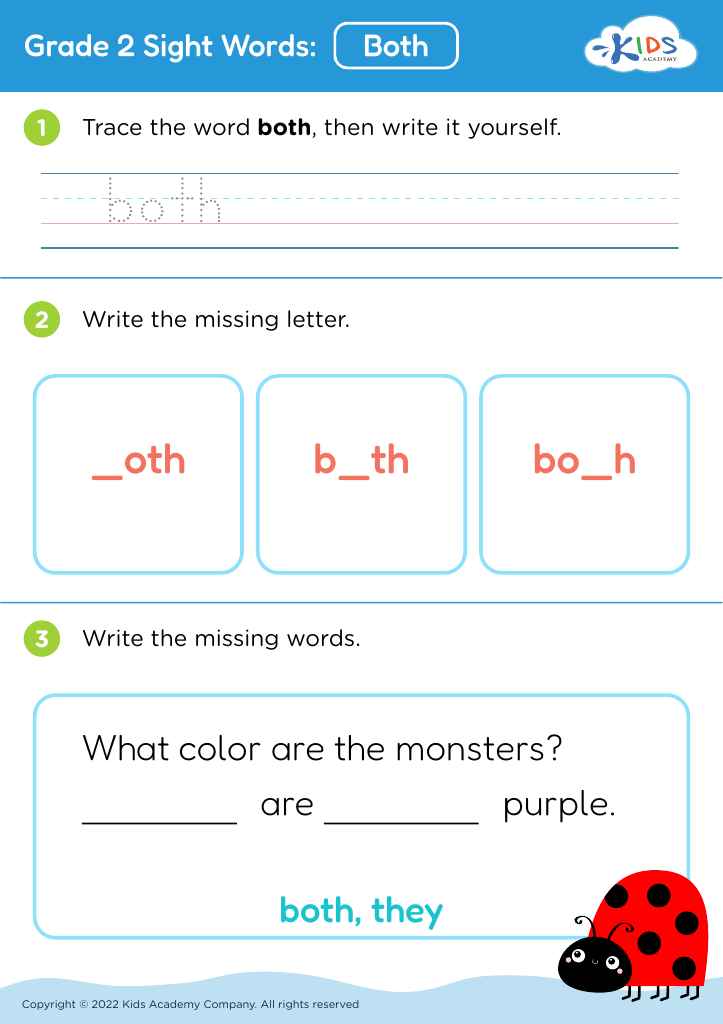
Grade 2 Sight Words: Both

Grade 2 Sight Words: Both

Grade 2 Sight Words: Both
Worksheet
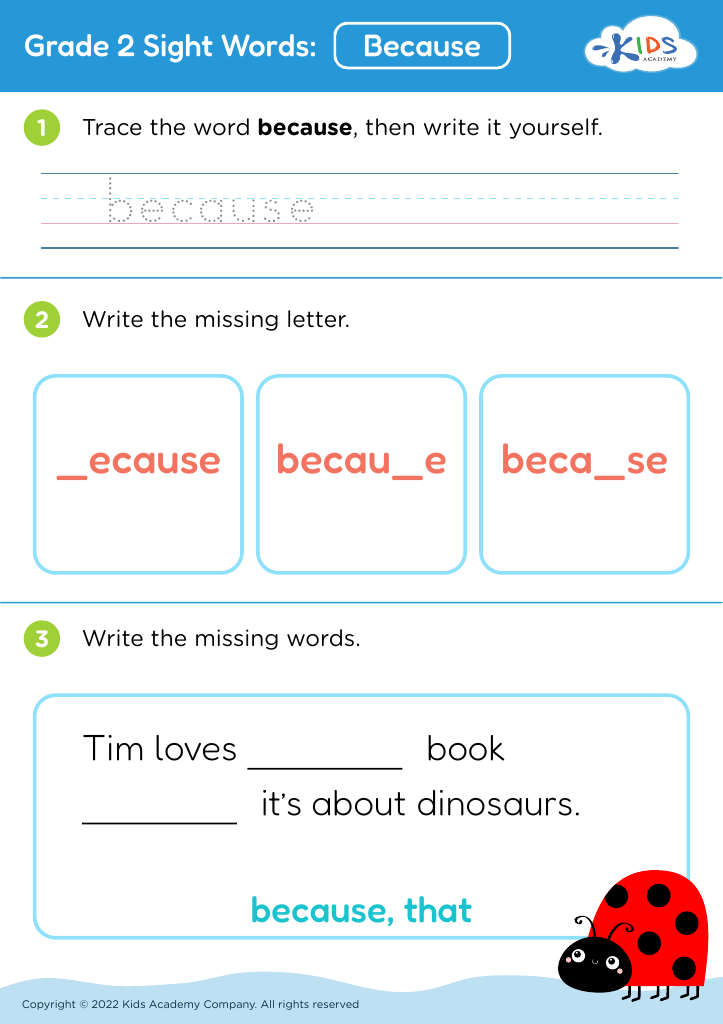
Grade 2 Sight Words: Because

Grade 2 Sight Words: Because

Grade 2 Sight Words: Because
Worksheet
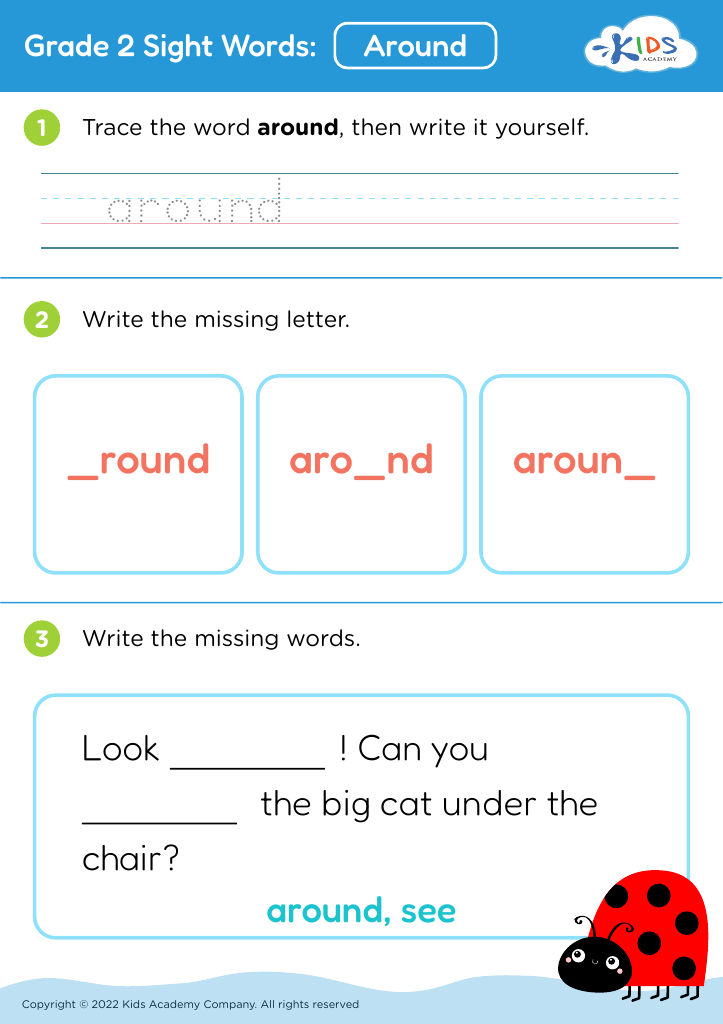
Grade 2 Sight Words: Around

Grade 2 Sight Words: Around

Grade 2 Sight Words: Around
Worksheet
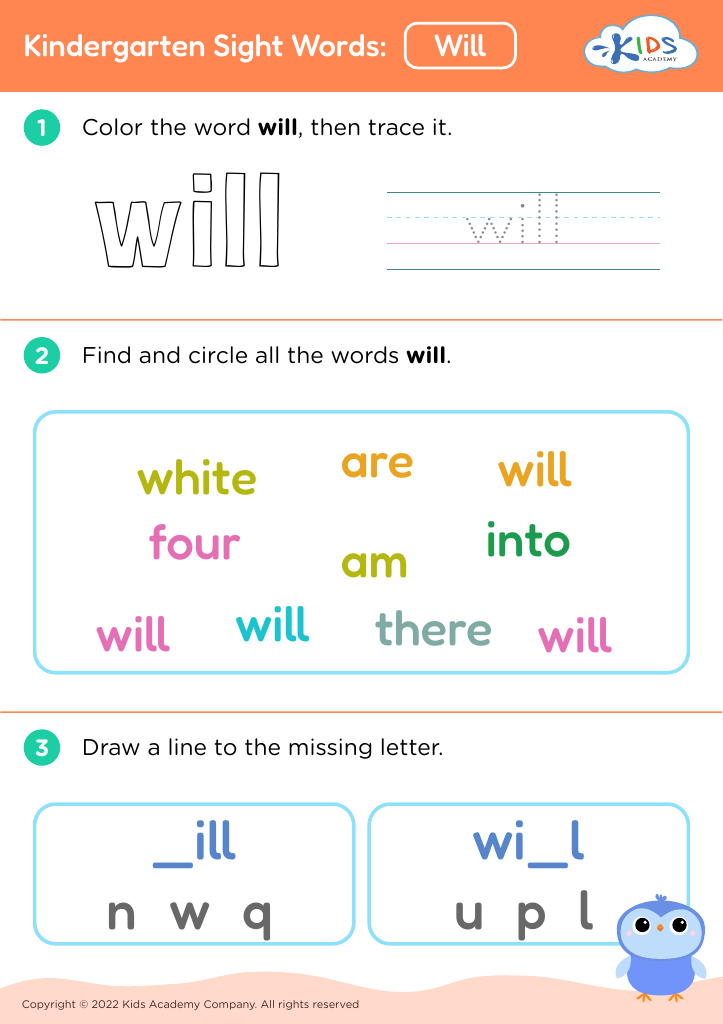
Kindergarten Sight Words: Will

Kindergarten Sight Words: Will

Kindergarten Sight Words: Will
Worksheet
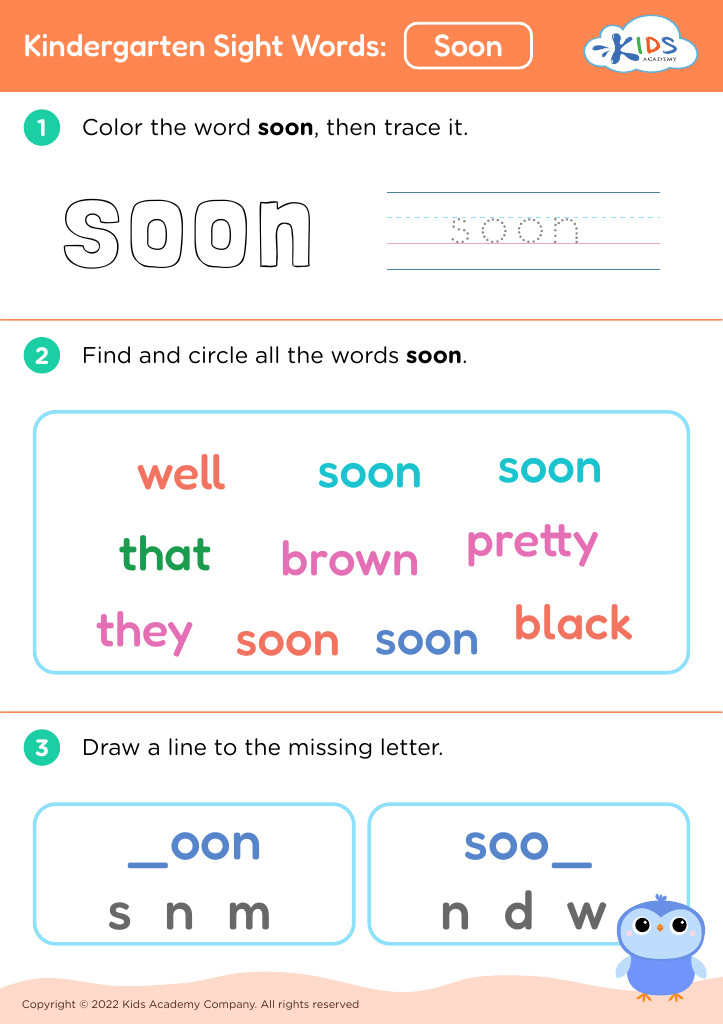
Kindergarten Sight Words: Soon

Kindergarten Sight Words: Soon

Kindergarten Sight Words: Soon
Worksheet
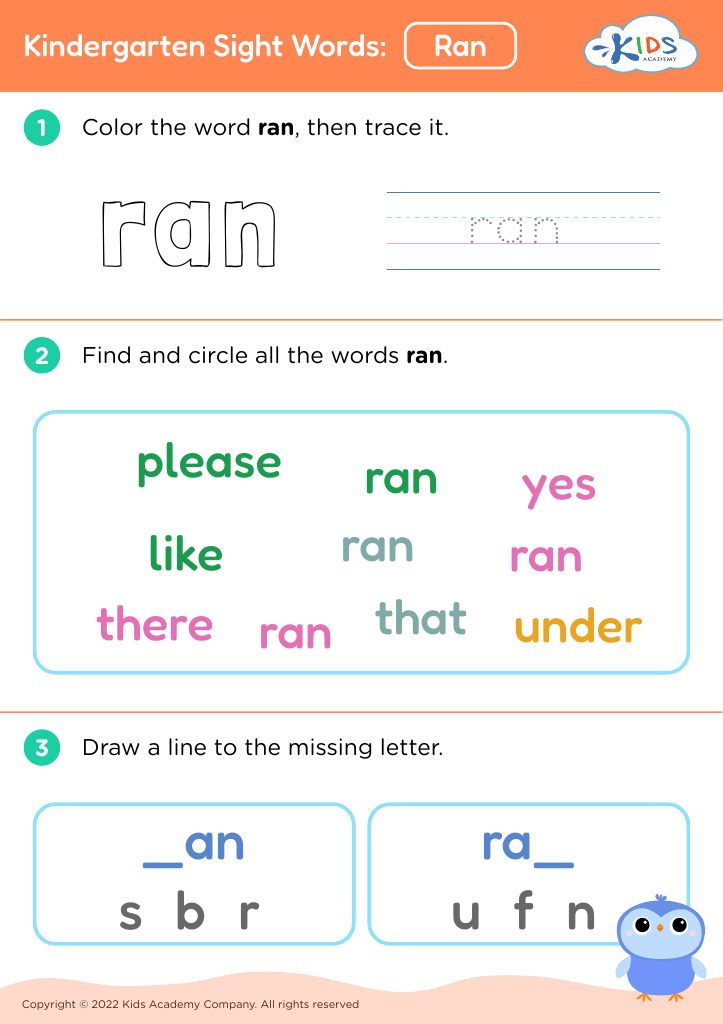
Kindergarten Sight Words: Ran

Kindergarten Sight Words: Ran

Kindergarten Sight Words: Ran
Worksheet
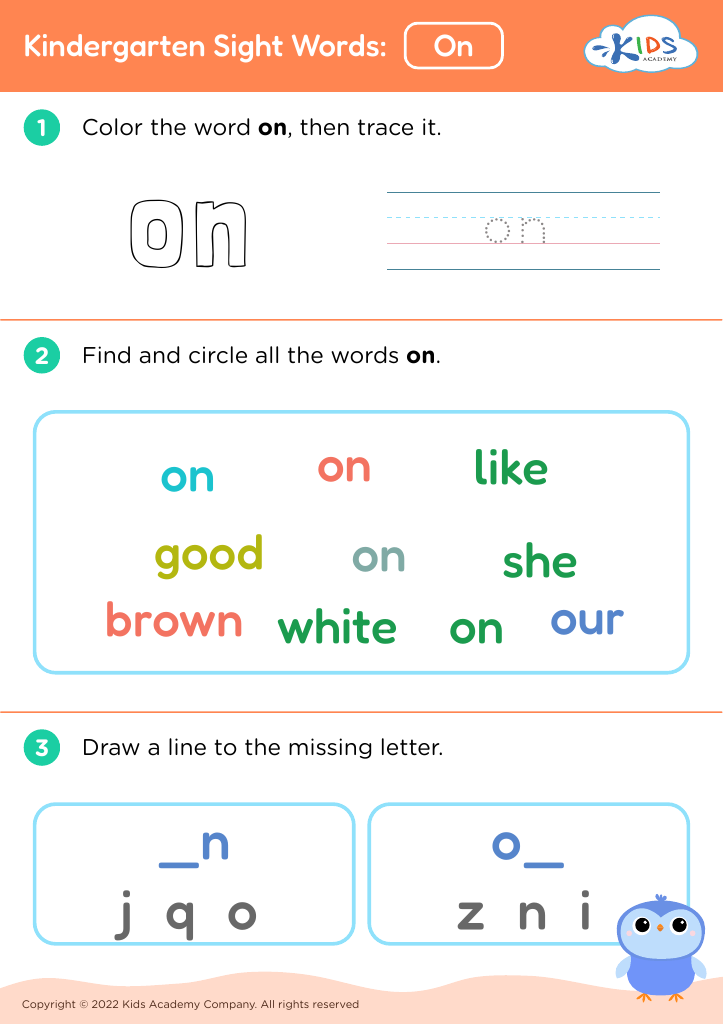
Kindergarten Sight Words: On

Kindergarten Sight Words: On

Kindergarten Sight Words: On
Worksheet
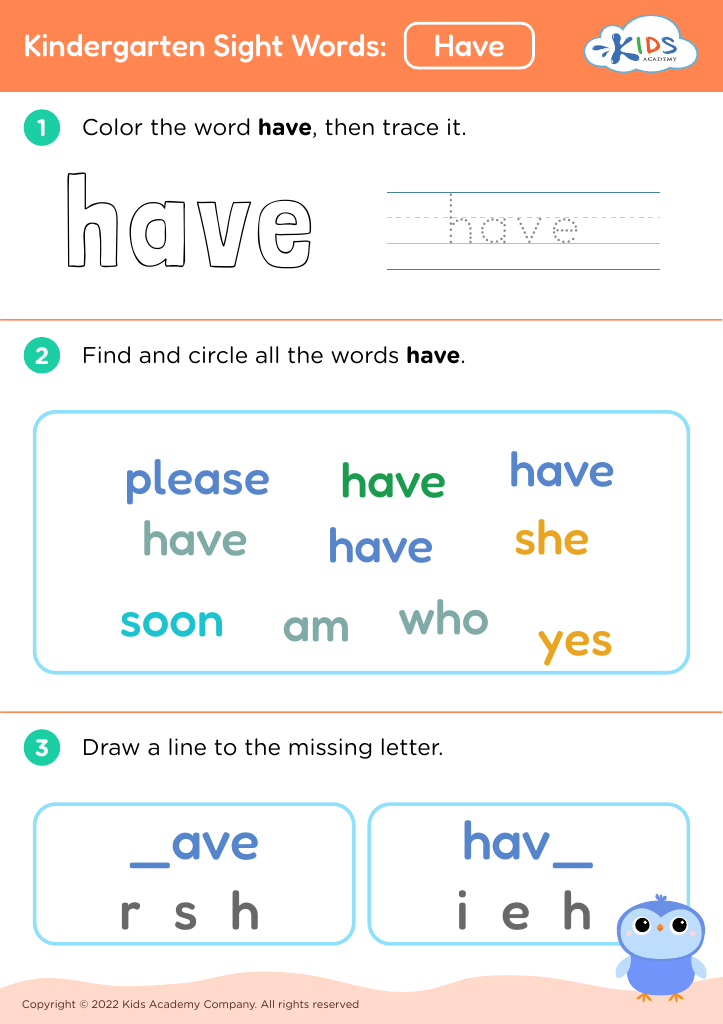
Kindergarten Sight Words: Have

Kindergarten Sight Words: Have

Kindergarten Sight Words: Have
Worksheet
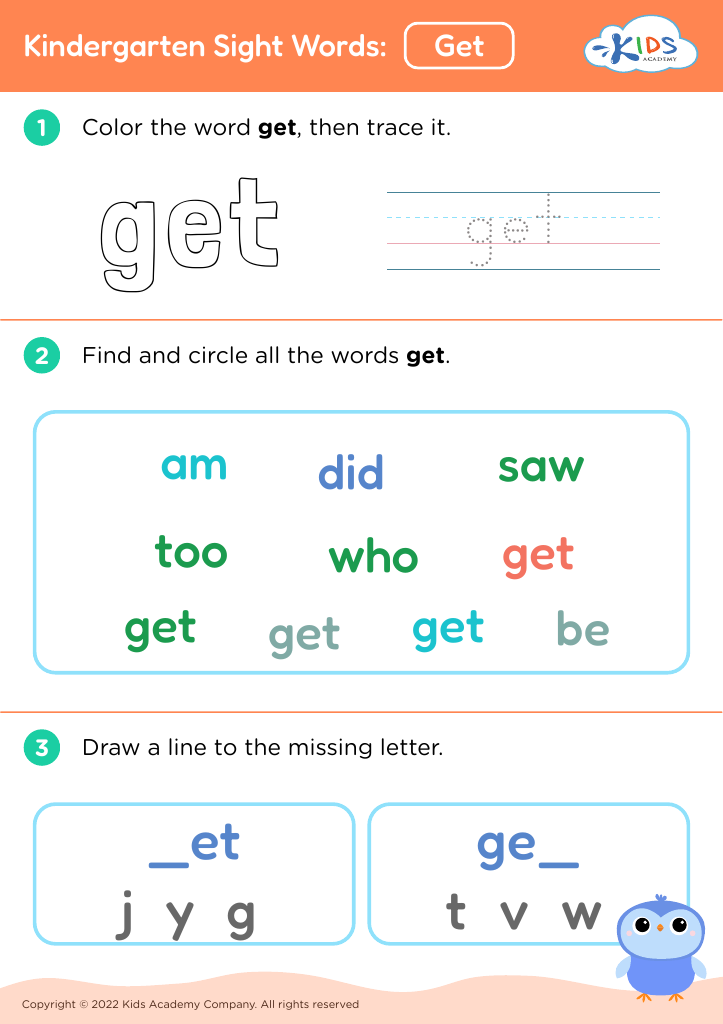
Kindergarten Sight Words: Get

Kindergarten Sight Words: Get

Kindergarten Sight Words: Get
Worksheet
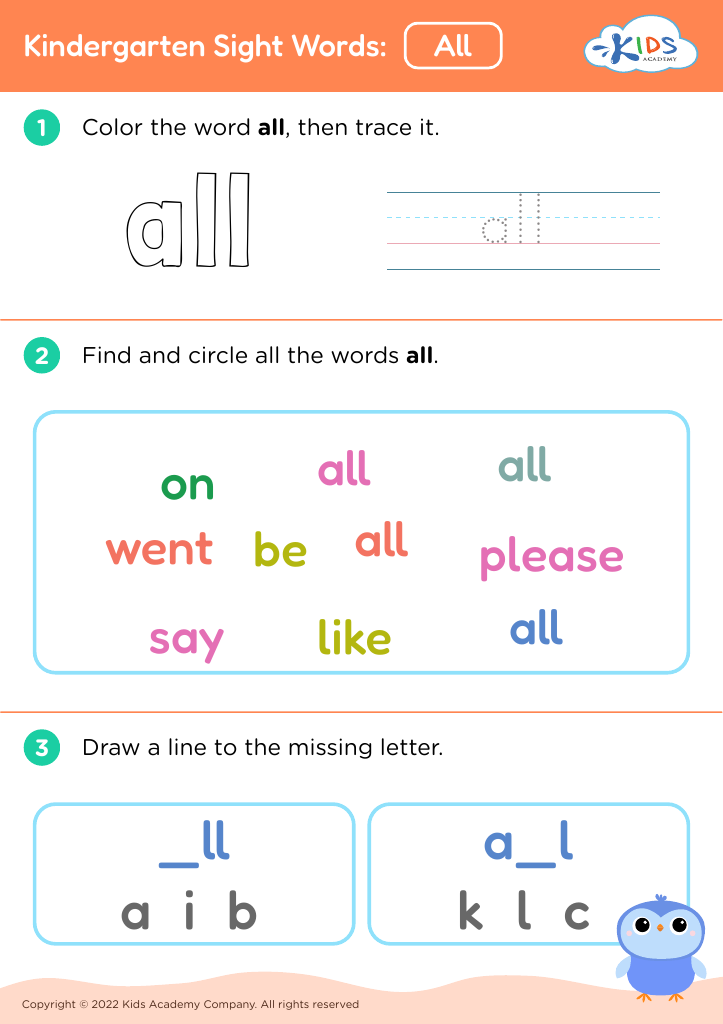
Kindergarten Sight Words: All

Kindergarten Sight Words: All

Kindergarten Sight Words: All
Worksheet
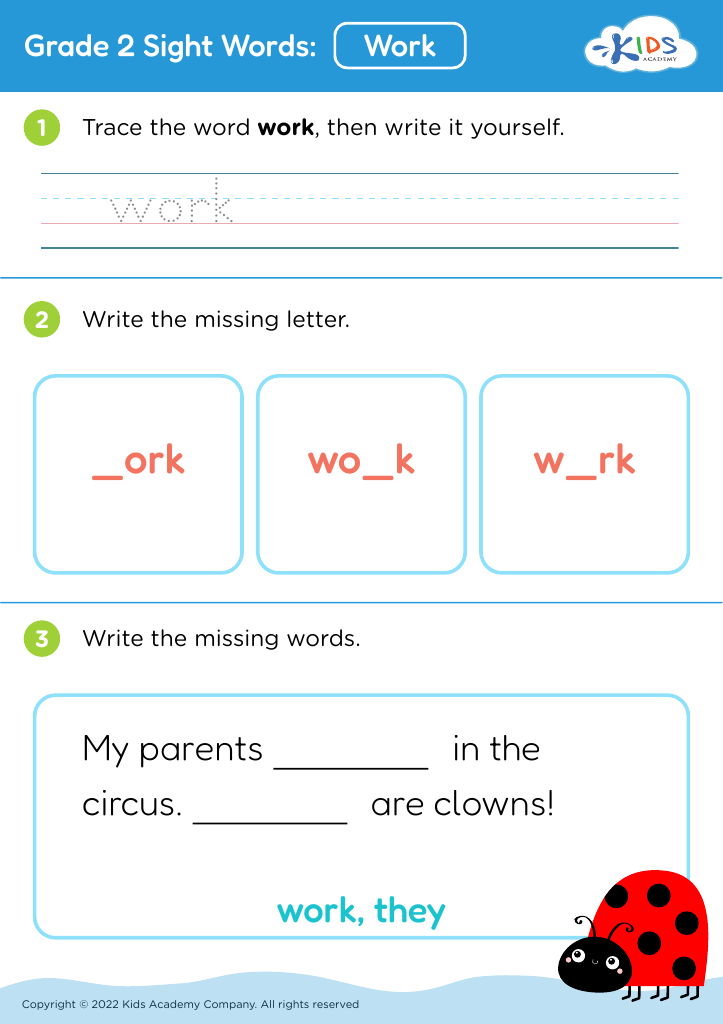
Grade 2 Sight Words: Work

Grade 2 Sight Words: Work

Grade 2 Sight Words: Work
Worksheet


Comparing fractions is an essential mathematical skill that fosters critical thinking and problem-solving abilities in young learners. For children aged 5-8, developing a strong foundation in understanding fractions can significantly influence their future success in mathematics. Parents and teachers should care about this skill because it is often the gateway to grasping more complex mathematical concepts later on.

Engaging with comparing fractions not only enhances number sense but also helps children make connections between different areas of math, such as geometry and measurement. It encourages them to visualize relationships, reinforcing their understanding of part-to-whole relationships. This skill also promotes logical reasoning as students learn to evaluate and compare values, laying the groundwork for more advanced mathematical operations.

Reading about fractions in age-appropriate materials helps to contextualize these concepts, making them accessible and engaging for young learners. It aids in developing their vocabulary and comprehension skills, all while cultivating an early interest in math. When parents and teachers work together to support this learning, they empower children to approach mathematics with confidence, enthusiasm, and the ability to tackle challenges effectively as they progress through their educational journey.