Enhance critical thinking Reading Worksheets for Ages 5-8
3 filtered results
-
From - To
Unlock your child's potential with our "Enhance Critical Thinking Reading Worksheets" designed specifically for ages 5-8. Our engaging, printable exercises encourage young learners to think deeply about texts, develop reasoning skills, and make connections. Through age-appropriate stories and prompts, kids will practice analyzing information, predicting outcomes, and drawing conclusions. Perfect for both classroom and home use, these worksheets provide a solid foundation for future academic success. Explore a wide variety of topics that align with educational standards, making learning both fun and effective. Start building strong reading and critical thinking skills today!
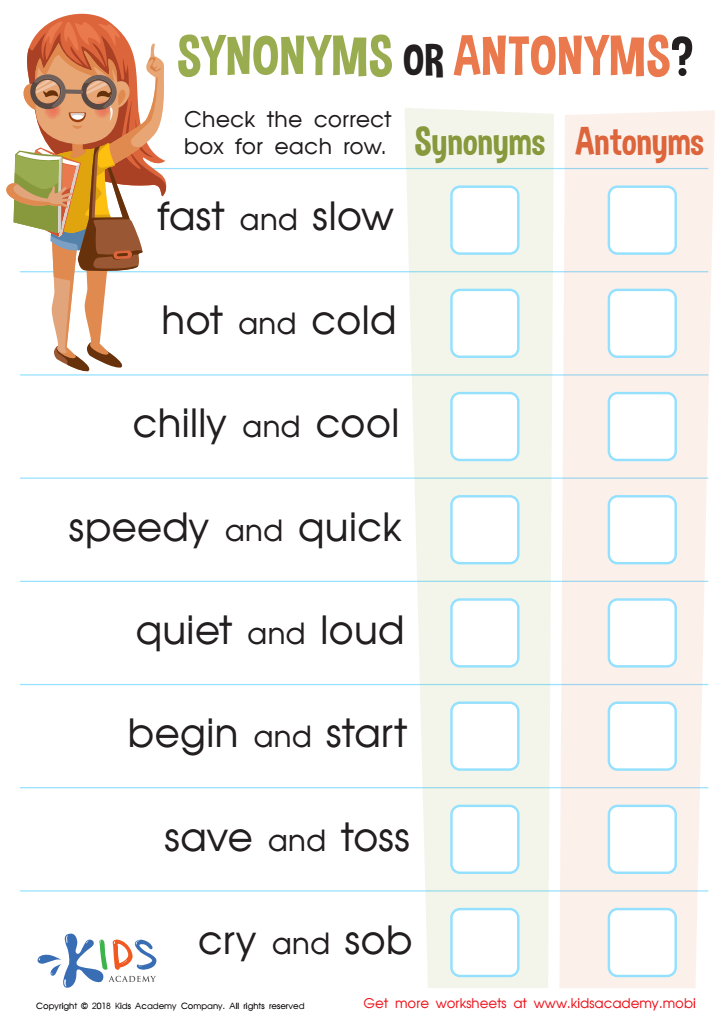
Synonyms or Antonyms: Assessment Worksheet
 Assign to My Students
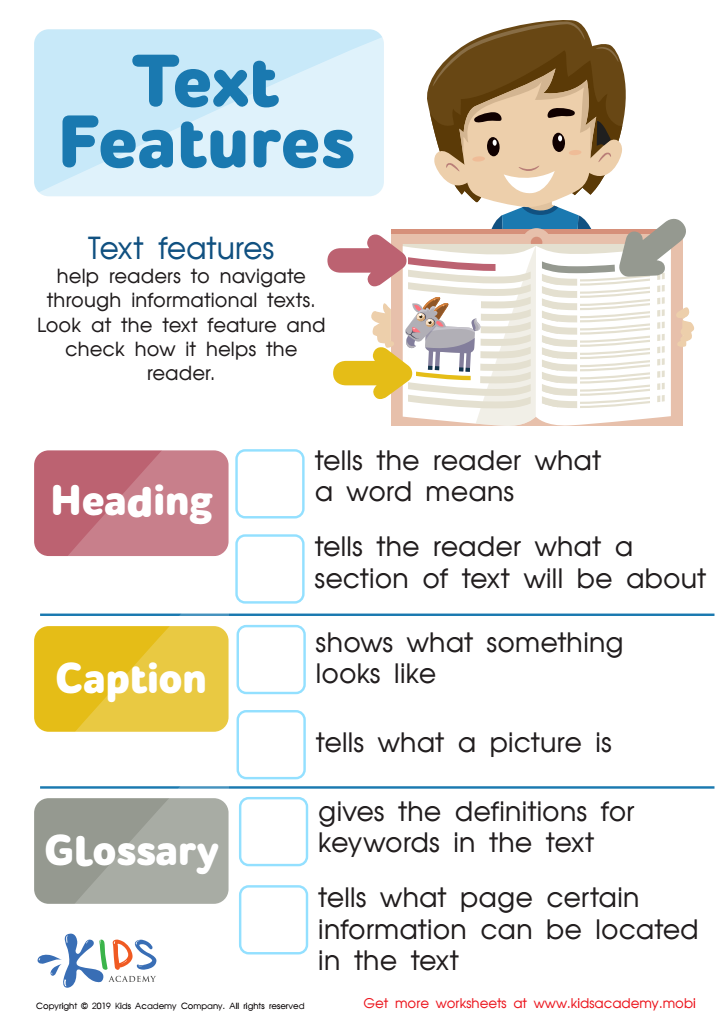
Text Features Worksheet
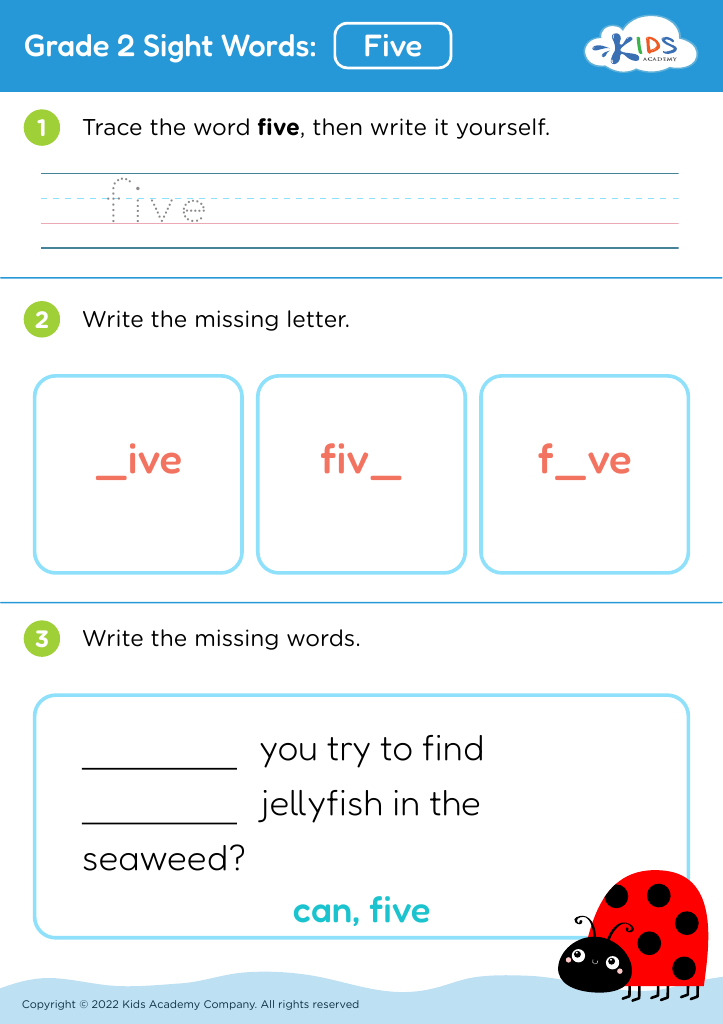






.jpg)
Enhancing critical thinking in reading for children ages 5-8 is crucial for their developmental growth and overall academic success. At this formative stage, children are not just learning to read; they are beginning to absorb, understand, and engage with information. Fostering critical thinking skills helps them move beyond mere word recognition and sentence decoding to higher-order thinking tasks. This early investment in critical thinking promotes cognitive development, nurturing curiosity, creativity, and problem-solving abilities.
Critical thinking in reading helps young learners make inferences, understand cause and effect, recognize patterns, and develop the ability to evaluate and synthesize information. These skills are foundational for academic achievement across all subjects, including math, science, and social studies. When children learn to question what they read and consider different perspectives, they build a deeper understanding, contributing to stronger comprehension skills.
For teachers and parents, encouraging critical thinking is also about equipping children with life skills beyond academics. It means preparing them to make informed decisions, understand complex issues, and navigate the world around them with discernment and empathy. Ultimately, fostering critical thinking nurtures independent, thoughtful individuals who are better prepared for the challenges of the future. By investing in these skills at an early age, we're building a strong foundation for lifelong learning.








