Fraction comparison Reading Worksheets for Ages 5-8
14 filtered results
-
From - To
Enhance your child's understanding of fractions with our engaging Fraction Comparison Reading Worksheets designed for ages 5-8. These worksheets provide a fun and interactive way for young learners to practice comparing fractions through colorful visuals and relatable scenarios. By solving these worksheets, children will develop essential math skills, improve critical thinking, and boost their confidence in handling fractions. Ideal for classroom use or at-home learning, our Fraction Comparison worksheets are crafted to captivate young minds while reinforcing foundational math concepts. Explore our collection now and watch your child thrive in their mathematical journey! Perfect for early learners seeking a solid math foundation.
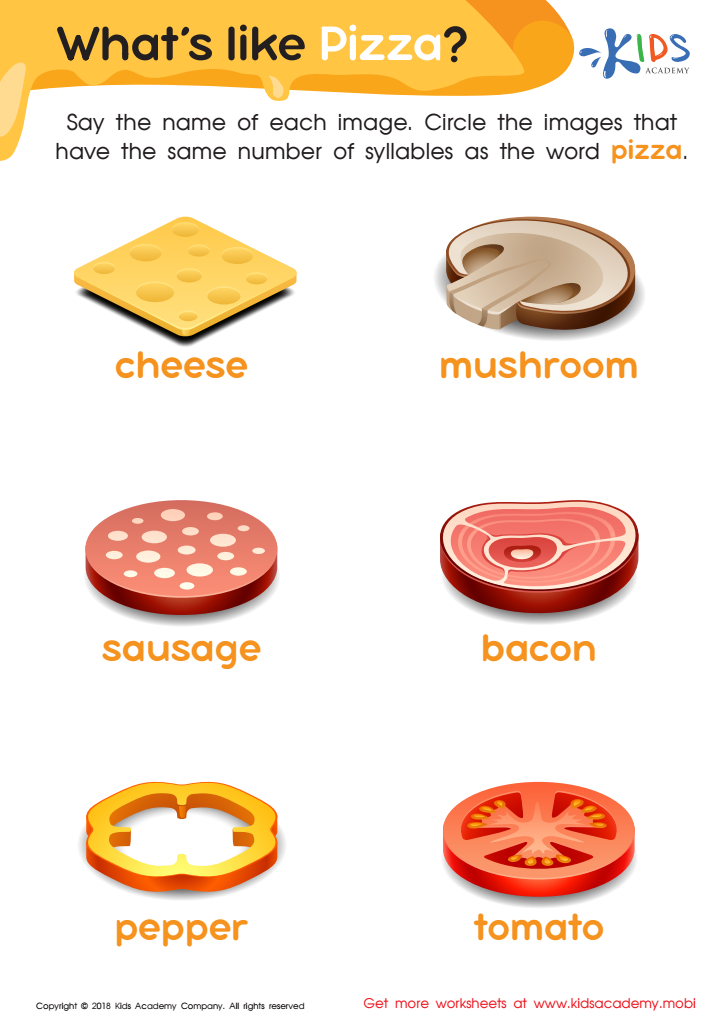
What's Like Pizza? Worksheet
 Assign to My Students
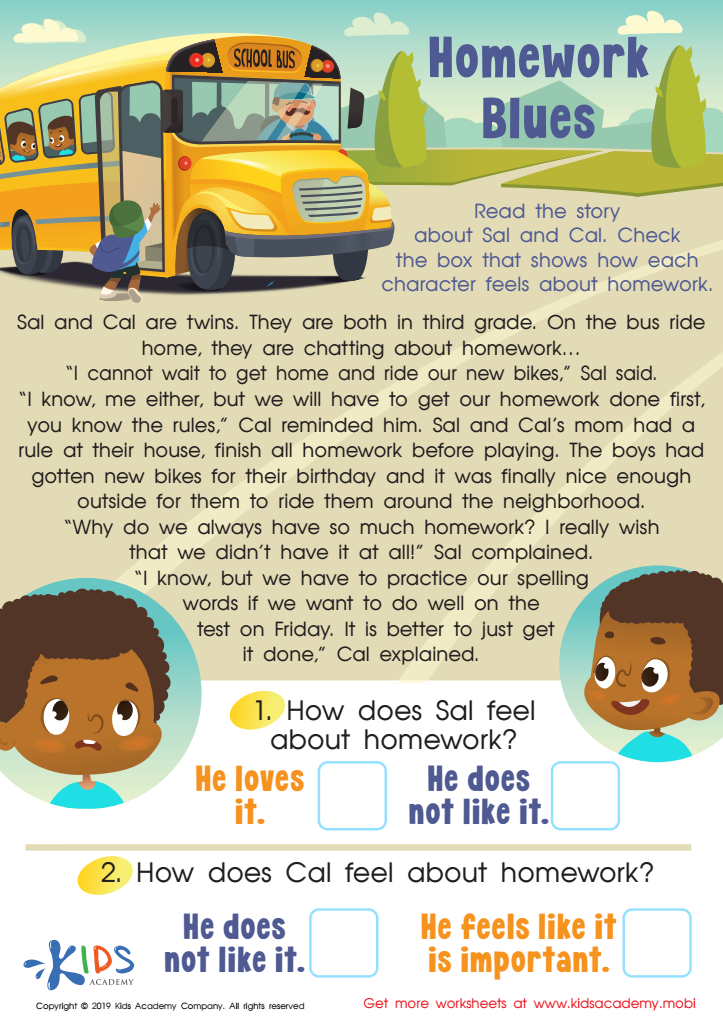
Homework Blues Worksheet
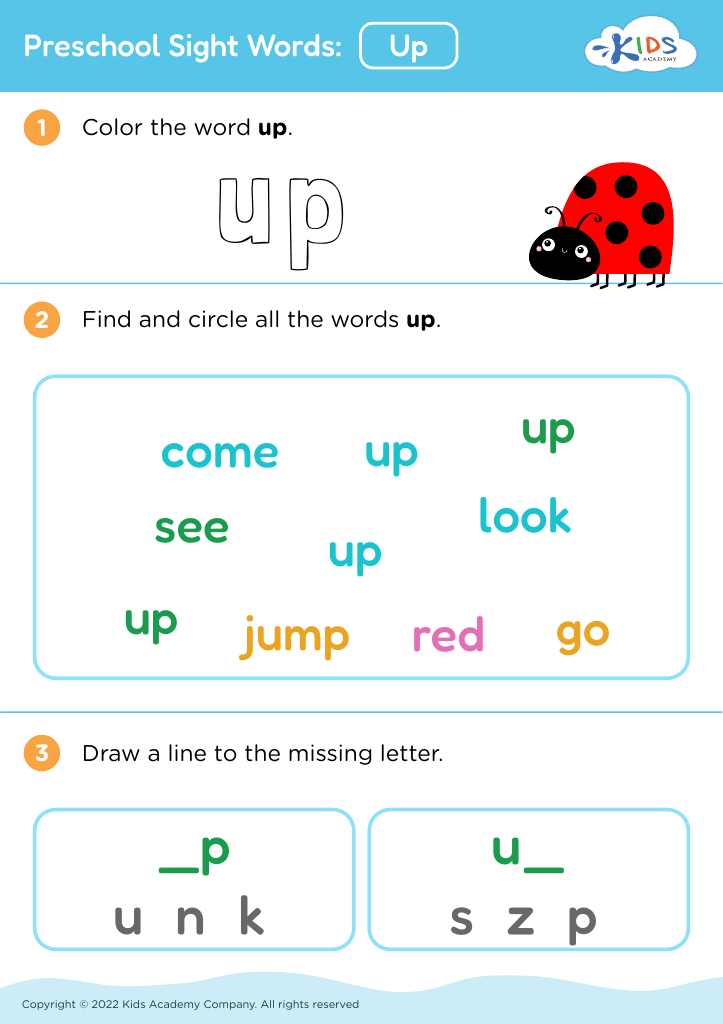
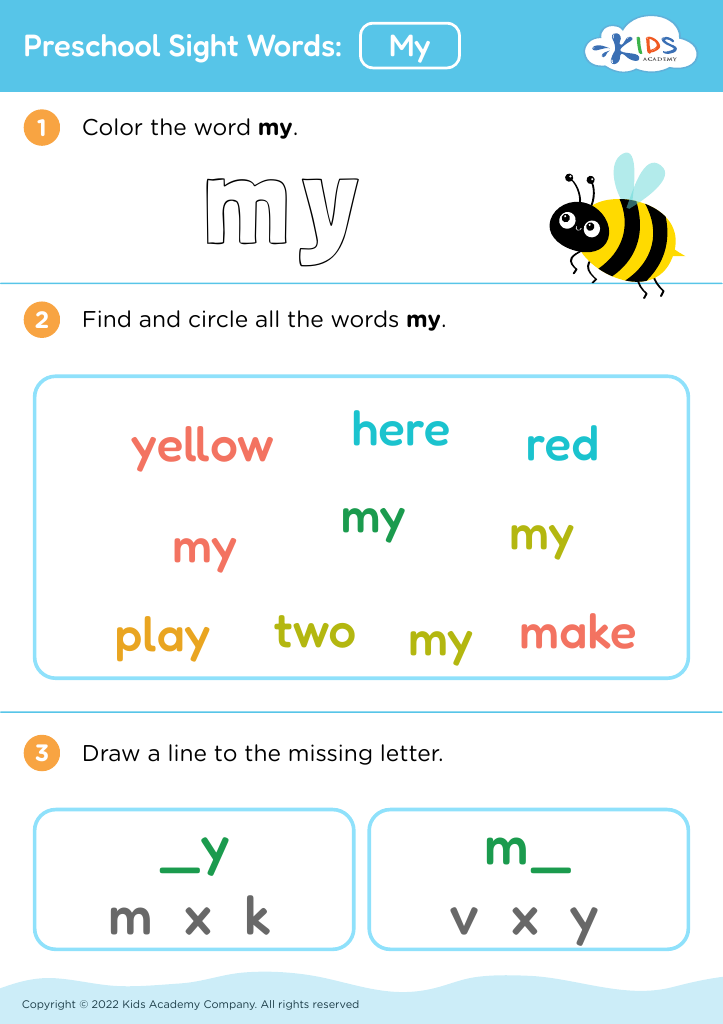





Fraction comparison reading is crucial for children aged 5-8 as it lays the foundation for essential math skills and critical thinking. At this age, children are developing their understanding of numbers and how they relate to each other. Learning to compare fractions helps promote number sense, enabling students to grasp concepts of size, quantity, and the relationships between different values.
For parents and teachers, encouraging fractional understanding fosters important cognitive abilities, such as problem-solving and logical reasoning. These skills are not only essential for math but also influence overall academic performance across various subjects. Fractions are a significant component of everyday life, seen in scenarios such as cooking, shopping, and telling time, making it vital for students to comprehend and effectively compare these values.
Moreover, engaging with fraction comparison can make math more interactive and enjoyable. This can foster a positive attitude towards mathematics, inspiring a lifelong appreciation for learning. By nurturing this skill early on, parents and teachers can help children build confidence in their abilities, preparing them for more advanced mathematical concepts as they progress in their education. Positive early experiences with math can set the stage for future success and healthy attitudes towards learning.








