Hand-eye Coordination Reading Worksheets for Ages 5-8
9 filtered results
-
From - To
Enhance your child's reading experience with our engaging Hand-eye Coordination Reading Worksheets designed for ages 5-8! These worksheets combine fun activities that promote essential motor skills while fostering reading comprehension. Children will delight in various age-appropriate exercises that challenge their hand-eye coordination, leading to improved focus and attention. From tracing letters to matching words and pictures, each worksheet is crafted to inspire learning and exploration in a playful manner. Ideal for home or classroom use, these worksheets not only support literacy development but also support cognitive and physical growth. Start building essential skills today with our vibrant, interactive resources!
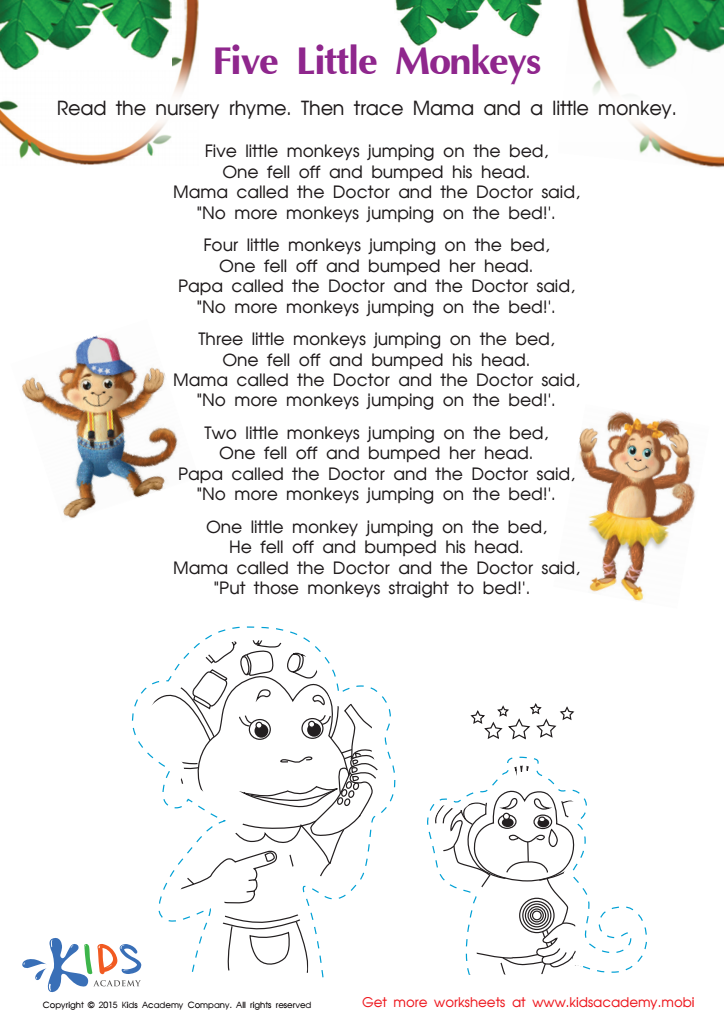
The Five Little Monkeys Nursery Rhyme Worksheet
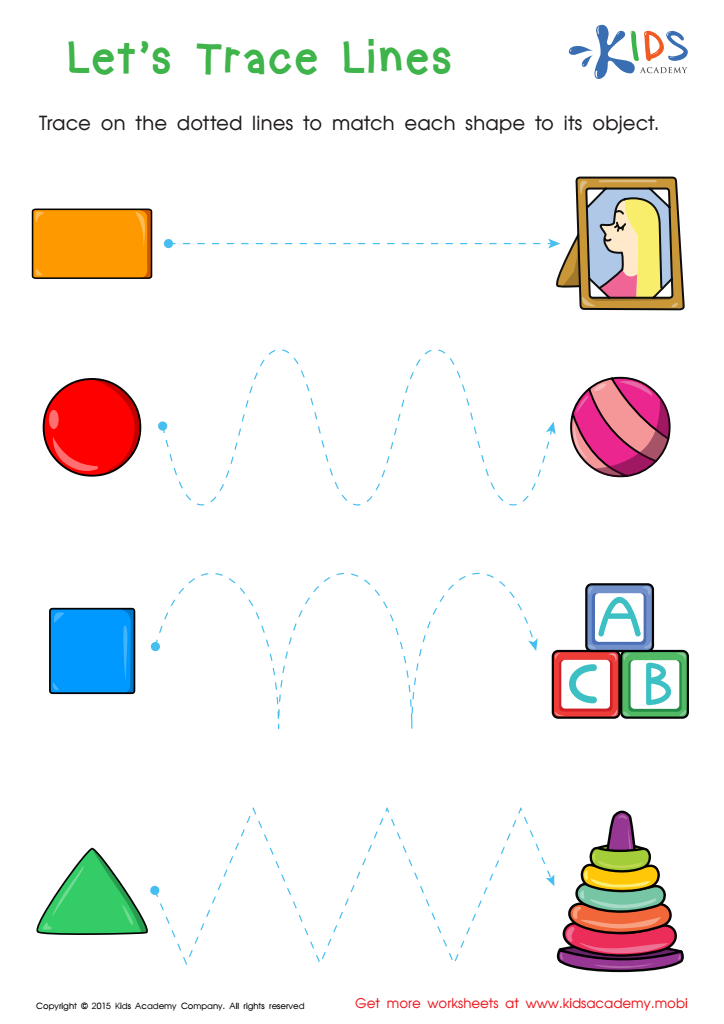
First Words: Let's Trace Lines Worksheet
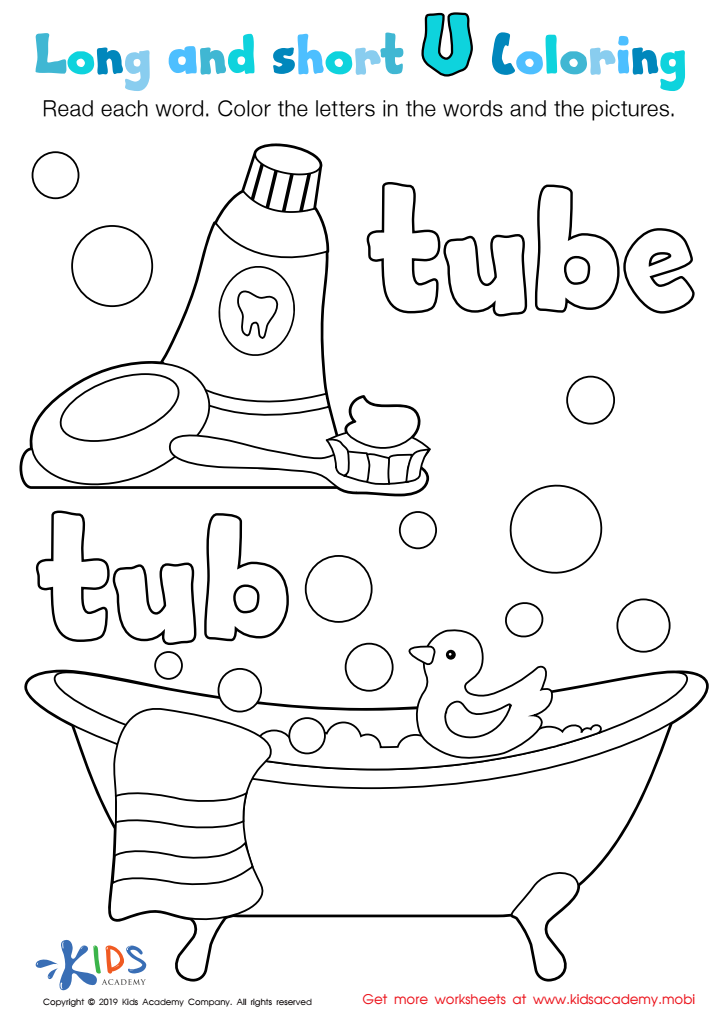
Long and Short U Worksheet
 Assign to My Students
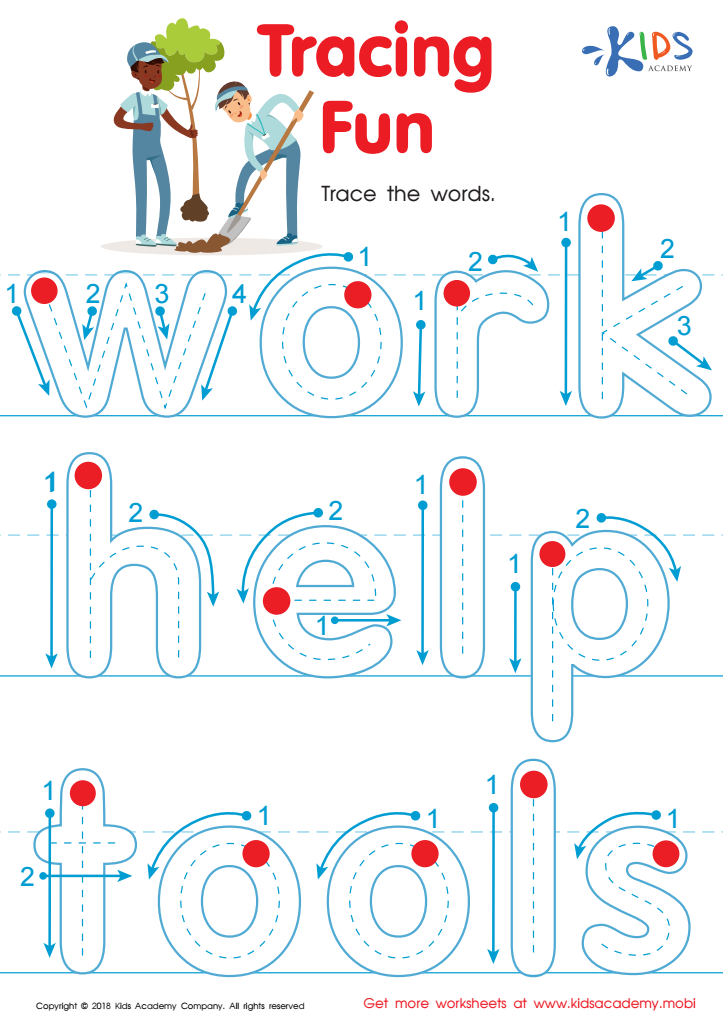
Tracing Fun Worksheet
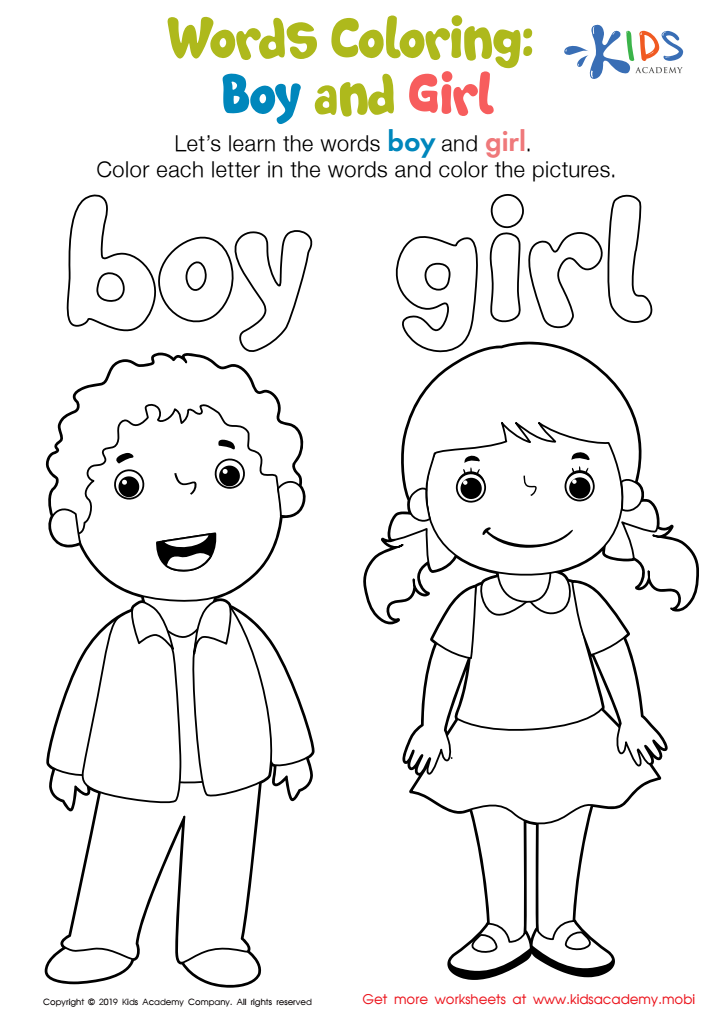
Boy and Girl Words Coloring Worksheet
Assign to My Students
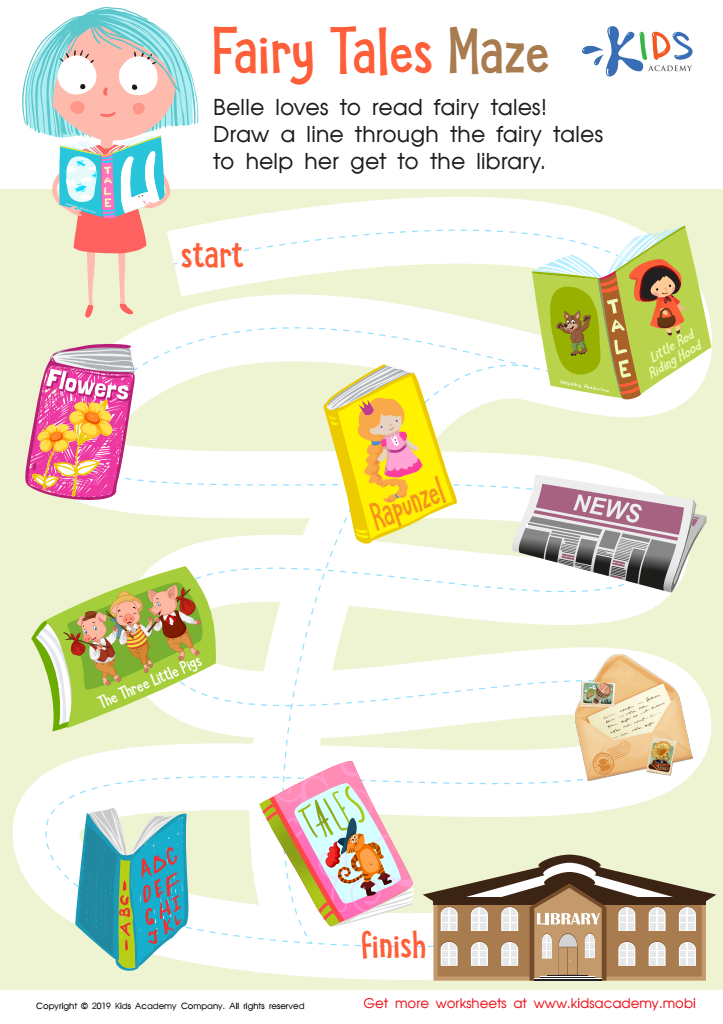
Fairy Tales Maze Worksheet

Long and Short E Worksheet
Assign to My Students
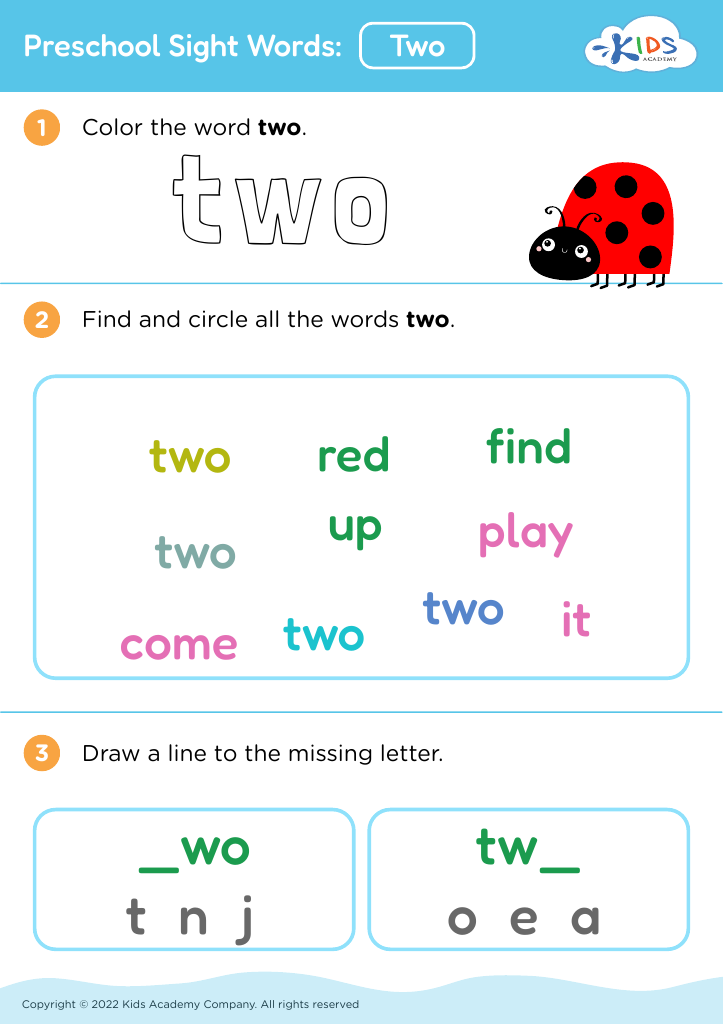
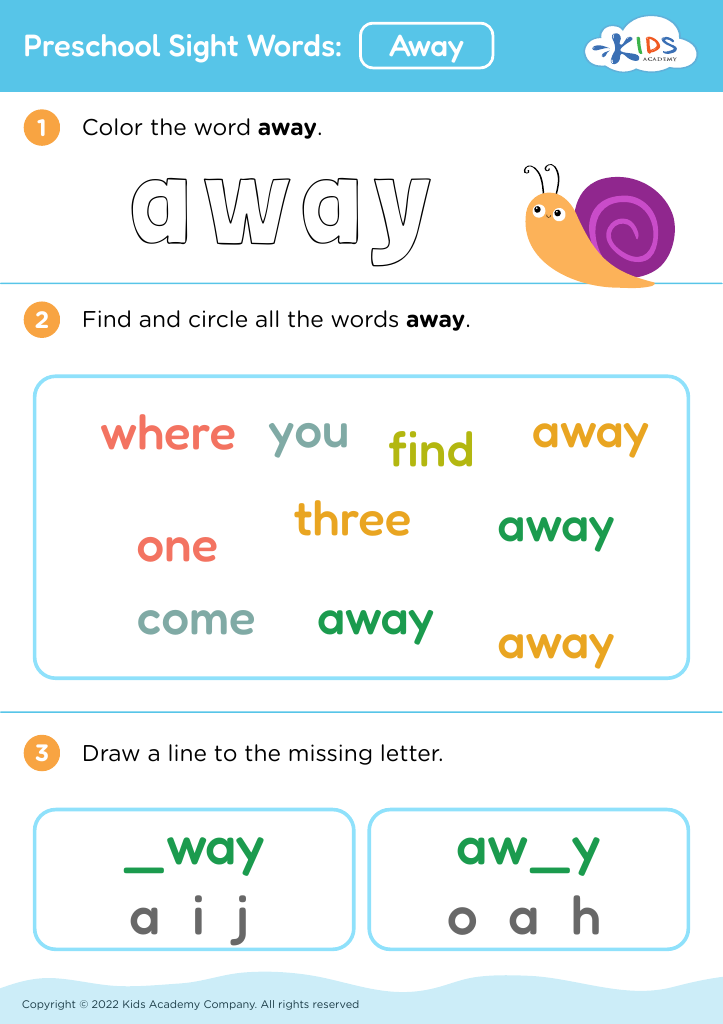






.jpg)
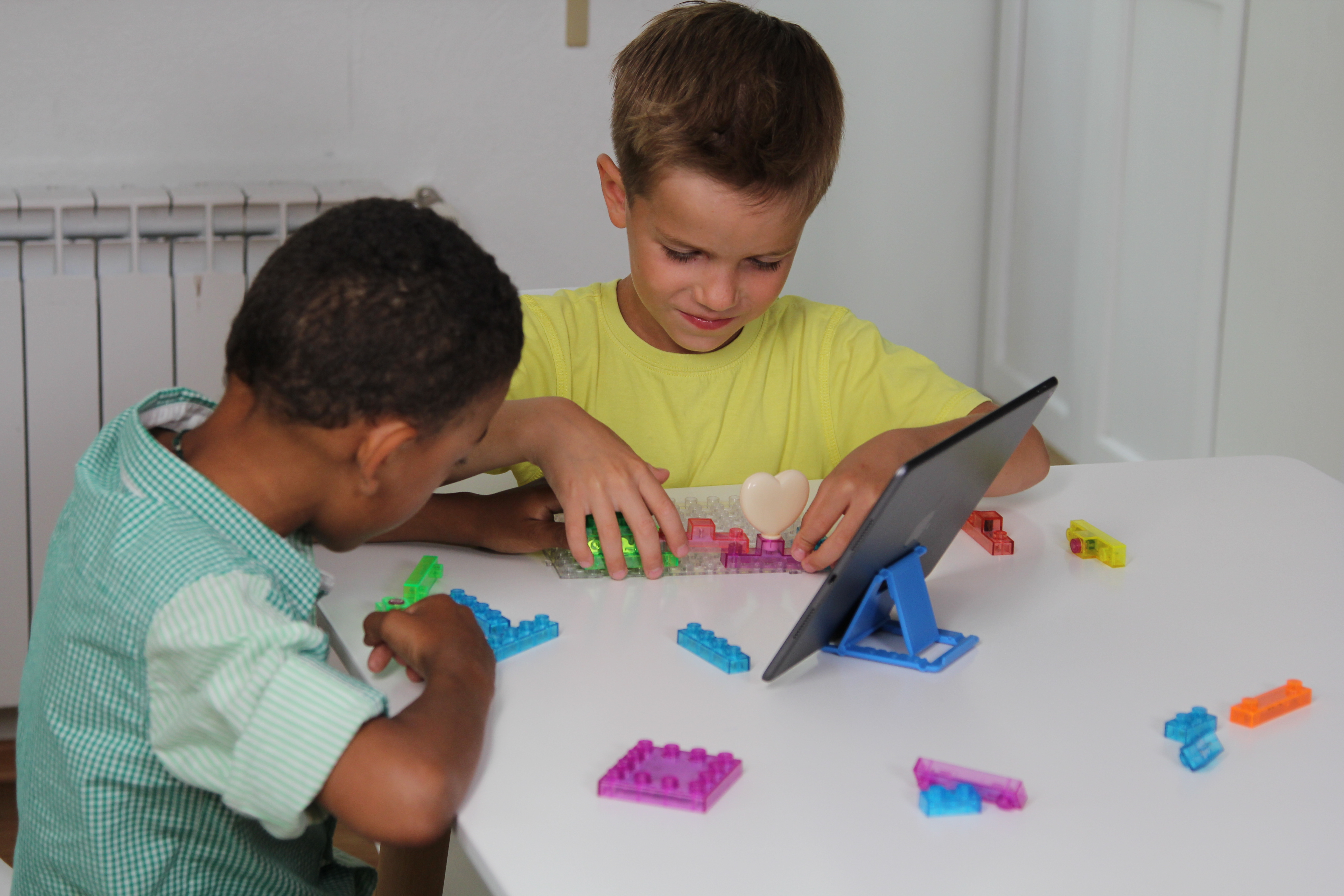
Hand-eye coordination is a crucial skill that significantly impacts reading development in children ages 5-8. This cognitive ability allows children to synchronize their visual input with their physical actions—essential when navigating the printed page and tracking text. Engaging in activities that enhance hand-eye coordination, such as drawing, cutting, and playing specific games, supports essential aspects of reading, including recognizing letters, forming words, and ultimately, comprehension.
In these formative years, a child's brain is highly adaptable, making it an ideal time for developing motor skills alongside literacy. Strong hand-eye coordination can bolster a child’s confidence and ease in reading, reducing frustration and promoting a love for books. When parents and teachers nurture this skill, they contribute to a holistic approach to literacy, melding physical activity with cognitive development.
Moreover, improved hand-eye coordination often correlates with better focus and concentration—a key component in overcoming the challenges many children face when learning to read. By prioritizing activities that refine this skill, caregivers help lay a strong foundation for academic success and lifelong learning, enhancing not just reading proficiency but also problem-solving abilities, creativity, and overall academic engagement.








