Addition Practice Sight Words Worksheets for Ages 5-8
8 filtered results
Difficulty Level
Grade
Age
-
From - To
Subject
Activity
Standards
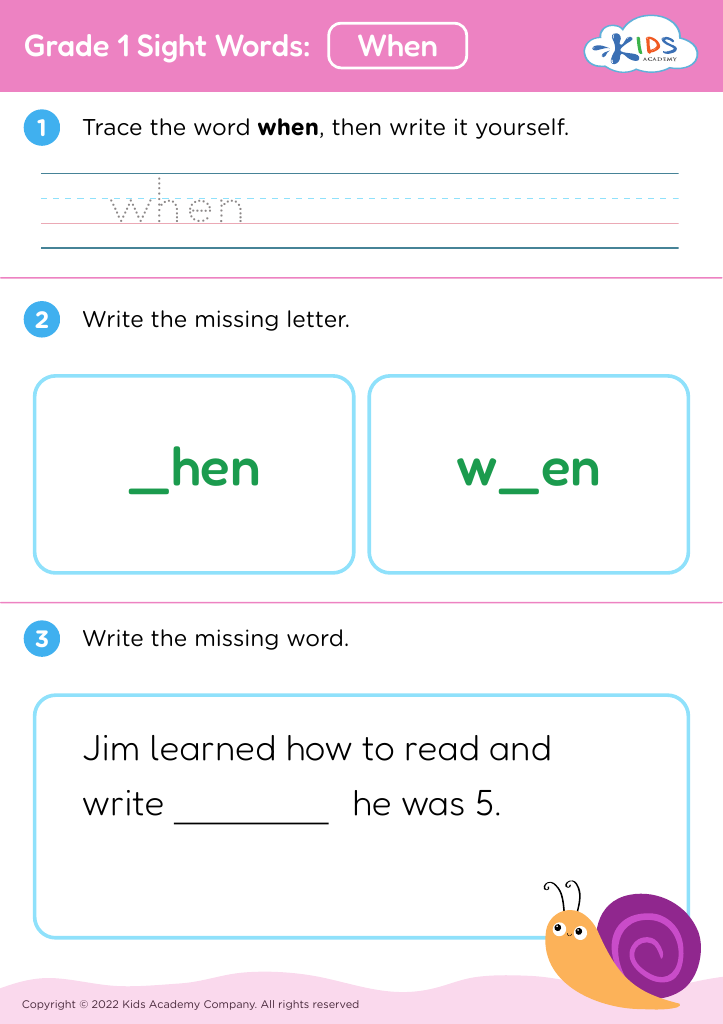
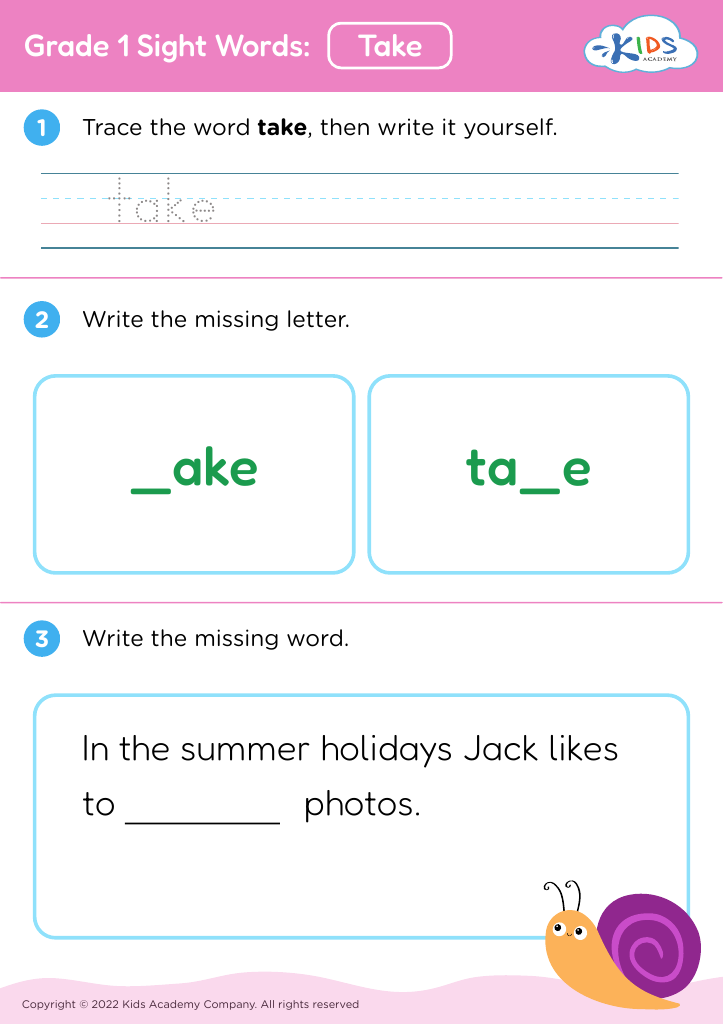
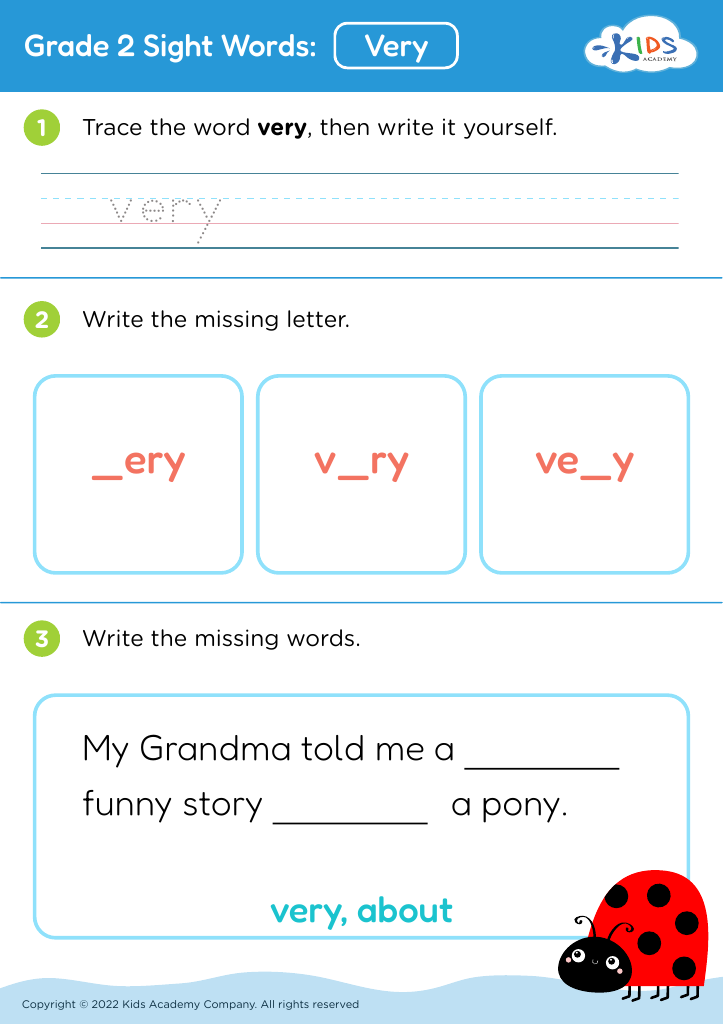
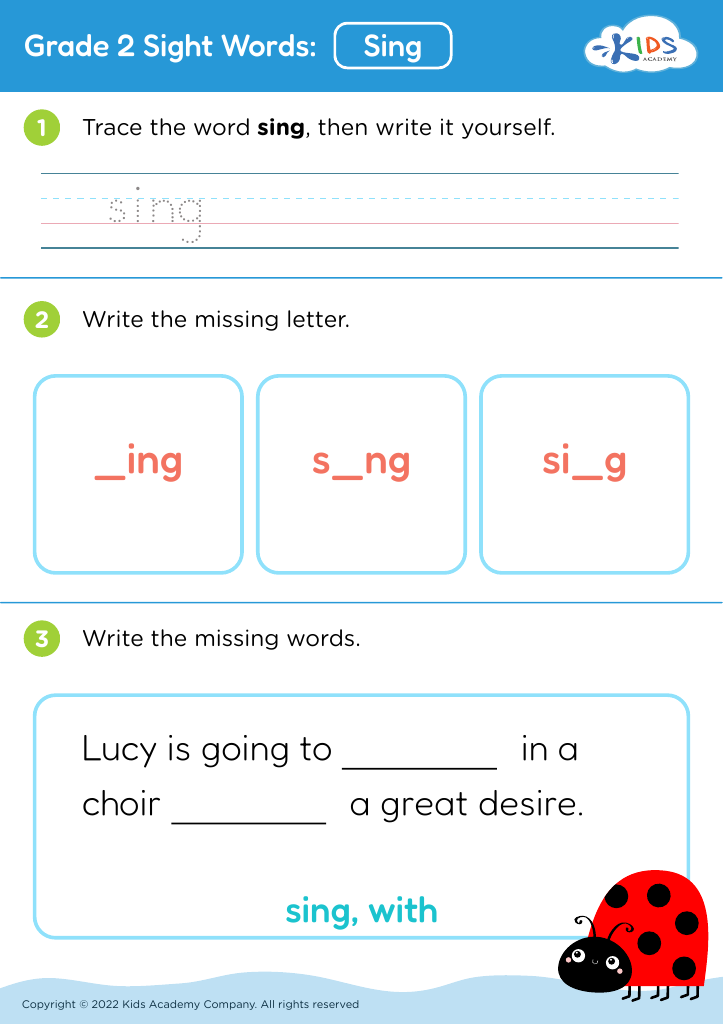
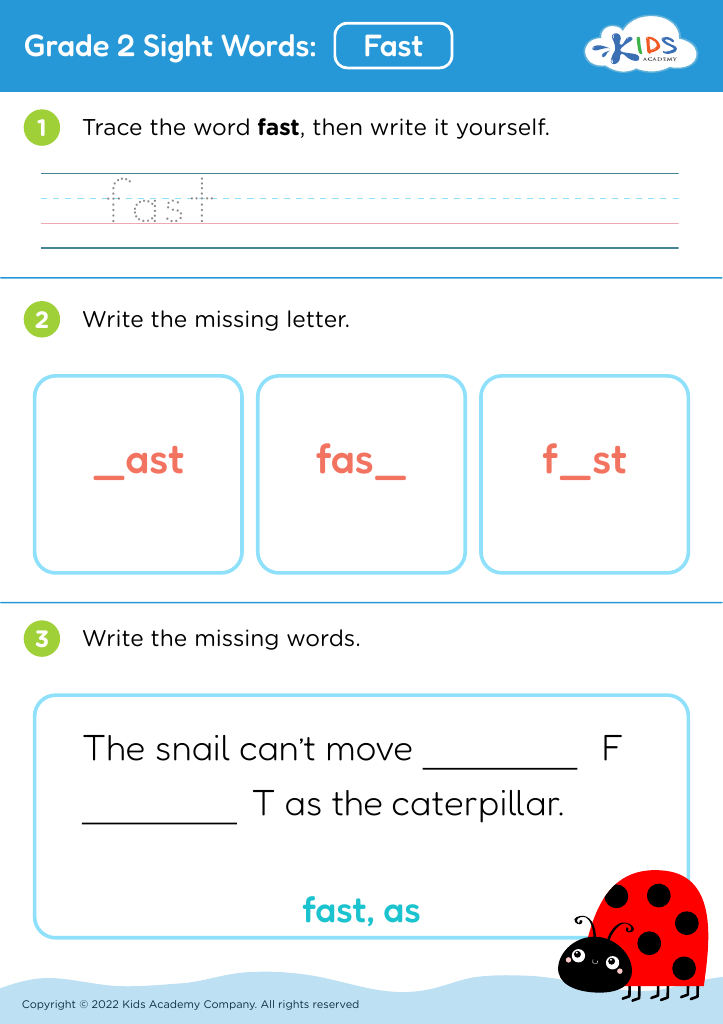
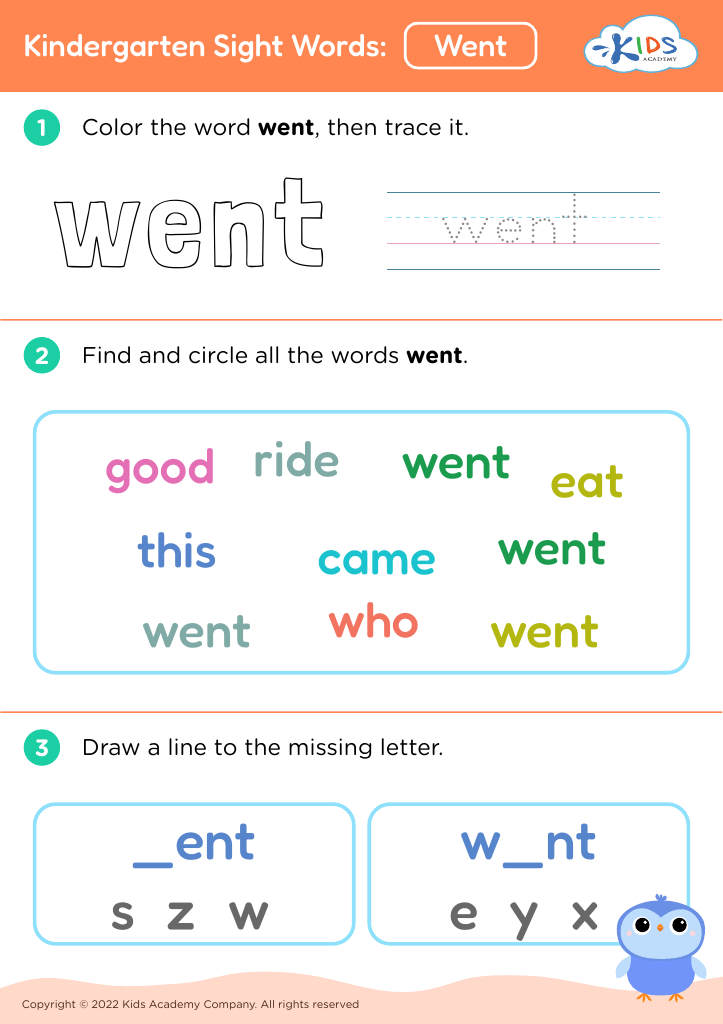
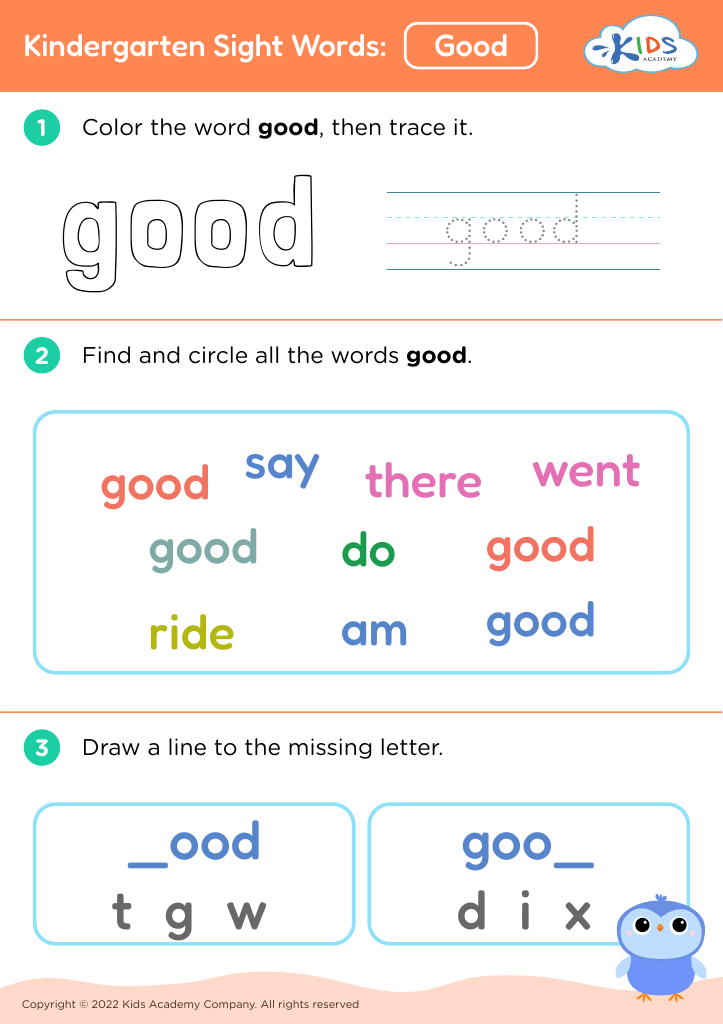
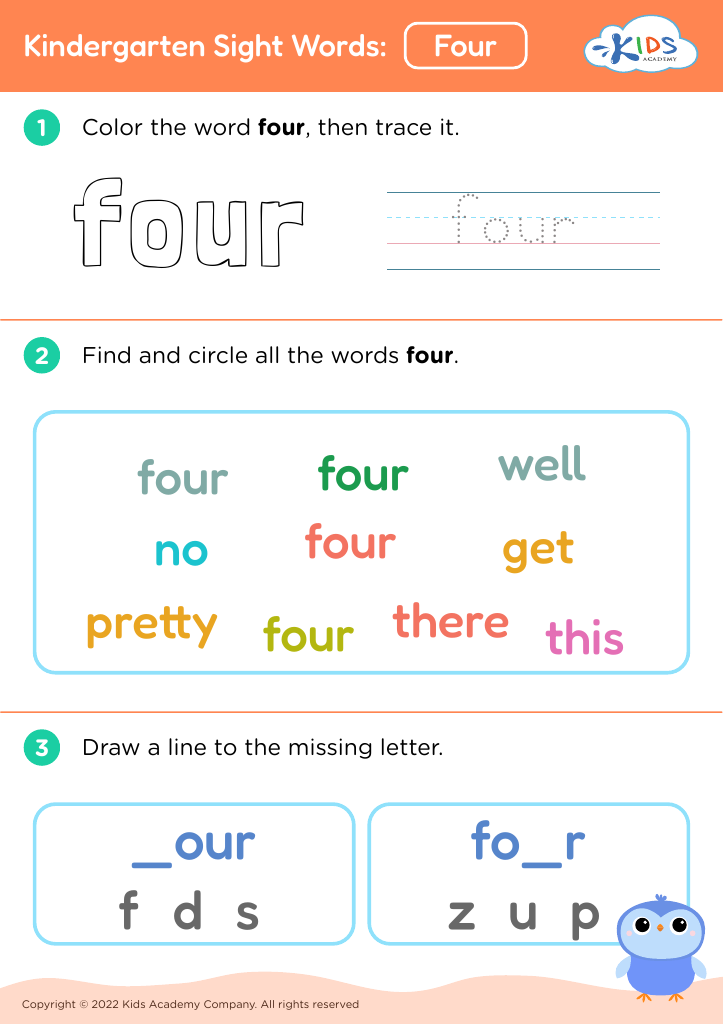
Discover fun and engaging Addition Practice Sight Words Worksheets tailored for children ages 5-8! These worksheets seamlessly blend math and literacy, helping young learners master addition while reinforcing essential sight words. Designed to enhance vocabulary and arithmetic skills, these activities are perfect for at-home learning or in the classroom. With vibrant illustrations and age-appropriate challenges, children will stay motivated and eager to practice. Foster your child’s confidence in both math and reading, laying a solid foundation for their academic journey. Accessible and printable, our worksheets make learning enjoyable and interactive—making every practice session a delightful experience!
Favorites
With answer key
Interactive








Join Kids Academy for Free
Who is primarily going to use this learning content?








Addition practice and sight words are crucial for children ages 5-8, as they form foundational skills in mathematics and literacy. For parents and teachers, understanding the importance of these concepts ensures that children develop confidence and competence in both areas.
Addition practice helps children develop mathematical reasoning, leading to improved problem-solving skills. By mastering simple addition, children learn to recognize patterns and develop numerical fluency, which is necessary for more complex math concepts later on. Regular practice can also ease math-related anxiety, fostering a positive attitude toward learning.
Sight words, on the other hand, are essential for reading fluency. These common words often do not follow phonetic rules, making them challenging for young readers. By focusing on sight word recognition, children can increase their reading speed and comprehension, allowing them to engage with a broader range of texts. This, in turn, enhances their vocabulary and critical thinking skills.
Moreover, both addition practice and sight word mastery encourage cognitive development and boost children's self-esteem as they achieve milestones. For parents and teachers, emphasizing these skills is key to nurturing a generation of confident learners who are well-prepared for future academic challenges. Investing time in these practices sets the stage for lifelong learning success.