Critical Thinking Science Worksheets for Ages 5-8 - Page 2
26 filtered results
-
From - To
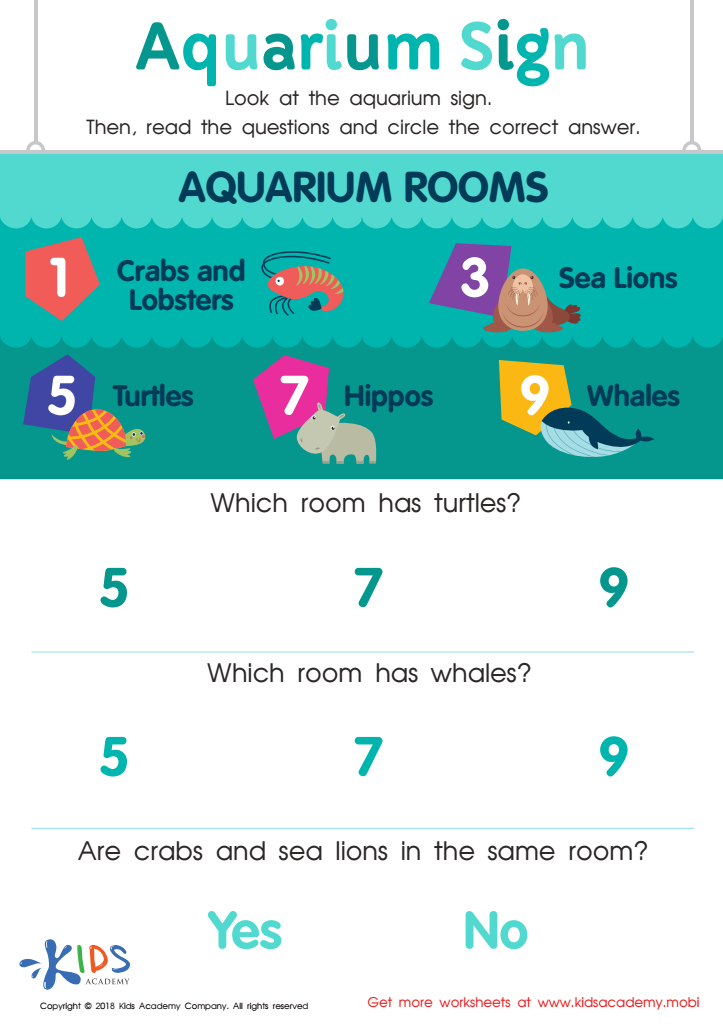
Assessment: Aquarium Sign Worksheet
 Assign to My Students
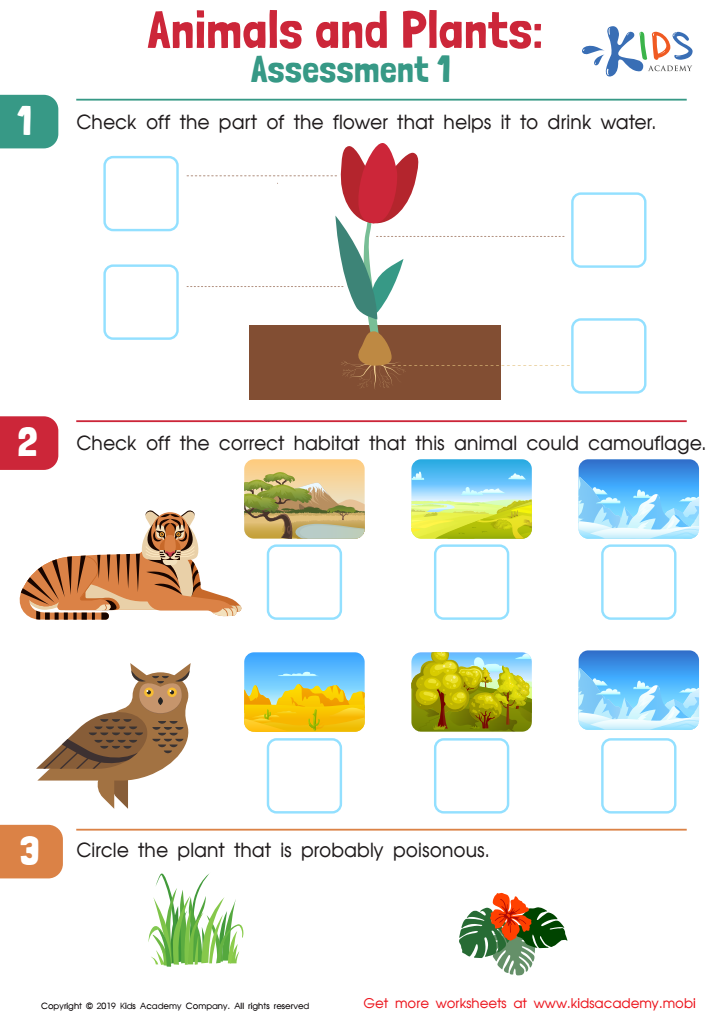
Animals and Plants: Assessment 1 Worksheet








Critical thinking science for ages 5-8 is vital for fostering foundational cognitive skills in young learners. During these formative years, children’s brains are exceptionally receptive to new information and ways of thinking. Introducing critical thinking through science cultivates curiosity, problem-solving skills, and logical reasoning from an early age.
At this age, children are naturally curious and eager to explore the world around them. Engaging them with scientific questions and experiments nurtures their inquisitiveness and encourages them to ask "how" and "why." This inquisitive mindset is fundamental for lifelong learning and success in any field.
Critical thinking in science helps children differentiate between facts and opinions, enhancing their ability to make evidence-based decisions. This skill is crucial not just academically, but personally and socially as well. Teaching young students to evaluate evidence, predict outcomes, and test their ideas impacts their ability to navigate everyday problems and challenges more effectively.
Moreover, these skills set a strong foundation for future learning in more advanced scientific concepts and beyond. It promotes a growth mindset, where children learn that effort leads to improvement, and failure is a step towards understanding. Thus, instilling critical thinking skills through science at an early age is an invaluable investment in a child’s educational journey and overall development.







