
Enhancing research skills Science Worksheets for Ages 5-8
3 filtered results
Difficulty Level
Grade
Age
-
From - To
Subject
Activity
Standards
Enhancing research skills is crucial for young minds and can be thoughtfully developed with our Science Worksheets for Ages 5-8. Designed to spark curiosity and foster a love for discovery, these worksheets provide a fun, hands-on approach to learning. Tailored to support essential early academic skills, each worksheet boosts critical thinking, analysis, and observational abilities while making the research process enjoyable. Explore topics from simple experiments to basic scientific concepts, enabling your child to question, investigate, and learn methodically. Set a strong foundation in scientific inquiry with these engaging and educational resources, perfect for young explorers.
Favorites
With answer key
Interactive
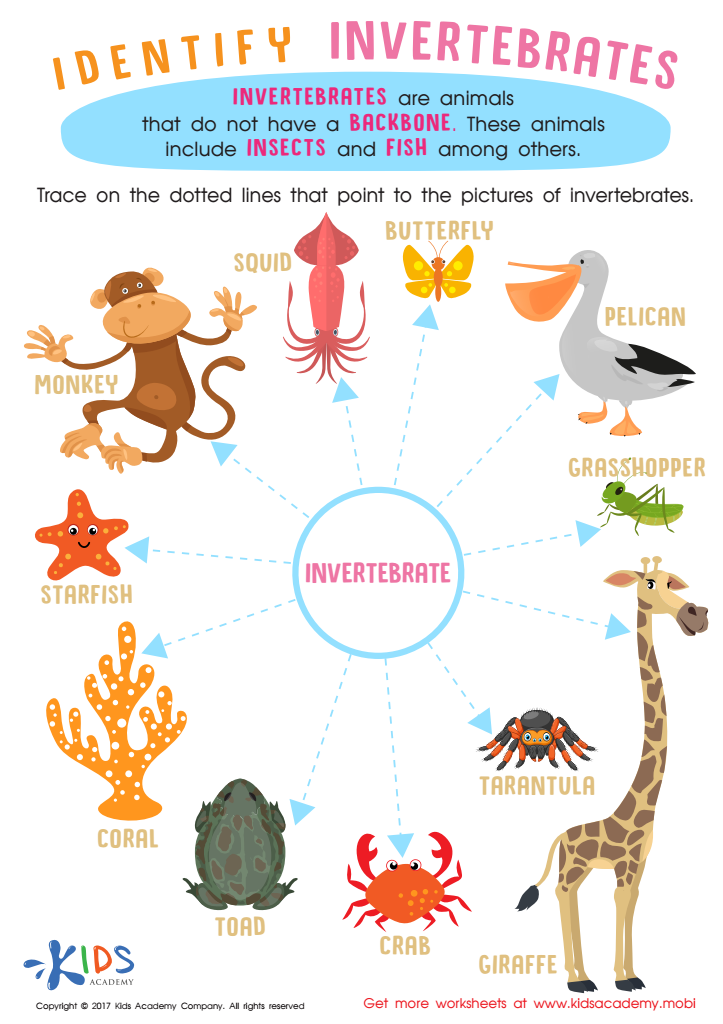
Invertebrates Worksheet for Grade 3
Kids explore the world of invertebrates with this worksheet for grade 3. Invertebrates are animals without a backbone, such as fish and insects. Kids must identify and select them from a group of animals. This activity is sure to stimulate their curiosity and help them discover more about these remarkable creatures.
 Assign to My Students
Invertebrates Worksheet for Grade 3
Worksheet
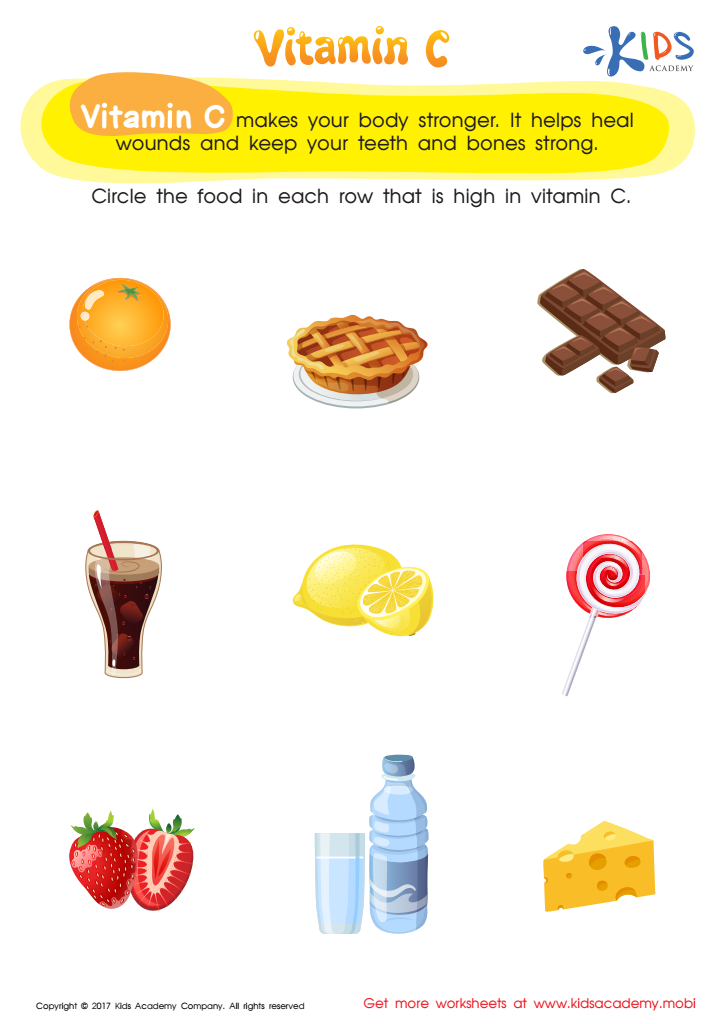
Vitamin C Worksheet
Kids need vitamins to stay strong and healthy. This worksheet will help them identify foods high in vitamin C and make them crave healthy options.
Vitamin C Worksheet
Worksheet
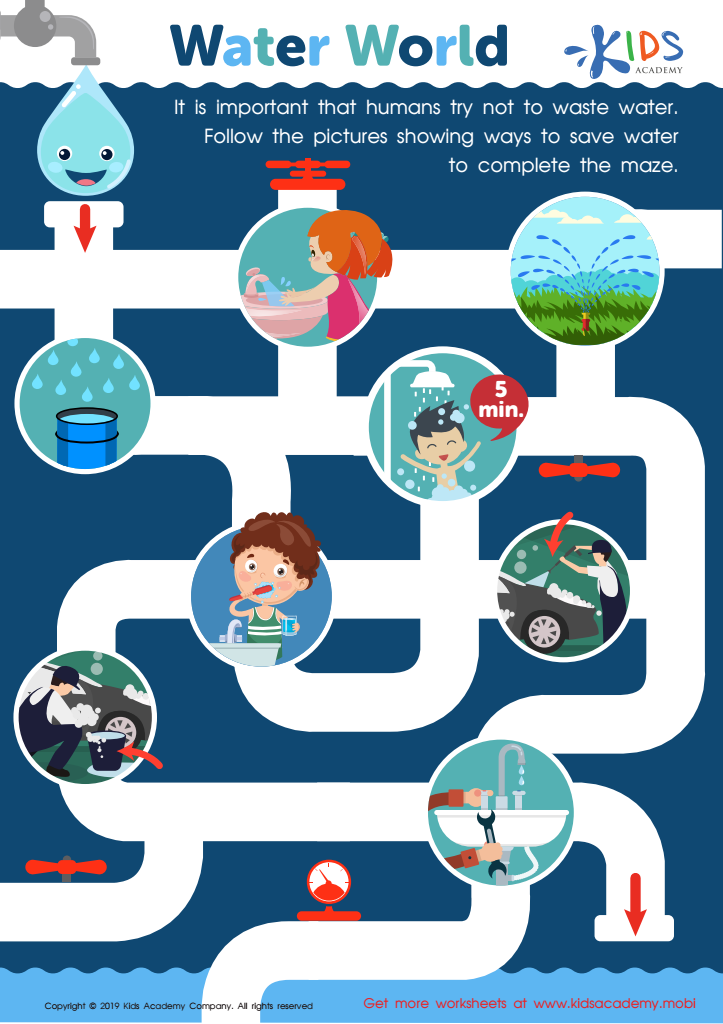
Water World Worksheet
Water is a vital necessity for living. Our bodies depend on it to stay healthy and survive. When we don't drink enough water, we become thirsty and run the risk of getting sick. Luckily, our planet is full of water and natural sources to stay hydrated. To prevent water waste, use this worksheet to teach your students how to conserve it and complete the maze.
Water World Worksheet
Worksheet
Join Kids Academy for Free
Who is primarily going to use this learning content?





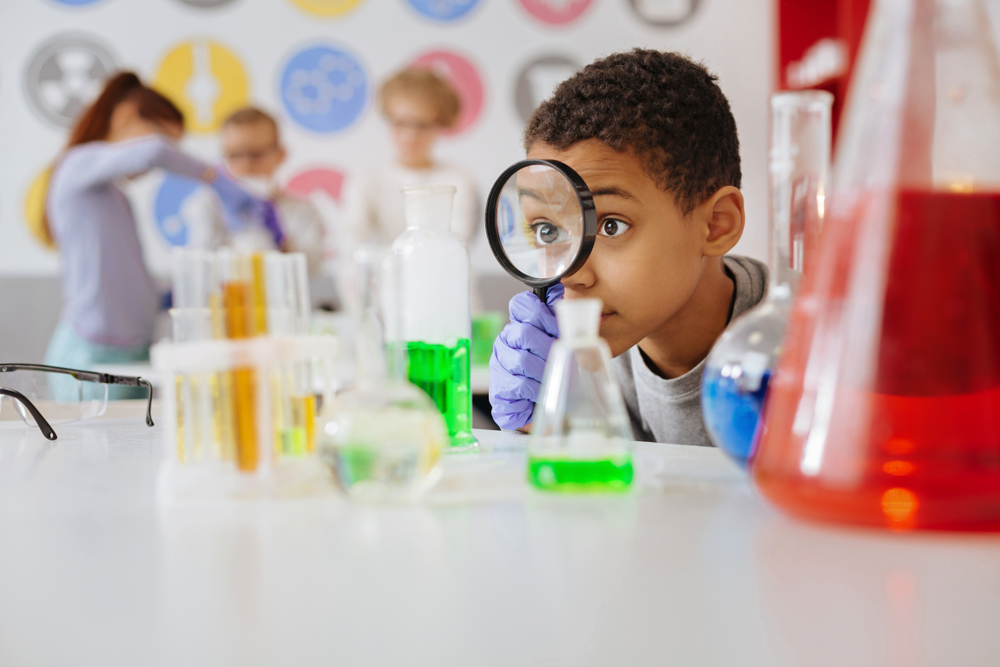


Enhancing research skills in science for children ages 5-8 is crucial as it lays the foundation for lifelong learning and critical thinking. At this early stage, children's brains are incredibly receptive and adaptable. By introducing basic research skills, parents and teachers can nurture curiosity and a desire to understand the world, fostering a love for learning.
Young children who develop research skills in science begin to understand how to ask questions, explore answers, and differentiate between credible sources and mere opinions. This capability is fundamental not only for academic success but also for everyday decision-making. For instance, they learn to observe their surroundings, collect data (whether through simple counting or noting patterns), and draw basic conclusions.
Moreover, executing small research projects teaches patience, focus, and perseverance. These soft skills are indispensable beyond the realm of science, influencing overall academic performance and social interactions.
Another key aspect is the development of communication skills. When children share their findings, whether verbally or through drawings, they practice conveying complex ideas clearly and confidently.
Ultimately, fostering research skills in young children equips them with critical tools for problem-solving, innovation, and informed citizenship, ensuring they grow into thoughtful individuals capable of navigating and positively impacting the complex world.







