Vocabulary expansion Our Planet and Environment Worksheets for Ages 5-8
6 filtered results
-
From - To
Discover our engaging "Vocabulary Expansion: Our Planet and Environment Worksheets" designed specifically for ages 5-8. These fun and interactive resources help young learners build essential vocabulary related to environmental science, nature, and sustainability. Through a variety of coloring pages, word searches, and matching activities, children will explore the richness of language while developing a deeper understanding of our planet and its ecosystems. Perfect for at-home learning or classroom use, these worksheets encourage curiosity and a love for the environment. Start nurturing your child's language skills today with our vibrant and educational materials that make learning about the Earth exciting!
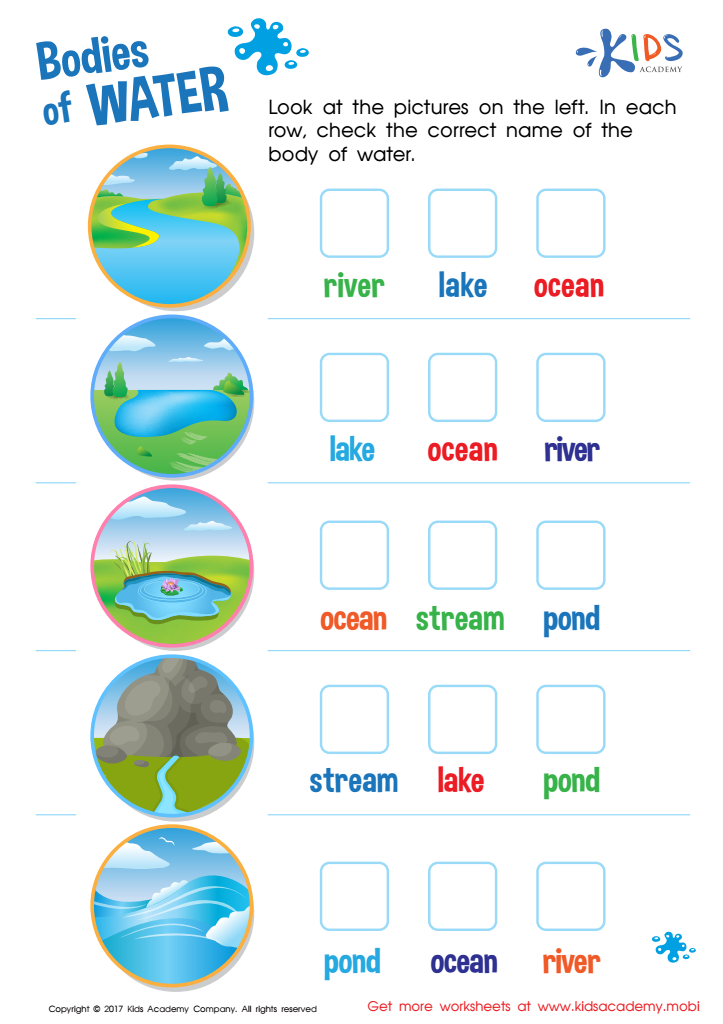
Bodies of Water Worksheet
 Assign to My Students
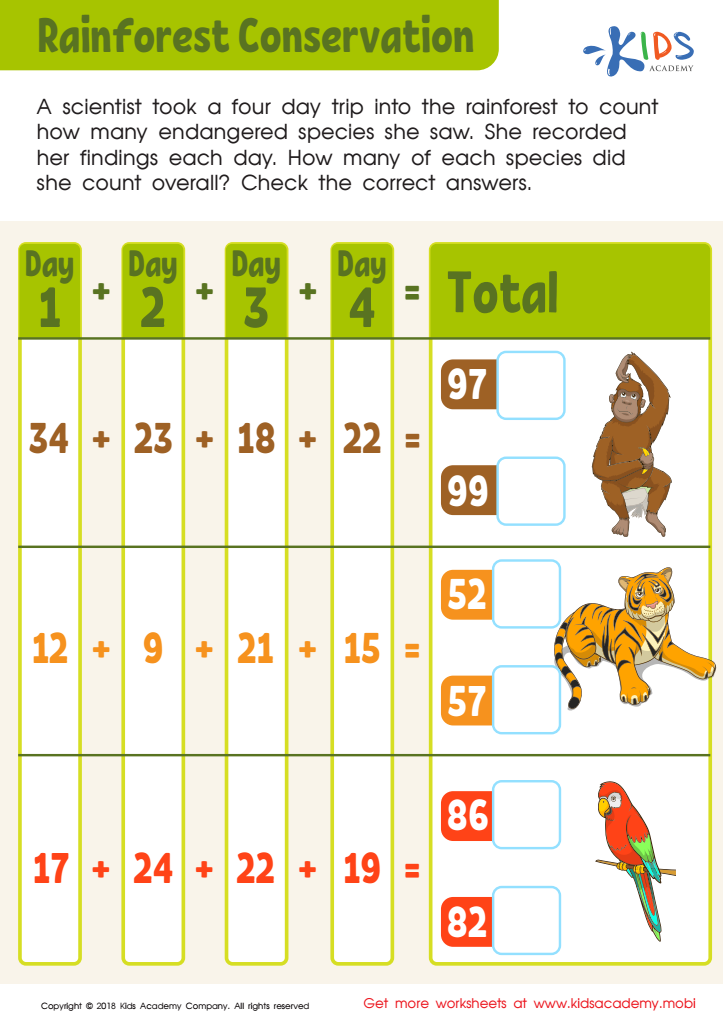
Rainforest Conservation Worksheet
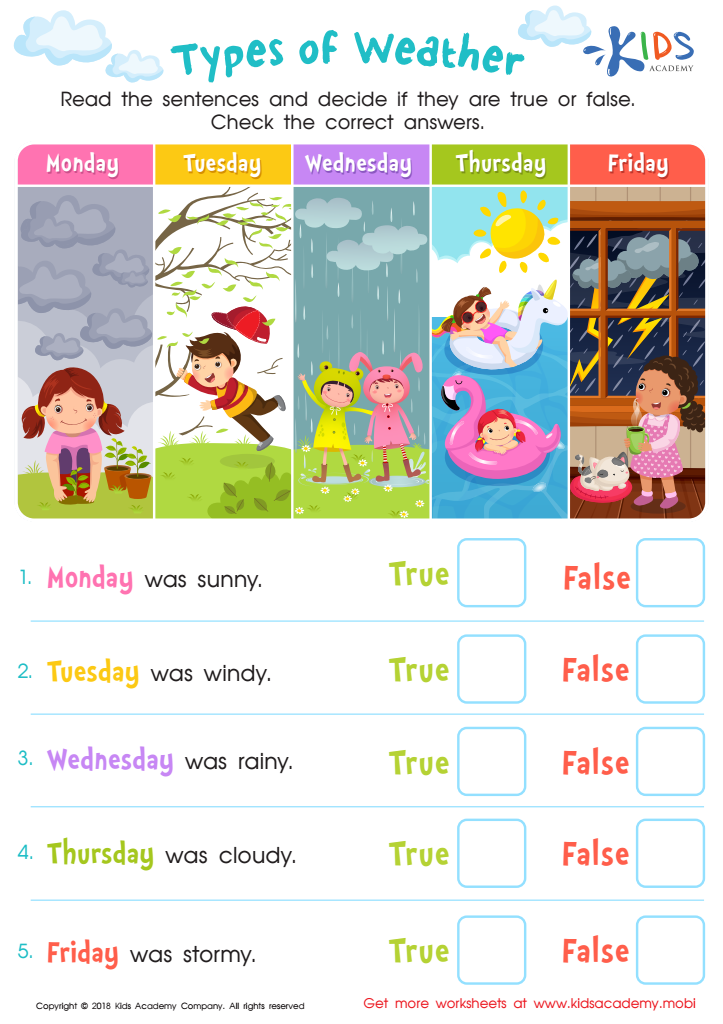
Types of Weather Worksheet
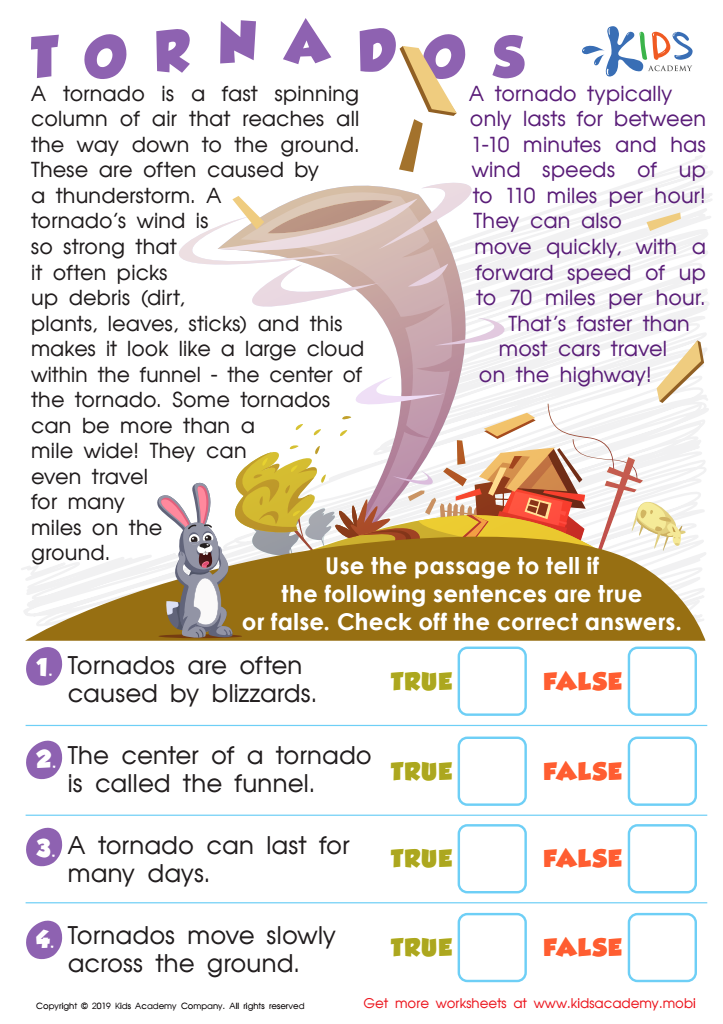
Tornados Worksheet
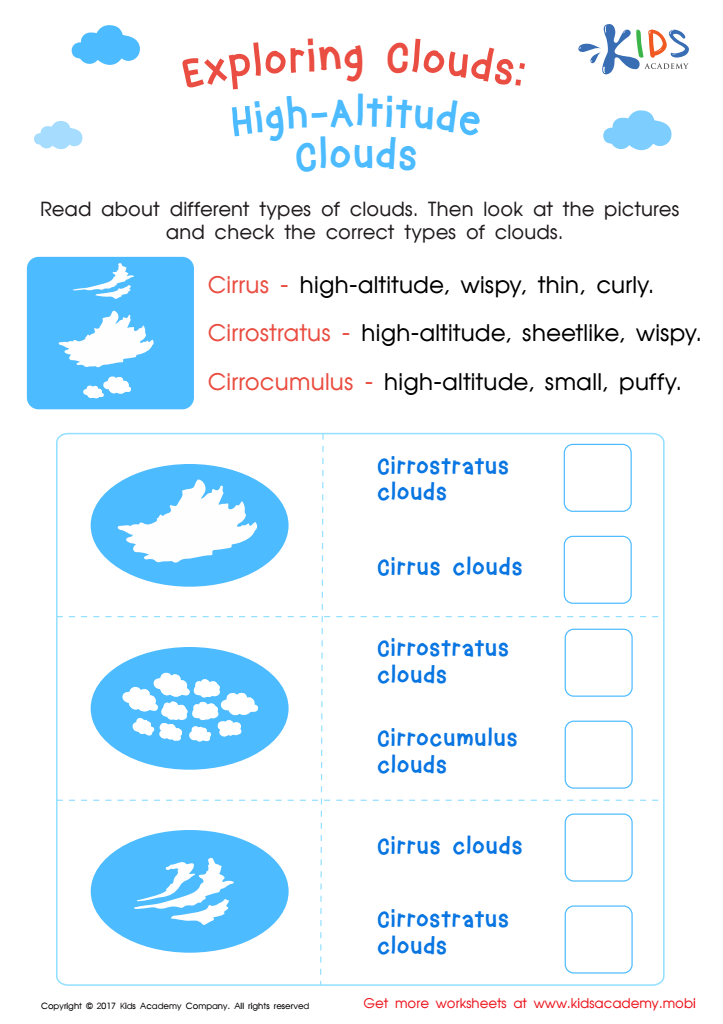
Exploring Clouds: High Altitude Clouds Worksheet
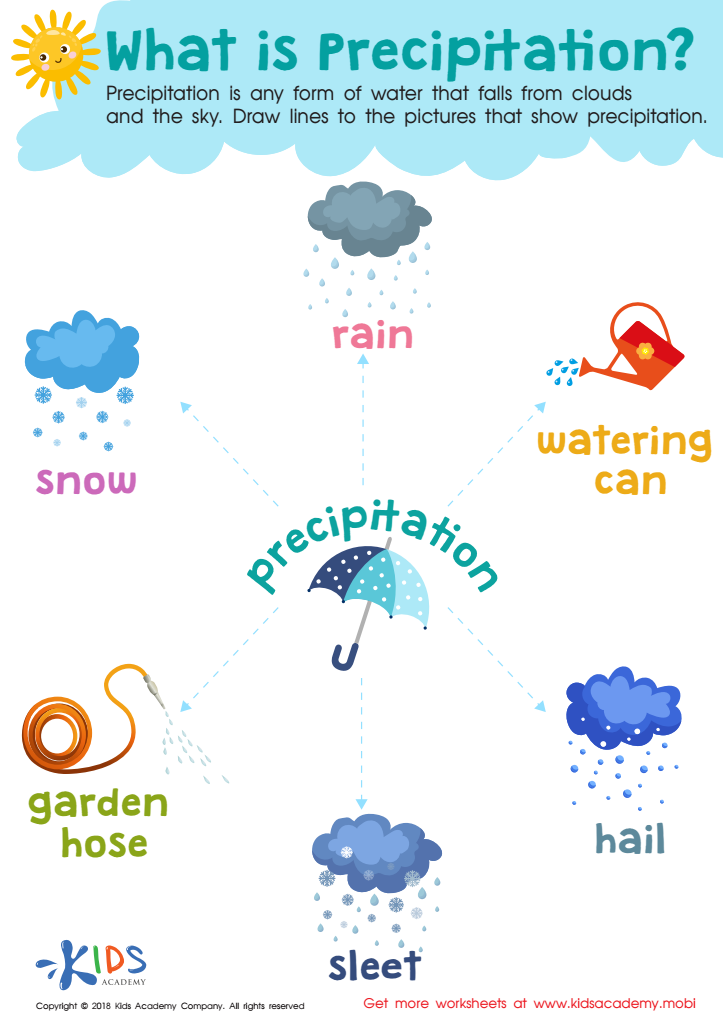
What Is Precipitation? Worksheet




Vocabulary expansion surrounding "Our Planet and Environment" is crucial for children aged 5-8 for several reasons. At this foundational stage, children are particularly curious and eager to learn about the world around them. By enriching their vocabulary related to the environment, parents and teachers allow them to better articulate their thoughts and understanding of important concepts such as ecosystems, conservation, and sustainability.
Enhanced vocabulary helps children make connections between words and ideas, fostering critical thinking skills. When children can label and discuss environmental elements, they become more aware of the challenges faced by the planet, such as pollution or climate change, encouraging a sense of responsibility and stewardship from an early age.
Moreover, a robust vocabulary supports literacy development. By engaging with rich texts about the planet, children enrich their language and comprehension skills, which are foundational for their academic success.
Finally, expanding vocabulary on environmental topics can inspire activism and empathy. When children understand the significance of their actions, they may be motivated to participate in initiatives like recycling, planting trees, or conserving water. Ultimately, fostering a rich vocabulary about our planet nurtures informed, caring citizens who are equipped to engage with and protect their world.







