
Environmental awareness Plants and Animals Worksheets for Ages 5-8
4 filtered results
Difficulty Level
Grade
Age
-
From - To
Subject
Activity
Standards
Discover our engaging "Environmental Awareness Plants and Animals Worksheets" designed for children aged 5-8! These fun, interactive worksheets aim to nurture a love for nature while fostering essential skills in young learners. Each activity encourages children to explore the fascinating world of plants and animals, teaching them about ecosystems, conservation, and the importance of protecting our environment. With colorful illustrations and easy-to-follow instructions, these worksheets make learning enjoyable and engaging. Perfect for classroom use or at-home activities, they equip kids with the knowledge and awareness needed to respect and care for our planet. Join us in cultivating eco-conscious future generations!
Favorites
With answer key
Interactive
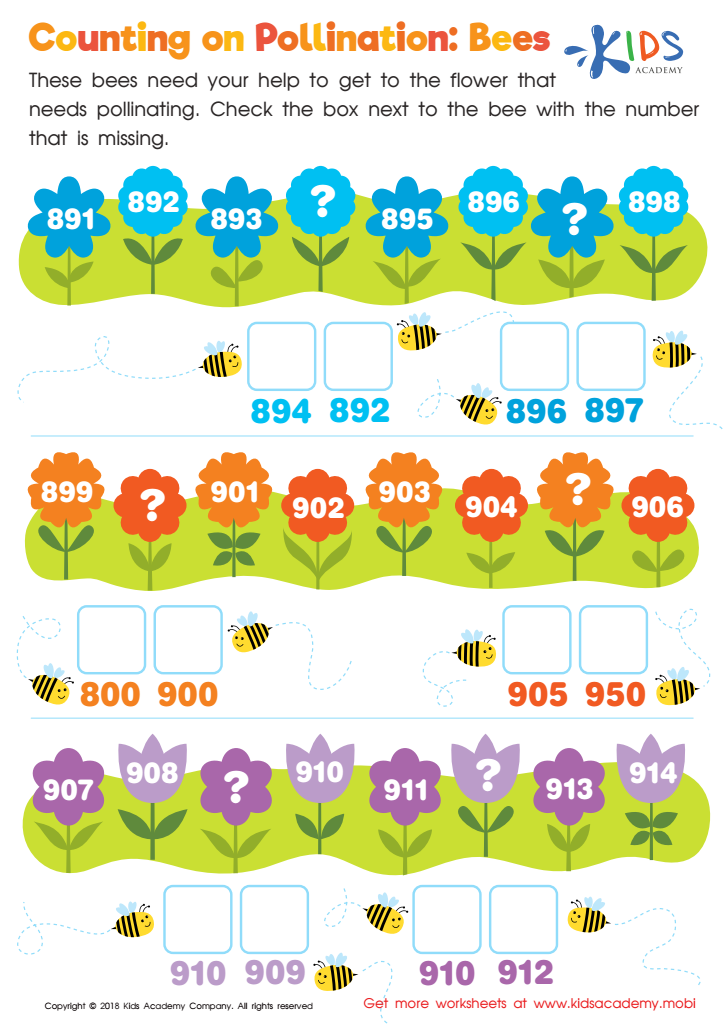
Counting on Pollination: Bees Worksheet
This downloadable worksheet helps kids improve their math skills while having fun - they'll help the bees pollinate the flowers by finding the missing number. It's an entertaining way to practice number patterns, sequences and number line skills, aiding in fast and efficient math computations.
 Assign to My Students
Counting on Pollination: Bees Worksheet
Worksheet

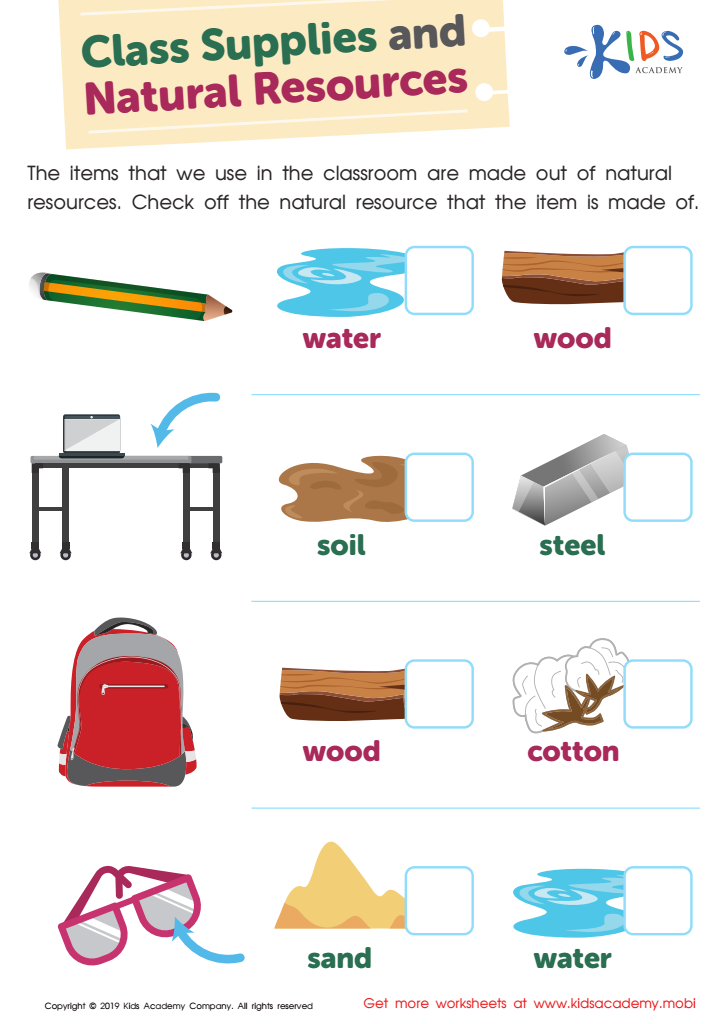
Class Supplies and Natural Resources Worksheet
Look around the classroom with your students. Can they identify objects and name their natural resources? E.g. wood, cotton, steel. Ask your child to find an object made from wood. Then, look at this worksheet together. Ask your students to identify each object and check off the natural resource it's made from.
Class Supplies and Natural Resources Worksheet
Worksheet
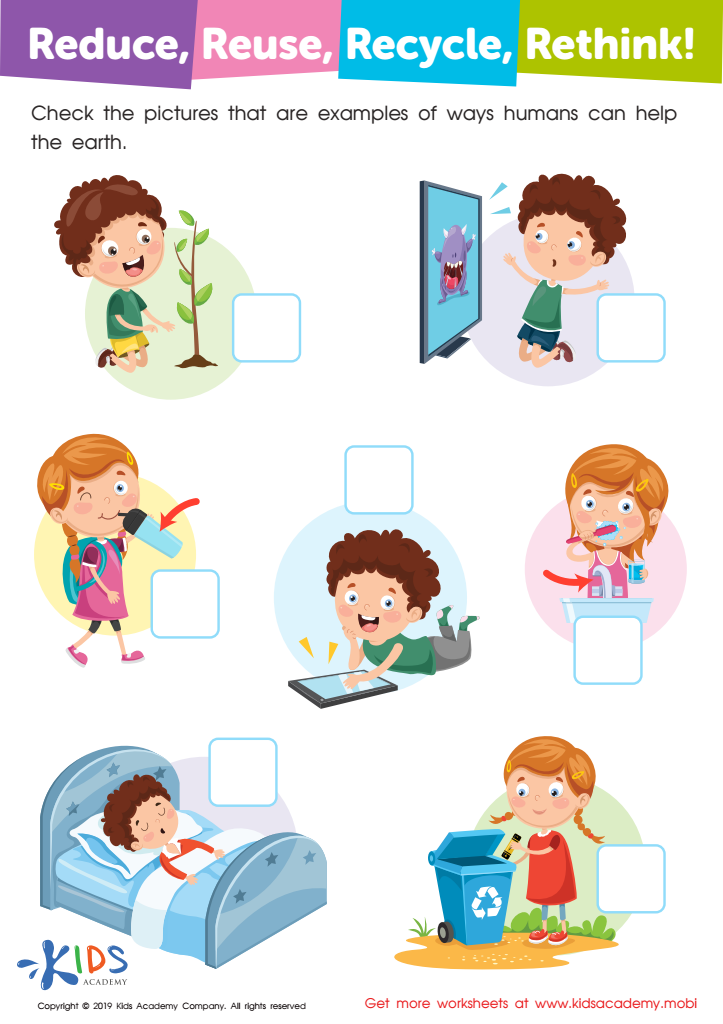
Reduce, Reuse, Recycle, Rethink Worksheet
Recycling is a great way to reduce waste and help our planet — instead of throwing away a can of soda, recycle it! Look at the pictures in the worksheet — what are the kids doing? They're learning about ways to help the environment. Check the pictures for examples of how to help the earth.
Reduce, Reuse, Recycle, Rethink Worksheet
Worksheet
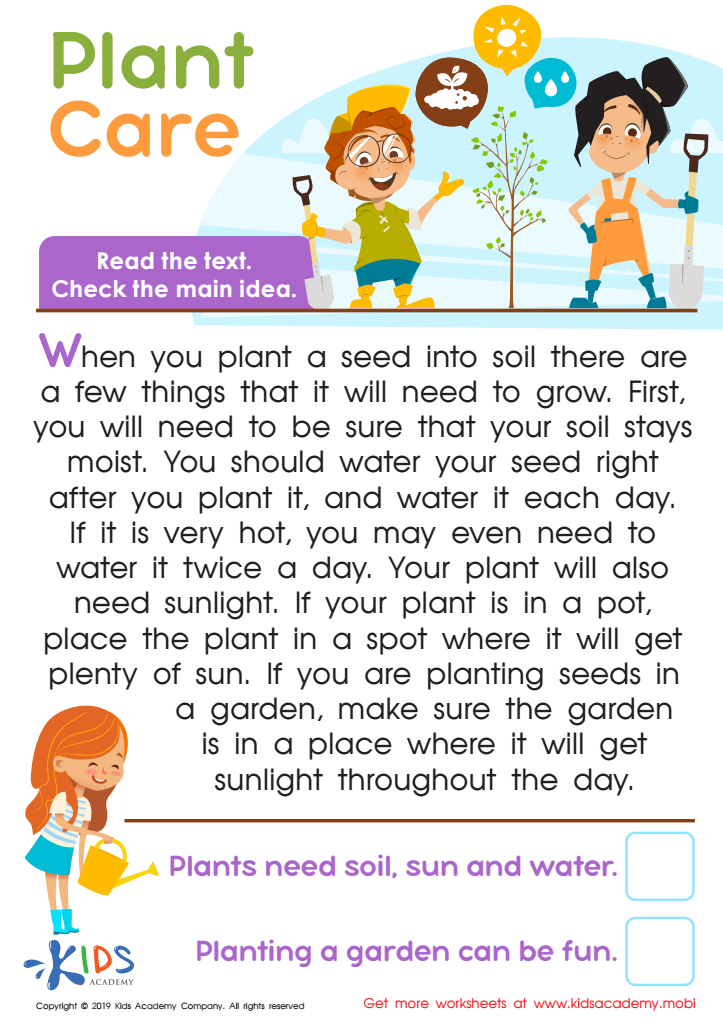
Plant Care Worksheet
Encourage your children to read by helping them practice. Print out the worksheet and read the text with them. Help them understand the words and find the main idea. This will improve their reading skills and prepare them for school.
Plant Care Worksheet
Worksheet
Join Kids Academy for Free
Who is primarily going to use this learning content?


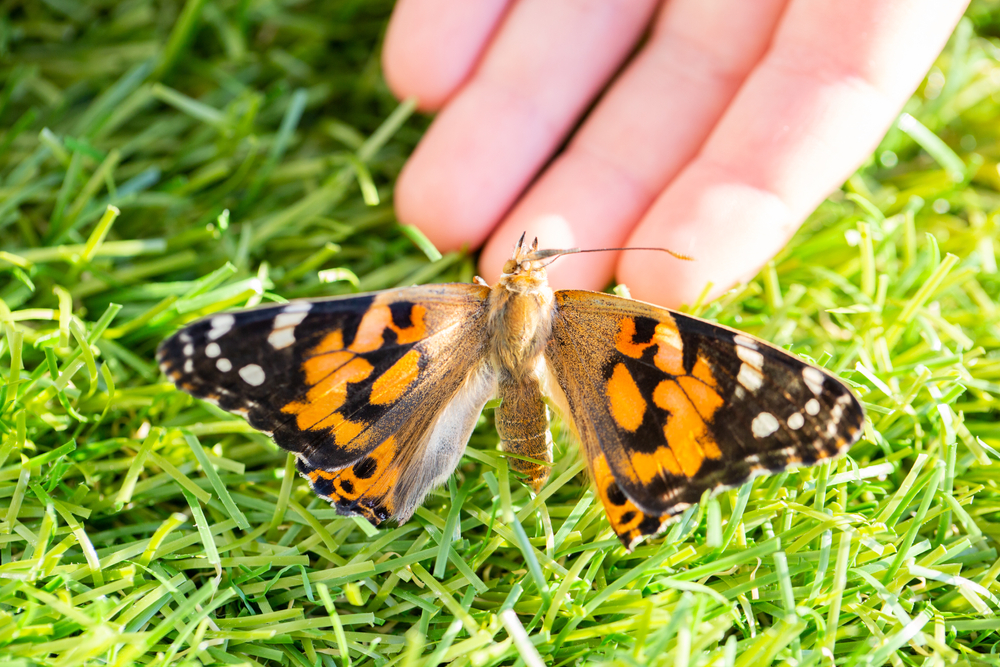





Environmental awareness among young children, especially concerning plants and animals, is vital for several reasons. Firstly, understanding the natural world fosters a sense of wonder and curiosity. For children aged 5-8, this age is crucial for developing critical thinking and observation skills. Learning about local flora and fauna can help ignite a love for nature that lasts a lifetime.
Moreover, environmental education promotes empathy and responsibility. When children become aware of the needs of plants and animals, they begin to understand the effects of their actions on the environment. This can lead to plastic reduction, energy conservation, and respect for wildlife, encouraging sustainable behaviors early in life.
Incorporating lessons about habitats, ecosystems, and biodiversity not only enriches science curriculum but also encourages creative thinking and problem-solving. Parents and teachers can facilitate hands-on experiences, like gardening or nature walks, that create lasting memories.
Finally, instilling environmental awareness can empower children to become advocates for their planet, fostering a sense of community and stewardship. By enlightening the younger generation about how to care for the world around them, we help ensure a healthier planet for the future, making it crucial for parents and educators to prioritize this essential knowledge.








