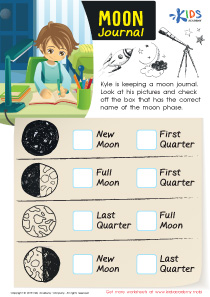
Weather identification Weather Worksheets for Ages 5-8
5 filtered results
-
From - To
Explore our engaging "Weather Identification Worksheets" designed for children ages 5-8! These printable resources provide a fun and interactive way for young learners to understand and recognize different weather types. Featuring vibrant illustrations and age-appropriate activities, each worksheet encourages children to identify elements such as sunny, rainy, snowy, and windy weather. Our activities promote critical thinking, enhance observational skills, and support early science education. Perfect for home or classroom use, these worksheets ignite curiosity and help build a foundation for understanding the world around them. Grab your worksheets today and let the adventures in weather education begin!
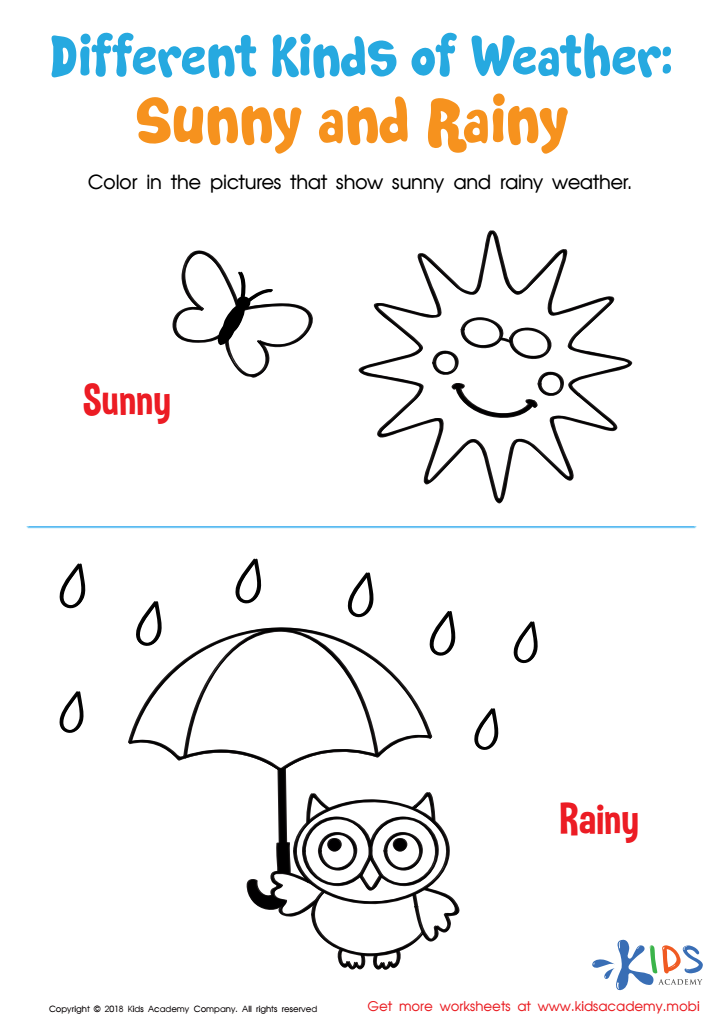
Different Kinds of Weather: Sunny and Rainy Worksheet
 Assign to My Students
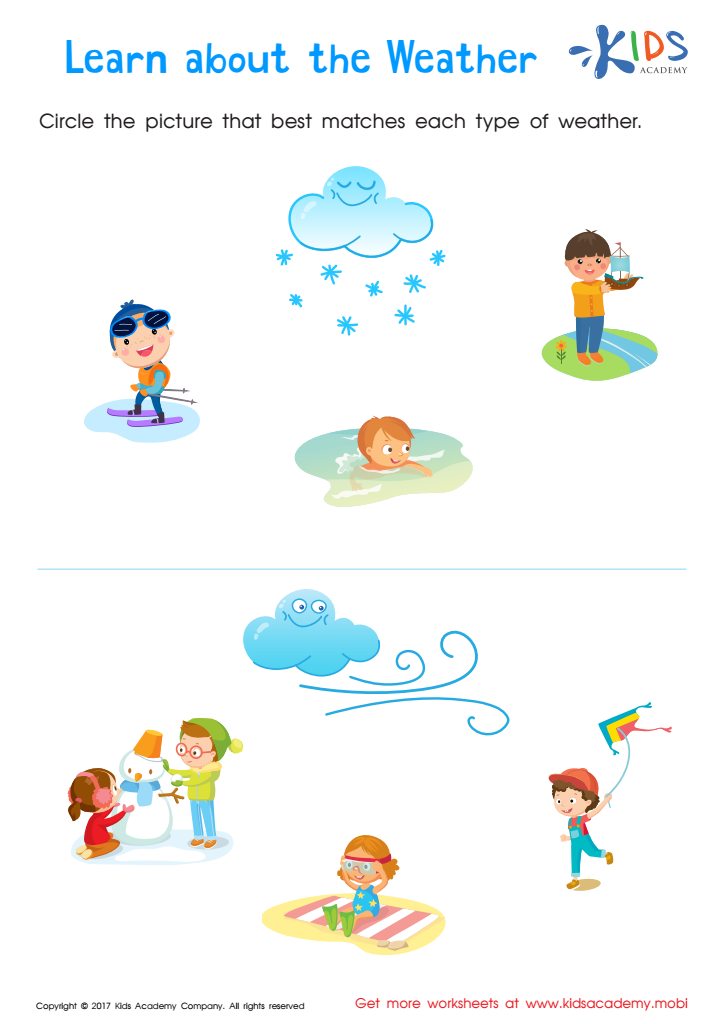
About the Weather Printable
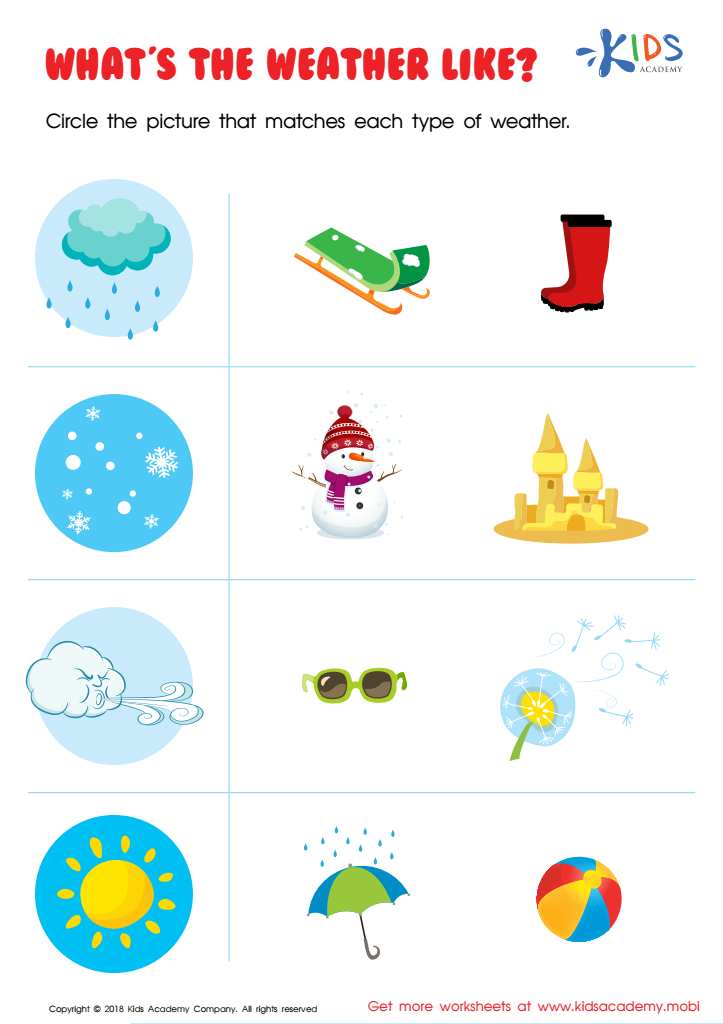
What's the Weather Like? Worksheet
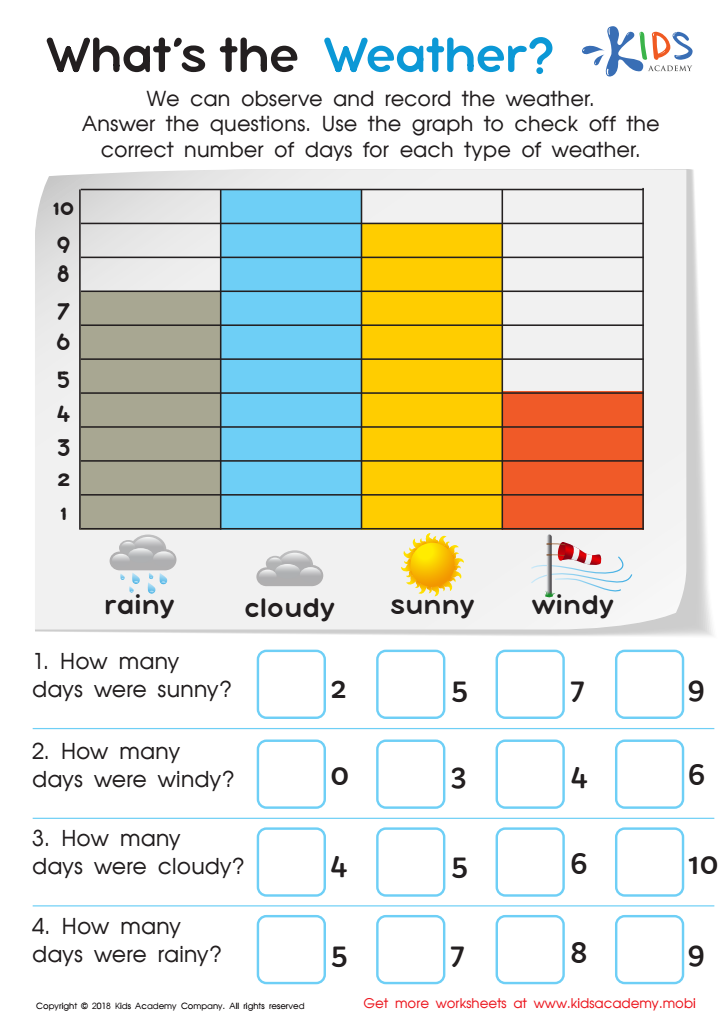
What's the Weather? Worksheet
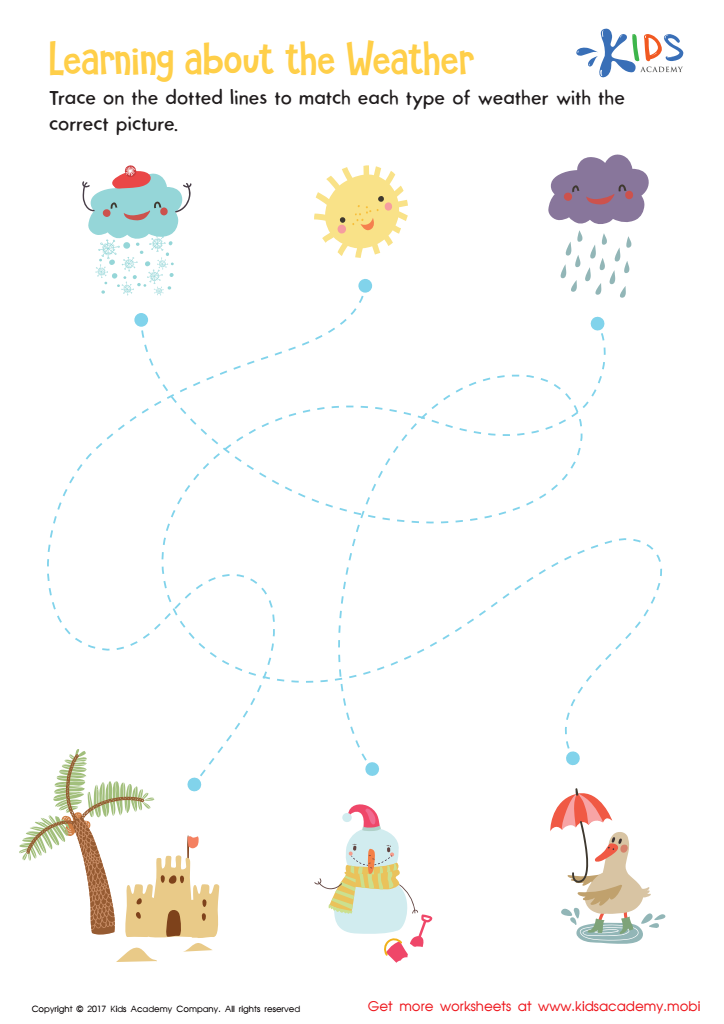






%20(1).jpg)

Weather identification is crucial for children ages 5-8 for several reasons. First, it nurtures their curiosity about the world. Young children are naturally inquisitive, and learning about the weather helps them understand their environment, fostering a love for science and nature. By associating weather descriptions with daily experiences—such as sunny days for outdoor play or rainy days for indoor activities—children develop observational skills and learn to make predictions based on weather conditions.
Moreover, understanding the weather promotes safety awareness. Teaching children about severe weather, such as thunderstorms or winter storms, equips them with knowledge on how to stay safe and make appropriate decisions. It enhances their ability to discuss weather phenomena, encouraging communication and vocabulary development.
Additionally, weather education connects to broader subjects. It ties in math through measuring temperatures and patterns, and geography through discussing how different regions experience varying climates. This interdisciplinary approach enriches their learning experience, making education relevant and engaging.
Finally, as they learn to identify and discuss various weather types, children build confidence and critical thinking skills. This foundational understanding encourages them to be informed citizens who pay attention to their environment and contribute to discussions about climate awareness as they grow older.