Color recognition Social Studies Worksheets for Ages 5-8
6 filtered results
-
From - To
Discover our engaging "Color Recognition Social Studies Worksheets" designed specifically for children ages 5-8! These worksheets combine vibrant colors with essential social studies concepts, making learning fun and interactive. As children identify and match colors, they’ll also explore cultural elements tied to different hues, enhancing their understanding of the world. Our activities promote fine motor skills, critical thinking, and creativity, all while fostering a love for learning. Perfect for homeschooling or classroom use, these worksheets allow young learners to develop foundational skills in an enjoyable way. Download and watch your child blossom into a confident color and culture explorer!

Happy Diwali Printable
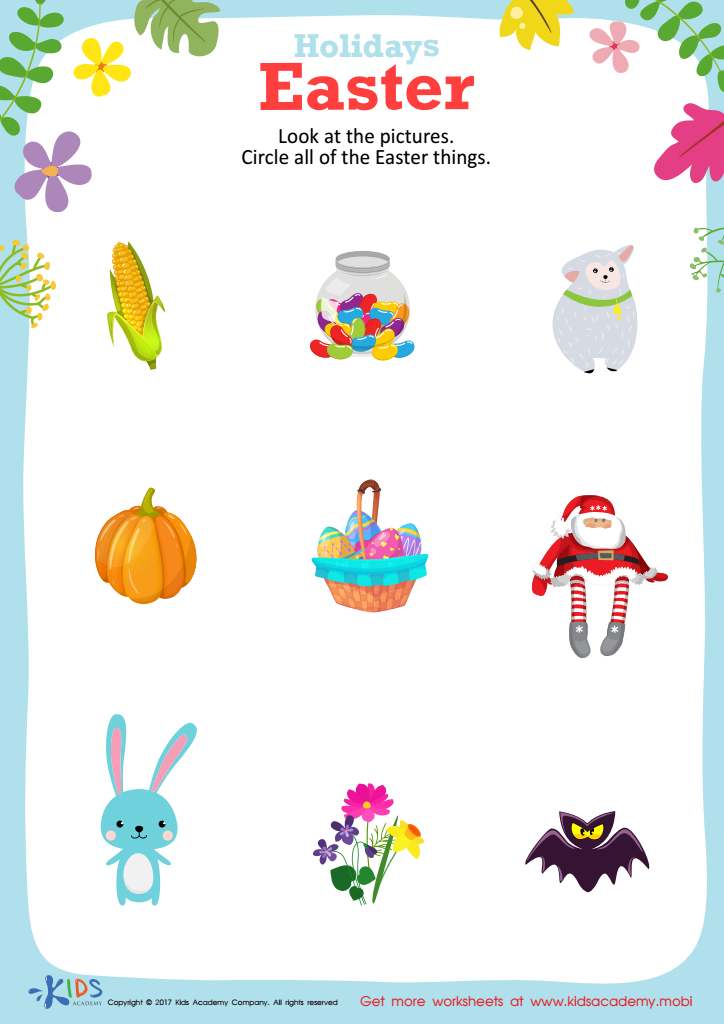
Easter Holiday Printable

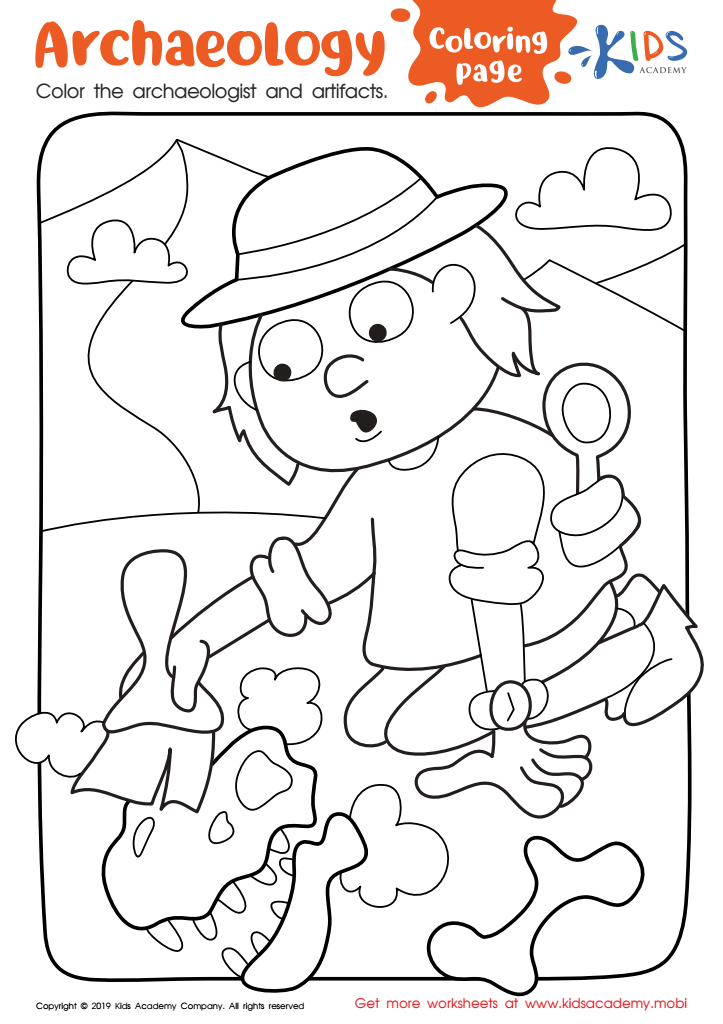
Archaelogy Coloring Page Worksheet
 Assign to My Students
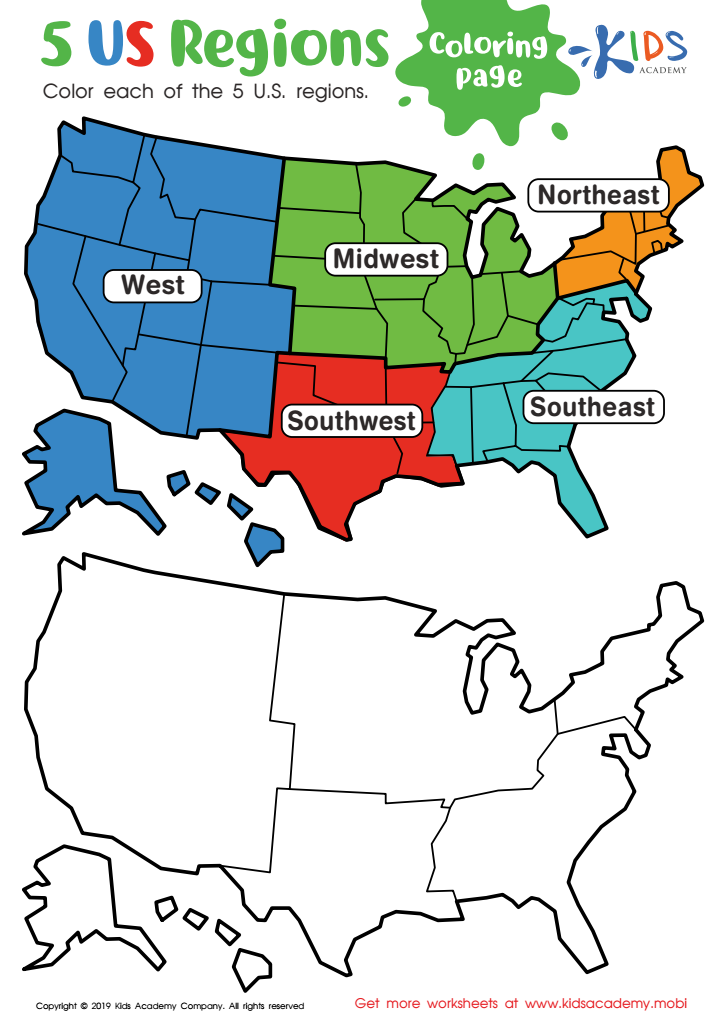
US Regions Coloring Page Worksheet
Assign to My Students

Globe Coloring Page Worksheet
Assign to My Students








Color recognition is an essential skill that supports not only a child’s cognitive development, but also their social studies learning. For children aged 5-8, recognizing colors helps them make sense of their world, as colors are often associated with cultural or societal meanings. For example, understanding that red can represent love or danger, or that green is tied to nature, fosters deeper engagement during discussions about social concepts.
Additionally, incorporating color recognition into social studies introduces young learners to diversity and inclusiveness. When children explore various cultural artifacts or symbols, recognizing colors allows them to connect emotionally with others’ experiences and backgrounds. It reinforces the importance of empathy while promoting critical thinking skills.
Teachers and parents play a vital role in this learning journey; they can create a vibrant, stimulating environment that not only teaches basic color differentiation but also encourages conversations about their cultural significance. This can lead to richer discussions about identity, community, and respect for differences. As children develop their color recognition skills, they build foundational knowledge that enhances both their social studies learning and their social-emotional understanding, making it a critical focus in early education.