Counting skills Social Studies Worksheets for Ages 5-8
6 filtered results
-
From - To
Discover our engaging "Counting Skills Social Studies Worksheets for Ages 5-8" designed to enhance both numerical abilities and social studies knowledge in young learners. These thoughtfully crafted worksheets introduce kids to essential counting principles while immersing them in intriguing social studies contexts. Perfect for blending foundational math skills with historical and cultural exploration, these activities make learning fun and meaningful. Whether at home or in the classroom, your children will enjoy counting through various energetic and interactive exercises. Elevate their educational experience by merging math and social adventures, fostering a lifelong love for learning.
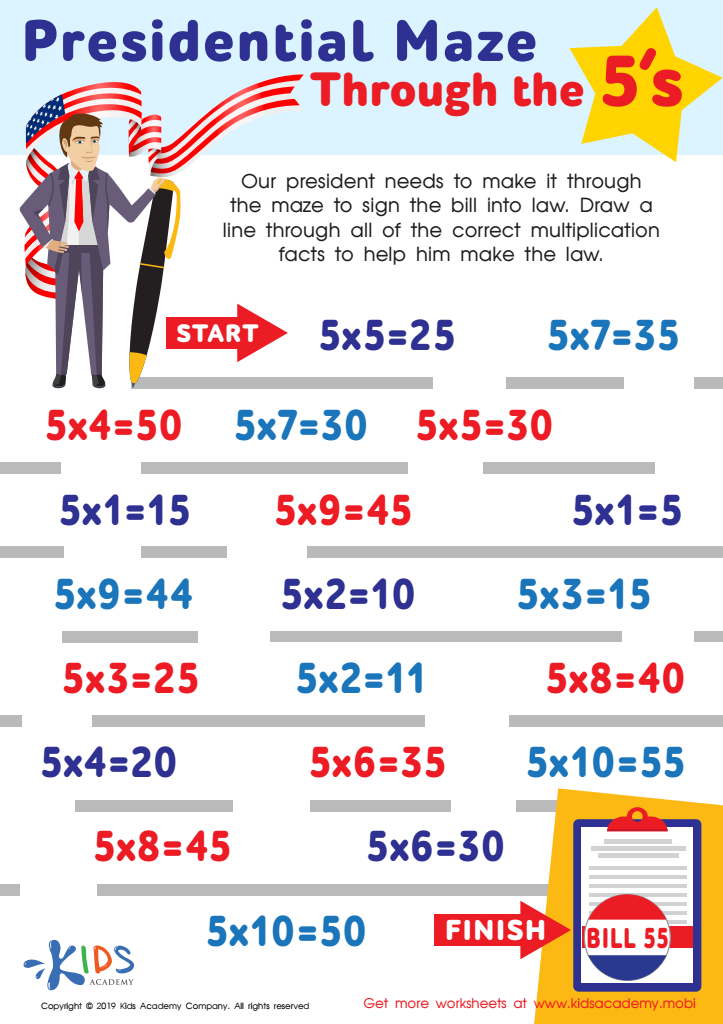
Presidential Maze Through the 5’s Worksheet
 Assign to My Students
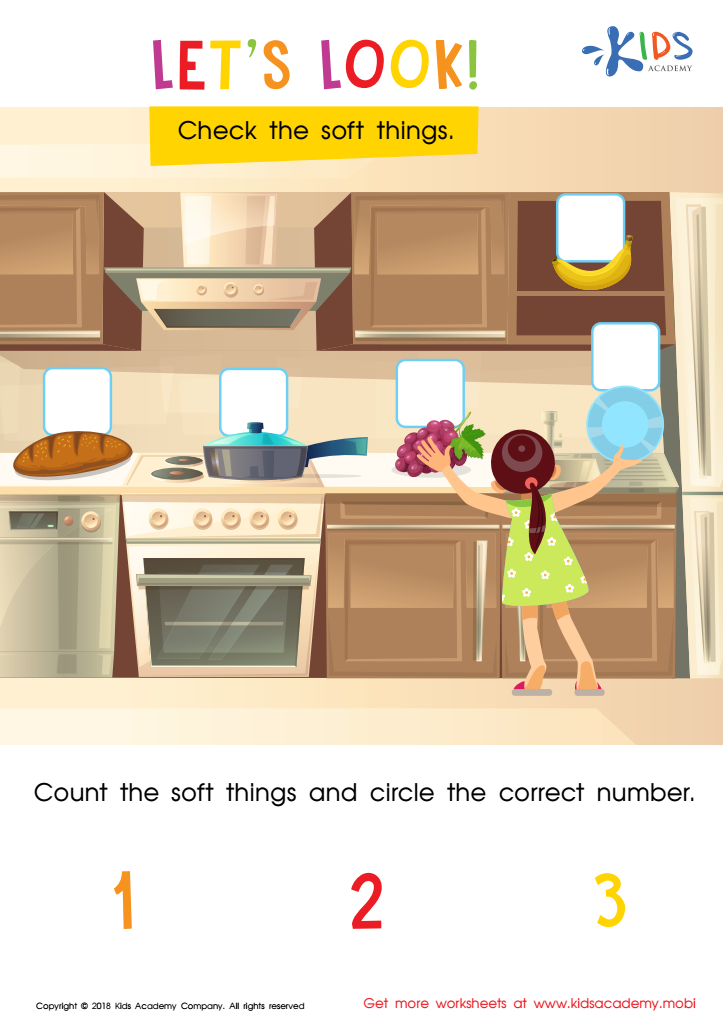
Let's Look! Assessment Worksheet
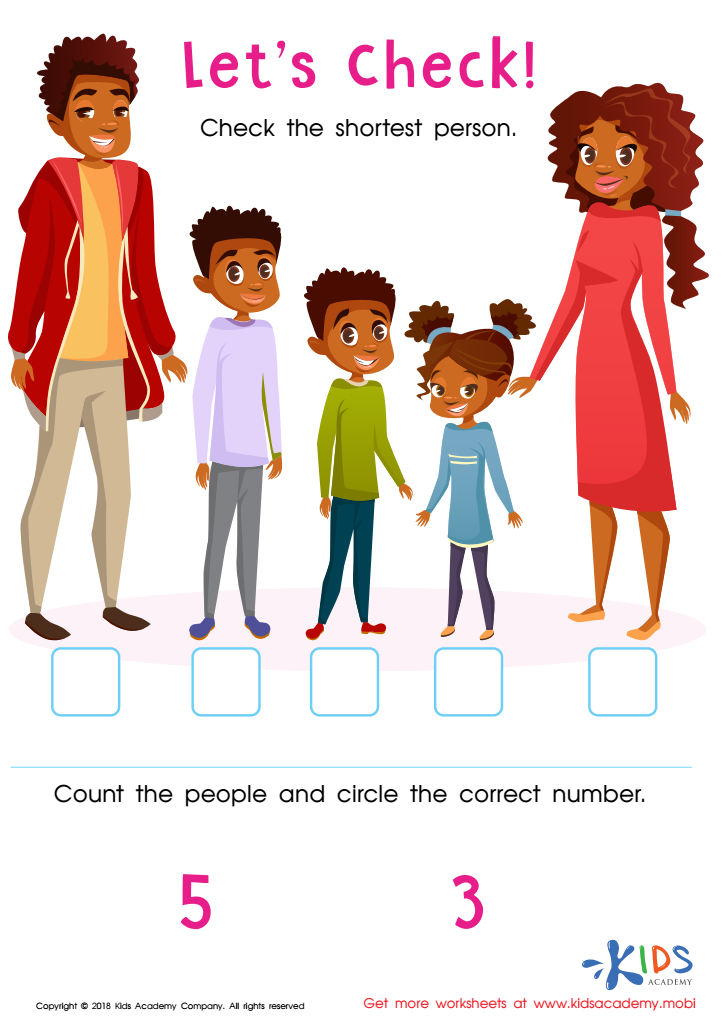
Let's Check! Assessment Worksheet
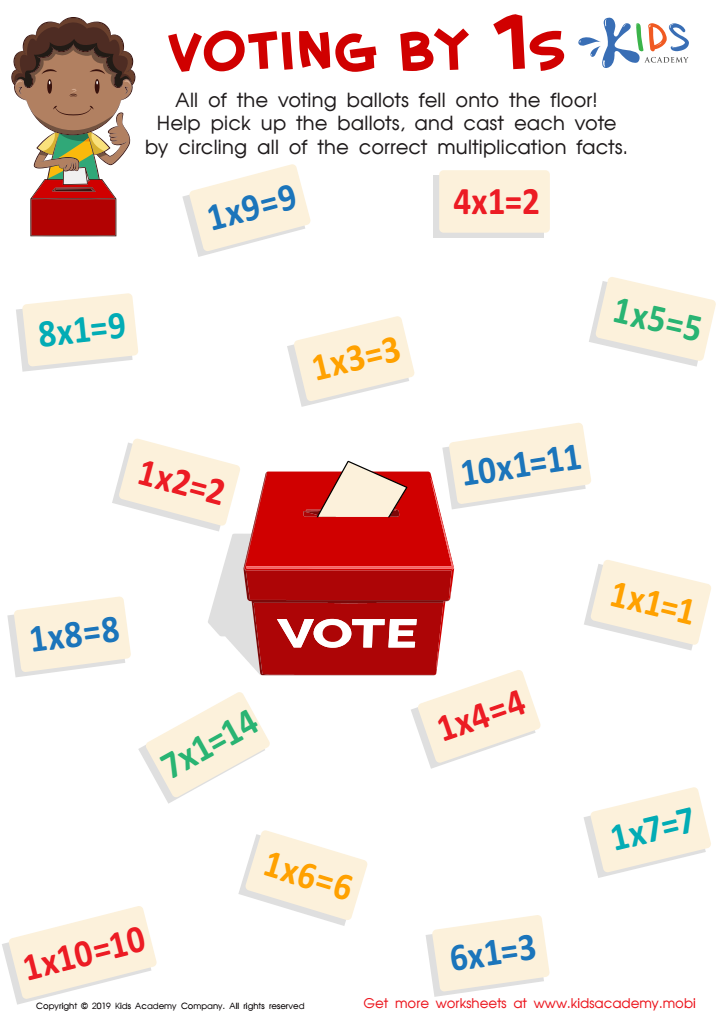
Voting by 1s Worksheet
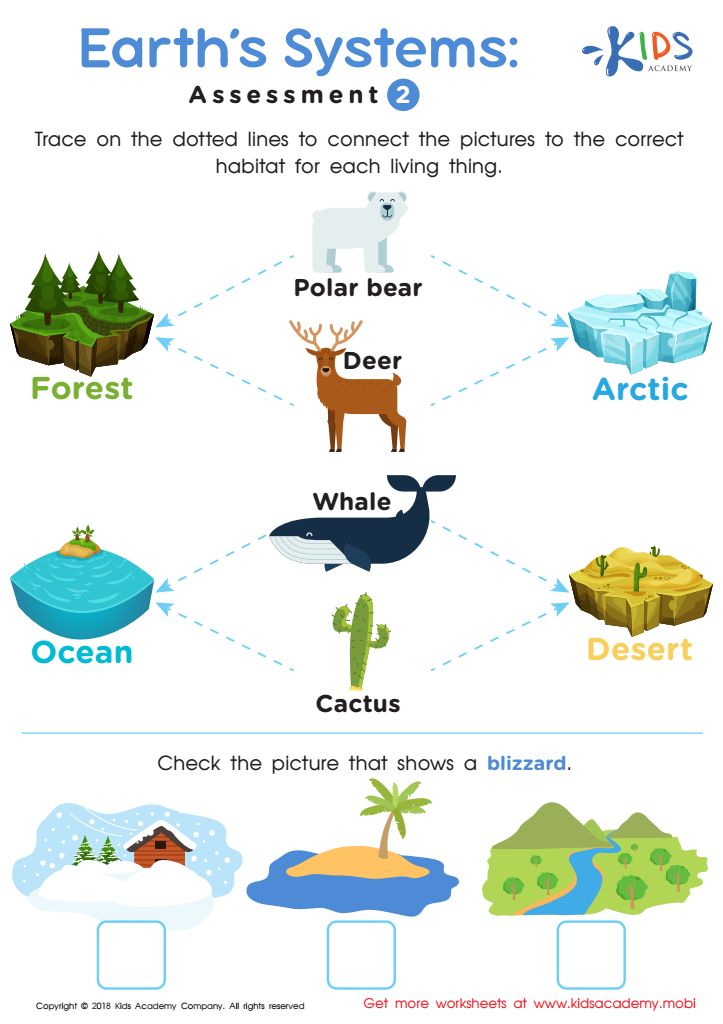
Earth's Systems: Assessment 2
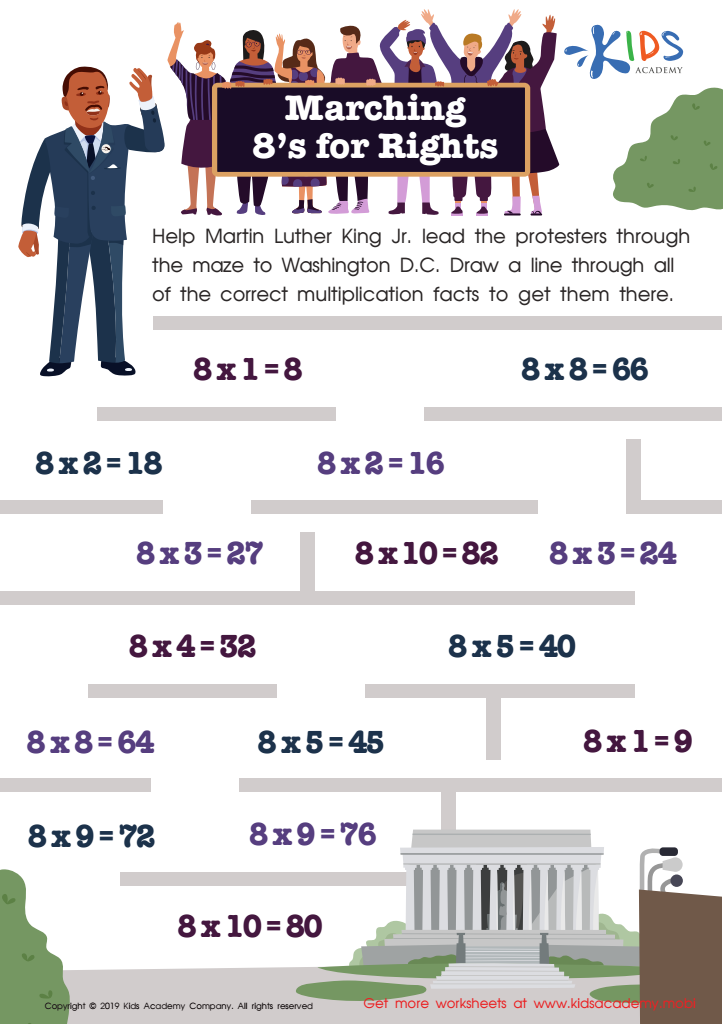
Marching 8’s for Rights Worksheet




.jpg)


Counting skills and social studies are both fundamental areas for children aged 5-8, forming foundational competencies necessary for overall development.
Counting skills are crucial because they serve as the building blocks for numeracy. Developing these skills enables children to understand more complex mathematical concepts later on. For young minds, counting isn't just about reciting numbers sequentially; rather, it involves understanding quantities, number recognition, and basic arithmetic operations like adding and subtracting. Mastery in these skills aids in cognitive development and problem-solving abilities, fostering logical thinking and spatial awareness, which are valuable across various disciplines and everyday situations.
Social studies, on the other hand, acquaints children with the broader, interconnected world beyond their personal experiences. It promotes civic awareness, cultural empathy, and historical understanding. Learning about different communities, traditions, and customs helps garçons and garçons recognize diversity and fosters open-mindedness. Understanding geographical concepts, timelines, and basic societal structures equips them to be informed and active participants in their communities.
For ages 5-8, integrating counting skills with social studies creates engaging cross-curricular learning experiences. For instance, counting can be incorporated into lessons about populations and geography. This holistic approach not only strengthens each individual skill set but also enhances overall educational enjoyment and relevance, underscoring the idea that life and learning are interconnected.








