Critical Thinking Social Studies Worksheets for Ages 5-8 - Page 2
31 filtered results
-
From - To

Assessment: First Thanksgiving Worksheet
 Assign to My Students
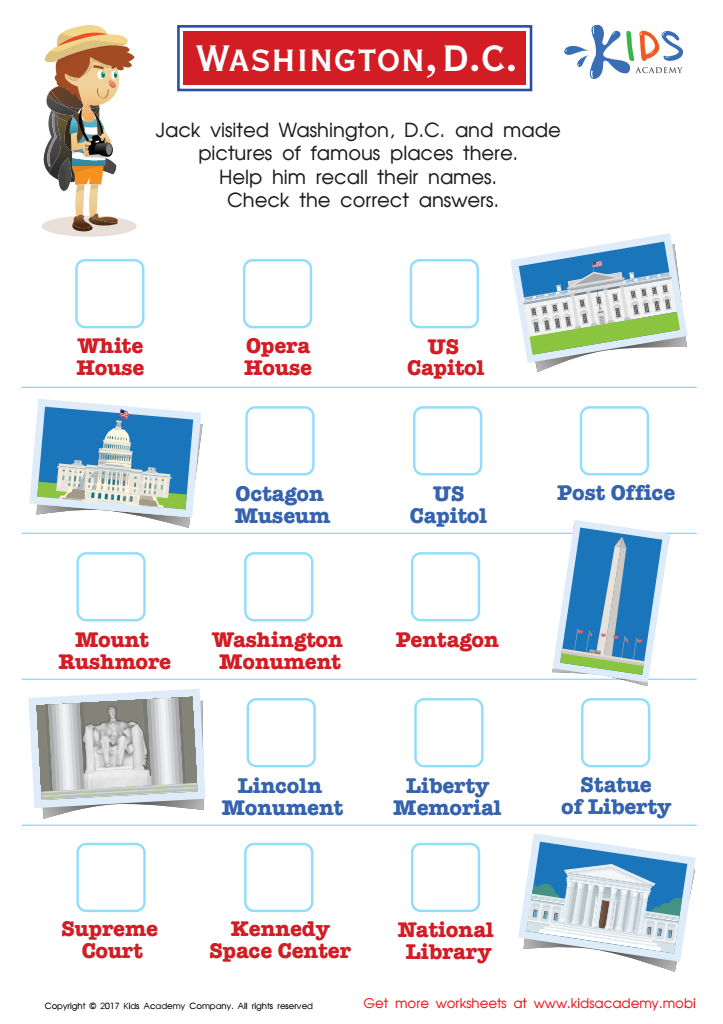
Washington D.C. Printable Worksheet
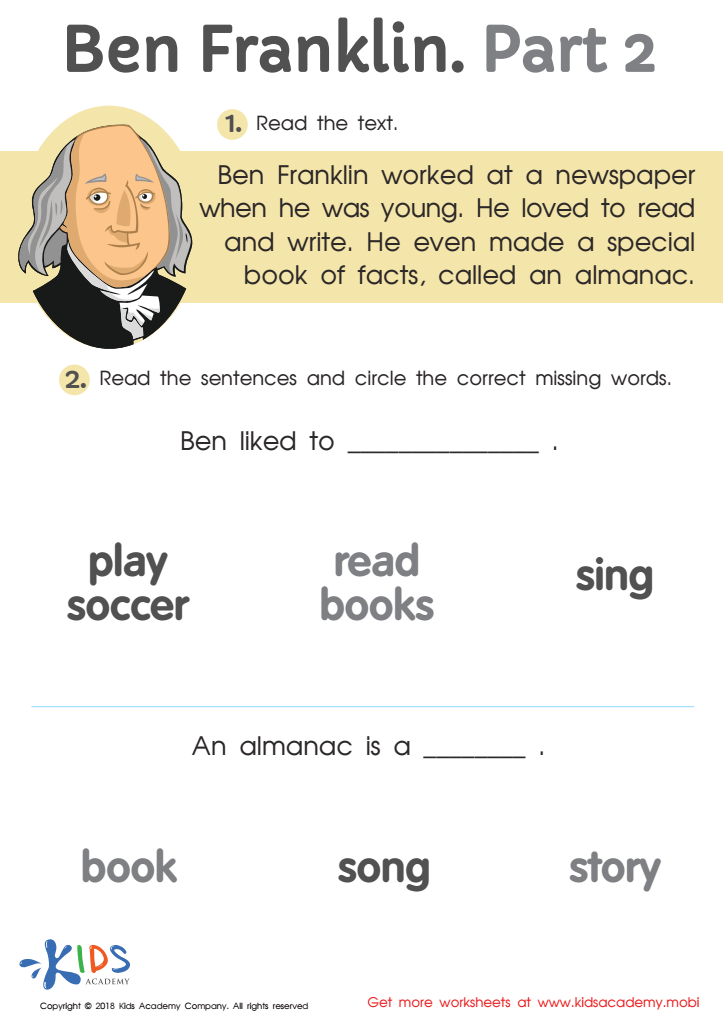
Ben Franklin Part 2 Worksheet

The Four Seasons Worksheet
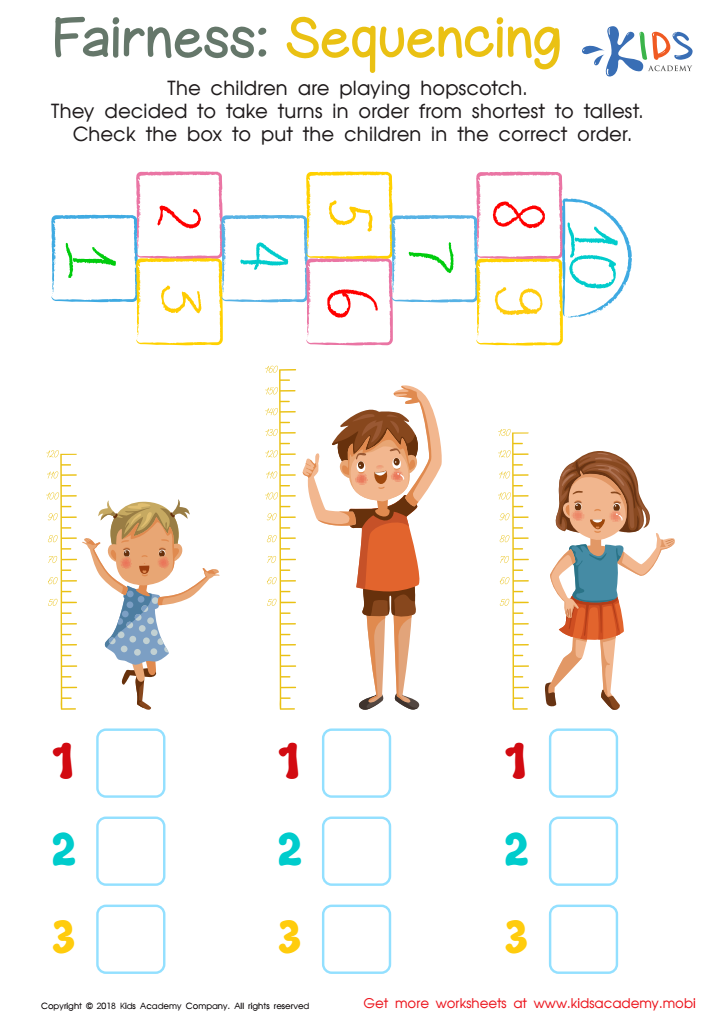
Fairness: Sequencing Worksheet
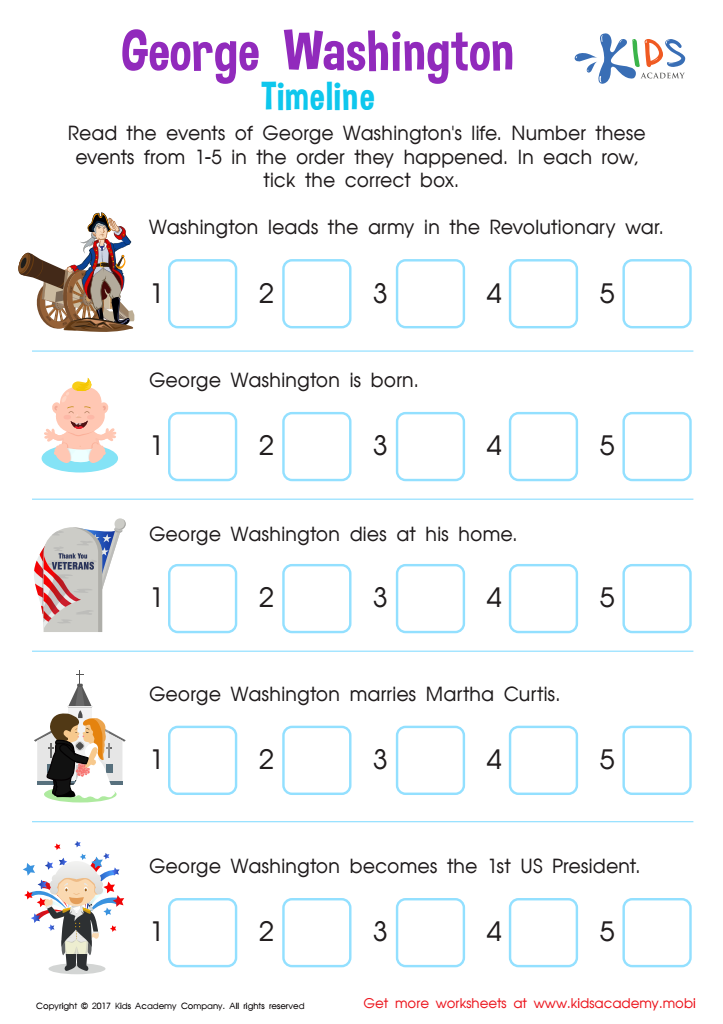
George Washington Timeline Worksheet
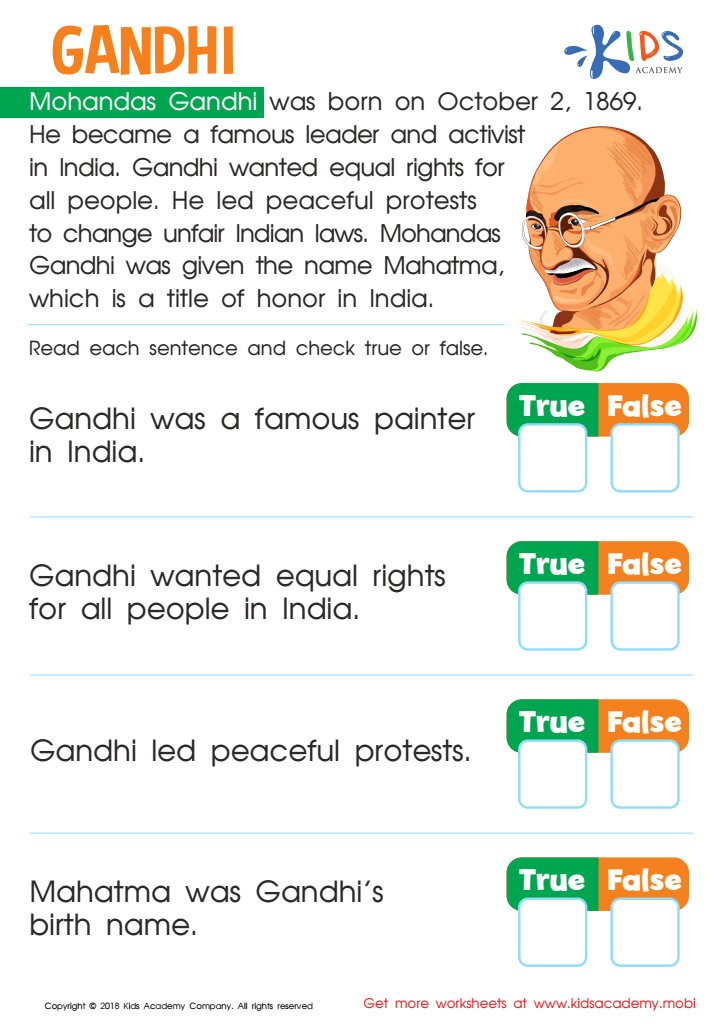
Gandhi Worksheet








Critical Thinking in Social Studies for ages 5-8 is essential because it lays the foundation for young learners to understand the world around them. At this developmental stage, children are naturally curious, making it an ideal time to cultivate cognitive skills. Teaching critical thinking through social studies helps students analyze information, recognize different perspectives, and make informed decisions.
Parents and teachers should prioritize this education because it encourages active participation in civic life. By engaging children in discussions about community, culture, and history, they learn to question, evaluate sources, and develop opinions based on evidence. These skills are vital not only for academic success but also for fostering responsible citizenship.
Moreover, a solid grounding in critical thinking allows children to navigate social situations and conflicts effectively. By encouraging them to think critically about issues such as fairness, justice, and cooperation, they develop empathy and social awareness.
Incorporating critical thinking in social studies also enhances overall cognitive development, improving skills in literacy and science by encouraging inquiry and exploration. In sum, parents and teachers should care about this approach because it equips children with the tools to thrive in a complex world, promoting their growth as informed, engaged, and thoughtful individuals.