Reading Improvement Phonics Worksheets for Ages 5-9
12 filtered results
-
From - To
Unlock your child's reading potential with our Reading Improvement Phonics Worksheets designed for ages 5-9. Created by experienced educators, these engaging worksheets utilize phonics to build strong foundational reading skills. Each worksheet focuses on letter recognition, sound association, and word formation—crucial building blocks in early literacy. Perfect for kindergarten through early elementary students, our resources make learning interactive and fun. Boost your child's confidence and ability with our expertly crafted phonics worksheets, and watch them progress from basic letter sounds to fluent reading in no time. Explore our range and turn every reading session into an adventure!
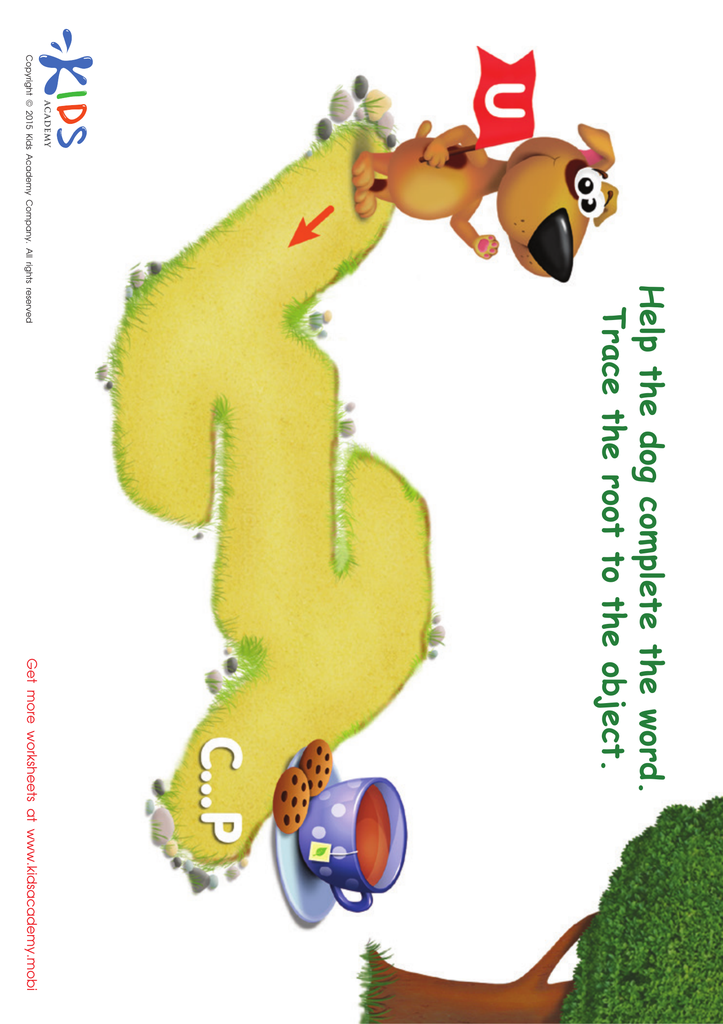
Short Vowel Sound U Worksheet Worksheet
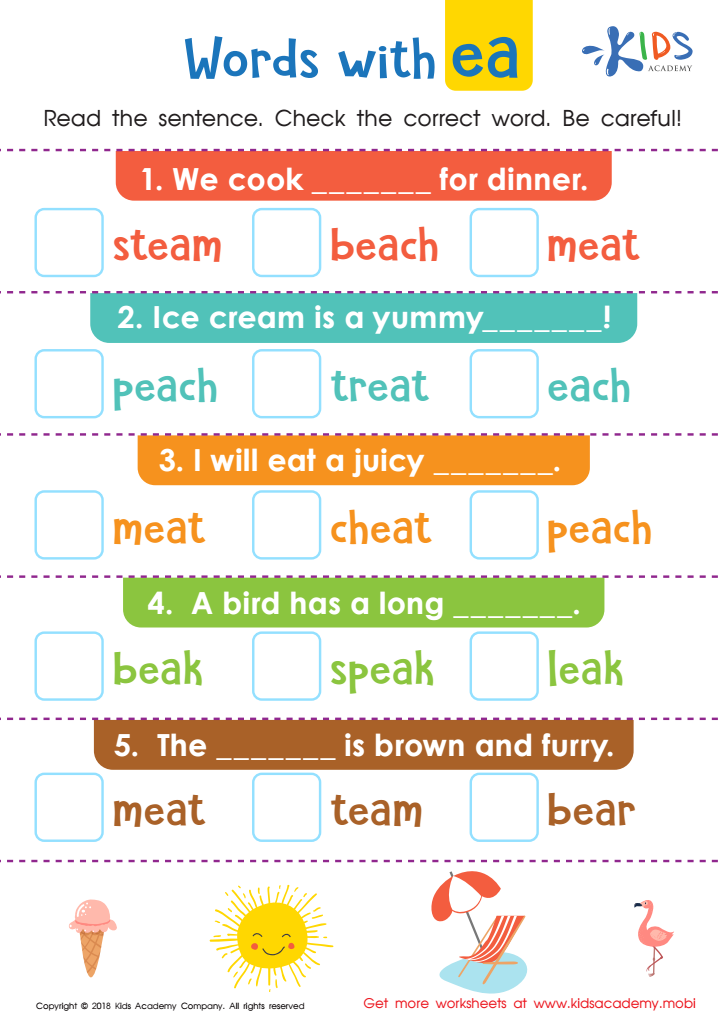
Words with ea Worksheet
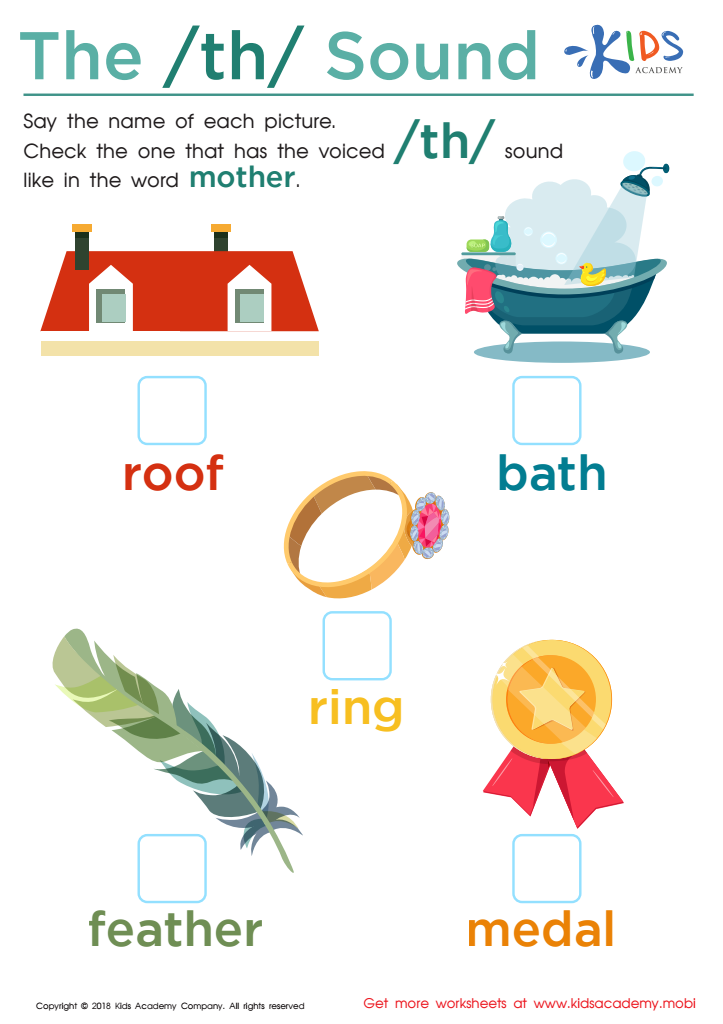
The /th/ Sound Worksheet
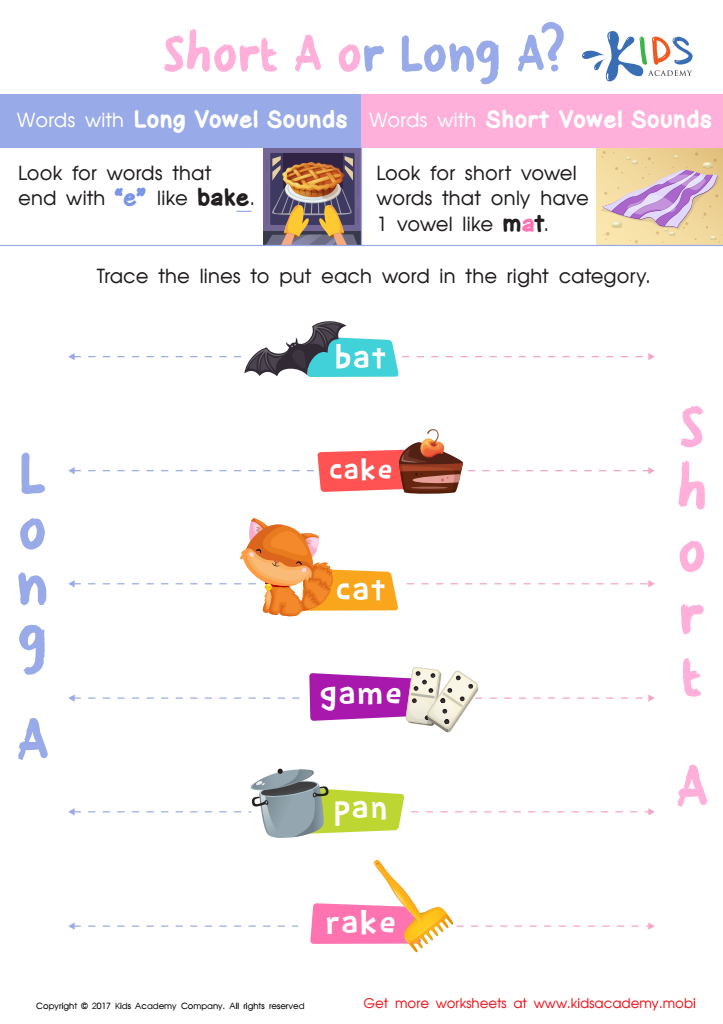
Short /a/ or Long /a/? Worksheet
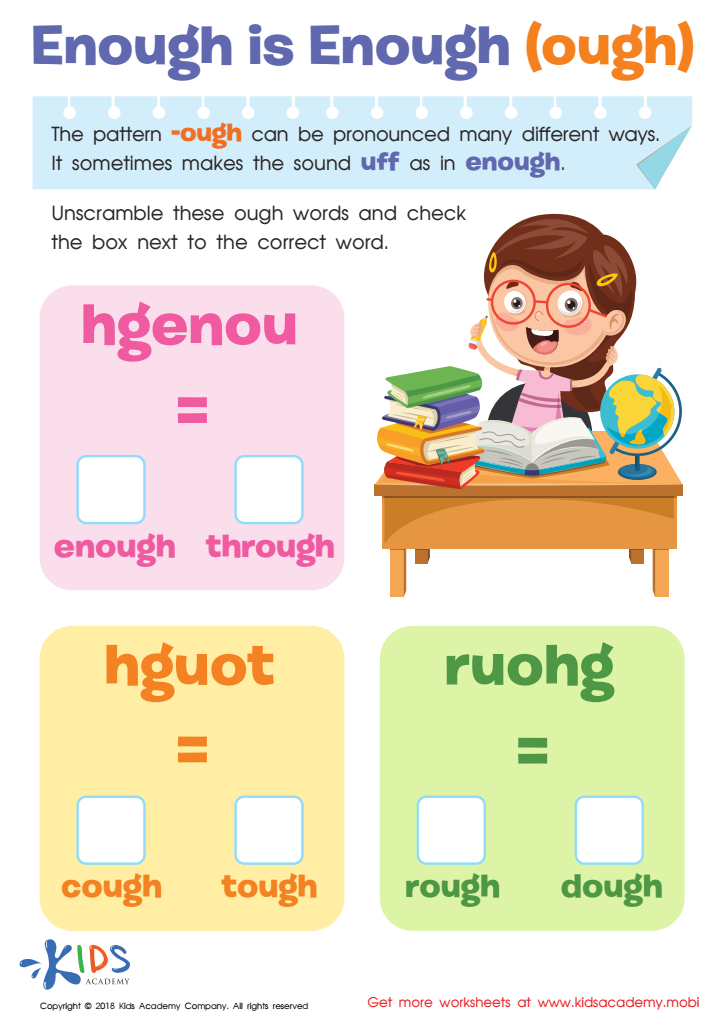
Enough Is Enough (ough) Worksheet
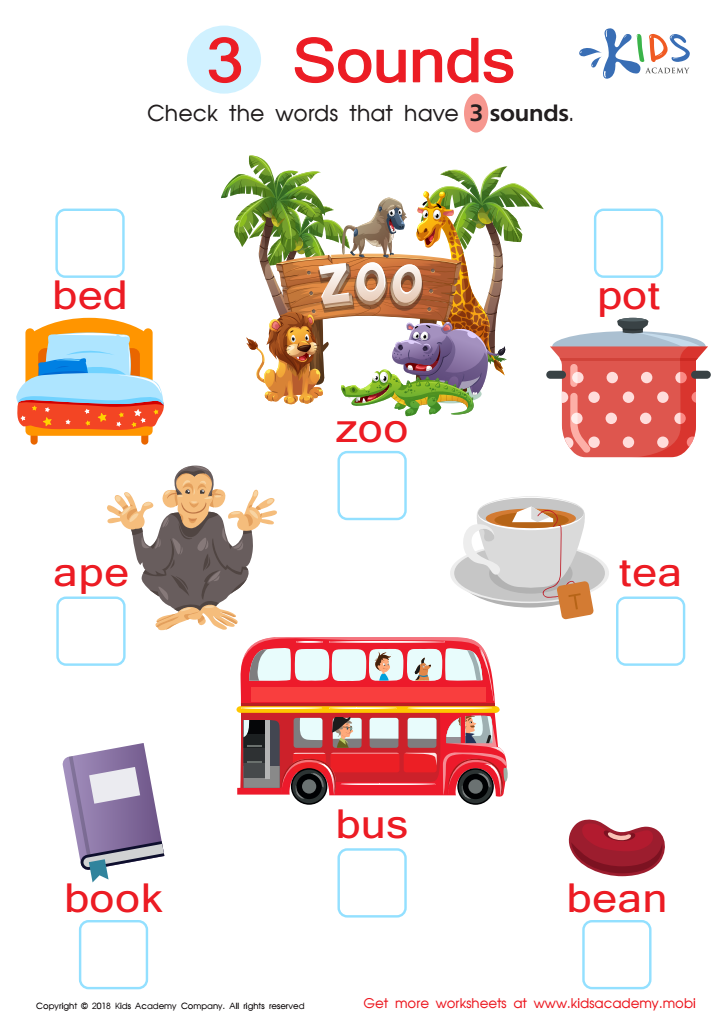
3 Sounds Worksheet
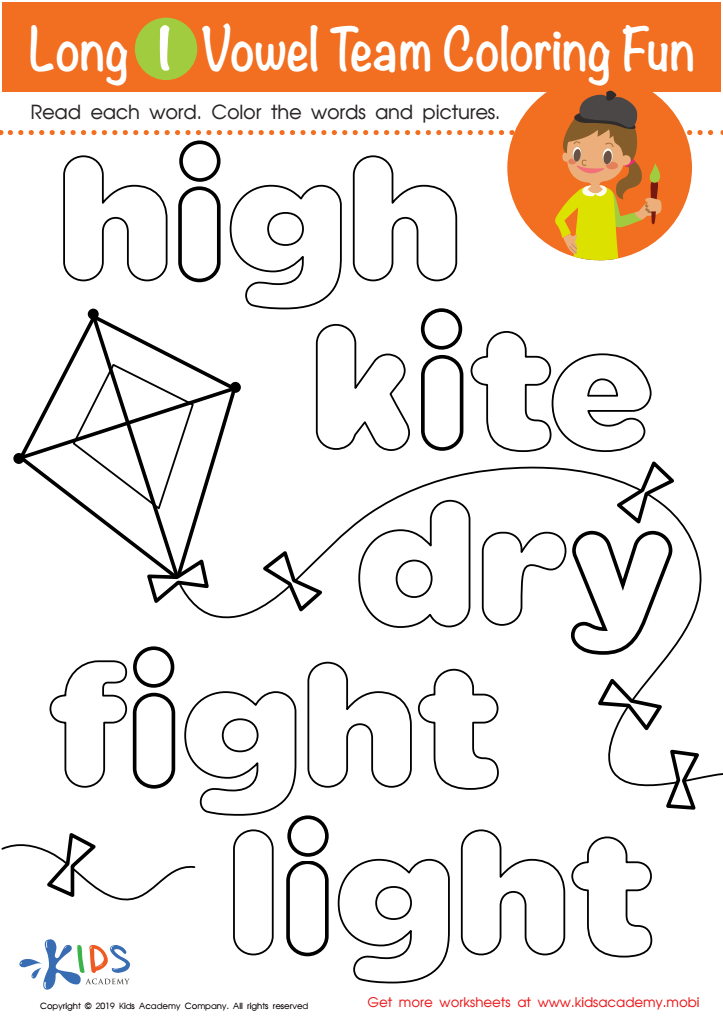
Long I Vowel Team Coloring Worksheet
 Assign to My Students
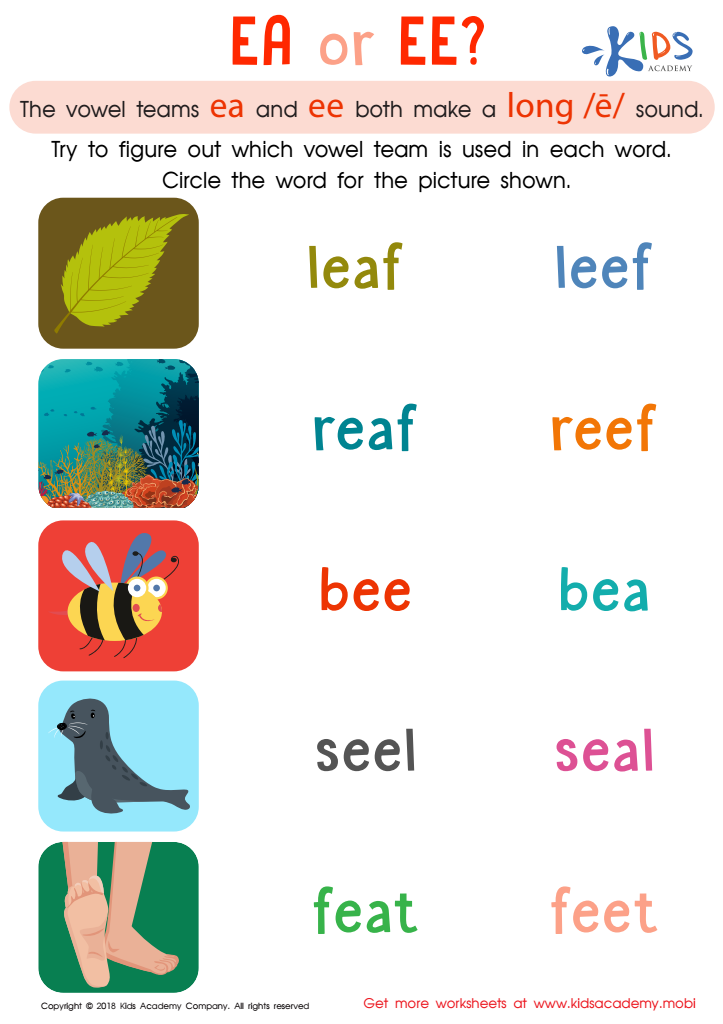
Reading: EA and EE Worksheet
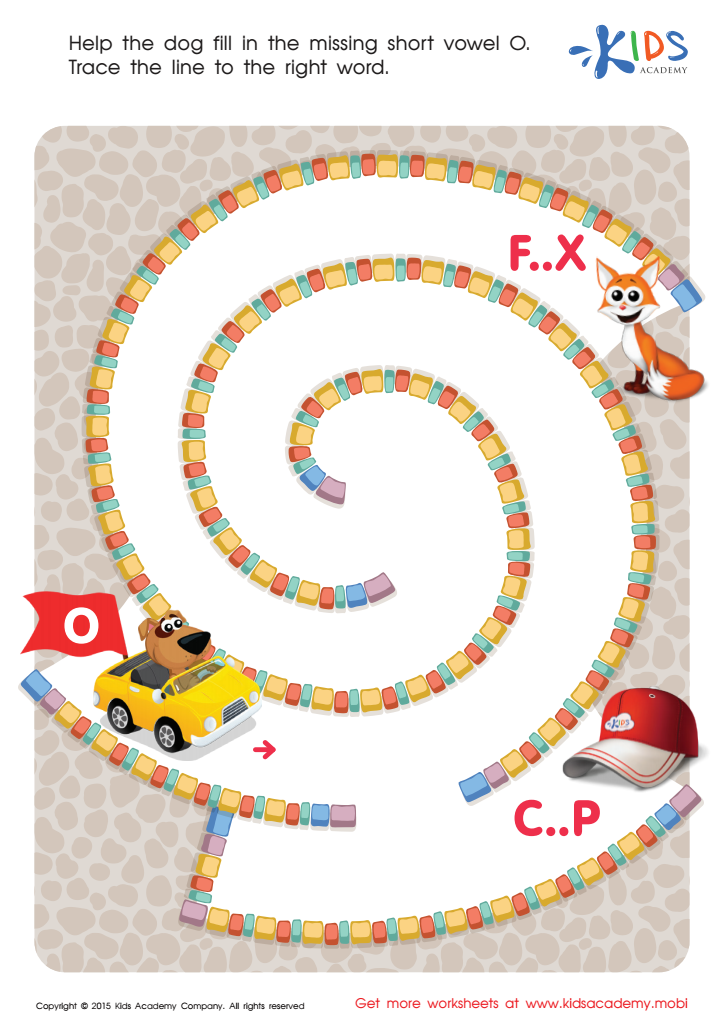
Short Vowel Sound O Worksheet
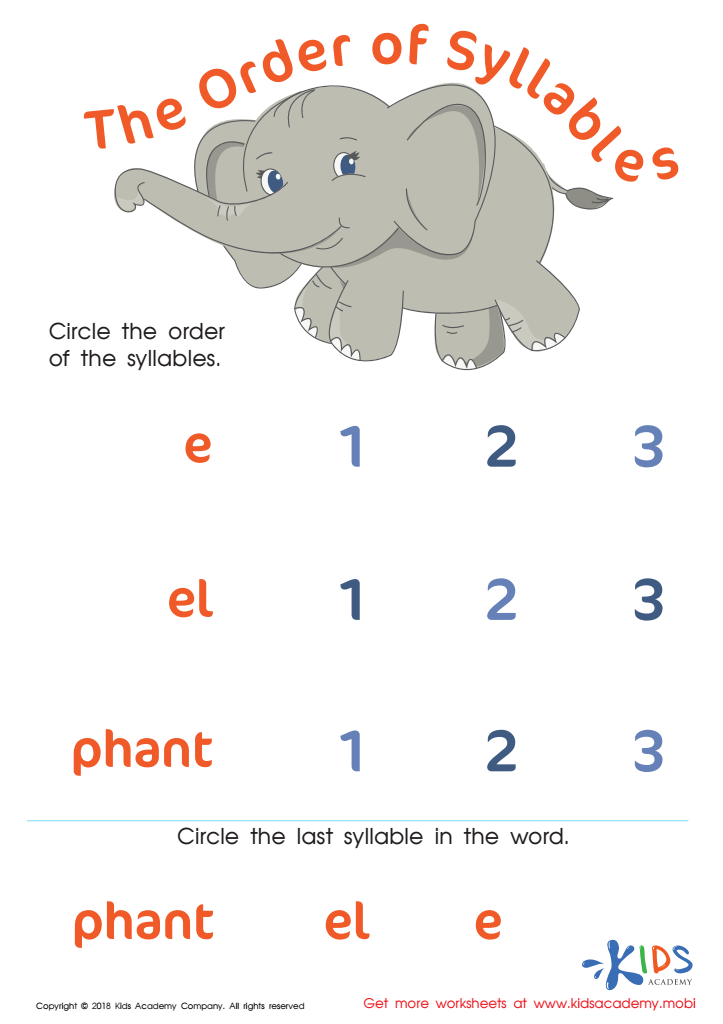
The Order of Syllables Worksheet
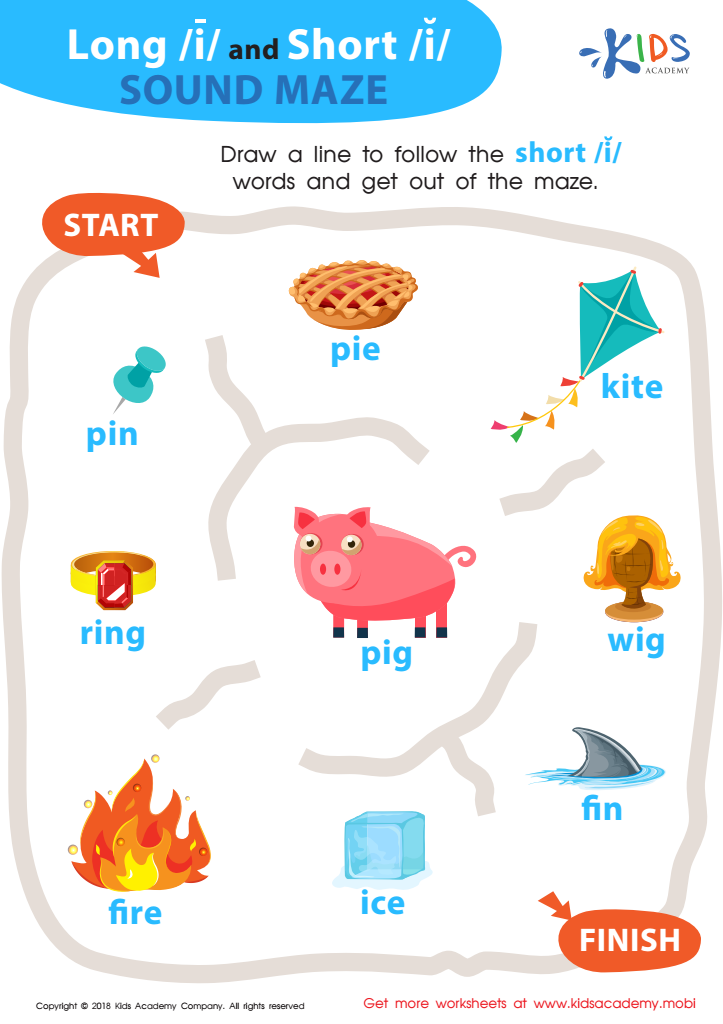
Reading: Long I and Short I Sound Maze Worksheet
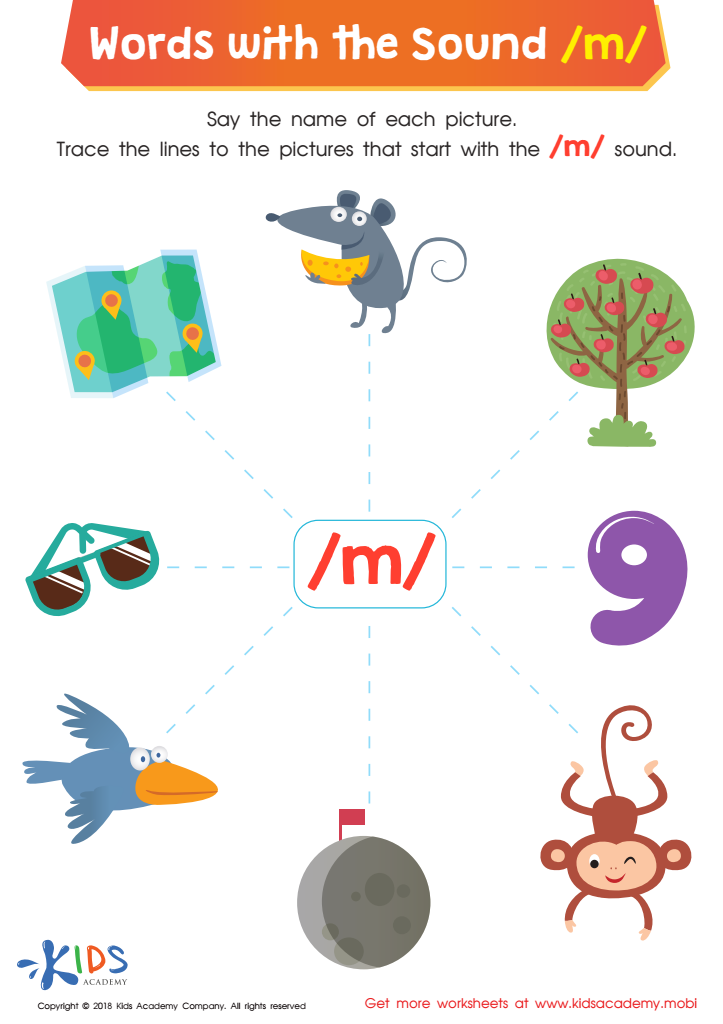
Words with Sound M Reading Worksheet








Reading Improvement Phonics is foundational for children aged 5-9, the critical period for language acquisition and literacy development. This method focuses on the relationship between sounds and their corresponding letters, skills essential for decoding words fluently. By mastering phonics, children can read new words more easily, understand their meanings, and, ultimately, read with greater confidence and enjoyment.
For parents and teachers, investing in phonics education is imperative because it builds essential academic skills early on. Phonetic awareness fosters stronger reading comprehension, a vital component of overall academic success. Children who struggle with reading often face challenges in other subjects as well, given that reading is integral to all areas of learning, from mathematics to science and social studies.
Moreover, the benefits of phonics extend beyond academics. Proficient reading skills boost children's self-esteem and encourage lifelong learning. Phonetic literacy is also linked to improved writing abilities, as children develop a better grasp of spelling and sentence structure.
In a nutshell, ensuring robust phonics instruction provides a solid foundation for a child’s educational journey. It equips them with crucial reading skills, instills a love for learning, and prepares them for future academic challenges, making it an indispensable part of early education.







