Handwriting practice English for Beginners Worksheets for Ages 5-9 - Page 2
43 filtered results
-
From - To
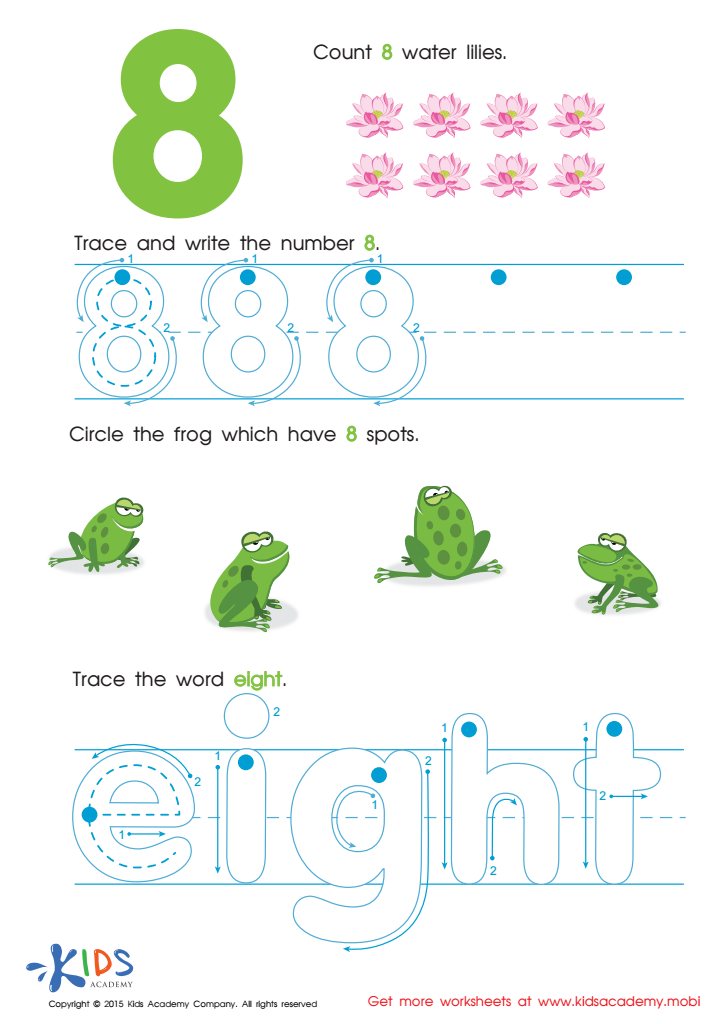
Learn Number 8 Easily Worksheet
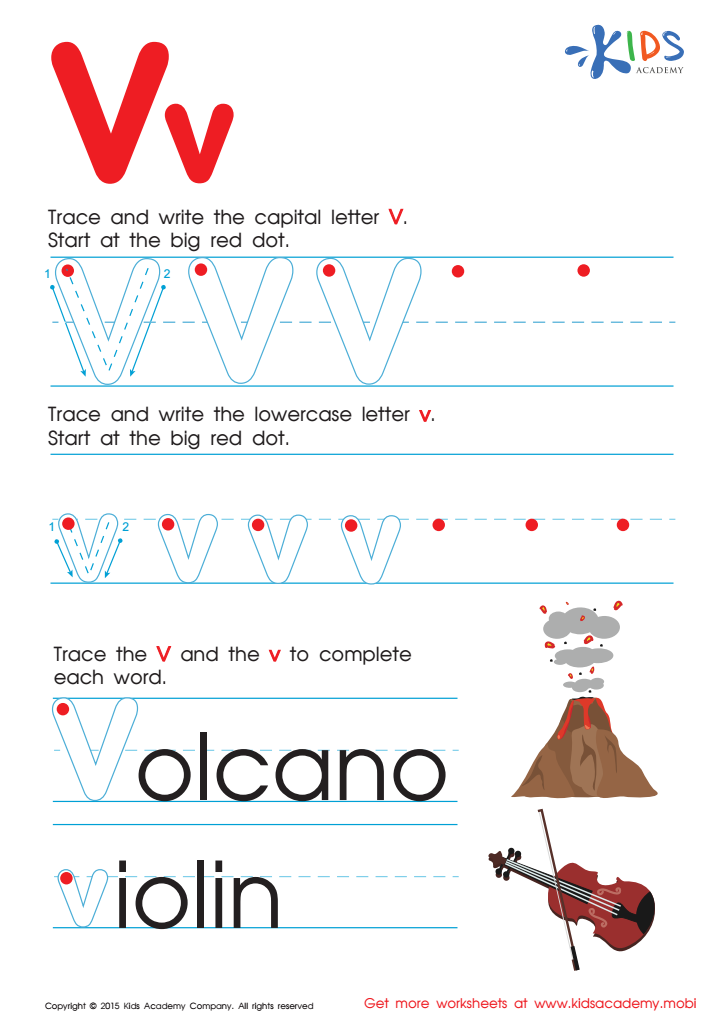
Letter V Tracing Page
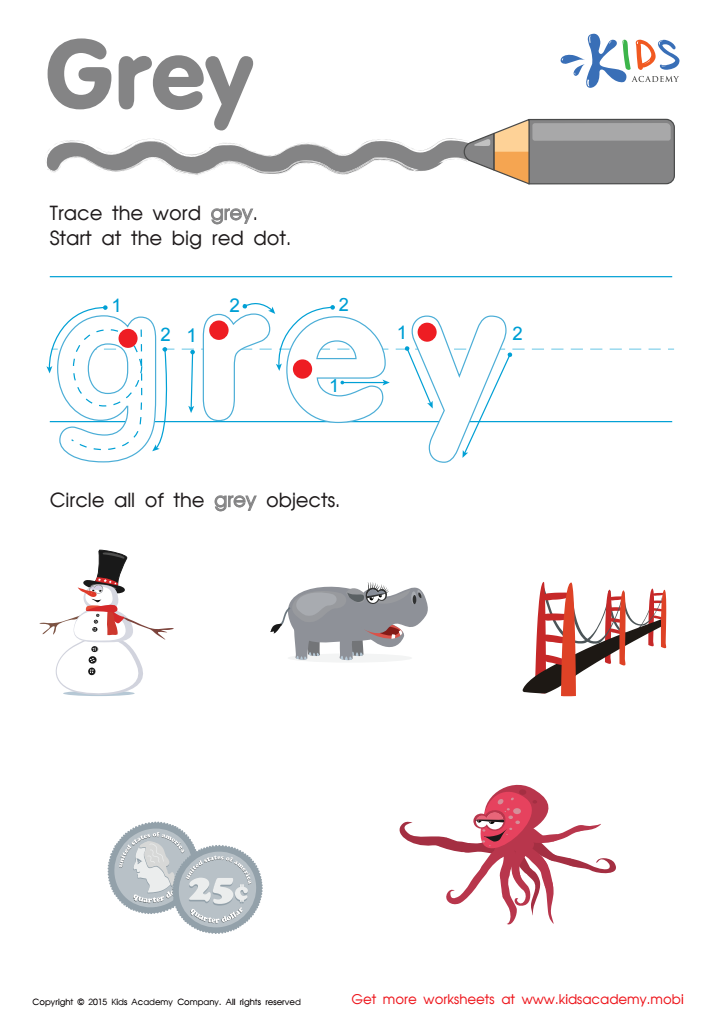
Grey Tracing Color Words Worksheet
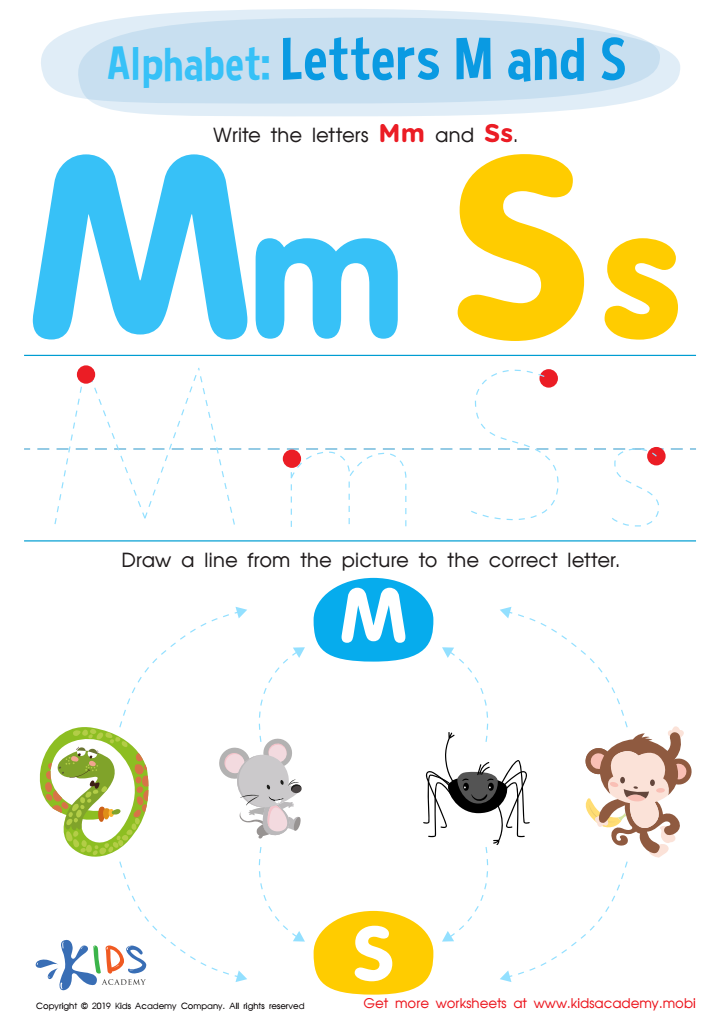
Letters M and S Tracing Worksheet
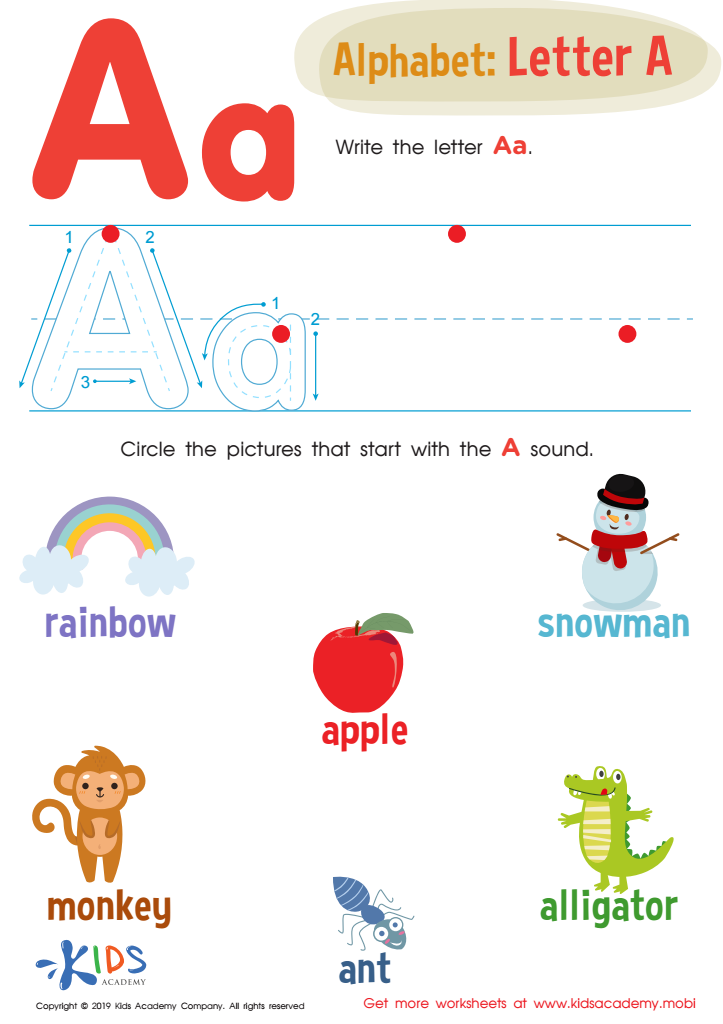
Letter A Tracing Worksheet
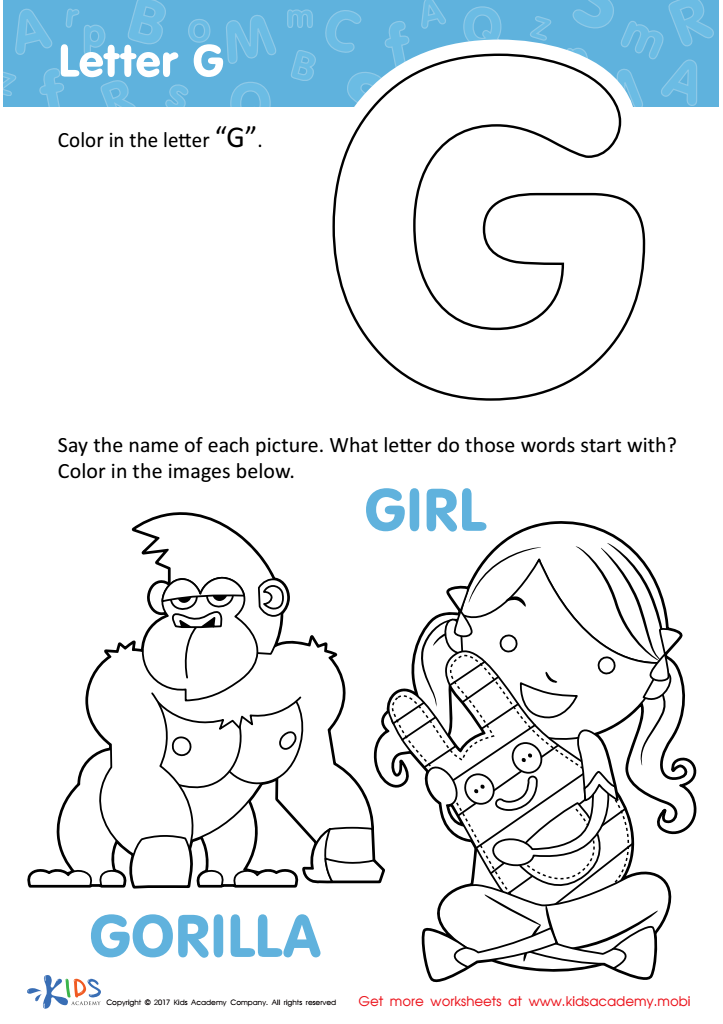
Letter G Coloring Sheet
 Assign to My Students
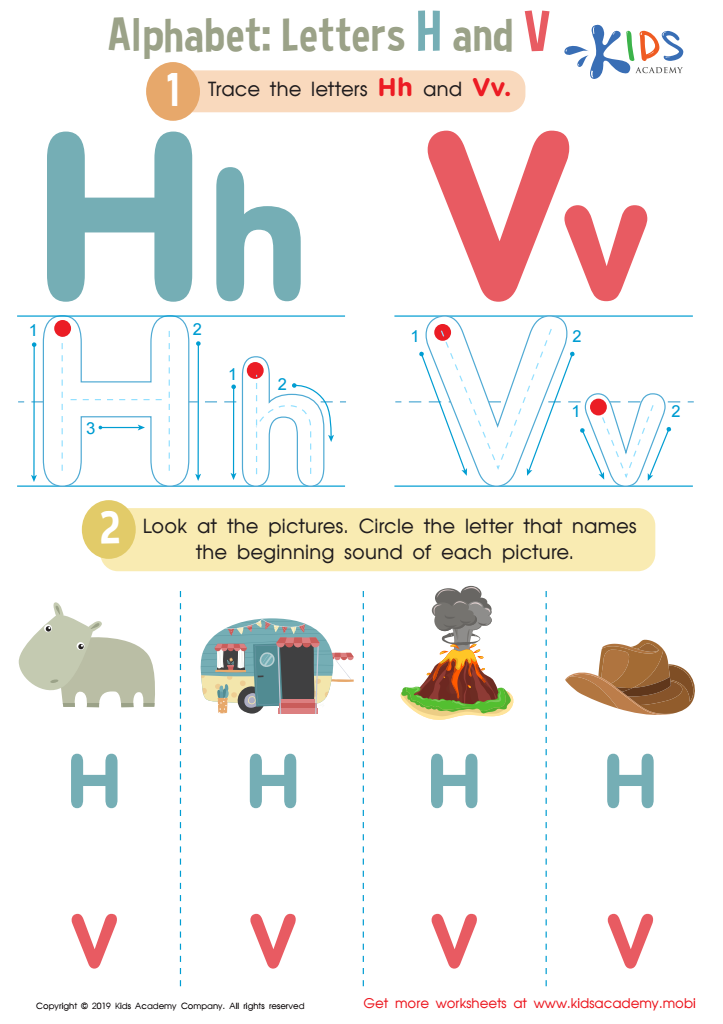
Letters H and V Tracing Worksheet
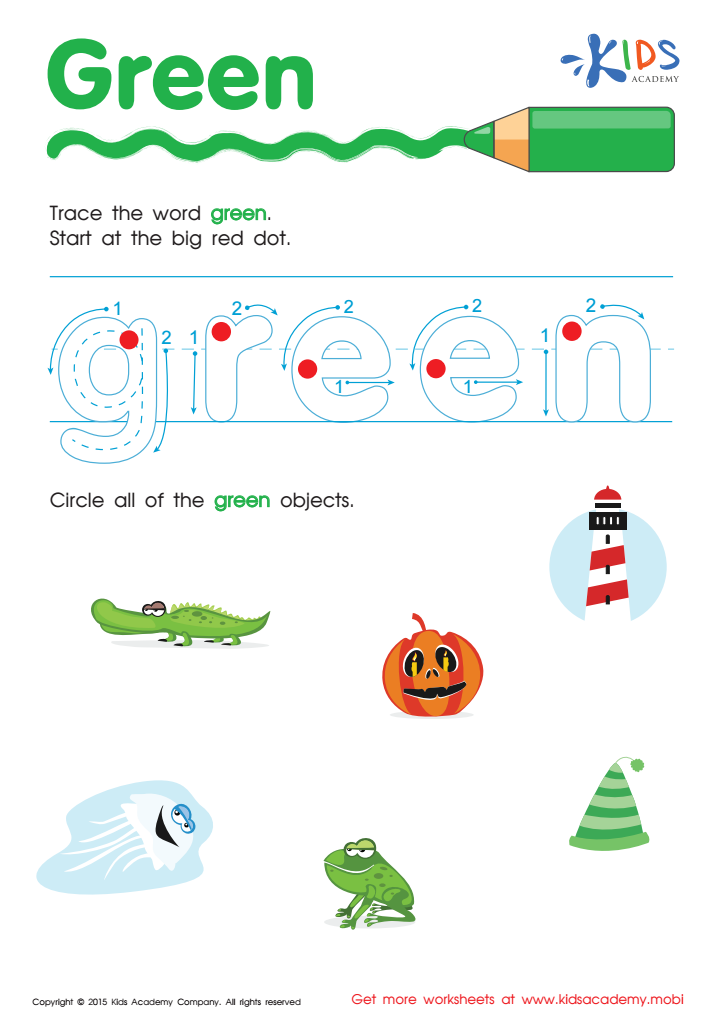
Green Tracing Color Words Worksheet
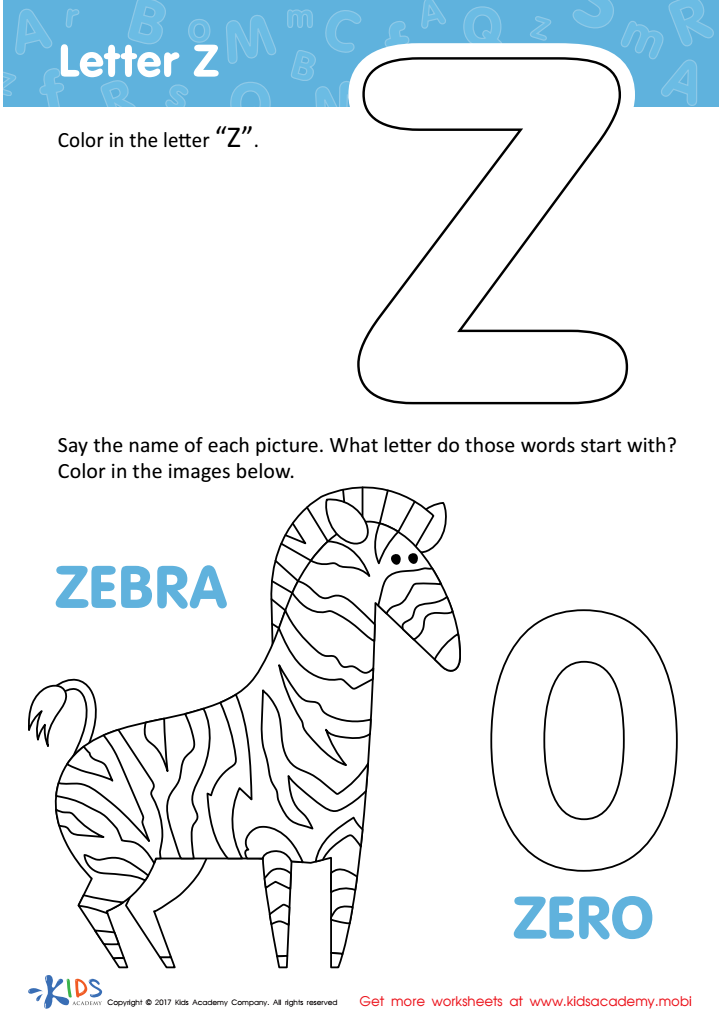
Letter Z Coloring Sheet
Assign to My Students
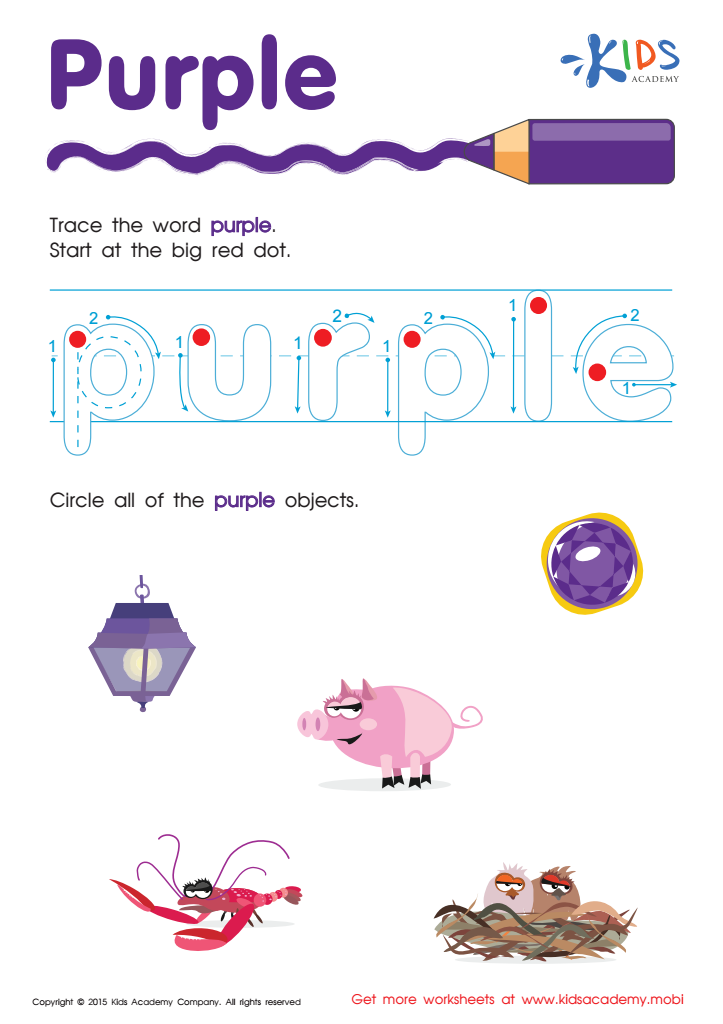
Purple Tracing Color Words Worksheet
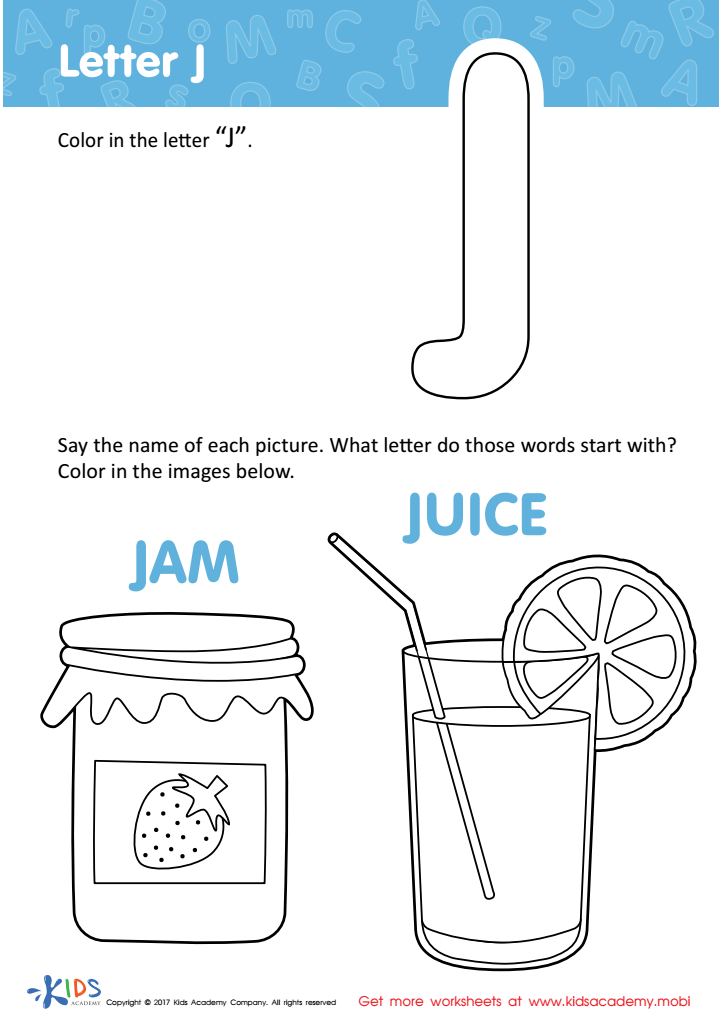
Letter J Coloring Sheet
Assign to My Students
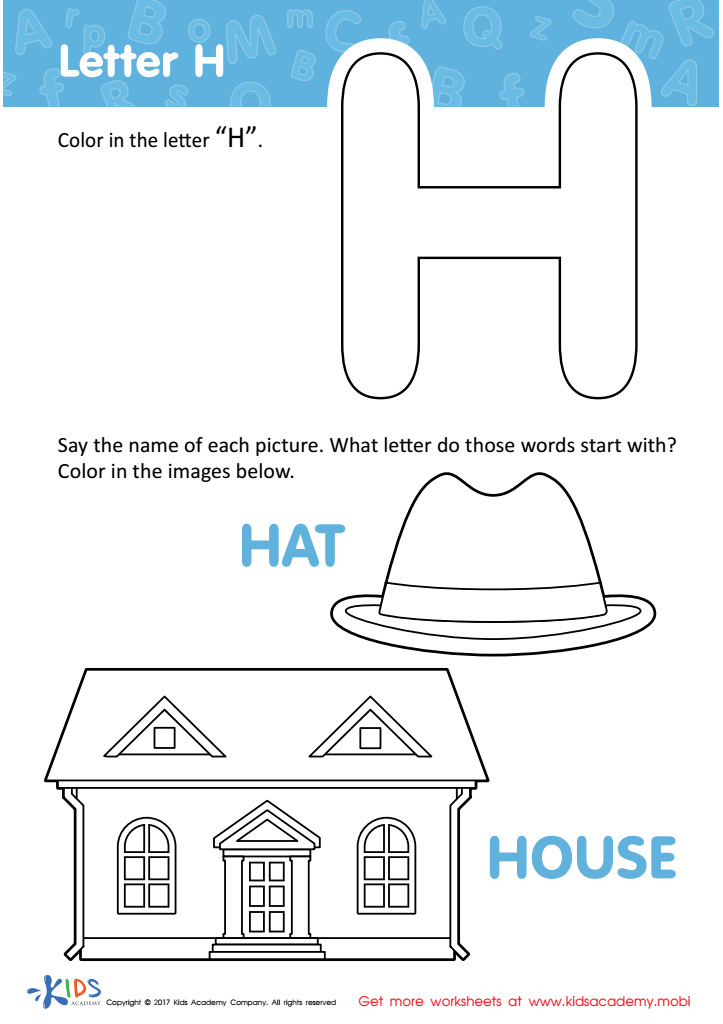
Letter H Coloring Sheet
Assign to My Students
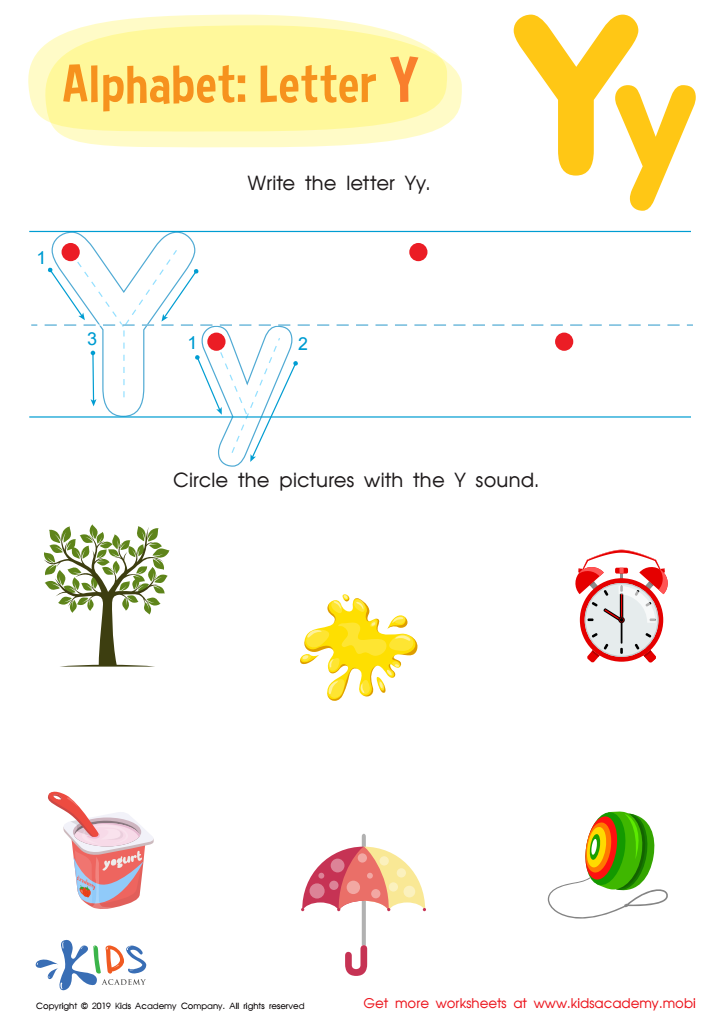
Letter Y Tracing Worksheet
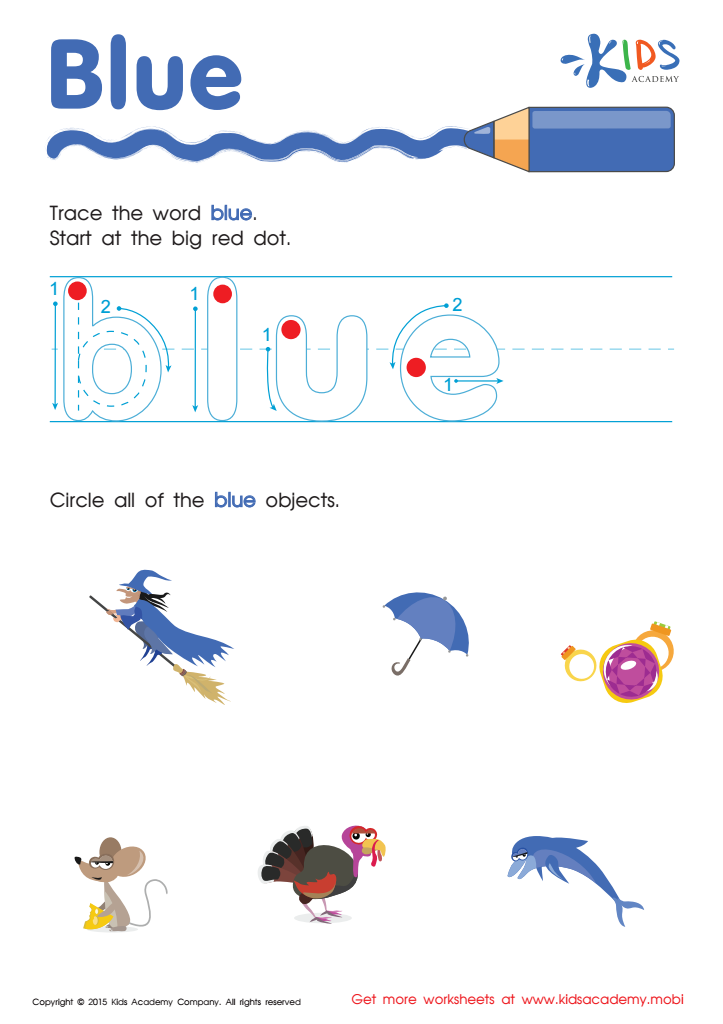
Blue Tracing Color Words Printable

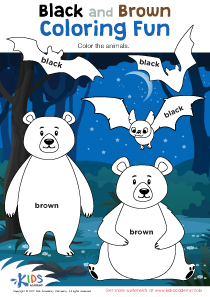
Brown Tracing Color Words Worksheet
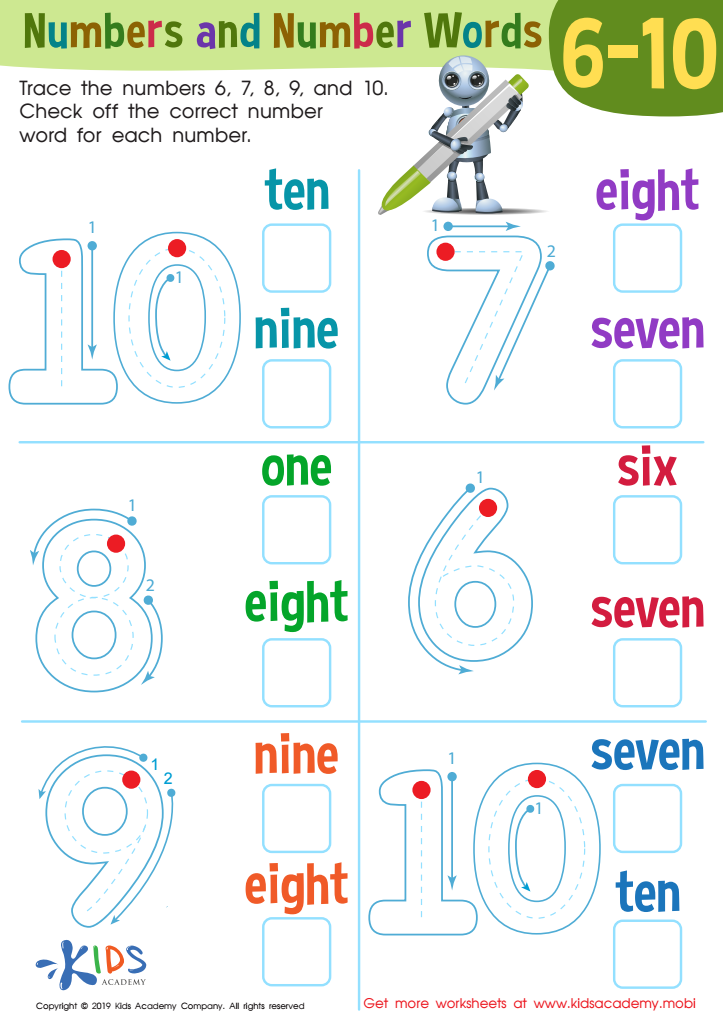
Numbers and Number Words 6–1 Worksheet
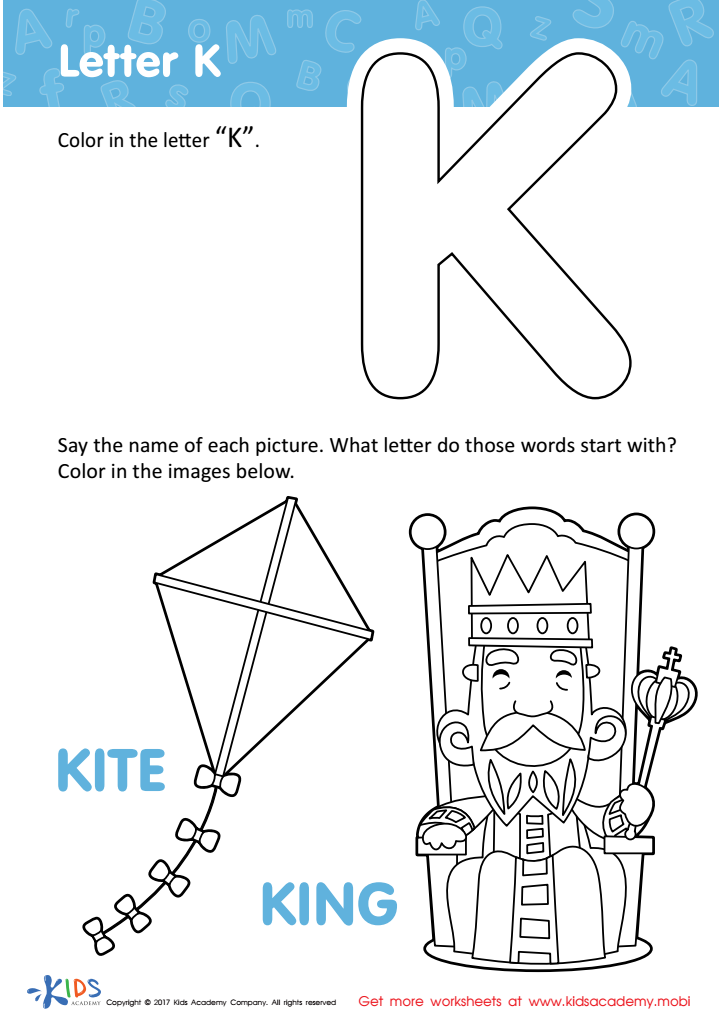
Letter K Coloring Sheet
Assign to My Students
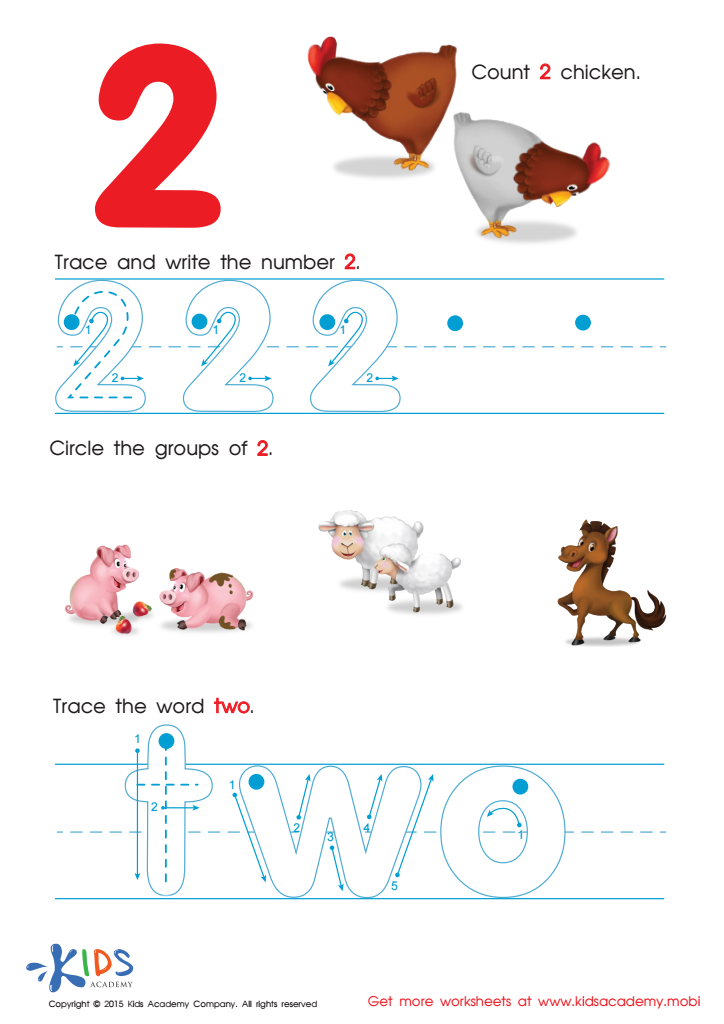
Learn to Write the Number 2 Worksheet
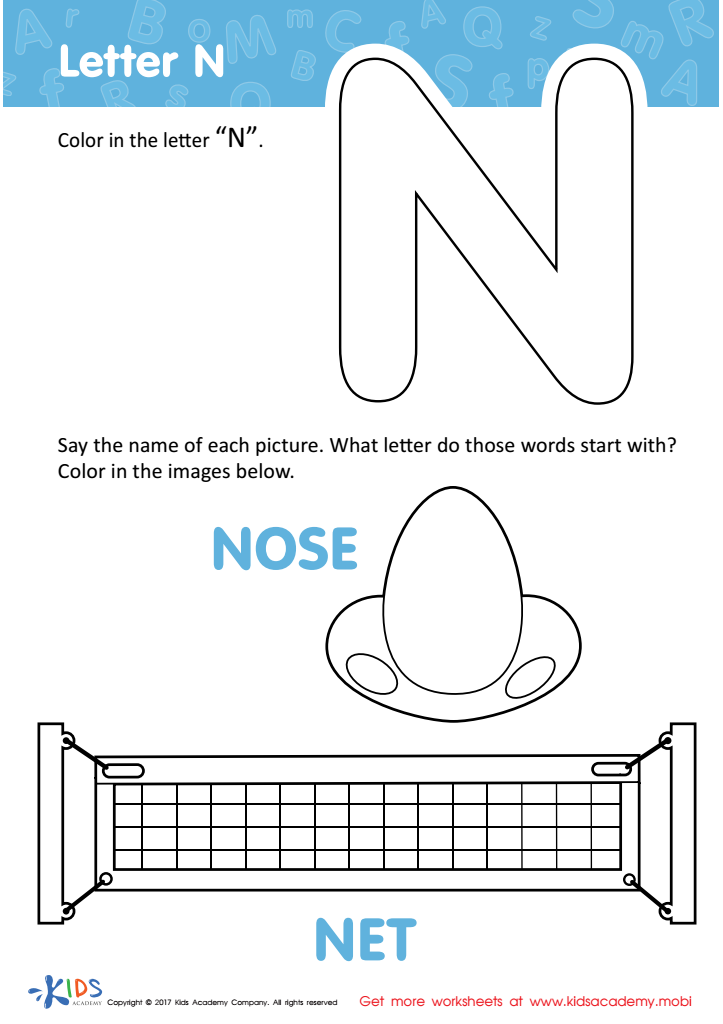
Letter N Coloring Sheet
Assign to My Students





Handwriting practice for young children, ages 5-9, is a critical component of their early education. For both parents and teachers, prioritizing handwriting in this age group fosters several fundamental developmental skills that are essential for overall academic success and personal growth.
First and foremost, handwriting practice improves fine motor skills. Children develop the strength and dexterity needed to perform various tasks, such as buttoning clothes and handling small objects, by refining their hand muscles' control.
Furthermore, practicing handwriting also enhances cognitive development. Writing by hand stimulates brain activity related to memory, comprehension, and retention. This neurological activation fosters better learning across all subjects. It ensures that students are not only learning to write letters but also reinforcing their understanding of language and its structure.
Handwriting practice also bolsters literacy and language acquisition. As children repeat letters and words, they begin to recognize patterns, improve their spelling, and increase their vocabulary. Communication skills are also refined, providing a foundation for effective written and verbal expression.
Additionally, neat and legible handwriting contributes to a child’s self-confidence. Pride in their work encourages a positive attitude towards school and learning.
In essence, handwriting practice is an integral part of a well-rounded education for young children, laying the groundwork for academic achievement, motor function, and cognitive advancement.