Color Identification Worksheets for Ages 5-9 - Page 2
75 filtered results
-
From - To

Fireman Worksheet
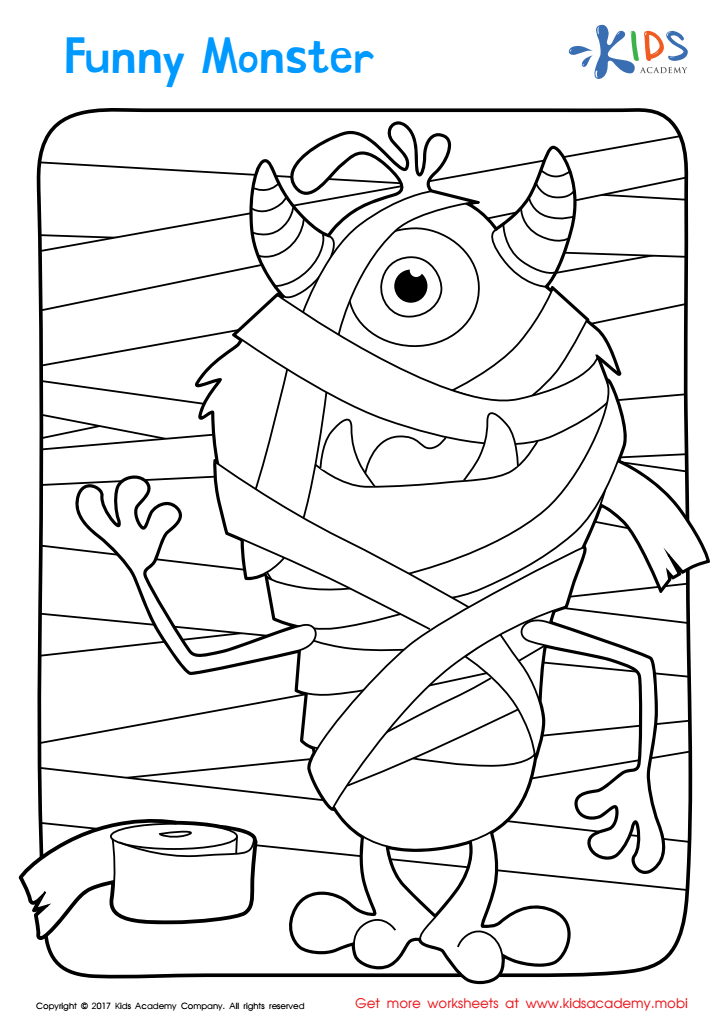
Halloween: A Funny Monster Worksheet
 Assign to My Students

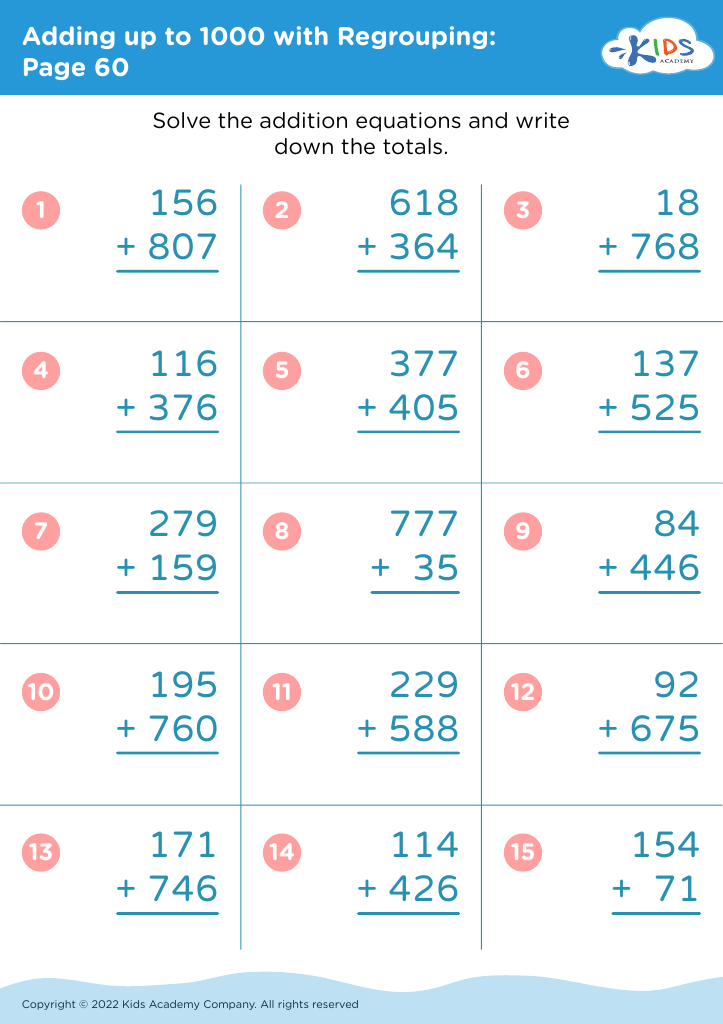
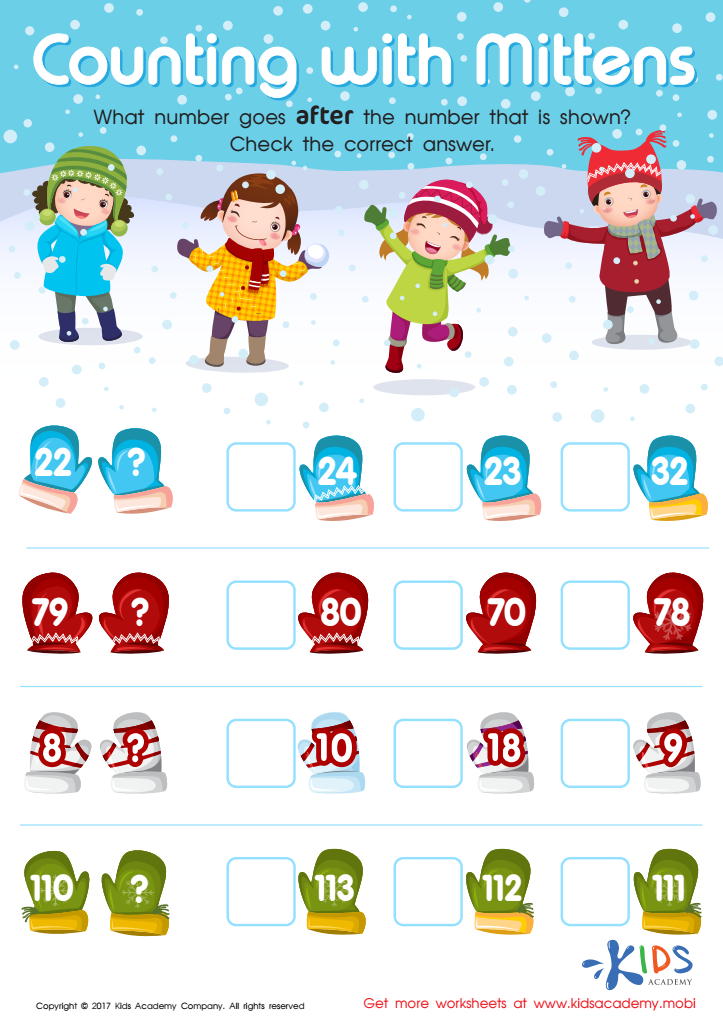
Counting with Mittens Worksheet
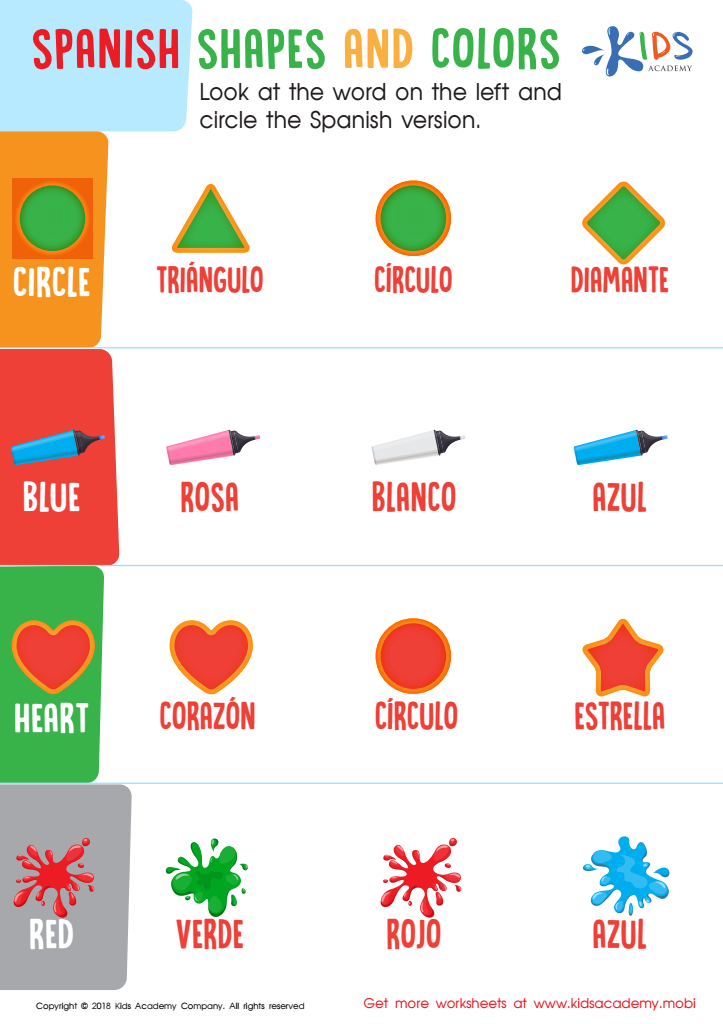
Spanish Shapes and Colors Worksheet


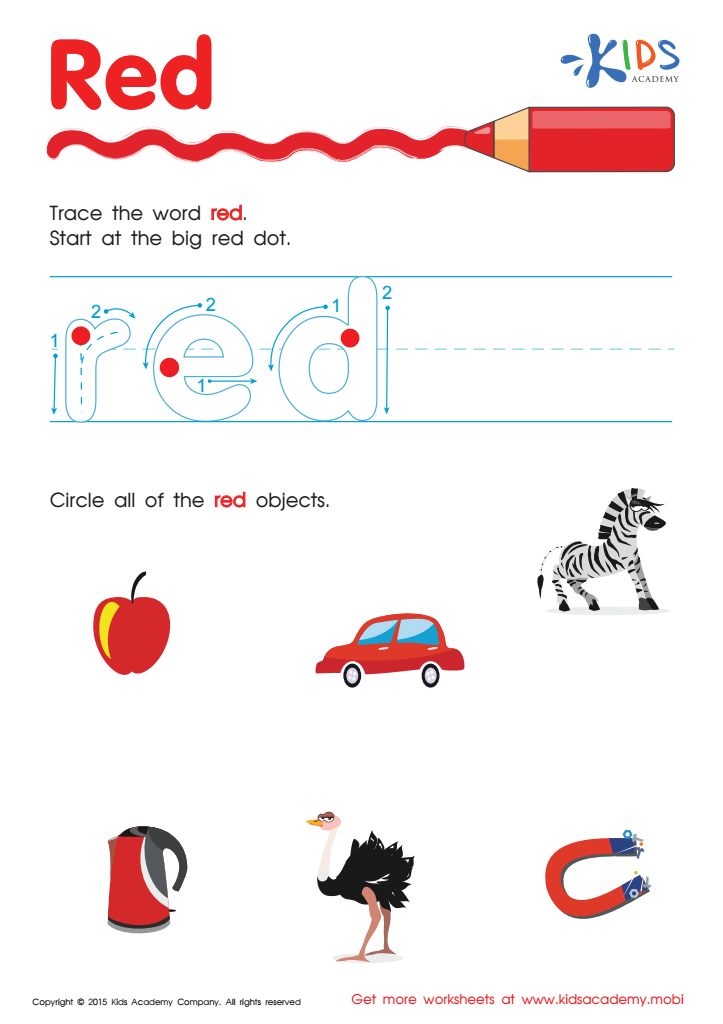
Red Tracing Color Words Printable
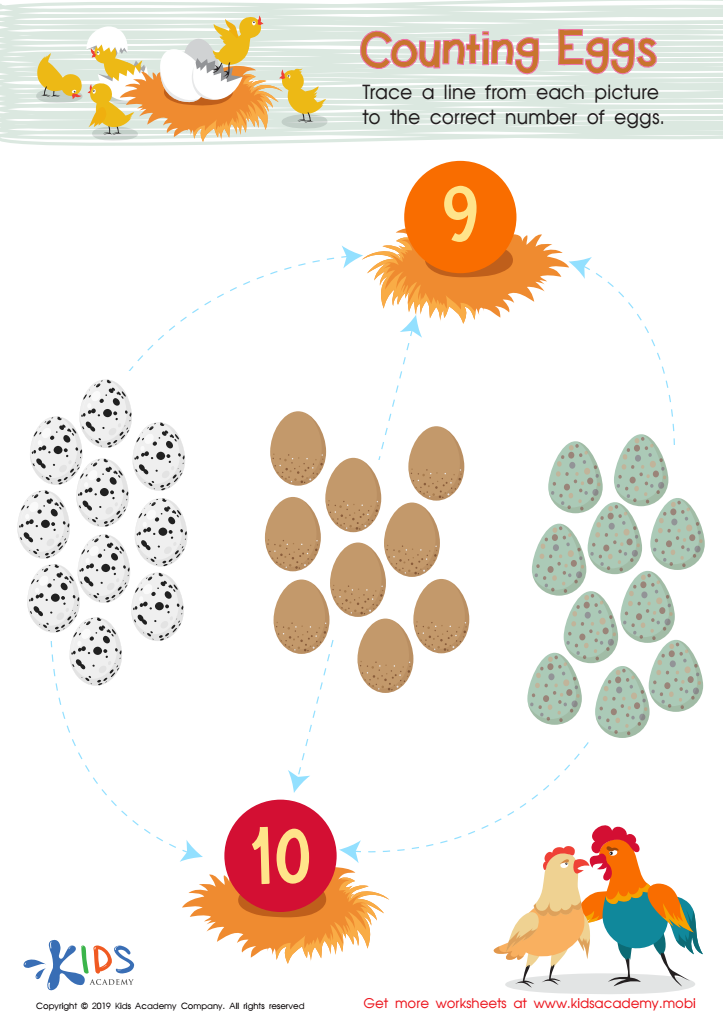
Counting Eggs Worksheet
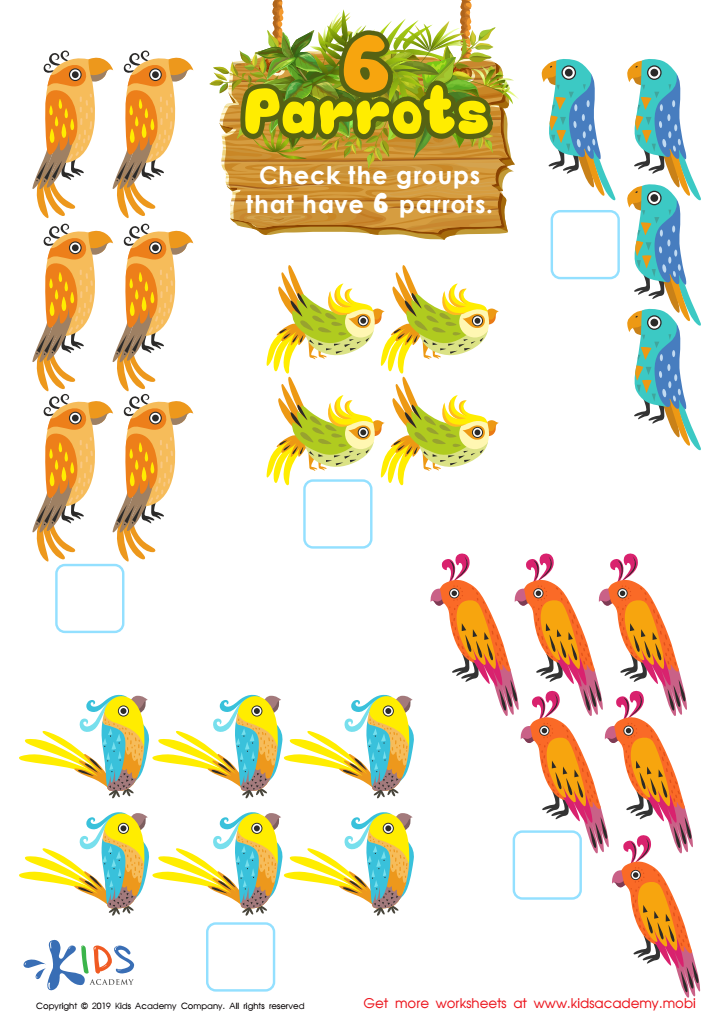
6 Parrots Worksheet
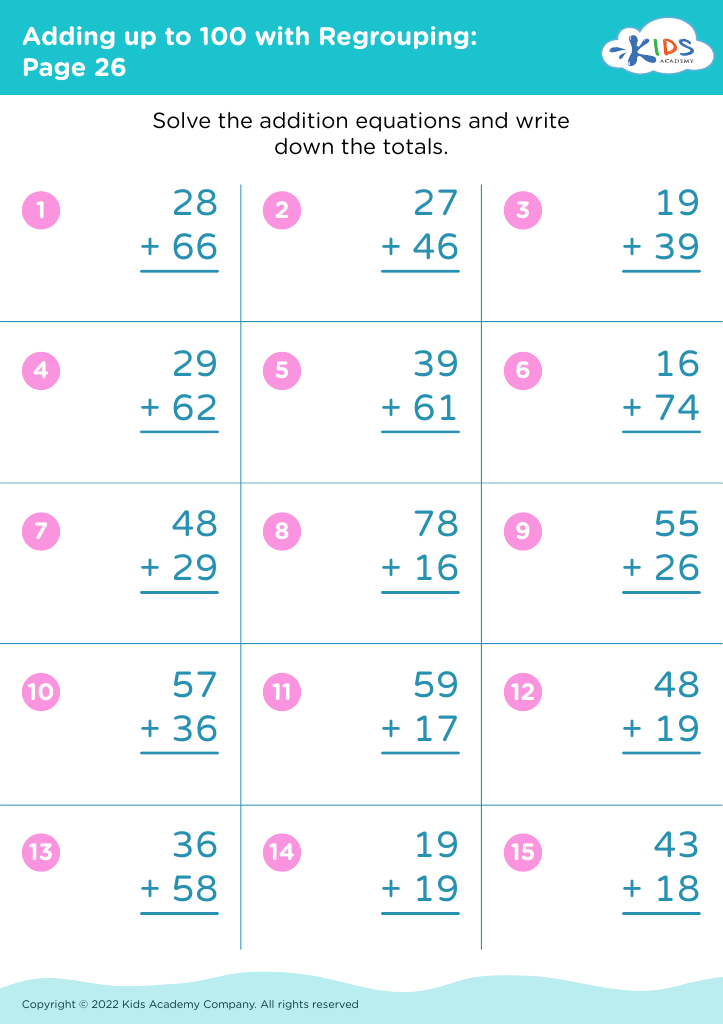

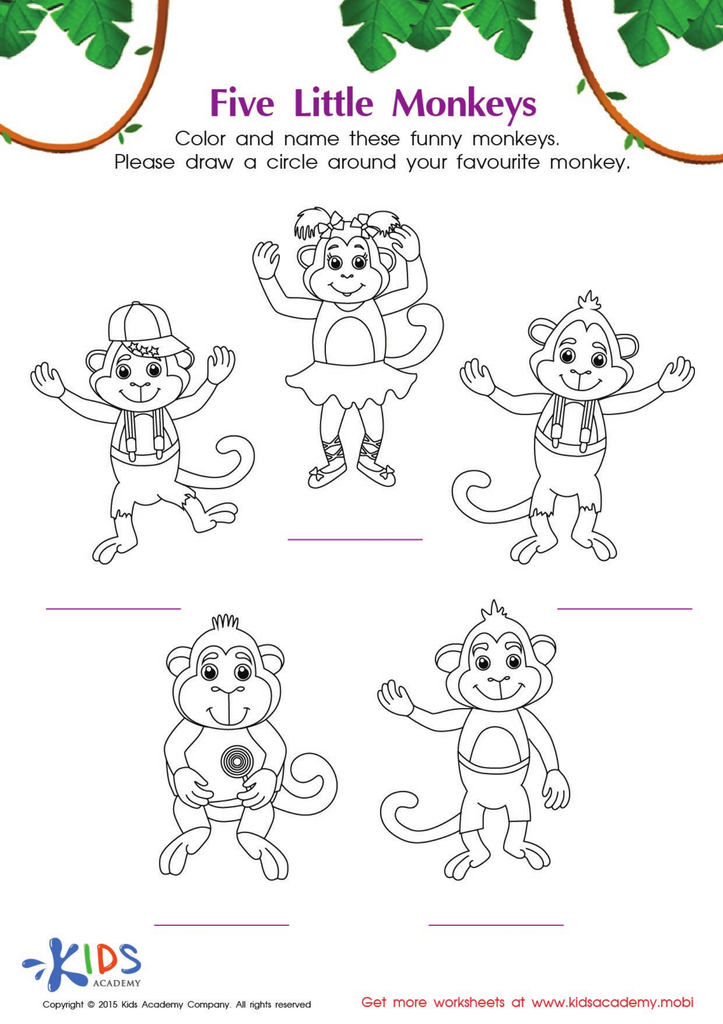
The Five Little Monkeys Coloring Worksheet
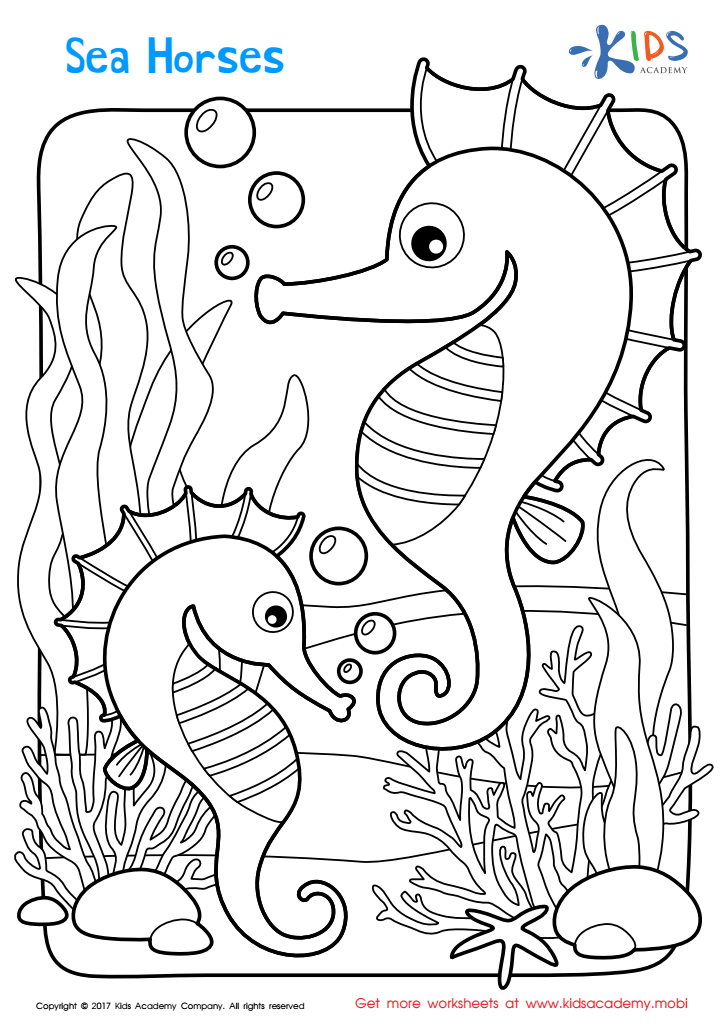
Sea Horses Printable
Assign to My Students
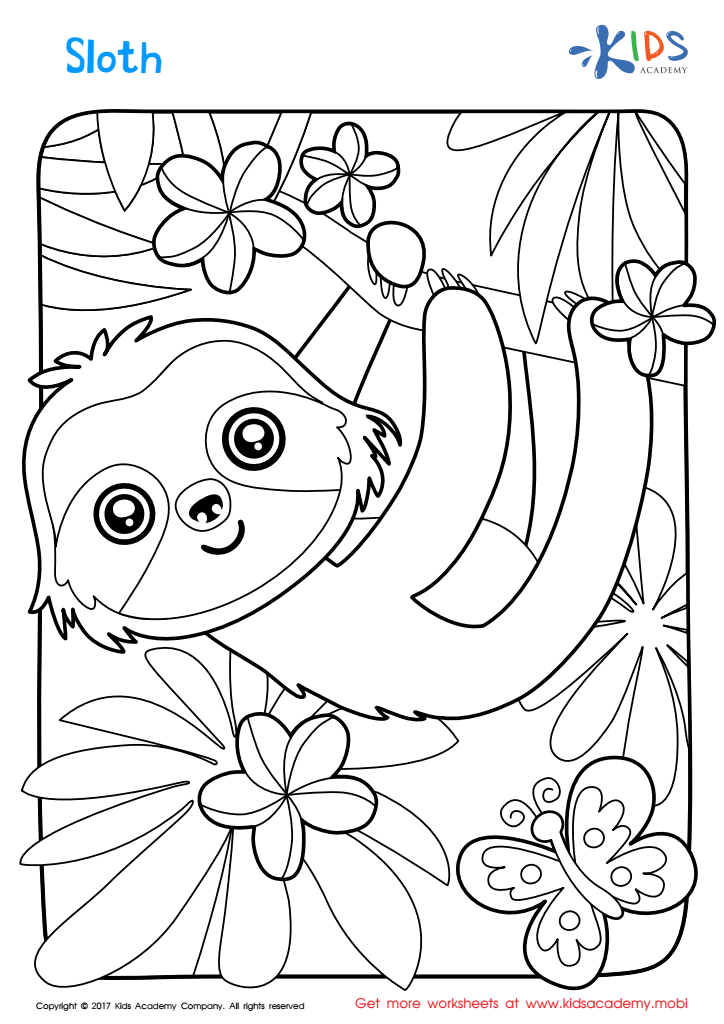
Sloth Worksheet
Assign to My Students
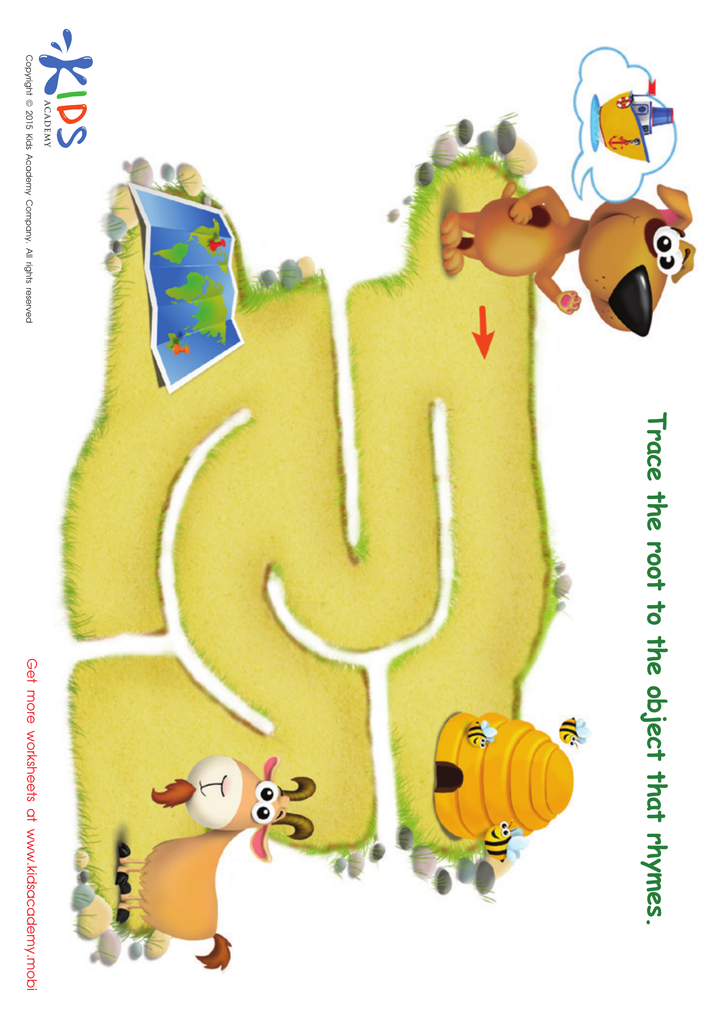
Boat Rhyming Words Worksheet


Let's Review! Big Letters Worksheet
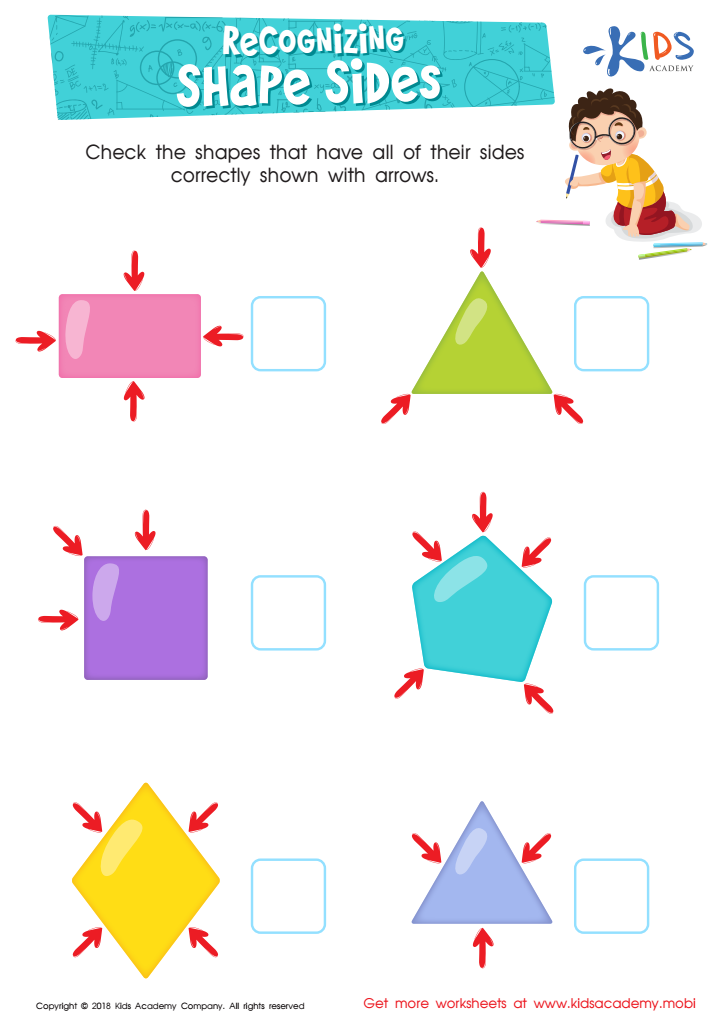
Recognizing Shape Sides Worksheet
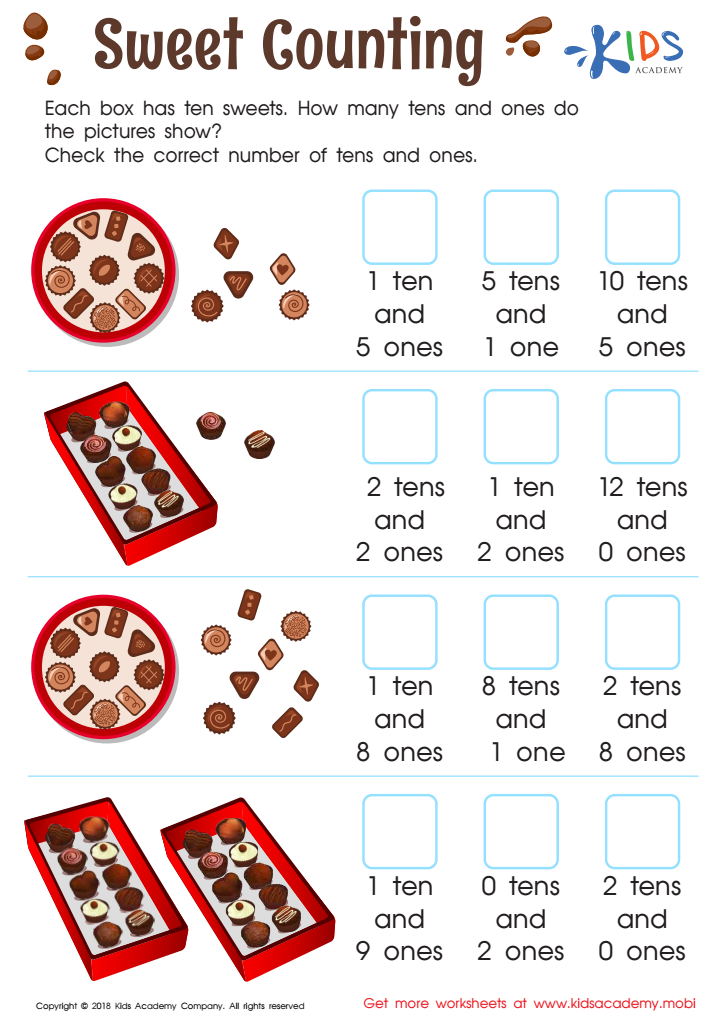
Sweet Counting - Part 2 Worksheet
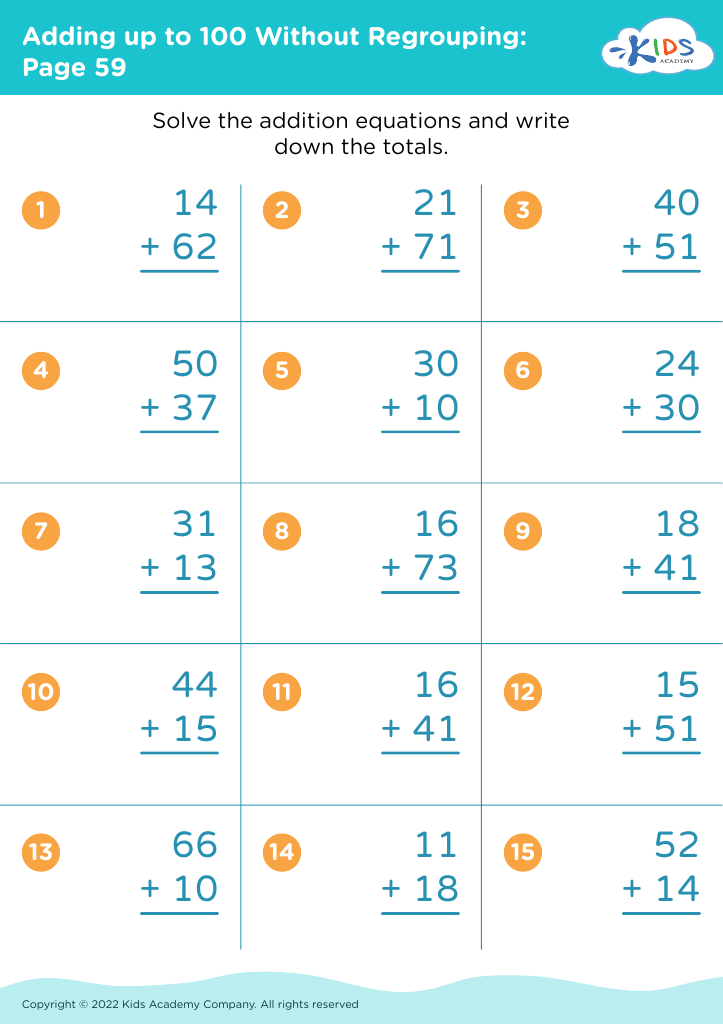
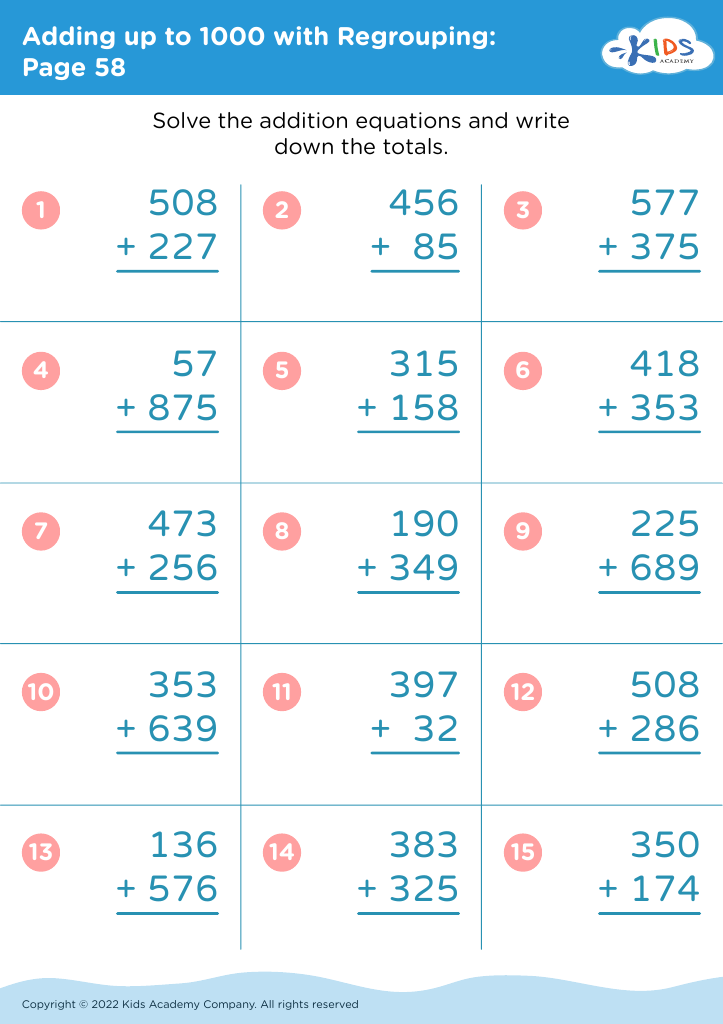

Color the Shapes Worksheet
Assign to My Students








Color identification is crucial for children aged 5-9, as it serves as a fundamental building block for various cognitive and social skills. At this age, children are naturally curious, exploring the world around them, and color plays a pivotal role in their understanding and interaction with their environment.
Firstly, mastering color identification enhances language development. As children learn to name and describe colors, they expand their vocabulary and improve their ability to express themselves. This skill aids in their communication, fostering confidence in sharing thoughts and feelings.
Secondly, color recognition supports literacy and numeracy. Many educational materials, such as books and worksheets, utilize color-coded systems to facilitate learning, making it easier for children to categorize and understand concepts. Additionally, colors can be linked to emotions and categories, helping children develop critical thinking skills.
Moreover, social interactions often include discussions about colors. Whether choosing crayon colors or discussing favorite items, these interactions encourage social development, teaching cooperation and sharing.
Finally, art activities centered around colors enhance creativity and self-expression. Engaging with colors allows children to explore their interests and ideas, fostering emotional growth. Therefore, parents and teachers play a crucial role in nurturing color identification, which forms the basis for a child's comprehensive development.








