Data interpretation Worksheets for Ages 5-9
24 filtered results
-
From - To
Discover our engaging Data Interpretation Worksheets designed for children ages 5-9! These interactive resources aim to develop crucial critical thinking skills as young learners explore charts, graphs, and pictograms. Perfect for reinforcing math and analytical abilities, our worksheets encourage students to interpret and analyze data in a fun, age-appropriate manner. With various themes and cognitive challenges, these activities promote a deeper understanding of data representation while honing problem-solving skills. Ideal for both classroom and home learning, our user-friendly worksheets provide essential practice for early learners, making data interpretation an enjoyable part of their educational journey! Download and inspire young minds today!
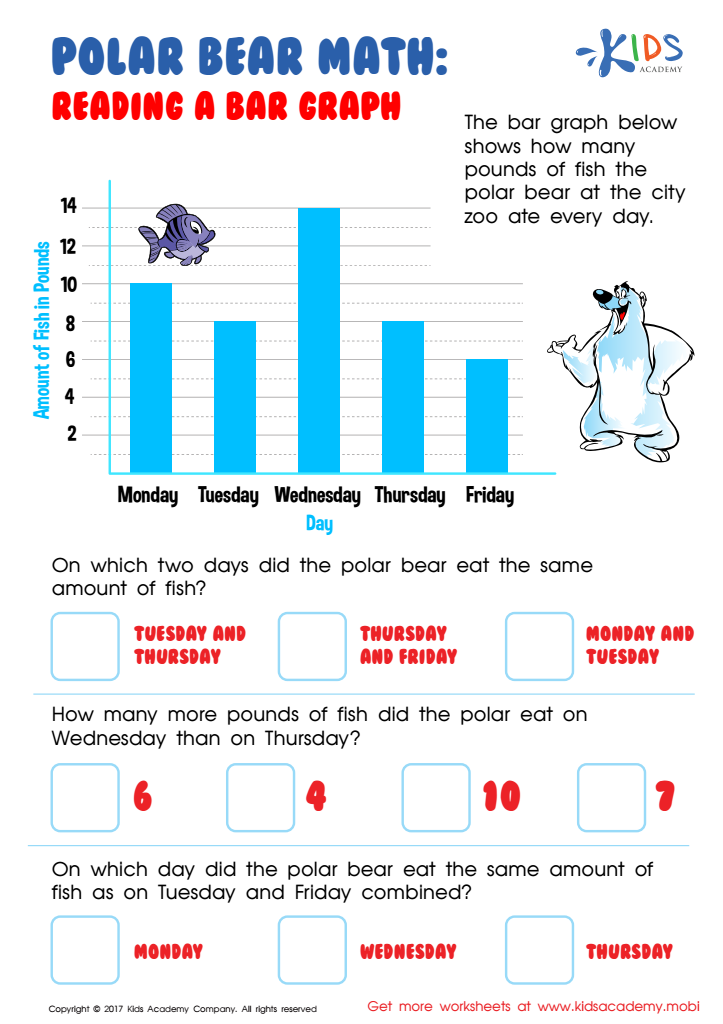
Reading Bar Graph Worksheet
 Assign to My Students
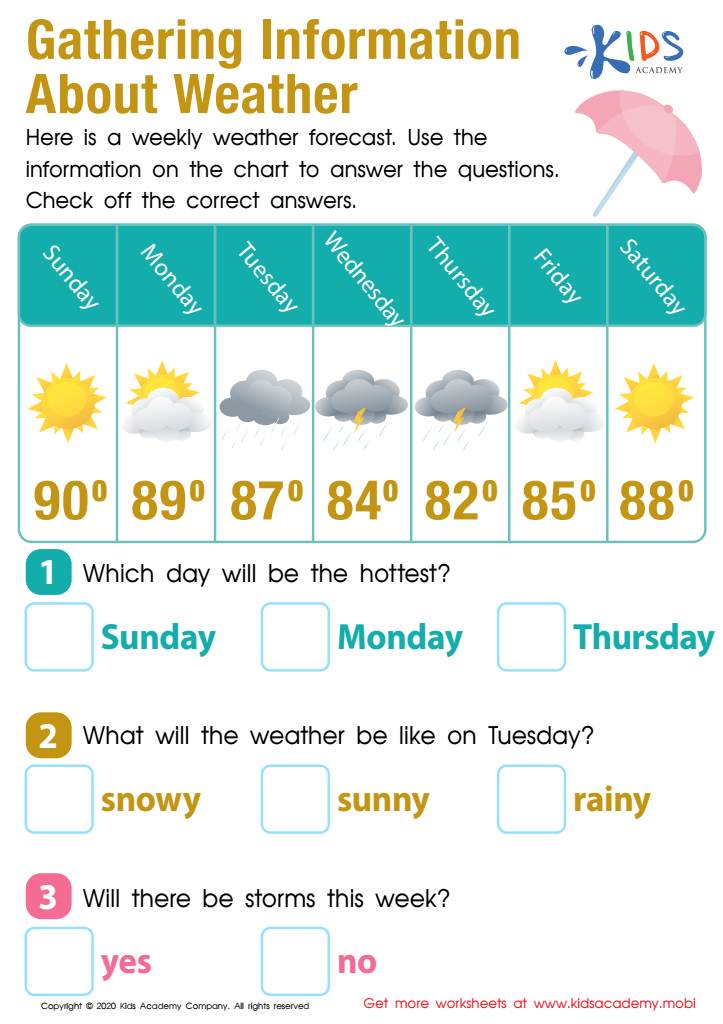
Gathering Information About the Weather Worksheet
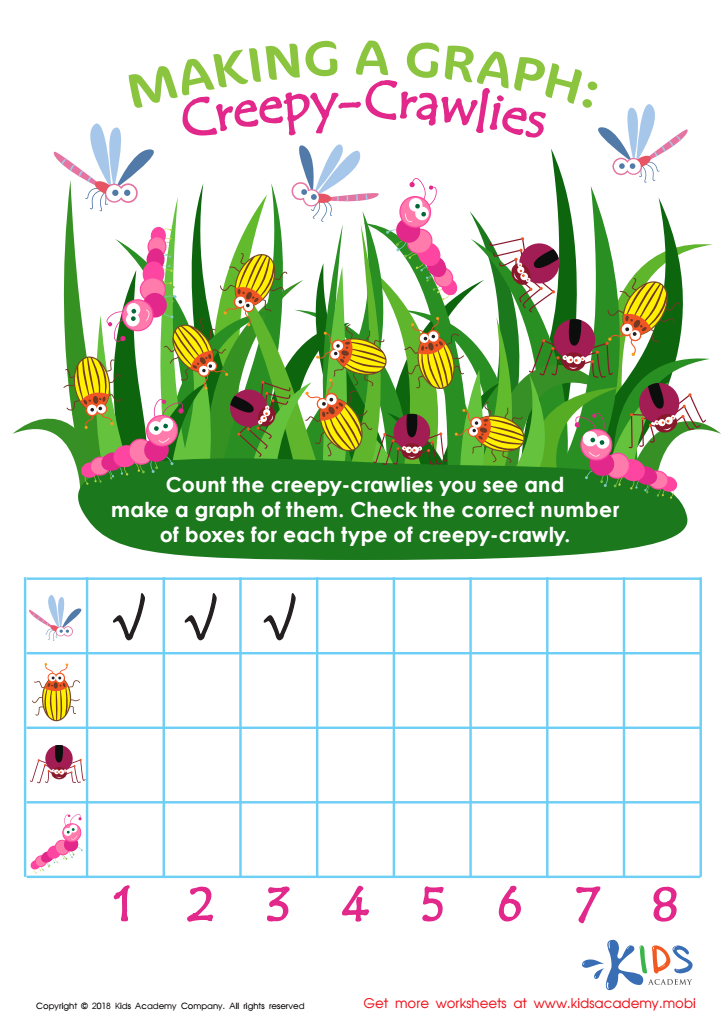
Making a Graph: Creepy Crawlies Worksheet
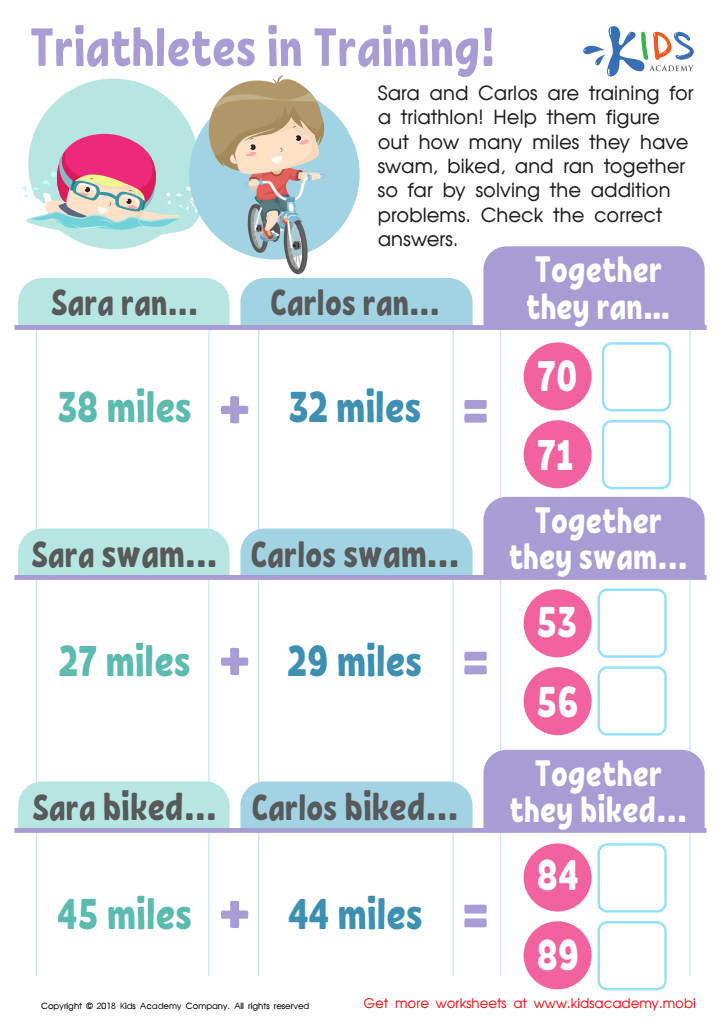
Triathletes in Training Worksheet
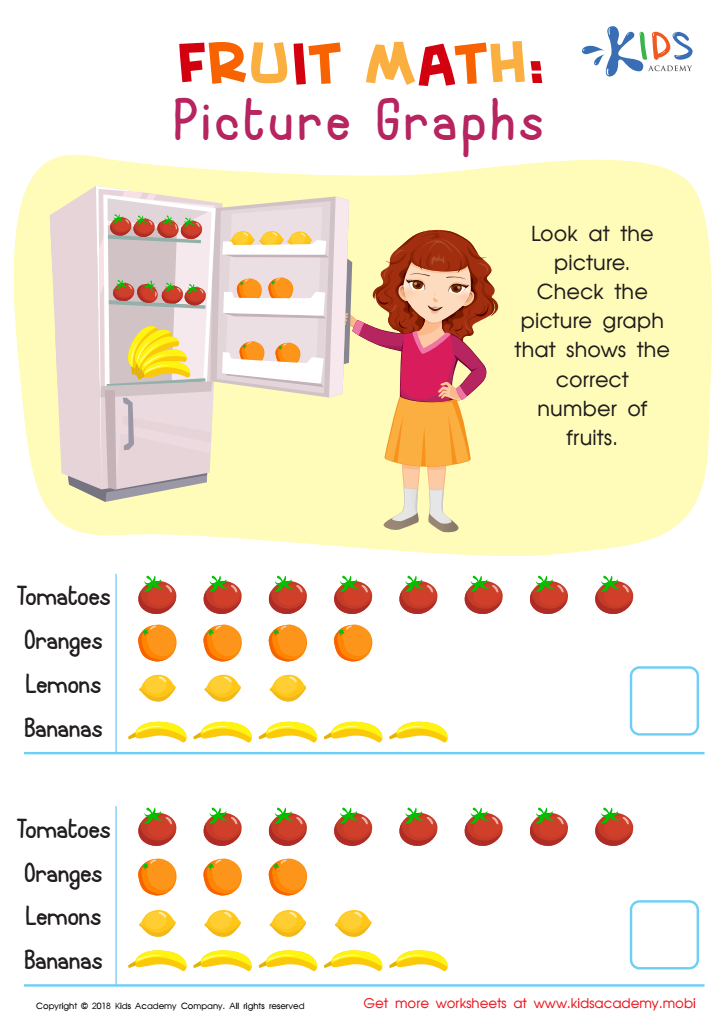
Fruit Math: Picture Graphs Worksheet
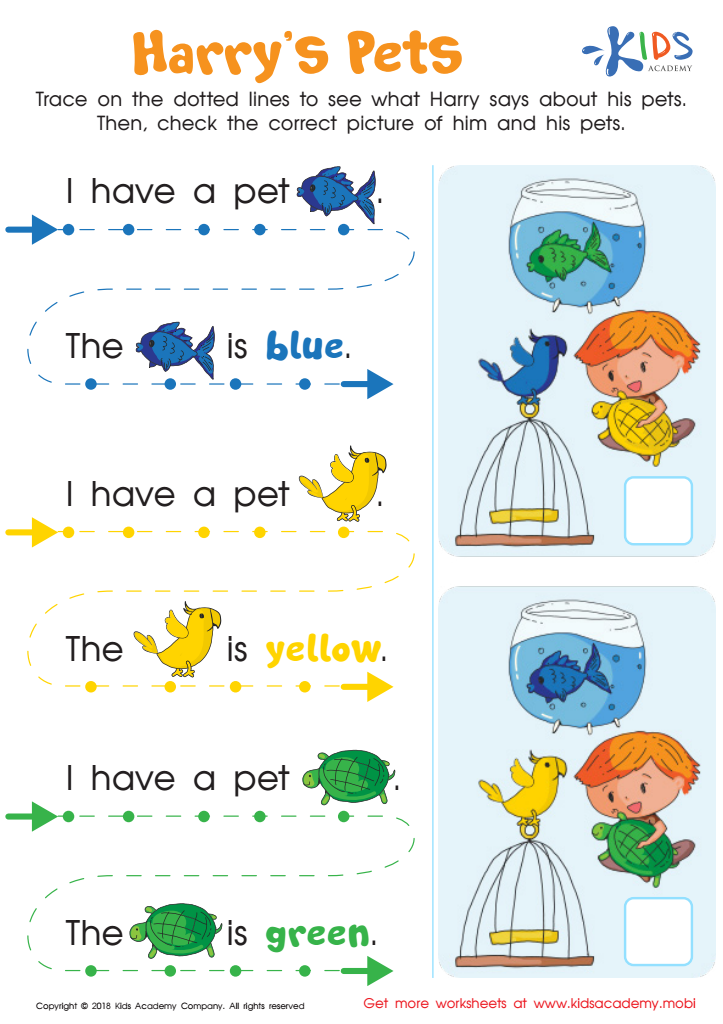
Read from Left to Right: Harry's Pets Worksheet
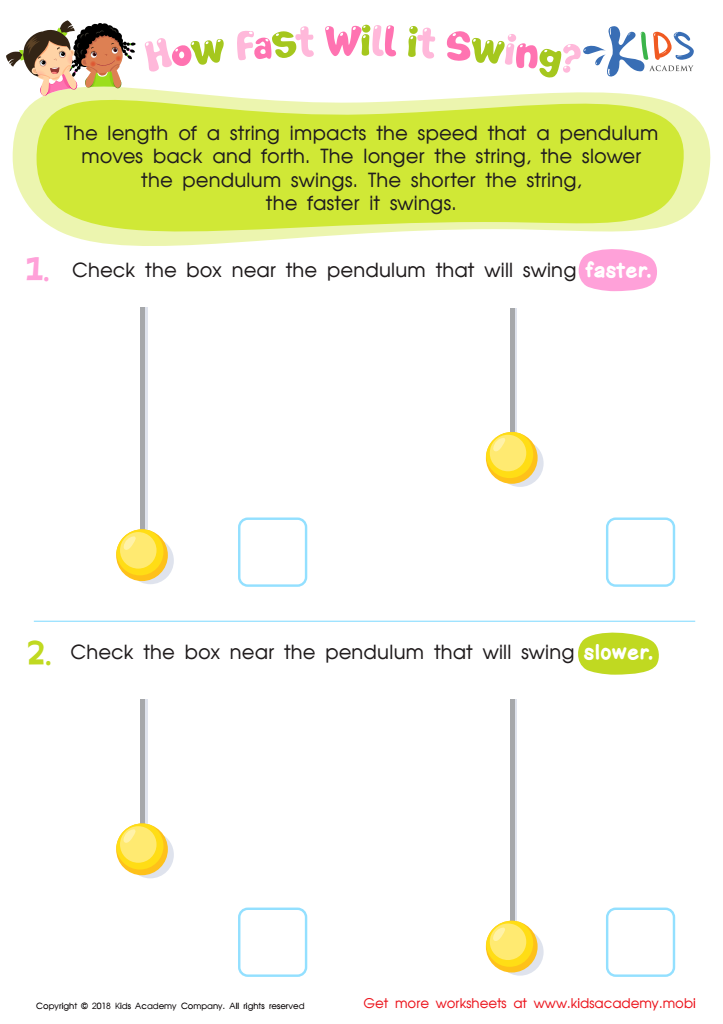
Pendulum Experiment Worksheet For 3rd Grade
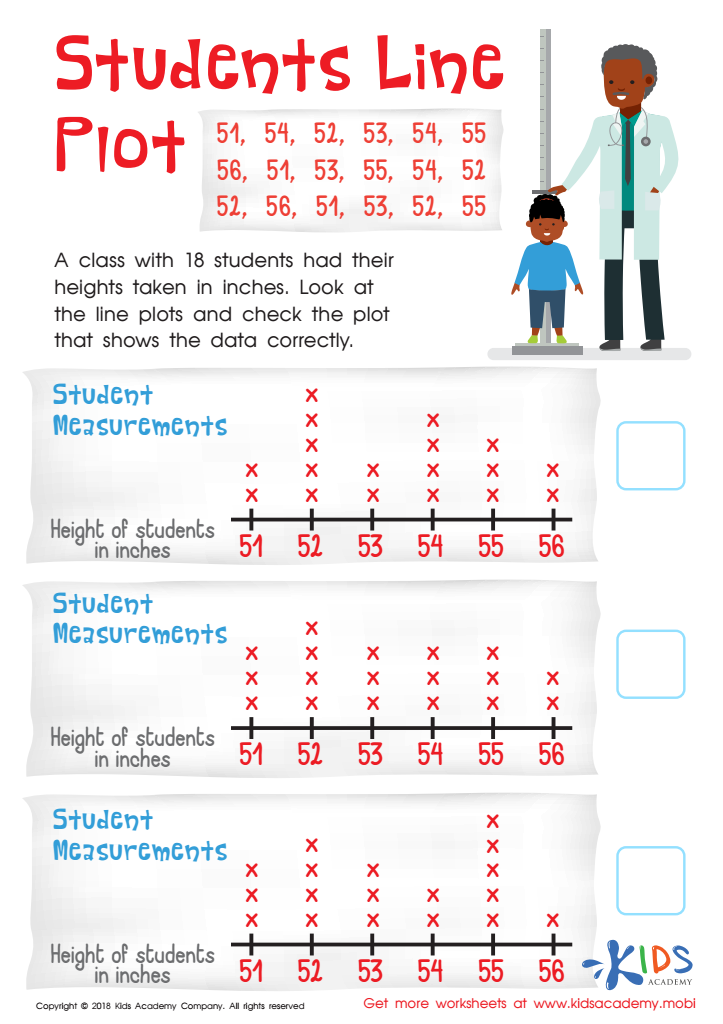
Students Line Plot Worksheet
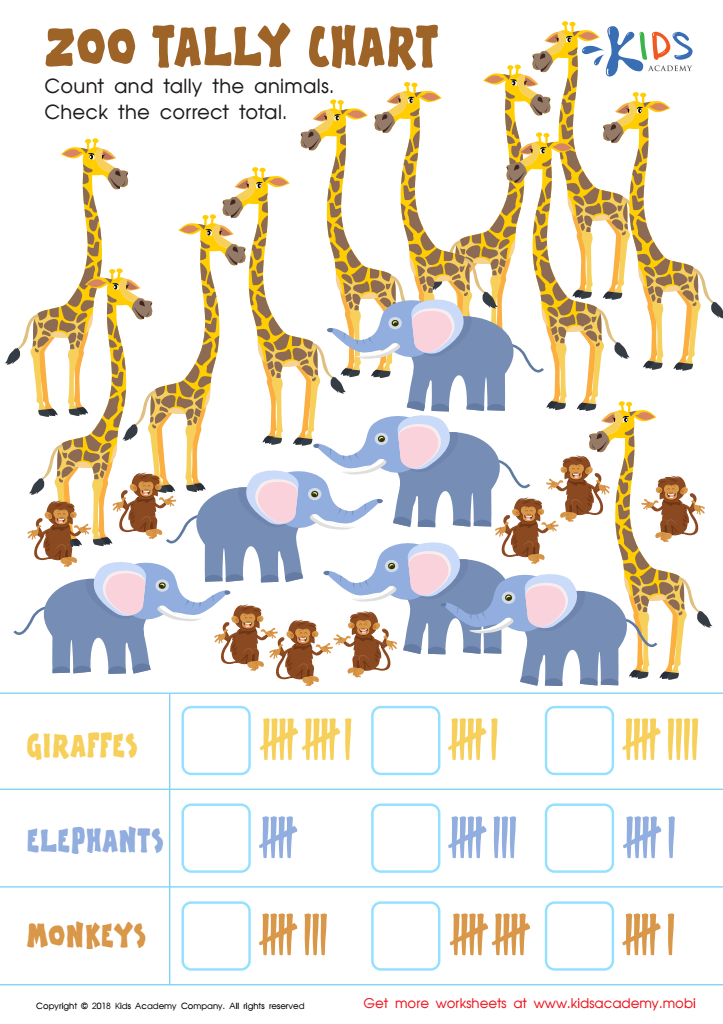
Zoo Tally Chart Worksheet
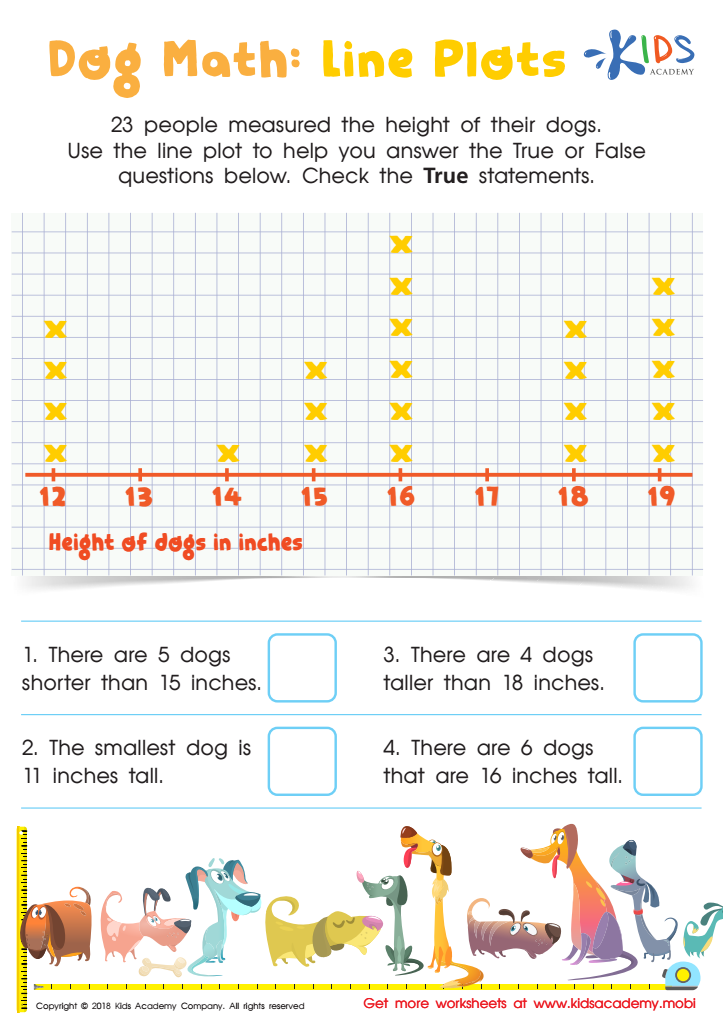
Dog Math: Line Plots Worksheet
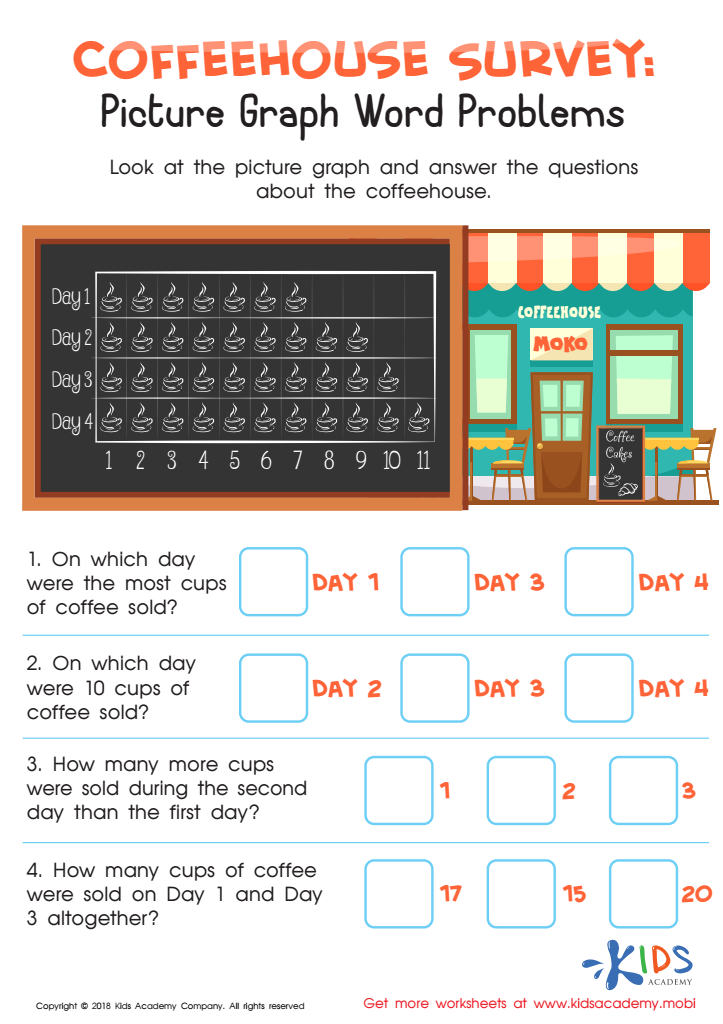
Coffeehouse Survey: Picture Graph Word Problems Worksheet
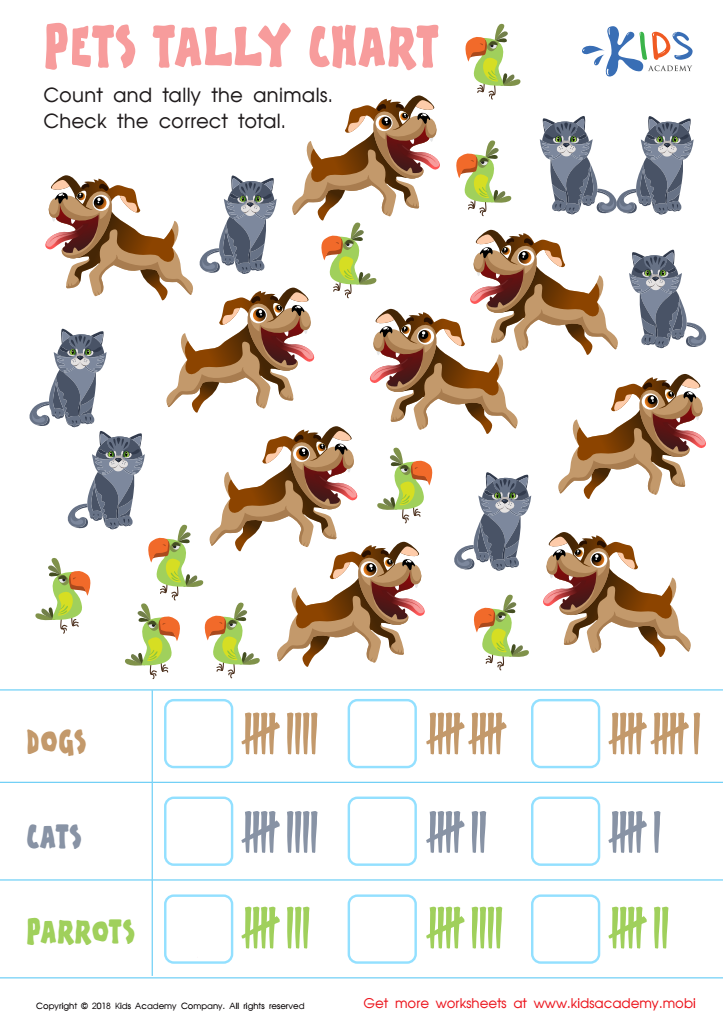
Pets Tally Chart Worksheet
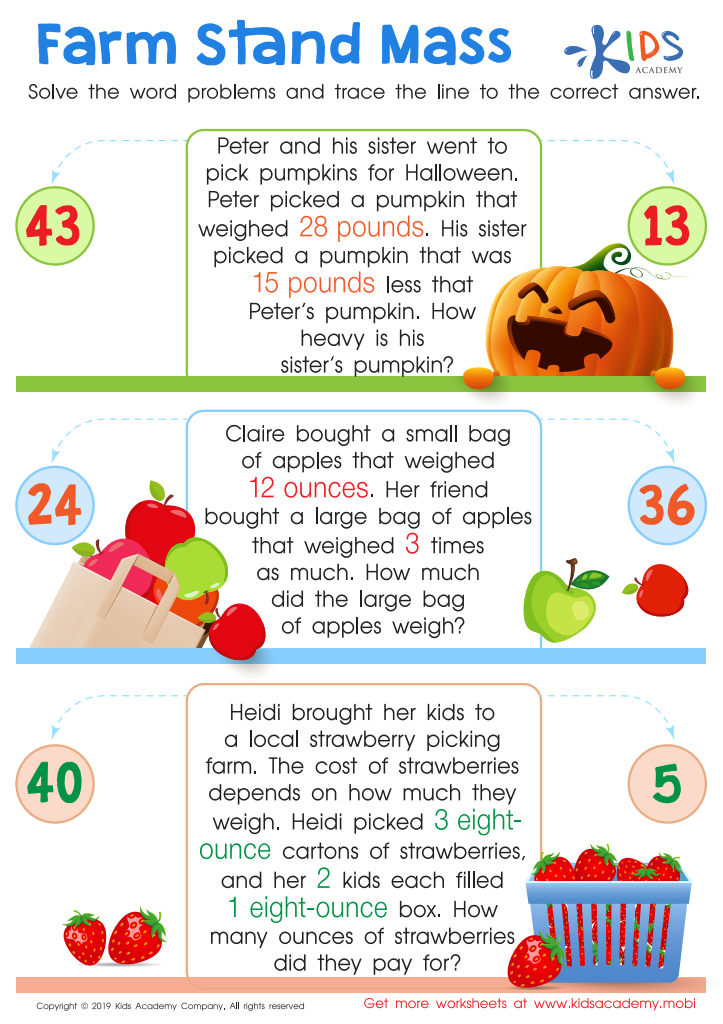
Farm Stand Mass Worksheet
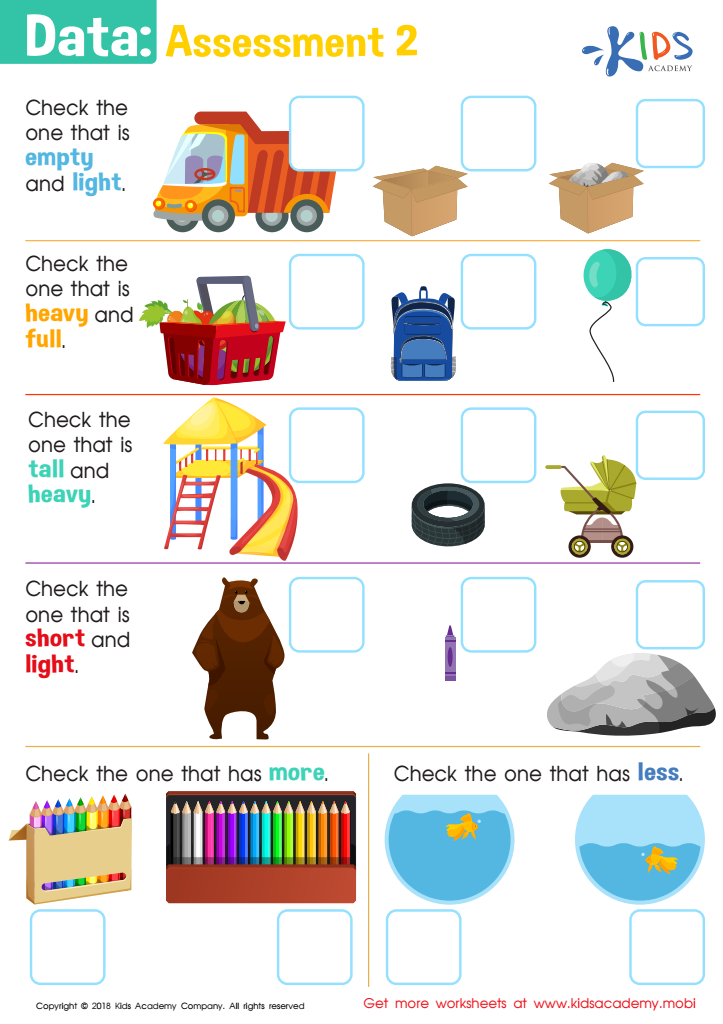
Data: Assessment 2 Worksheet
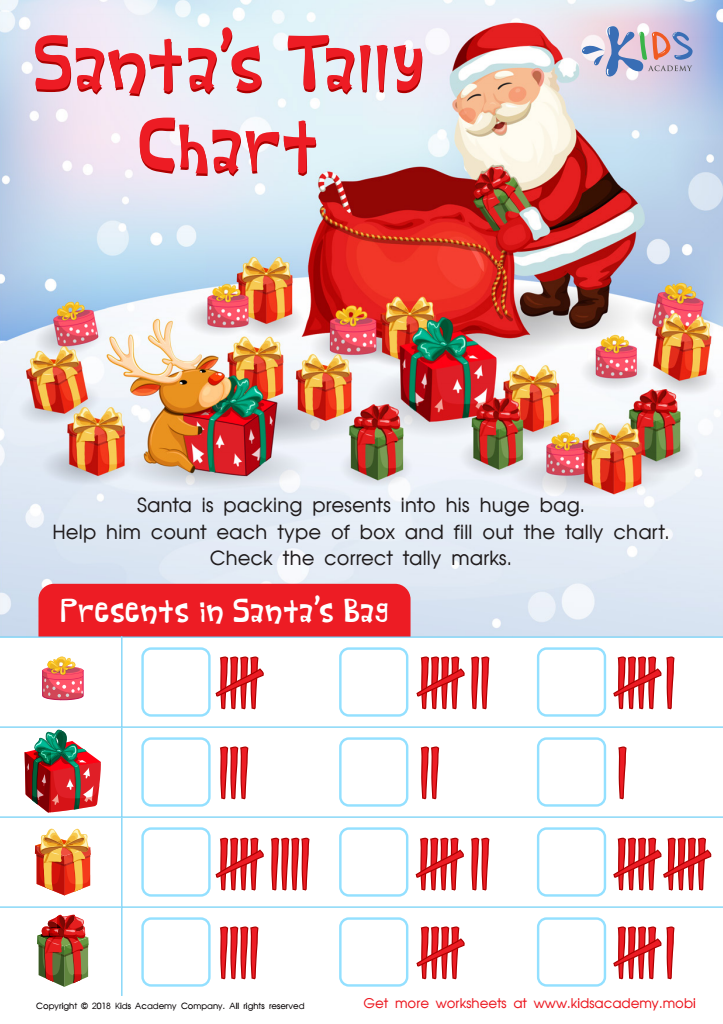
Santa Tally Chart Worksheet
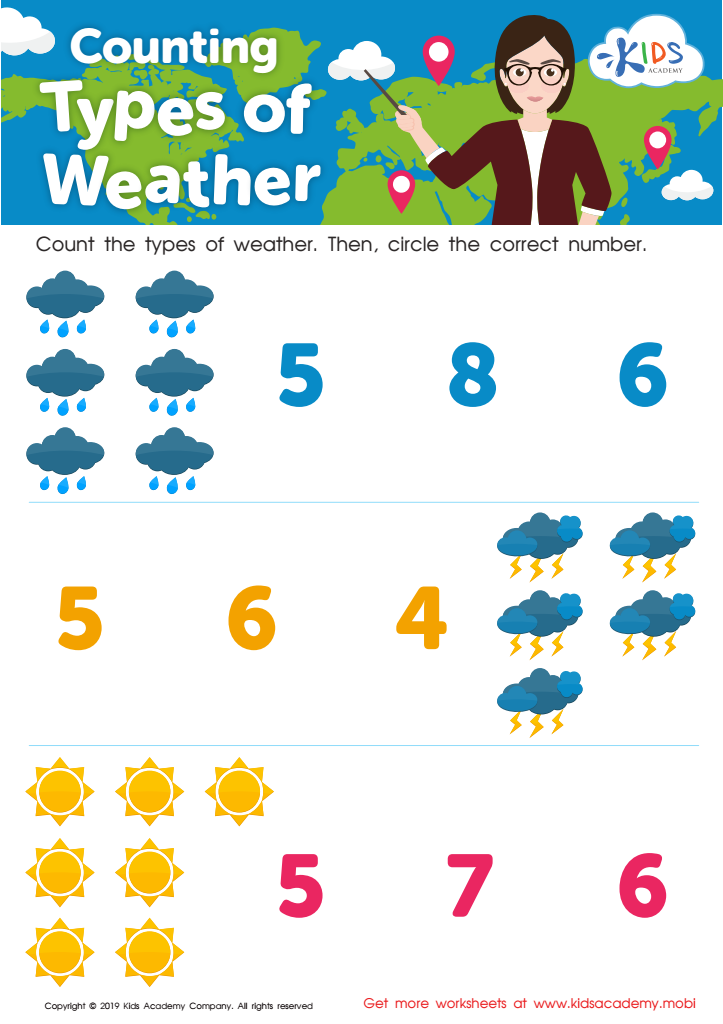
Counting Types of Weather Worksheet
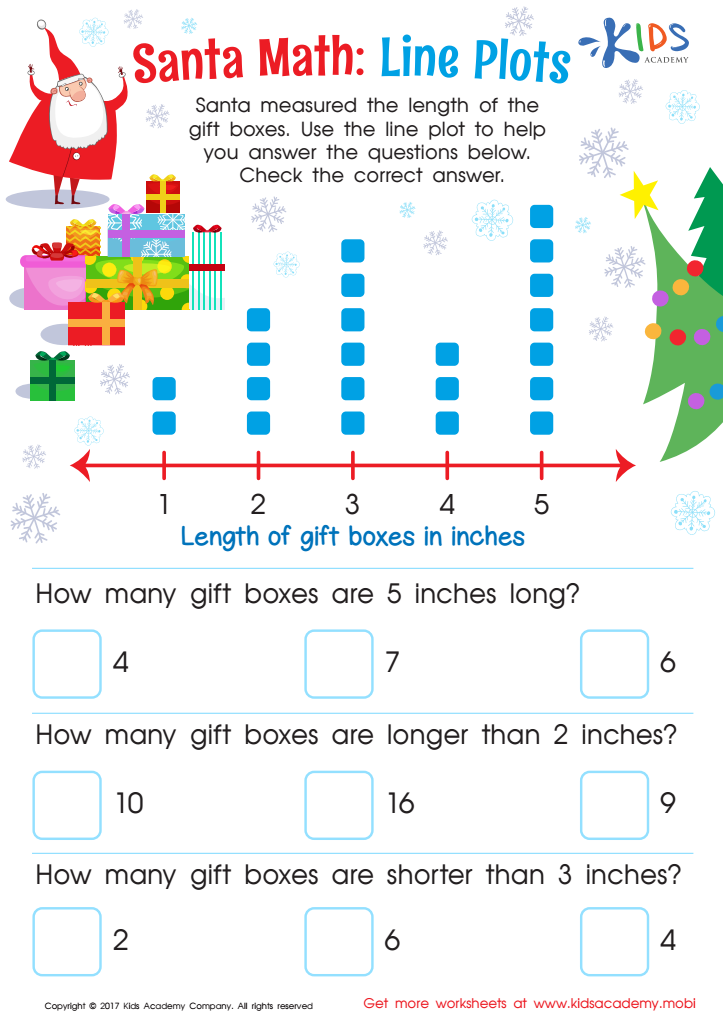
Line Plot Worksheet

Aircraft Carrier Picture Graphs Worksheet
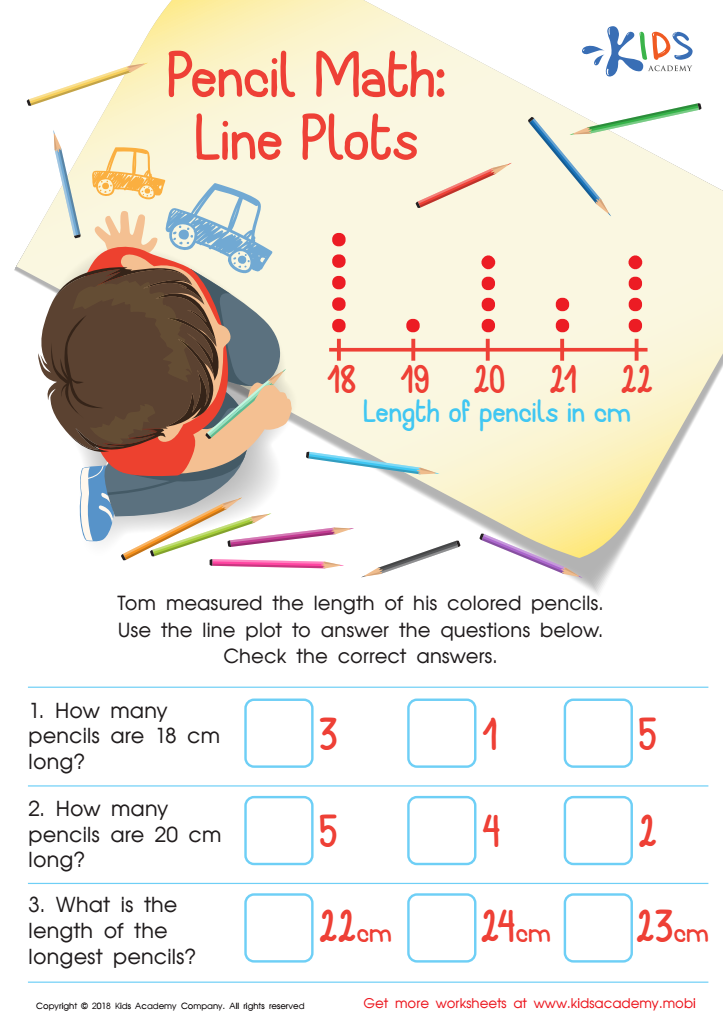
Pencil Math: Line Plots Worksheet
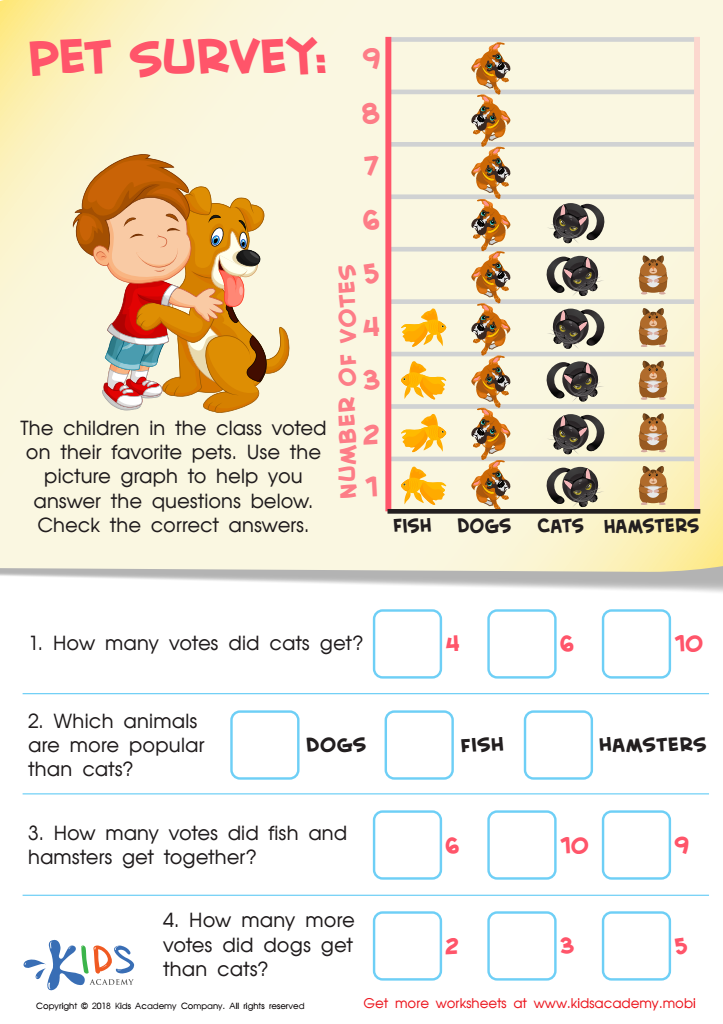
Pet Survey Worksheet
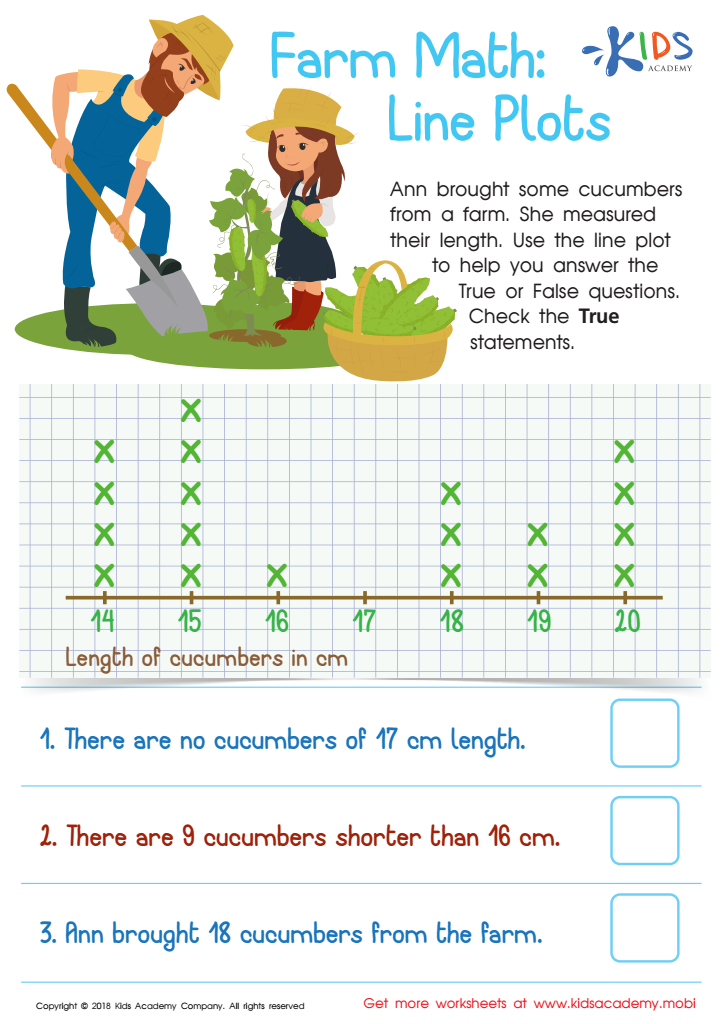
Farm Math: Line Plots Worksheet
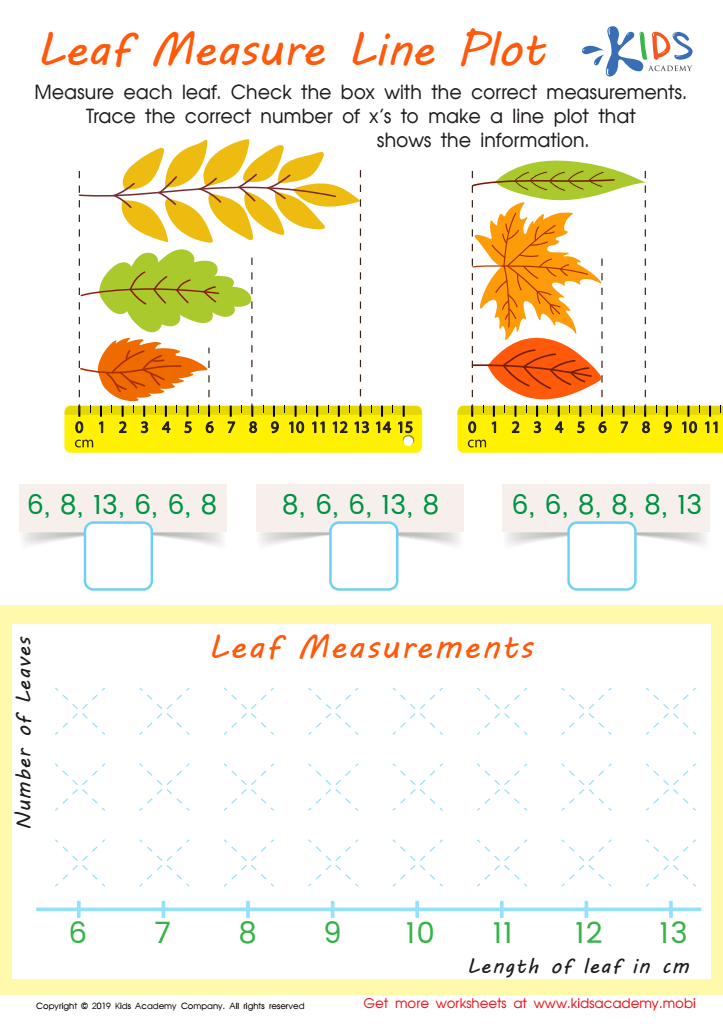
Leaf Measure Line Plot Worksheet








Data interpretation is crucial for children aged 5-9 as it lays the foundation for critical thinking and problem-solving skills. At this age, children are naturally curious, and engaging them with simple data concepts enhances their understanding of the world. Parents and teachers should care about this development because early exposure to data helps children learn how to collect, analyze, and draw conclusions from information—skills essential for success in today's data-driven society.
By interpreting data through charts, graphs, or visualizations, children can make connections between math and real-life situations. This understanding fosters analytical thinking and encourages them to ask questions, promoting a mindset of inquiry. Furthermore, mastering data interpretation aids in other academic areas, such as science and social studies, where interpreting information is vital.
Encouraging these skills early can also boost children's confidence and interest in subjects like math and science, setting a positive trajectory for future learning. Ultimately, parents and teachers play a pivotal role in guiding young learners, and fostering an appreciation for data from a young age supports their overall cognitive and emotional development. By integrating data interpretation into lessons, adults create a rich, engaging learning environment that benefits children for years to come.








