Identification skills Worksheets for Ages 5-9
11 filtered results
-
From - To
Unlock your child's potential with our Identification Skills Worksheets designed for ages 5-9. These engaging, educational worksheets focus on enhancing observational abilities, critical thinking, and pattern recognition. Kids will enjoy interactive activities like matching, categorizing, and spotting differences, making learning fun and effective. Perfect for building a strong foundation in identification skills, our printable worksheets are easily accessible and tailored to meet educational standards. Whether used in the classroom or at home, our resources provide a supportive environment for young learners to thrive. Start the journey toward academic success with our expertly crafted worksheets today!
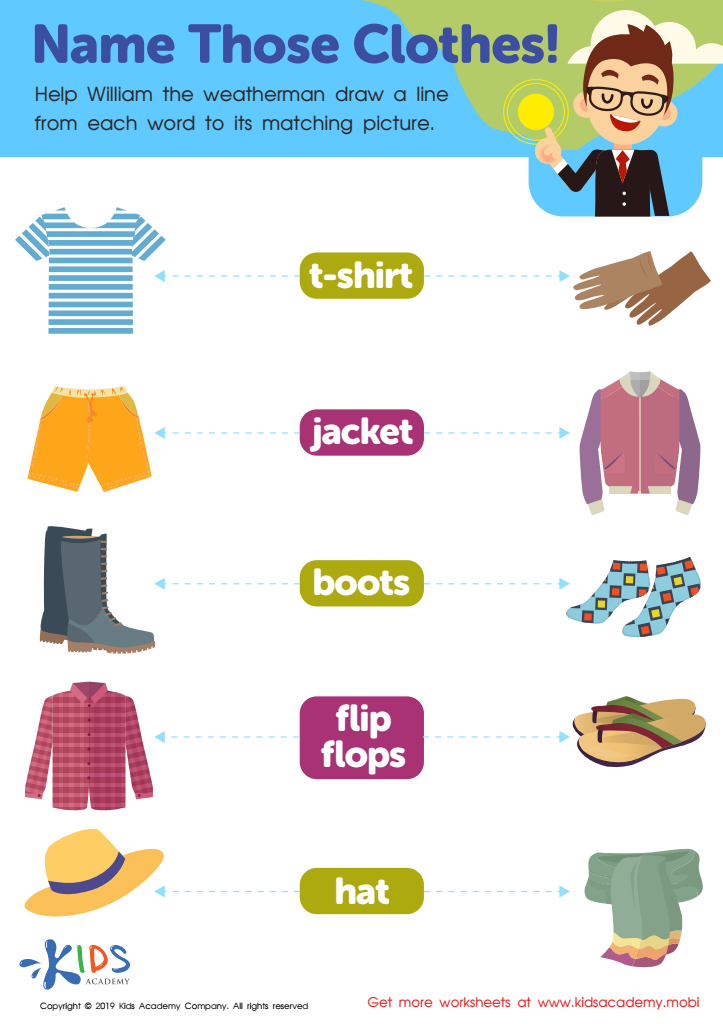
Name Those Clothes Worksheet
 Assign to My Students
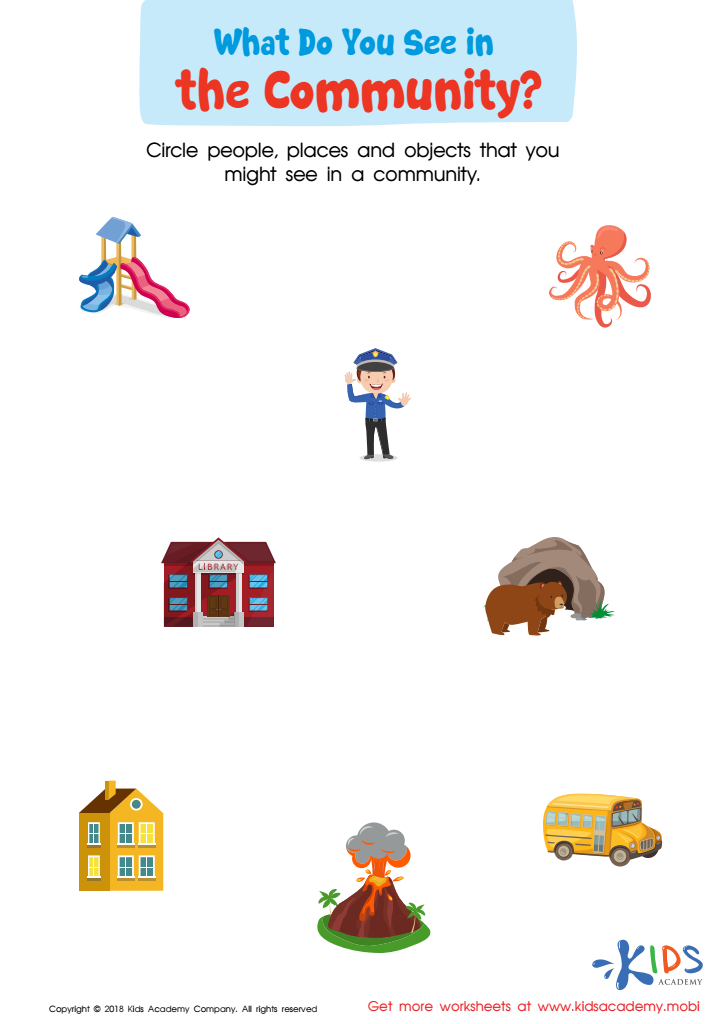
What Do You See in the Community Worksheet
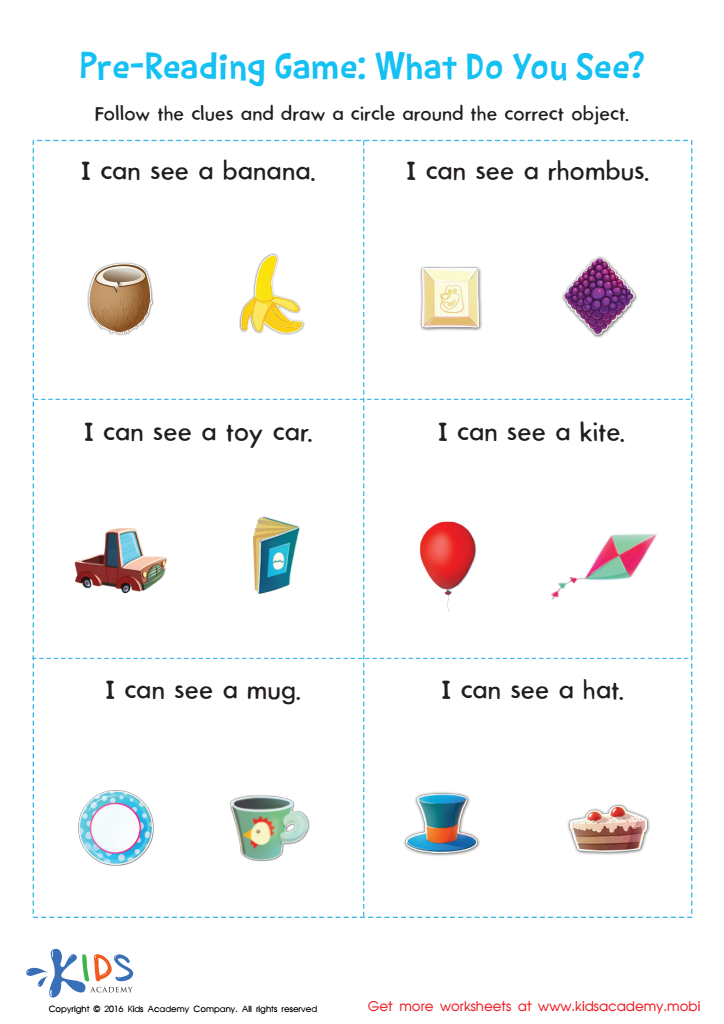
Pre–reading Worksheet: What Do You See?
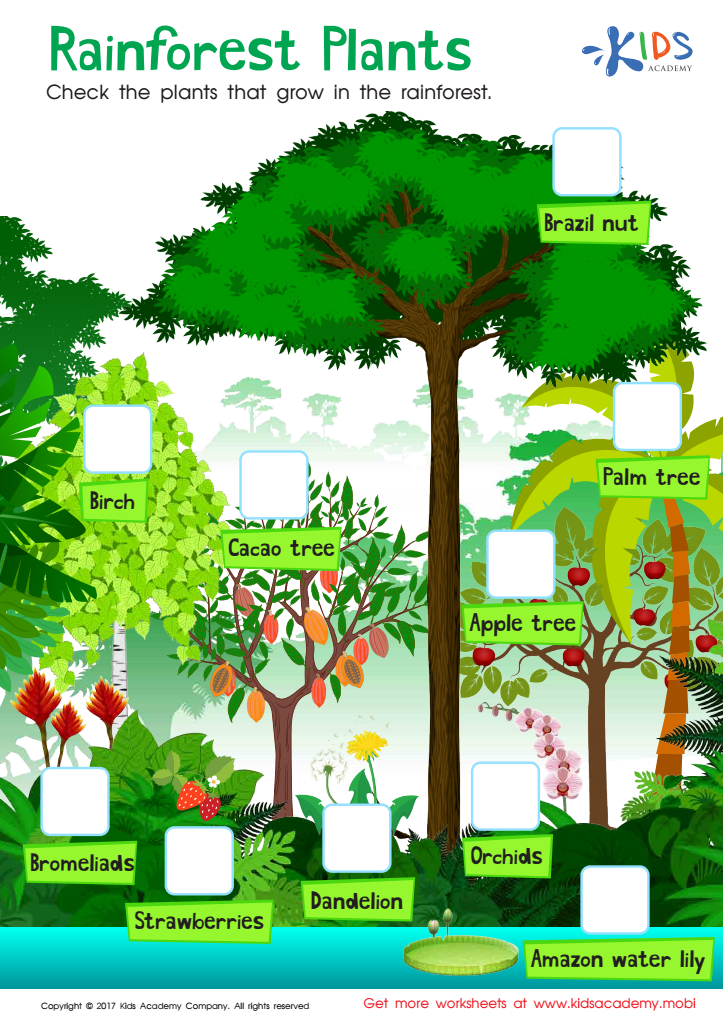
Rainforest Plants Worksheet
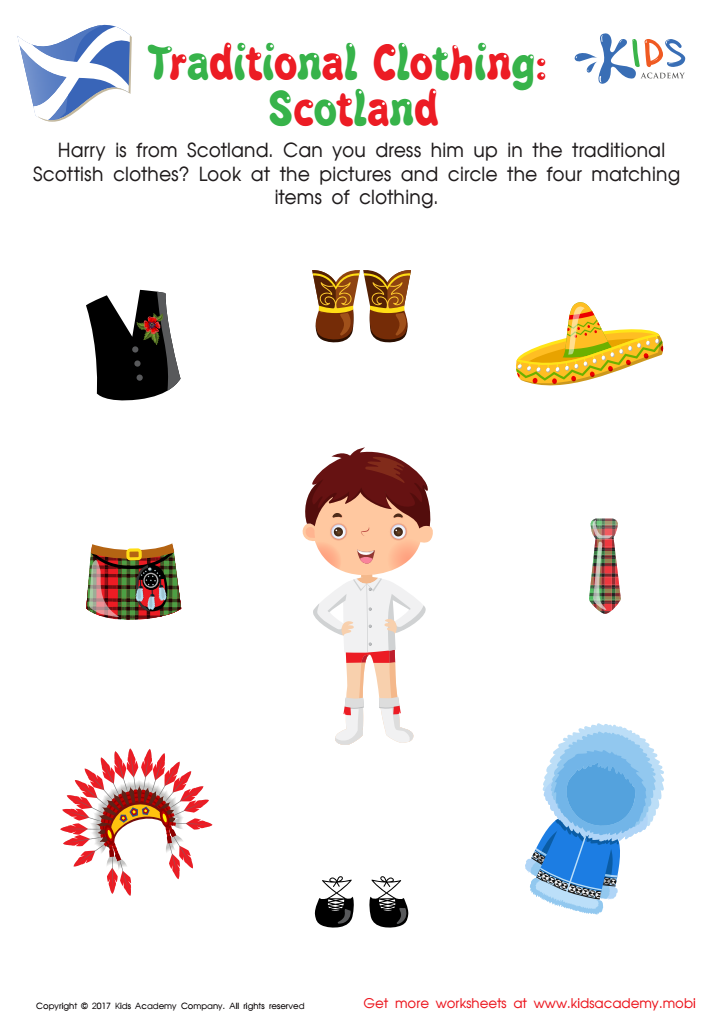
Traditional Clothing in Scotland Worksheet
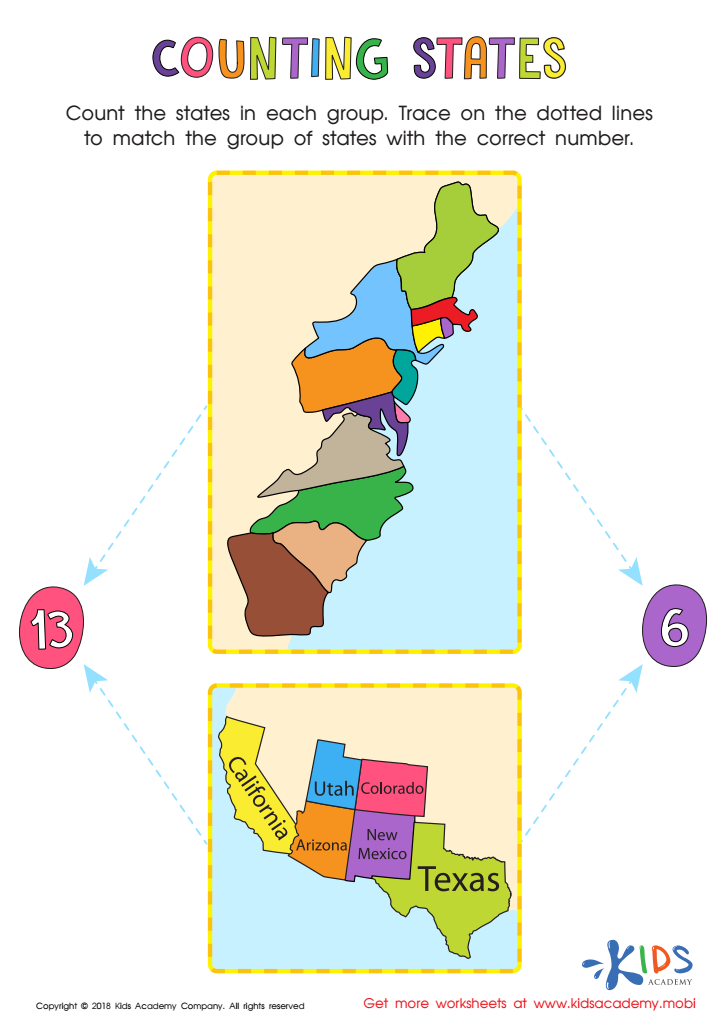
Counting States Worksheet
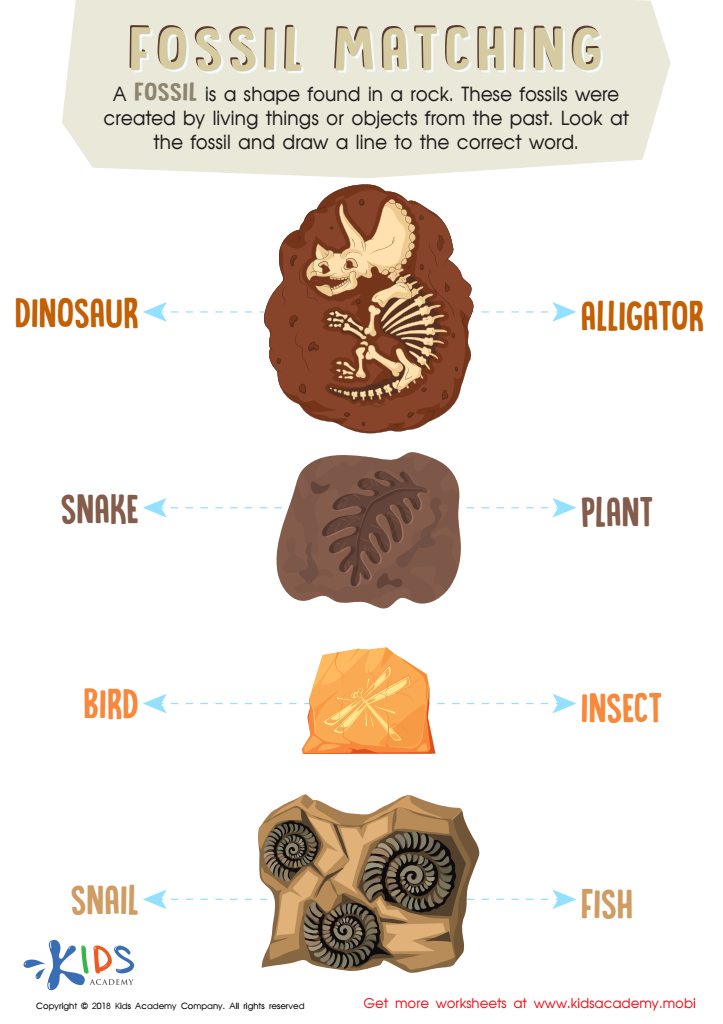
Fossil Matching Worksheet
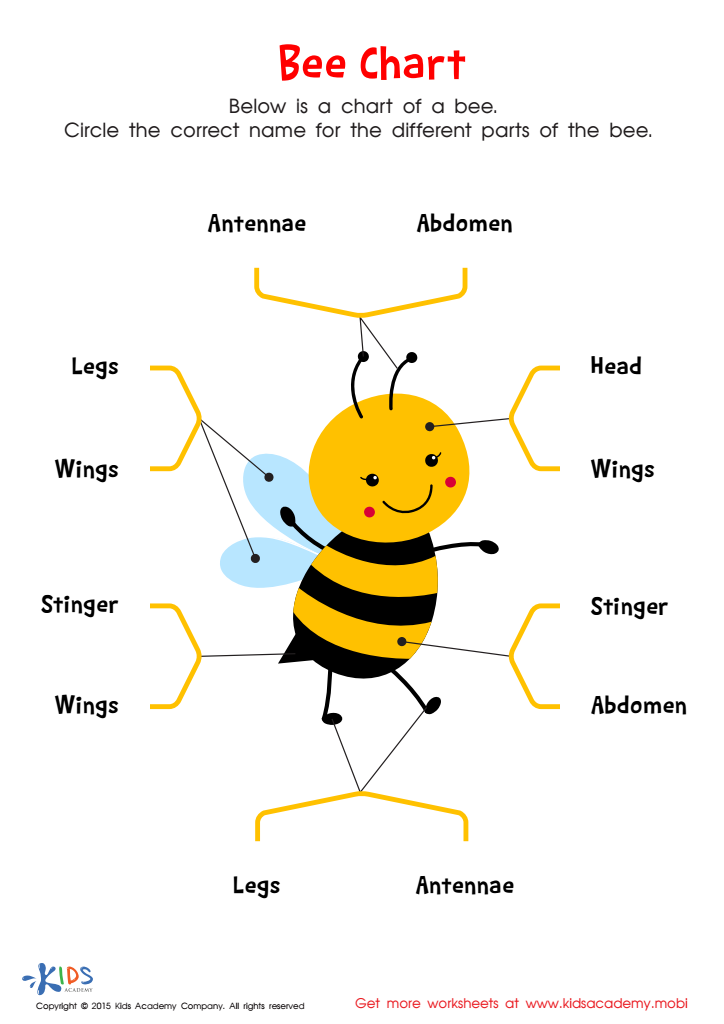
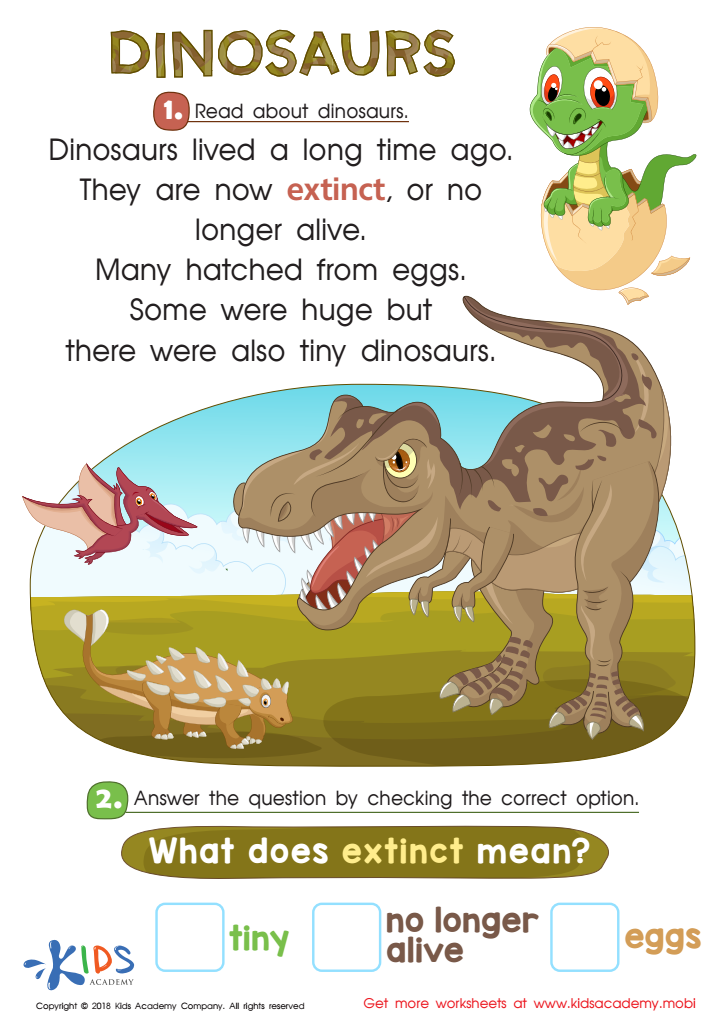
Dinosaurs Worksheet
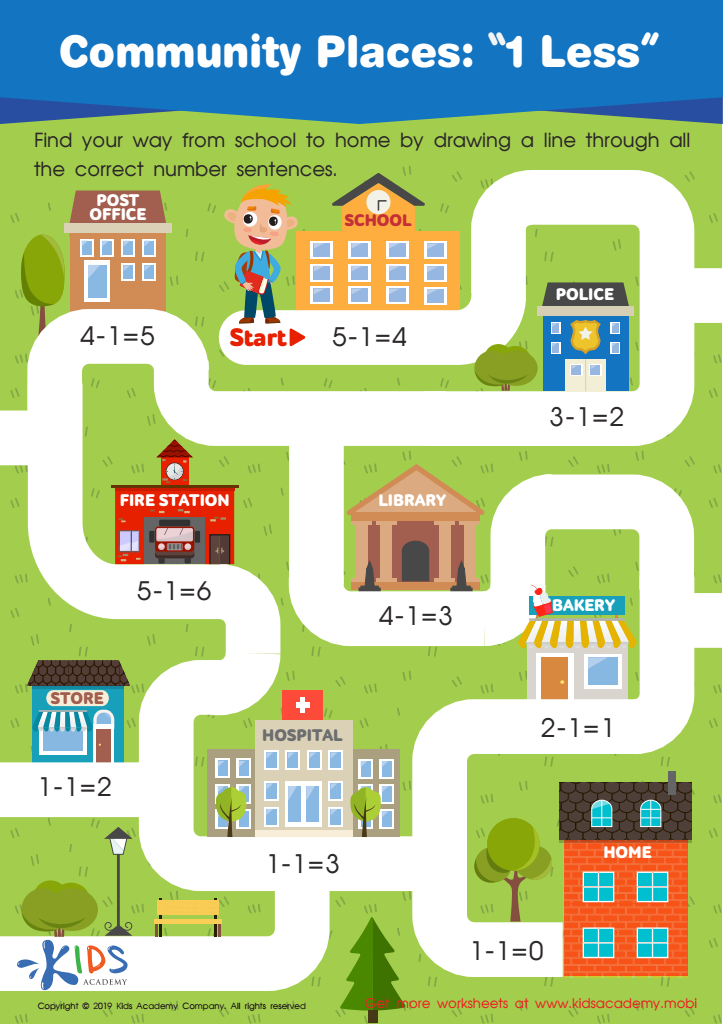
Community Places: 1 Less Worksheet
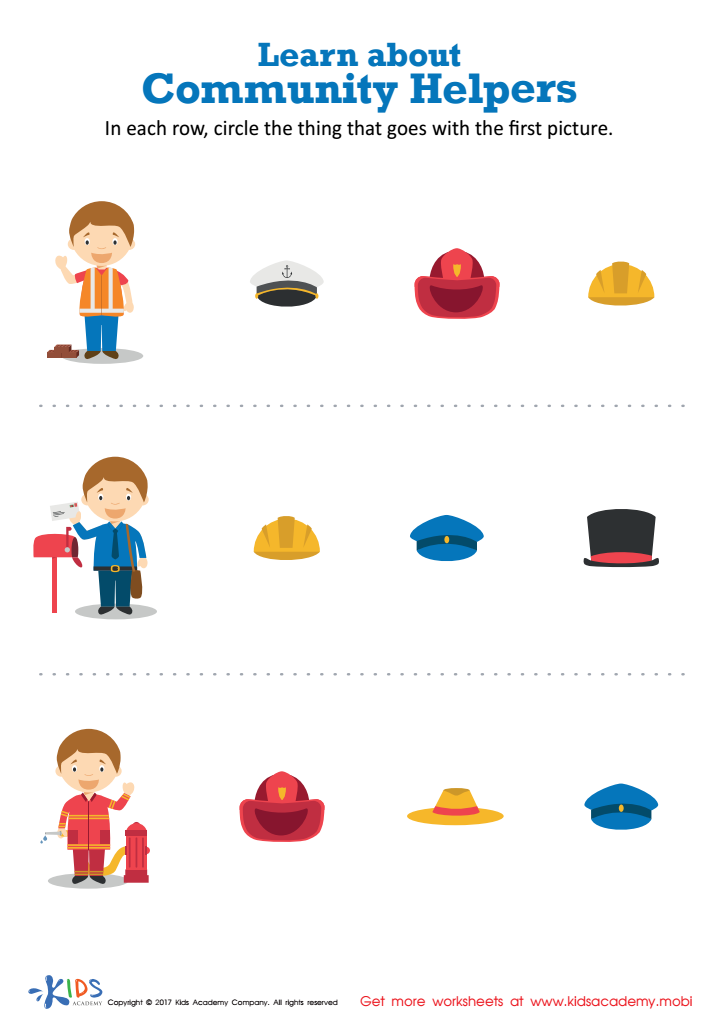
Learn about Community Helpers Printable







Parents and teachers should prioritize the development of identification skills in children aged 5-9 as these skills form the bedrock of a child’s learning and cognitive development. Identification skills, which include recognizing and naming objects, letters, numbers, patterns, and even emotions, are crucial for a child's academic success and overall intellectual growth.
Firstly, strong identification skills lay the foundation for literacy and numeracy. Proficiently identifying letters and numbers is essential for reading, writing, and math—key areas of early education. This early competence builds confidence and encourages a love for learning. For example, distinguishing between letters "b" and "d" is crucial for reading fluency, while correctly identifying numbers supports arithmetic operations.
Secondly, these skills enhance cognitive abilities such as memory, attention to detail, and problem-solving. When children learn to categorize and identify different objects and patterns, they engage in critical thinking and refine their observational skills. These abilities contribute to their overall cognitive development and improve their ability to make connections between different concepts.
Furthermore, identification skills are vital for social development. Recognizing and understanding facial expressions and body language help children navigate social interactions, fostering empathy and effective communication.
In essence, nurturing identification skills not only benefits academic achievements but also supports comprehensive cognitive and social development, ensuring a well-rounded, inquisitive, and confident learner.








