Problem-solving abilities Worksheets for Ages 5-9 - Page 2
65 filtered results
-
From - To
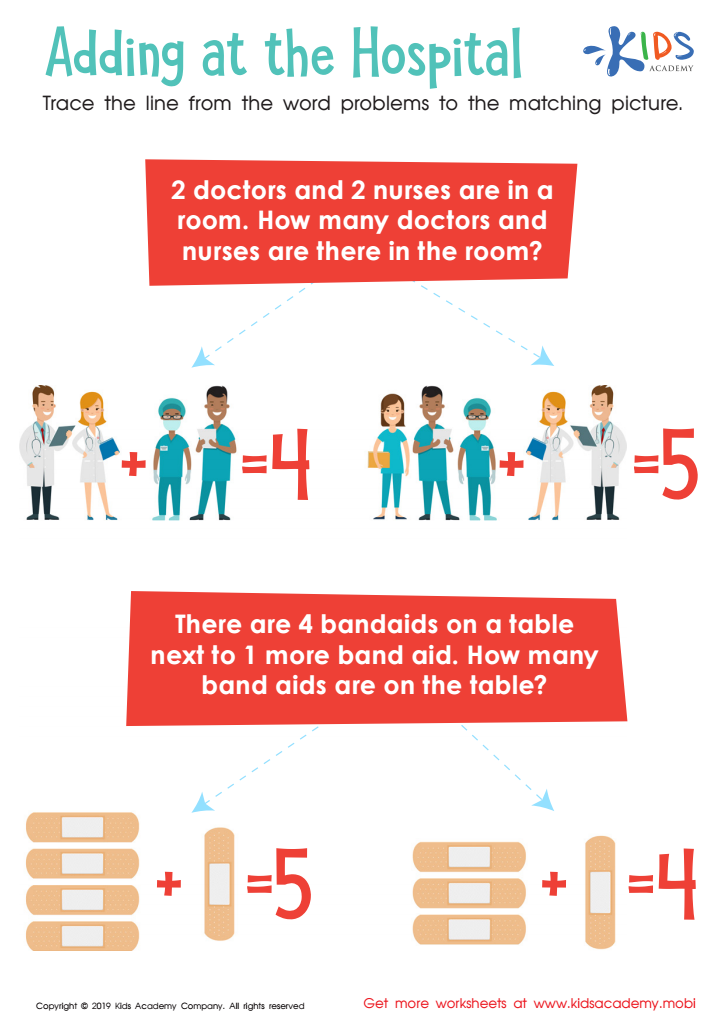
Adding at the Hospital Worksheet
 Assign to My Students
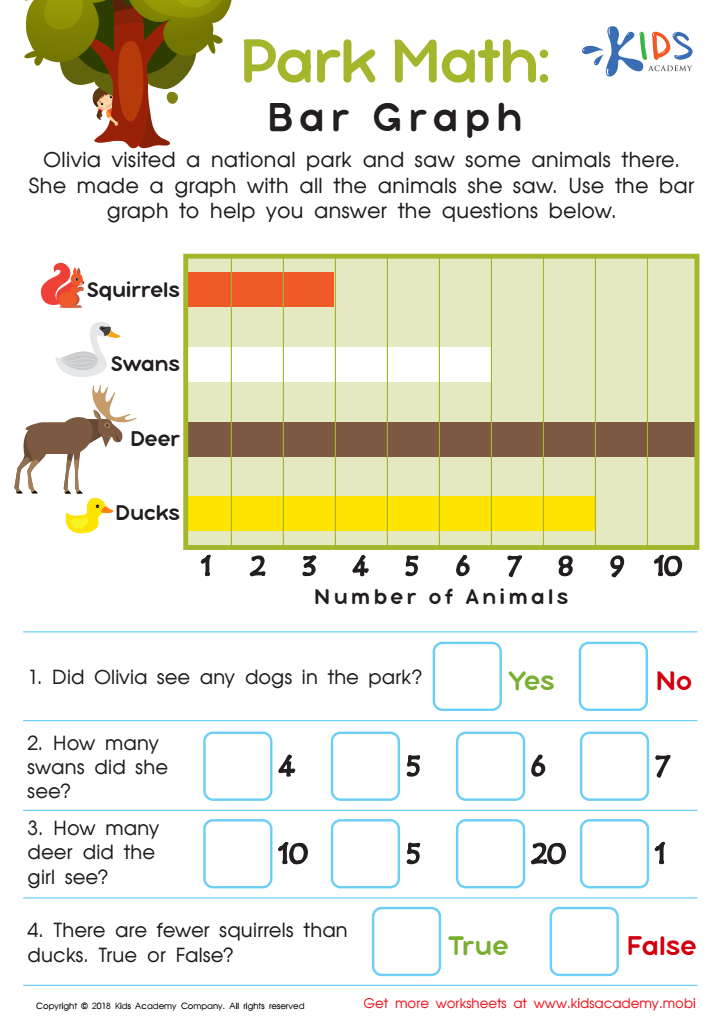
Park Math: Bar Graph Worksheet
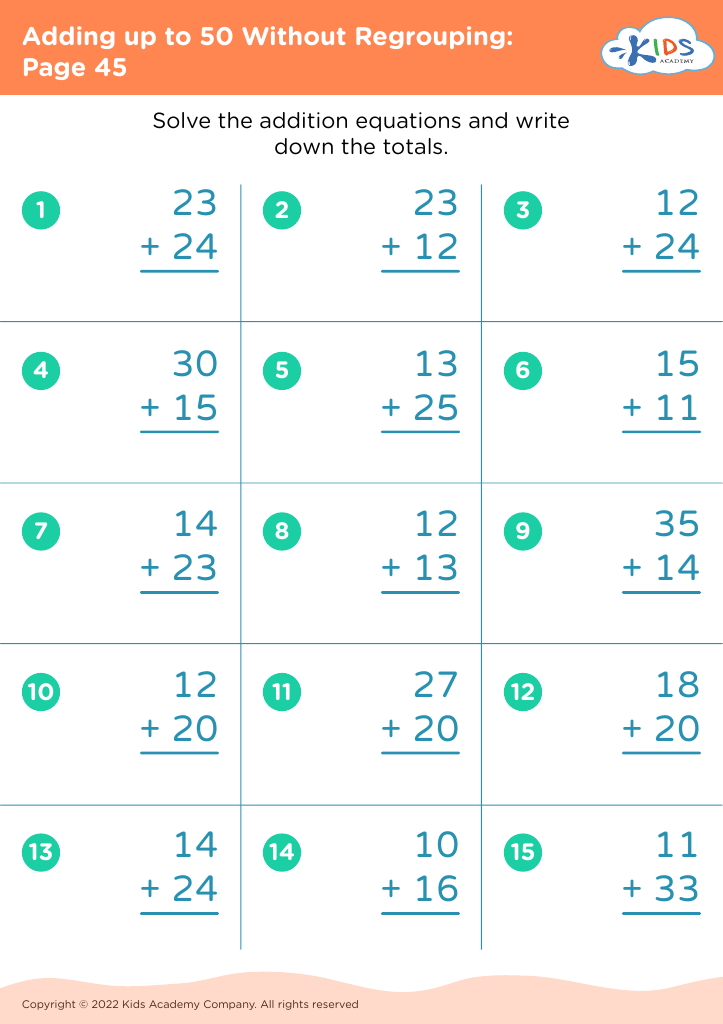
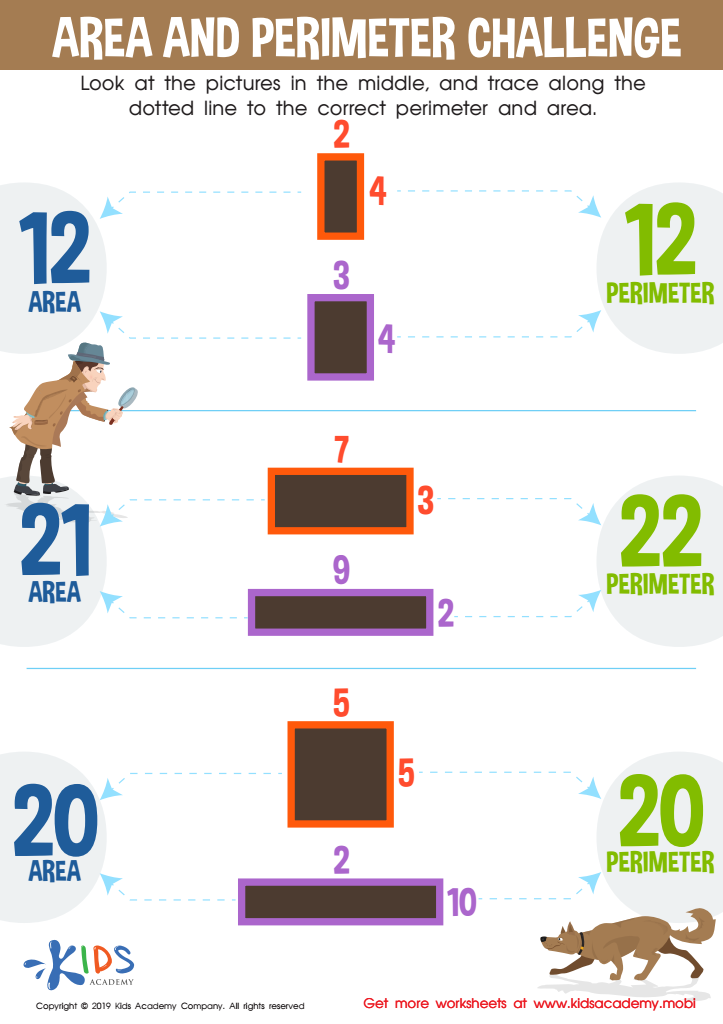
Area and Perimeter Challenge Worksheet
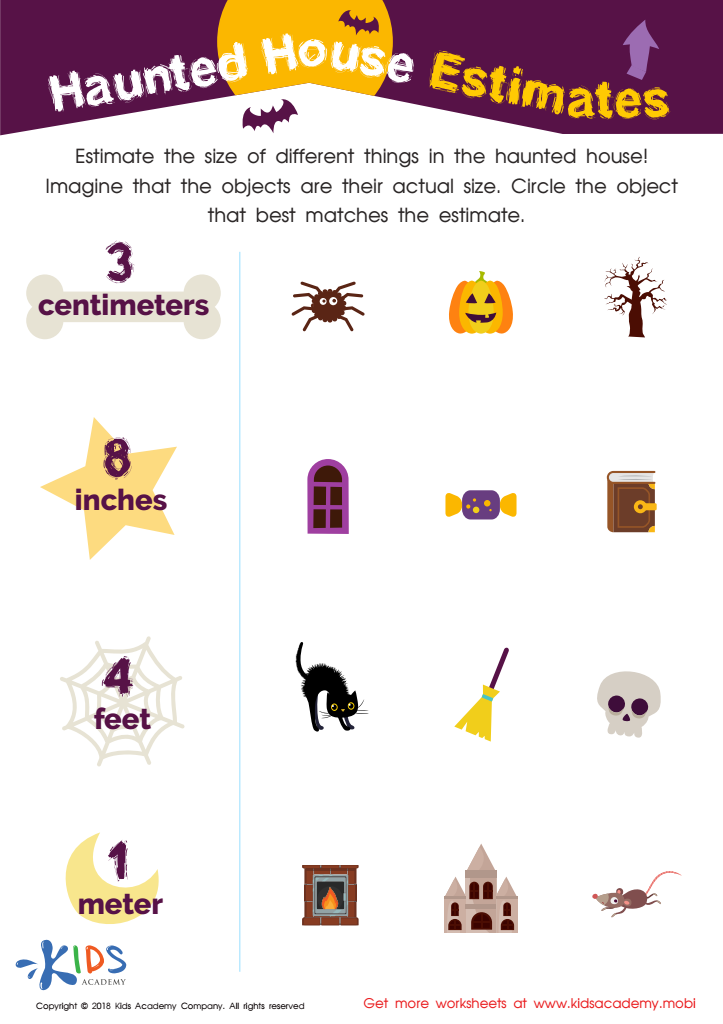
Haunted House Estimates Worksheet
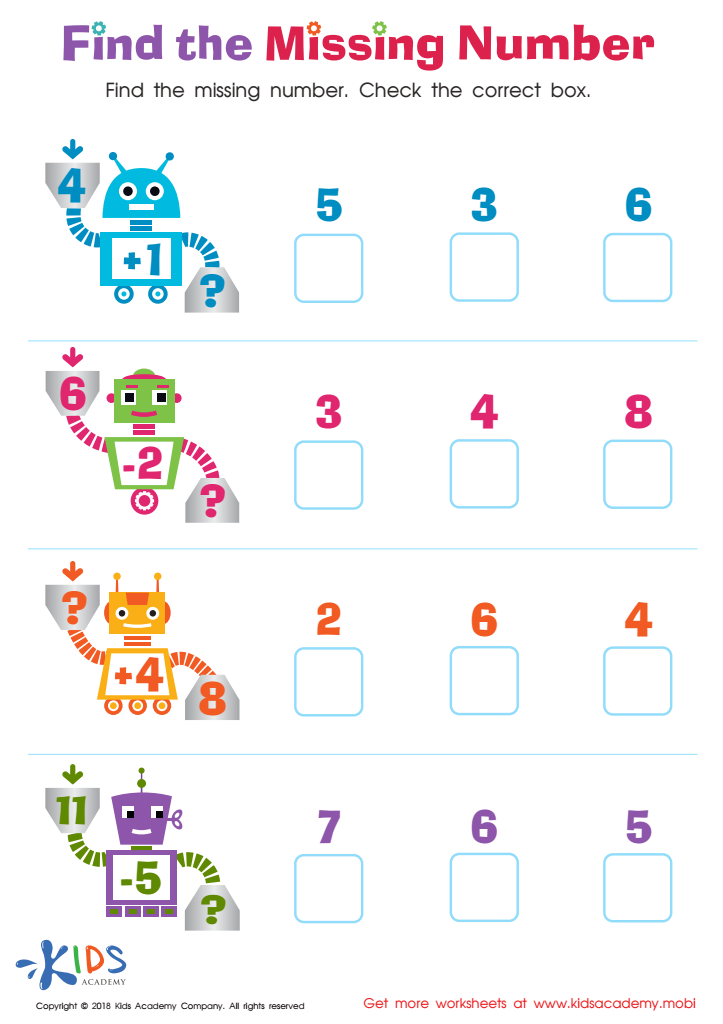
Find the Missing Number Worksheet
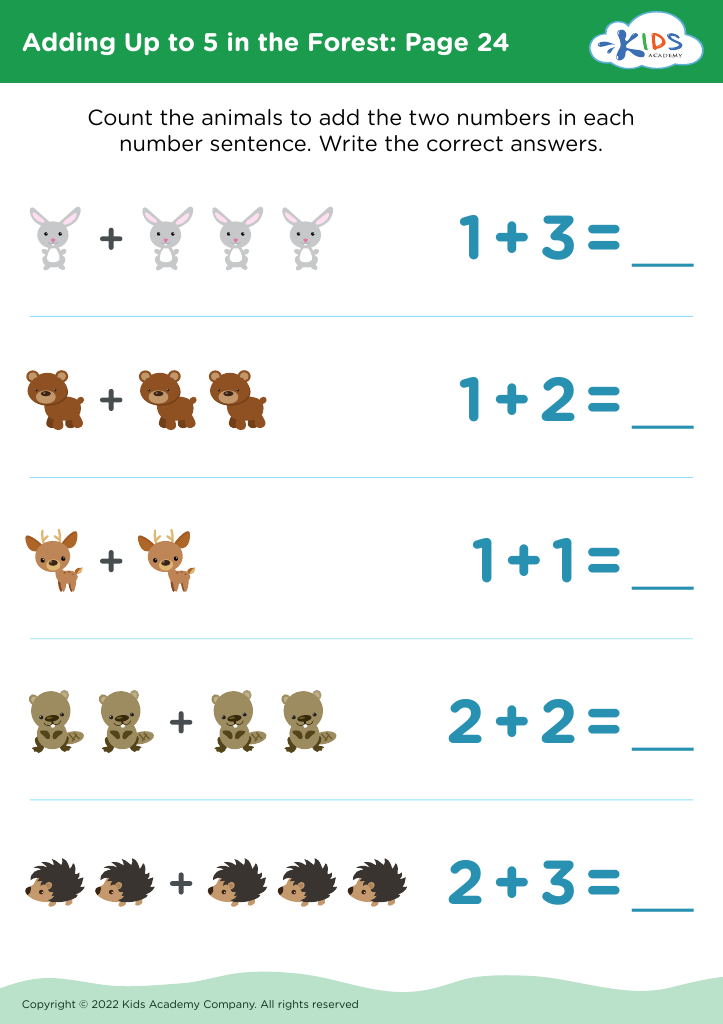
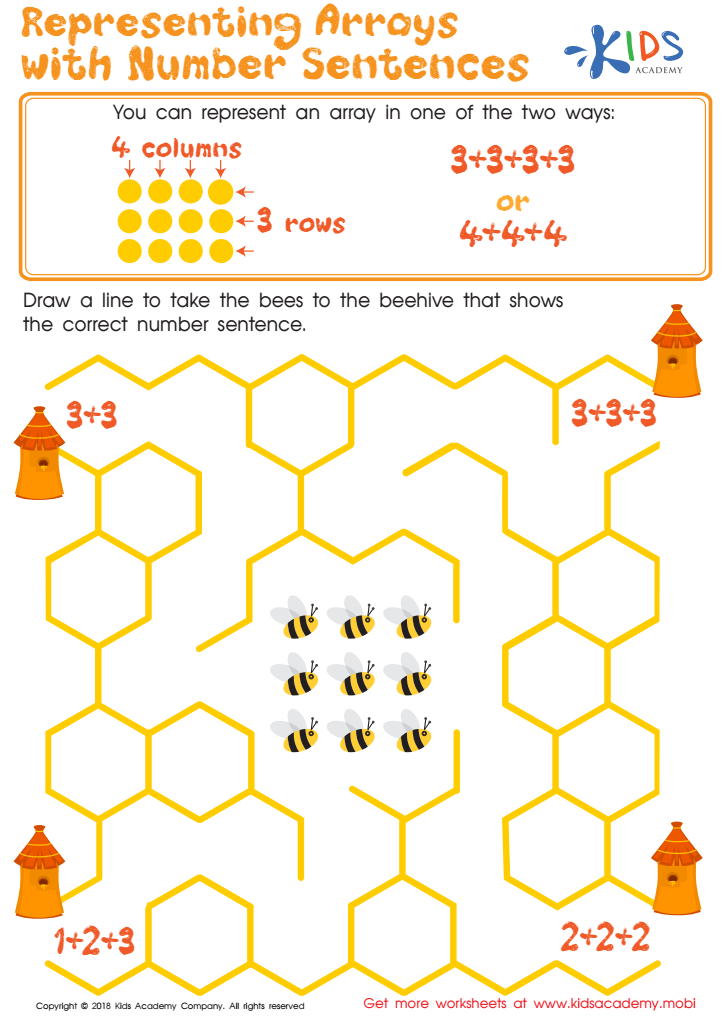
Representing Arrays with Number Sentences Worksheet
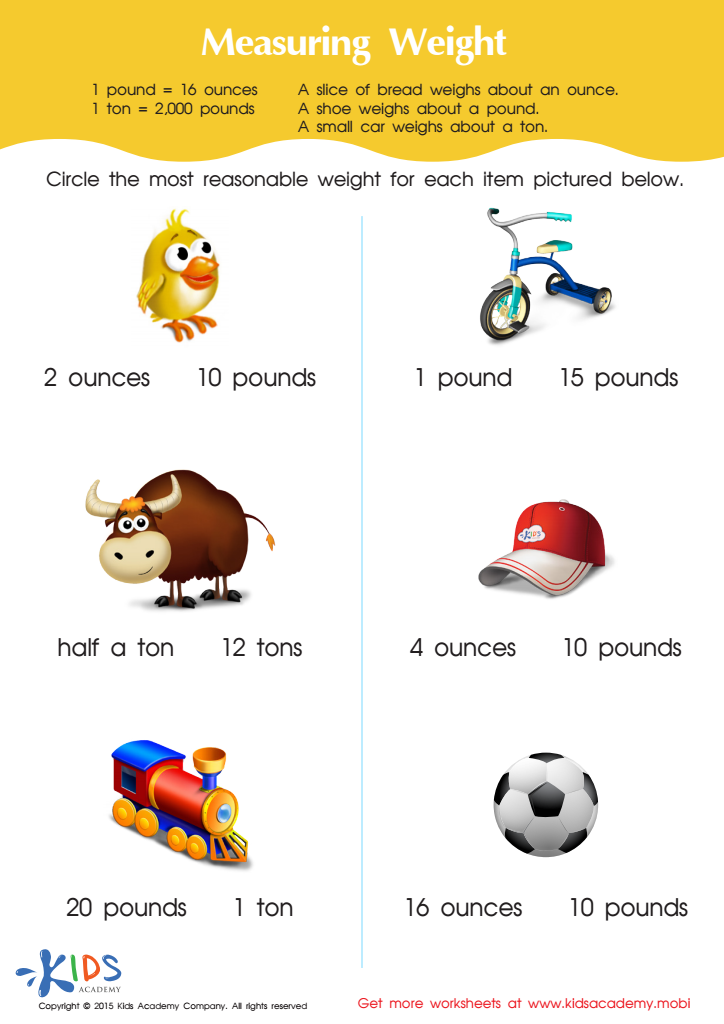
Measuring Weight in Ounces, Pounds and Tons (Part 2) Worksheet
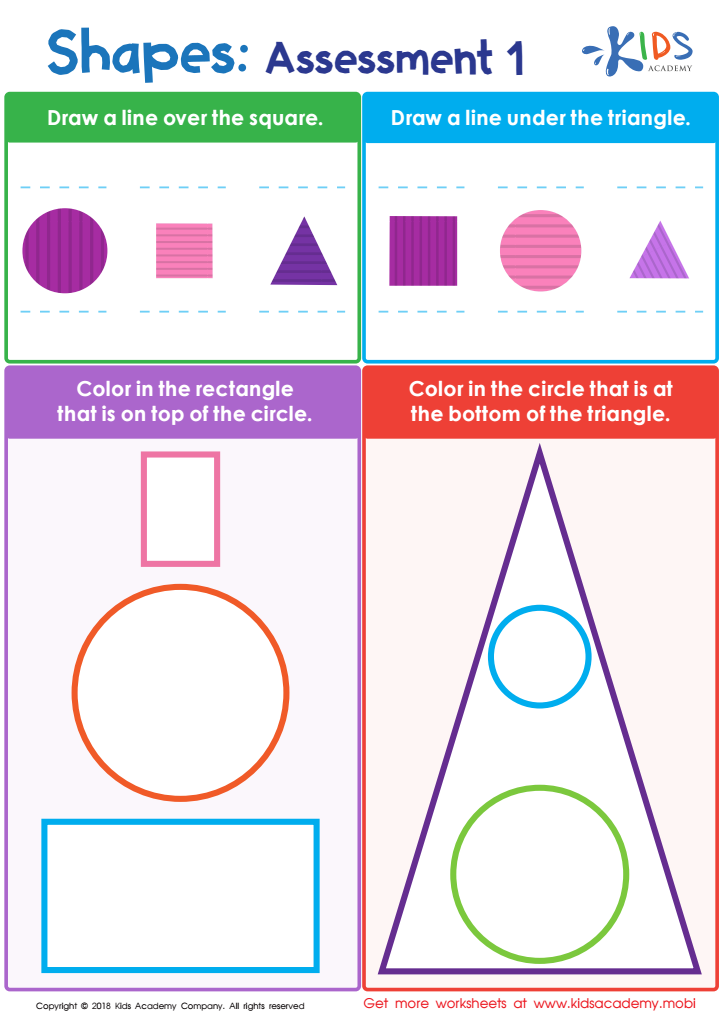
Shapes: Assessment 1 Worksheet
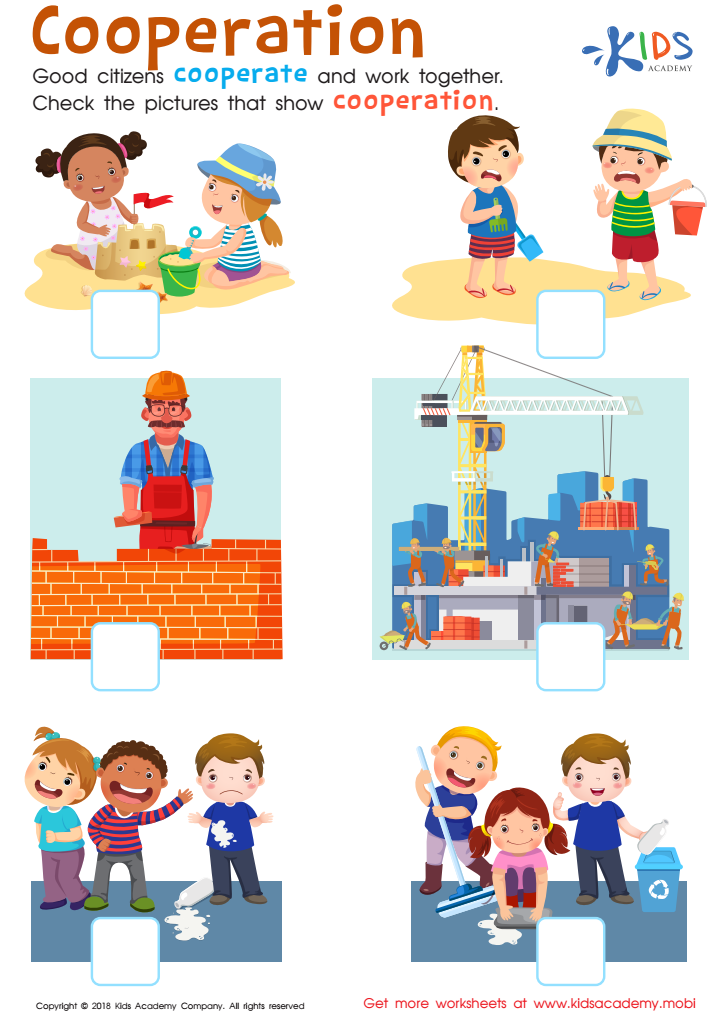
Cooperation Worksheet

Fourth of July Maze Printable
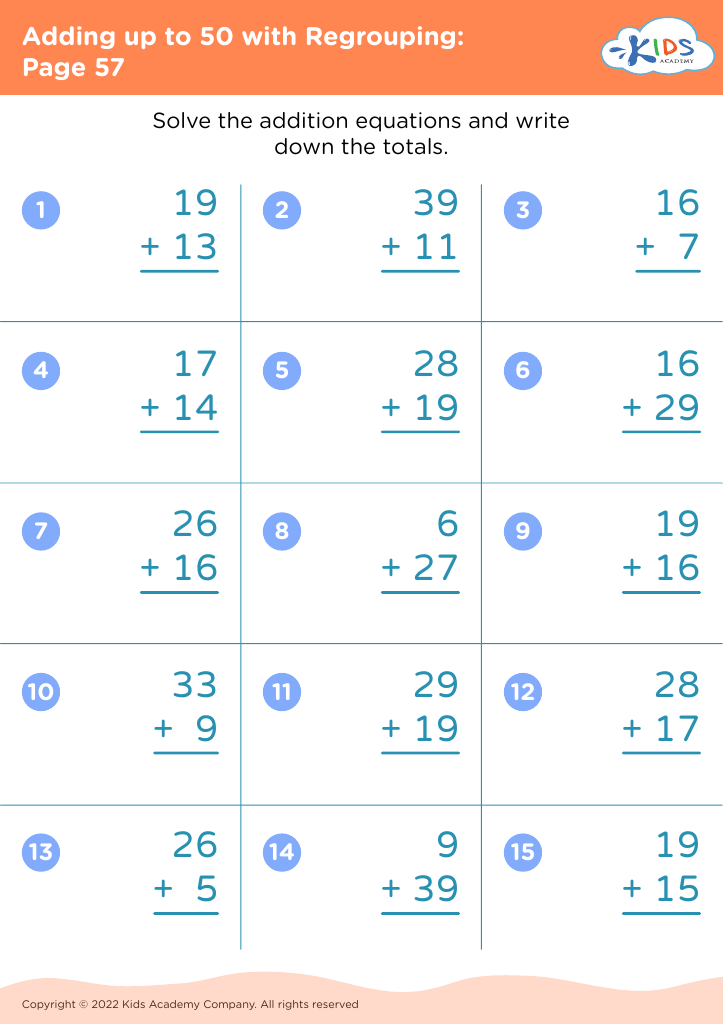
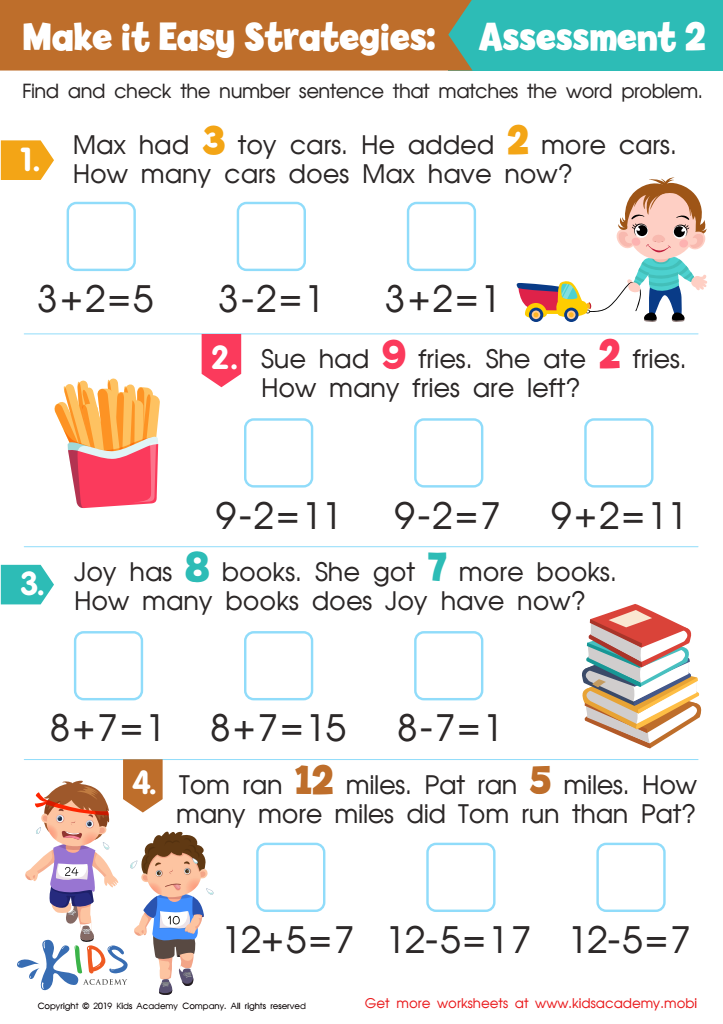
Make it Easy Strategies: Assessment 2 Worksheet
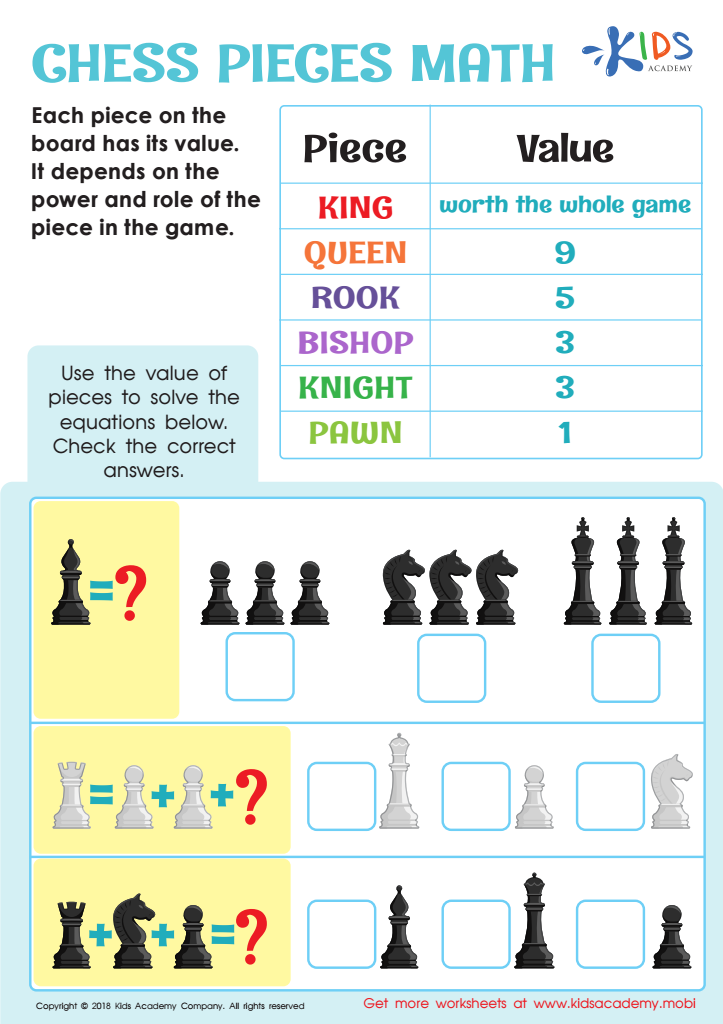
Chess Pieces Math Worksheet
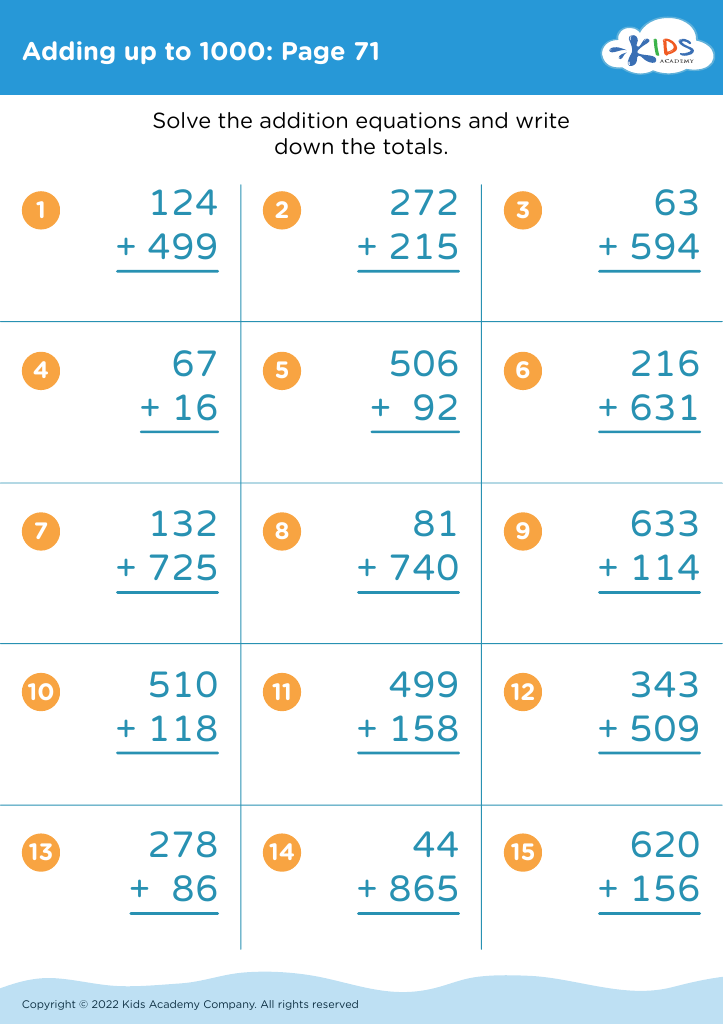
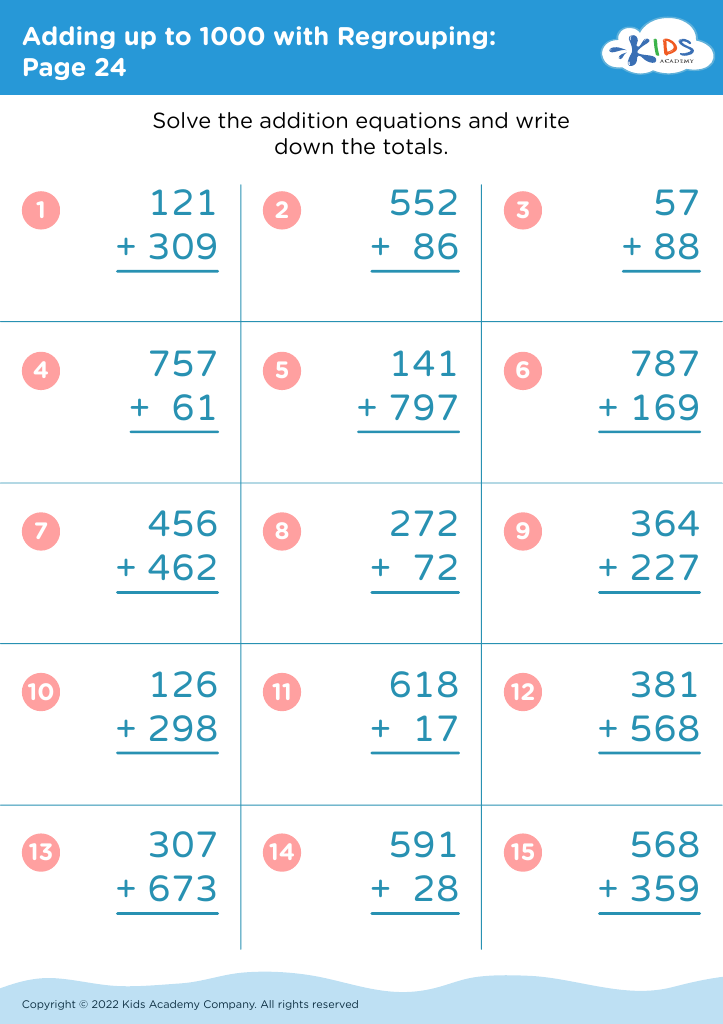
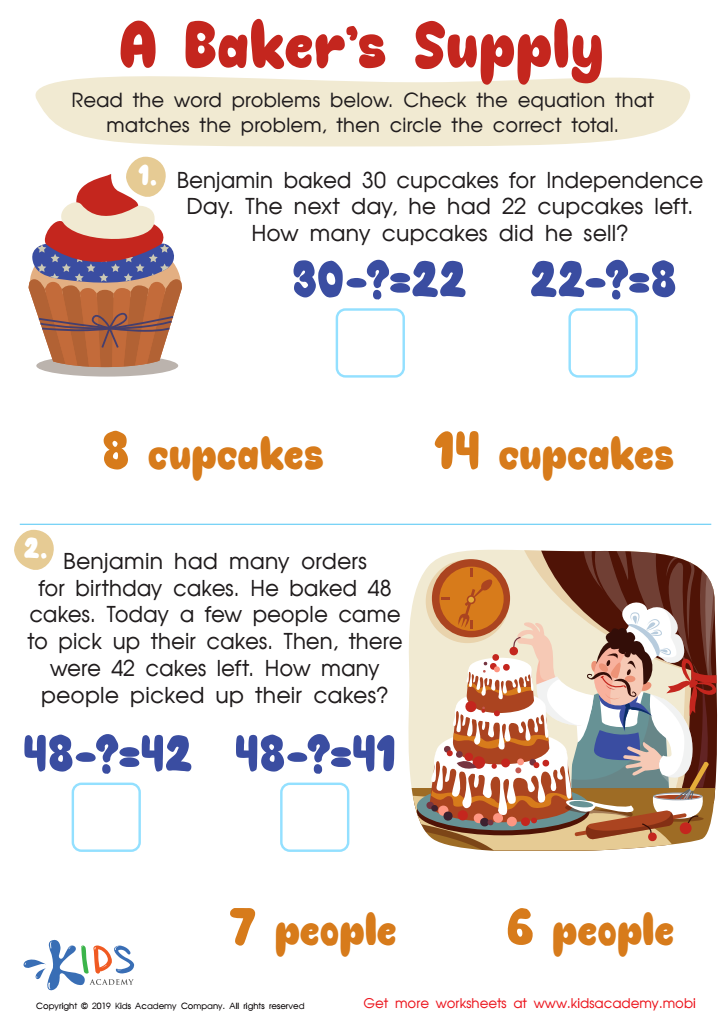
A Baker's Supply Worksheet
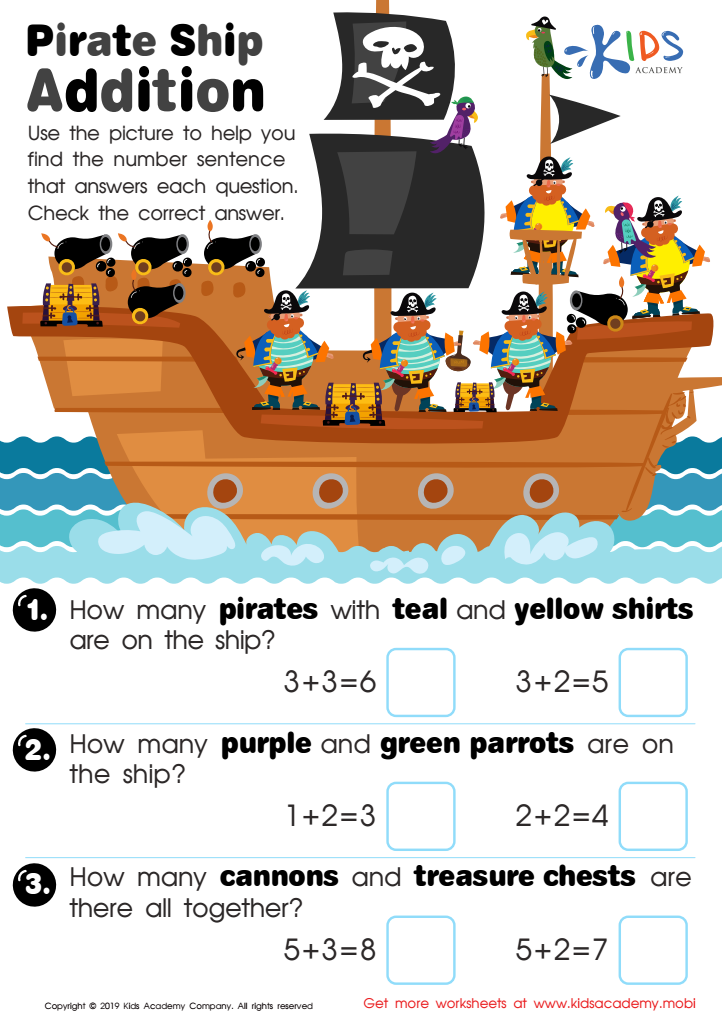
Pirate Ship Addition Worksheet
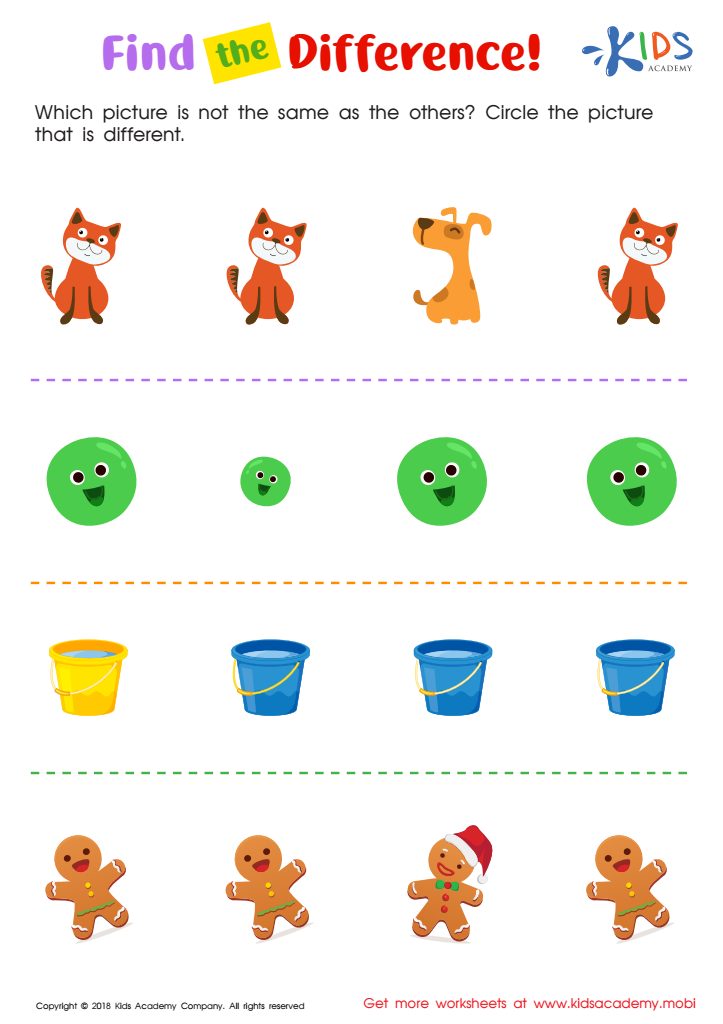
Find the Difference Worksheet








Problem-solving abilities are crucial for children aged 5-9, serving as foundational skills that impact their academic and life success. During these formative years, children are naturally curious and eager to explore the world around them. Encouraging problem-solving helps them develop critical thinking skills, enhances creativity, and promotes independence. When parents and teachers prioritize problem-solving, they empower children to tackle challenges effectively, whether they are academic tasks in math or understanding social dynamics in play.
Problem-solving also fosters resilience. Children learn that failure is a part of the learning process, equipping them with the ability to navigate obstacles without discouragement. Moreover, it enhances collaboration skills as they often engage in group activities where they must work with others to find solutions.
By integrating problem-solving activities into education—like puzzles, interactive games, and real-world scenarios—parents and teachers create rich, engaging experiences. These experiences are essential not only for cognitive development but also for emotional growth. Children who can solve problems are likelier to feel confident in their abilities and become proactive learners.
Ultimately, supporting problem-solving skills lays the groundwork for lifelong learning, ensuring that children are equipped to adapt in an ever-changing world.








