Problem-Solving Skills Worksheets for Ages 5-9
422 filtered results
-
From - To
Enhance your child’s critical thinking abilities with our engaging Problem-Solving Skills Worksheets designed for ages 5-9. These worksheets foster creativity and analytical thinking through fun activities that challenge young minds. Kids will enjoy solving puzzles, completing patterns, and tackling age-appropriate scenarios that encourage logical reasoning and decision-making. Aimed at developing essential life skills, our resources help children learn to approach problems systematically and effectively. Suitable for home or classroom use, these worksheets are perfect for reinforcing problem-solving techniques while keeping learning enjoyable and interactive. Explore our collection today and watch your child’s confidence and skills grow!
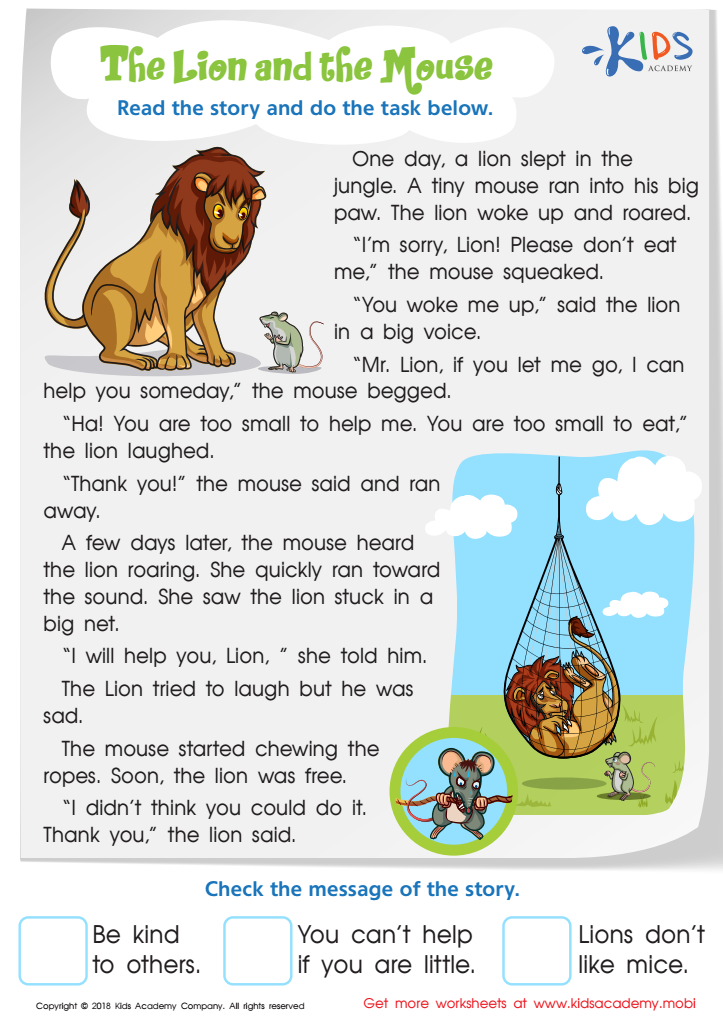
The Lion and the Mouse Worksheet
 Assign to My Students

Healthy Food Maze Printable
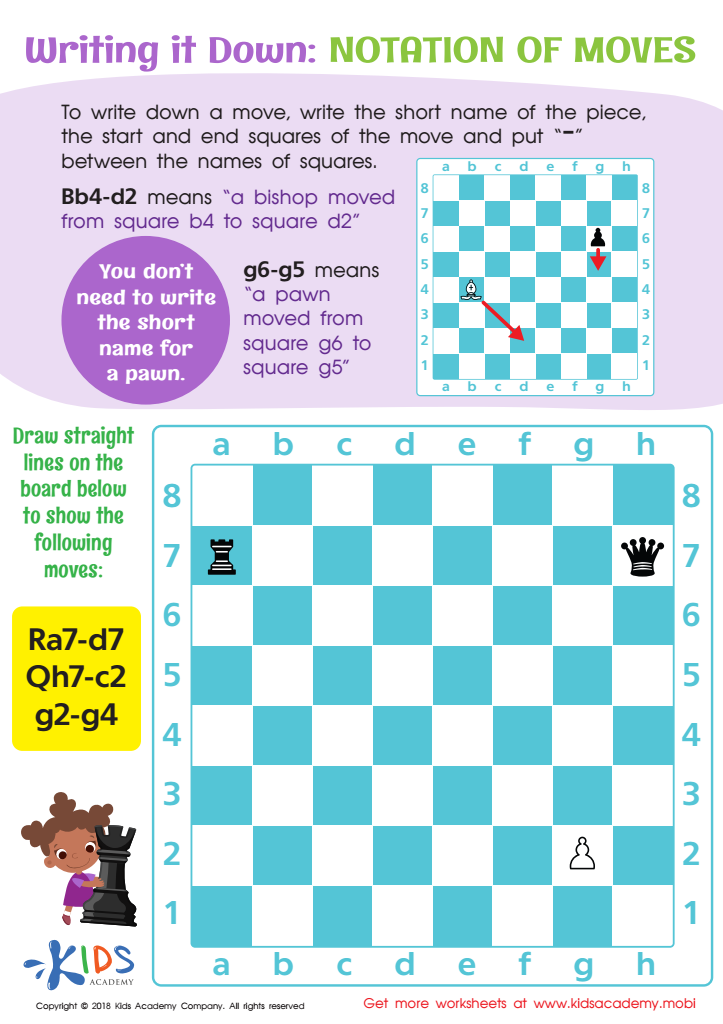
Notation of Moves Writing it Down Worksheet
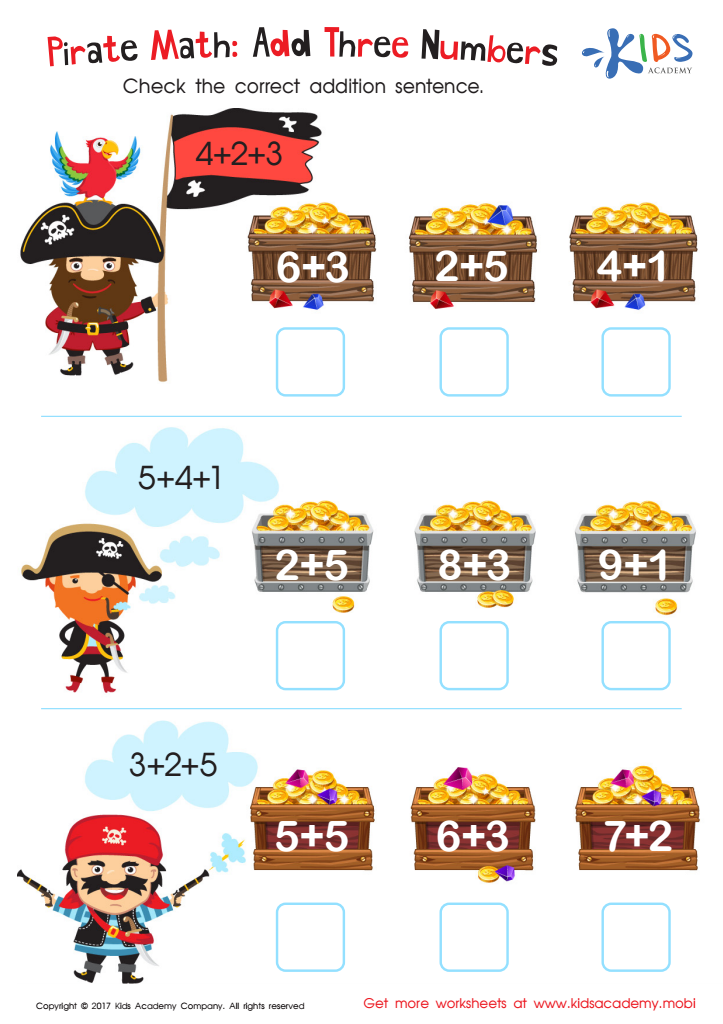
Pirate Math Printable
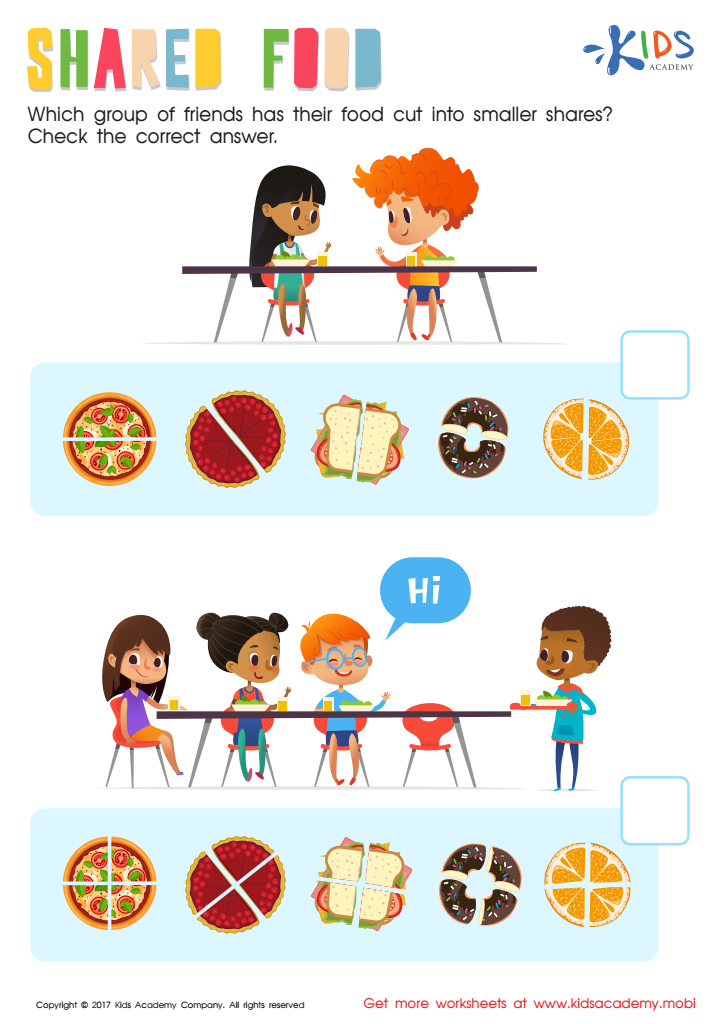
Shared Food Worksheet
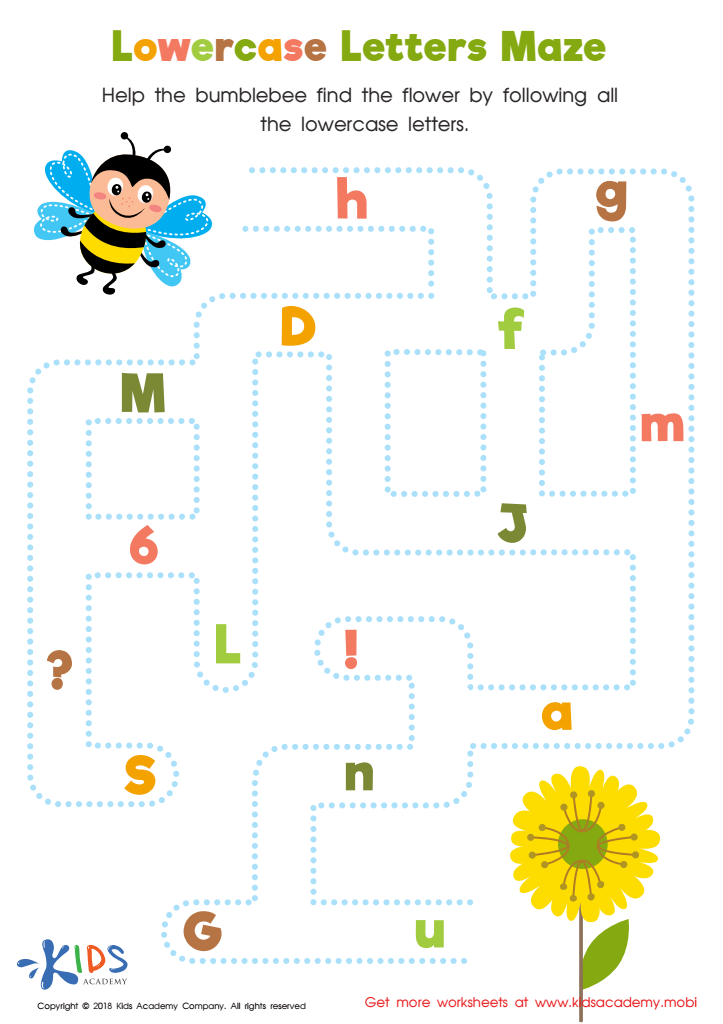
Lowercase Letters Maze Worksheet
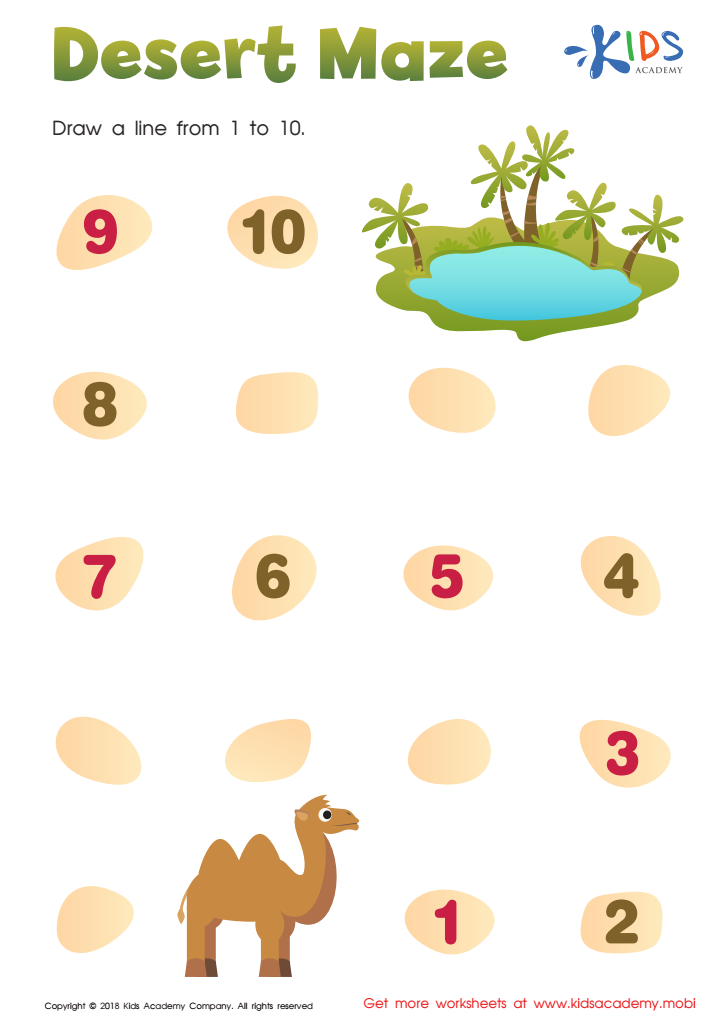
Desert Maze Worksheet
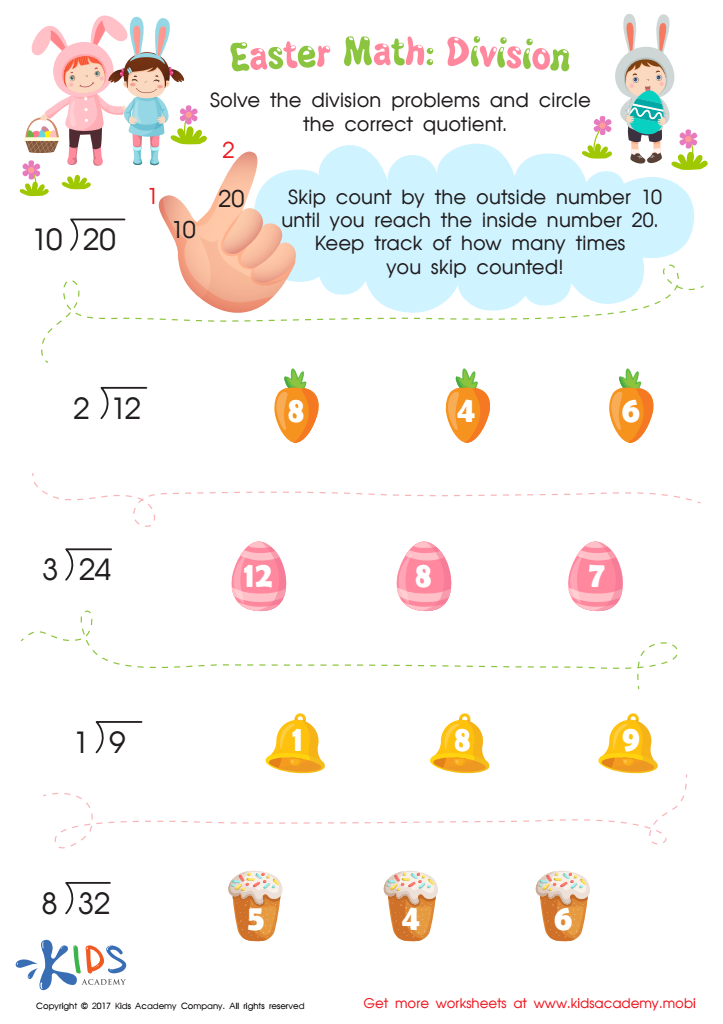
Division Worksheet
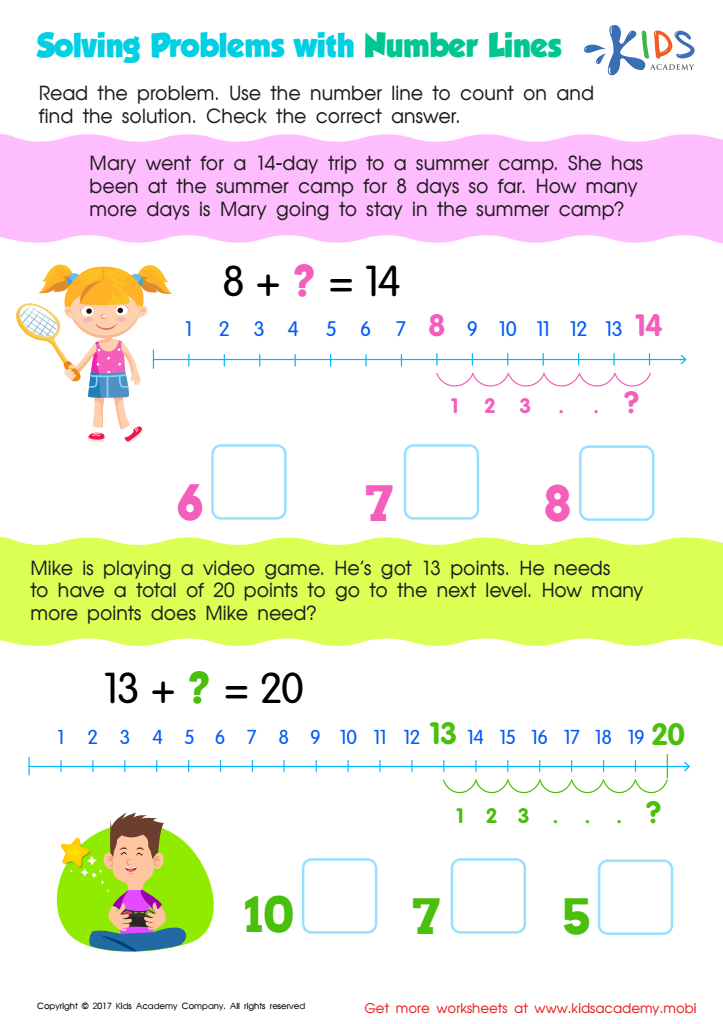
Solving Problems: Number Lines Worksheet
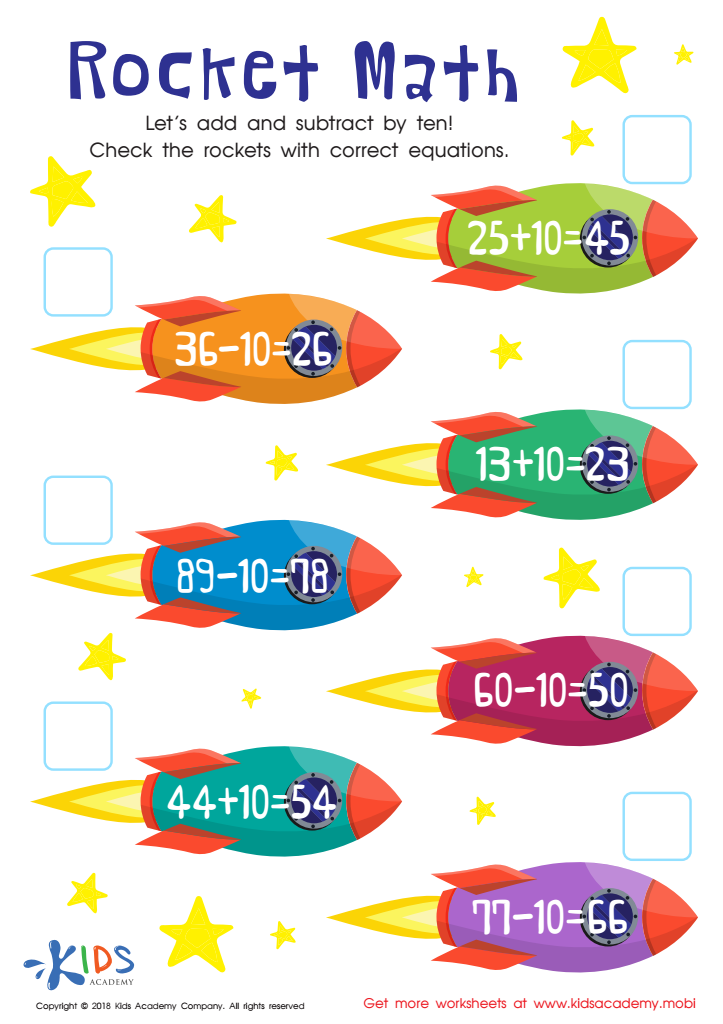
Rocket Math Worksheet
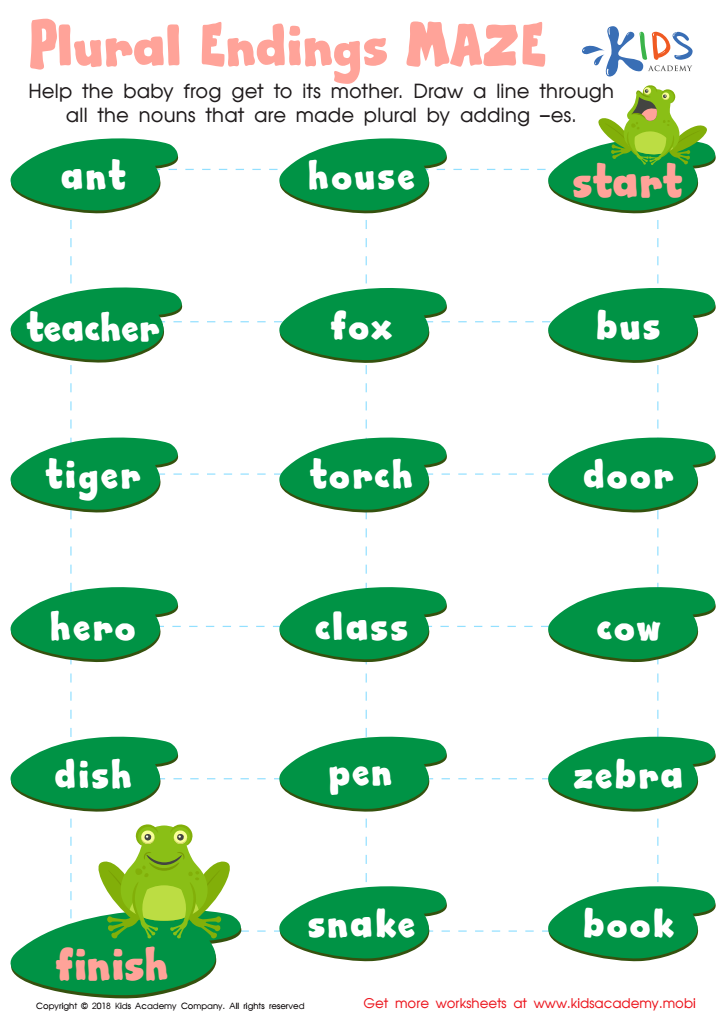
Plural Endings Maze Worksheet
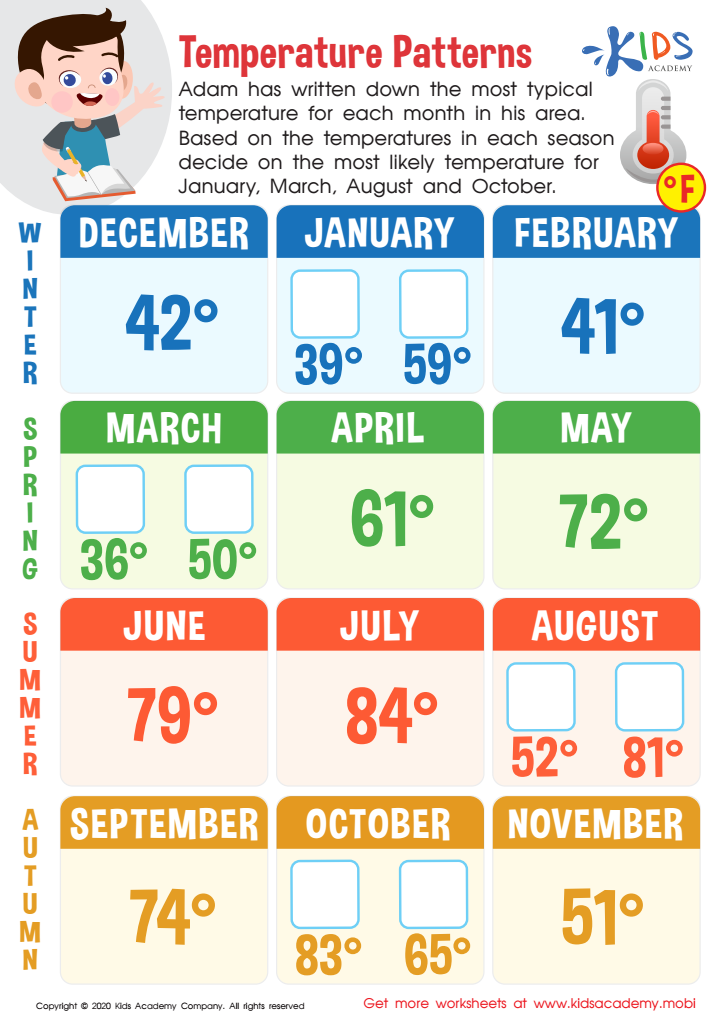
Temperature Patterns Worksheet

Circus Math Printable
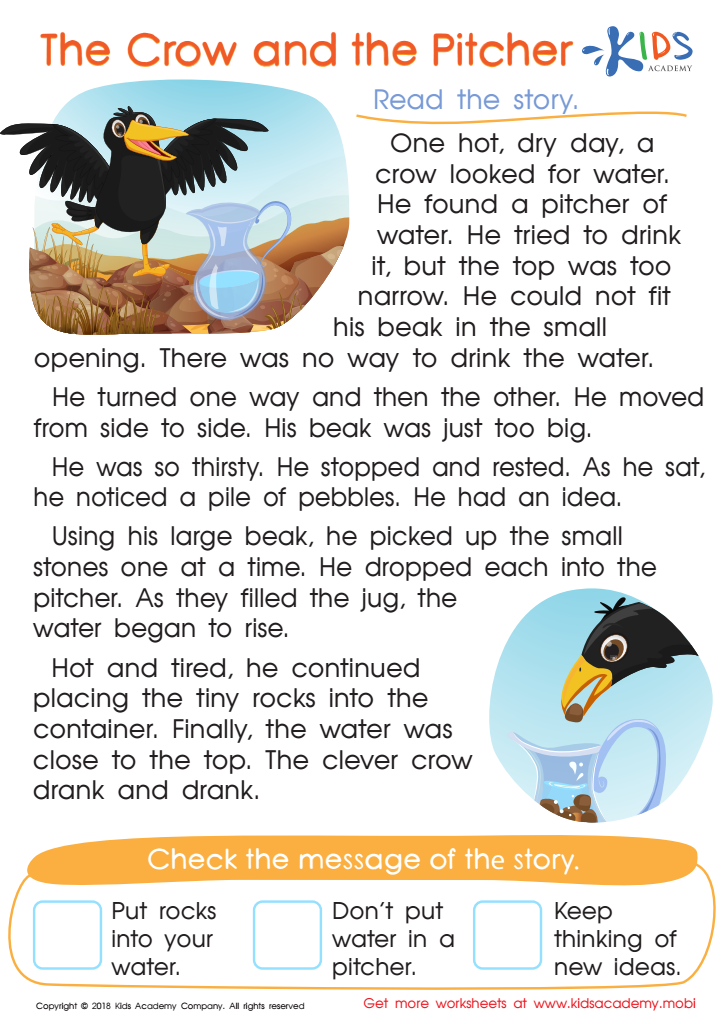
The Crow and the Pitcher Worksheet
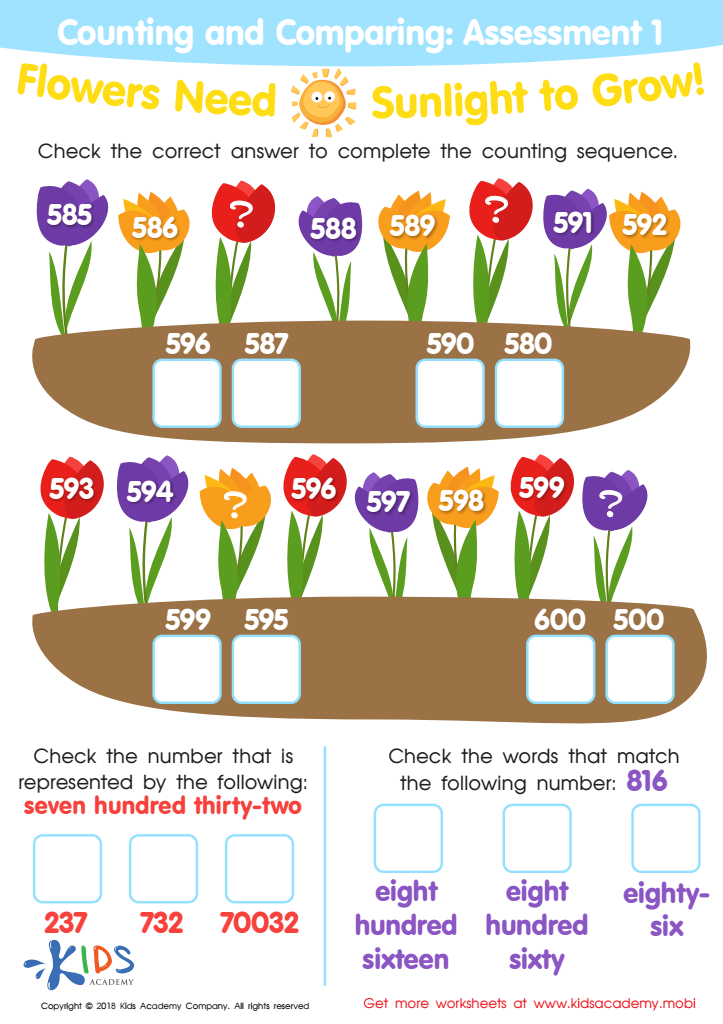
Counting and Comparing: Assessment 1 Worksheet
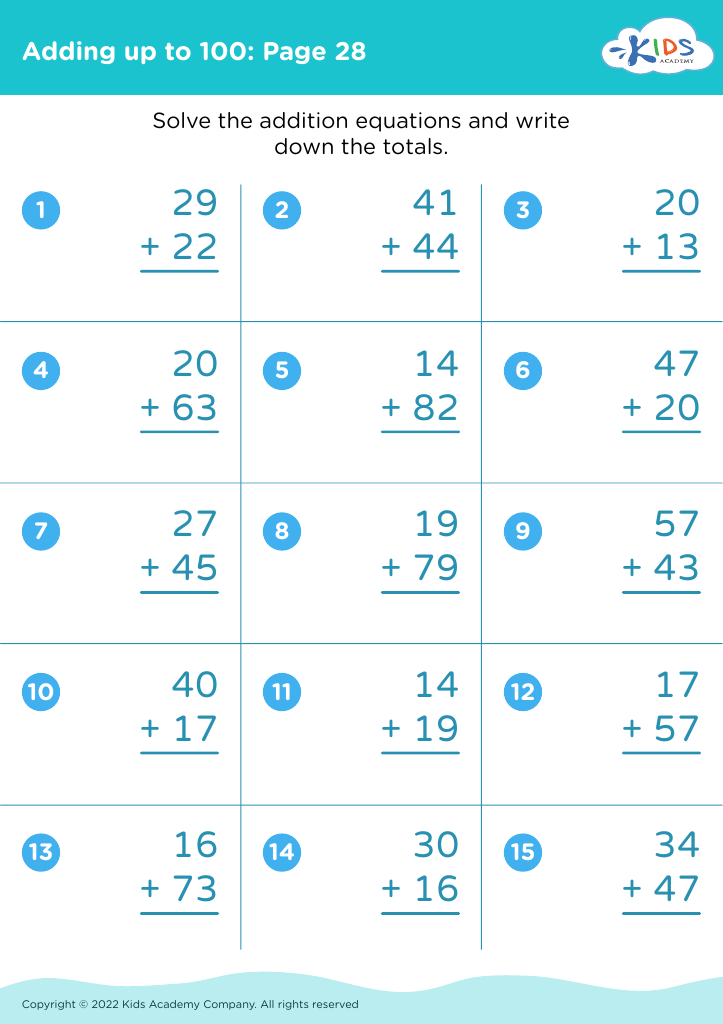
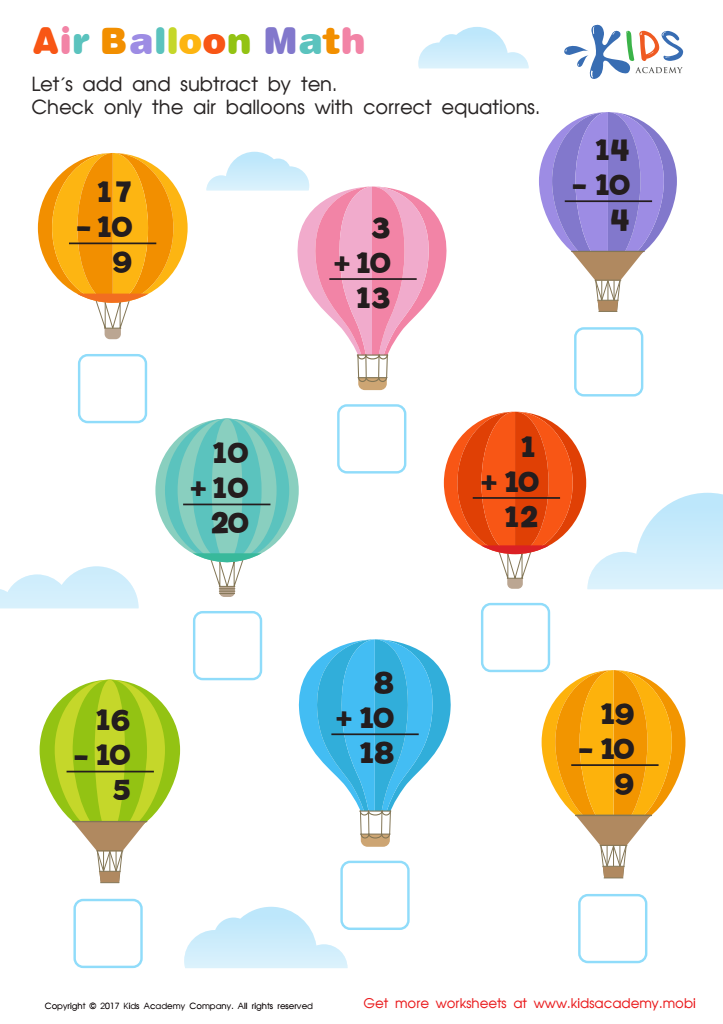
Air Balloon Math Worksheet
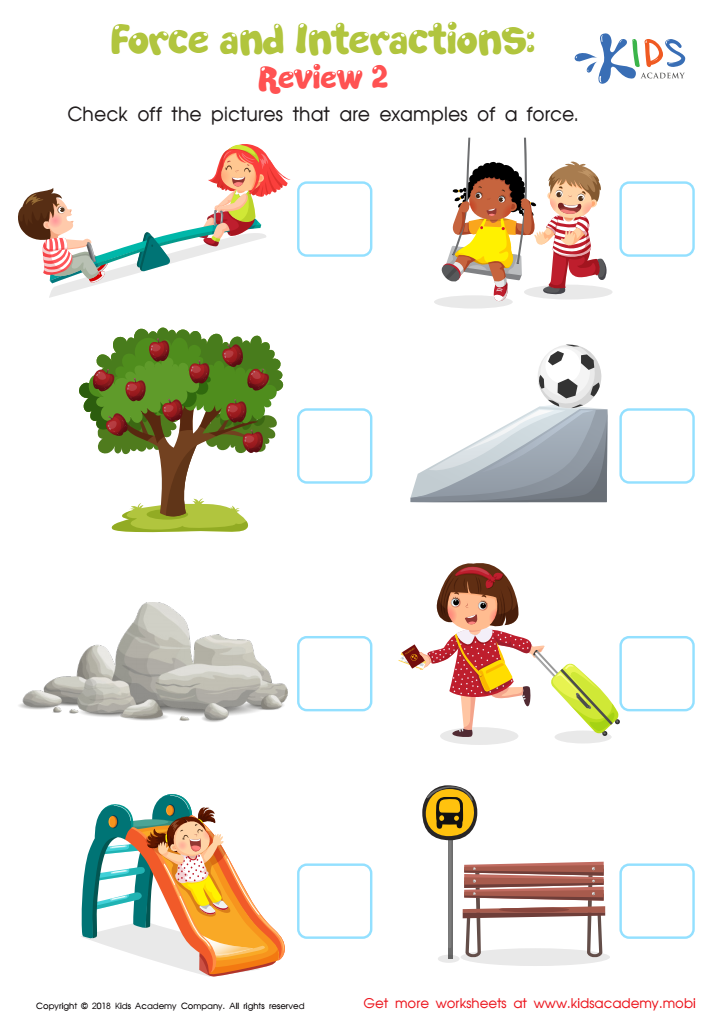
Force and Interactions: Review 2 Worksheet
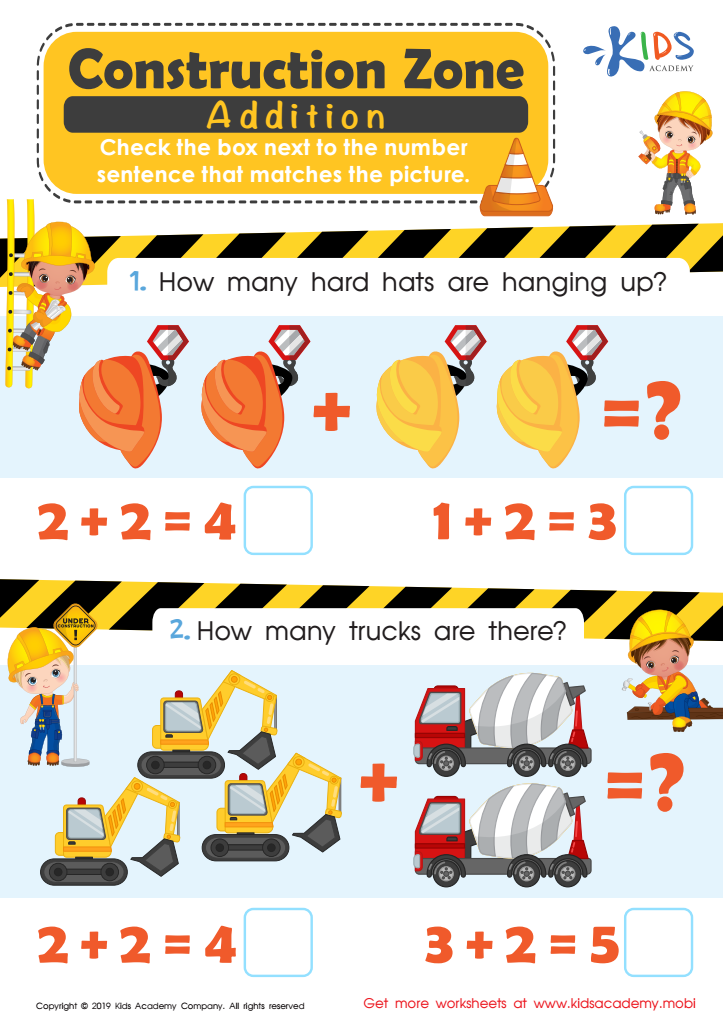
Construction Zone Addition Worksheet







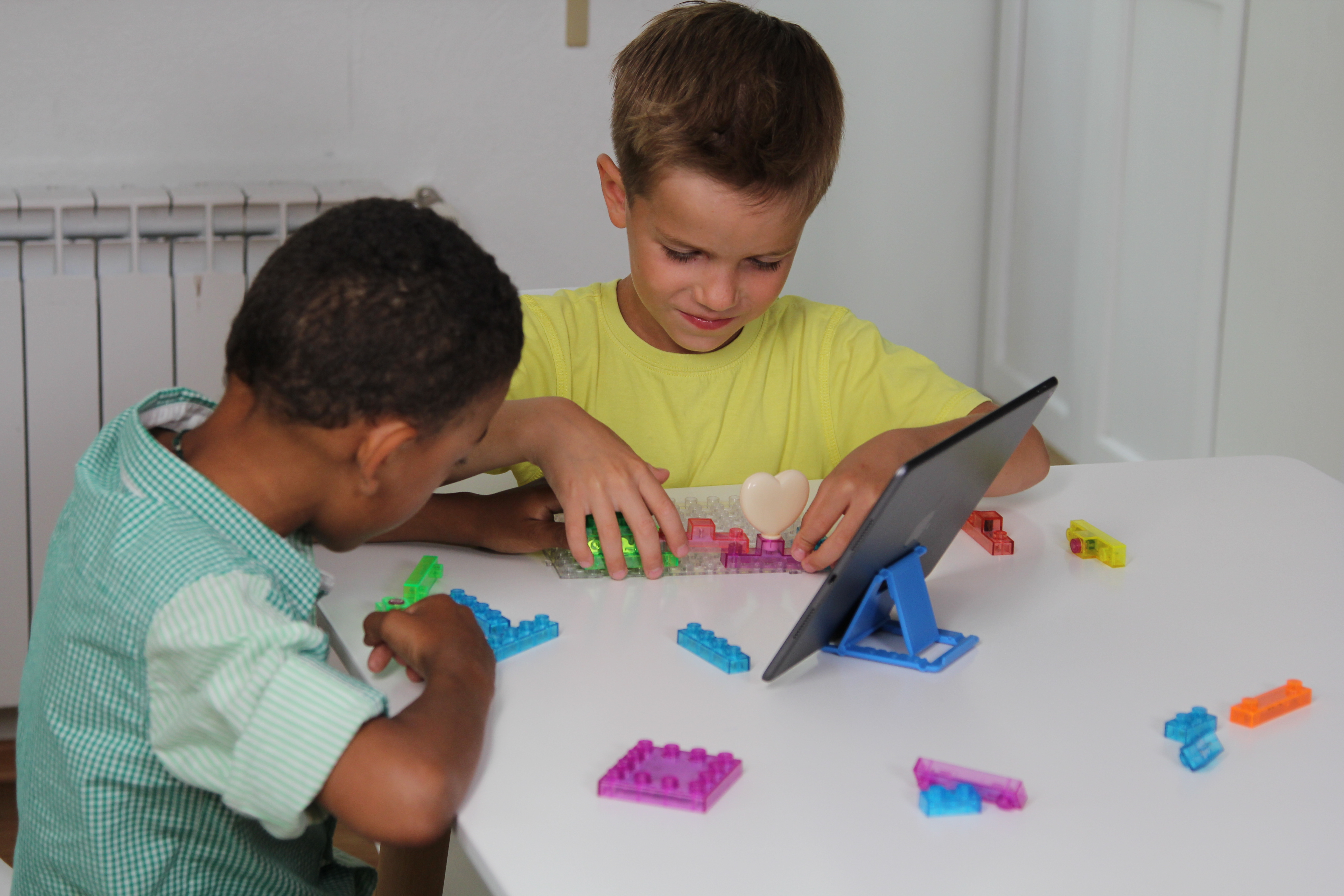
Problem-solving skills are essential for children aged 5 to 9, as they are foundational for future academic and life success. During this developmental stage, children are naturally curious and eager to explore, making it an ideal time to cultivate critical thinking abilities. By nurturing these skills, parents and teachers can empower children to approach challenges with confidence and creativity.
First, problem-solving fosters independence. As children learn to navigate obstacles, whether in a school setting or daily life, they become more self-reliant and resilient. These skills also enhance their cognitive development, teaching them to analyze situations, evaluate options, and make informed decisions.
Additionally, problem-solving promotes collaboration and communication. When children work together to find solutions, they learn the importance of teamwork, sharing ideas, and respecting diverse perspectives. This social aspect is vital in fostering emotional intelligence, guiding them to develop empathy and understanding relationships with peers.
Finally, strong problem-solving abilities encourage a growth mindset, where children view challenges as opportunities for learning. This perspective not only motivates them academically but instills a lifelong love for learning. For these reasons, parents and teachers should actively prioritize and support the development of problem-solving skills in young children.








