Problem-solving abilities Geometry Worksheets for Ages 5-9
5 filtered results
-
From - To
Unlock your child's potential with our Problem-Solving Abilities Geometry Worksheets, designed specifically for ages 5-9! These engaging worksheets blend fun activities with educational content to help young learners grasp essential geometry concepts. From identifying shapes to solving spatial problems, our worksheets promote critical thinking, logical reasoning, and analytical skills. Boost your child's math confidence and problem-solving prowess through well-structured exercises ideal for early grades. Suitable for classroom use or at-home practice, our printables ensure a comprehensive learning experience. Prepare your child for academic success and a lifelong love of math with Kids Academy's expertly crafted geometry worksheets. Try them today!
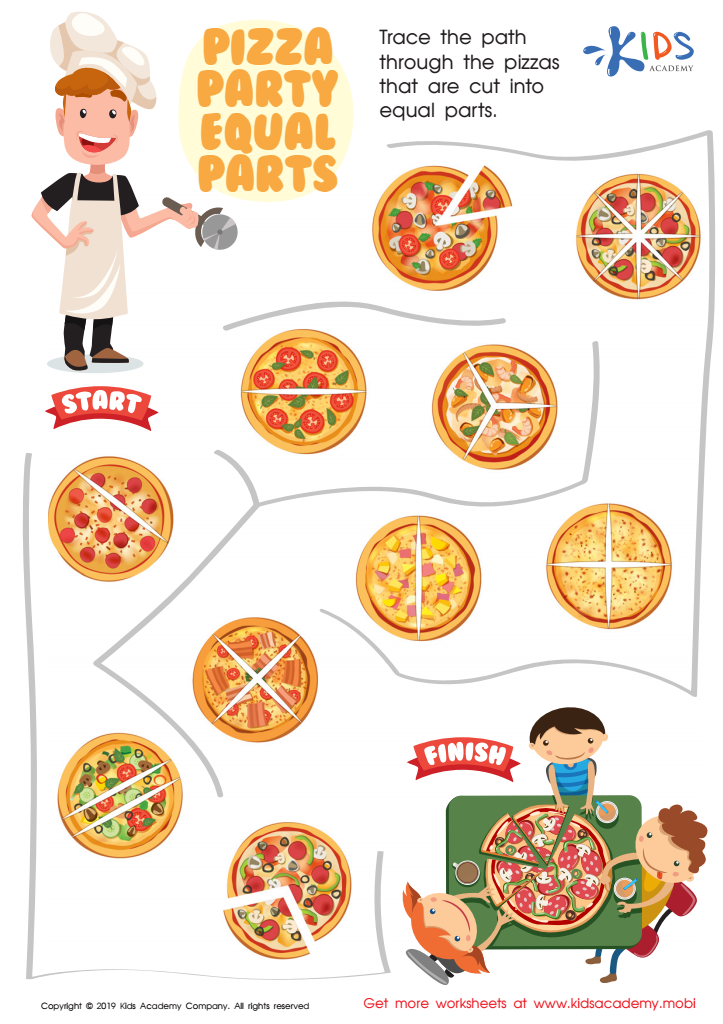
Pizza Party Equal Parts Worksheet
 Assign to My Students











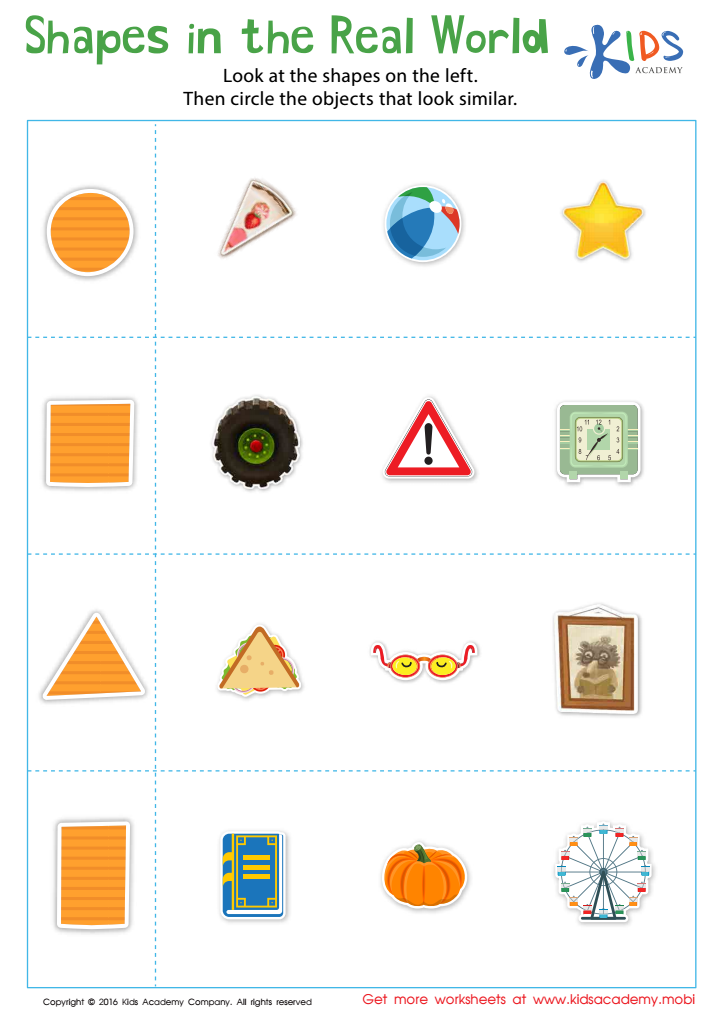
Shapes in the Real World Worksheet
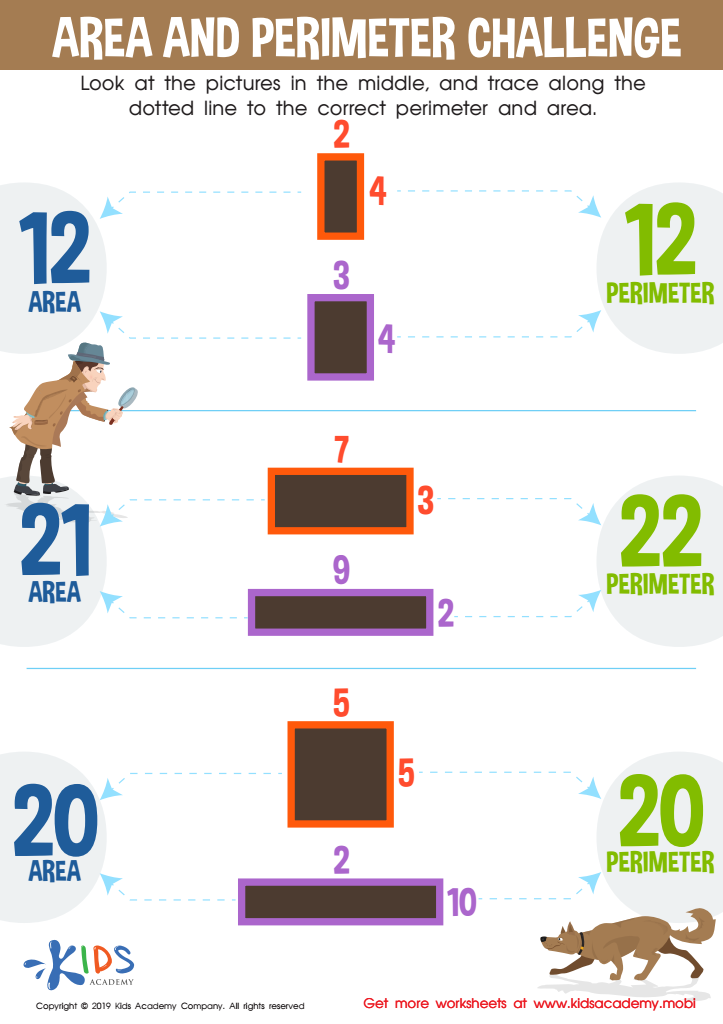
Area and Perimeter Challenge Worksheet
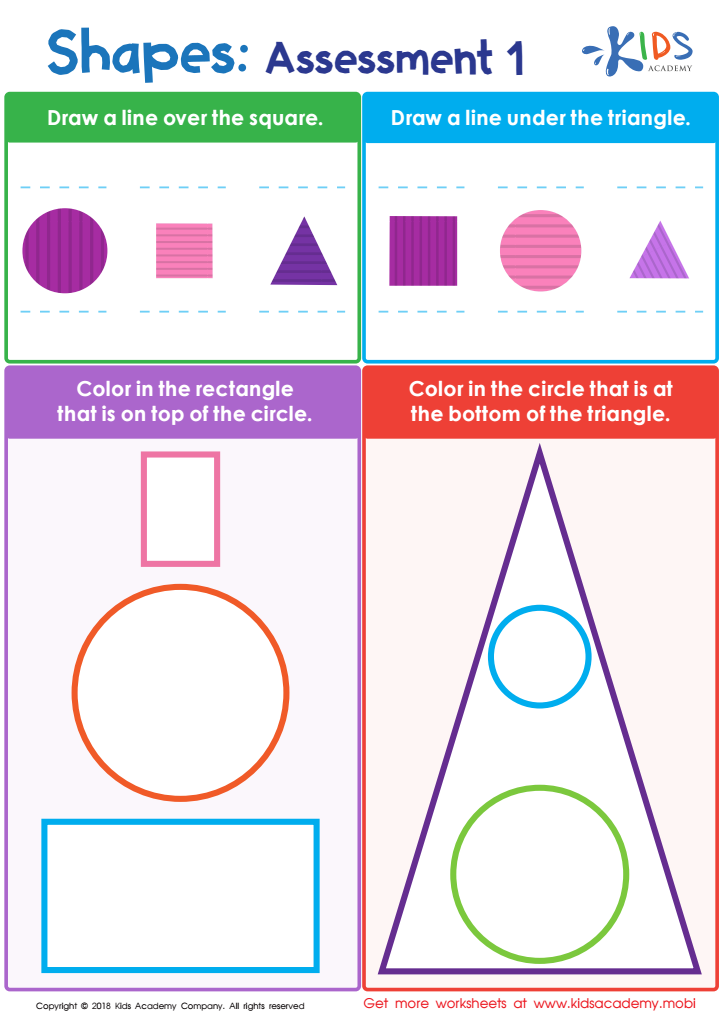
Shapes: Assessment 1 Worksheet
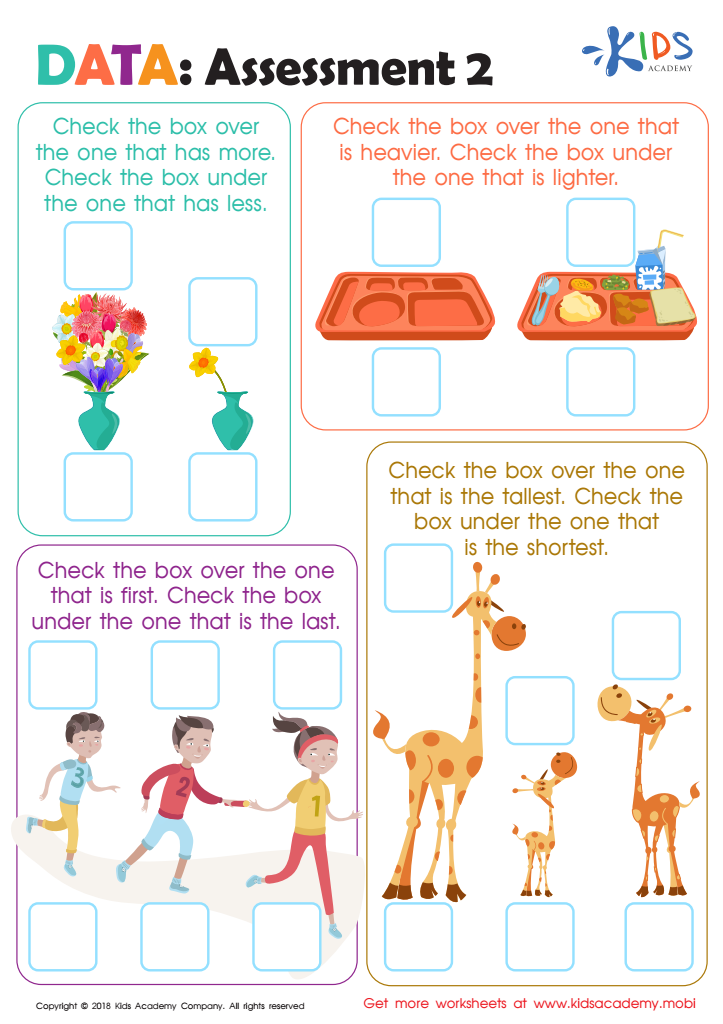
Data: Assessment 2 Worksheet








Problem-solving abilities in Geometry for children aged 5-9 are crucial for several key reasons. First, geometry introduces young minds to spatial reasoning, which is the ability to imagine and manipulate shapes and spaces. This skill is essential not just in everyday tasks but also in fields like art, architecture, and engineering. By understanding geometric concepts early, children develop a foundation for these integral life skills and future career opportunities.
Second, problem-solving is a critical higher-order thinking skill. At a young age, it instills a sense of curiosity and encourages a mindset that welcomes challenges. Through tackling geometric problems, children learn perseverance and resilience, qualities that are beneficial throughout life. They also learn step-by-step logical thinking, from understanding and defining the problem to finding a solution. This process teaches them the value of planning, organized thinking, and reasoning.
Lastly, integrating geometry into early education promotes cross-disciplinary learning. By blending math with physical movement, arts (like shape recognition and symmetry), and even technology (through apps and educational games), children receive a rounded and enriching educational experience. Thus, building problem-solving abilities in geometry not only fosters math skills but also develops well-rounded thinkers prepared for diverse challenges.








