Categorization skills Matching Worksheets for Ages 5-9
6 filtered results
-
From - To
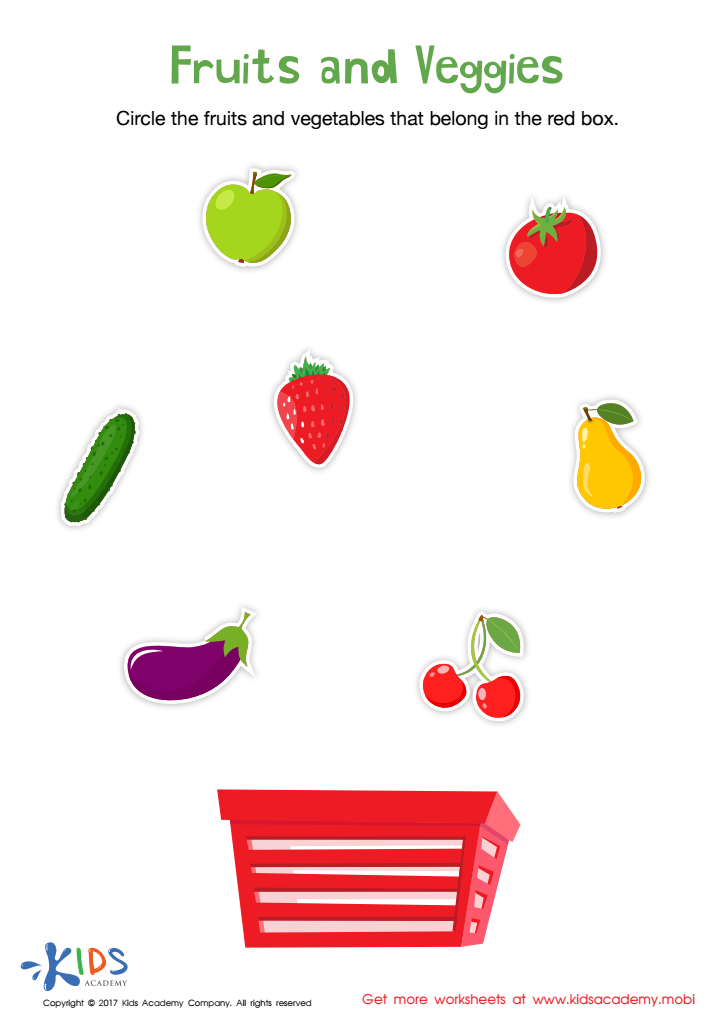
Boost your child's cognitive development with our engaging Categorization Skills Matching Worksheets designed for ages 5-9. These worksheets help young learners practice sorting and categorizing by various attributes such as size, shape, color, and function. As they match and distinguish between different items, kids enhance their critical thinking and problem-solving abilities. Perfect for classroom or at-home use, these colorful and fun activities keep children motivated while fostering essential skills for future academic success. Visit Kids Academy to download and print these ready-to-use resources, and watch your child’s categorization and matching abilities soar!
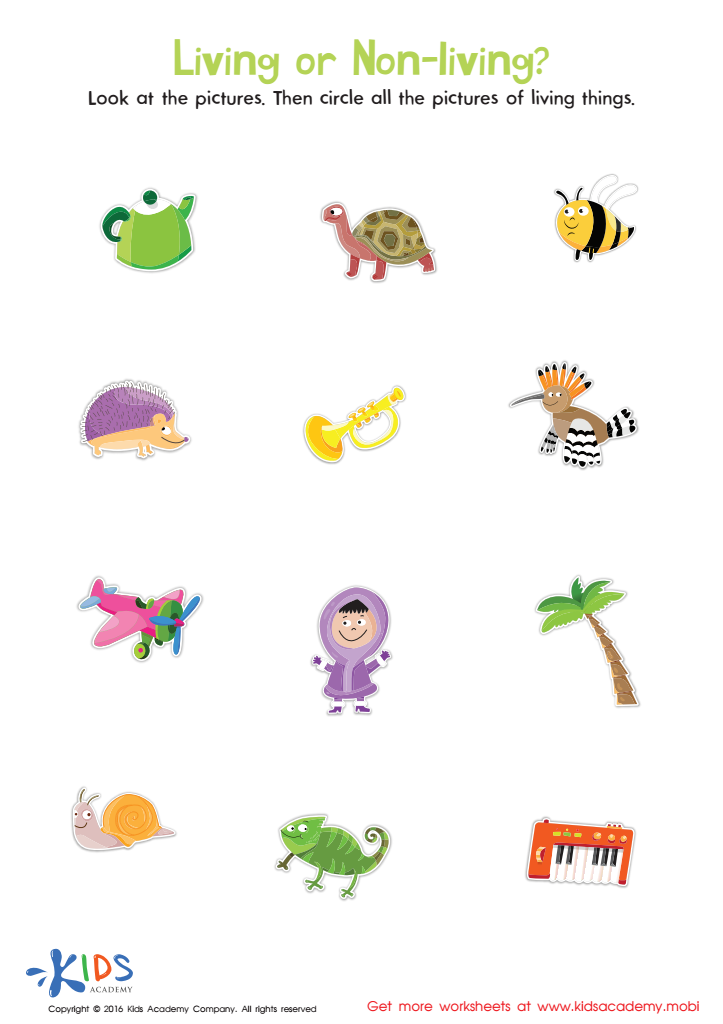
Identifying Living and Non–living Things Sorting Worksheet
 Assign to My Students
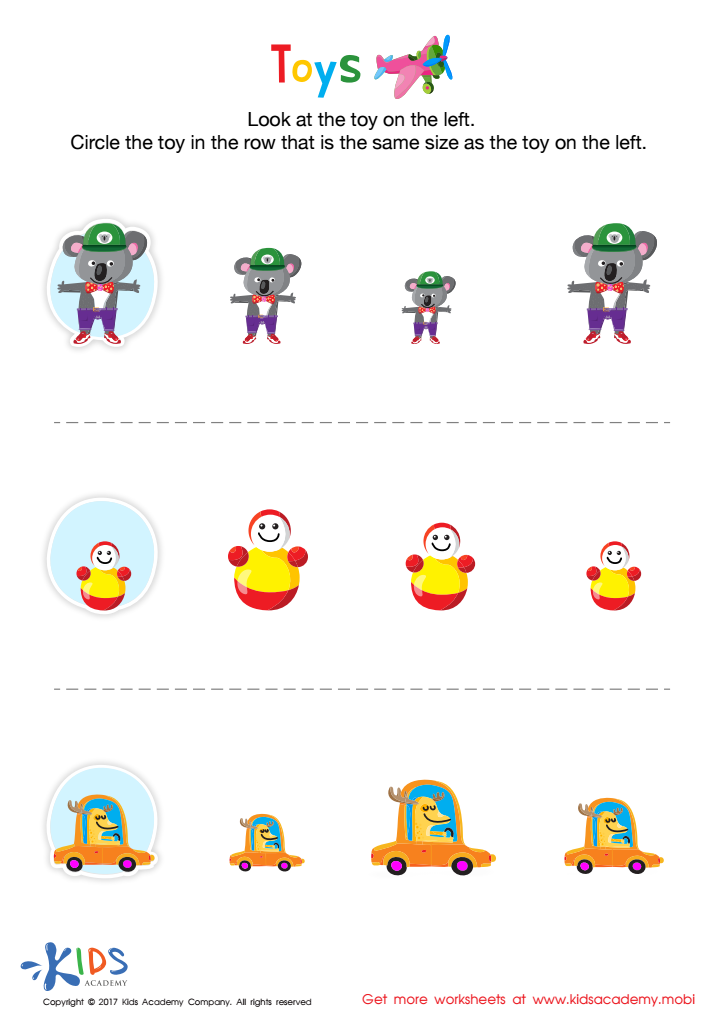
Matching: Classifying Toys by Size Worksheet
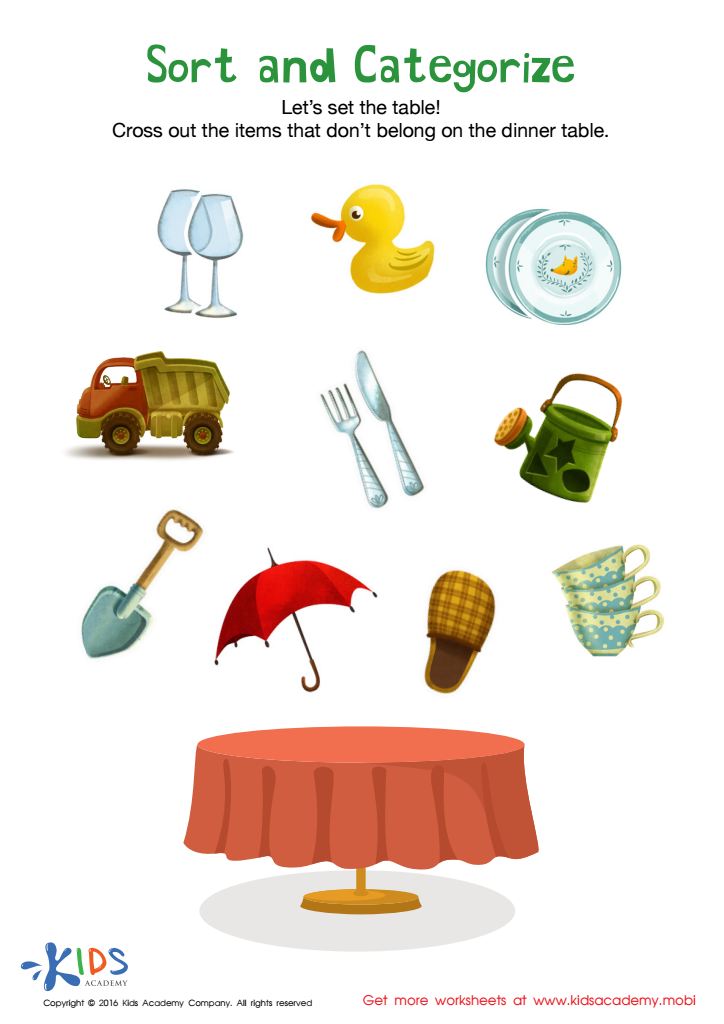
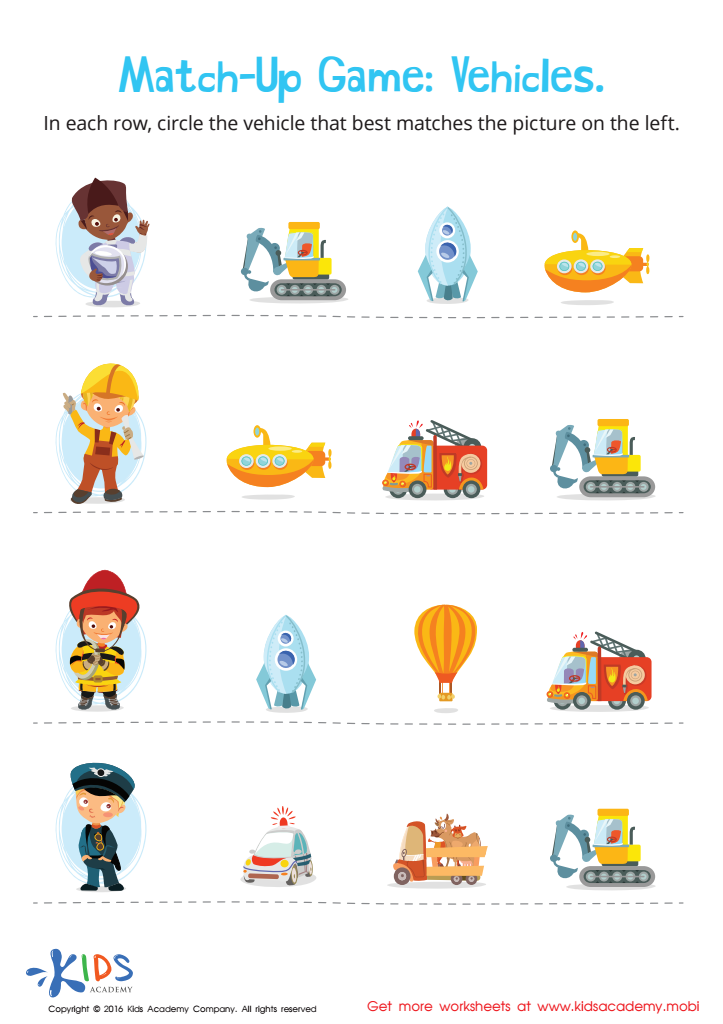
Vehicles Worksheet
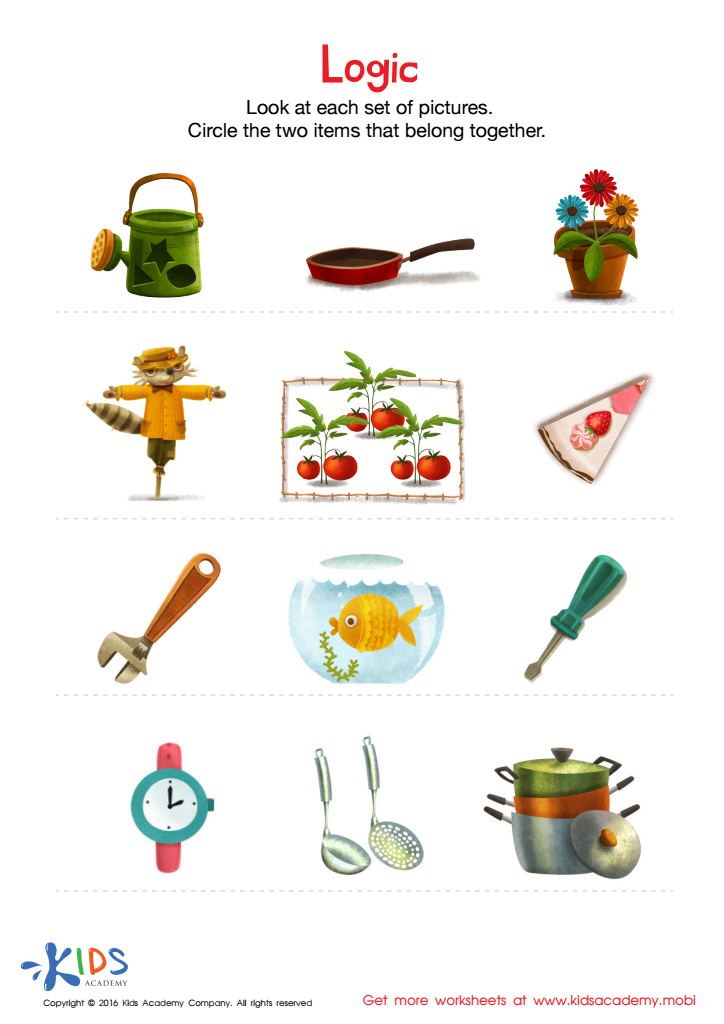
Logic Game Sorting Worksheet



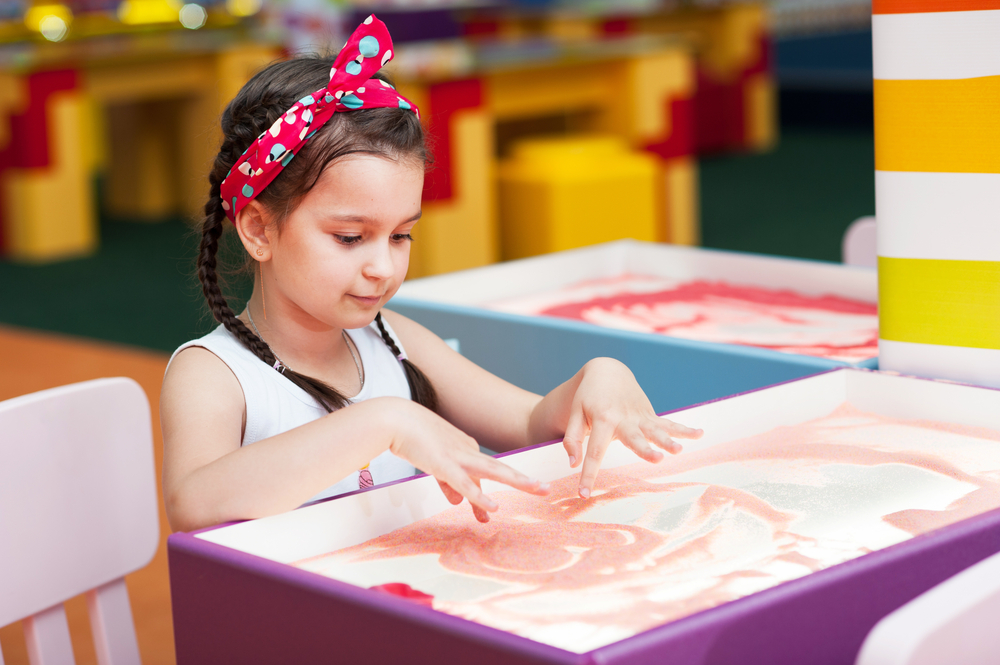

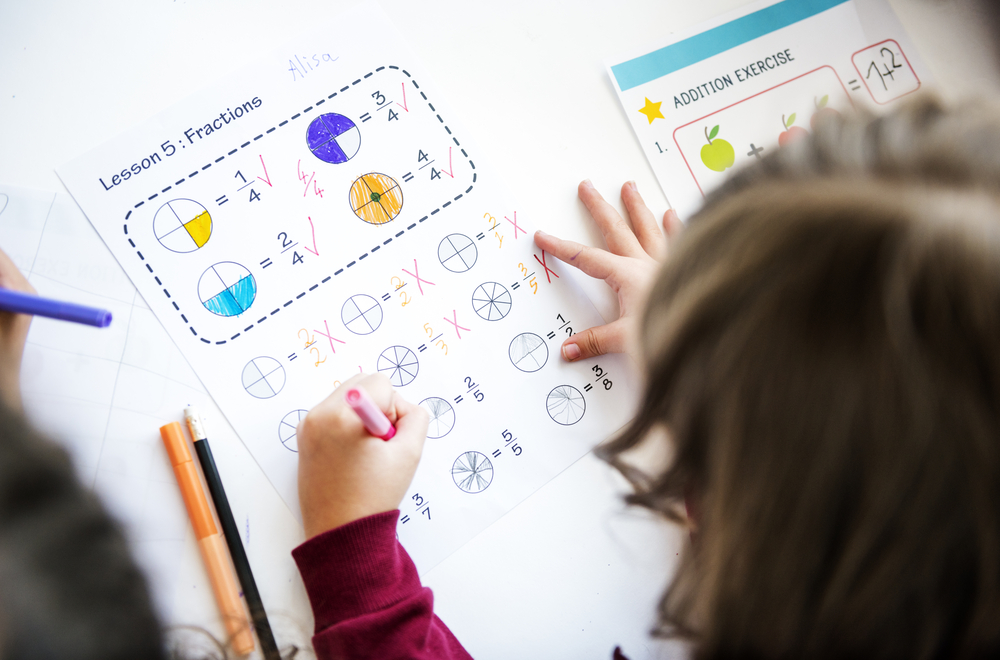


Categorization skills are fundamentally important for children aged 5-9 because they lay the groundwork for understanding and organizing the complex world around them. These skills involve grouping objects, ideas, or information based on common features, making it easier for children to learn and retain knowledge.
Firstly, categorization enhances cognitive development. By identifying similarities and differences, children develop critical thinking and reasoning abilities. This helps them in solving problems, making predictions, and understanding relationships between different items.
Furthermore, these skills support academic achievement. In early education, subjects like mathematics, science, and language arts require children to categorize numbers, shapes, letters, and words. For instance, grouping animals by habitat or classifying words by their starting letters makes information more digestible and easier to retrieve.
Socially, categorization skills help children make sense of their environments and build relationships. By recognizing common traits in people and scenarios, they can better navigate social interactions and develop empathy for others.
For parents and teachers, cultivating categorization skills through matching games and activities is beneficial. These activities are not only engaging but also foster learning in a playful manner, significantly boosting children’s confidence and interest in exploring new concepts. In sum, prioritizing categorization skills nurtures well-rounded, adaptive, and thoughtful learners.








