Counting practice Numbers up to 100 Worksheets for Ages 5-9
7 filtered results
-
From - To
Introduce your child to the fascinating world of numbers with our "Counting Practice Numbers up to 100 Worksheets" designed for ages 5-9. These engaging and educational worksheets help children master counting to 100 through fun activities and exercises. Perfect for developing foundational math skills, these printables will enhance number recognition, sequencing, and counting abilities. Each worksheet is crafted to keep young learners entertained while they practice, ensuring they stay motivated and eager to learn. Foster strong numeracy skills and confidence in math with our expert-designed resources, ideal for early-learners and young mathematicians alike.
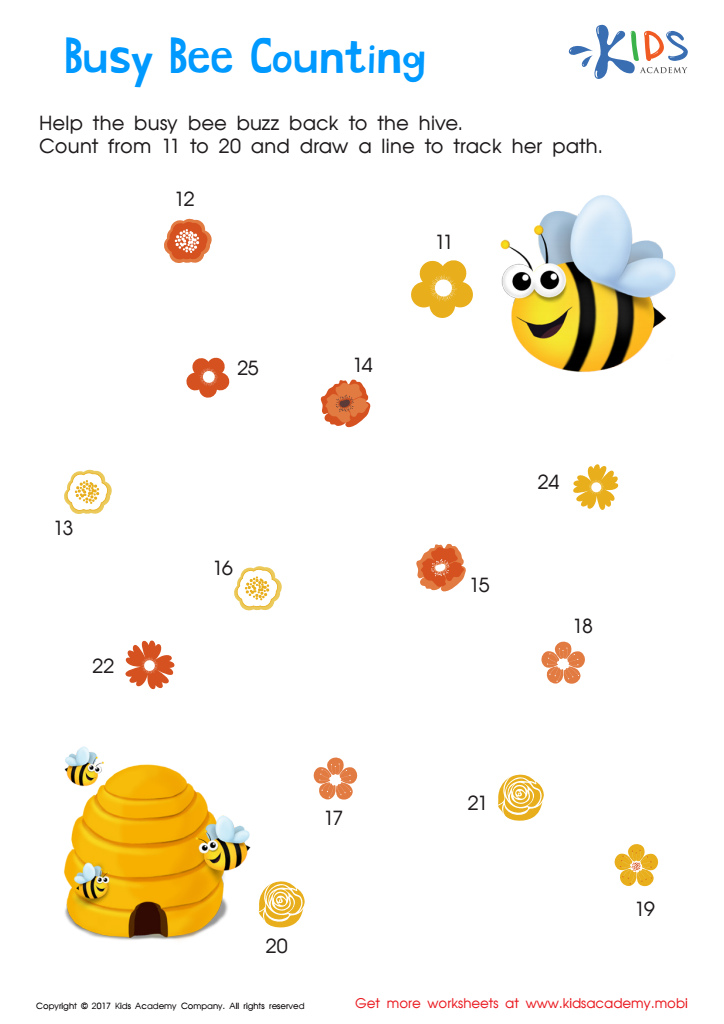
Ordering 11–20: Busy Bee Counting Worksheet
 Assign to My Students
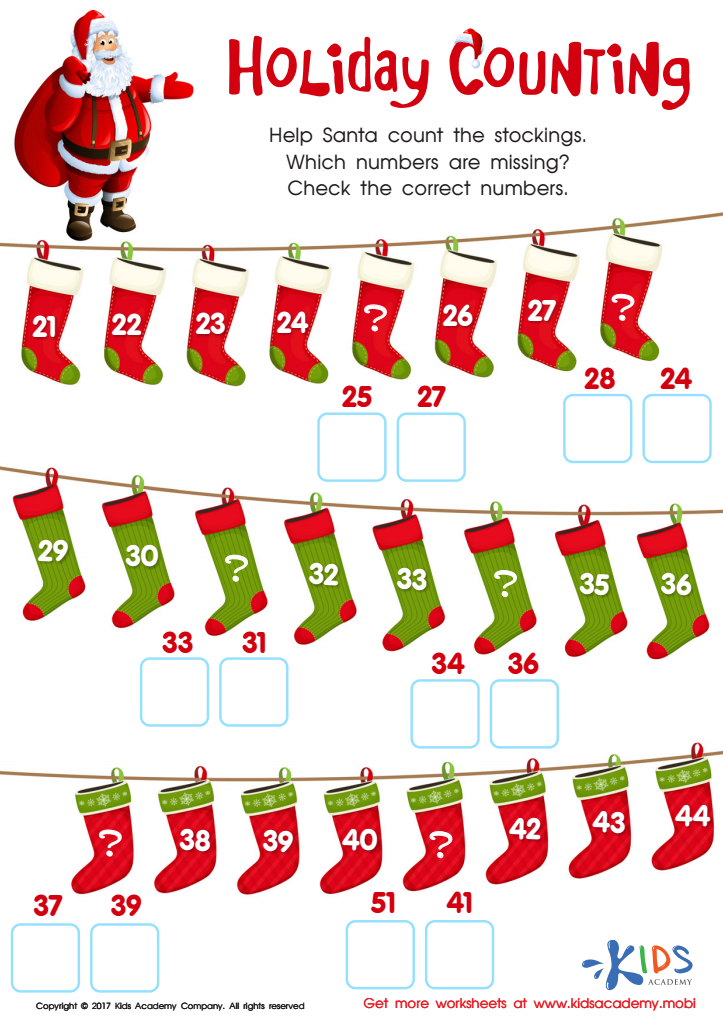
Holiday Counting Worksheet
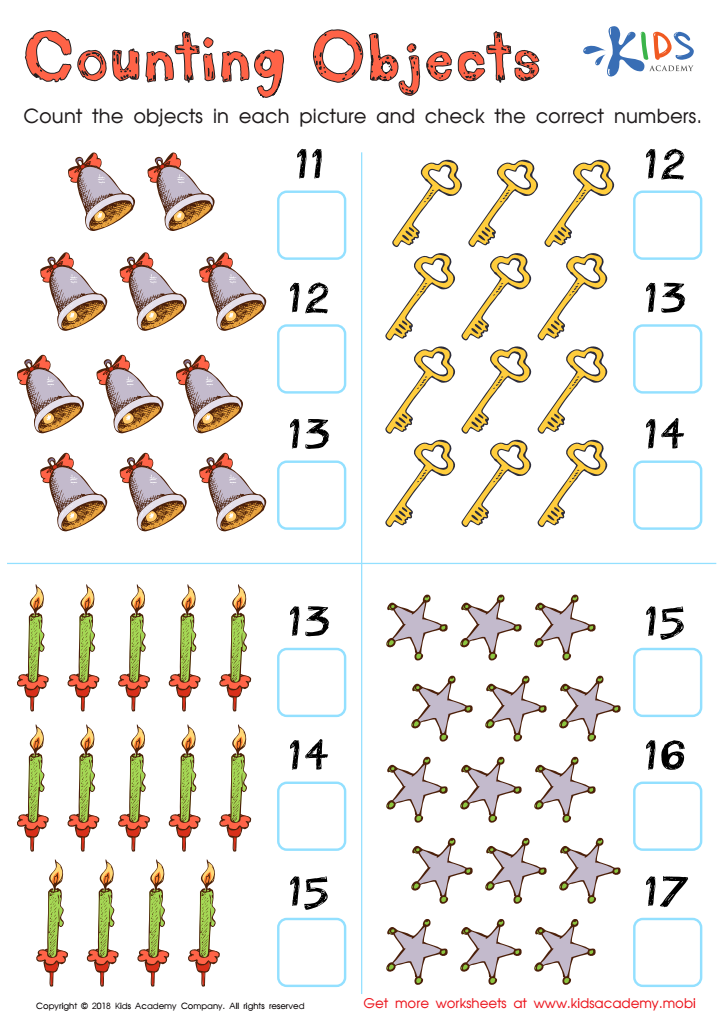
Counting Numbers Worksheet For Kindergarten
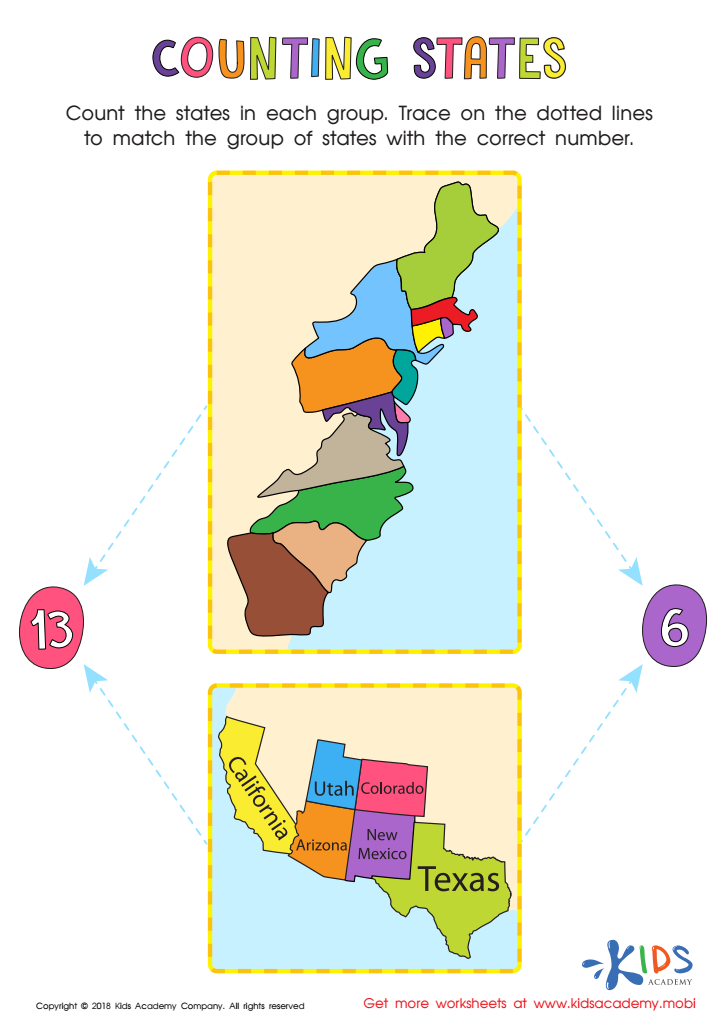
Counting States Worksheet
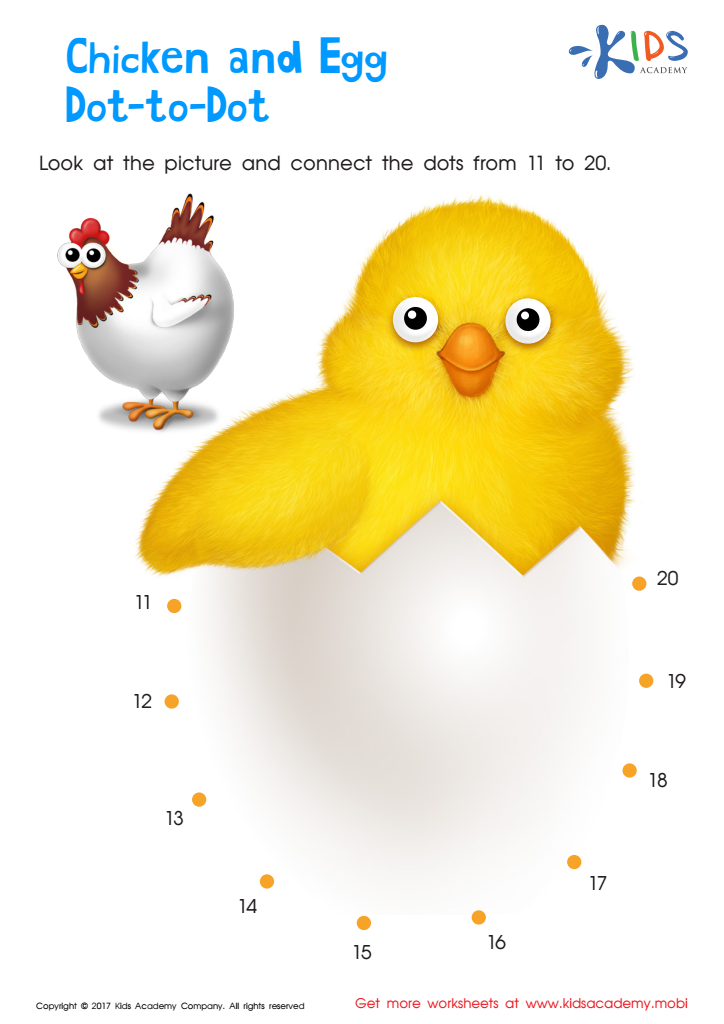
Ordering 11–20: Chicken & Egg Dot–to–dot Worksheet
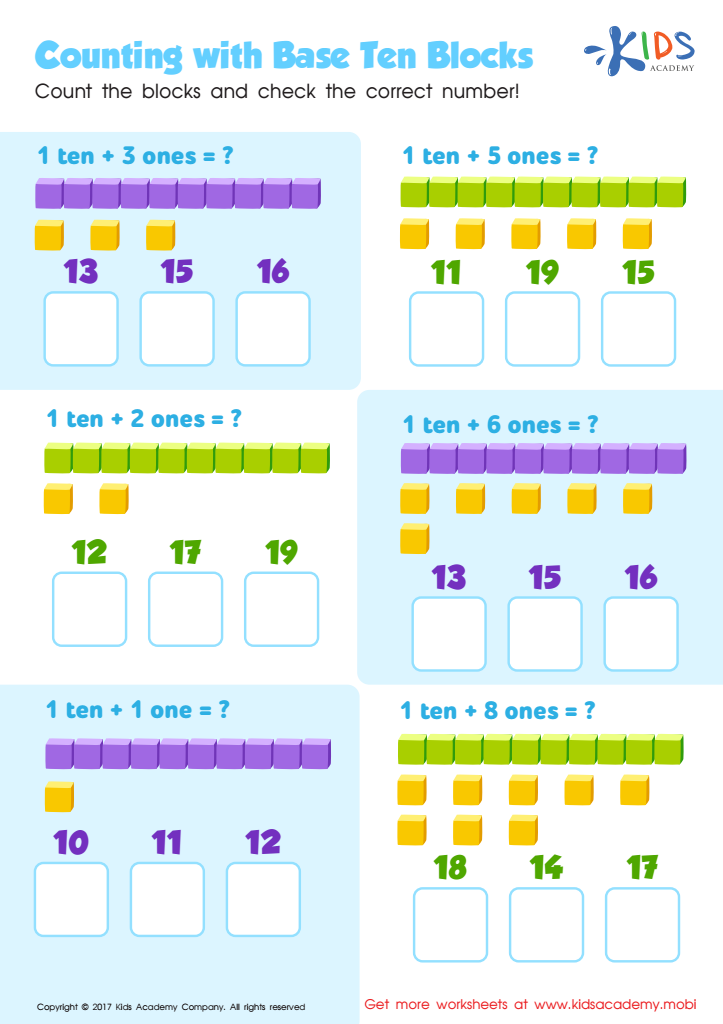
Counting with Base Ten Blocks Worksheet

Counting on the City Skyline: Dot-to-Dot Worksheet



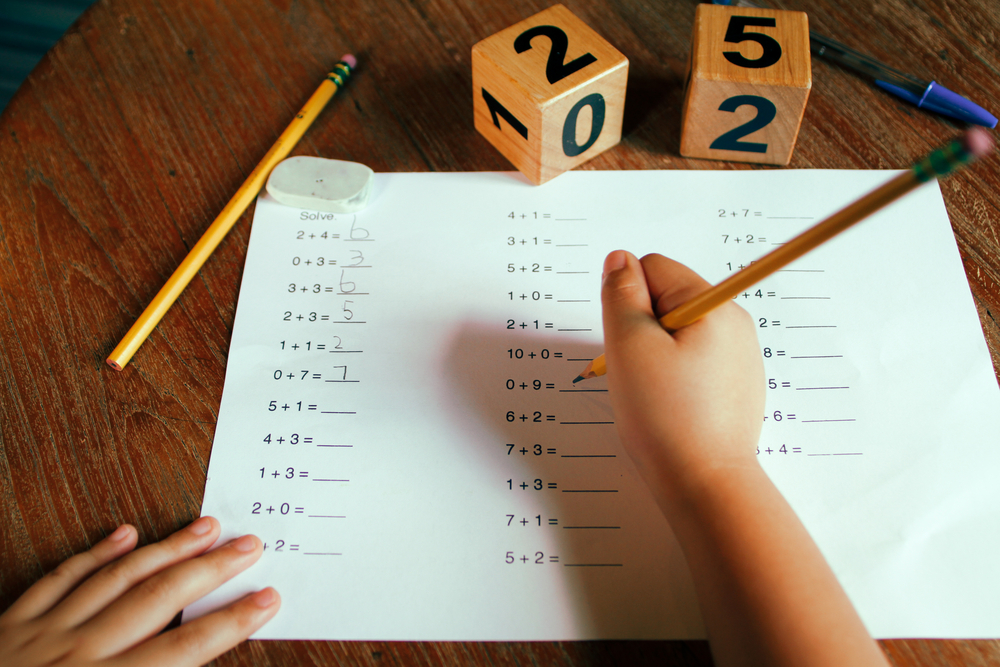


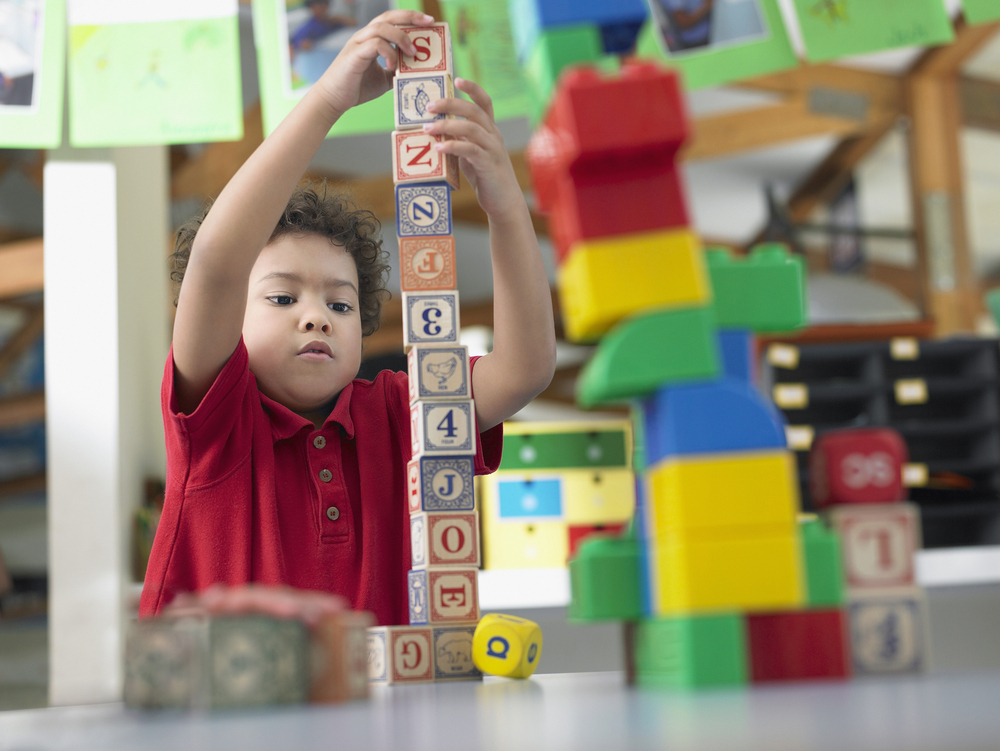

Counting practice up to 100 for children aged 5-9 plays a crucial role in early childhood development, serving as a foundational skill for numerous aspects of mathematics and logical thinking. For parents and teachers, emphasizing this practice is important for several reasons. First, proficiency in counting fosters number sense, enabling children to understand the concept of quantity and how numbers relate to one another. This understanding is critical as it lays the groundwork for more advanced mathematical concepts such as addition, subtraction, multiplication, and division.
Secondly, counting practice enhances cognitive development. It helps children develop memory skills and attention to detail, as they need to remember the sequence of numbers and focus on counting accurately. Additionally, it improves fine motor skills when counting objects and enhances language development as students articulate each number aloud.
Furthermore, consistent counting practice cultivates a positive attitude towards mathematics. When children gain confidence in their ability to count, they are more likely to approach other mathematical tasks with enthusiasm and confidence. This early encouragement can foster a lifelong love and understanding of math.
In summary, counting practice up to 100 helps build essential mathematics foundations, supports cognitive and fine motor skill development, and cultivates a positive learning attitude, making it an invaluable practice for young learners.