Cognitive Development Tracing Numbers Worksheets for Ages 5-9
5 filtered results
-
From - To
Enhance your child’s cognitive development with our engaging Tracing Numbers Worksheets, specially designed for ages 5-9. These worksheets offer a fun and interactive way for young learners to practice number recognition and improve motor skills. By tracing numbers, children not only reinforce their numerical understanding but also build concentration, hand-eye coordination, and attention to detail. Each worksheet features vibrant colors and playful designs to keep your child motivated and focused. Perfect for at-home learning or classroom activities, our tracing number resources support early math skills while fostering confidence. Explore our collection today and watch your child thrive in their numerical journey!
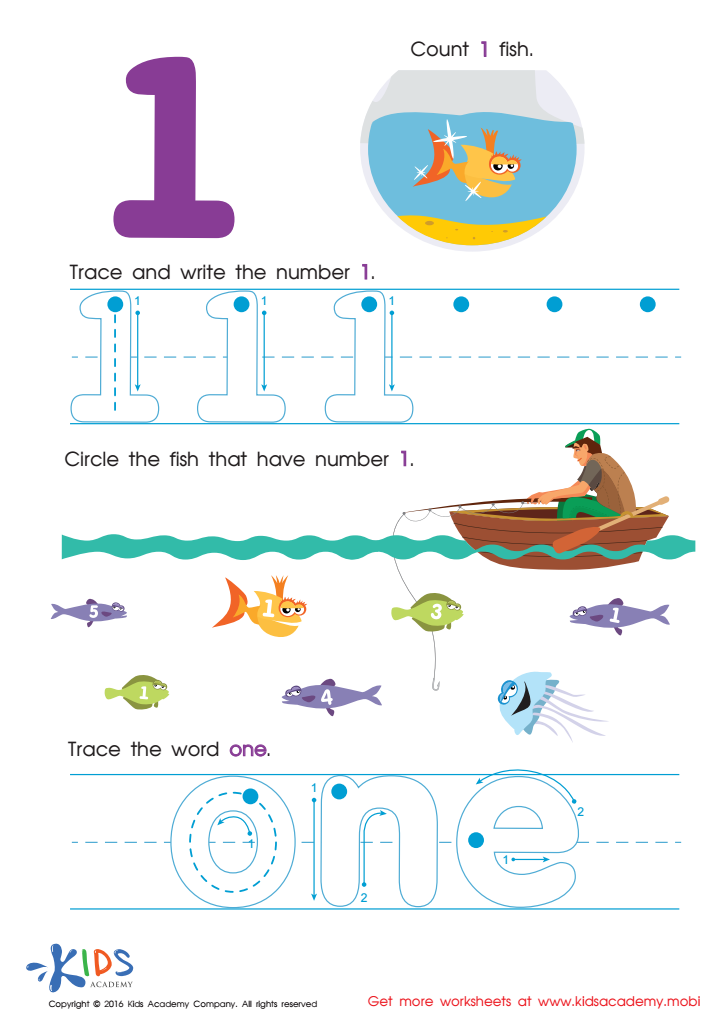
Learning to Write 1 Worksheet
 Assign to My Students
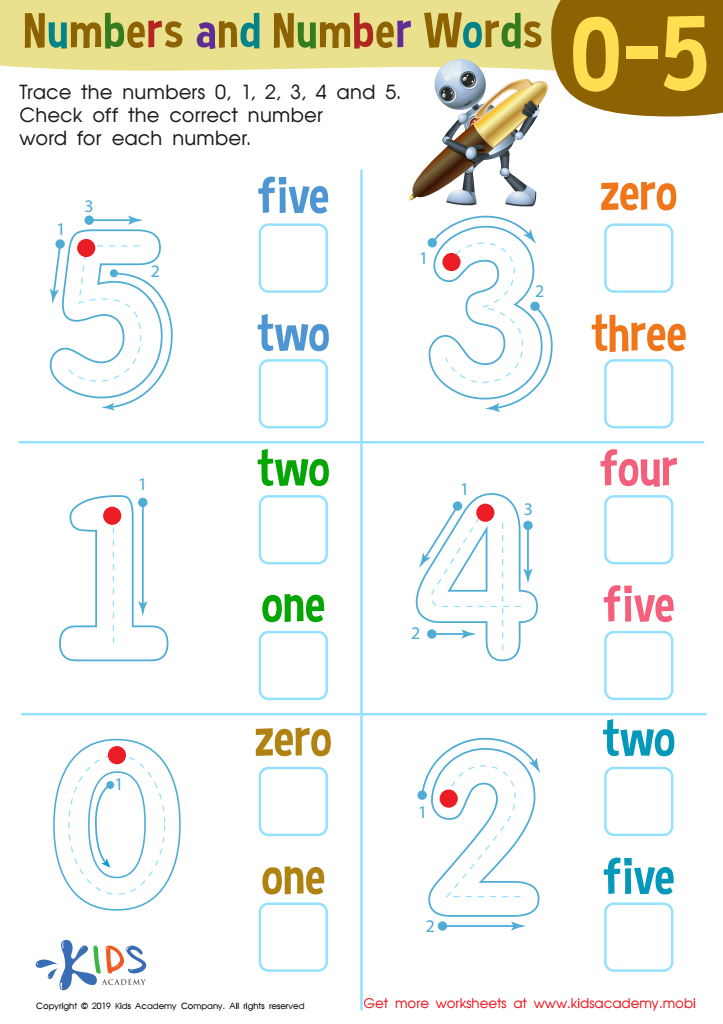
Numbers and Number Words Worksheet
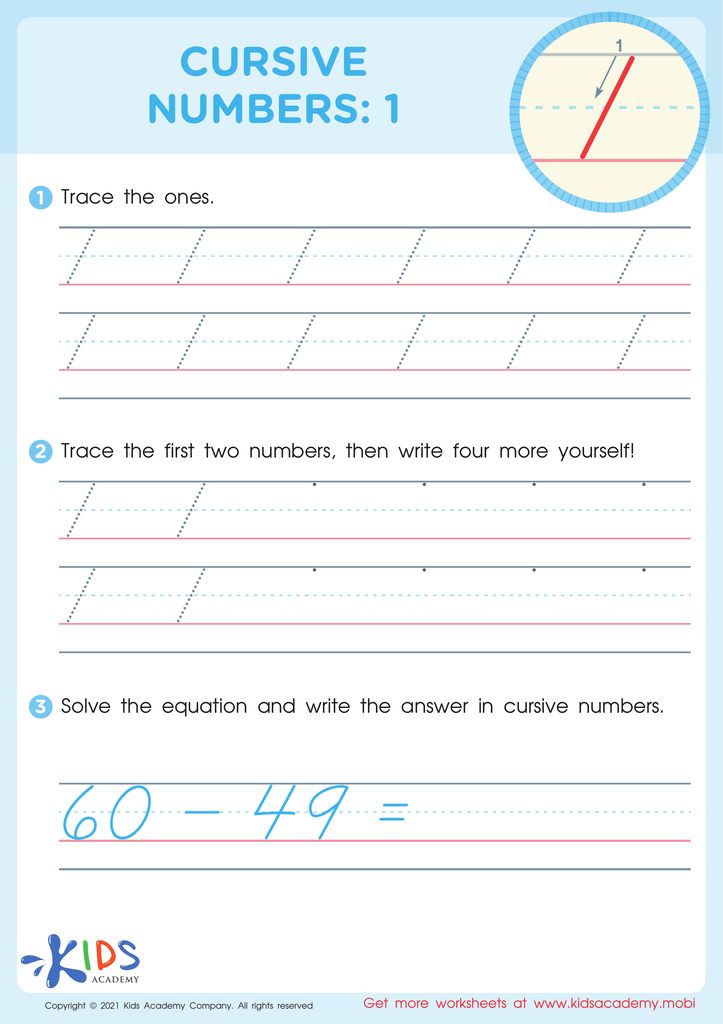
Cursive Numbers: 1 Worksheet
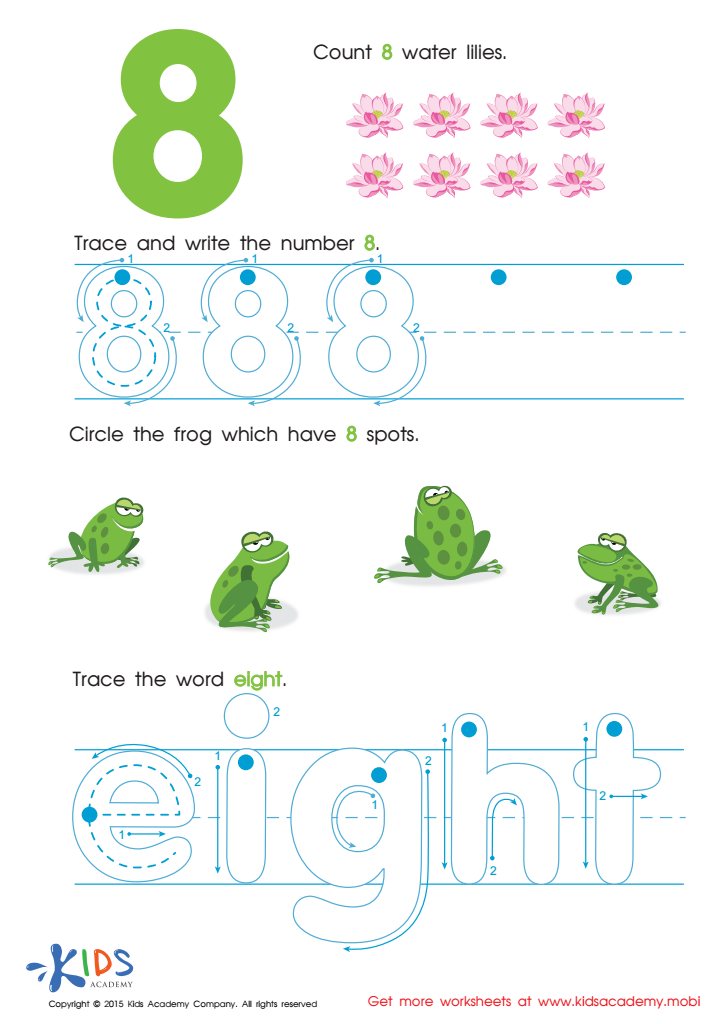
Learn Number 8 Easily Worksheet
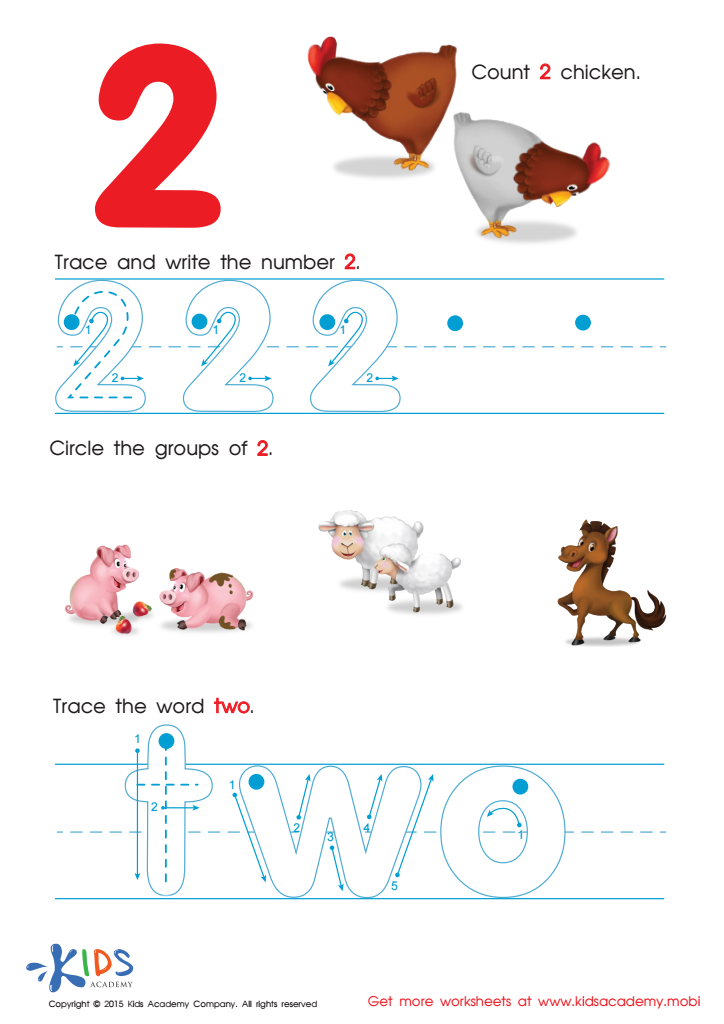
Learn to Write the Number 2 Worksheet








Cognitive development during the ages of 5 to 9 is crucial as it lays the foundation for essential skills that will impact a child's future learning and life experiences. Tracing numbers plays a significant role in this developmental stage. Engaging in this activity helps enhance fine motor skills, hand-eye coordination, and the ability to concentrate, all of which are vital for academic success.
As children trace numbers, they not only learn the physical motion associated with writing but also solidify their understanding of numerical concepts. This multi-sensory approach reinforces number recognition and promotes mathematical thinking, helping them to visualize numbers in real-world contexts. Additionally, tracing activities can stimulate cognitive skills such as memory, focus, and problem-solving, as children start to connect numbers with quantities and patterns.
For parents and teachers, promoting activities like tracing numbers supports differentiation in learning styles. By encouraging math readiness and literacy in an interactive way, adults can foster a love for learning and develop self-confidence in young learners. Overall, cognitive development through tracing numbers serves as a fun and effective method to ensure children are equipped with the foundational skills necessary for future academic challenges.