Logical thinking Reading Comprehension Worksheets for Ages 5-9
6 filtered results
-
From - To
Enhance your child's logical thinking and reading skills with our carefully designed Logical Thinking Reading Comprehension Worksheets for ages 5-9. These engaging worksheets, available on Kids Academy, blend fun stories and challenging questions to promote critical thinking and improve reading comprehension. Each worksheet is tailored to different skill levels and designed to develop your child's ability to discern, analyze, and draw conclusions. Ideal for classroom use or at-home practice, our resources provide a solid foundation in reasoning and literacy. Nurture young minds and help your child excel in their academic journey with our interactive and educational worksheets.
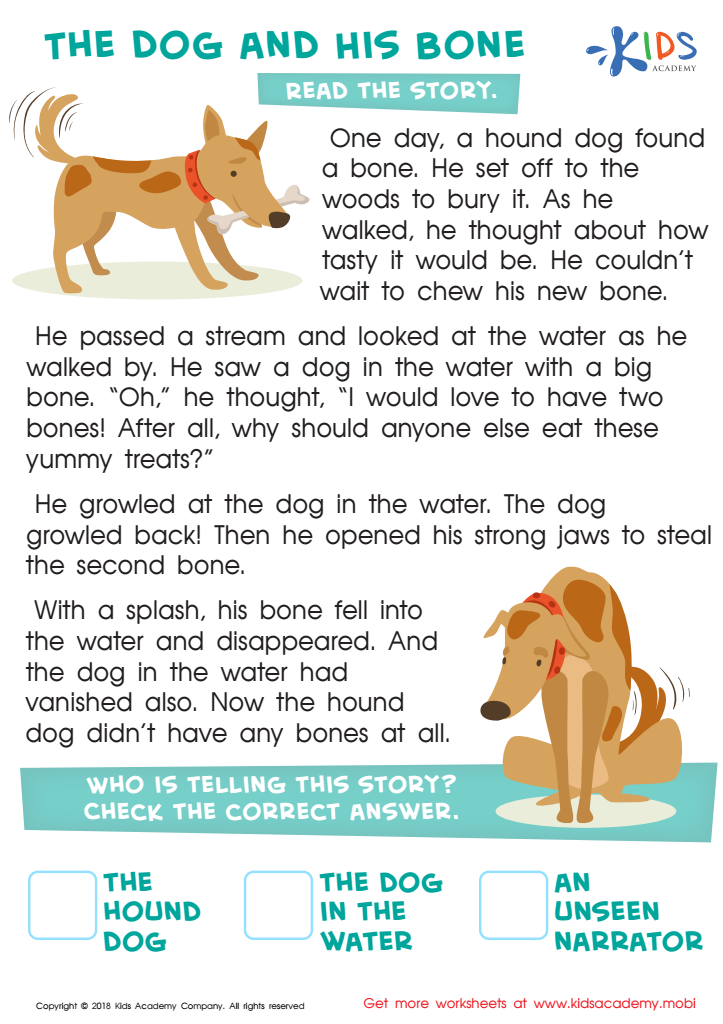
The Dog and His Bone Worksheet
 Assign to My Students
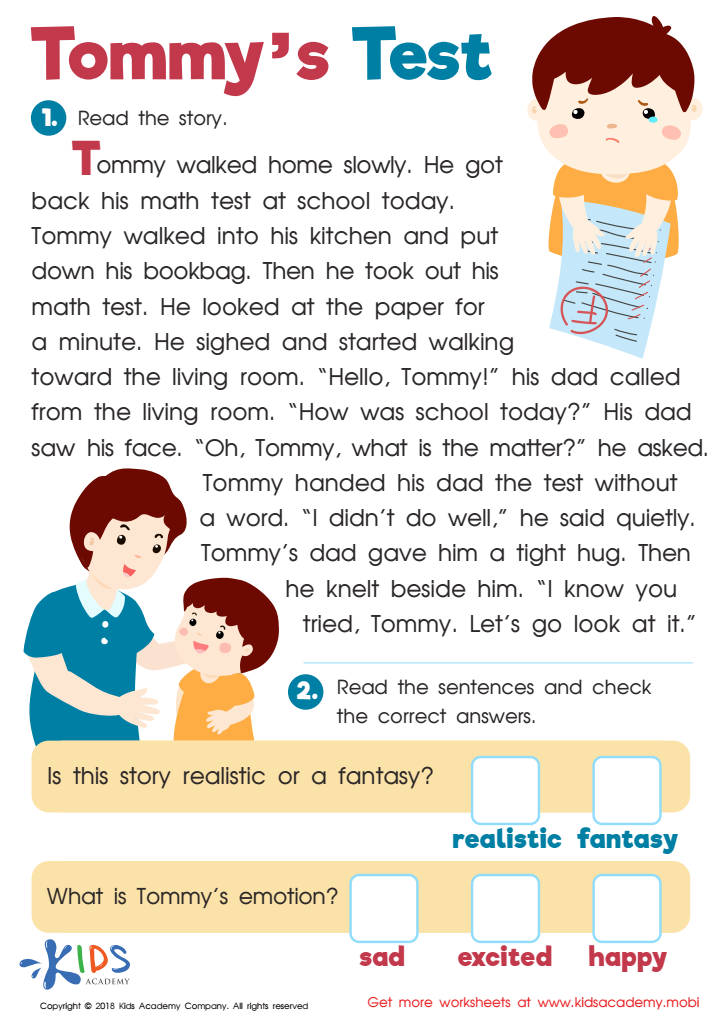
Tommys Test Worksheet
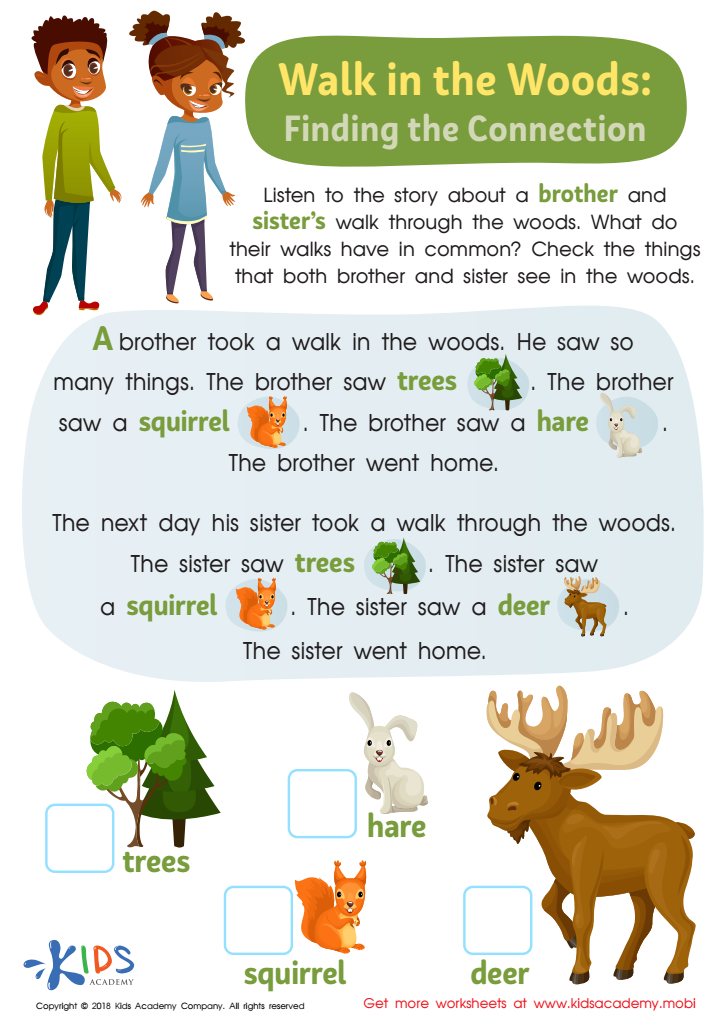
Walk In the Woods: Finding Connections Worksheet
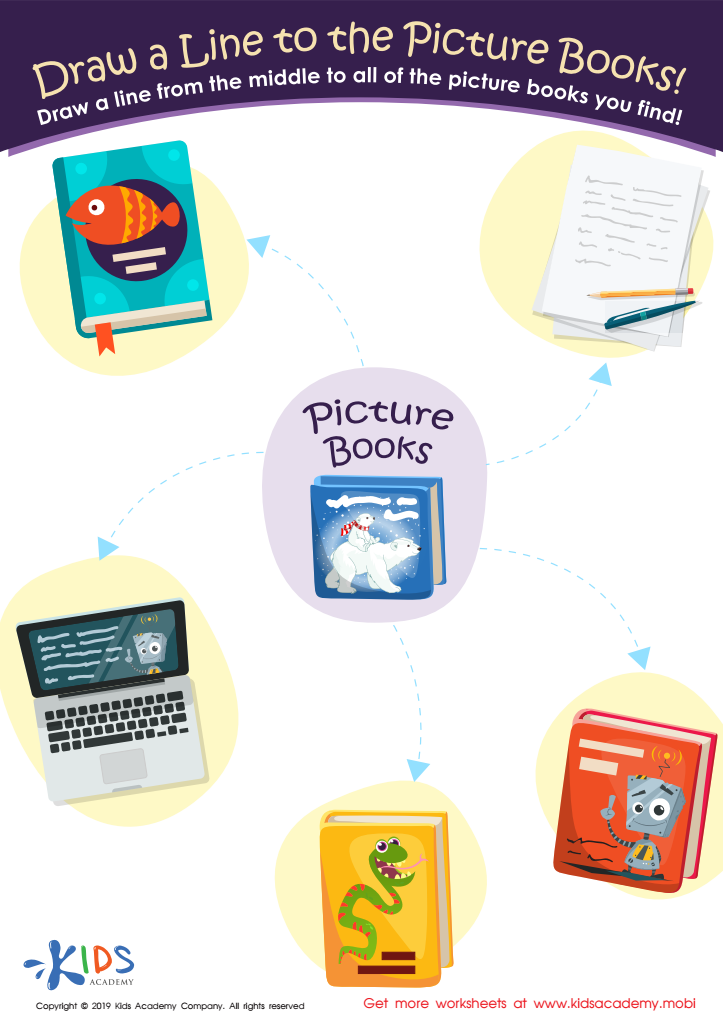
Draw a Line to the Picture Books Worksheet
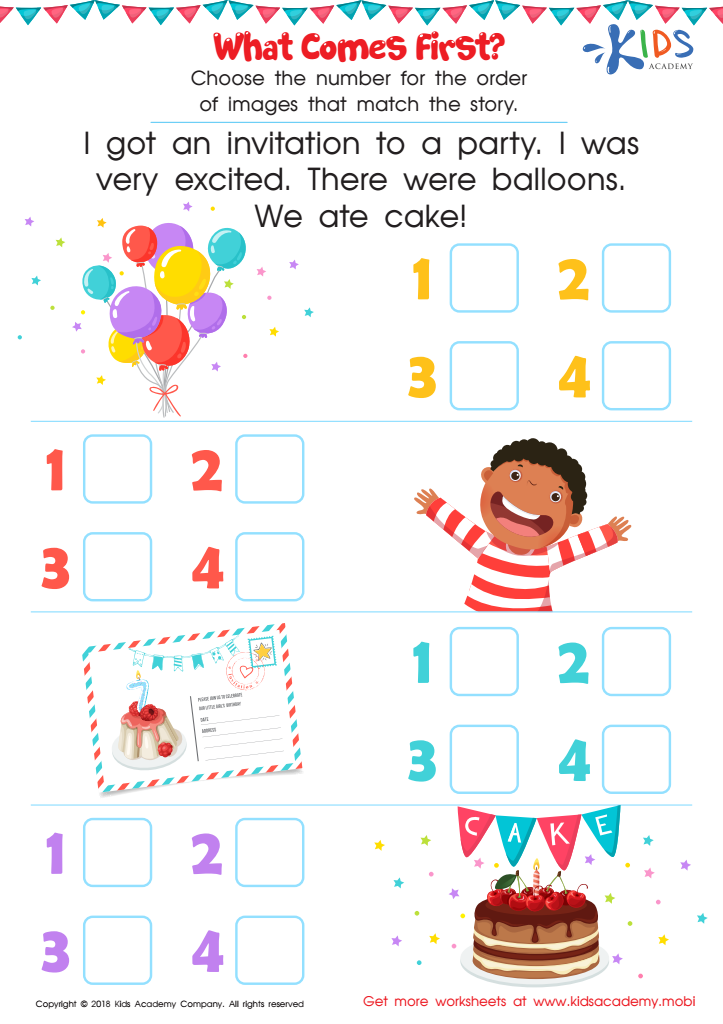
What Comes First Worksheet
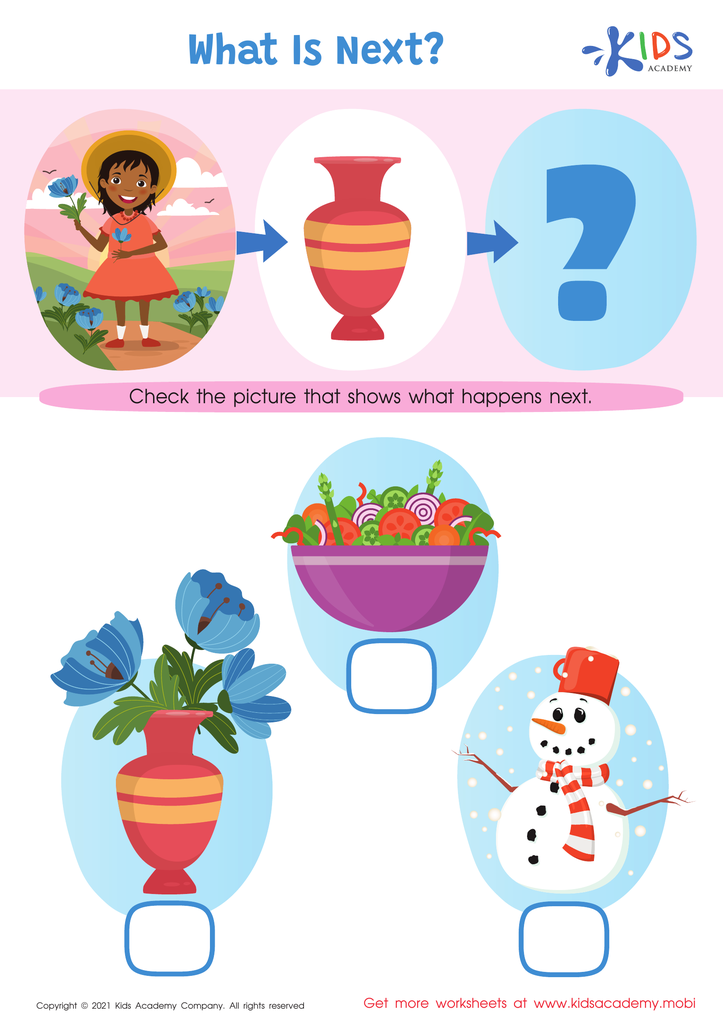
What is Next? Worksheet








Parents and teachers should prioritize logical thinking and reading comprehension in children aged 5-9 because these skills form the foundation for future learning and critical thinking. During these early years, children's brains are highly malleable, making it a prime time to nurture these cognitive abilities.
Logical thinking helps children understand relationships between ideas, solve problems methodically, and make informed decisions. For instance, when a child learns that if it rains, the grass gets wet, they grasp cause-and-effect relationships, which are crucial for both academic and real-world problem-solving.
Reading comprehension, on the other hand, enables children to understand and interpret text, fostering communication and intellectual growth. By grasping the meaning of stories, instructions, or new concepts, children expand their vocabulary and general knowledge, which supports learning across all subjects.
Moreover, intertwining both skills enhances critical thinking. When children read a story and make predictions or inferences, they practice logical reasoning while comprehending the text. This dual development promotes more than just academic success; it boosts confidence and the ability to tackle everyday challenges.
Investing in these skills early sets a strong foundation, encouraging lifelong learning, curiosity, and adaptability, essential traits in an ever-evolving world. Therefore, fostering logical thinking and reading comprehension from a young age is crucial for holistic development.








