Story sequencing Reading Comprehension Worksheets for Ages 5-9
23 filtered results
-
From - To
Enhance your child's reading comprehension skills with our engaging Story Sequencing Worksheets designed for ages 5-9. These worksheets provide a fun and interactive way to help young learners develop essential skills in identifying and organizing the sequence of events in a story. By completing these activities, children will improve their understanding of narrative structure, which strengthens critical thinking and retention. Our carefully crafted worksheets feature colorful illustrations and age-appropriate content that capture your child's imagination. Perfect for home or classroom use, these Story Sequencing Worksheets empower students to visualize and articulate stories vividly, ensuring a strong foundation in literacy. Explore our resources today!
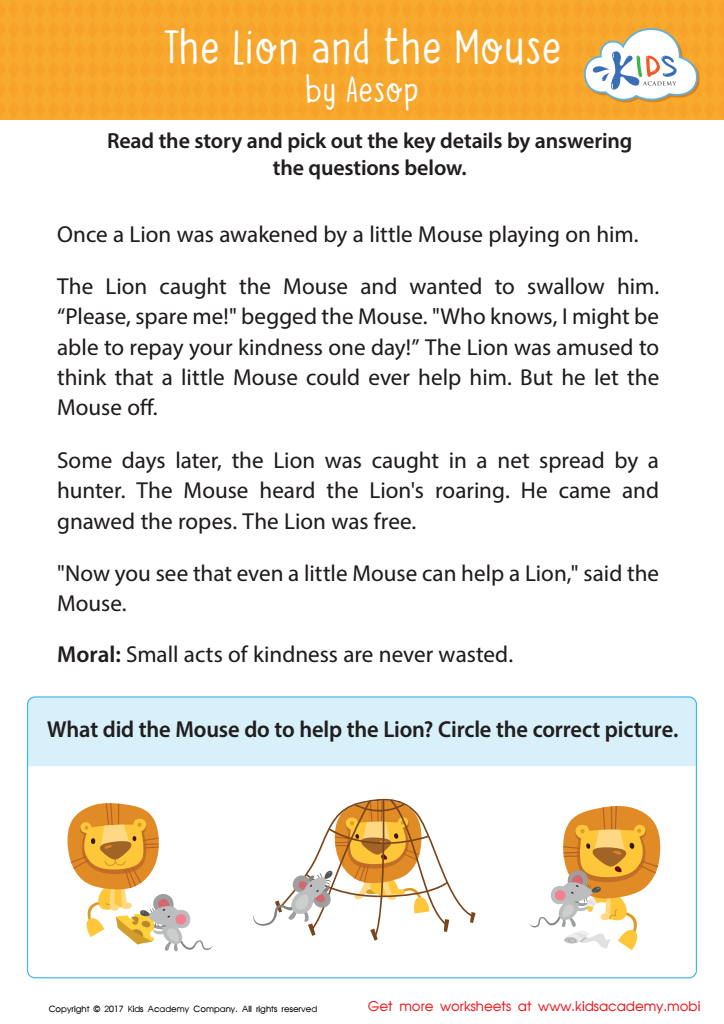
The Lion and The Mouse Sequencing Worksheet
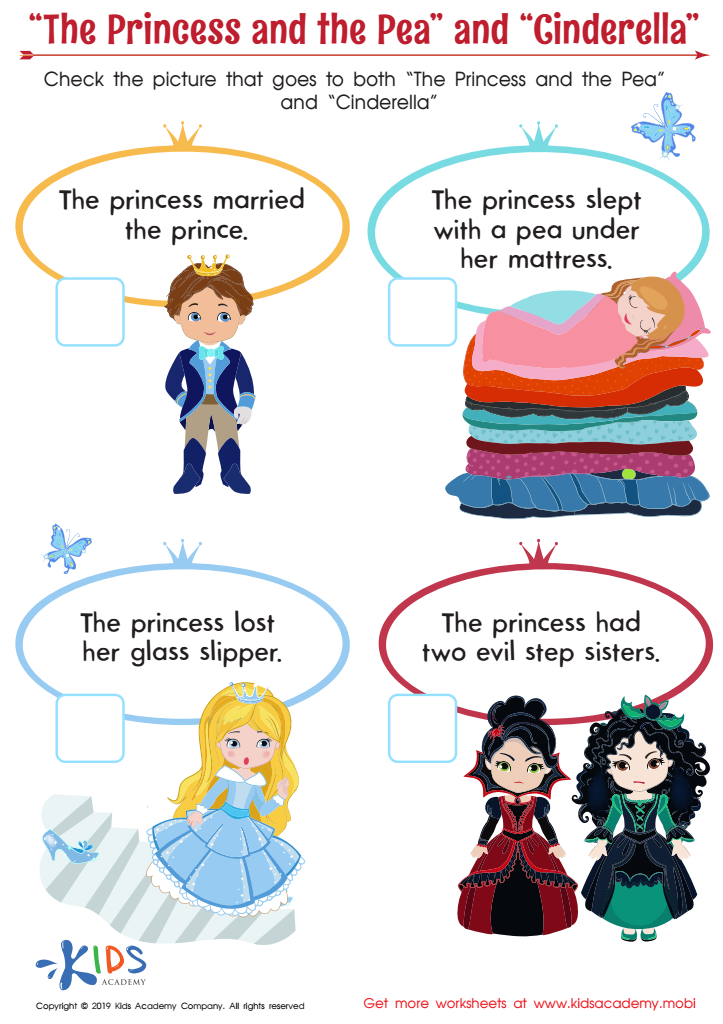
“The Princess and the Pea” and “Cinderella” Worksheet
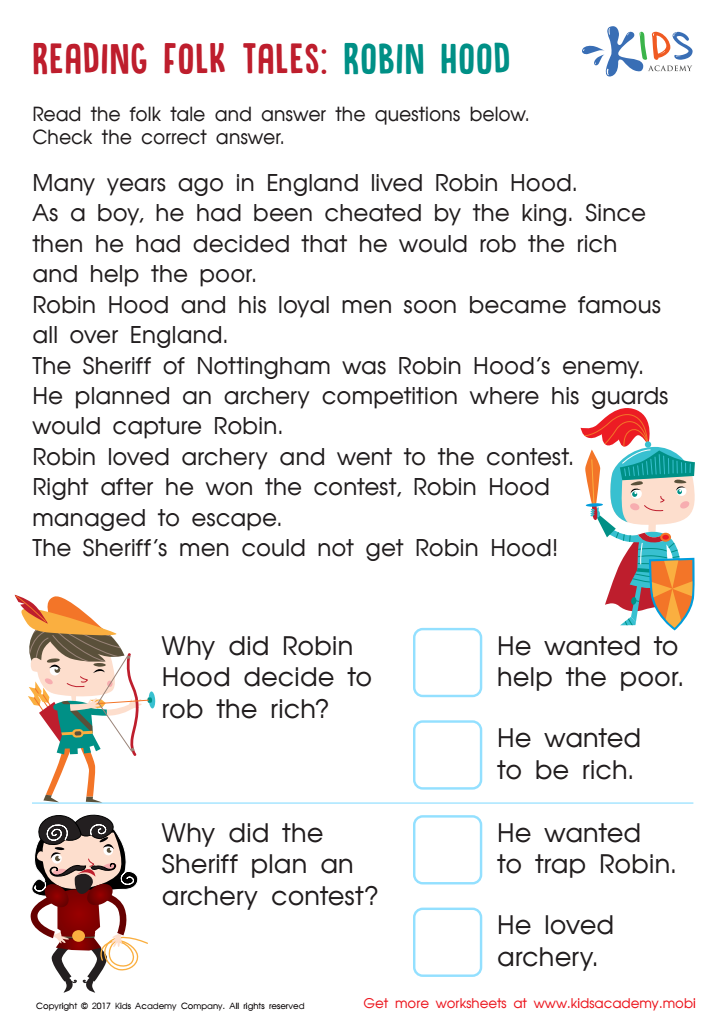
Robin Hood Folktale Worksheet
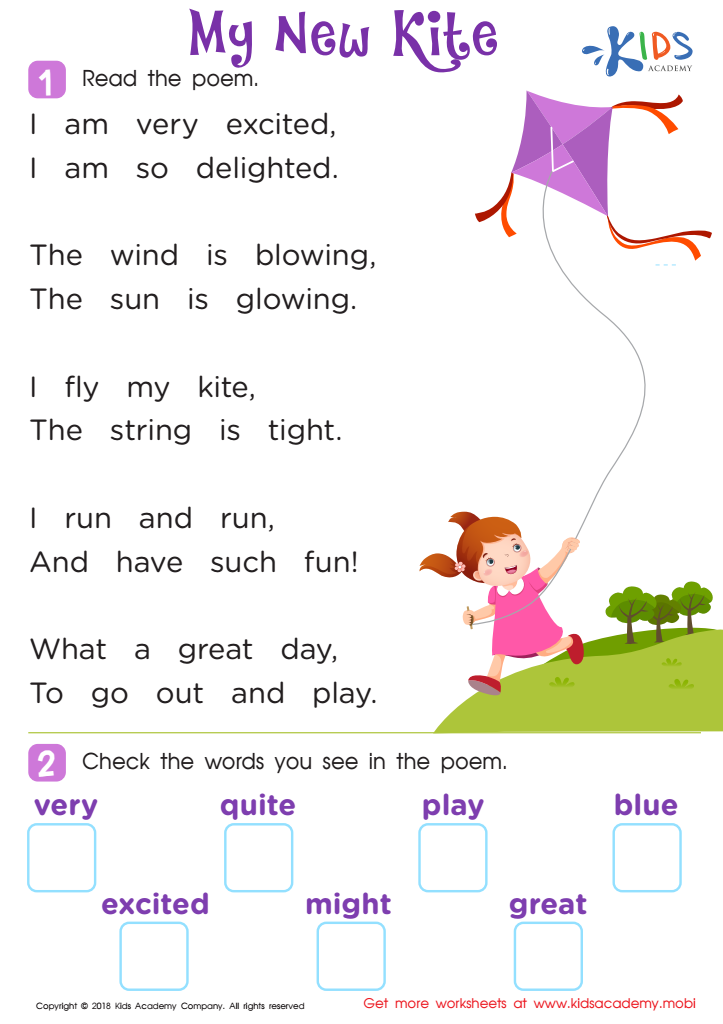
Poem: My New Kite Worksheet
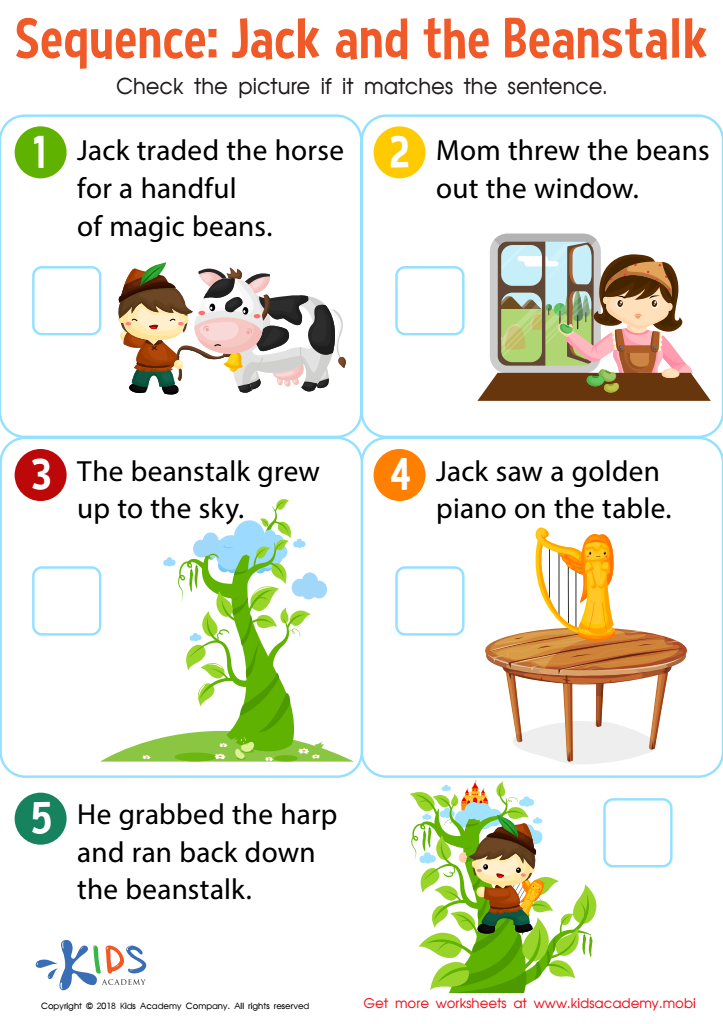
Sequence: Jack and The Beanstalk Worksheet
Folktales Printable PDF Worksheet: The 3 Little Pigs
 Assign to My Students
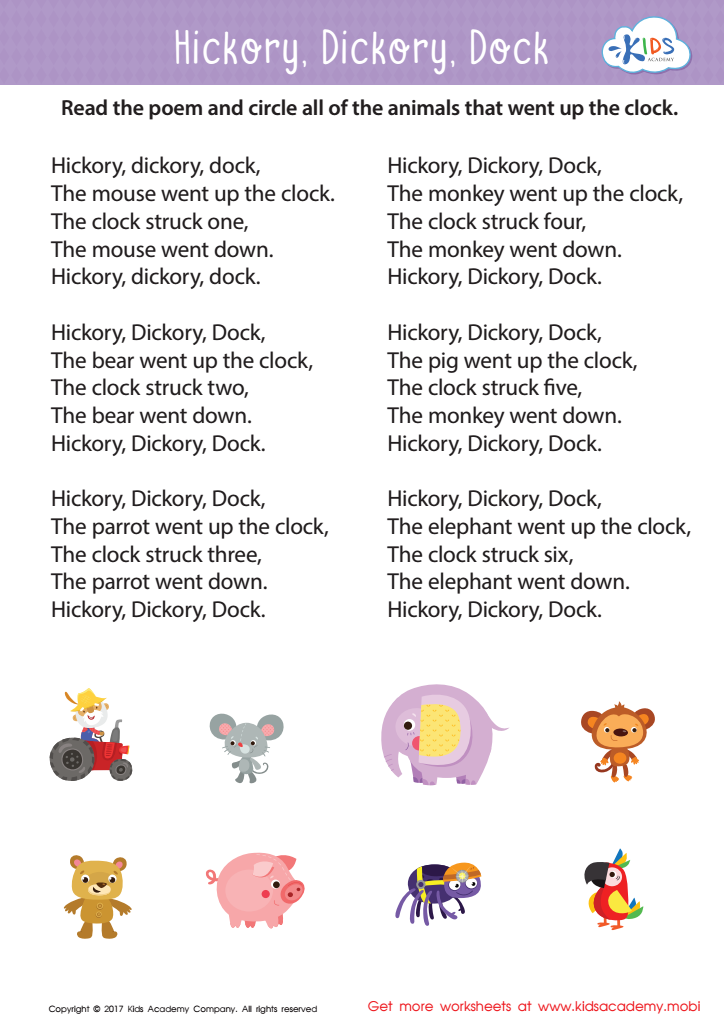
Hickory Dickory Dock Sequencing Worksheet
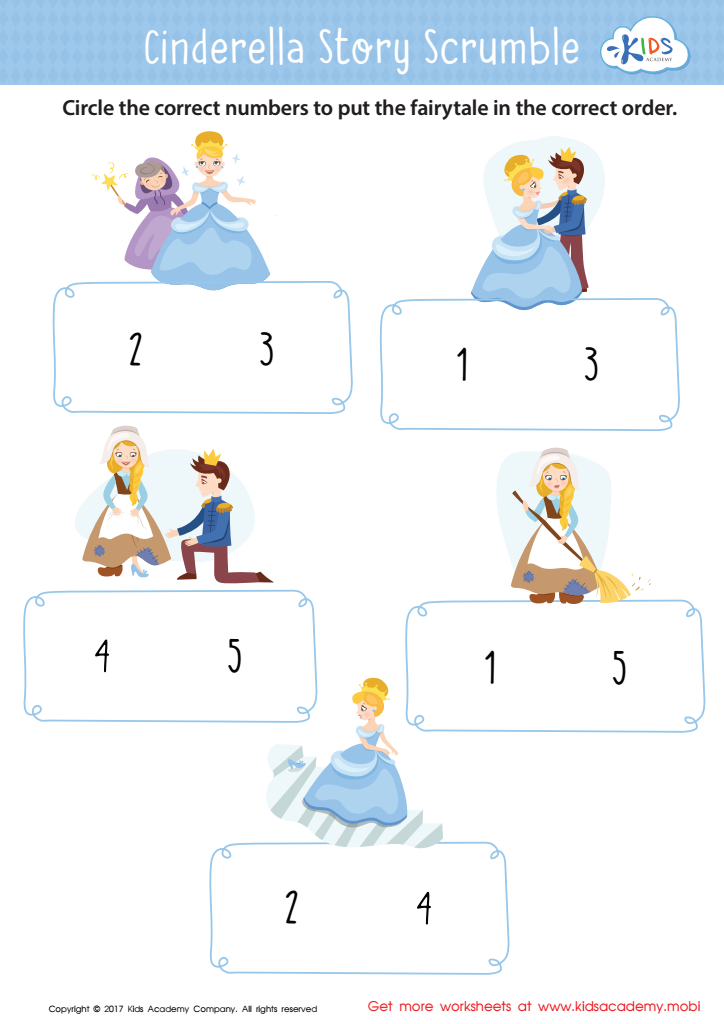
Cinderella Story Sequencing Worksheet
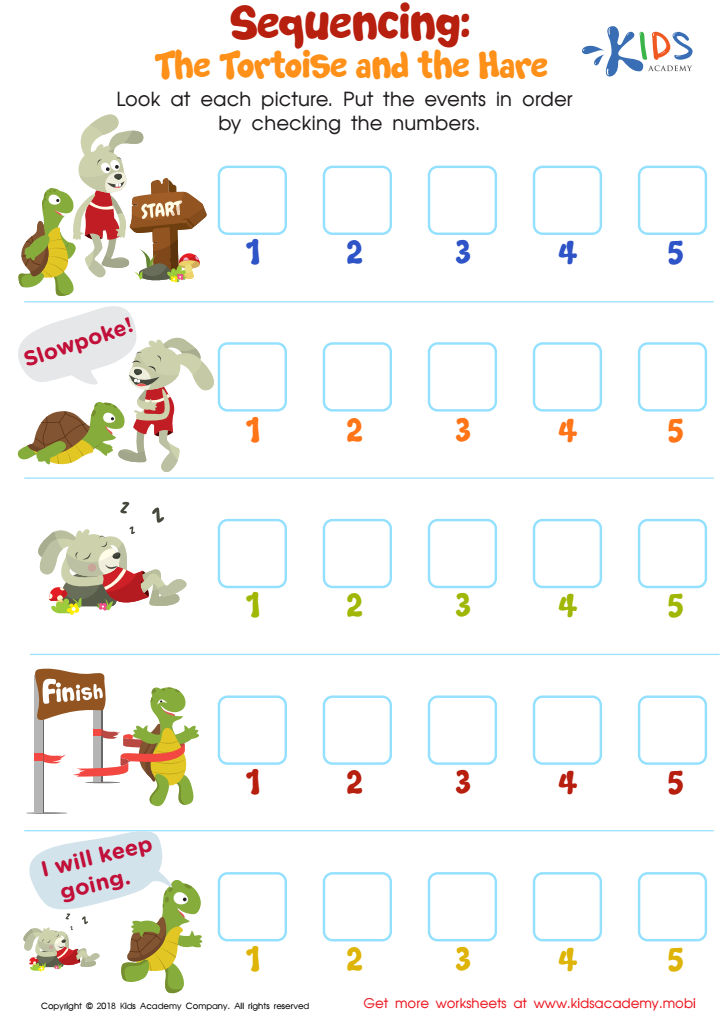
Sequencing: The Tortoise and the Hare Worksheet
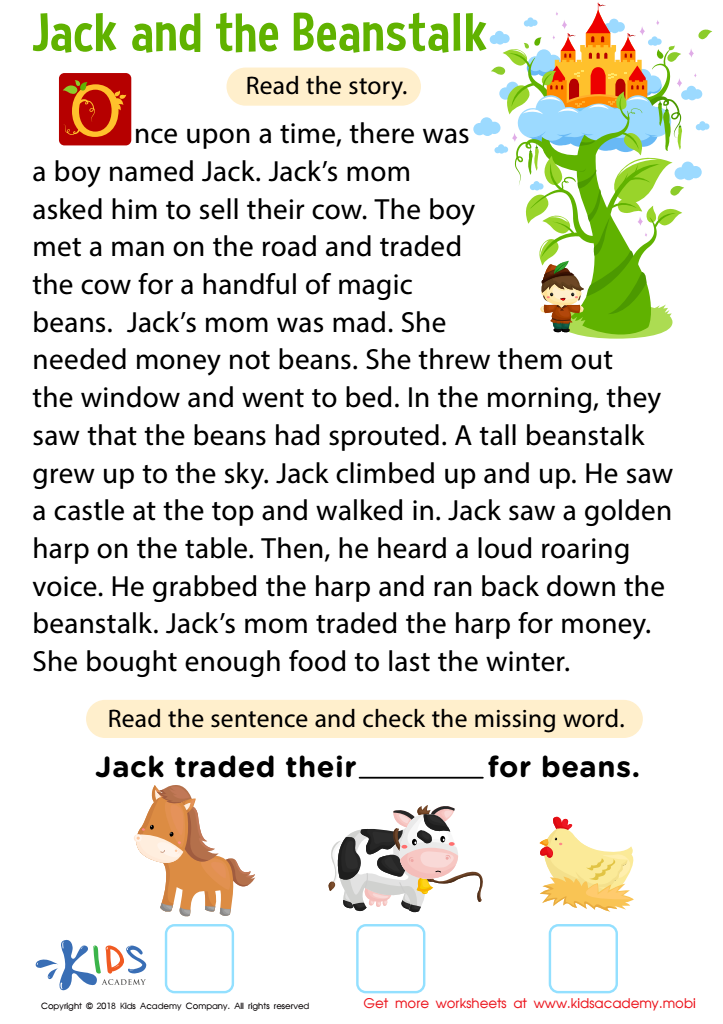
Jack and Beanstalk Worksheet
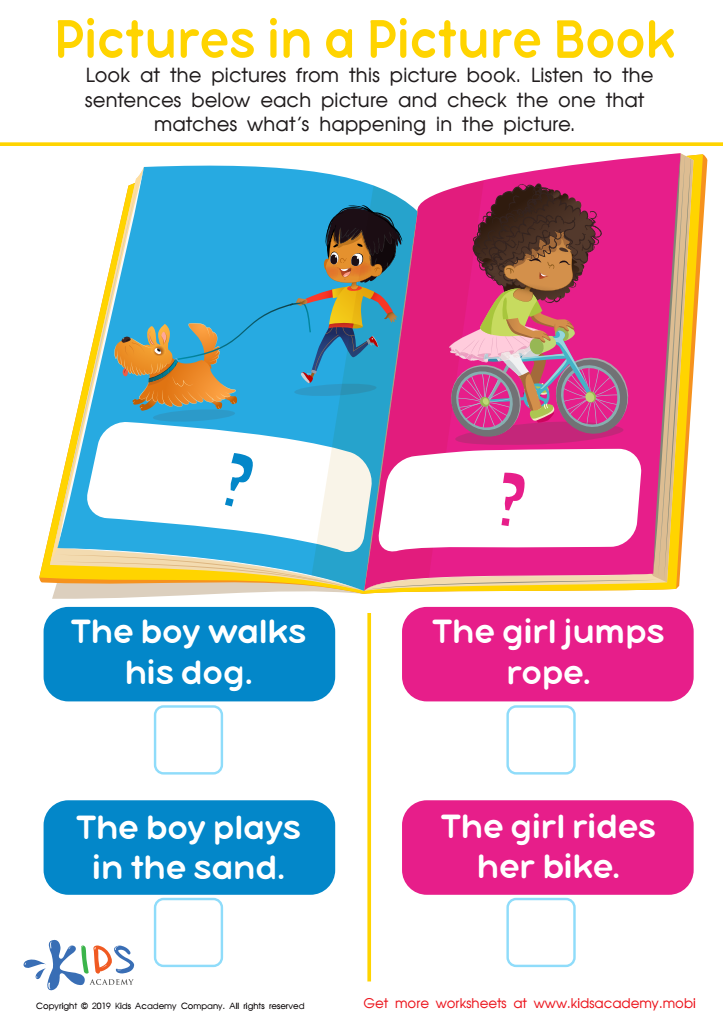
Picture in Books Worksheet
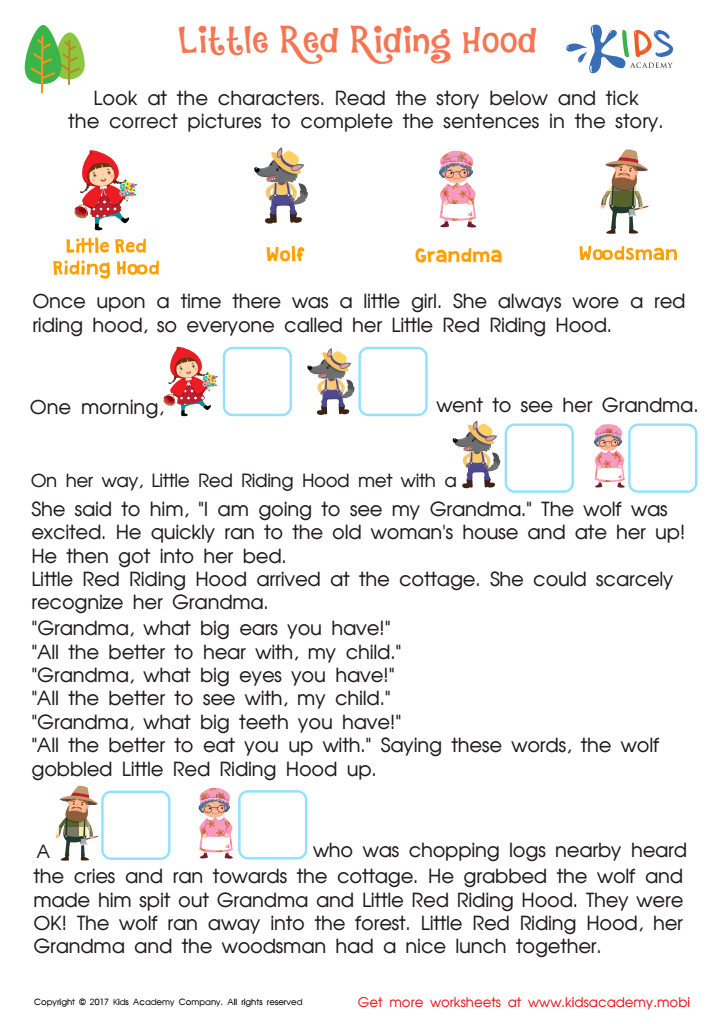
Little Red Riding Hood Printable
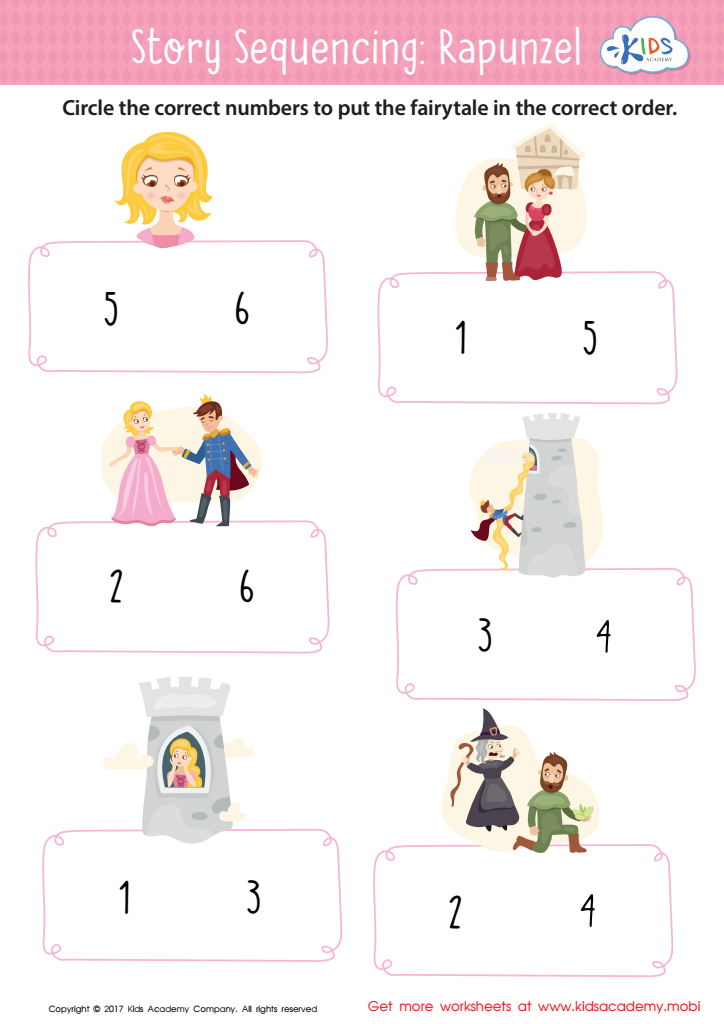
Rapunzel Story Sequencing Worksheet
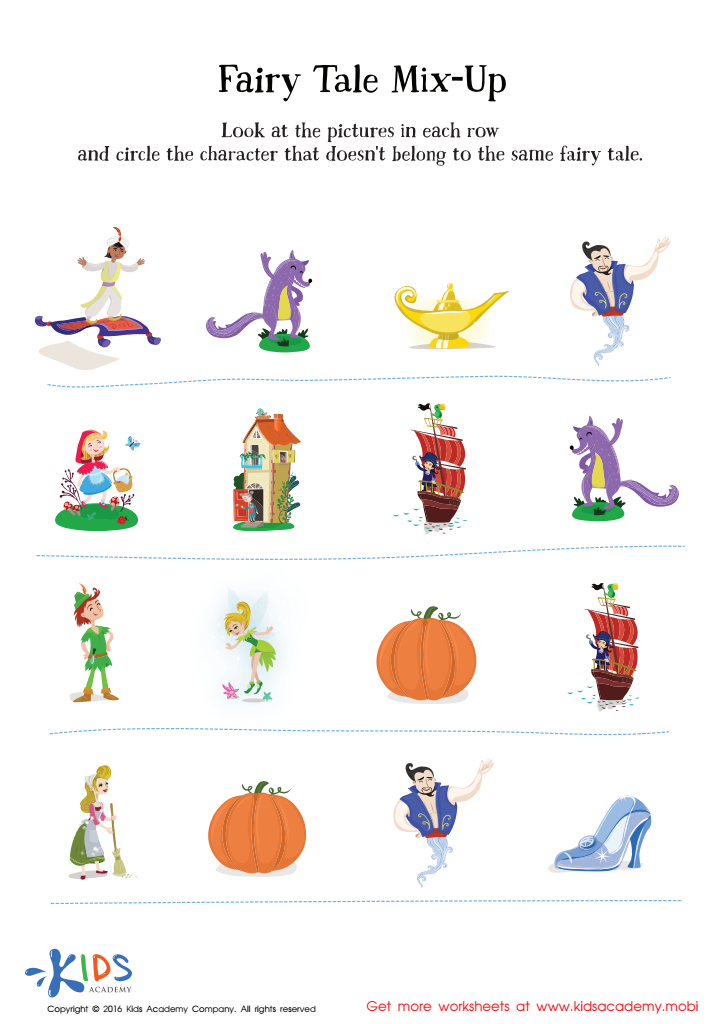
Fairy Tale Worksheet: Story Mix Up
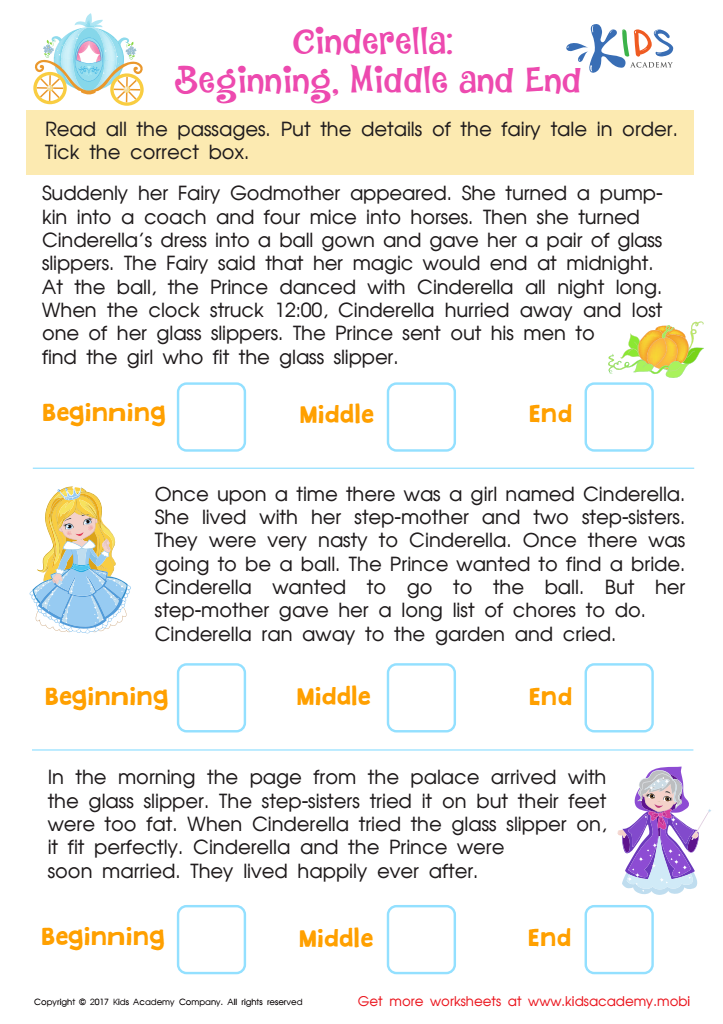
Cinderella: Beginning, Middle and End Worksheet
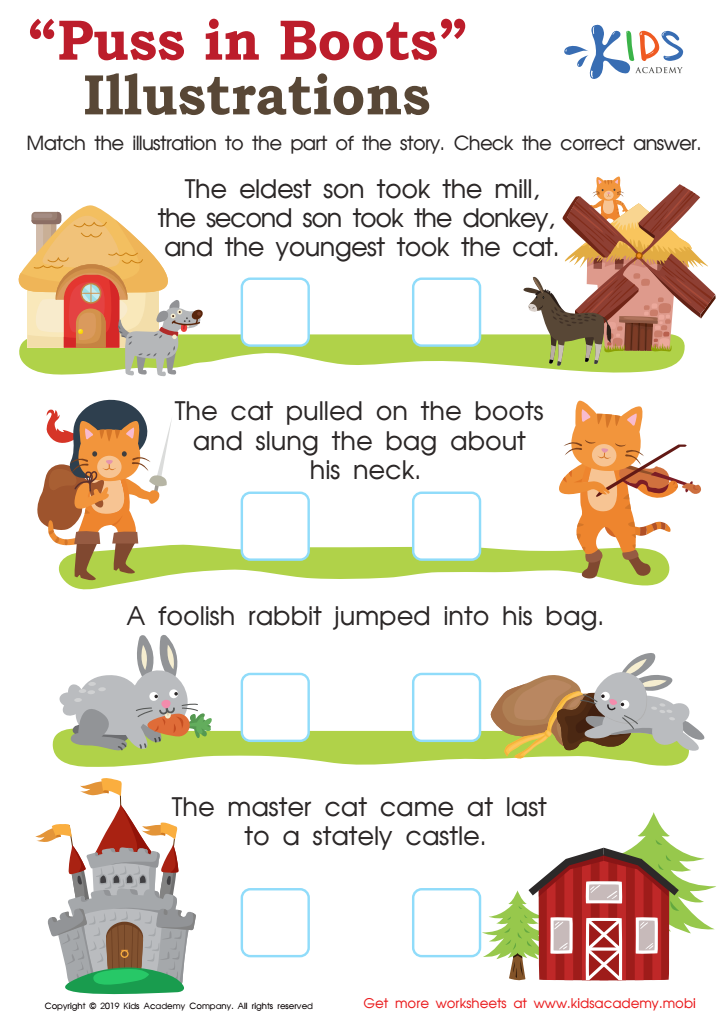
Puss in Boots Illustrations Worksheet
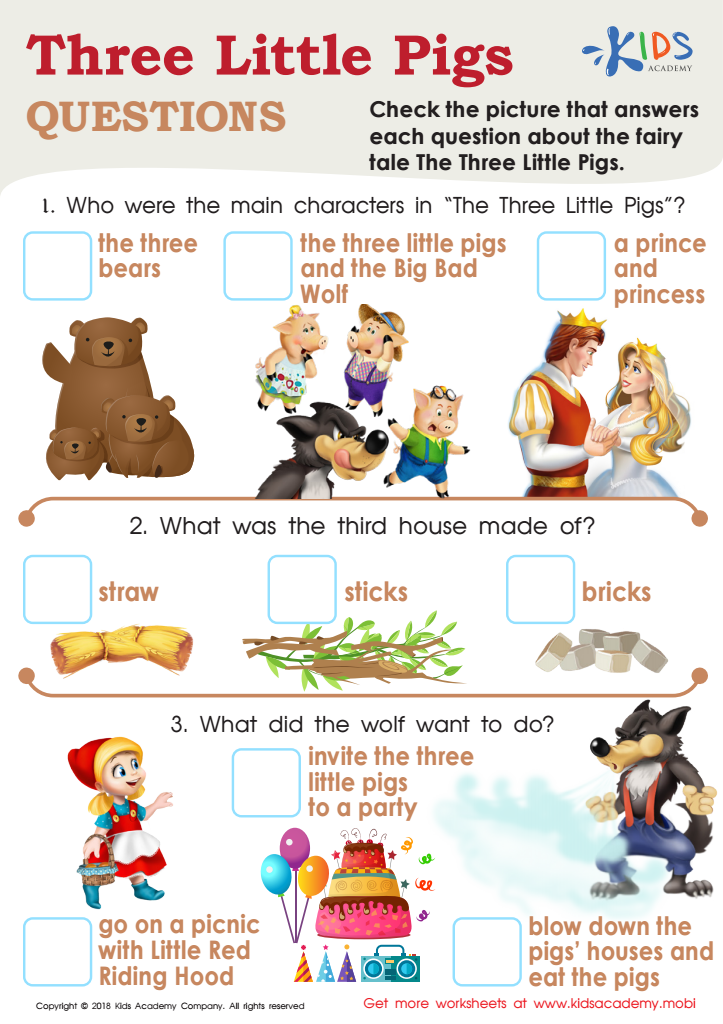
Three Little Pigs Questions Worksheet
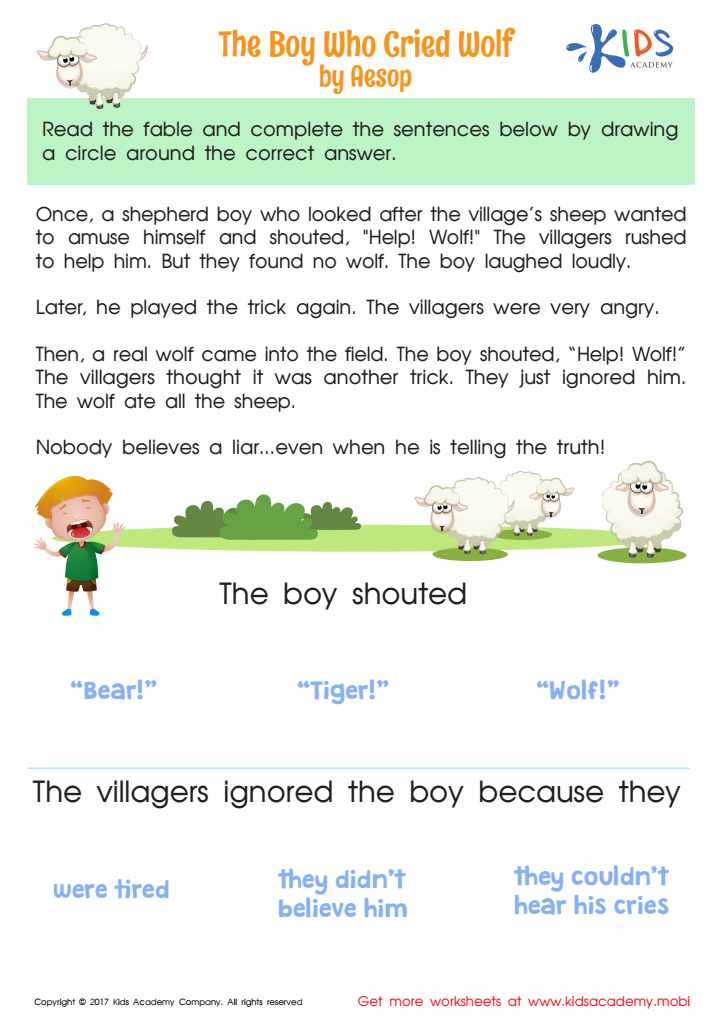
The Boy Who Cried Wolf Worksheet
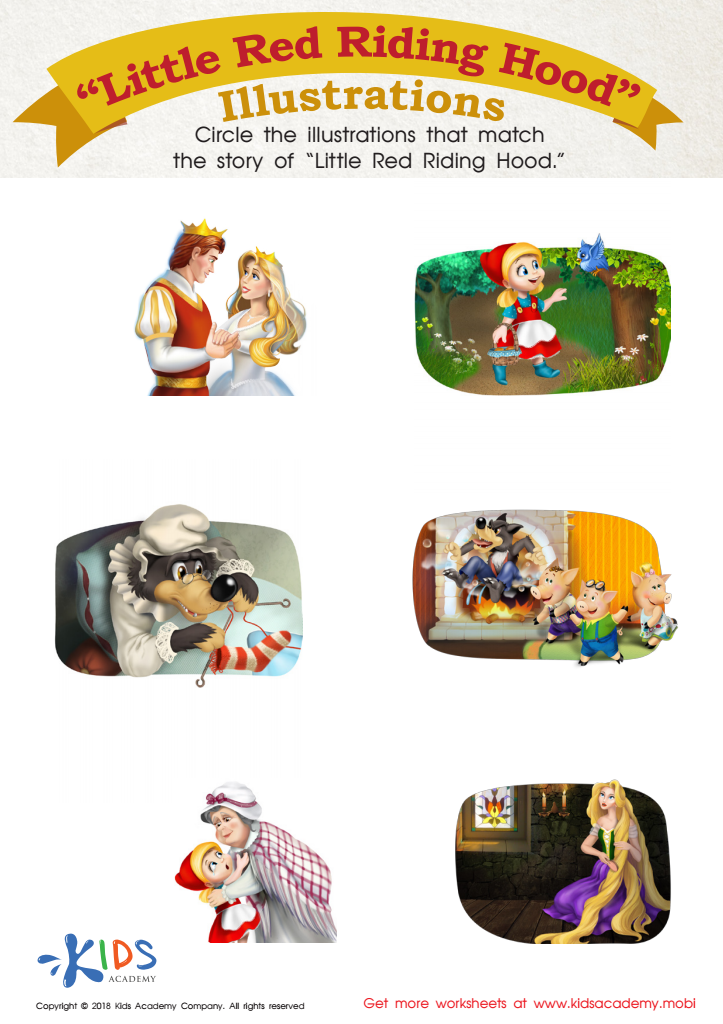
Little Red Riding Hood: Illustrations Worksheet
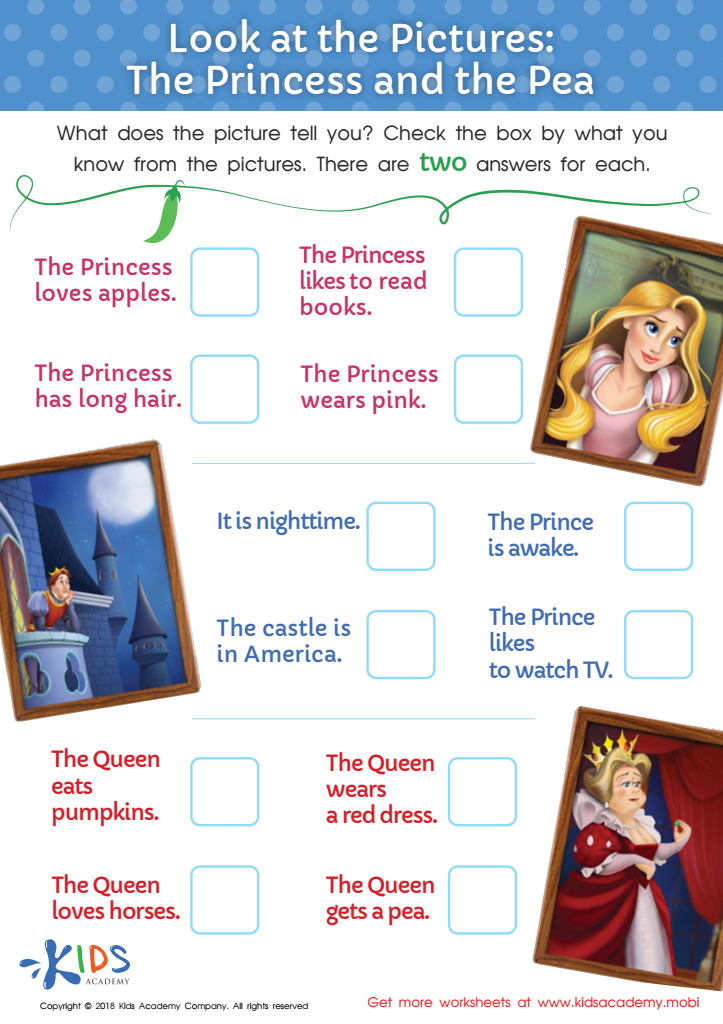
Look at the Pictures: The Princess and the Pea Worksheet
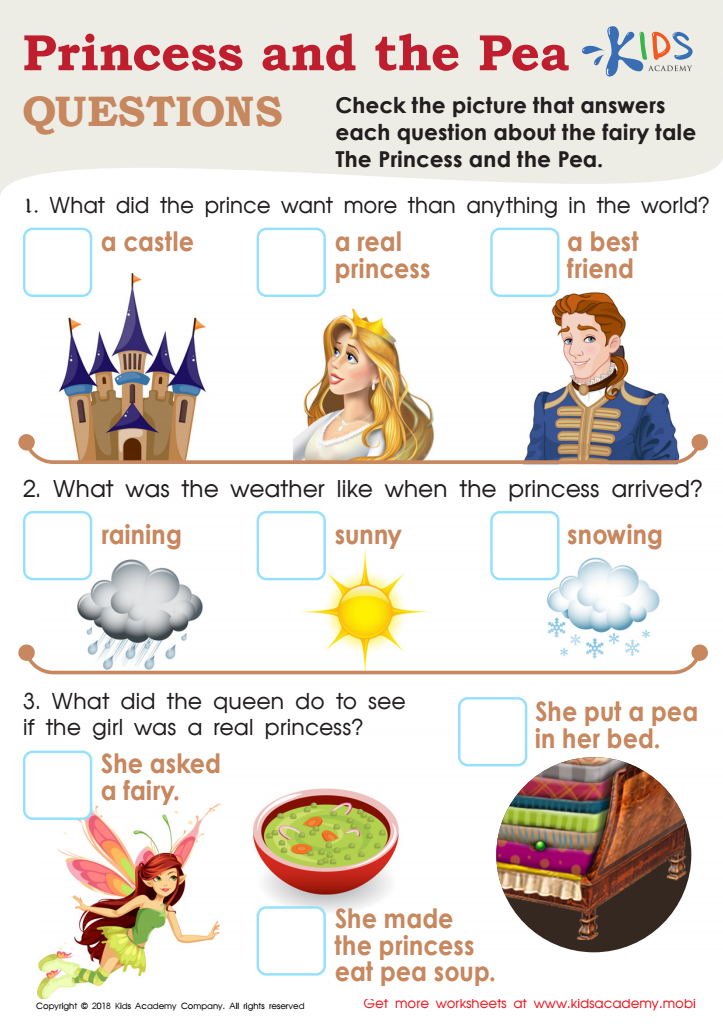
Princess and the Pea Questions Worksheet
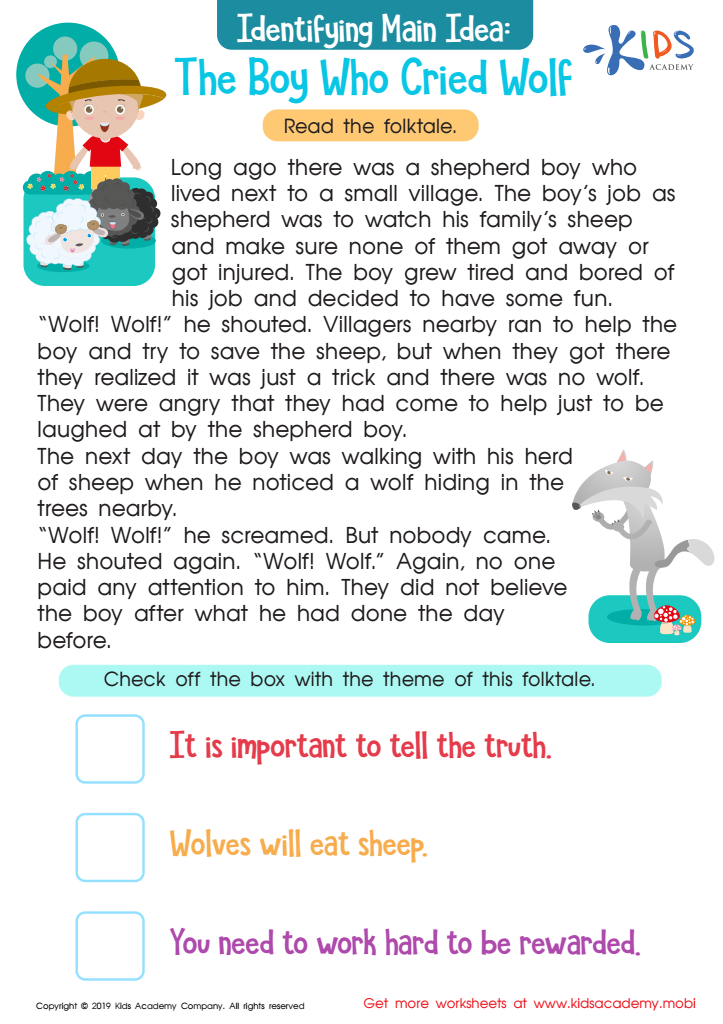
The Boy Who Cried Wolf Part 2 Worksheet
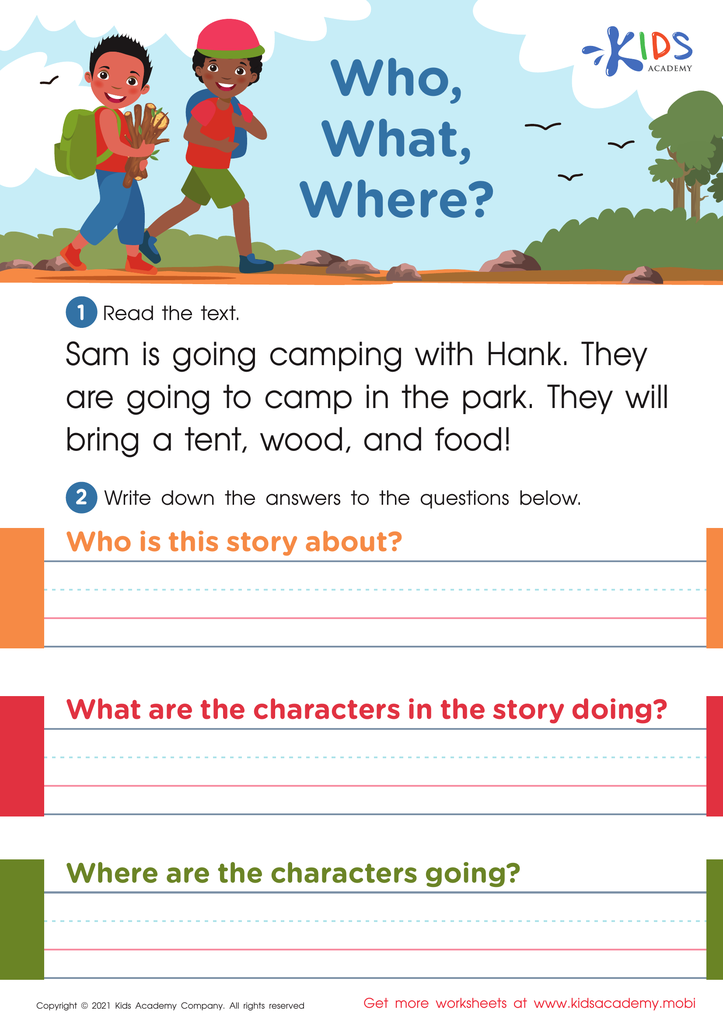
Who, What, Where? Worksheet







Story sequencing is a crucial aspect of reading comprehension for children ages 5-9, as it lays the foundation for understanding narrative structures and enhances critical thinking skills. When children learn to recognize the order of events in a story, they not only grasp the plot better but also connect the dots between cause and effect, helping them predict outcomes and draw inferences.
Parents and teachers should prioritize story sequencing because it fosters deeper engagement with texts. For example, children who can sequence events are more likely to participate in discussions about the story, share their interpretations, and reflect on characters’ motivations. This active engagement improves their vocabulary and language skills as they express their thoughts.
Moreover, mastering story sequencing prepares young learners for more complex reading materials in the future. It encourages creativity through the sharing of their own stories, promoting confidence in their writing abilities. Ultimately, by supporting story sequencing activities, caregivers empower children to become thoughtful readers and communicators, which are essential skills for their academic success and lifelong learning. Investing in these foundational skills supports not just literacy development but also cognitive and social-emotional growth in these formative years.








