Animal identification Science Worksheets for Ages 5-9
8 filtered results
-
From - To
Discover the exciting world of animal identification with our engaging science worksheets designed specifically for children aged 5-9! These printable resources offer a fun and interactive way to enhance observational skills and understanding of various animals. Each worksheet is crafted to spark curiosity and foster a love for nature, featuring vibrant illustrations and easy-to-follow activities. Kids will learn to recognize common animals while enhancing their vocabulary and comprehension through entertaining exercises. Perfect for classroom use or at-home learning, our animal identification worksheets provide a memorable educational experience that encourages young learners to explore the fascinating diversity of the animal kingdom!
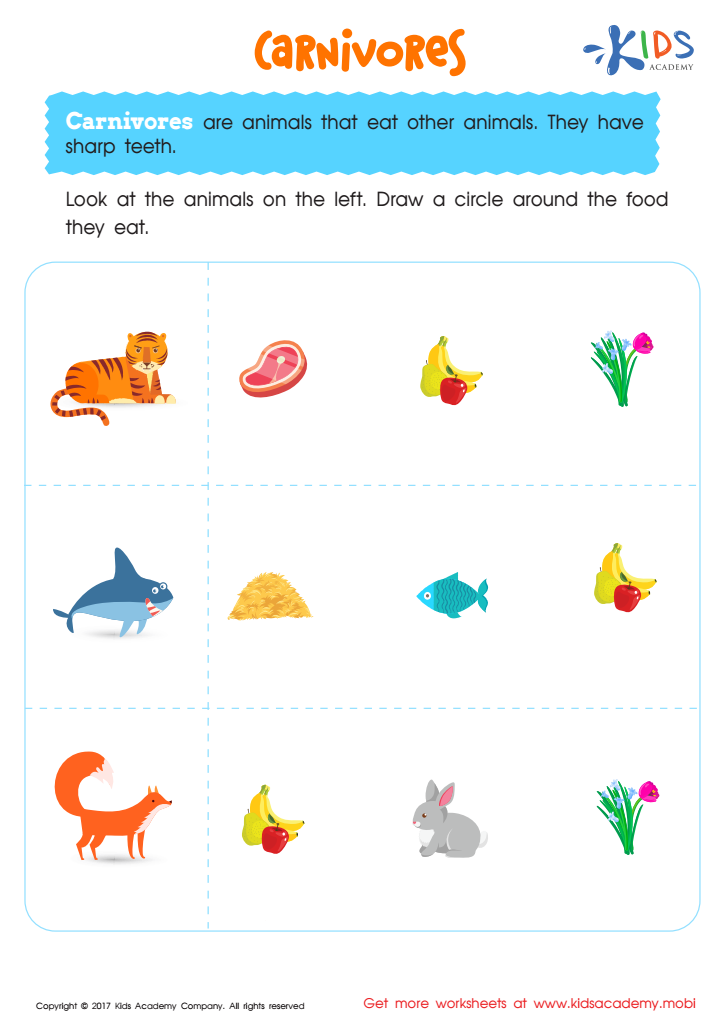
Carnivores Worksheet
 Assign to My Students
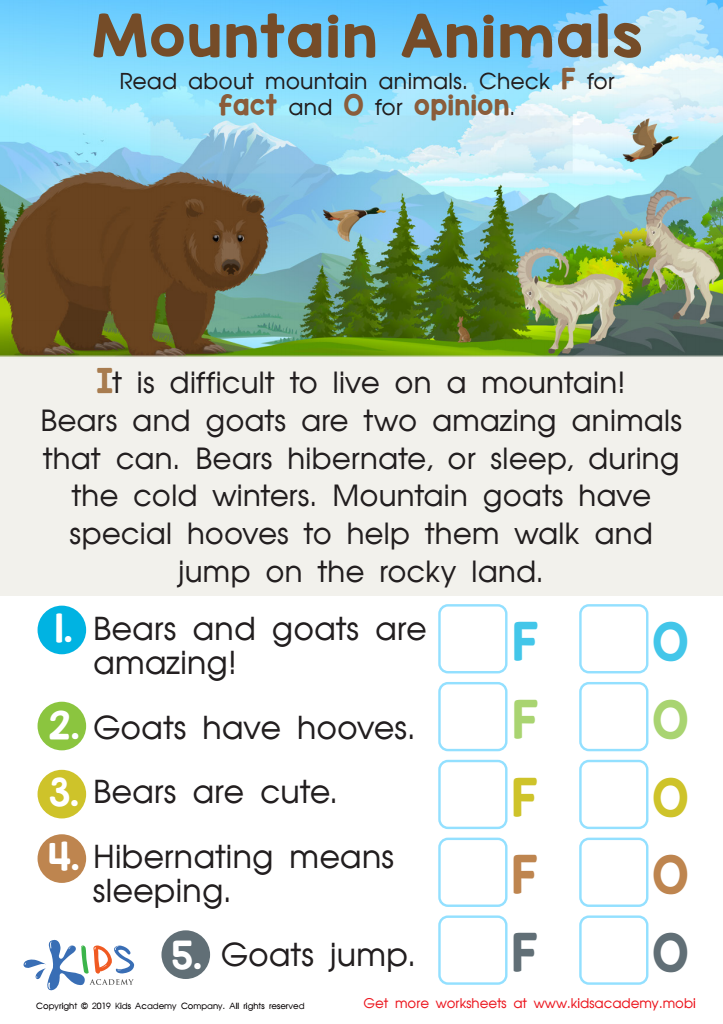
Mountain Animals Worksheet
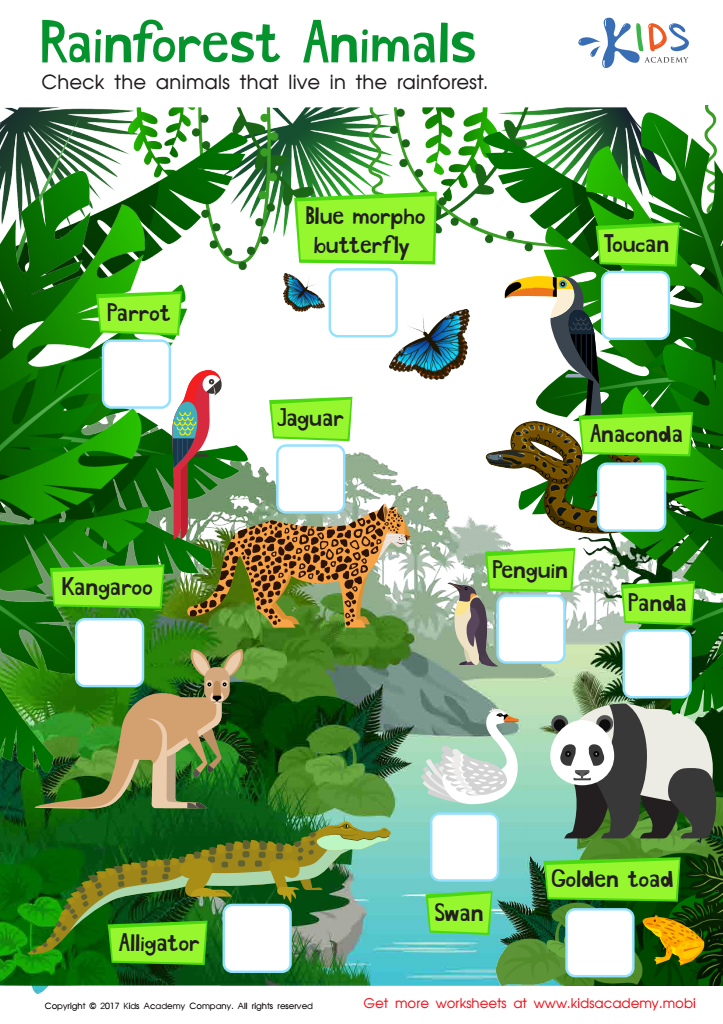
Rainforest Animals Worksheet
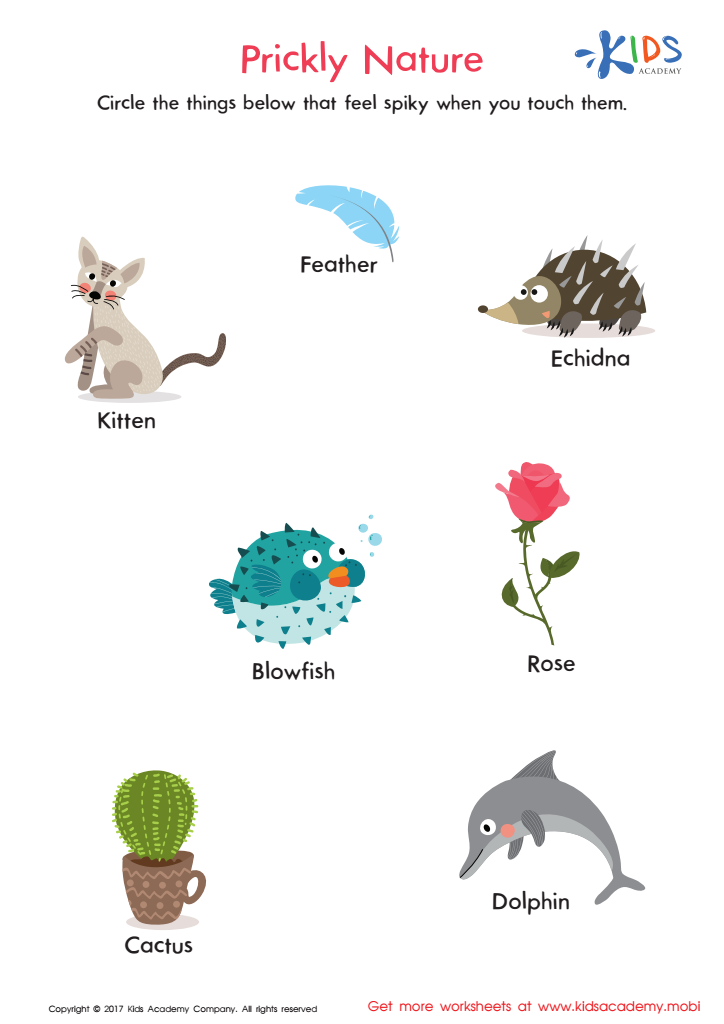
Prickly Nature Worksheet
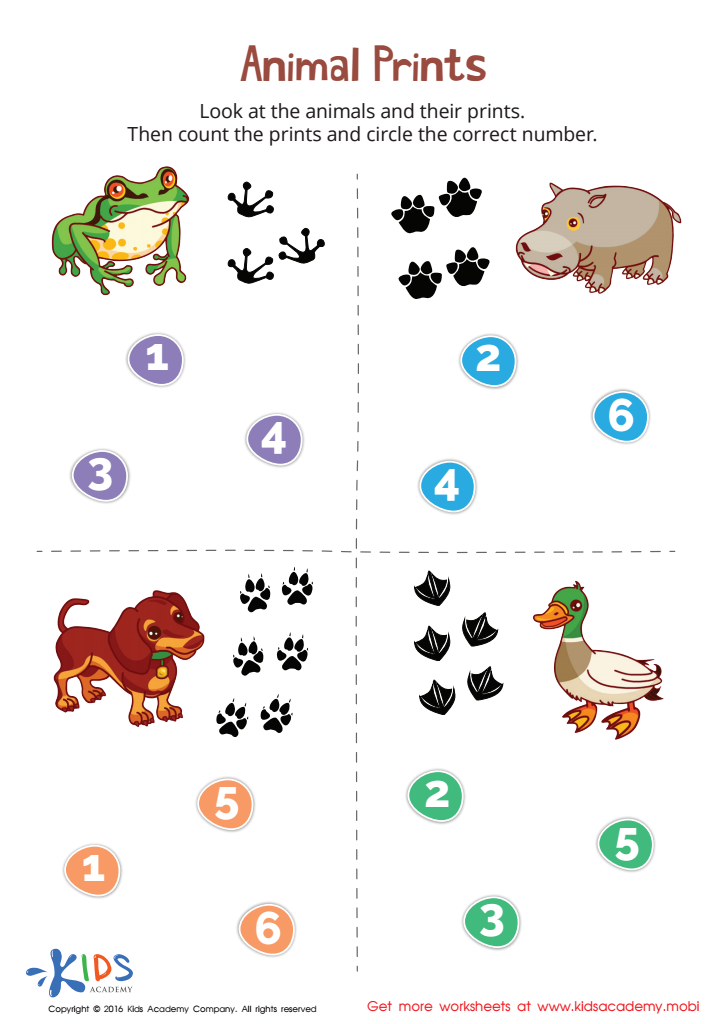
Animal Prints Match-Up Worksheet
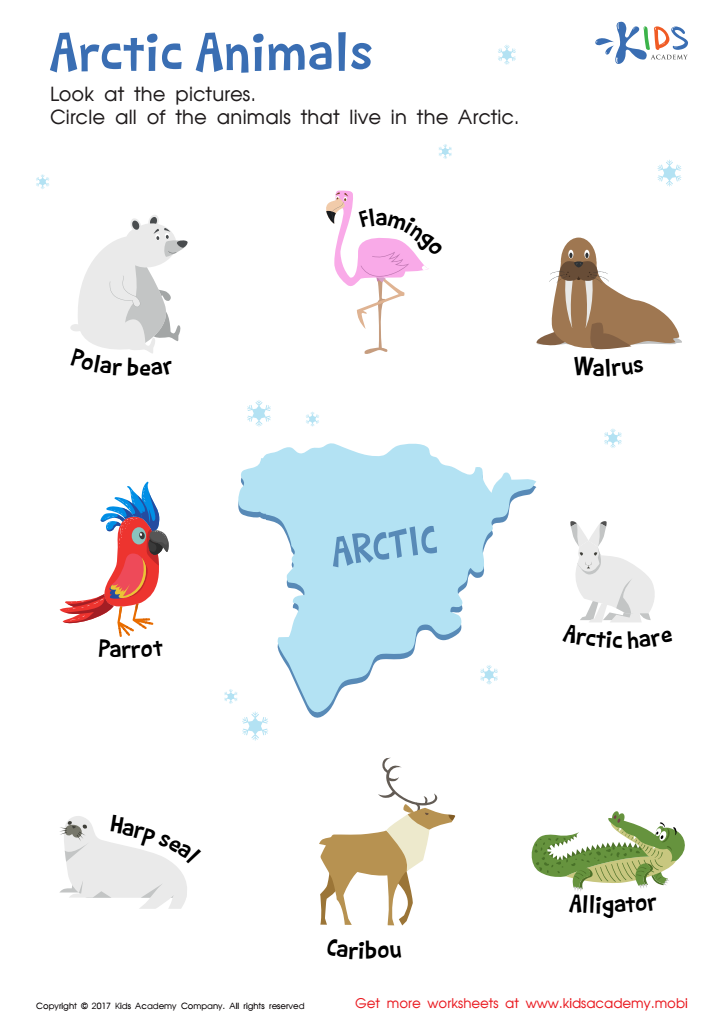
Arctic Animals Worksheet
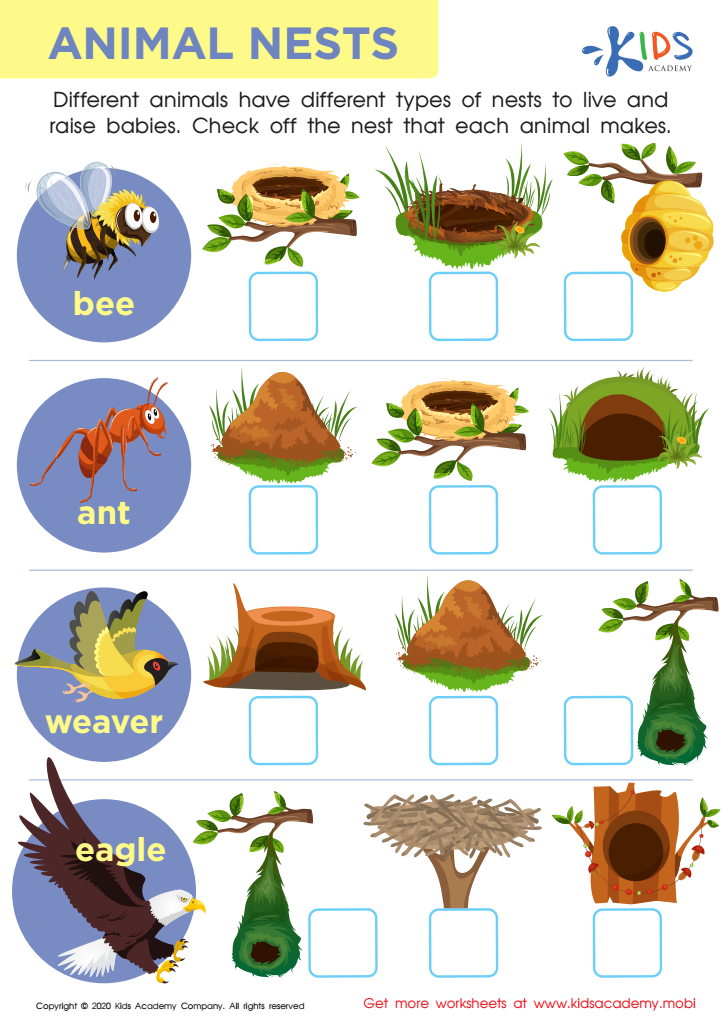
Animal Nests Worksheet
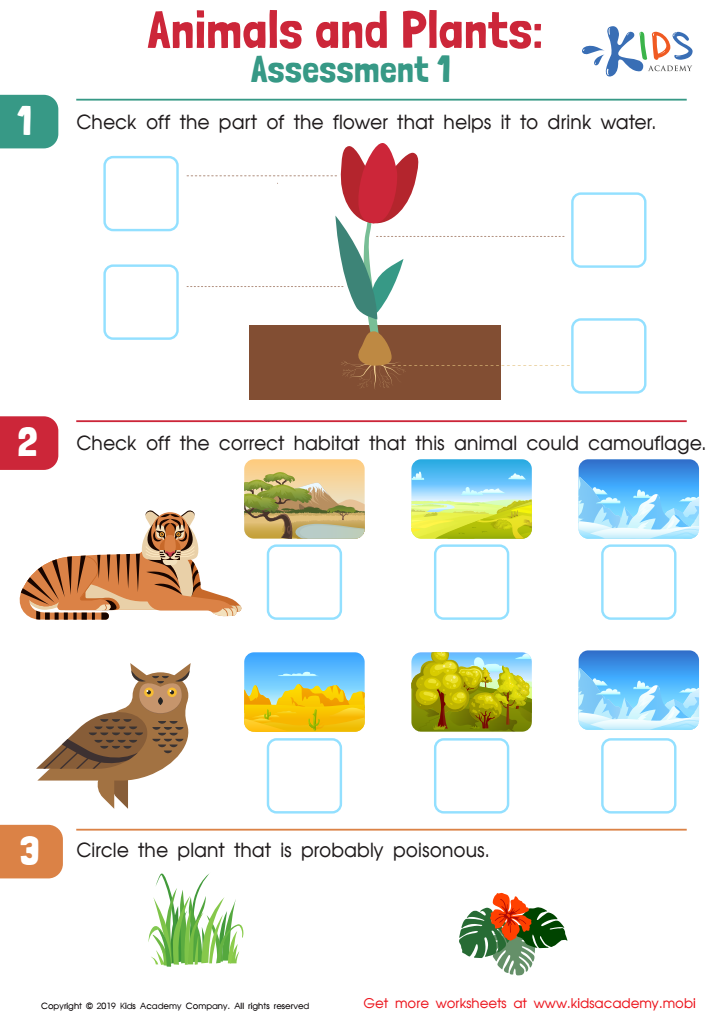
Animals and Plants: Assessment 1 Worksheet







Animal identification science is crucial for young learners aged 5-9, as it fosters curiosity and appreciation for the natural world. Understanding how to identify animals—by their traits, habitats, and behaviors—encourages observational skills and critical thinking. This foundational knowledge can spark a lifelong interest in science, biology, and environmental studies.
Parents and teachers should care because animal identification activities promote hands-on learning and enhance cognitive development. Engaging in activities like outdoor exploration or using technology to recognize animals allows kids to connect with what they learn in the classroom. Moreover, it instills a sense of responsibility toward wildlife and the environment, teaching children the importance of conservation and biodiversity.
Furthermore, animal identification science cultivates empathy and respect for living creatures. Through recognizing animals, children learn about their roles in ecosystems and the importance of protecting their habitats. By incorporating this science into early education, parents and teachers can inspire well-rounded individuals who value science and are informed about the world around them. Early exposure to these concepts promotes environmental stewardship and socio-emotional growth, making it an essential focus for children at this developmental stage.







