Enhancing categorization skills Science Worksheets for Ages 5-9
4 filtered results
-
From - To
Enhance your child's categorization skills with our engaging science worksheets designed for ages 5-9! These worksheets offer fun, hands-on activities that help young learners sort and classify various objects and living things in their environment. By using visually appealing graphics and age-appropriate content, your child will develop critical thinking and observational skills while enjoying the learning process. Our resources are perfect for classroom settings or at-home learning, fostering a deeper understanding of science concepts through interactive play. Help your child build foundational skills that support future learning with our comprehensive and enjoyable categorization worksheets today!
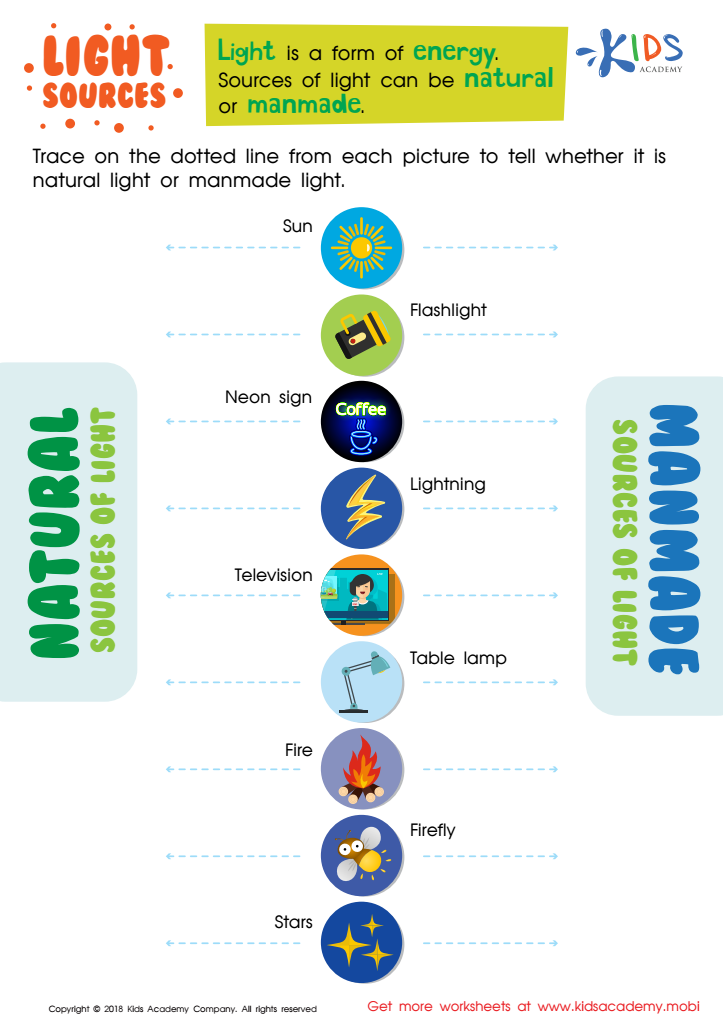
Natural and Manmade Light Sources Worksheet
 Assign to My Students
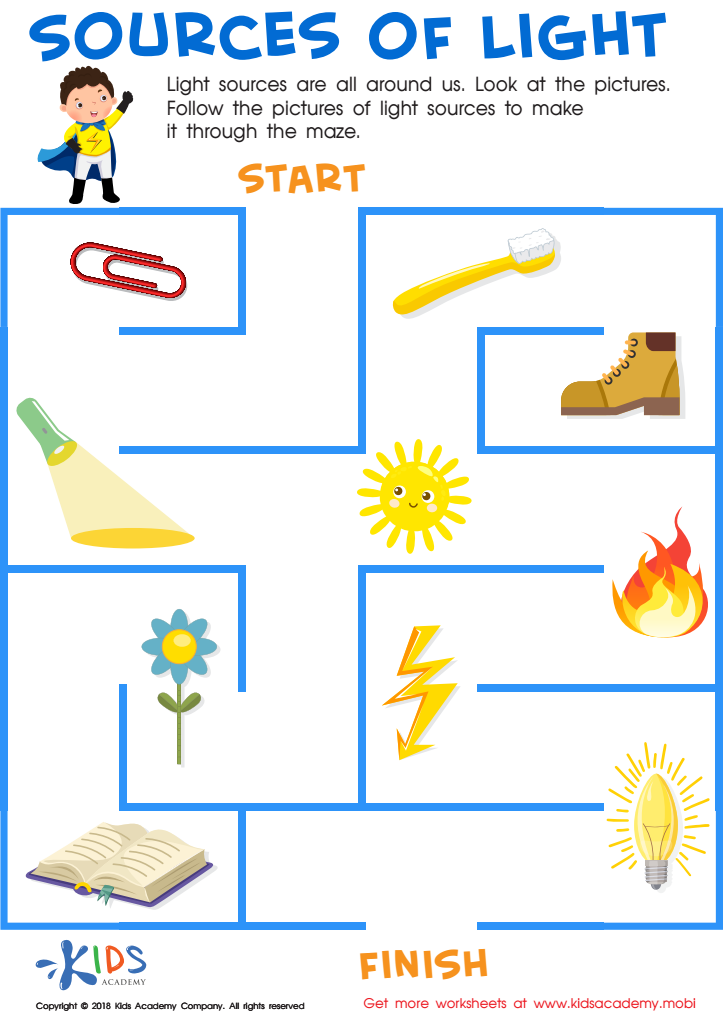
Sources of Light Worksheet
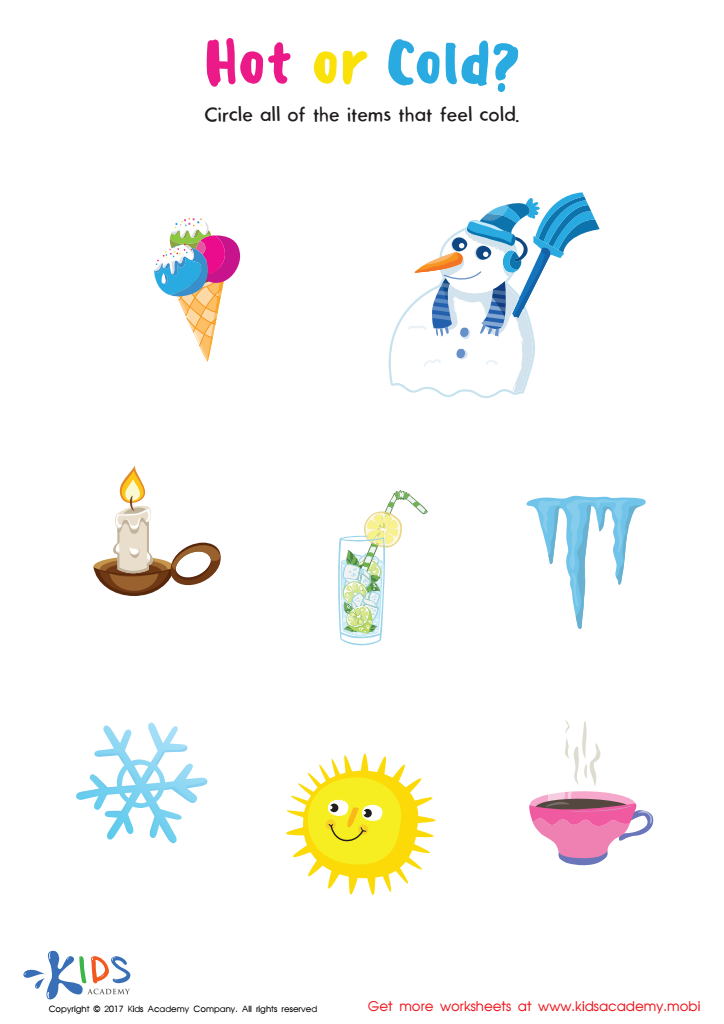
Hot or Cold Printable
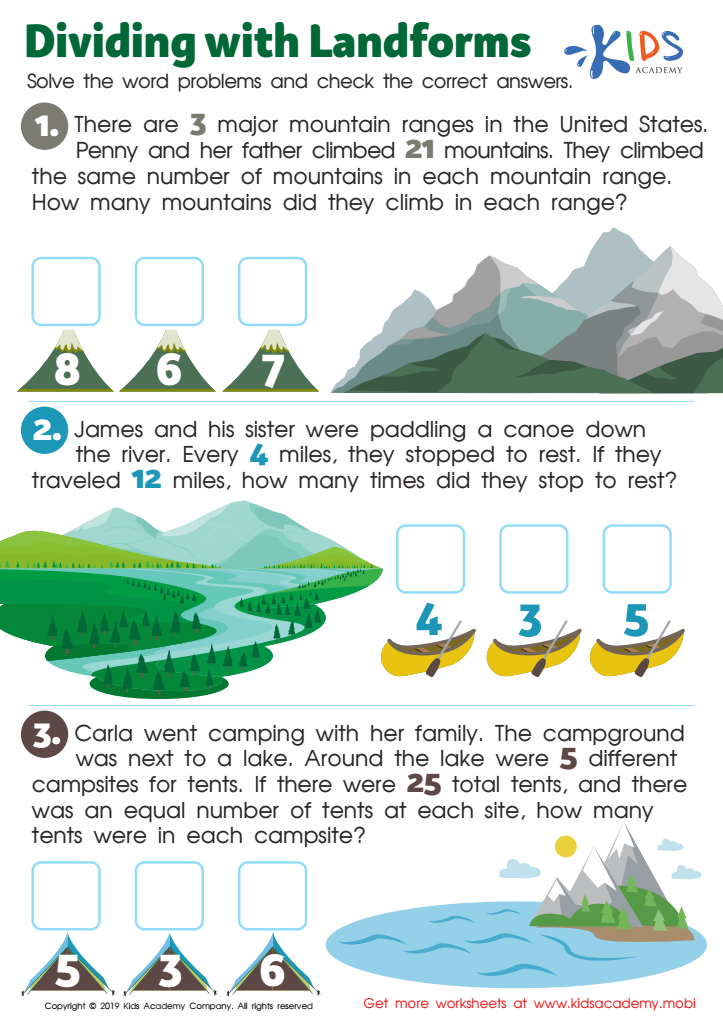
Dividing with Landforms







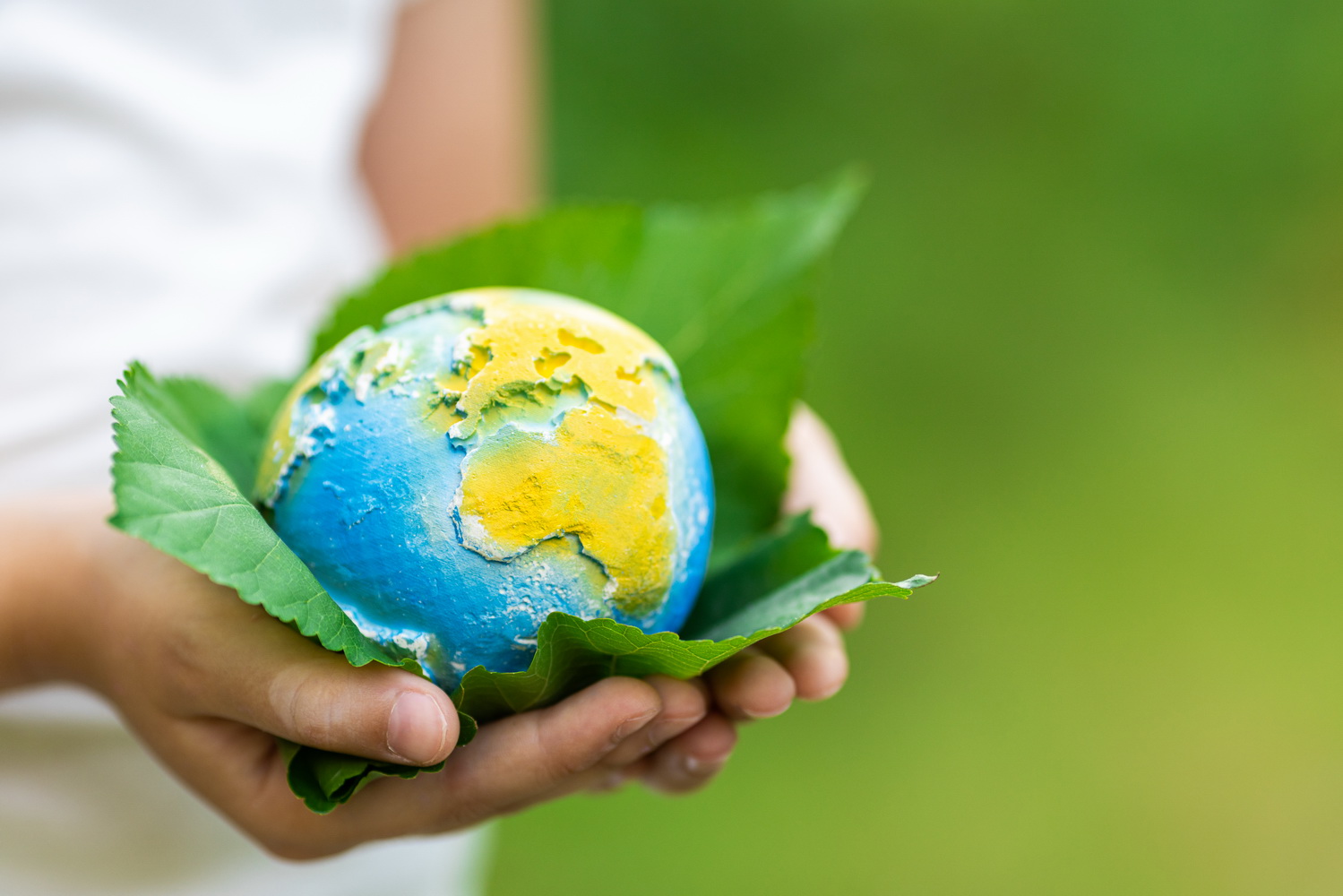
Enhancing categorization skills in young children, particularly in the context of science for ages 5-9, is crucial for their cognitive development and future learning. Categorization, the ability to group objects, ideas, or information based on shared characteristics, lays the foundation for critical thinking and problem-solving skills. When children learn to categorize, they develop the capability to identify patterns, make connections, and understand relationships between different concepts.
For parents and teachers, advancing these skills encourages children to explore and engage with their environment in a meaningful way. Activities that involve sorting and grouping—such as classifying animals, plants, or everyday objects—make learning dynamic and interactive. These experiences not only sharpen observational skills but also help in developing vocabulary, comprehension, and reasoning. Additionally, categorization forms the basis for scientific inquiry, enabling children to form hypotheses, conduct experiments, and make conclusions.
Ultimately, by emphasizing categorization skills in early science education, parents and teachers empower children to think critically, fostering a love for learning and exploration that lasts a lifetime. Investing time in developing these skills at an early age prepares children for more complex tasks and subjects in their educational journey.







