Understanding habitats Science Worksheets for Ages 5-9
5 filtered results
-
From - To
Explore the fascinating world of habitats with our "Understanding Habitats Science Worksheets" designed specifically for children aged 5-9! These engaging worksheets provide a fun and interactive way for young learners to discover different ecosystems and the diverse plants and animals that inhabit them. Activities include identifying various habitats, matching animals to their homes, and understanding the importance of biodiversity. Perfect for classroom use or home learning, our worksheets encourage curiosity and foster a love of science in early learners. Download and print today to inspire your child's exploration of the natural world!
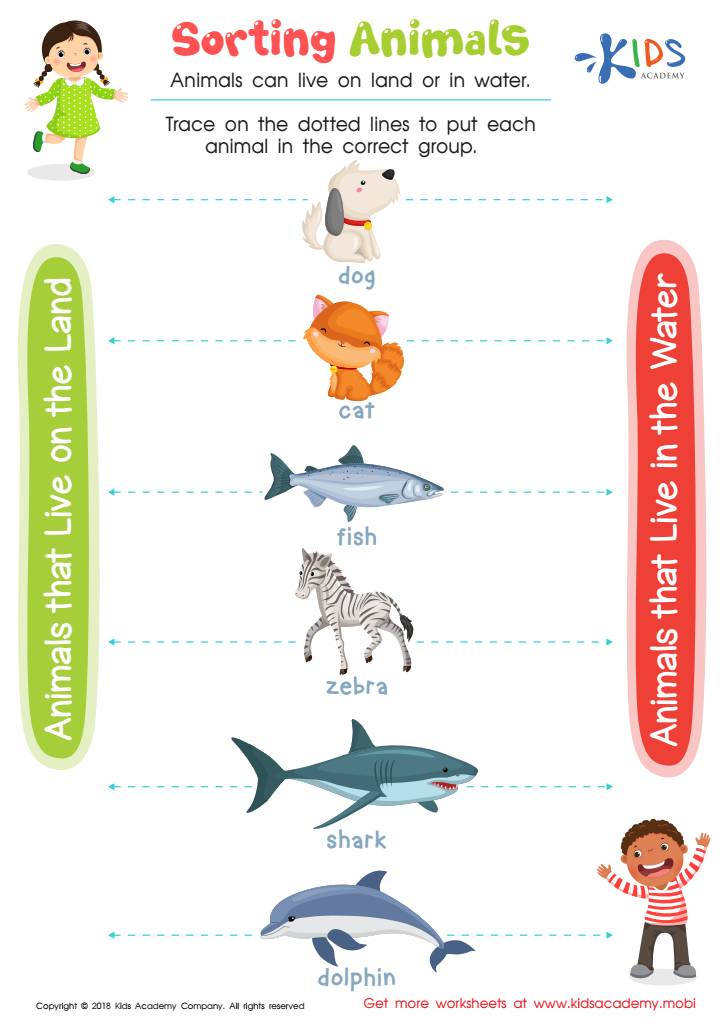
Sorting Animals Worksheet
 Assign to My Students
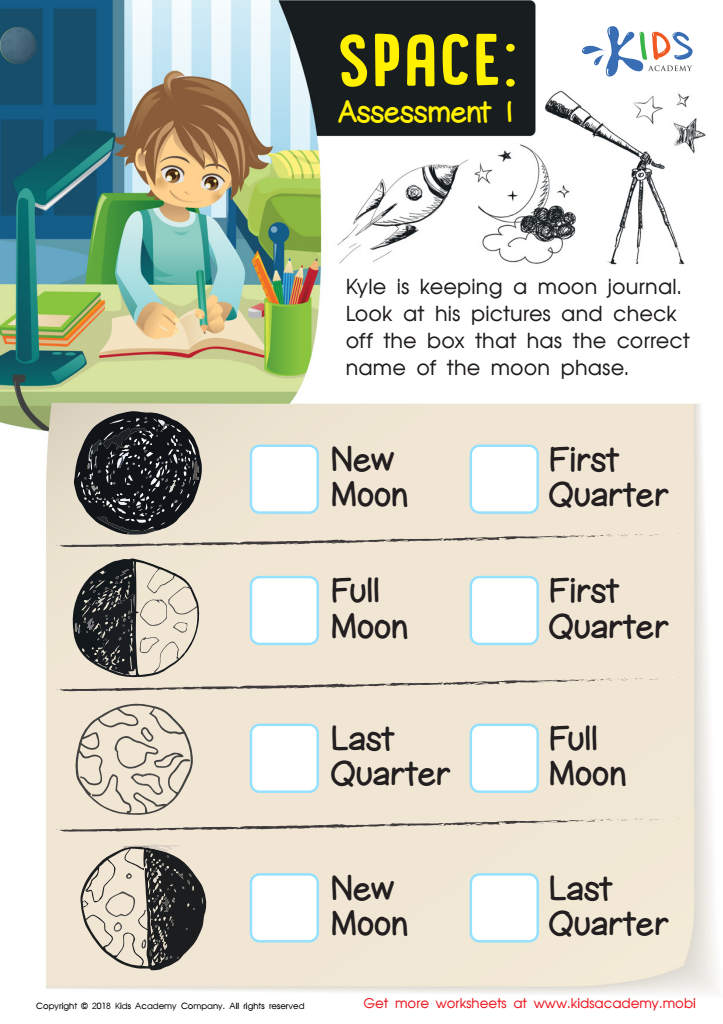
Space: Assessment 1 Worksheet
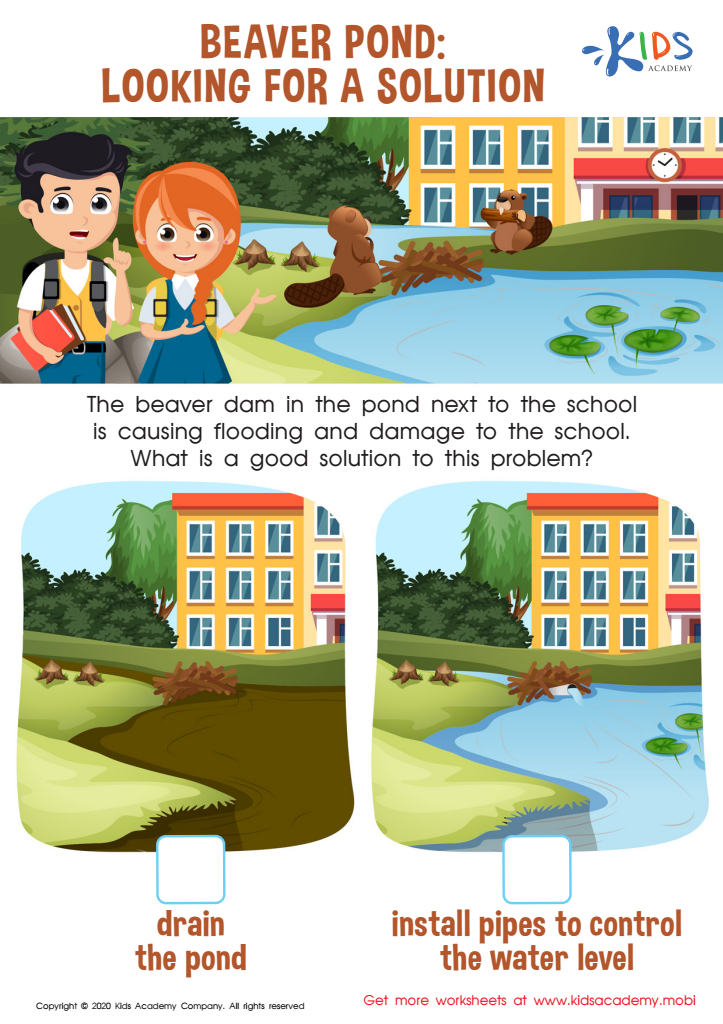
Beaver Pond: Looking for a Solution Worksheet
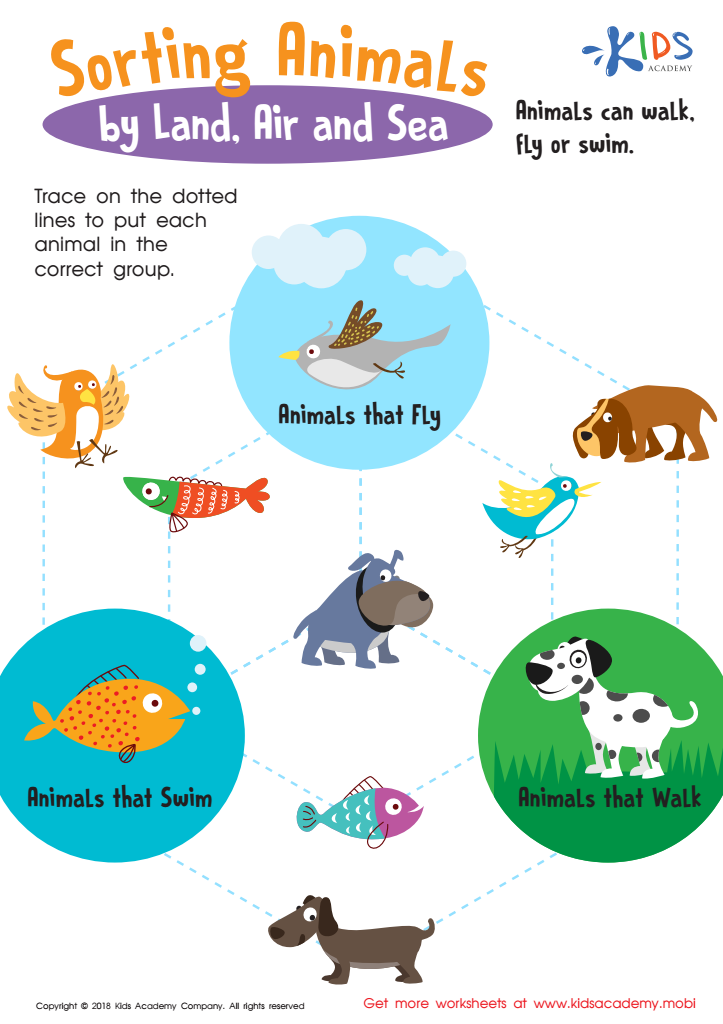
Sorting Animals by Land, Air and Sea Worksheet
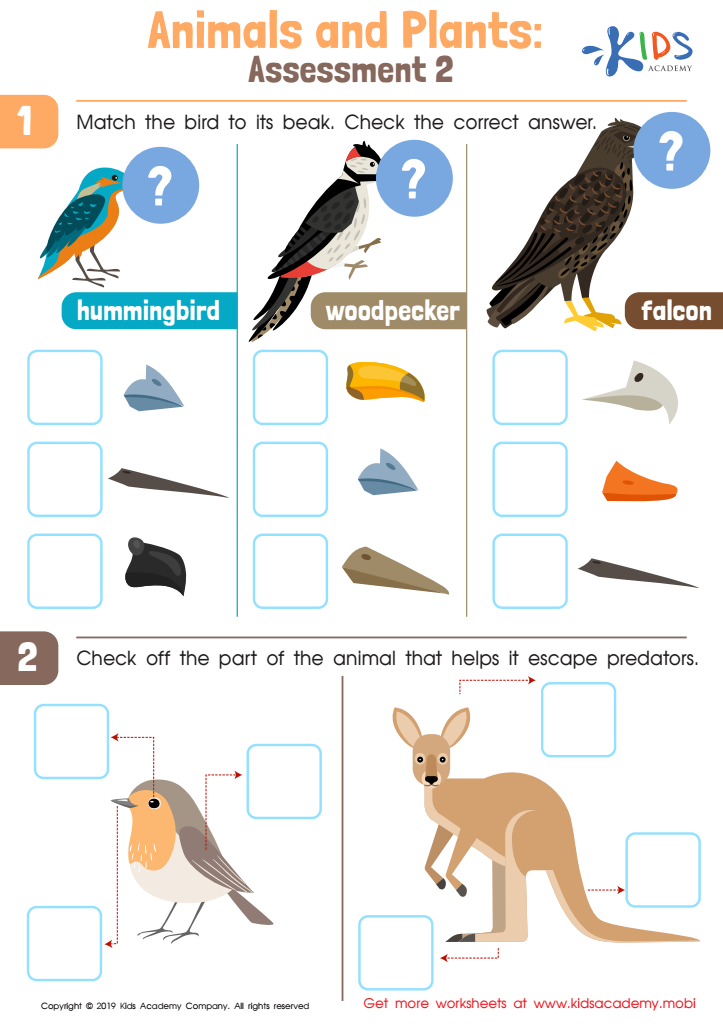
Animals and Plants: Assessment 2 Worksheet








Understanding habitats is crucial for children aged 5-9, as it lays the foundation for environmental awareness and appreciation of biodiversity. During this formative stage, children are naturally curious and eager to explore their surroundings. Learning about habitats helps them recognize the variety of ecosystems—such as forests, oceans, and wetlands—and the unique plants and animals that inhabit them.
Parents and teachers play key roles in fostering this understanding, as it cultivates a sense of responsibility towards nature. By introducing concepts such as food chains, interdependence, and habitat conservation, they empower children to appreciate the delicate balance of ecosystems and the importance of preserving them.
Moreover, understanding habitats enhances critical thinking and observation skills. As children engage in activities like field trips, nature walks, or hands-on projects, they learn to ask questions, make observations, and draw conclusions about natural phenomena.
Incorporating science into early education nourishes a love for learning and encourages outdoor exploration. Raising awareness about habitats not only supports children's cognitive development but also instills values of respect and care for the environment, nurturing eco-conscious future citizens. Therefore, gaining insight into habitats is a vital aspect of a child's education and personal growth.







