Plants Worksheets for Ages 5-9
25 filtered results
-
From - To
Discover an engaging collection of "Plants Worksheets for Ages 5-9" designed to spark curiosity and foster a love for nature in young learners. Our printable resources offer a variety of activities that explore the wonderful world of plants, including identifying different types of plants, understanding their parts, and learning about photosynthesis. With fun exercises such as coloring, matching, and fill-in-the-blanks, these worksheets seamlessly blend learning with play. Ideal for classrooms or homeschooling, these materials aim to build foundational science skills while ensuring school readiness. Empower your child’s educational journey with fun and informative plant-themed activities today!
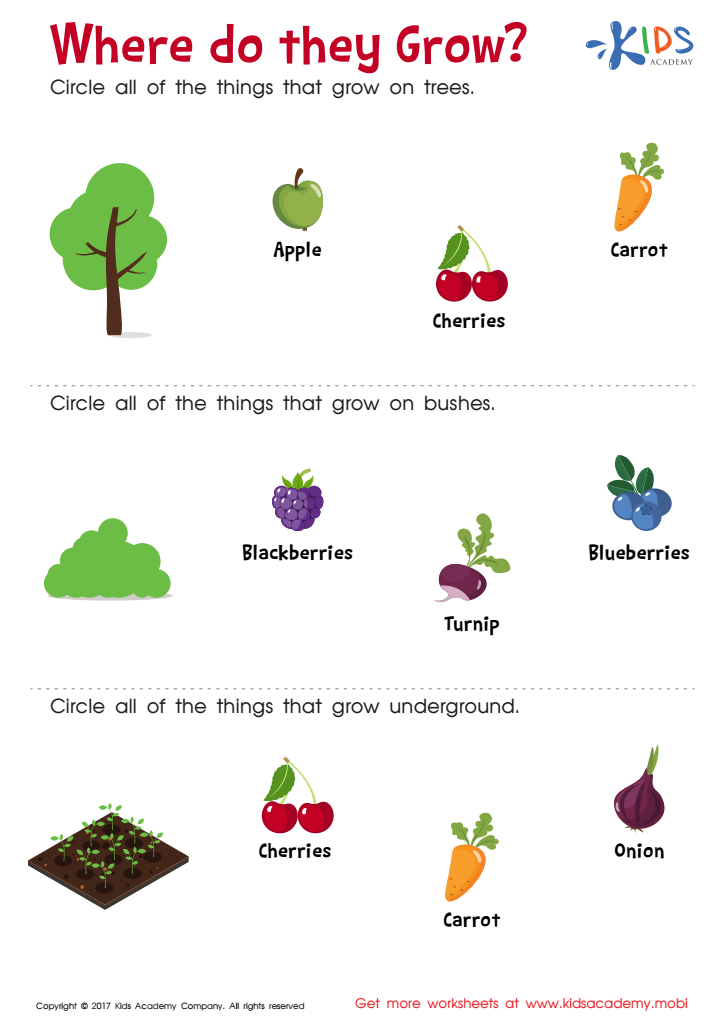
Where Do They Grow Worksheet
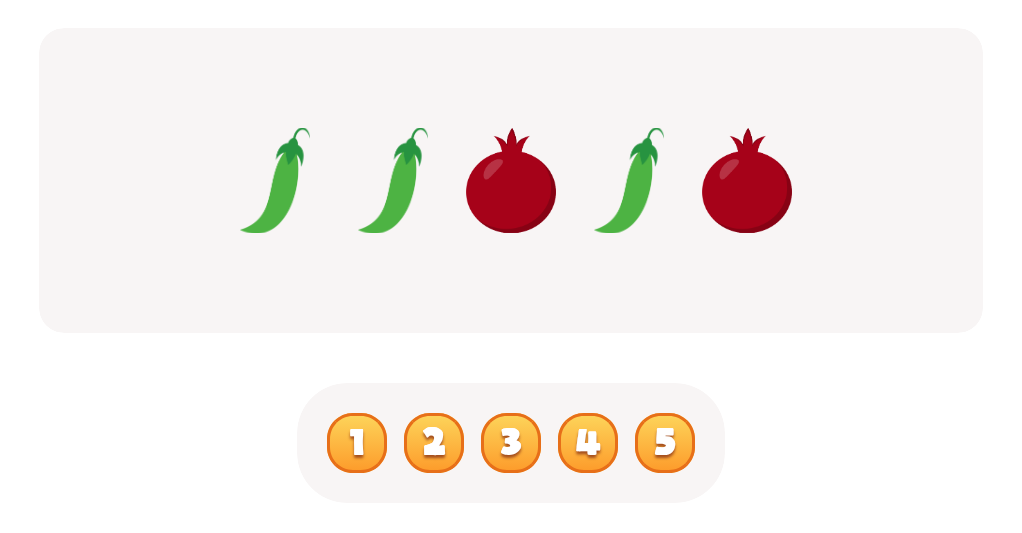

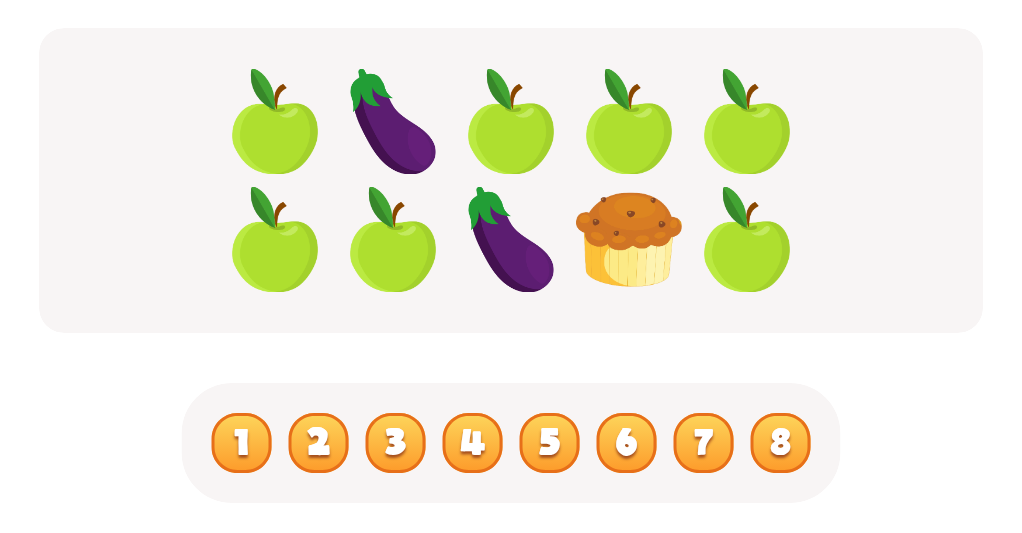
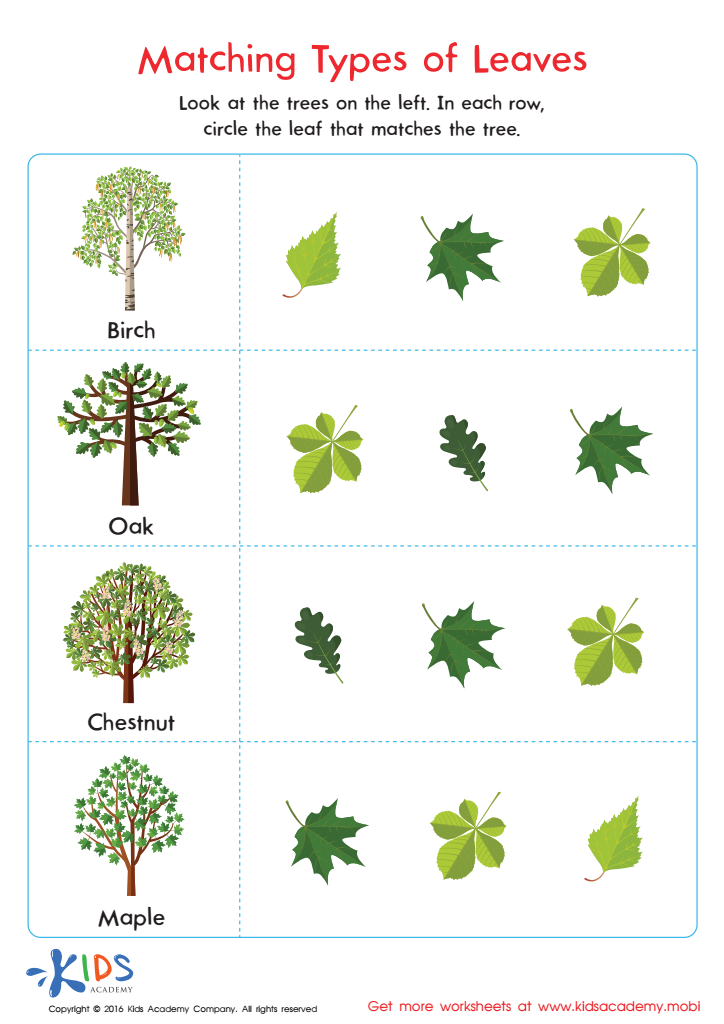
Matching Types of Leaves Printable
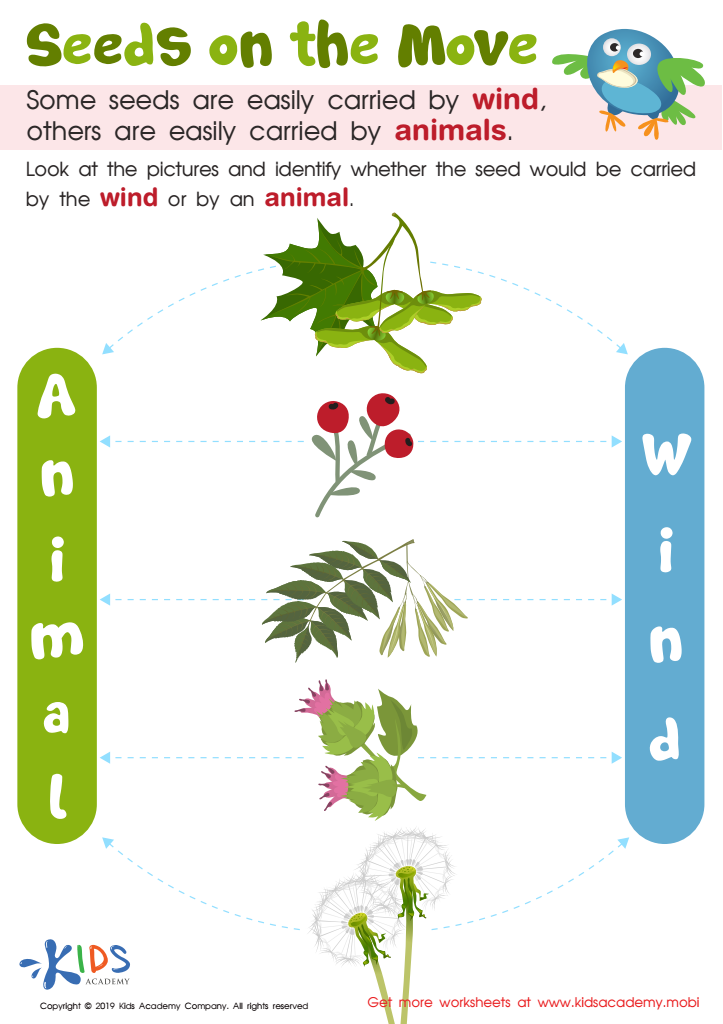
Seeds on the Move Worksheet
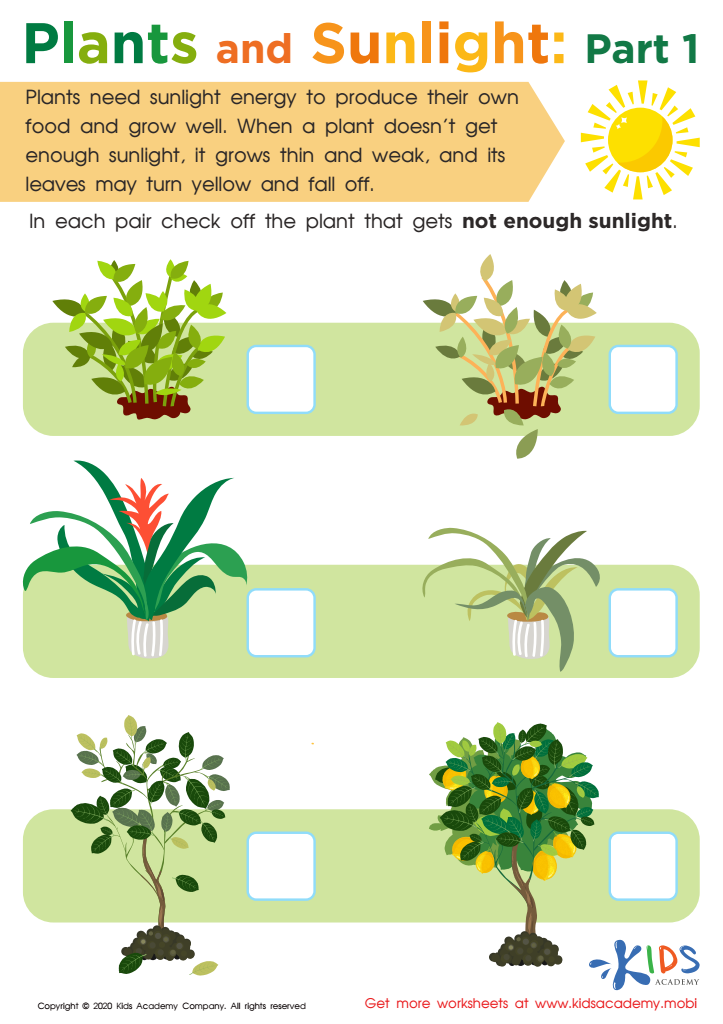
Plants and Sunlight: Part 1 Worksheet
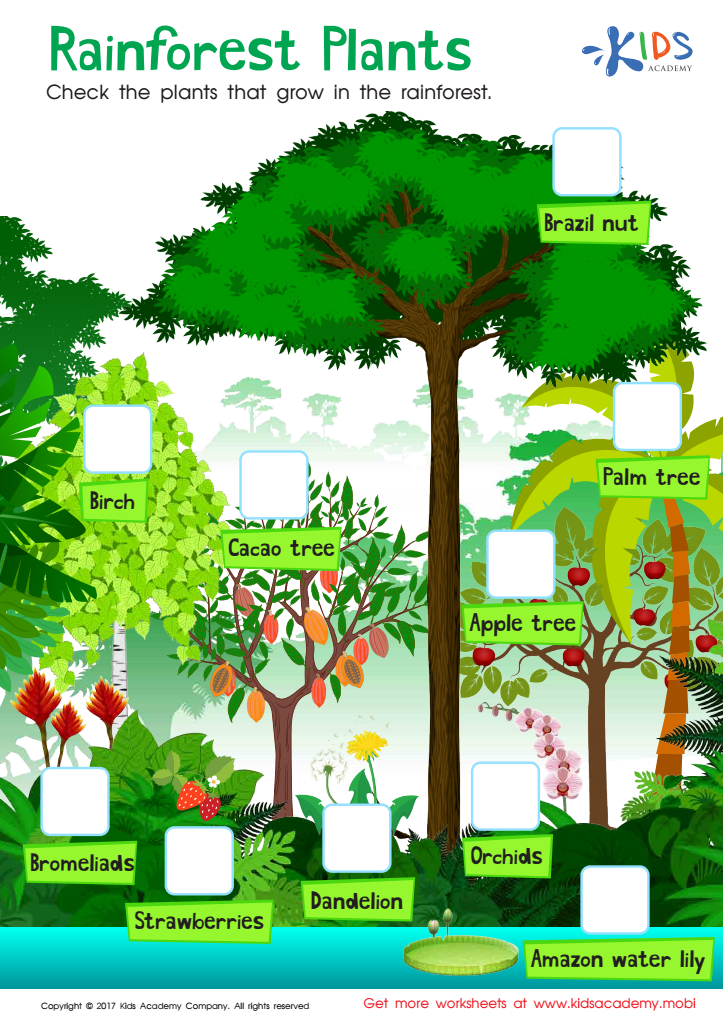
Rainforest Plants Worksheet
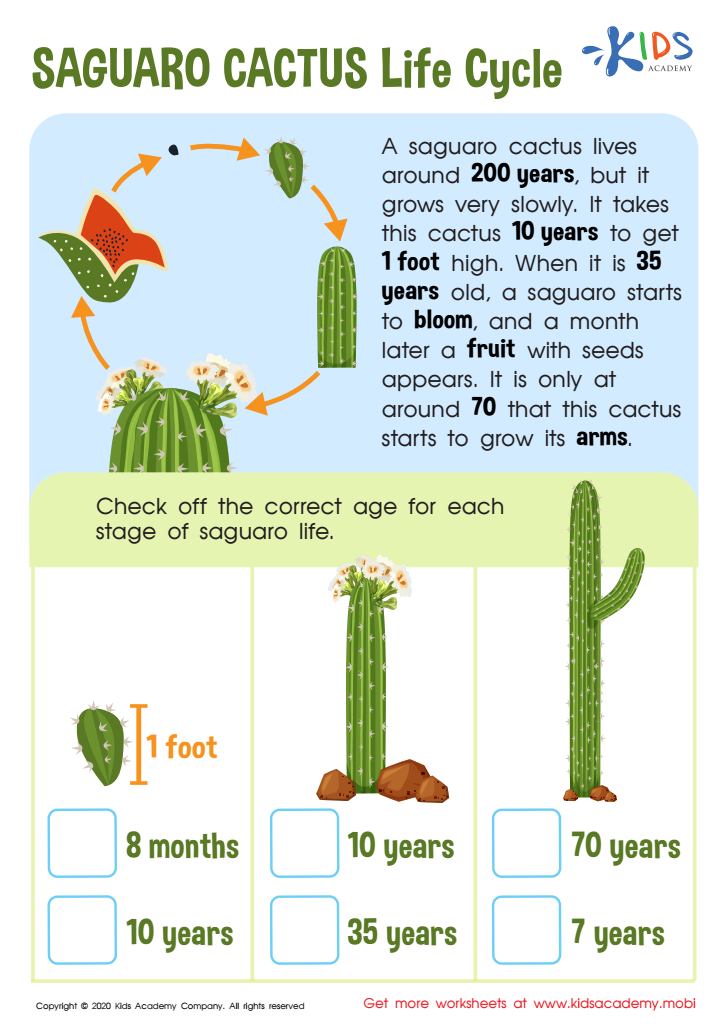
Saguaro Cactus Life Cycle Worksheet
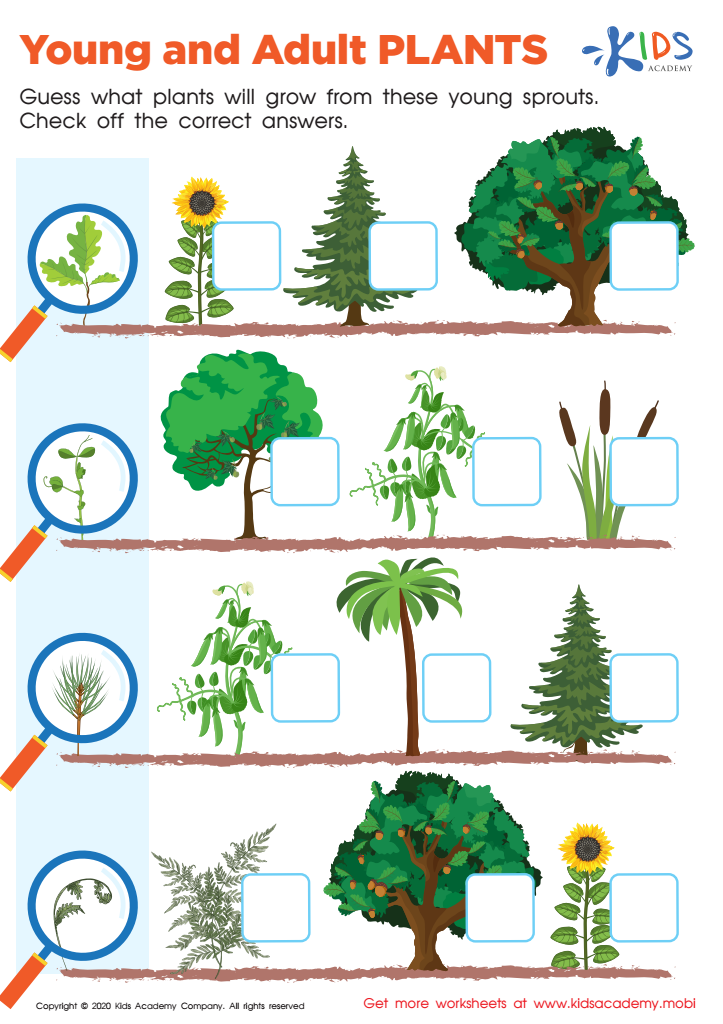
Young and Adult Plants Worksheet
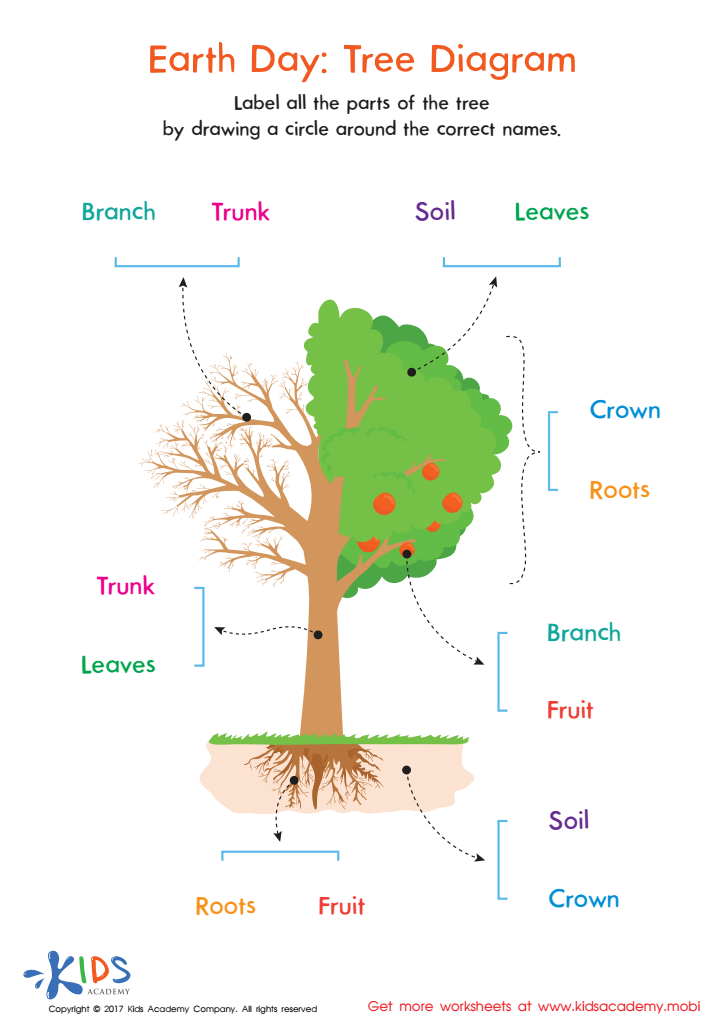
Earth Day: Tree Diagram Worksheet
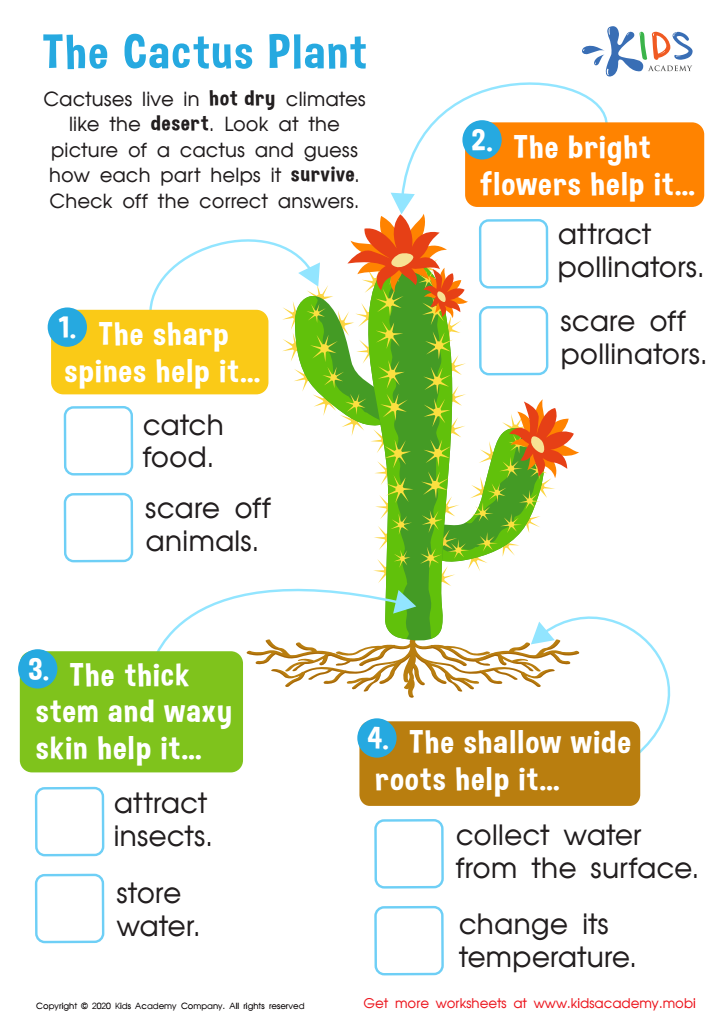
The Cactus Plant Worksheet
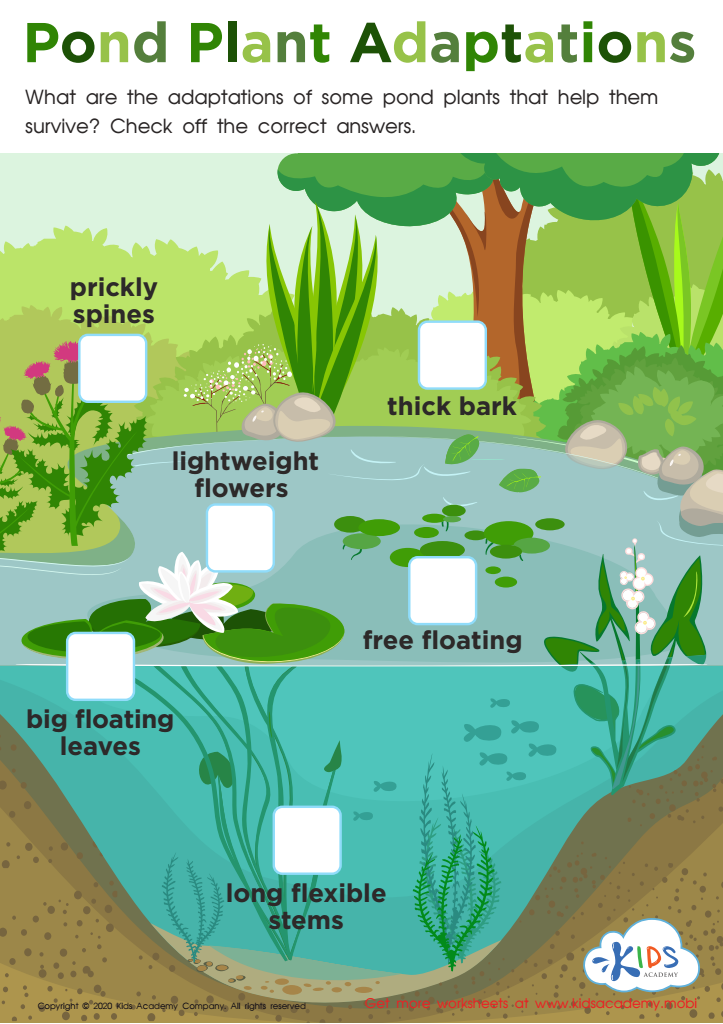
Pond Plant Adaptations
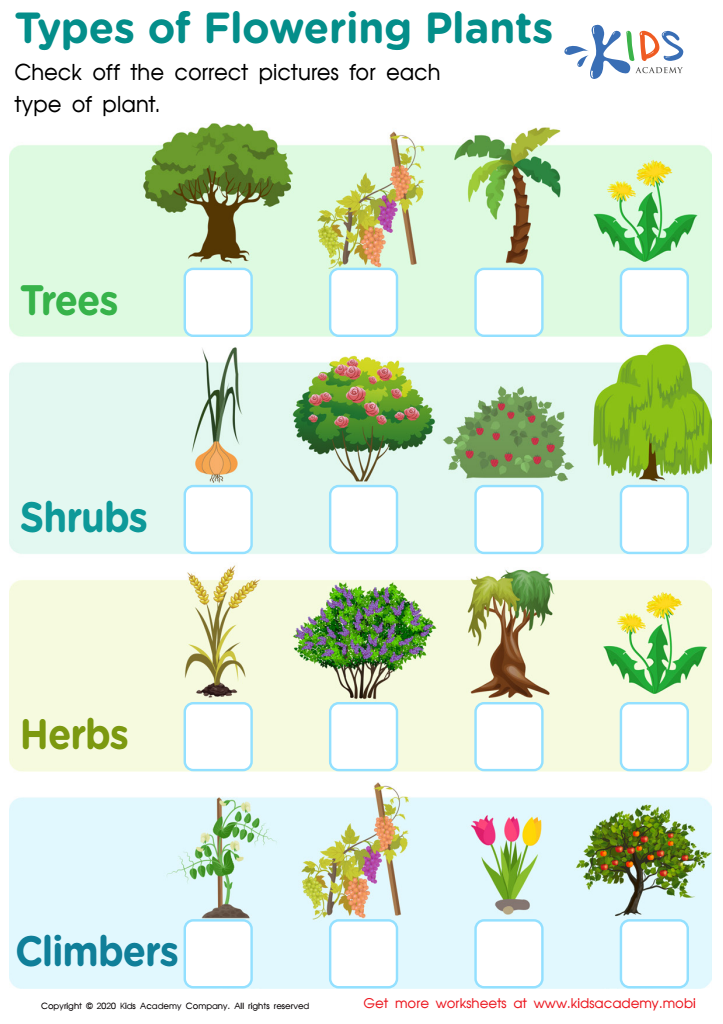
Types of Flowering Plants Worksheet
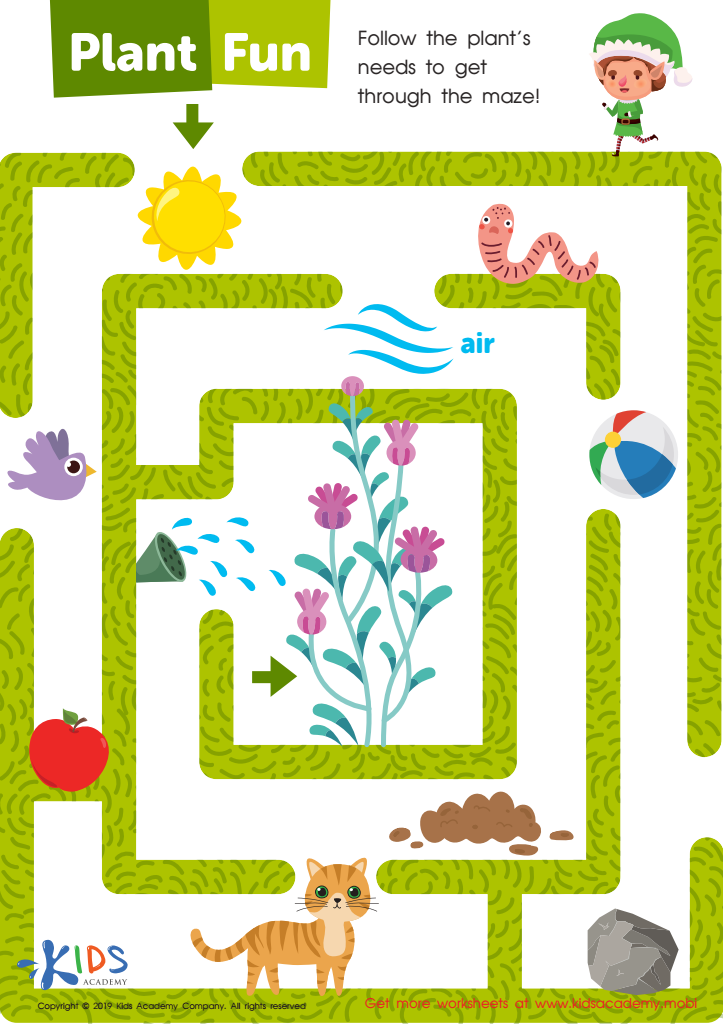
Plant Fun Worksheet
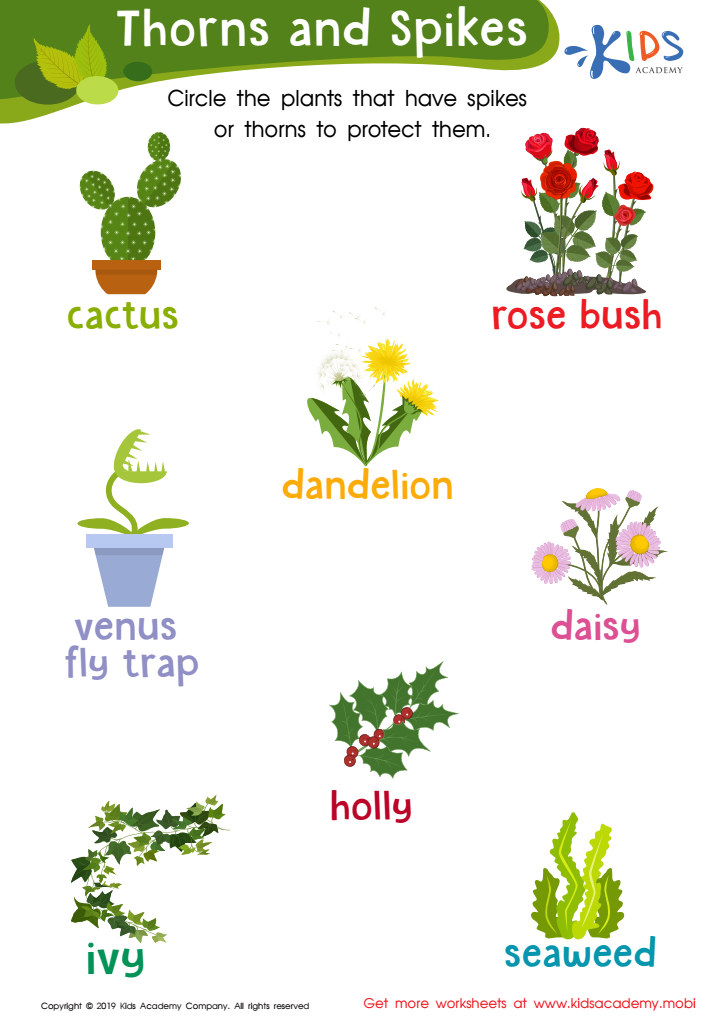
Thorns and Spikes Worksheet
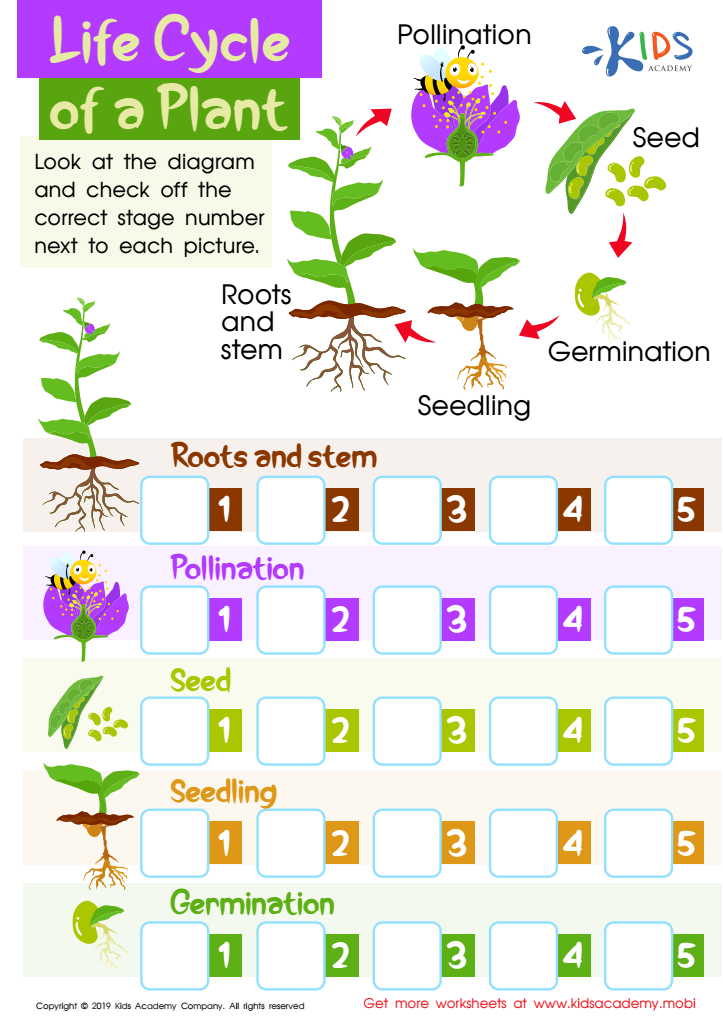
Life Cycle of a Plant Worksheet
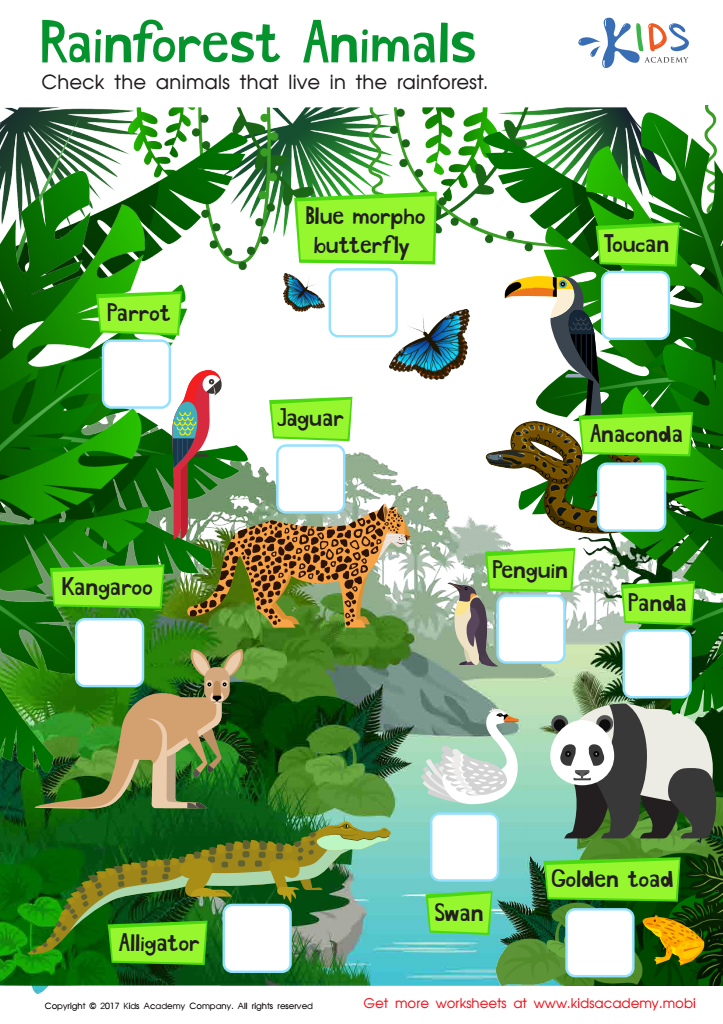
Rainforest Animals Worksheet
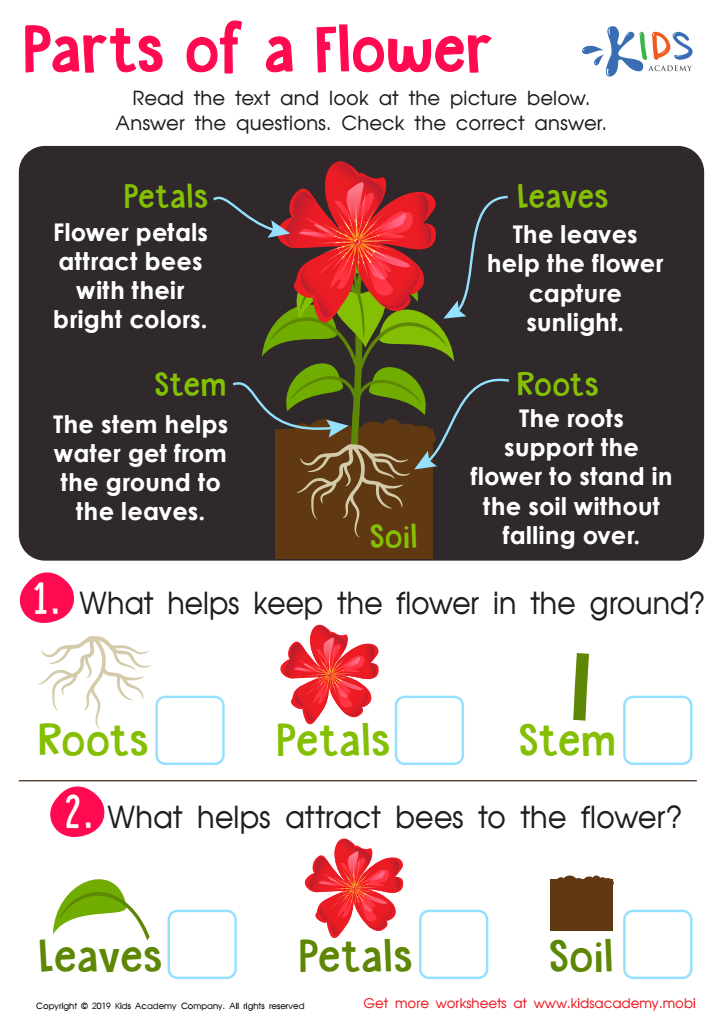
Parts of Flower Worksheet
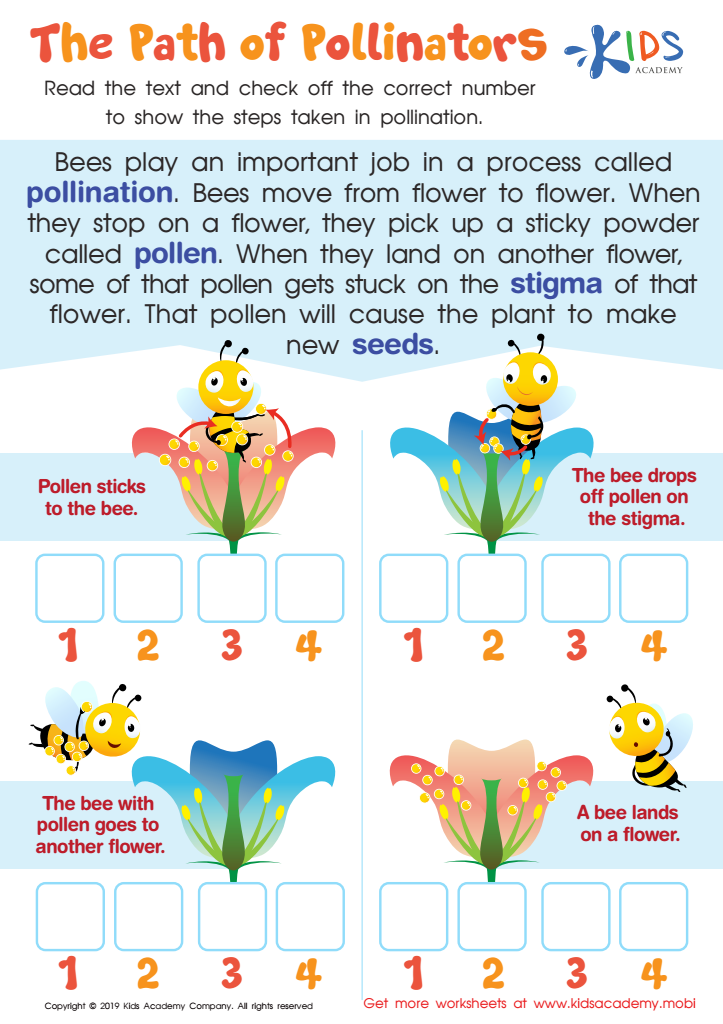
The Path of Pollinators Worksheet
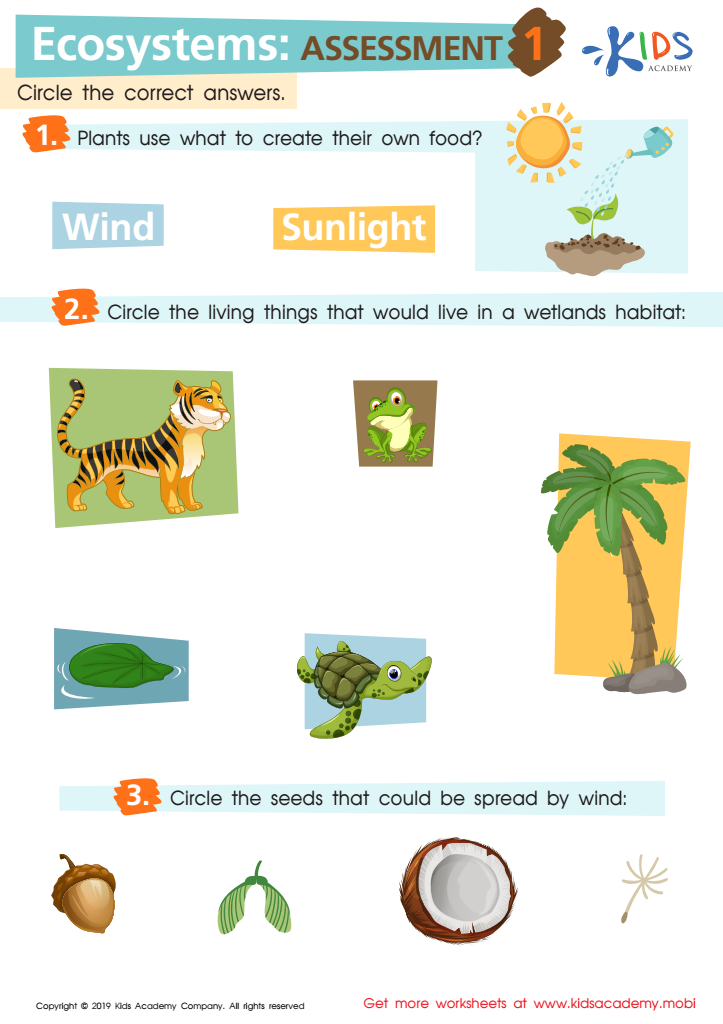
Ecosystems: Assessment 1 Worksheet
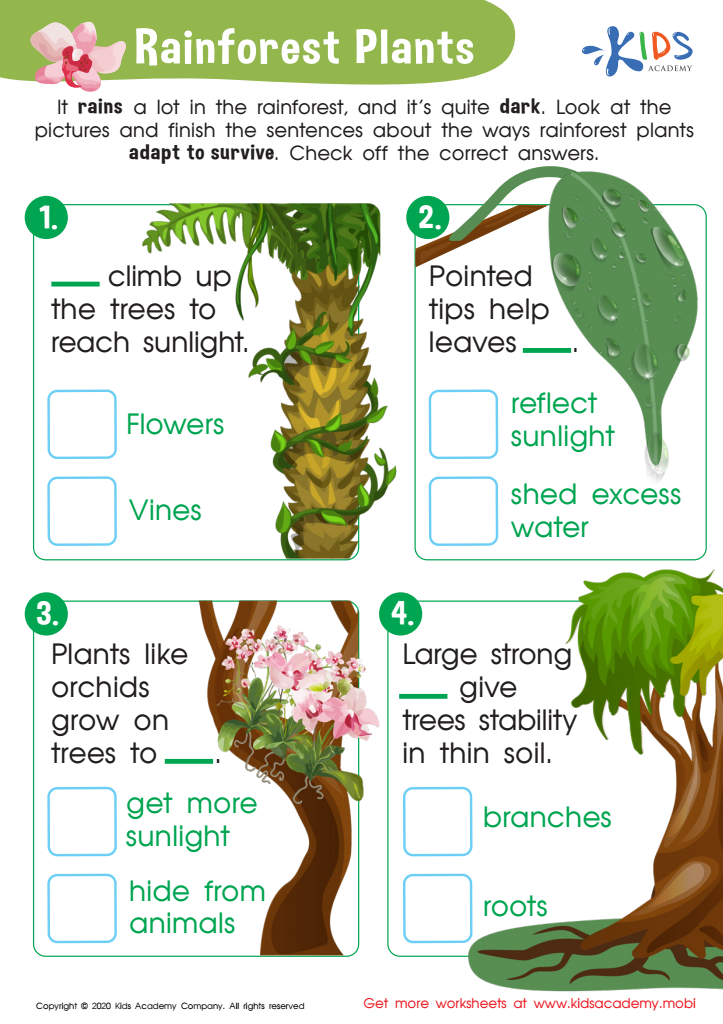
Rainforest Plants Worksheet
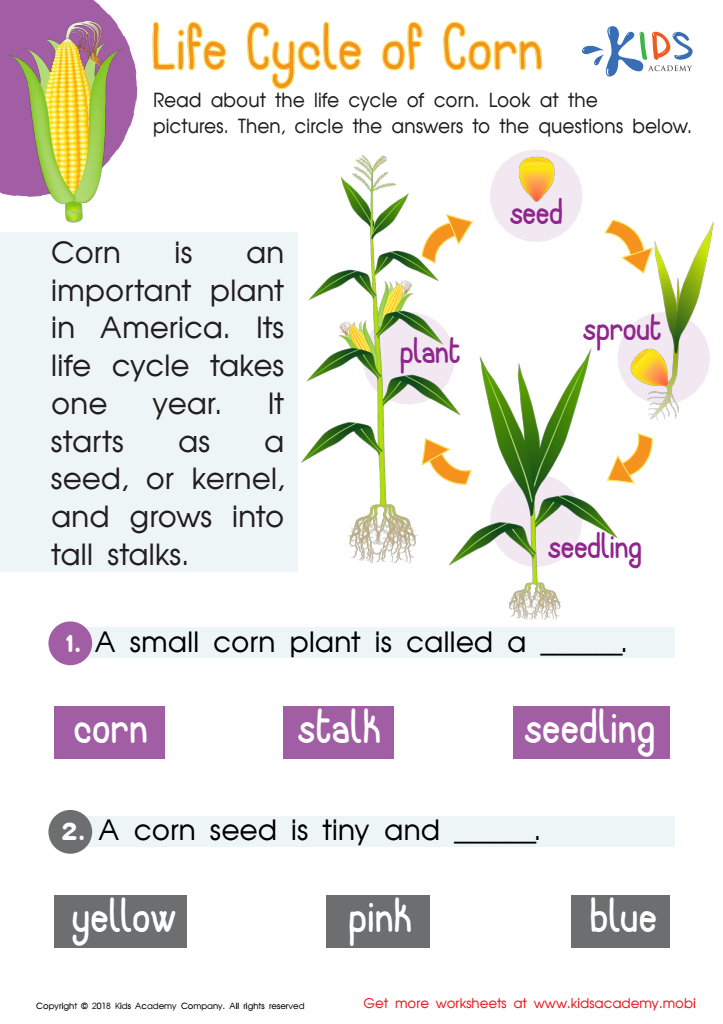
Life Cycle of Corn Worksheet
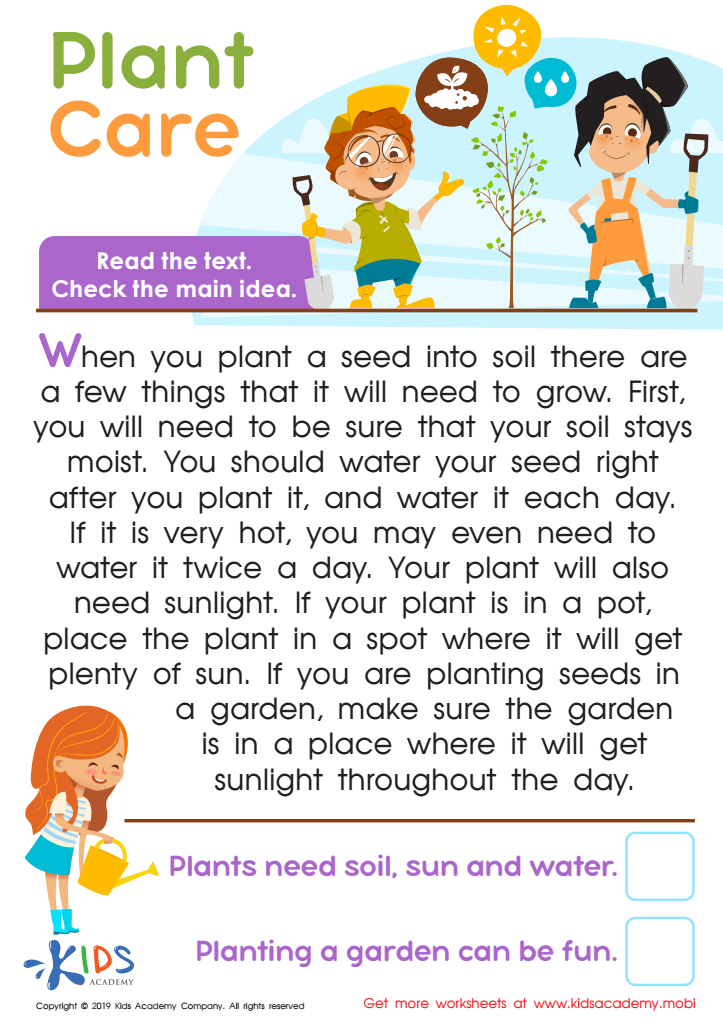
Plant Care Worksheet
Jungle Plants Worksheet
 Assign to My Students
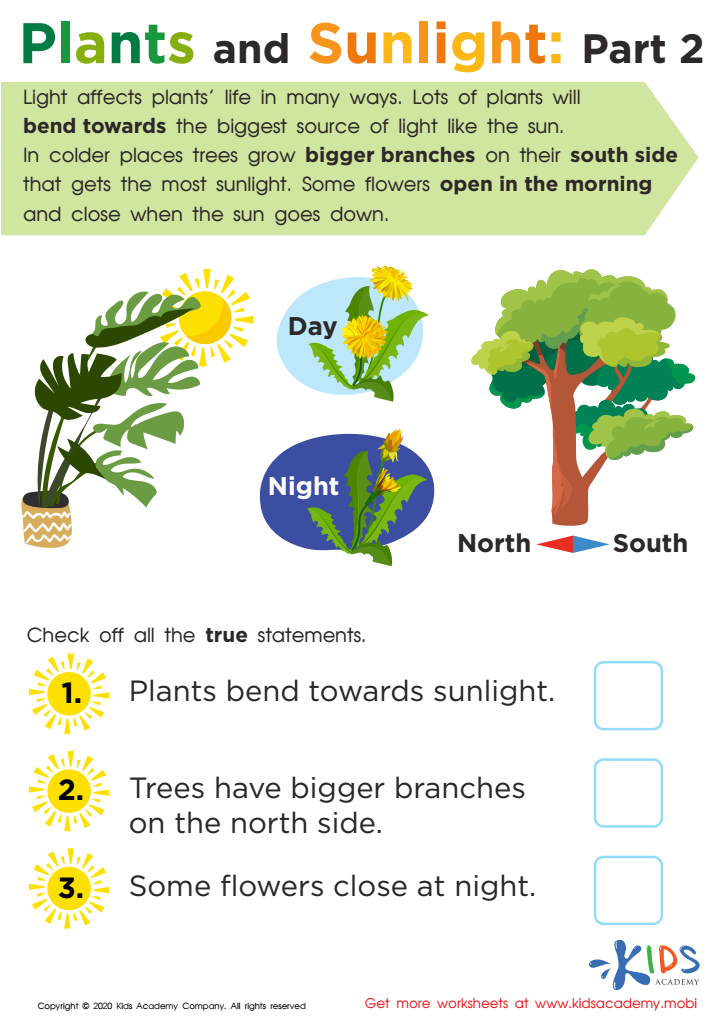
Plants and Sunlight: Part 2 Worksheet
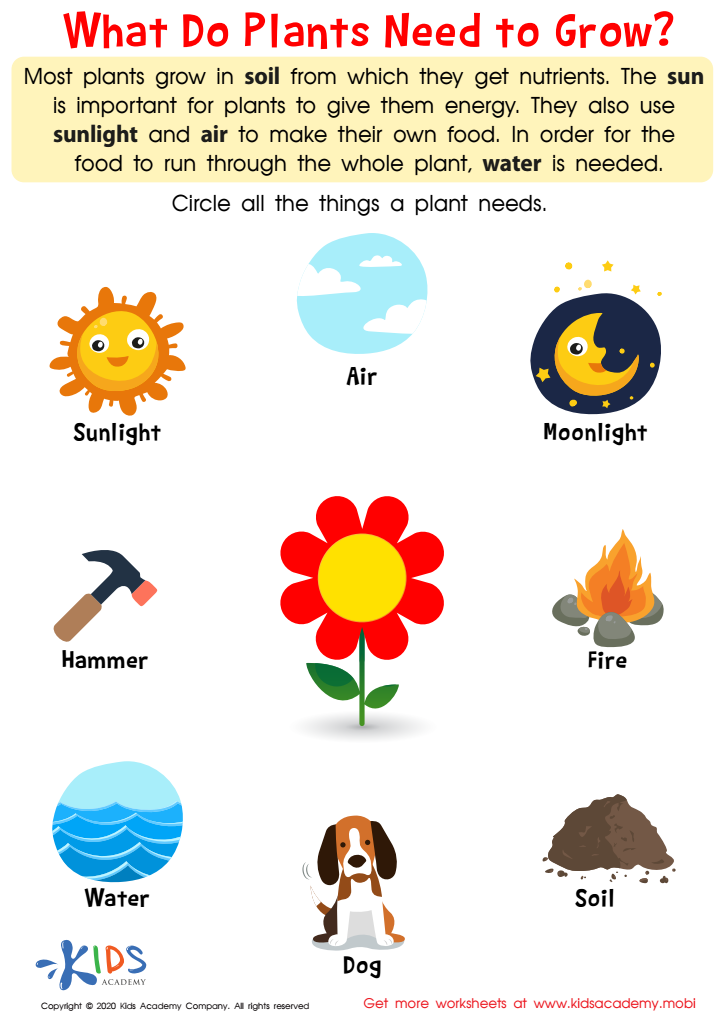
What Do Plants Need to Grow Worksheet






Teaching children about plants offers numerous benefits for their development, especially for ages 5-9. Firstly, understanding plants fosters a connection to nature, encouraging curiosity and appreciation for the environment. This age group is incredibly receptive to sensory experiences, and engaging with plants allows children to explore textures, colors, and scents, enhancing their sensory skills.
Learning about plant life cycles and growth processes also introduces essential scientific concepts, promoting critical thinking and observation skills. Children can conduct simple experiments, observe changes, and learn the importance of sunshine, water, and soil. Such hands-on activities contribute significantly to hands-on learning, essential at this stage.
Moreover, plants play a vital role in forming healthy habits. Teaching kids to care for plants nurtures responsibility, patience, and empathy, as they learn to tend to living things. Additionally, discussions about edible plants can promote healthy eating choices, laying the groundwork for lifelong wellness.
Lastly, plant education integrates multiple disciplines, including art through crafts and design, math through measuring growth, and language by introducing new vocabulary. For these reasons, incorporating plants into learning activities offers holistic development for children, making it essential for both parents and teachers to invest attention in this area.