
Sequencing Skills Plants and Animals Worksheets for Ages 5-9
4 filtered results
Difficulty Level
Grade
Age
-
From - To
Subject
Activity
Standards
Enhance your child's understanding of plant and animal life cycles with our Sequencing Skills Worksheets, designed specifically for ages 5-9. These engaging worksheets help young learners develop important sequencing skills through fun activities related to nature. Kids will explore the stages of growth in plants and the life cycles of various animals, promoting critical thinking and comprehension. Each worksheet features colorful illustrations and easy-to-follow instructions to keep children motivated and excited about learning. Perfect for classroom settings or home practice, these resources are an excellent way to foster curiosity and encourage a lifelong love of science. Download and start exploring today!
Favorites
With answer key
Interactive
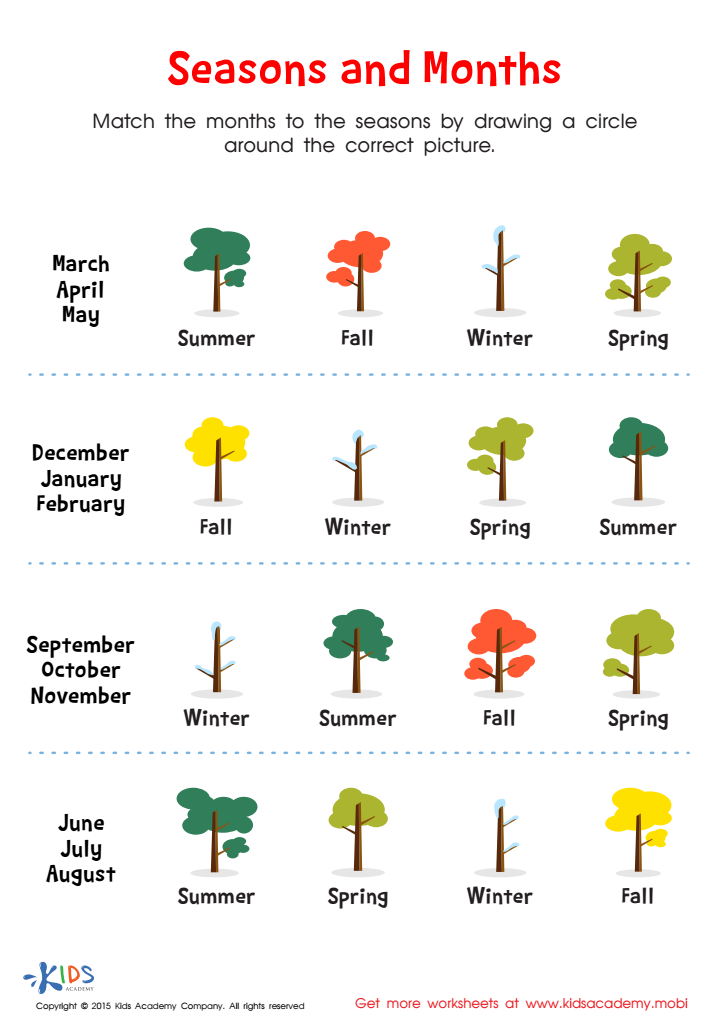
Seasons and Months Worksheet
Help your child explore the world around them with this fun seasons and months printable worksheet. It'll help them understand the months of the year and the seasons connected to them, teaching valuable science knowledge and skills. Plus, engaging in conversations about the current month and season will extend their learning!
 Assign to My Students
Seasons and Months Worksheet
Worksheet

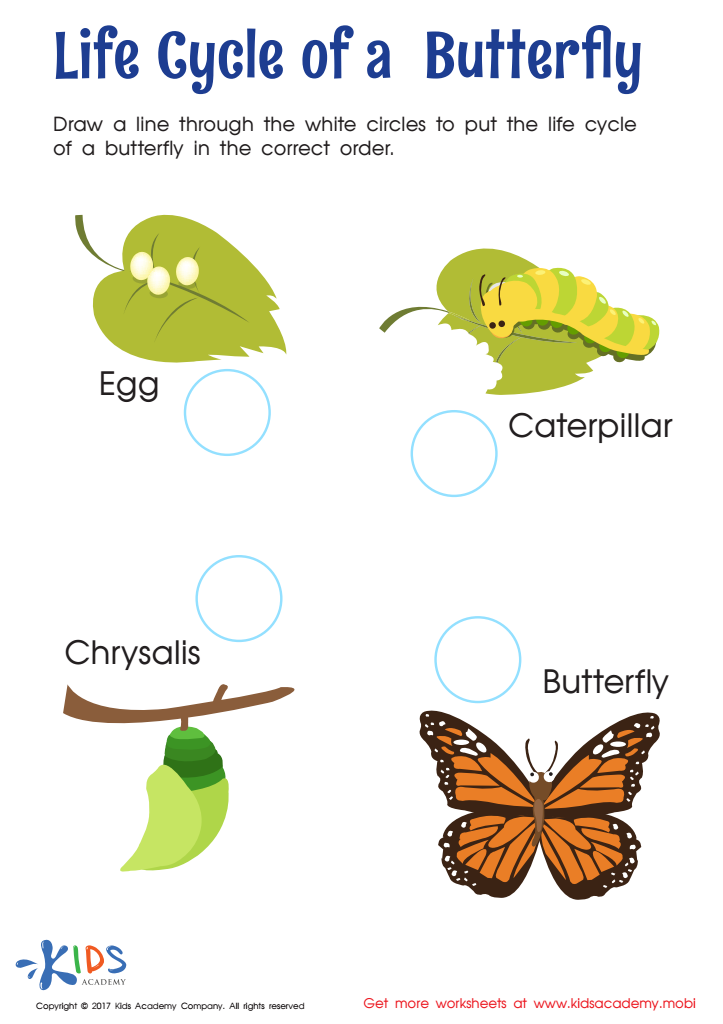
Life Cycle of Butterfly Worksheet
Kids Academy offers an exciting activity – a Life Cycle of a Butterfly Worksheet PDF. It shows four stages in the lifecycle of a butterfly with vivid pictures. Kids put the stages in the correct order to study the lifecycle.
Life Cycle of Butterfly Worksheet
Worksheet
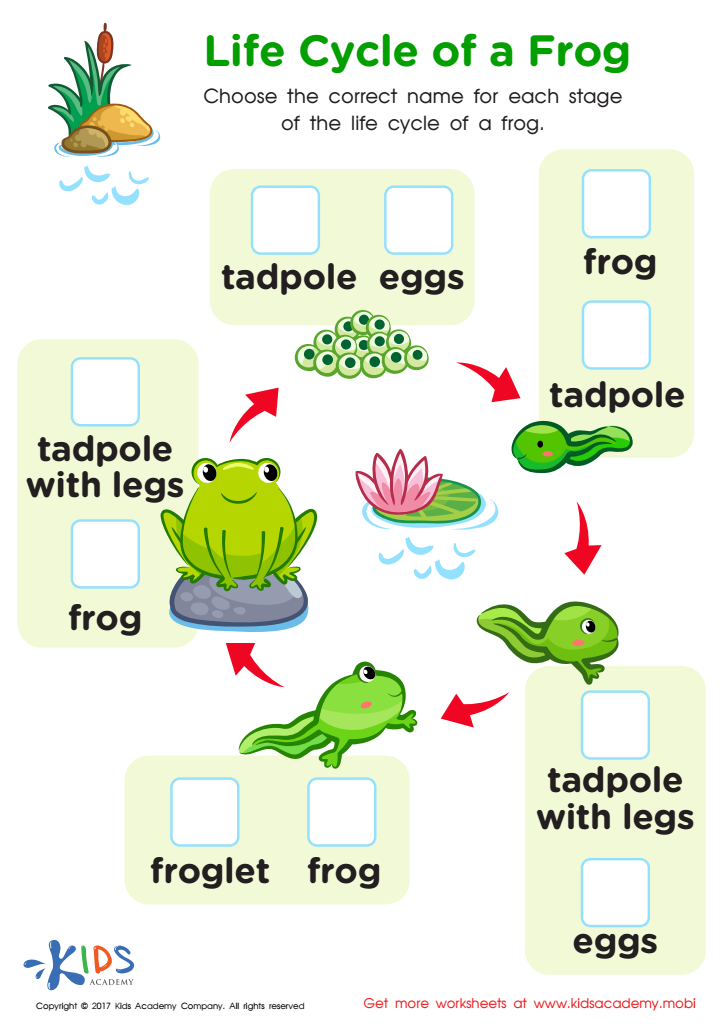
Life Cycle Frog Printable
Kids can explore the life cycle of frog with this fun worksheet! Draw lines from one stage to the next to follow the transformation from tadpole to frog and learn about the cycle of life.
Life Cycle Frog Printable
Worksheet
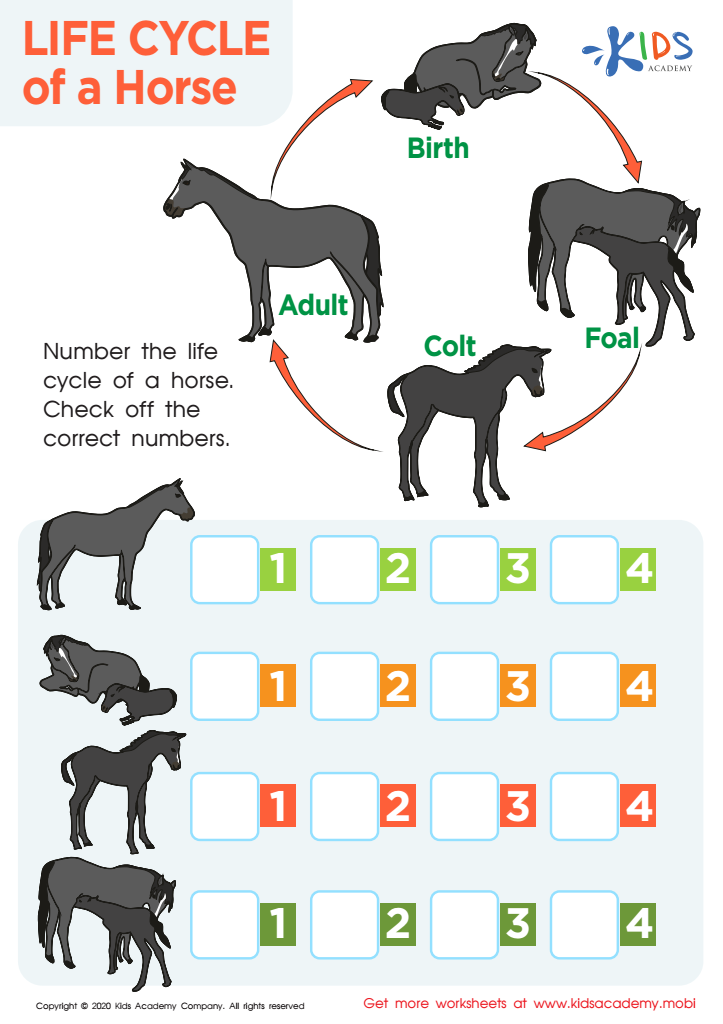
Life Cycle of a Horse Worksheet
Kids Academy's science worksheet on horses' lifecycles offers an engaging way for kids to learn! They'll study the diagram and label each stage of life, from birth to adulthood, and then number the pictures to mark the correct sequence. Fun and educational - a perfect way to get your kids learning!
Life Cycle of a Horse Worksheet
Worksheet
Join Kids Academy for Free
Who is primarily going to use this learning content?








Sequencing skills are vital for children aged 5-9, especially when learning about plants and animals. These skills involve understanding and organizing events in a logical order, which establishes a foundation for critical thinking and comprehension across subjects. For young learners, grasping the life cycles of plants and animals is crucial, as it enhances their understanding of nature, ecosystems, and biological processes.
When parents and teachers prioritize sequencing skills, they help children develop the ability to identify patterns and cause-and-effect relationships, fostering scientific reasoning. For instance, understanding the sequence of a plant's growth—from seed germination to flowering—encourages curiosity and investigative learning. It also aids in memorizing facts and allows children to articulate their thoughts more clearly.
Moreover, mastering sequencing supports literacy development, as children learn to organize narratives and events logically. It enhances communication skills and boosts overall academic performance in STEM subjects. When children can sequence information accurately, they become more proficient learners, capable of applying their skills in various contexts. By nurturing these abilities, parents and teachers are equipping children with essential life skills that promote lifelong learning and responsible environmental stewardship.








